VI
VI


Tet Nguyen Dan (Lunar New Year) is a deeply meaningful holiday, a time for family reunions, returning to one's hometown, and remembering ancestors. Despite the many changes throughout history and the evolving nature of Tet today, this beautiful tradition remains enduring in the lives of the Vietnamese people…
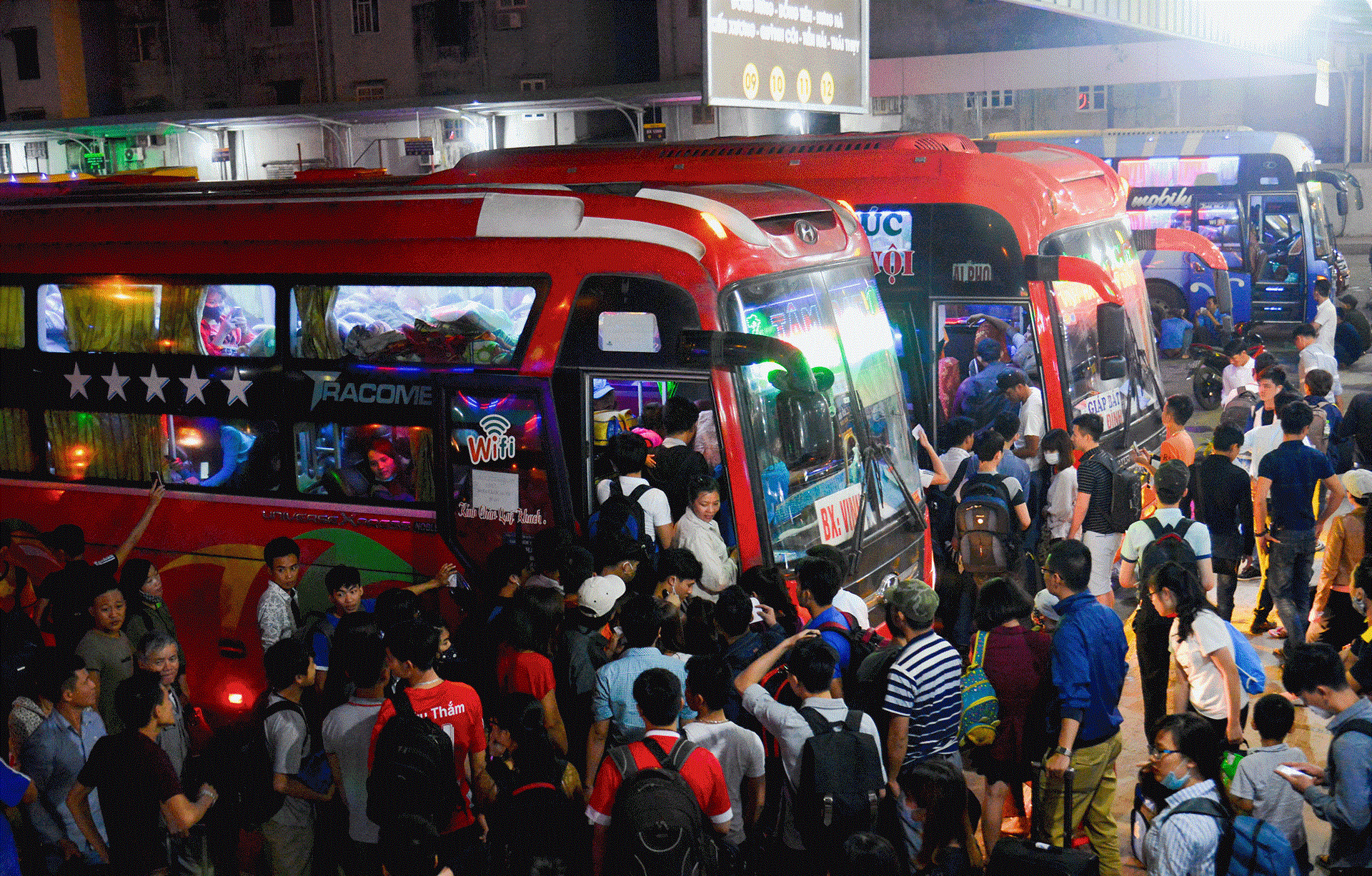
The atmosphere of the Vietnamese Lunar New Year usually begins on the 23rd day of the 12th lunar month (also known as the Kitchen God Festival). From that time on, everyone tries to finish all their tasks, return home to decorate their houses, prepare and arrange things, welcome relatives back to gather together, and enjoy the spring atmosphere after a year of hard work.
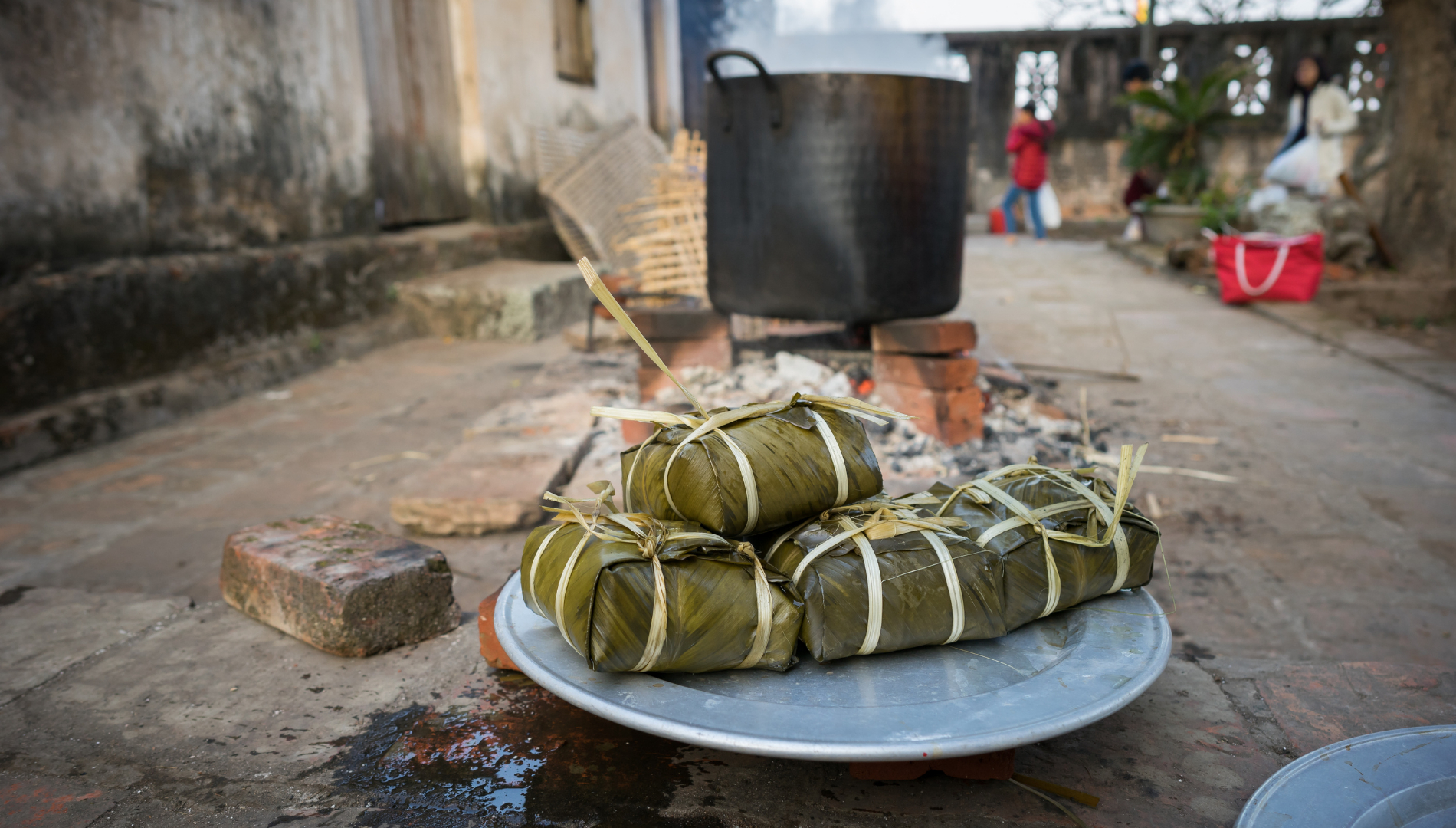
"Returning home for Tet" isn't just about going or coming back; it's a journey back to one's roots, the place where one was born and raised. Only those who have to leave home truly remember and cherish every moment of being with loved ones during Tet – the moments when the whole family gathers to wrap banh chung (traditional rice cakes), watch the pot of banh chung cook over the warm fire, and count down to bid farewell to the old year and welcome the new one.
Beside the warm fire, the warmth of family love shines.
The tradition of making banh chung (traditional Vietnamese rice cakes) for Tet (Lunar New Year) has become a unique cultural feature, deeply ingrained in the consciousness of the Vietnamese people. Through generations, the green banh chung is not just a simple food item but also a sacred symbol, associated with the beautiful traditional values of the nation.
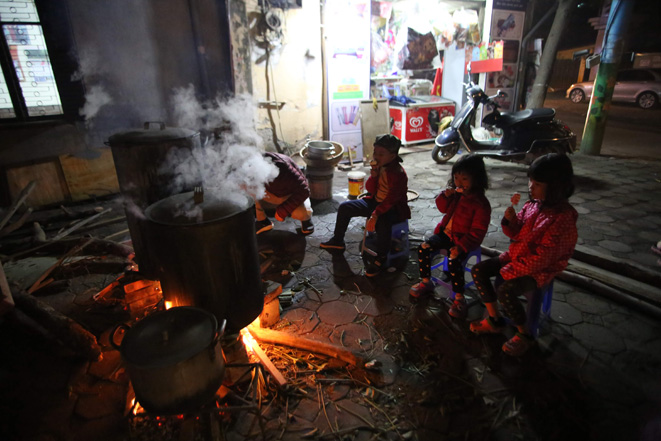
The festive atmosphere of Tet (Vietnamese Lunar New Year) is filling every street corner, village road, and alleyway as people light fires to boil banh chung (traditional rice cakes) to welcome the coming spring.
Tet marks the beginning of a new year filled with good wishes, hoping for a peaceful, lucky, and successful year. For children, the twelfth lunar month drags on endlessly, counting down the days until Tet. So many joyful and exciting things await them, but the most anticipated is making banh chung and banh tet (traditional Vietnamese rice cakes) with their families and staying up with the adults to watch over the cooking pots.

The green banh chung (Vietnamese sticky rice cake) symbolizes earth, sky, and people, representing the harmony between humanity and nature. The square shape of the banh chung represents the earth, the green color of the banana leaves represents the sky, and the filling represents people. Through this, Vietnamese people express gratitude to heaven and earth, and pray for a peaceful and happy new year.
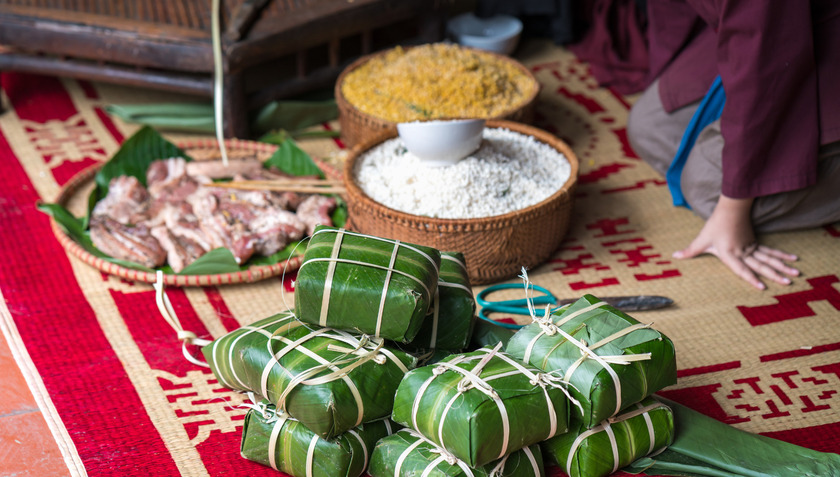
Amidst modern life, the custom of making banh chung (traditional Vietnamese rice cakes) for Tet (Lunar New Year) is still preserved and maintained. Many families, despite their busy schedules, still make and cook banh chung themselves.
To make the cakes, everyone works together to cut leaves, set up molds, pour in the rice... The skillful hands of the older people meticulously select fresh, healthy banana leaves, while the children eagerly pick out plump, round grains of sticky rice. Everyone eagerly awaits the perfectly cooked cakes, emitting the fragrant aroma of Tet.
In the days leading up to Tet, that communal courtyard was noisy and bustling from early morning until late at night. Here they washed rice, there they rinsed beans. In one corner they scrubbed leaves, in another they split bamboo strips. Then there was chatting, arguing, teasing, shouting... it was truly as joyful as Tet.
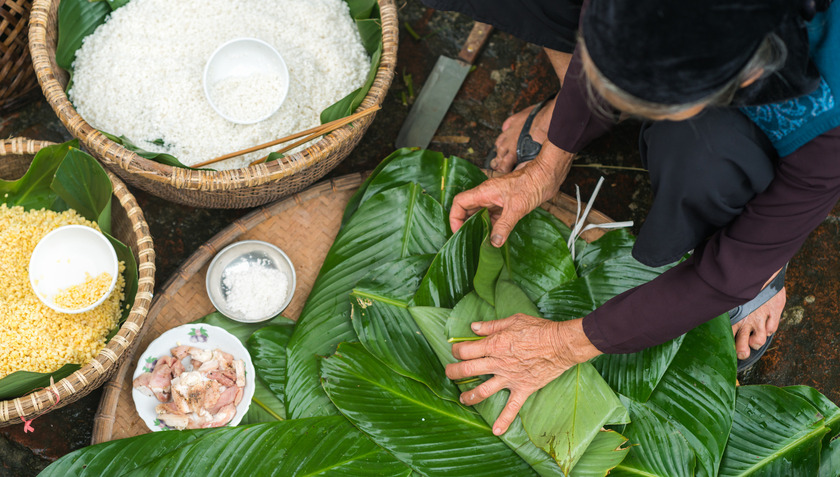
Banh chung is a traditional cake eaten during the Lunar New Year. It consists of glutinous rice, mung beans, pork, and is wrapped in dong leaves.
The fragrant aroma of banana leaves, mingled with the sweetness of sticky rice and fatty pork, fills the air, evoking countless childhood memories. The boisterous laughter, the rustling of falling leaves, the bubbling of boiling water... all create a warm, family symphony. Each time a rice cake is taken out of the pot, everyone cheers with delight, sharing the hot, delicious slices.
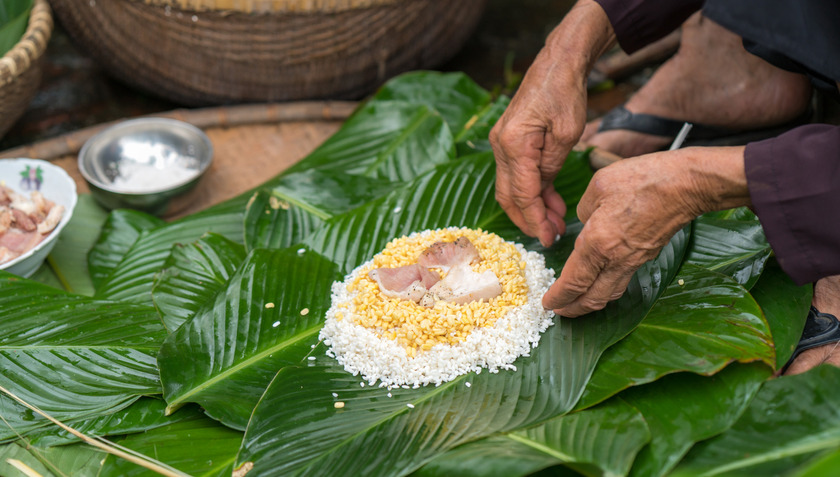
Every ingredient for making banh chung (Vietnamese sticky rice cake) is carefully selected, the wrapping must be done tightly, and the cooking process requires careful monitoring to ensure the cake is cooked just right.
Spreading the cultural traditions of Tet (Vietnamese Lunar New Year).
In the springtime, warmed by the glowing embers of the simmering pot of sticky rice cakes on the back porch, the whole family sits together for hours, waiting to enjoy the first hot, freshly cooked cake. The delightful part is that the whole family gathers around the pot of sticky rice cakes, sharing stories of a year of hard work and everyday conversations. Grandparents and parents tell their children and grandchildren about the meaning of sticky rice cakes and the family's tradition of making them. The children listen attentively, their eyes sparkling with delight.
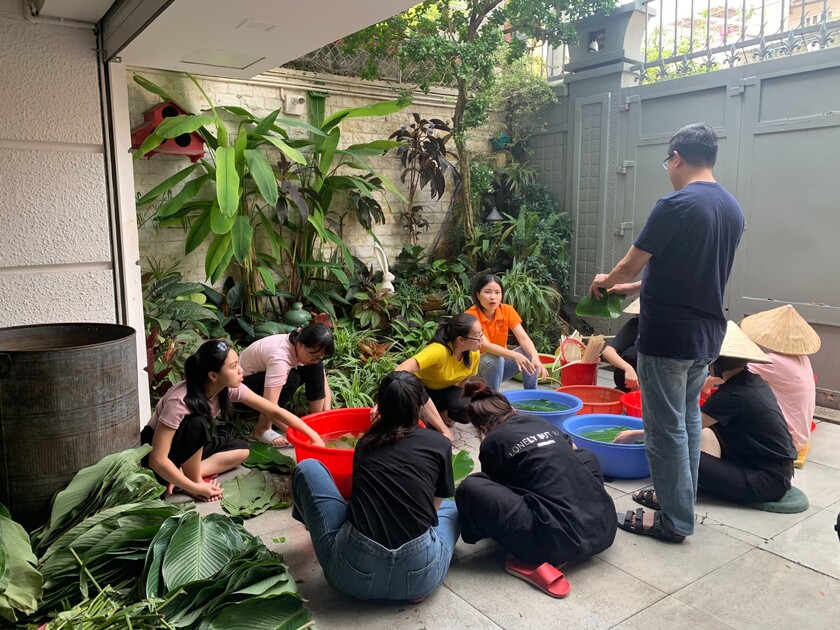
Making banh chung (traditional Vietnamese rice cake) is an opportunity for generations to gather together.
The green of banana leaves and dong leaves is like the green of rice fields, mountains, villages, and bamboo groves. The pristine white sticky rice is the essence of the fields, a precious gift from heaven. The pork, raised by our mother, is a time-honored tradition passed down from our ancestors. The flexible bamboo strips binding the leaves, rice, and filling together symbolize the bonds of brotherhood, kinship, and close relationships.
Outside, the spring rain was falling gently, and the bluish smoke rising from the kitchen lingered above the stovetop, reluctant to leave the cozy house where cakes were being baked in preparation for Tet.
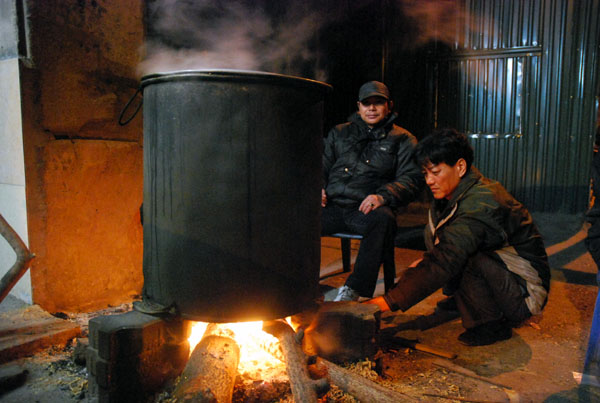
Beside the warm fire, feelings become even warmer.
Dating back to the Hung Kings era, and having weathered countless historical changes, the custom of making banh chung (traditional Vietnamese rice cakes) for Tet (Lunar New Year) has been preserved to this day. In the Vietnamese psyche, banh chung is not simply a traditional dish but has become a unique cultural symbol with profound meanings about the universe and human life, representing family reunion, gratitude to heaven and earth, and ancestors. Therefore, in the ancestral worship feast of any Vietnamese family, no matter where they live, a pair of green banh chung is always present.
The banh chung (Vietnamese sticky rice cake) not only reminds everyone of a dish deeply rooted in the nation's culture, but also makes us cherish this sacred product of Tet (Vietnamese New Year) even more. Whenever people think of banh chung, they immediately think of Tet, and vice versa. Although modern life is busier and more prosperous, the cultural traditions deeply embedded in the banh chung during Tet still need to be passed on to future generations.