VI
VI


The Covid-19 pandemic has caused an unprecedented crisis for the tourism industry in particular and the economies of countries around the world in general. Based on the actual situation, after discussions with the World Travel and Tourism Council (WTTC), countries and territories have implemented practical policies to support the tourism industry.
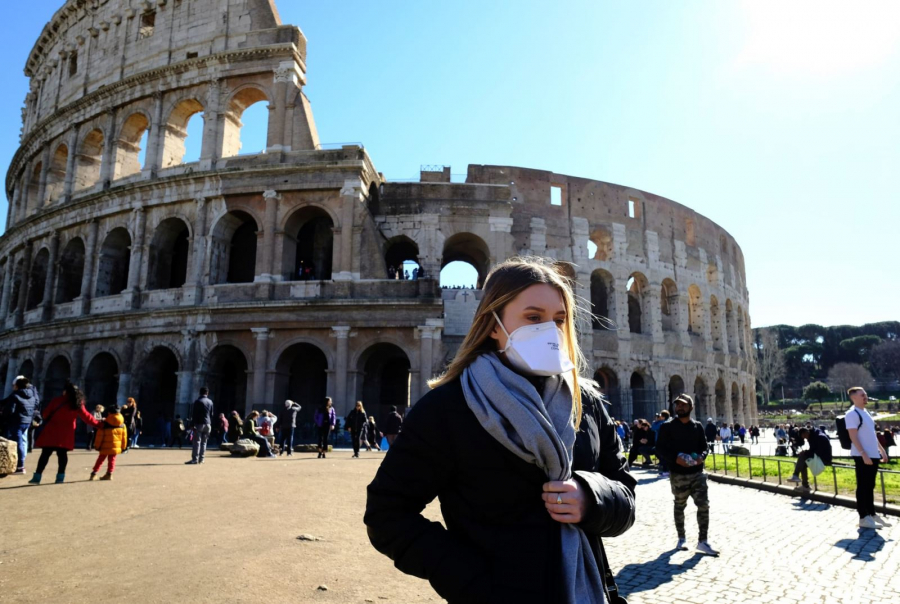
Italy
Italy has activated a contingency fund to support all sectors. The government has pledged to pay approximately 80% of wages for workers affected by the Covid-19 pandemic. Self-employed individuals can apply for a special payment of €600 in March 2020. Families can defer mortgage payments if they are unable to earn money due to the pandemic. Italy has also established a €500 million fund to address the losses in the aviation industry.
Hong Kong
Hong Kong has announced a subsidy program for travel agents in the territory affected by the Covid-19 pandemic. Currently, approximately 1,350 agents are eligible for the HK$80,000 subsidy. This amount is sufficient to help agents overcome financial difficulties as the pandemic continues. Since the announcement, 98% of licensed travel agents have registered for the program to receive the subsidy. Hong Kong currently has 980 confirmed cases of the virus and 4 deaths.
Singapore
The Singapore government has waived licensing fees for hotels, travel agencies, and tour guides, strengthened subsidy programs, and provided support of up to 70% of fixed monthly wages for workers earning less than US$2,000 per month. The government has also reduced landing and parking fees, lowered rental rates for agencies and shops at Changi Airport, and increased working capital loans, as well as reducing corporate income tax by 25%.

Vietnam
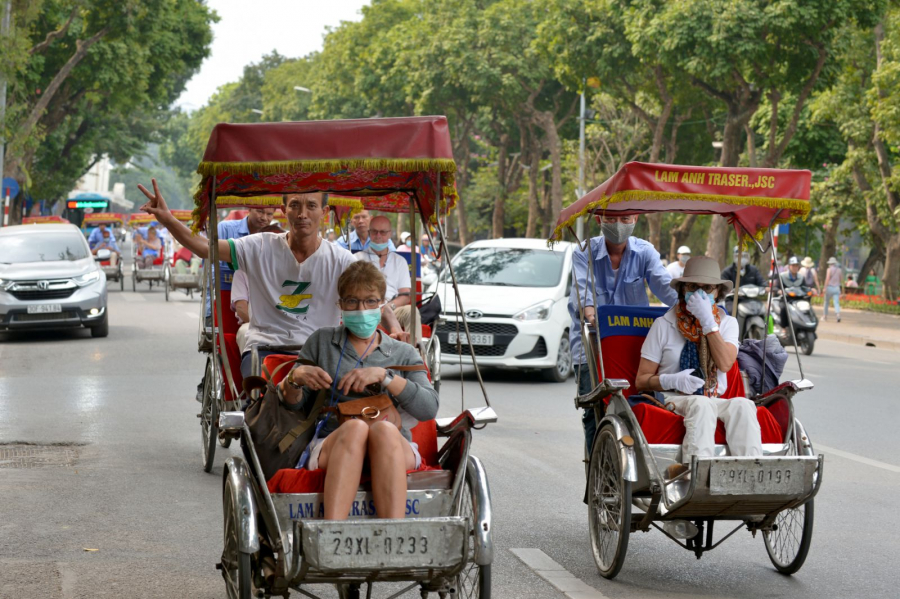
To contribute to the recovery of the tourism industry, the Vietnamese Ministry of Culture, Sports and Tourism has implemented several support policies, including: exempting value-added tax for tourism consumption and tourism businesses in the first, second, and third quarters of 2020; reducing tax by 50% in the fourth quarter of 2020 and the first quarter of 2021; reducing environmental fees; and reducing lump-sum taxes for individual business households in 2020. The Ministry also proposed implementing various credit support packages, reducing loan interest rates, extending repayment periods, and allowing delayed payments to help businesses recover from difficulties. Furthermore, the Ministry is working to develop attractive promotional plans and policies to attract tourists from Europe, America, Russia, New Zealand, India, the Middle East, etc., ready to be implemented as soon as the pandemic ends.
Philippines
The Philippines has officially launched a $523 million support package for the tourism industry. This includes $271 million from the Tourism Infrastructure and Enterprise Authority, $23 million for private sector unemployment benefits, $58 million for retraining workers, and $40 million allocated to social welfare programs for workers affected by the pandemic. The Department of Tourism is also planning to allocate $118 million for advertising during the recovery phase.
Virtue
The German government has pledged unlimited cash loans for businesses and has temporarily suspended mandatory financial obligations for companies until September 2020. This measure aims to prevent companies from going bankrupt during the crisis. Germany will also expand its loan portfolio for businesses from $460 billion to $550 billion.
France
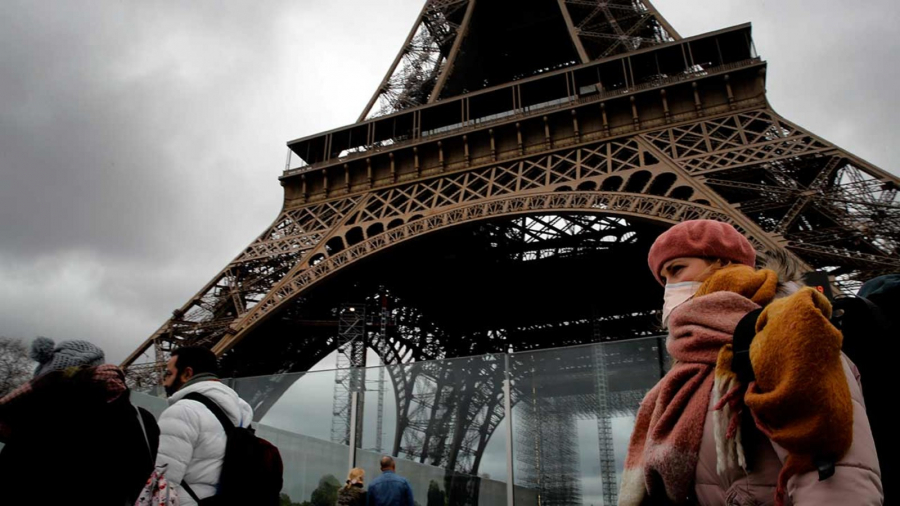
France established a €2 billion Solidarity Fund to support businesses forced to cease operations due to the pandemic, including 160,000 food service businesses, 140,000 trading businesses, and 100,000 tourism businesses nationwide.
Spain
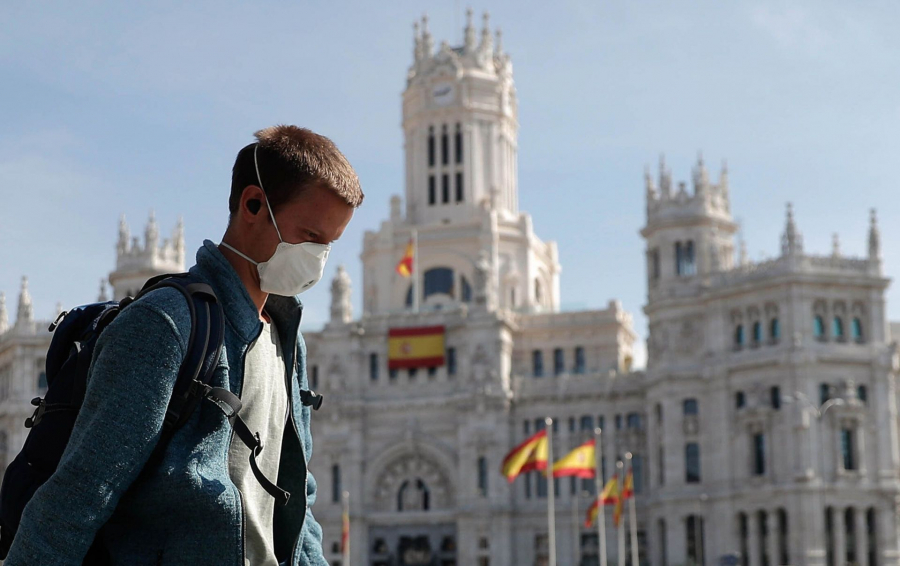
Spain announced a €400 million grant for tourism companies, transport operators, hotels, restaurants, museums, and other businesses based in the country, with a limit of €500,000. In addition, the government also launched a €200 billion package to support businesses, workers, and groups severely affected by the Covid-19 pandemic. Companies and businesses must commit to not laying off large numbers of workers in order to be eligible for this support.
United Kingdom
The British Prime Minister has proposed temporary measures to support public services, citizens, and businesses, totaling £330 billion. These measures include: a 12-month interest-free period for retail, hospitality, and leisure businesses; grants of £15,000-£51,000 for large businesses and £10,000 for small businesses. Small businesses can borrow up to £5 million through UK banks.
Portugal
Portugal has implemented more than 30 measures to protect its domestic workers from the Covid-19 pandemic. The government has also placed particular emphasis on the tourism sector by establishing a €60 million credit line for small businesses, increasing credit lines to €200 million for medium and large enterprises, supporting 70% of social security costs, providing training scholarships, and extending deadlines for tax payments and other financial obligations.