VI
VI


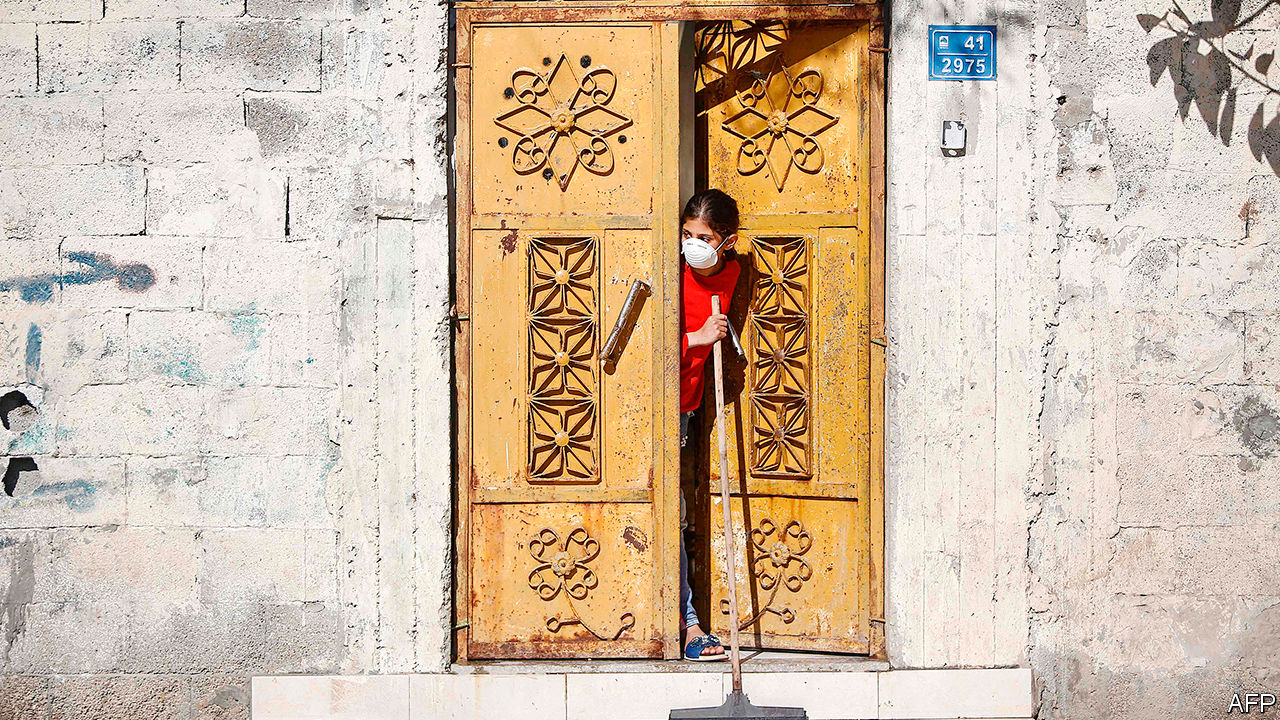
For 19 consecutive days, Vietnam has reported no new community-transmitted COVID-19 cases.
As of 6:00 AM on May 5th, the National Steering Committee for COVID-19 Prevention and Control reported no new cases in the past 12 hours. Furthermore, for the past 19 days, Vietnam has had no community transmission cases, and 131 cases were isolated immediately upon entry into the country. The total number of close contacts and those entering from epidemic areas currently under health monitoring is 25,625, of which 246 are in centralized quarantine at hospitals.
To date, Vietnam has had 221 out of a total of 271 COVID-19 patients recover and be discharged from the hospital. Among the remaining cases under treatment, 11 have tested negative for SARS-CoV-2 two or more times.
The death toll in the US could reach 100,000.
The US remains the country with the highest number of COVID-19 infections and deaths in the world, with 1,210,907 cases (an increase of 22,785 from the previous day) and 69,564 deaths (an increase of 966). On May 4th, New York Governor Andrew Cuomo announced that 226 new COVID-19 deaths had been recorded in New York in the previous 24 hours. This is the lowest single-day death toll for the state in five weeks (since March 27th), according to the New York Times.
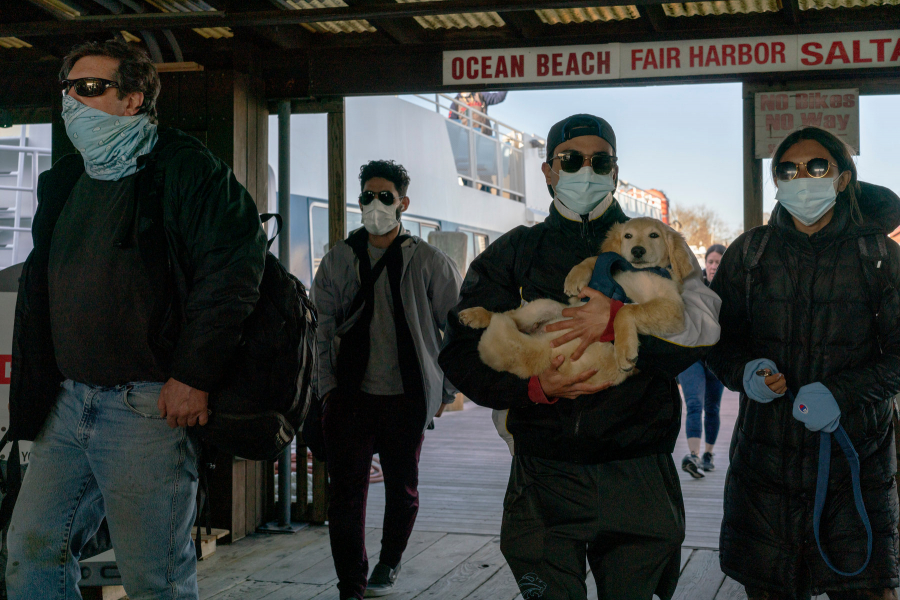
According to sources, forecast documents from President Donald Trump's administration indicate that the US will have approximately 200,000 new cases of SARS-CoV-2 infection by June 1st, with daily deaths reaching around 3,000.
On May 4th, US President Donald Trump suggested that the death toll from Covid-19 in the US could reach 100,000, yet he described the country's response to the crisis as "successful." "We're going to lose about 75,000-100,000 people. That's terrible. We shouldn't lose any more than that," Trump stated.
The forecast also indicated that the Great Lakes region, Southern California, and parts of the South and Northeast of the United States are all seeing an increase in cases, while highlighting the risks many states face as they begin to ease restrictions, allowing businesses and public spaces to reopen even as new infections continue to rise.
Roche has been licensed by the US to conduct antibody tests to identify COVID-19.
On May 3rd, leading Swiss pharmaceutical company Roche announced that it had received approval from the US Food and Drug Administration (FDA) for its blood antibody test to determine whether patients are infected with the SARS-CoV-2 virus.
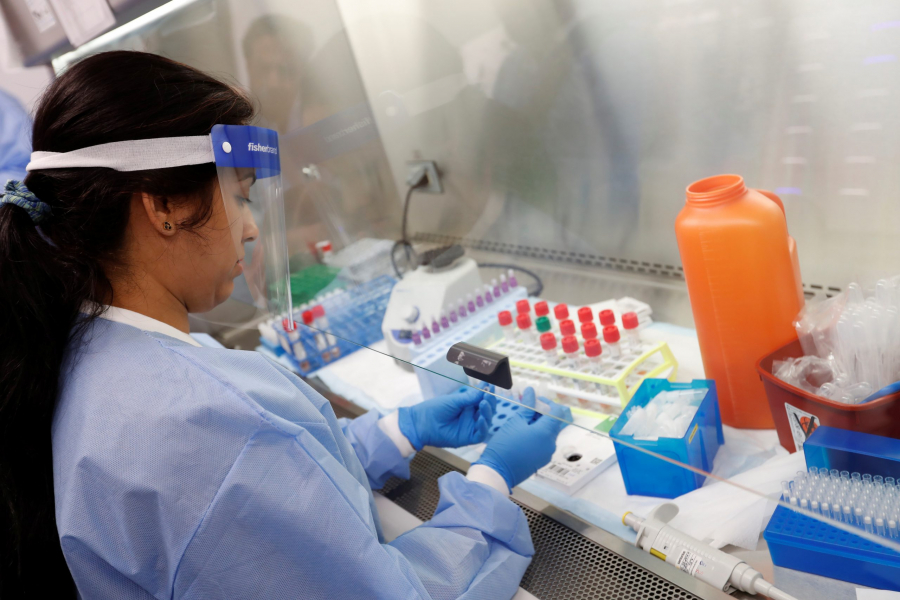
Roche has not yet announced the price for its antibody test.
Roche announced it will ramp up production to increase the number of test kits from 50 million per month to over 100 million per month by the end of this year. According to the company, Roche's antibody test uses venous blood, offering higher accuracy than finger-prick blood tests, with a specificity rate exceeding 99.8% and a sensitivity of 100%, meaning false positive results will be very rare and false negative results will be absent.
Similar antibody tests are also being developed by other pharmaceutical companies such as Abbott and Becton Dickinson (USA) and DiaSorin (Italy). Abbott claims the specificity and sensitivity of its test are 99.5% and 100%, respectively. Meanwhile, Diasorin states that its Liason XL test has a specificity of 98.5% and a sensitivity of 97.4%.
Russia has become the biggest "hotspot" for the COVID-19 pandemic.
Russia is becoming the current hotspot of the Covid-19 pandemic, with 10,581 new cases reported daily, higher than most countries worldwide. As of 6:00 AM on May 5th (Vietnam time), Russia has recorded a total of 145,268 positive cases of SARS-CoV-2 and 1,356 deaths.
Russian Health Minister Mikhail Murashko said on May 4 that the country will maintain some restrictions until a COVID-19 vaccine is available. Minister Murashko affirmed that Russia will gradually lift restrictions, but some will remain in place until measures to prevent the spread of COVID-19 are in place. The head of Russia's health ministry warned of the risk of a second wave of the COVID-19 pandemic.
Europe continues to ease lockdown measures.
Spain has now begun phase 4 of its reopening plan, aiming for a full reopening by the end of June. To prevent the spread of the disease, Spanish Prime Minister Pedro Sanchez announced the distribution of 6 million face masks to the public. Spain currently has 248,301 confirmed cases of COVID-19, including 25,428 deaths.
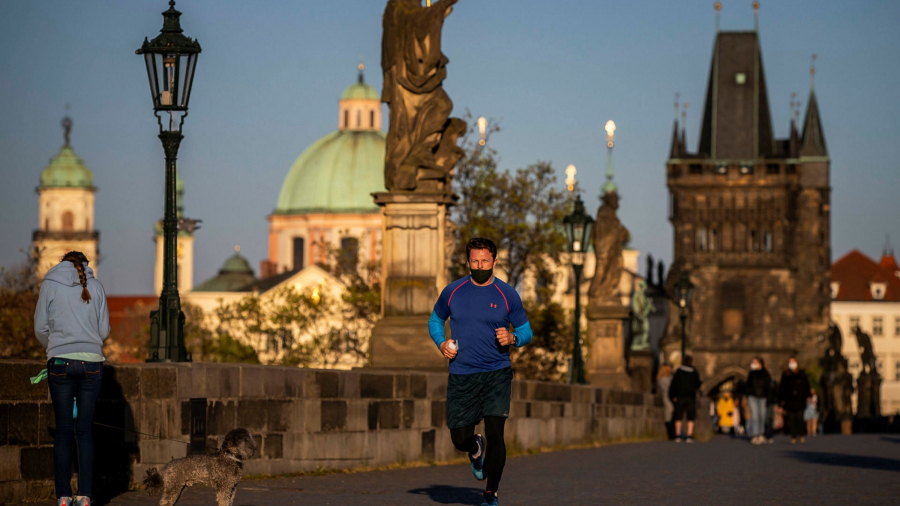
After 55 days of nationwide lockdown, on May 4th, Italy officially entered Phase 2 of the COVID-19 emergency, the phase of "living with the SARS-CoV-2 virus". As of 6:00 AM on May 5th, Italy had recorded a total of 211,938 cases of COVID-19. Of these, 29,079 deaths had occurred and 82,879 patients had recovered.
Belgium currently has 50,267 confirmed cases of Covid-19, including 7,924 deaths. Authorities have begun easing lockdown measures as the number of Covid-19 cases has gradually decreased in recent weeks.

Starting on May 4th, Greece eased restrictions for the first time after six weeks of implementation. This decision allowed approximately 10% of businesses, including hair salons, bookstores, and flower shops, to reopen. A further phase of easing will begin on May 11th, based on the government's assessment of the actual pandemic situation.
Starting last week, Switzerland began easing restrictions, gradually restoring people's daily lives and minimizing the impact on the economy. The easing of restrictions is expected to apply next week to schools, shops, supermarkets, restaurants, museums, and libraries. As of 6:00 AM on May 5th, Switzerland had recorded nearly 29,981 cases of SARS-CoV-2 infection and 1,784 deaths.
On the same day, the Ukrainian Ministry of Health announced that the country had recorded an additional 418 cases of SARS-CoV-2 infection, bringing the total number of infected people to 12,331. Of these, 1,619 have recovered and 303 have died. However, from May 11th, the government will partially ease lockdown measures.
Europe raises $8 billion for COVID-19 vaccine research.
Given the positive developments in the pandemic situation, many European countries have begun to partially lift restrictions aimed at controlling the disease, thereby gradually restoring people's daily lives and minimizing the economic damage caused by Covid-19.
Additionally, on May 4th, European Commission President Ursula von der Leyen held a virtual conference with world leaders and charities to raise €7.5 billion (approximately $8.23 billion) for global research into vaccines against the SARS-CoV-2 virus and treatments for COVID-19.
It is expected that around 40 countries worldwide, along with the United Nations and charitable organizations including the Bill and Melinda Gates Foundation of billionaire couple Bill and Melinda Gates, and research institutions, will participate in this fundraising effort.
China reports only 1 new case.
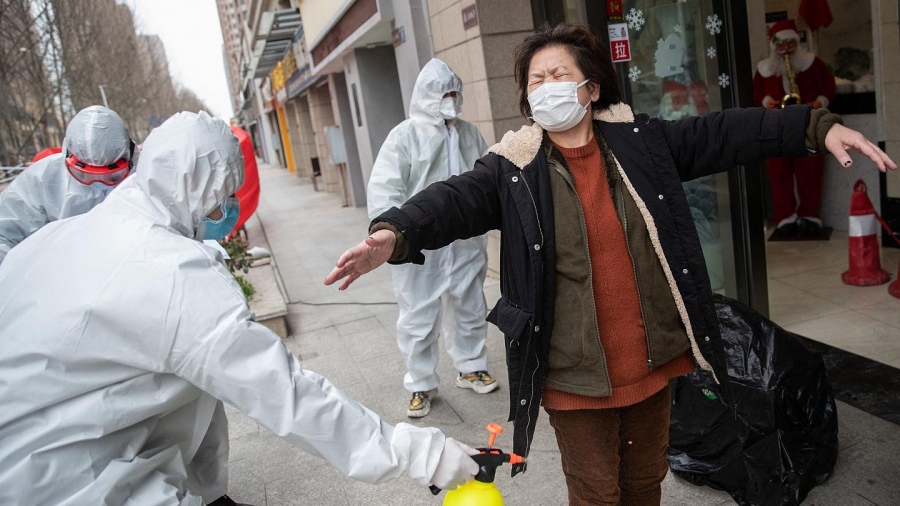
China's National Health Commission (NHC) reported that as of the end of May 4th, China had only recorded one new case, fewer than the three cases reported the previous day. This new case was an "imported" case from abroad.
The total number of COVID-19 cases in mainland China is currently 82,881. With no new deaths reported, the death toll remains at 4,633.
Korean schools are reopening starting next week.
On May 4th, South Korea reported only 8 new cases of Covid-19, bringing the total to 10,801, including 252 deaths and 9,217 recoveries. On the same day, South Korea announced it would reopen schools in phases starting May 13th after more than two months of closure, as community transmission had dropped to zero in recent days.
However, health experts are still urging vigilance as approximately 5.5 million primary, secondary, and high school students begin returning to school. High school seniors preparing for university entrance exams will return to school from May 13th, followed by younger students returning in stages from May 20th to June 1st.
Japan extends state of emergency.
On May 4th, the Japanese government decided to extend the nationwide state of emergency to prevent the spread of Covid-19 until May 31st, amid concerns that the country's healthcare system could be overwhelmed if the number of new infections continues to rise.
Prime Minister Abe declared a state of emergency due to the Covid-19 pandemic in seven prefectures of Japan on April 7th. More than a week later, on April 16th, he decided to expand the state of emergency to all 47 prefectures. The current state of emergency is expected to expire at the end of May 6th.
The total number of Covid-19 cases in Japan is currently 14,877, not including the 712 people on the Diamond Princess cruise ship docked in Yokohama port, and 487 deaths.
New "hot spots" in South America
Brazil, the epicenter of the Covid-19 pandemic in South America, continued to record 679 new cases, bringing the country's total to 101,826, with 7,051 deaths. New cases continue to be reported in many countries in the region such as Panama, Ecuador, Honduras, etc., but at a lower rate of spread. Brazil is the South American country most severely affected by the Covid-19 pandemic, with its hospital system, funeral homes, and cemeteries nearly collapsing due to overcrowding while daily cases continue to increase exponentially.
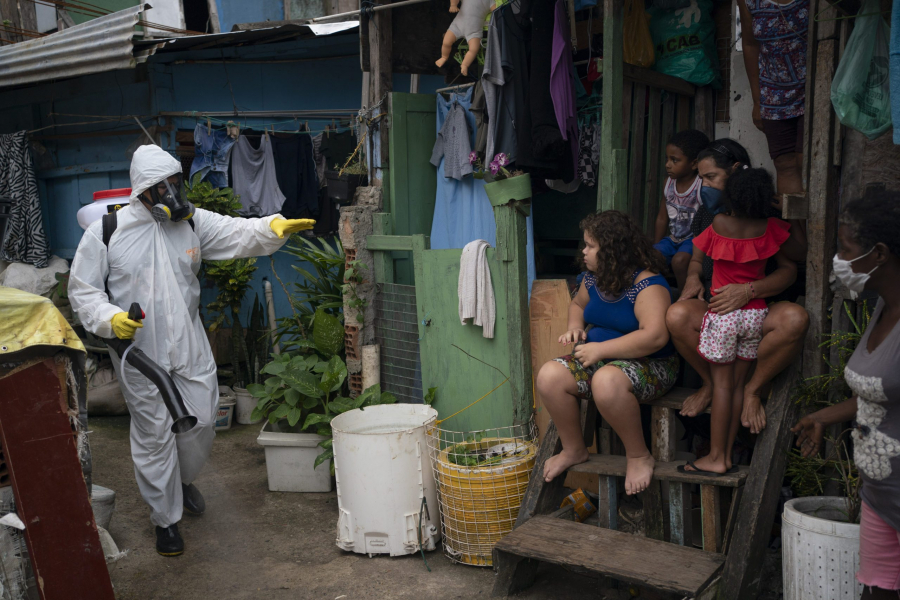
Meanwhile, Mexico has officially recorded 23,471 cases of Covid-19 and over 2,154 deaths. However, data from the World Health Organization's (WHO) Sentinel surveillance system, used in Mexico since 2006, estimates the number of Covid-19 cases in the country to have reached 128,033.
The Covid-19 pandemic continues to spread in the Middle East and Africa.
In the Middle East, Iran and Saudi Arabia are the two countries recording four-digit numbers of new infections. Specifically, on May 4th, Iran reported 1,223 new cases, while Saudi Arabia announced 1,625 positive cases of SARS-CoV-2. Qatar, the United Arab Emirates (UAE), Israel, and other countries continue to record new infections.
On May 4th, Israeli Prime Minister Benjamin Netanyahu announced that social distancing measures to combat the Covid-19 pandemic would be eased starting May 7th. Additionally, Israel is considering resuming international flights.
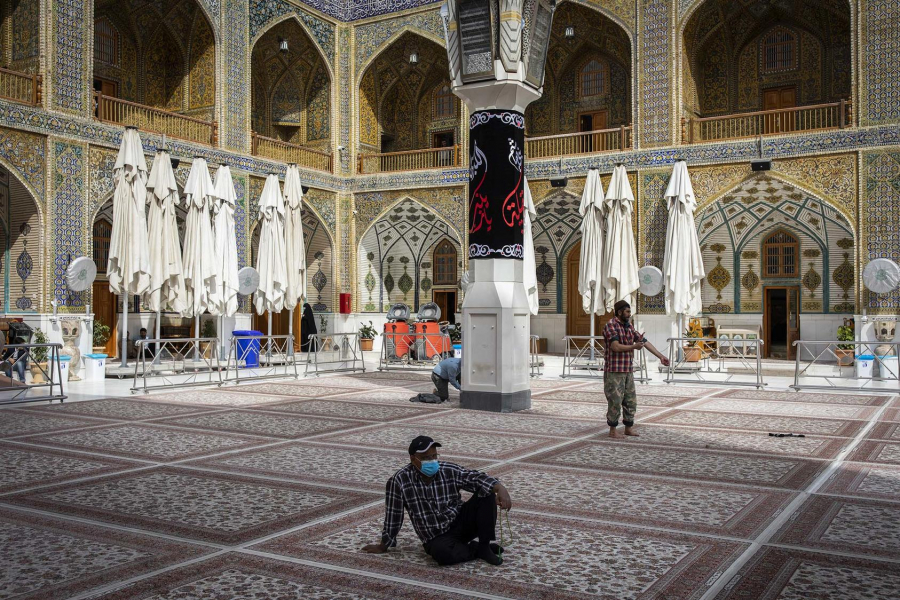
On the same day, the South African Ministry of Health reported 437 new SARS-CoV-2 infections in the past 24 hours, bringing the total number of COVID-19 cases to 7,220. The number of COVID-19 deaths in South Africa increased by 6 to 138. 2,746 COVID-19 patients have recovered. Also on the same day, hundreds of healthcare workers in South Africa participated in a trial of the BCG vaccine against tuberculosis to determine if this vaccine, used worldwide for the past 100 years, is effective in preventing SARS-CoV-2.
Cuba sent 25 teams of medical experts abroad to assist in combating the epidemic.
On May 4th, Cuban President Miguel Diaz-Canel delivered a speech at the online summit of the Non-Aligned Movement (NAM), emphasizing that the international community and governments need to “combine their will and efforts to face this enormous challenge,” and stating that international cooperation and solidarity are decisive factors for success in the fight against the pandemic.
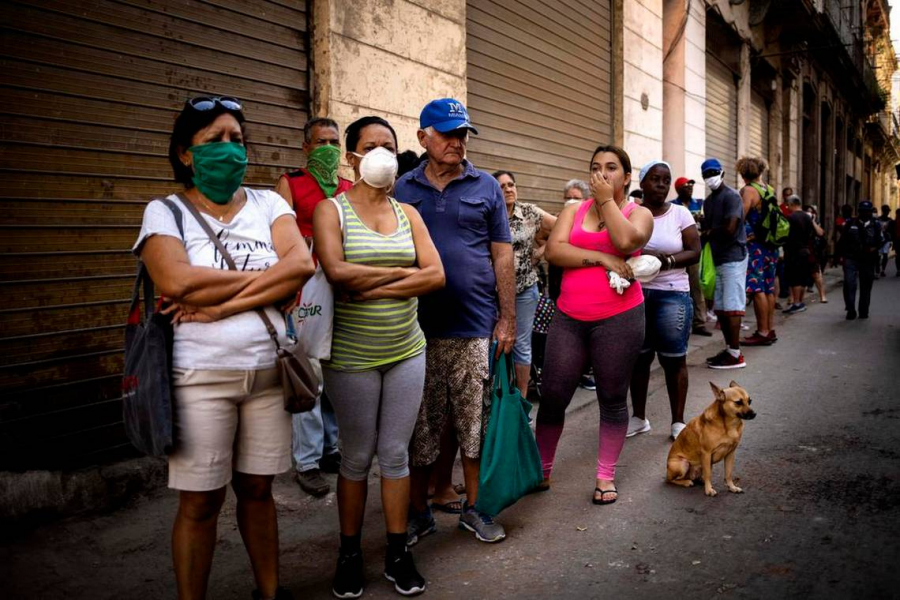
Cuba currently has 1,668 confirmed cases of Covid-19, with 69 deaths and 876 patients having recovered.
The Cuban leader announced that, over the past month, the Caribbean island nation has sent 25 medical expert teams to 23 countries around the world to assist in combating the pandemic, including many member countries of the Non-Aligned Movement (NAM).
The pandemic situation in Southeast Asia remains serious.
In Southeast Asia, Indonesian health officials reported 395 new cases of SARS-CoV-2, the virus that causes COVID-19, on May 4th, bringing the total number of infections to 11,587. Additionally, Indonesia recorded 19 deaths from the disease, raising the total death toll to 864, while 1,954 patients have recovered.
Malaysian health officials announced on the same day that the country had recorded 55 new cases of SARS-CoV-2 infection, bringing the total number of cases to 6,353, while the number of deaths due to Covid-19 remained at 105.
The Singapore Ministry of Health also announced that on May 4th, the island nation recorded 573 new cases of SARS-CoV-2 virus infection causing COVID-19, bringing the total number of virus infections in the country to 18,778.
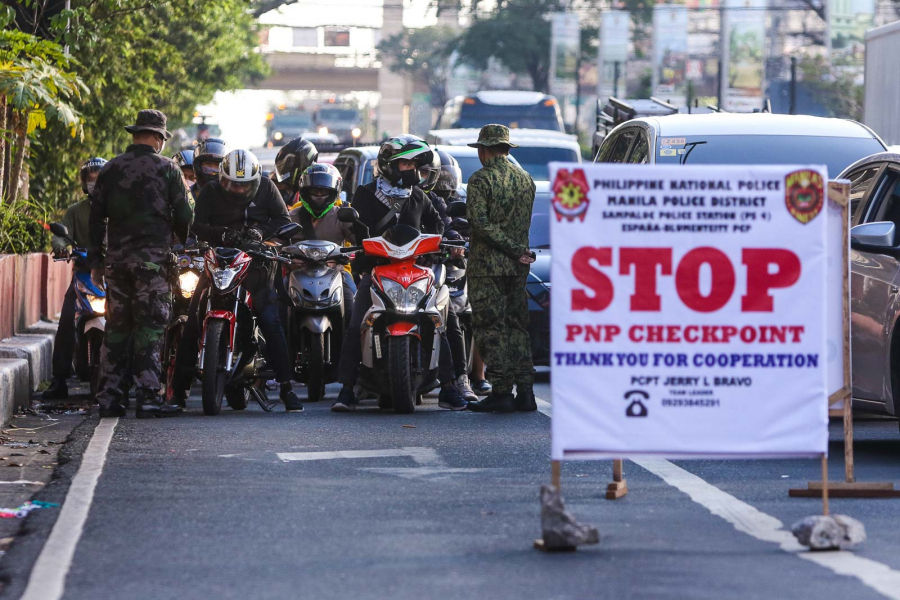
The Philippines has implemented many stringent measures in its fight against the COVID-19 pandemic.
Meanwhile, the Philippines reported 262 new cases of Covid-19 on the day, bringing the total number of cases to 9,485; including 16 new deaths, raising the total number of fatalities to 623.
In Thailand, the number of new COVID-19 cases has returned to double digits due to illegal immigration. As of May 4th, Thailand had a total of 2,987 COVID-19 patients, including 54 deaths. To date, the country has cured 2,470 COVID-19 patients, while 193 patients are still receiving treatment at medical facilities.