VI
VI


Winter - Spring
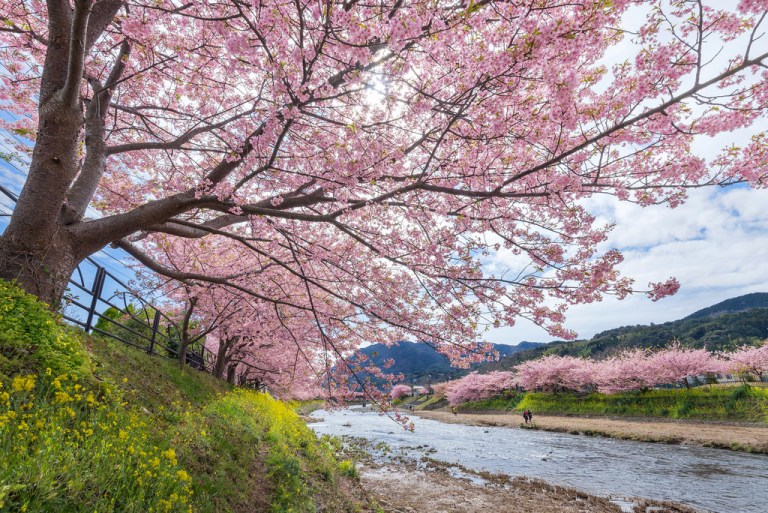
Visiting Japan in spring is incomplete without seeing the cherry blossoms. In Ibaraki, visitors can admire many varieties of cherry blossoms from very early in the year, lasting until the end of April. As early as mid-February, the Kawazu cherry blossoms are in full bloom at Ibaraki Flower Park in Ishioka City, Ibaraki Prefecture. At the same time, in one of Japan's three most famous gardens – Kairakuen Garden or Hitachi Park – visitors can see plum blossoms and daffodils. Additionally, at Shizuminefurusato Park in Naka City, visitors can enjoy the stunning Yaezakura blossoms in full bloom until the end of April.
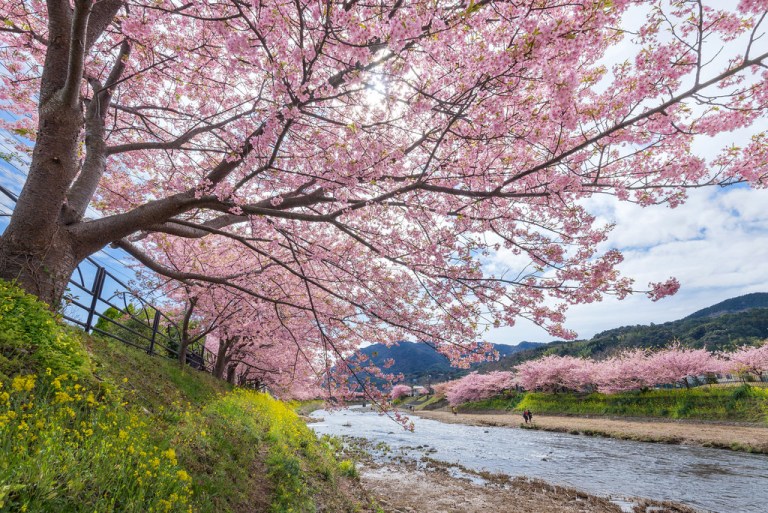
Kawazu Sakura, mid-February to mid-March
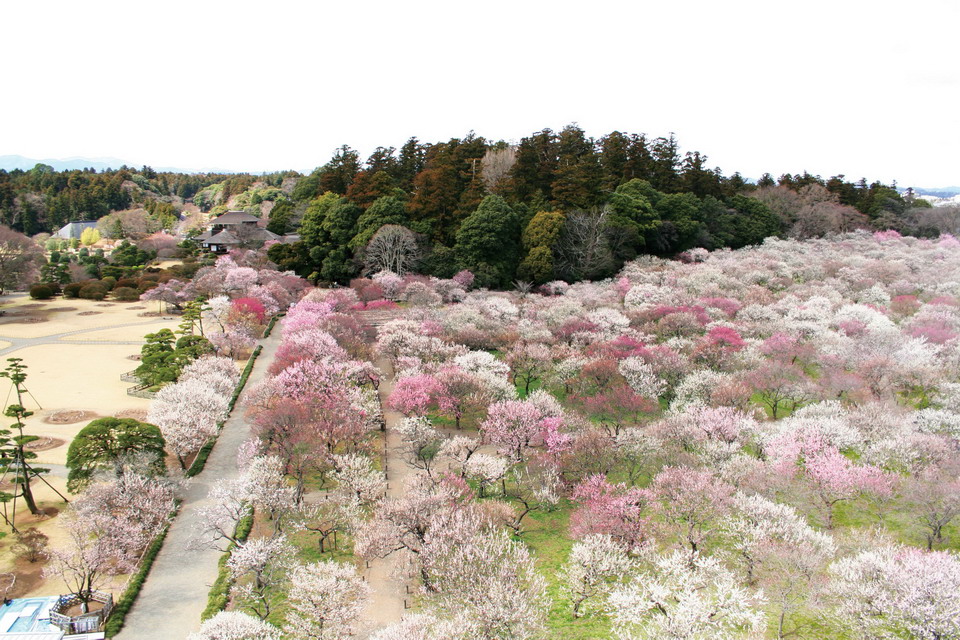
Plum blossoms, early February - late March, Kairakuen Garden
From early to mid-April, two famous Ibaraki attractions become dazzling: the Ushiku Buddha statue, adorned with azaleas and cherry blossoms, and Hitachi Park's Tamago No Mori flower garden, which features 270 varieties of tulips, totaling approximately 260,000 flowers across an area of over 4700㎡.
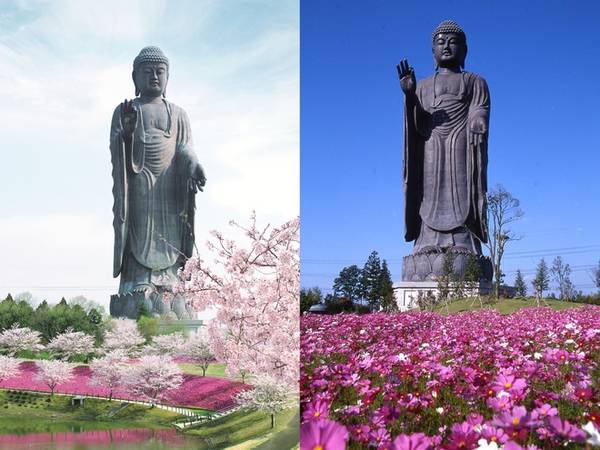

Cherry blossoms (Chia aurants), early to mid-April, Ushiku Buddha statue.
Spring - Summer
From spring to summer, around May, colorful flowers begin to bloom. Visitors to Ibaraki will surely be overwhelmed and delighted by the vibrant blue Baby's Eye flowers at Hitachi Park, the azalea gardens at Kasamatsutsuji Park blooming from the end of April, the bright red poppies in May at Ushiku Buddha statue, and the deep purple irises of Suigo Ayame Itako Garden in June.
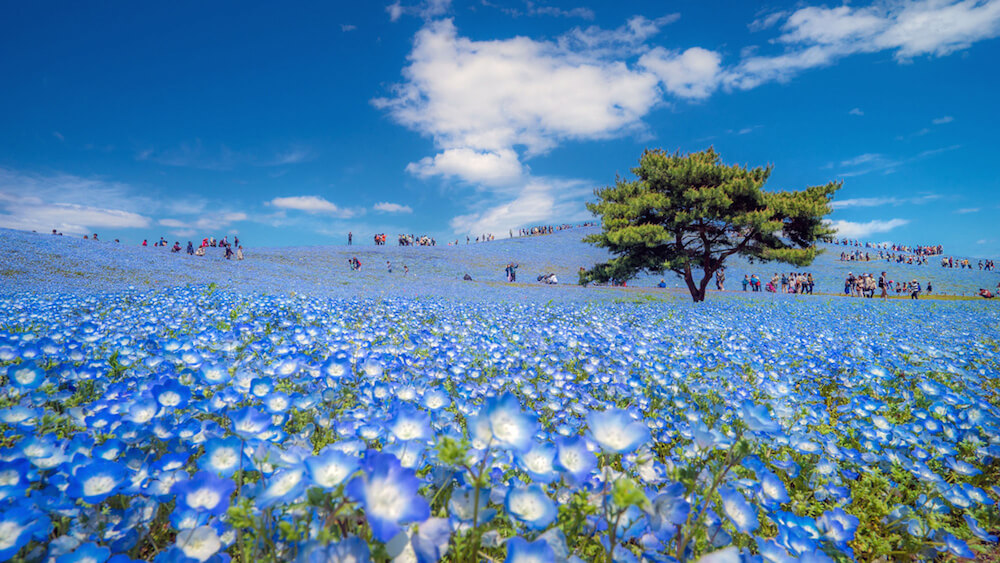
Baby blue eyes, mid-April to mid-May, Hitachi Park
Another highlight not to be missed in summer (early June - early July) is the hydrangea gardens at Nihonmatsuji Temple (Itako City), Hozaen Garden (Mito City), or Amabiki Kanon Temple (Sakuragawa City). From late July to mid-September, visitors can admire the vibrant carpets of chrysanthemums and sunflowers that color the entire area at Hitachi Park.
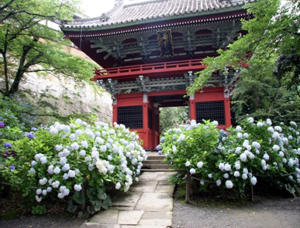
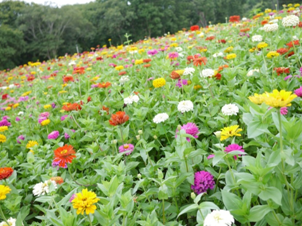
Hydrangeas are in full bloom, Amabiki Kanon Temple is adorned with vibrant multicolored flowers throughout Hitachi Park.
Summer - Autumn
There isn't a single month or season in Ibaraki that lacks blossoming flowers. Autumn is no exception; the verdant Kochia plants begin to bloom in August at Hitachi Park, and colorful light shows accompanied by music envelop the garden on a warm autumn afternoon. By October, the Kochia plants transform into a vibrant red, captivating countless visitors.
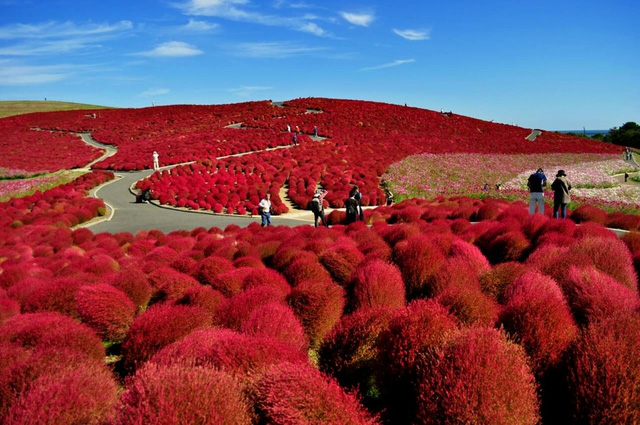
Red Kochia, early October – late October, Hitachi Park
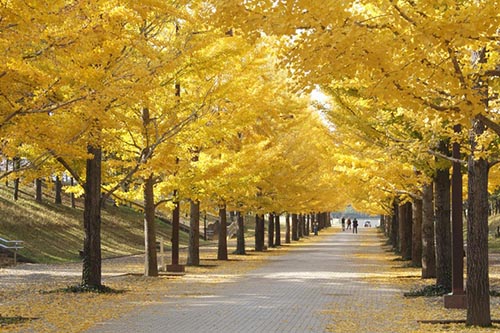
Fan-shaped leaves, early-mid November, Ibaraki History Museum
Following that, from October to the end of November, at each tourist spot, visitors will be immersed in nature with Ushiku (chicken chrysanthemums) and Kasama Inari Shrine... And of course, every location in the prefecture will welcome carpets of golden ginkgo leaves and red maple leaves that color the entire landscape.