VI
VI


Returning to our roots and ancestors.
According to Vietnamese folklore, Ông Công is the god who governs the land within the house, while Ông Táo are the three gods who oversee the kitchen. Ông Công and Ông Táo were sent down to earth by Heaven to monitor and record the actions of people throughout the year. Wishing for good fortune for their families, every year on the 23rd day of the 12th lunar month, families hold a ceremony to send Ông Công and Ông Táo to Heaven to report to the Jade Emperor about their affairs and wishes.
Due to lifestyles and customs, the rituals for worshipping the Kitchen God and the Stove God vary among Vietnamese people in different regions. In the North, with the belief that the Kitchen God ascends to heaven after 12 noon on the 23rd day of the 12th lunar month, families usually try to prepare the offering meal before that time. Those who are busy may hold the ceremony 1-2 days earlier.
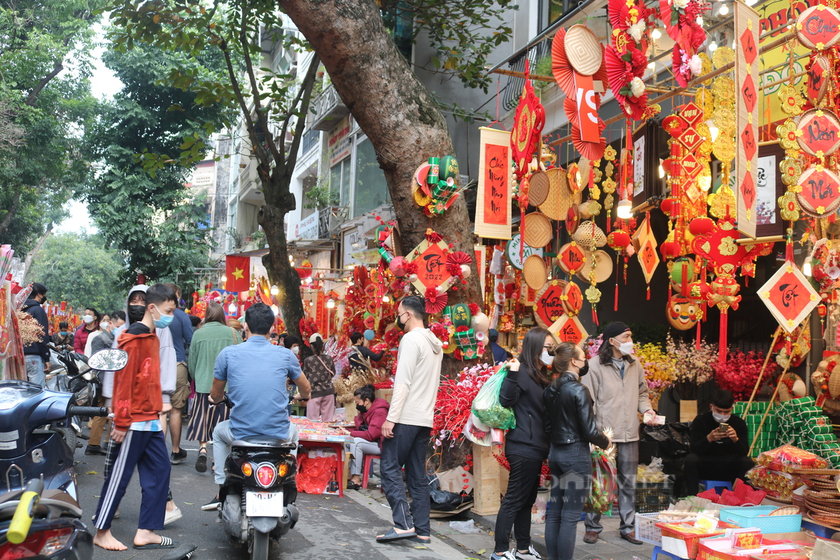
Every year, on the 23rd day of the 12th lunar month, people eagerly prepare offerings to bid farewell to the Kitchen God as he ascends to heaven.
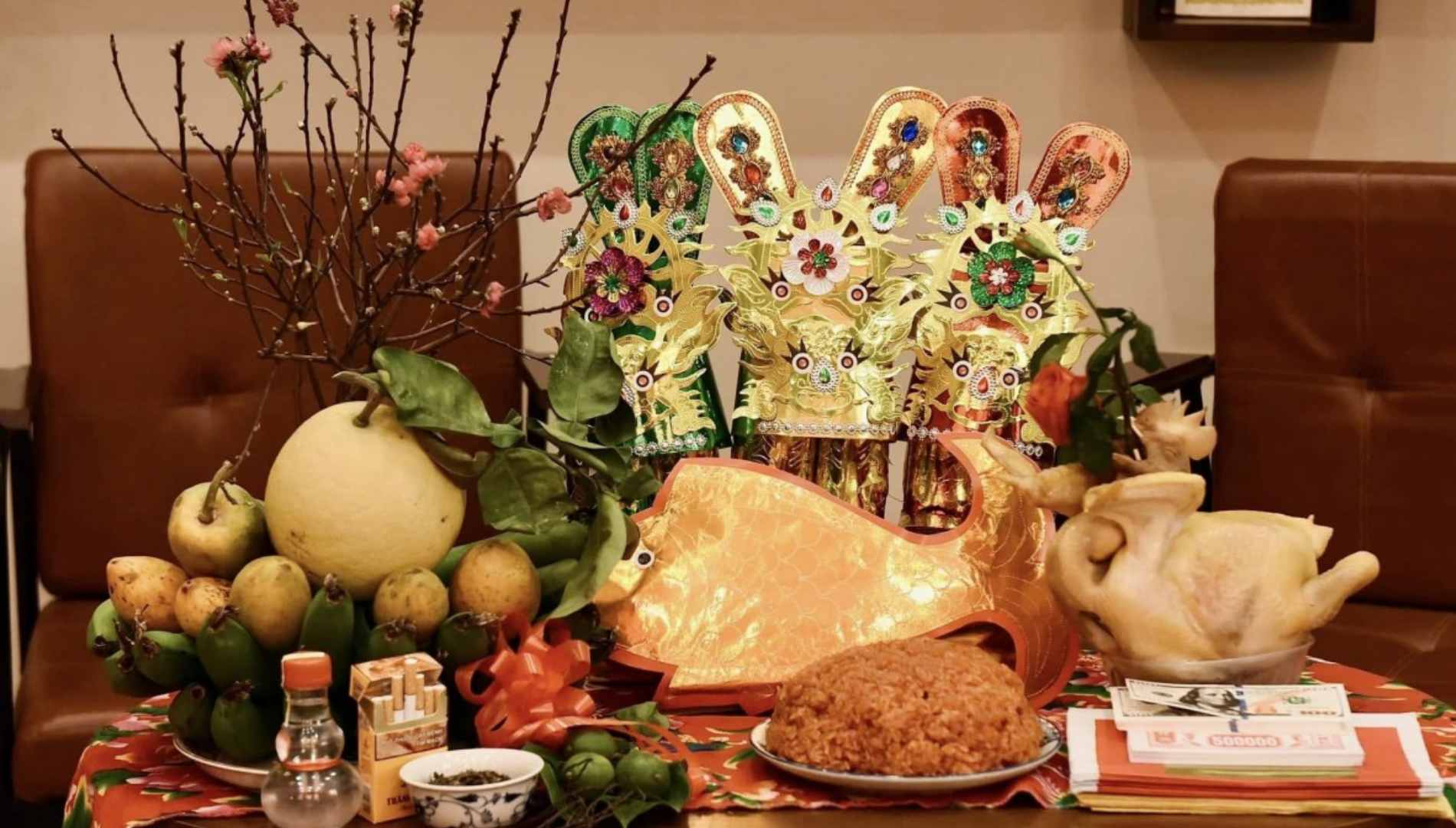
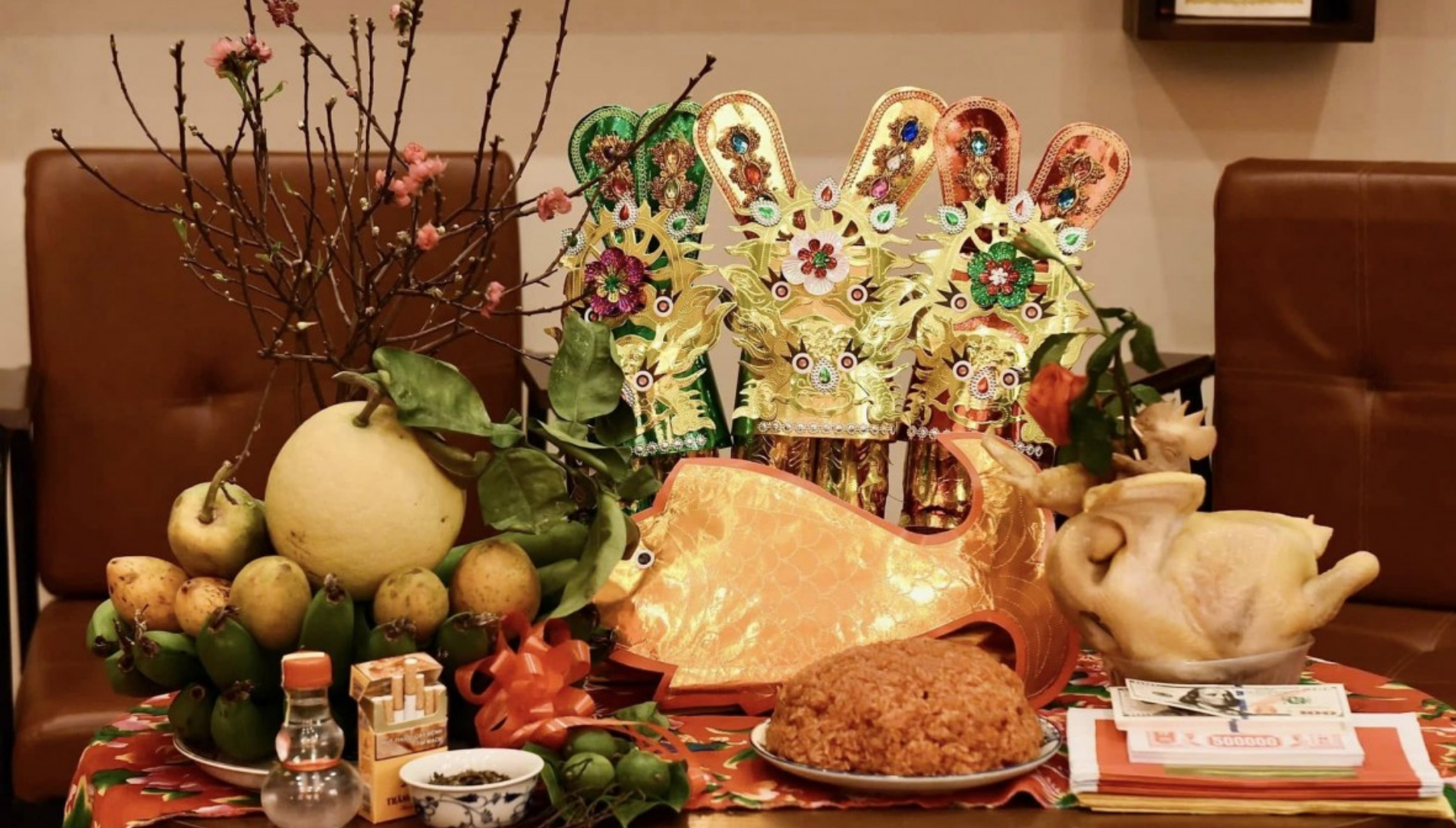
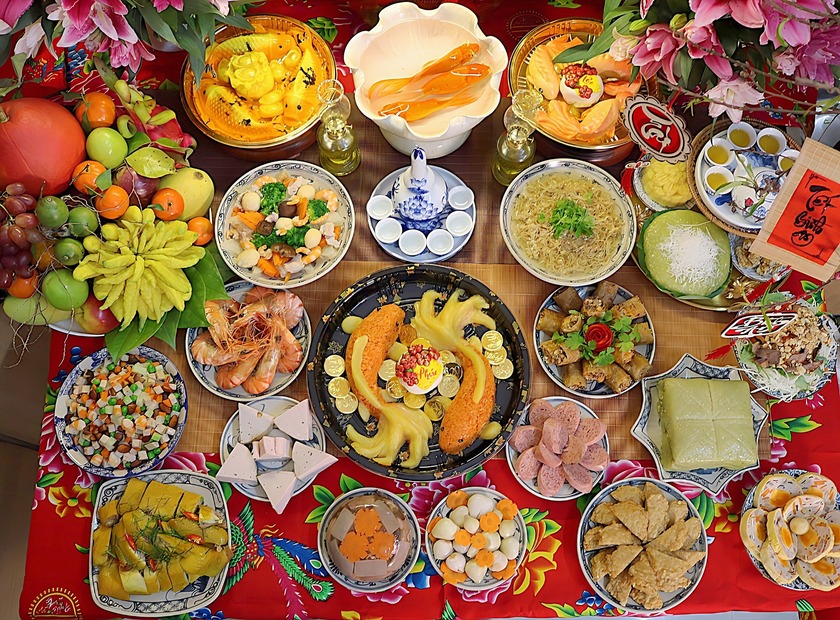
The offerings for the Kitchen God and Stove God are prepared in varying degrees, depending on each family's circumstances. Typically, the offering includes one set of paper effigies for the Kitchen God, three sets for the Stove God, and carp. Besides the five fruits, many families also prepare a savory feast with traditional dishes: chicken, sticky rice, spring rolls, bamboo shoot and vermicelli soup, pork sausage, stir-fried vegetables, etc. Some families prepare a simpler offering consisting of flowers, fruit, paper effigies, or a vegetarian offering. Depending on family beliefs, the offerings for the Kitchen God and Stove God are placed on the ancestral altar or in the kitchen area. After the ceremony, families burn the paper effigies and release the carp into a nearby pond or lake.
Meanwhile, in Central Vietnam, the indispensable item is the statue of the three Kitchen Gods. In Southern Vietnam, people usually hold the ceremony later, on the evening of the 23rd day of the 12th lunar month, and another ceremony on the 7th day of the 1st lunar month to welcome the Kitchen God back home.
No one knows exactly when this custom originated, but it is known that the worship of Ông Công and Ông Táo (Kitchen Gods) has long been a tradition and a beautiful cultural aspect of the Vietnamese people.
Along with the increasingly hectic pace of modern life, the traditional customs and practices of the Vietnamese people are also constantly changing. While during the subsidy period, when life was difficult, rituals and offerings were often simplified to the maximum, today, with economic development, these customs have been revived and elevated to a new level.

In the past, ancestral offerings typically consisted of simple dishes such as sticky rice cakes, boiled meat, and fruit. However, nowadays, the offerings have become more diverse and elaborate, featuring many sophisticated and refined dishes that showcase the culinary excellence of each region. In addition, offerings such as votive paper, fresh flowers, and fruit are carefully selected, carrying profound spiritual significance.
It is often said, "Wealth breeds etiquette," and this change not only reflects the respect of descendants for their ancestors but also the abundance and comfort of modern life. Preparing a lavish offering is not just a ritual but also an opportunity for family members to gather and reminisce about the nation's beautiful traditions.
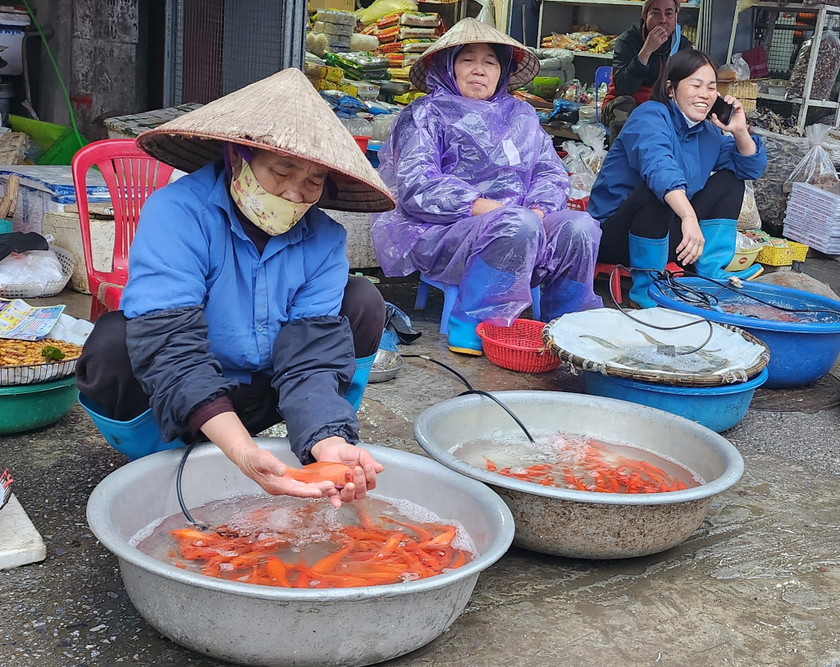
As people bid farewell to the Kitchen God on his journey to heaven, they entrust many wishes and hopes for a peaceful and happy new year.
The ritual of worshipping the Kitchen God and the Stove God, like other beautiful customs of the Vietnamese people, always guides people towards goodness and virtue. The custom of releasing carp not only signifies the liberation of life, reflecting the humanistic values in Vietnamese tradition, but also contributes to biodiversity in the areas where the fish are released. In reality, some people do not understand the true nature of the ritual of worshipping the Kitchen God and the Stove God, leading to uncivilized behavior, wasting money, and negatively impacting the environment.
Preserving traditional beauty over time.
Modern life, with its fast pace and influences from foreign cultures, has caused profound changes to the custom of worshipping the Kitchen God and the Stove God, a beautiful traditional Vietnamese cultural practice. Many families, especially the younger generation, no longer fully understand the meaning and rituals of this ceremony. Easy access to information through social media has led to many people misunderstanding the rituals, offerings, and even the purpose of worship. Some people consider the worship of the Kitchen God and the Stove God merely a formality, or simplify traditional rituals, losing their inherent deep meaning.
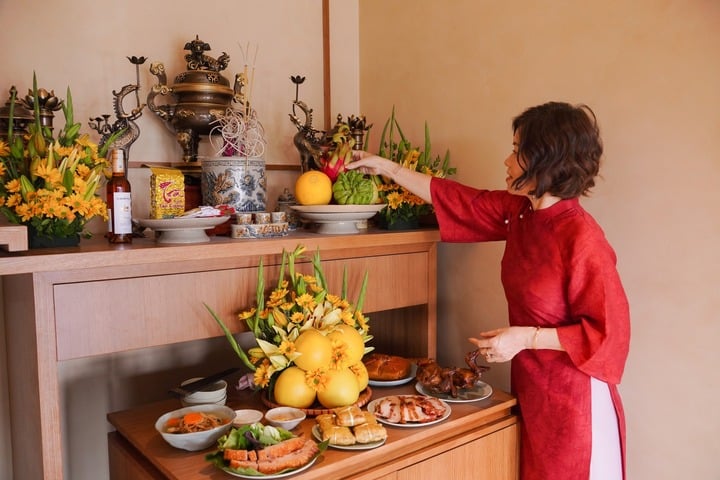
According to Vietnamese beliefs, Ông Công is the god who governs the land within the house, while Ông Táo consists of three kitchen gods who oversee the cooking.
The excessive burning of votive paper and the improper release of carp during the Kitchen God and Stove God worship ceremony has become an alarming social issue. The widespread burning of votive paper not only pollutes the environment and wastes resources but also diminishes the profound spiritual significance of the ritual. Many people burn large quantities of votive paper with the mistaken belief that the more paper they burn, the more sincere their devotion is demonstrated.
Furthermore, releasing carp also poses many dangers. Many people release fish with plastic bags, causing blockages in drains and polluting the aquatic environment. In some cases, people release fish in prohibited areas, such as public lakes and ponds, affecting the ecosystem. Improper carp release not only diminishes the spiritual significance of the act but also causes serious environmental consequences.
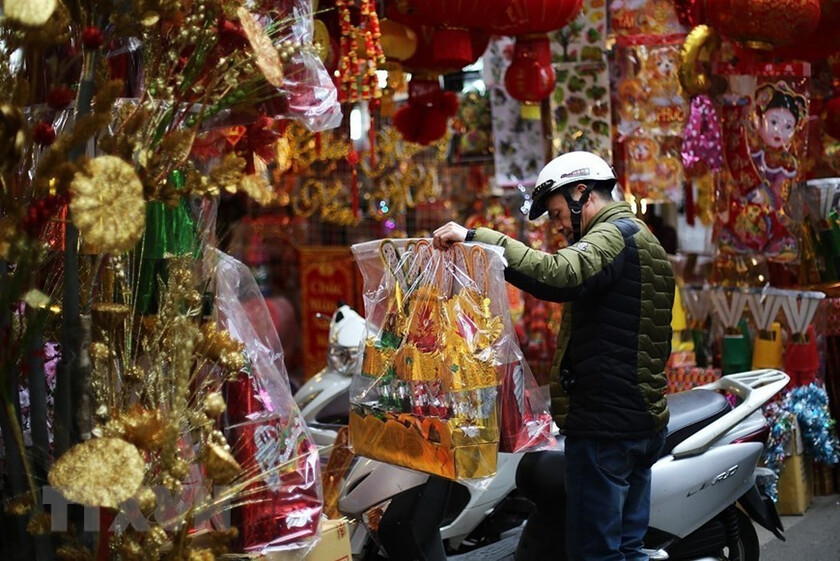
With the positive meanings of this traditional custom, the beautiful belief in worshipping Ông Công and Ông Táo (Kitchen Gods) has been maintained by the people, becoming a beautiful and humane cultural tradition.
To preserve and promote the positive cultural values of the Kitchen God worship tradition, Dr. Nguyen Viet Chuc emphasized the importance of promoting cultural etiquette. According to him, forming a correct understanding of folk religious practices is crucial. By widely disseminating information about the origins, meaning, and proper rituals of the worship ceremony, we can help people better understand the profound cultural values embedded in each ritual, thereby performing the ceremonies in a more meaningful and solemn manner.
Releasing carp on the day of the Kitchen God and Stove God festival is not only a spiritual ritual but also guides people towards goodness and positive values in life. Furthermore, in the Vietnamese psyche, "carp leaping over the Dragon Gate" or "carp transforming into a dragon" symbolizes transcendence, representing the spirit of overcoming difficulties, perseverance, and unwavering determination to conquer knowledge and achieve success. It also symbolizes a hidden noble character or the pursuit of a positive outcome. Many people bring their children to release the fish, passing on the beautiful traditions of culture and customs passed down from generations to the present day. This aims to educate their children to preserve and protect the beauty of their heritage.
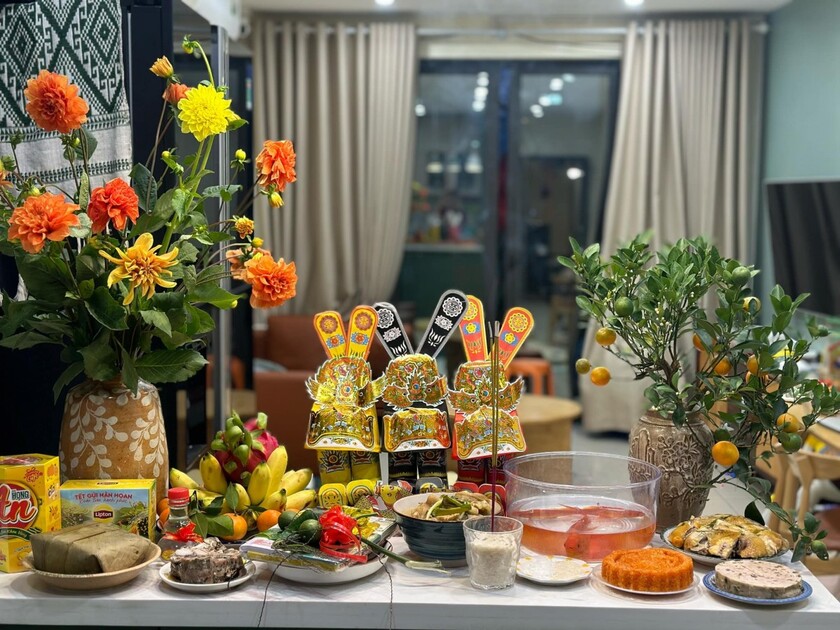
To fully preserve these values, each family needs to be aware of the purpose and meaning of the ritual, treating it with reverence and solemnity but without ostentation or abuse.
In every kitchen, whether a simple thatched-roof house or a luxurious villa, the altar dedicated to the Kitchen God holds a significant place. It's a part of our ancestors' culture, passed down through generations. Perhaps on the 23rd day of the 12th lunar month, seeing families excitedly releasing golden carp into the river, each of us feels the warmth of the approaching Tet holiday, feeling that Tet is drawing near. With the beautiful meanings of this traditional custom, the worship of the Kitchen God has been maintained by the people as a beautiful cultural tradition, embodying humanity, striving towards truth, goodness, and beauty, and contributing to environmental protection for a better life.