VI
VI


1. The Seventh Seal
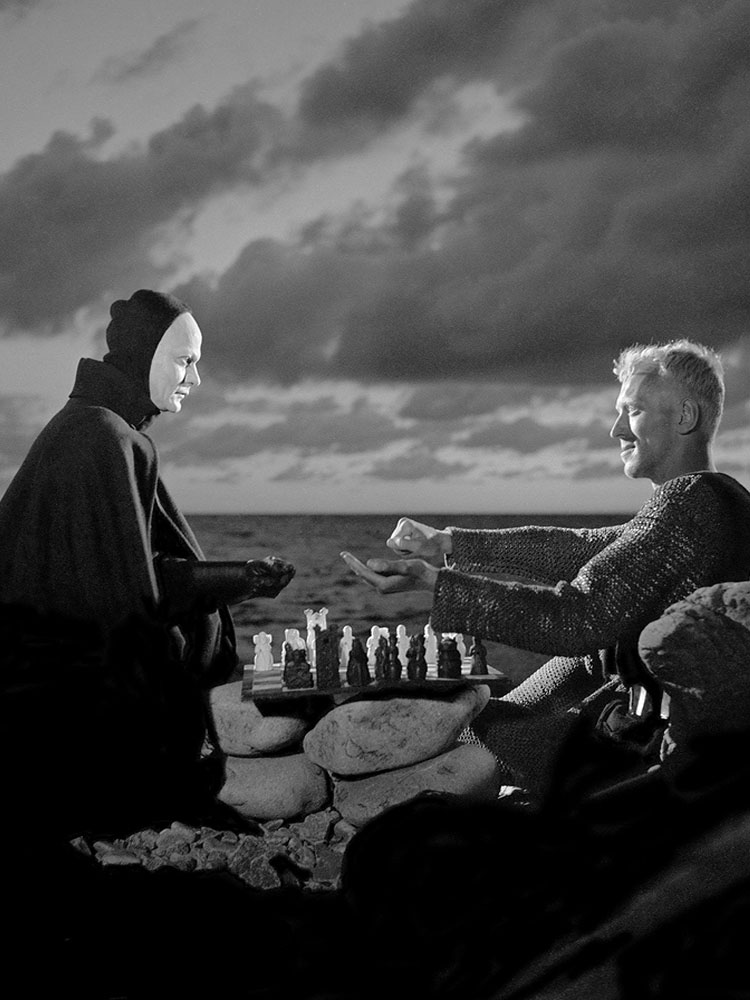
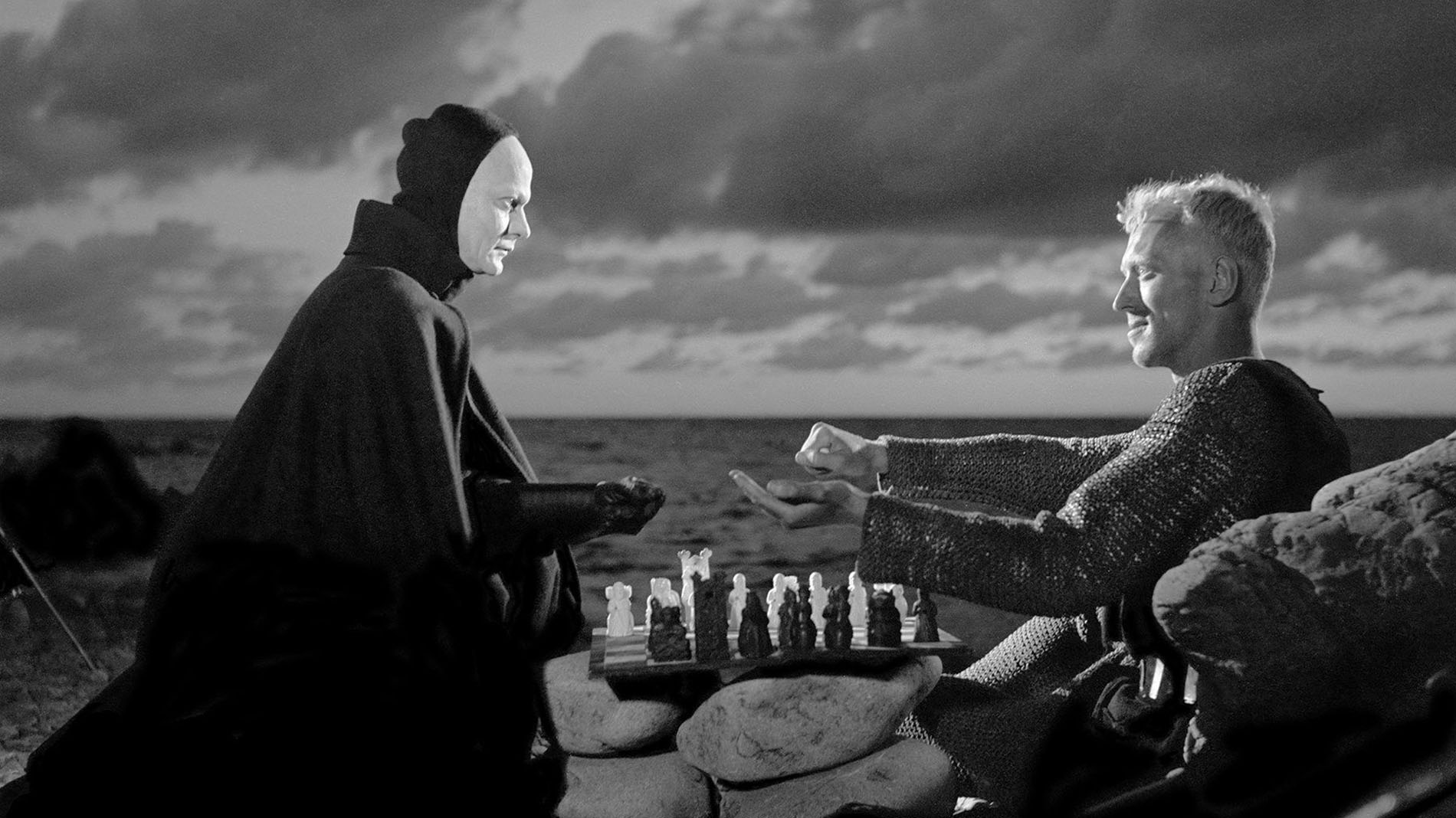
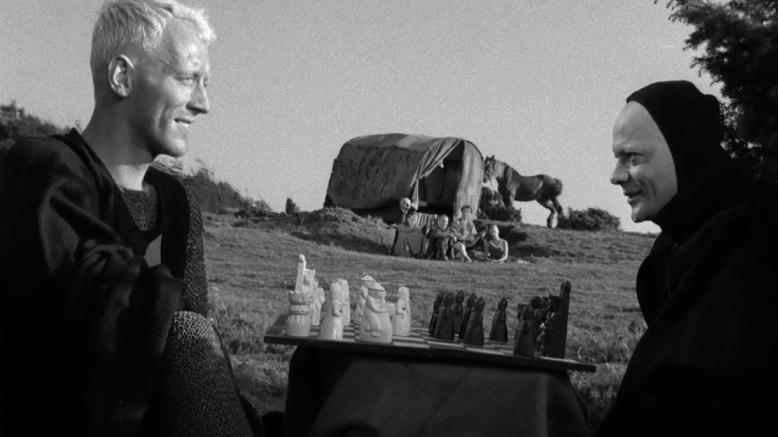
People often either fear, revere, or despise death. Butchess(Literally) with death, it seems to be a different, very strange "attitude." And that is the most famous scene of the film.The Seventh Seal: Playing chess with Death.
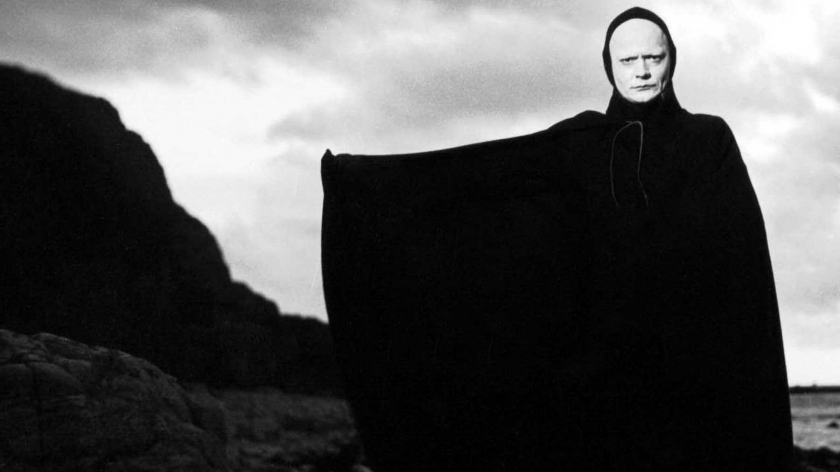
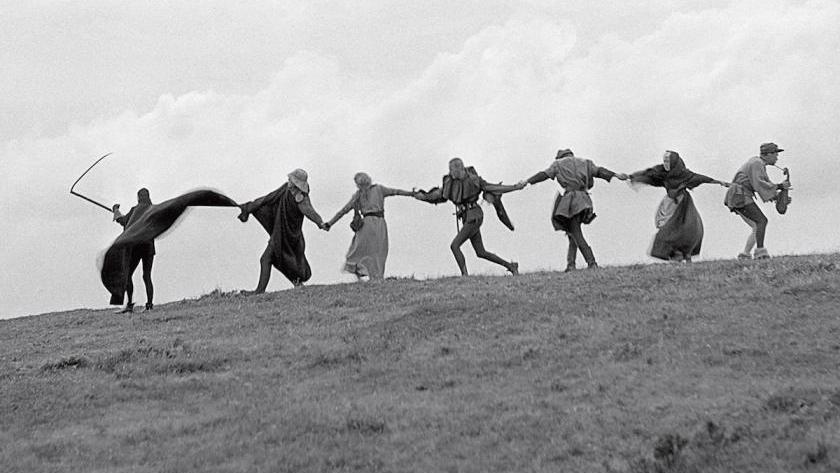
LIVEThe Seventh SealDeath, personified, appears before the knight Antonius Block. Death agrees to play a game of chess with him, allowing him to live until he loses. With a cloudy sky over a land ravaged by plague, Antonius Block's journey home appears bleak and desolate. From the very beginning of the film, both the knight and the viewer can sense the imminent threat of death.
Throughout the film are metaphors about death and faith. The titleThe Seventh Seal, orSeventh SealThe concept, borrowed from the Book of Revelation, symbolizes the last day, the end of the world, the day of judgment. Behind that judgment, could it be God, the devil, nothingness, or simply death? That is the question Antonius Block sought his answer to his entire life without success. God remained silent; instead, Death appeared.
"Needless to say, he couldn't win the game—nobody could—but winning wasn't the goal."
Ultimately, Block completed his "meaningful deed"—playing chess. This game wasn't about avoiding death, but about learning to live without fear or regret before it arrived. The end will always come as an inevitability; what matters is our actions and making the remaining moments of our lives meaningful. Whether it's endlessly questioning God without receiving answers, challenging death in a game of chess, or remaining optimistic like Jof and Mia—Block's two friends—whatever it is, it's an act of giving life hope and a mindset of holding one's head high as death approaches.
2. Meet Joe Black
What if Death itself learned how to... live?
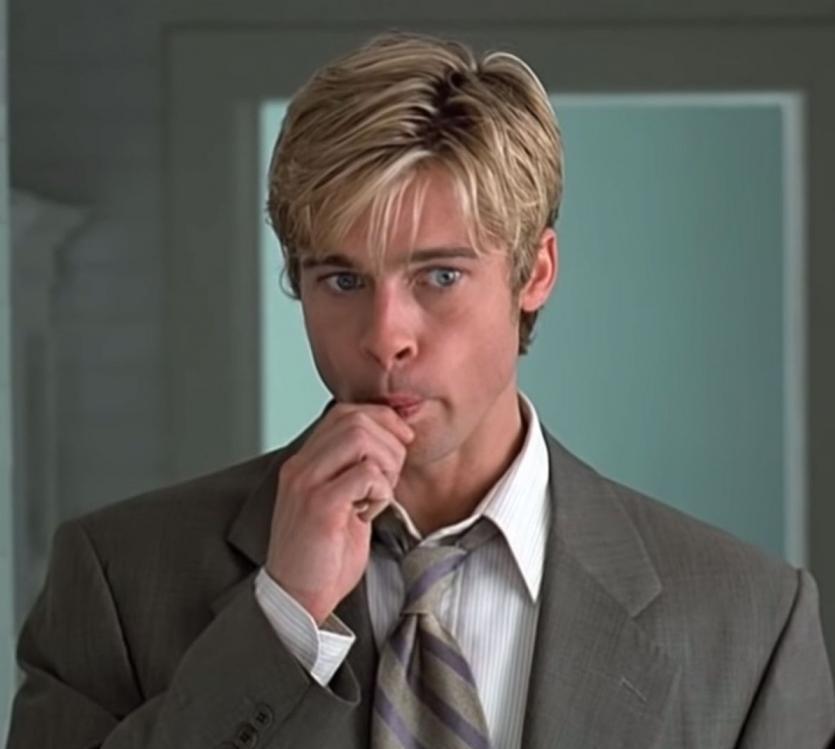
This is the story of Joe Black, the Grim Reaper inhabiting a young man's body, who decides to experience human life. It turns out, the Grim Reaper knows a great deal about death, and that's it. This god knows nothing about life. The three hours of the film are Joe Black's slow journey of learning to live, from simple things like dressing, grooming, using a fork and spoon, licking Nutella, to going to work, attending meetings..., and finally, falling in love.
Joe Black, the Grim Reaper, a sturdy, dark-skinned, taciturn man—all of that was just a facade. He cautiously touched his lips to the lips of the woman he loved, feeling a strange sweetness, his knees trembling, his mind racing with the sound of fireworks. Remarkably, he didn't hide any of these raw, sentimental emotions; instead, the Grim Reaper joyfully and ecstatically embraced them with all his senses.
It didn't take long for viewers to realize with astonishment that this Grim Reaper character entered life with... nothing, knowing nothing, except a pure soul - as innocent as a child, like an Adam in the Garden of Eden.
Clearly, director Martin Brest was playfully insinuating with the image of Death itself to depict the miracle of life. No matter who you are—old, young, or a thousand years old—it's never too late to feel the fountain of youth within and outside yourself. The only important thing is to open all your senses to receive it, to be aware that your presence today, right now, is already a gift.
If you still have doubts about this, you should definitely take a look.Meet Joe BlackLet the journey of the Grim Reaper convince you on its own.

Here's another reason toMeet Joe BlackThis is a must-see movie if you want to see something about "death": this innocent Grim Reaper is played by the talented Brad Pitt.


3. Along with the Gods: The Two Worlds
Based on the comic series by author Joo Ho-min, the film opens with the death of firefighter Kim Ja-hong as he sacrifices himself to rescue a young girl from a fire. After leaving his body, Ja-hong's soul is immediately escorted to the Underworld by the Guardians.
In fact, the journey of the deceased to the afterlife is not a particularly new theme in the film industry. The unique aspect of this Korean film lies in its setting in the underworld, which resonates with East Asian beliefs. Based on Buddhist concepts, the film frankly conveys the message that no matter who you are in life, you cannot escape the cycle of reincarnation and the law of karma upon death.
The audience follows Ja-hong and the Guardians as they journey to receive judgment in the seven levels, symbolizing the seven cardinal sins: deceit, sloth, injustice, betrayal, violence, murder, and filial impiety. Like the firefighter, the other souls descending to the Underworld must endure trials and tribulations to earn a chance at reincarnation. If judged guilty, they will suffer punishment commensurate with the sins they committed in the mortal world.
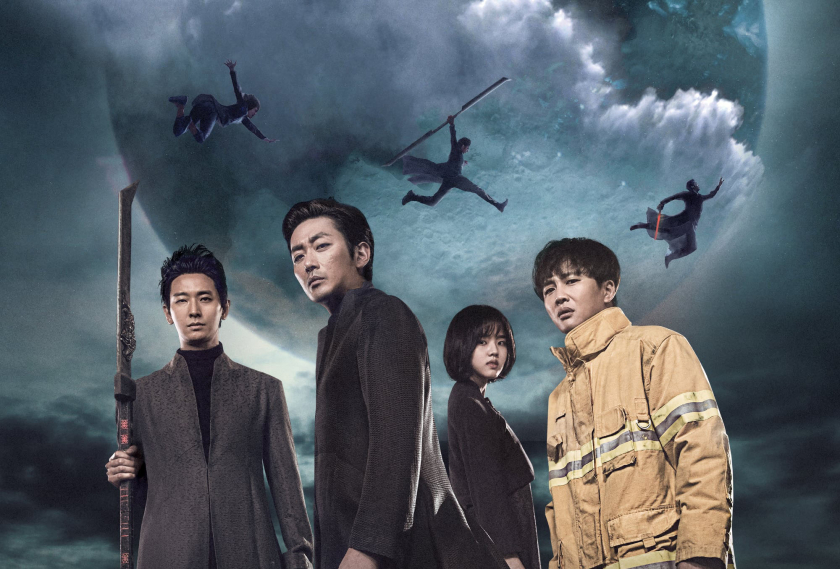
InAlong with the GodsIn the underworld, just like the mortal world, the hierarchy and way of thinking of the dead are no different from that of the living. Even the Judge, the overseer of the hellish realms, seemed ready to punish Kim Ja-hong based solely on his vague confession: indirectly killing a colleague, working only for money, impersonating the deceased, etc. Only when the Guardians proved that everything Ja-hong did had a reason was he pardoned. Does this remind you of the subjectivity and bias of human nature?
We often judge the people we meet daily by their gestures, actions, and deeds, but perhaps behind them lies a life story we never see. No one is perfect, no one can live a life without making mistakes, and there is no such thing as a truly "pure soul." The character Kim Ja-hong perhaps represents the image that people aspire to: even if they make mistakes, even if they have a life full of hardships, after death they are forgiven and declared "innocent."
4. Soul (A Magical Life)
Although it's an animated film, the philosophies and messages ofLifeIt seems more suitable for adults. The people who wrote the story.LifeIt is believed that, before entering life, each soul must determine its purpose in life.
The film opens with the lively sounds of a middle school music class, taught by Joe Gadner. Joe is a Black man passionate about piano and jazz music, but his passion for music has stalled in his middle age. When Joe finally gets an invitation to audition for a famous and talented band, he is involved in an accident and suddenly ends his life. Joe's "spiritual journey" begins here, as his soul is transported to another dimension where all souls after death reside.

In the spirit world, Joe desperately wants to return to life in time to attend a performance with a famous band. So, Joe teams up with spirit "number 22," and the two escape back to the mortal world. But while Joe knows his purpose in life is to play music, spirit number 22 is unaware of his own purpose.
Following Joe's journey back to the mortal world and the spirit of number 22, viewers will be on the edge of their seats, holding their breath, and then bursting into laughter many times. Finally, near the end of the film, Joe makes it to his performance. He gets to play music, he shines, and the audience enthusiastically applauds him.
What happens next?
The movie continues. Joe is disappointed.
What Joe had firmly believed to be his purpose and happiness—that performance—turned out to have little lasting effect. Like the spirit of number 22, Joe began to wonder about the true purpose and meaning of life, and where the most sublime emotions in life came from.
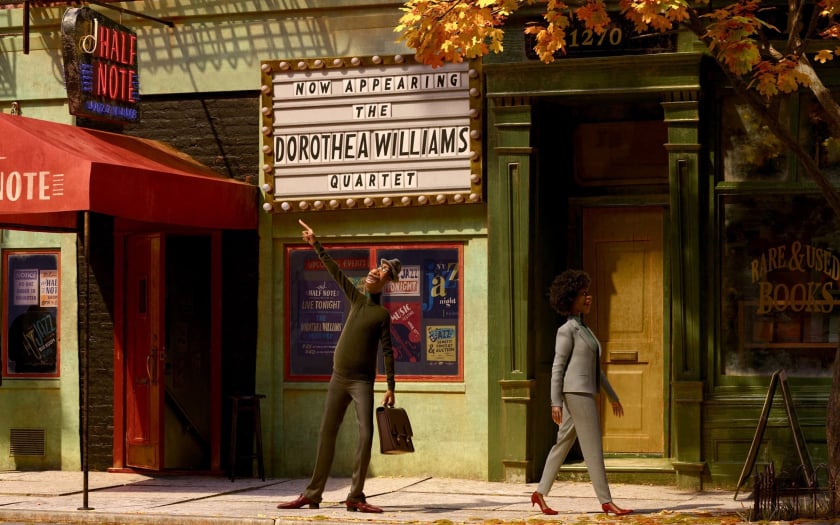

Of course, the film has a happy ending where both Joe and the spirit number 22 find the answers – who they are, what they want, and why they live. But this article will keep that answer a secret, leaving readers to find their own answers through the film. Because 99% of "adults" watching it will understand.LifeWe all realized that Joe's concerns were also the concerns deep within each of us.
5. COCO
"Mexicans pursue death, mock it, welcome it, embrace it, and sleep with it" - Octavio Paz.
CocoThis is Pixar's most famous animated film about the Day of the Dead (Día de os Muertos) – an occasion for Mexicans to remember their grandparents, ancestors, and deceased loved ones. The film's clearest message is family love, togetherness, and mutual respect. But alongside that,CocoIt recreates colorful cultural traditions and opens up a completely different perspective on death, from a Mexican point of view.
Day of the Dead is one of the most important holidays in Mexico, taking place at the end of October each year. The people of Mexico believe that life is but a dream and death is the continuation; therefore, instead of fearing death, they accept it as inevitable. After leaving their bodies, souls gather in an eternal place and wait to visit their relatives during Day of the Dead.
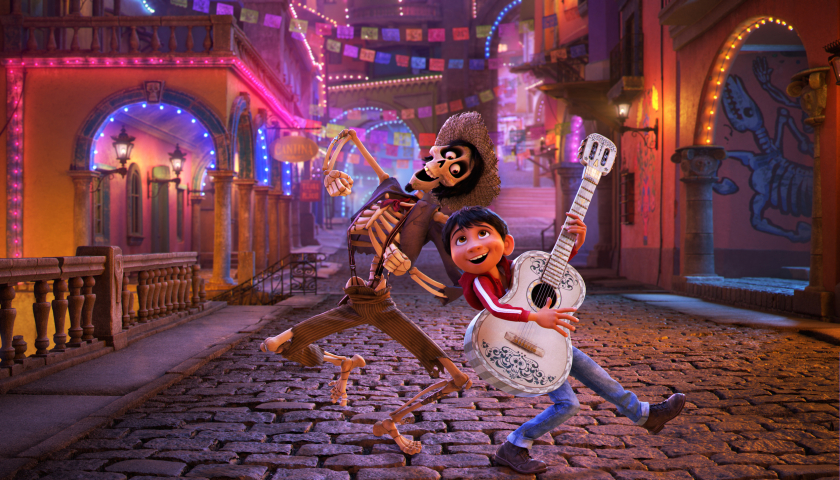
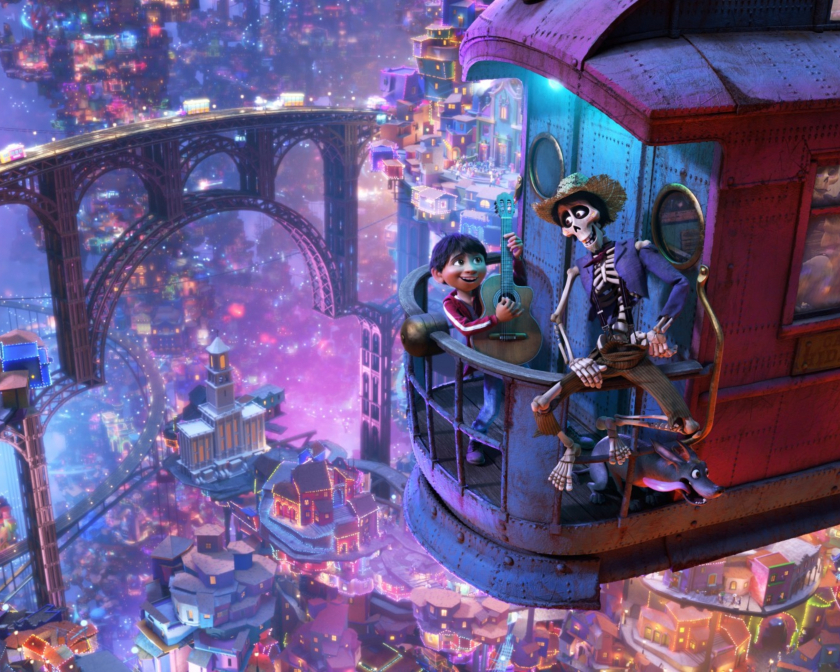
The movieCocoIt not only introduces the audience to a unique Mexican tradition, but also makes us believe that this is a cultural belief brimming with joy and beauty. From elderly women to young boys, they do not shy away from or grieve over death and loss; instead, the deceased remind the living to strive for a life of sharing and cherishing love. As long as there is love, there is life.
In particular, this is a film that children can watch with adults, thereby forming new perspectives on "death." With vibrant Latin music, sweet and eye-catching visuals, and breathtakingly magnificent settings, young children will have a pure, fearless, and realistic understanding of the world of the dead.