VI
VI


When Karamatsu is submerged in a "sea of snow"
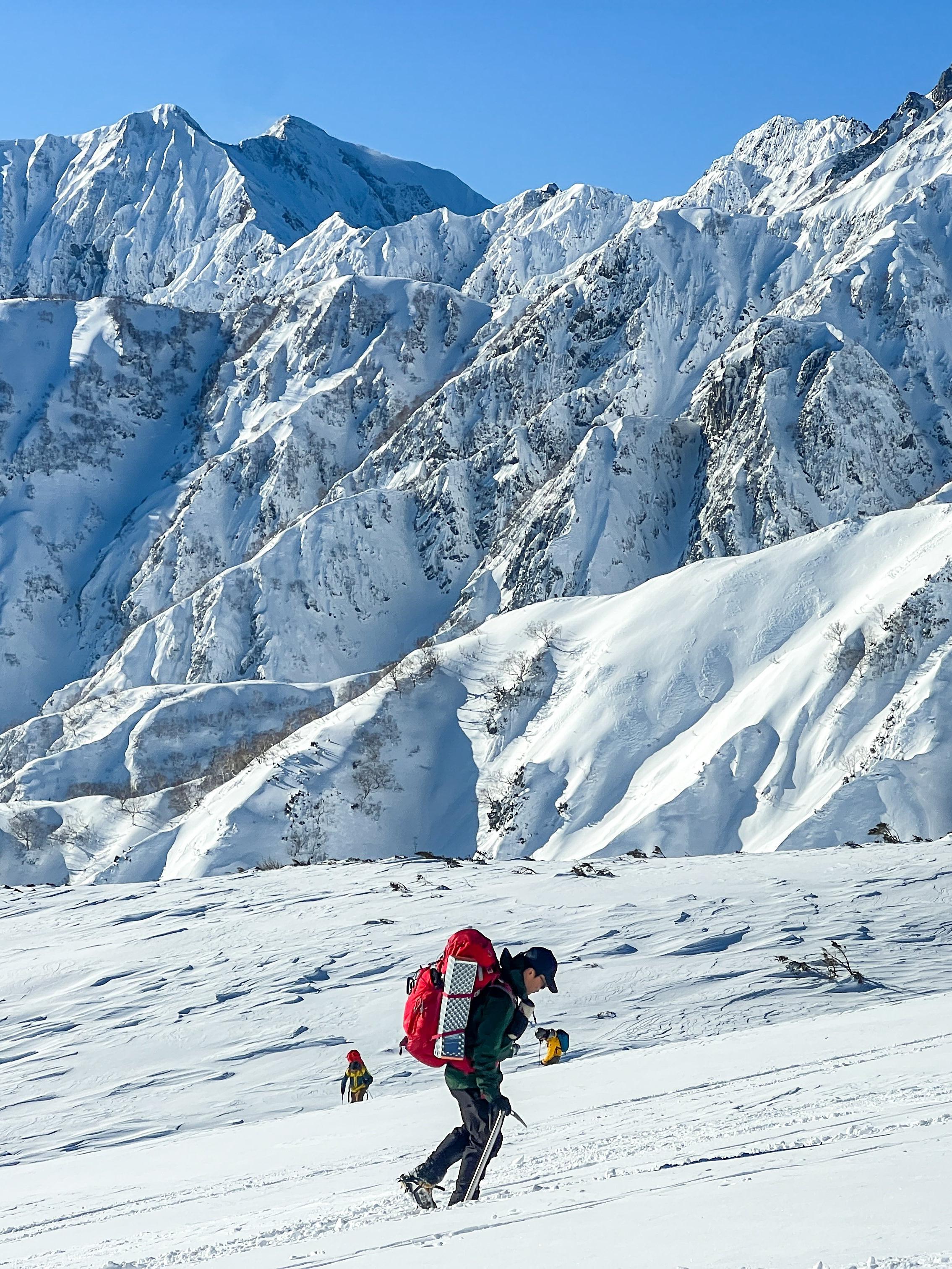
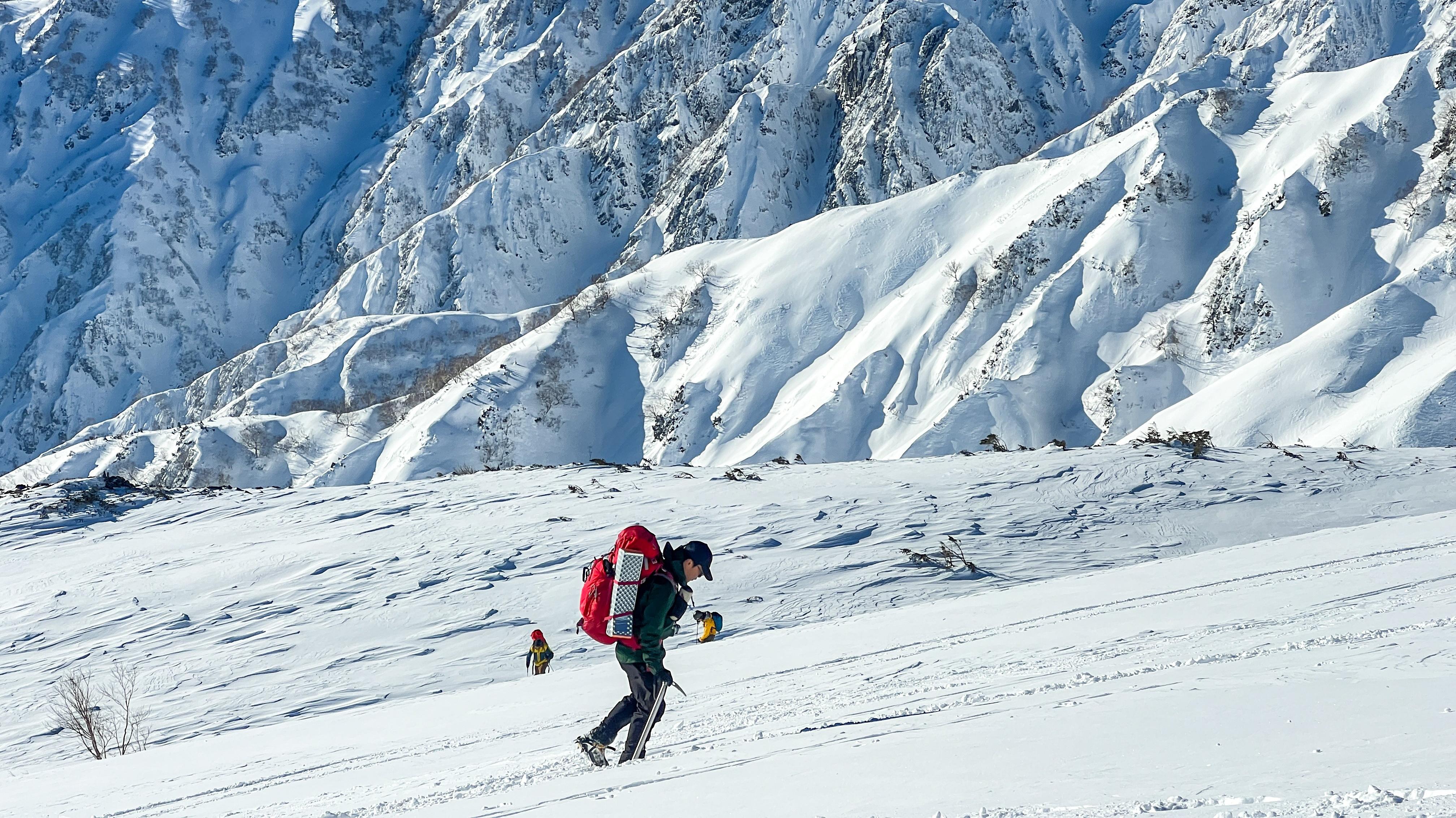
Climbing Mount Karamatsu in winter is one of Van Hoai's most memorable experiences. He had planned to conquer the mountain in autumn a few years ago, but couldn't due to bad weather. Upon researching, he was surprised to learn that the winter scenery of Mount Karamatsu is always on the list of must-see destinations. Therefore, he conceived the idea of experiencing the full beauty of Karamatsu in a blanket of white snow with his friends.
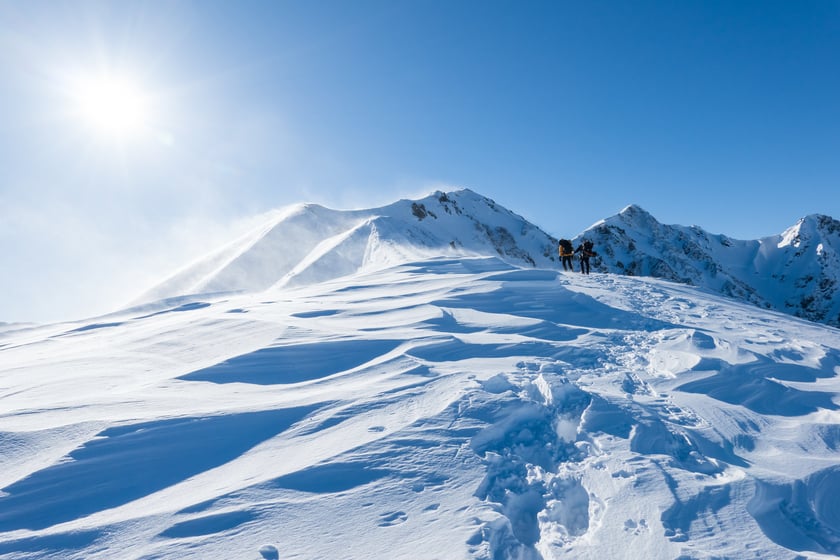
The winter scenery of Mount Karamatsu is always on the list of must-see destinations.
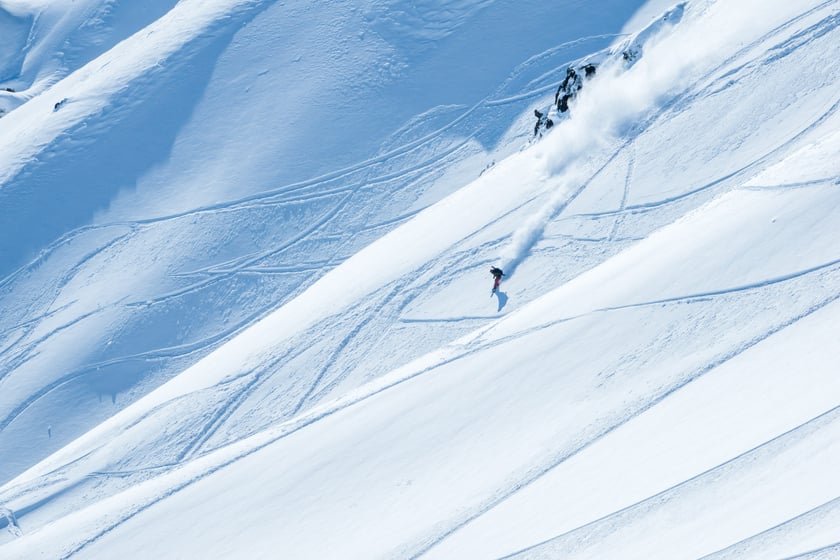
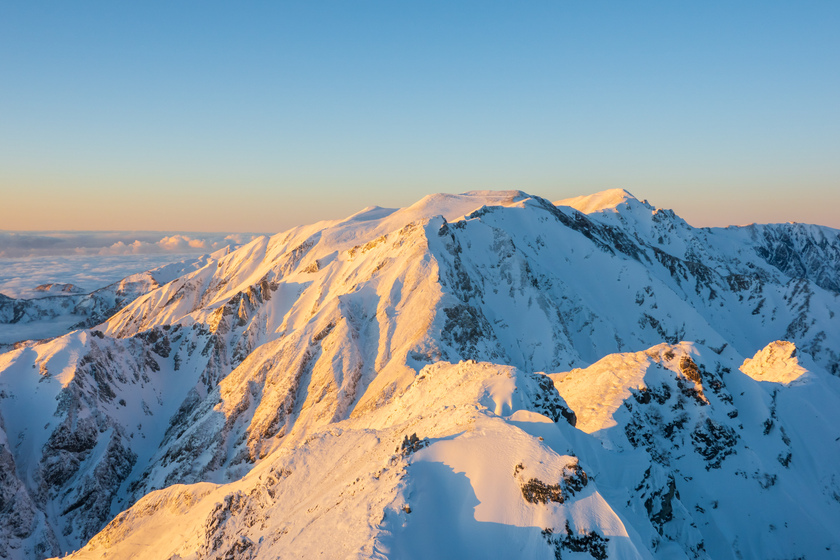
Karamatsu is one of the mountain peaks with a thick, soft, and fluffy layer of snow in winter, making it a favorite destination for many enthusiasts of mountaineering and skiing.
Located in the heart of Honshu, Japan's largest island, Nagano is known for its majestic mountains and beautiful natural landscapes. In particular, Nagano is known as the "roof of Japan," boasting 25 famous mountains. In northern Nagano Prefecture, Hakuba is a renowned winter tourist destination, most notably for hosting the 1998 Winter Olympics. Within Hakuba, Karamatsu is one of the peaks with a thick, soft, and fluffy layer of snow in winter, making it a favorite among mountaineering and skiing enthusiasts.
Overcoming the -20°C cold to conquer an altitude of 2,696 m.
Having challenged himself at various altitudes before, this trip was a completely different experience for Van Hoai. He shared that although the mountain was of moderate height, from the very beginning of the climb, he could observe the surrounding peaks, especially Mount Goryu. "Looking from afar, the majestic scenery made me and my teammates feel like we were gazing at high mountains somewhere in Nepal or India. This seemed to be a satisfying view, both visually and emotionally, that few mountains in Japan can offer," the young man confided.
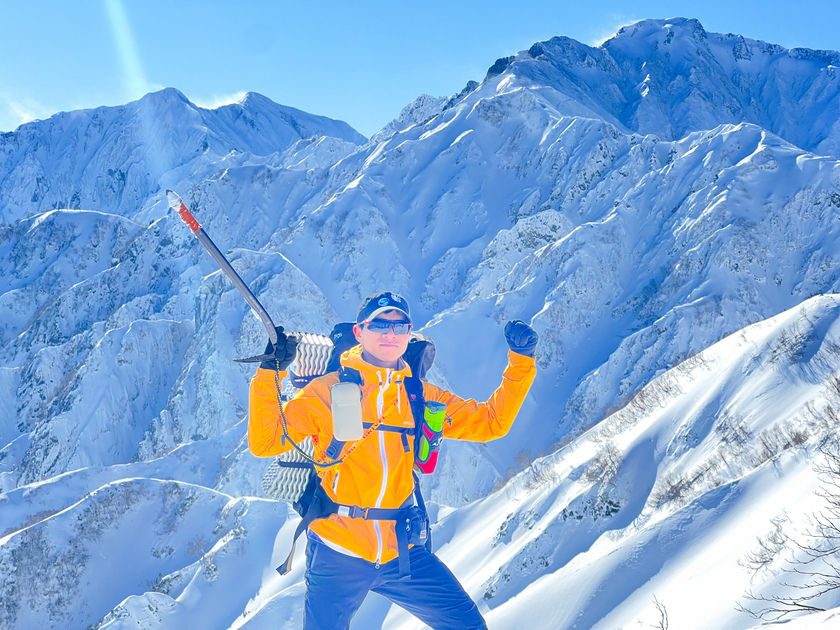
Passionate about exploring and conquering heights, Van Hoai (28 years old, currently living in Japan) has set foot on many mountains in the Land of the Rising Sun.
According to Van Hoai, he and his group of friends departed from Nagoya the night before to arrive at the foot of the mountain early the next morning, a journey of nearly 300 km and 4 hours of continuous travel. From early morning, the whole group set off together with enthusiastic spirits and a wealth of inspiration. Their starting point was the Hakuba Happo-one ski resort, which hosted the 1998 Olympic Games. After two cable car rides, he and his friends trekked to the summit of Karamatsu in nearly 6 hours.
From Van Hoai's perspective, Karamatsu isn't an extremely high mountain to conquer, but the harsh weather conditions are one of the direct challenges affecting the trip. Snow blankets every path up the mountain; each step he takes sinks into the soft, fresh snow, sometimes reaching a depth of 50 cm.

According to him, this exercise quickly wore down their physical strength, making every step difficult, especially on steep slopes. After reaching an altitude of about 2,400 meters, the group encountered a windy slope where the wind blew very strongly, reaching over 20 m/s. The wind blew horizontally across the narrow slope with valleys on either side. Adding to this, the snowmelt made him and his companions vulnerable to being blown into the ravine, accompanied by a profound feeling of cold.
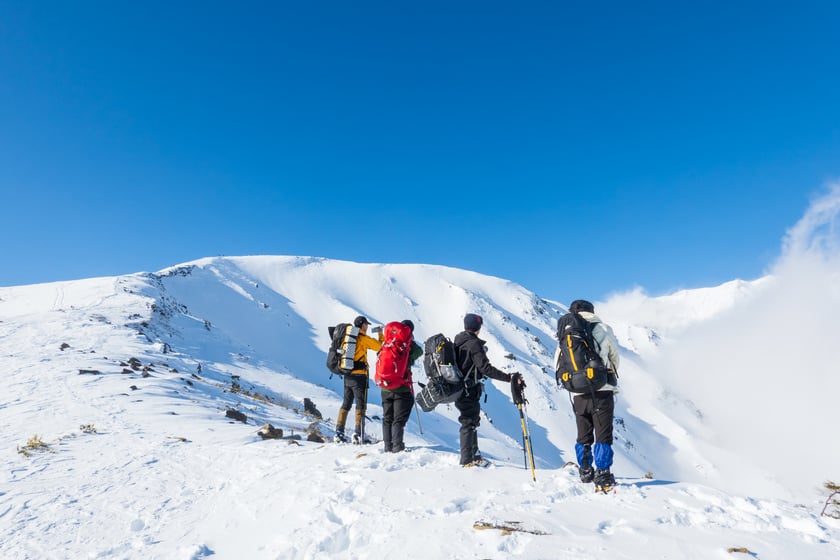
From early morning, the whole group set off together with an enthusiastic spirit full of inspiration.
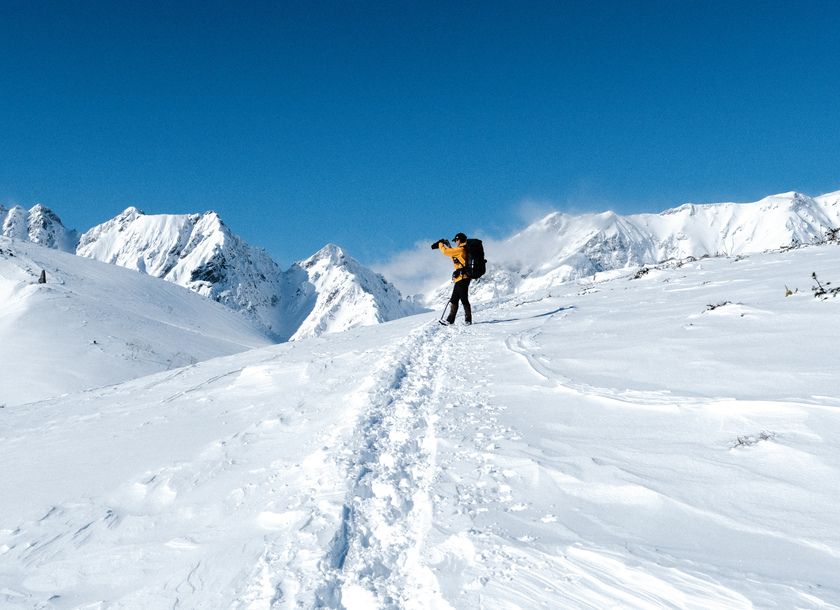
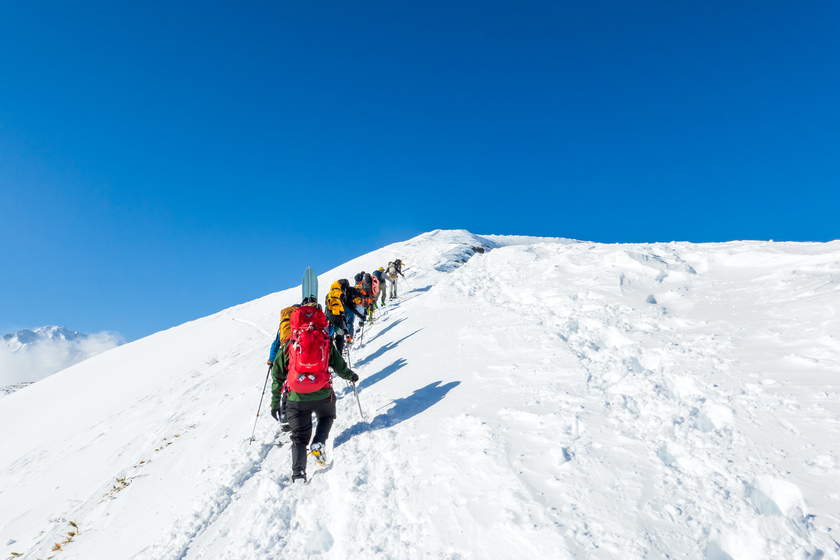
After two cable car rides, he and his friends trekked to the summit of Karamatsu in nearly six hours.
Before the trip, having prior trekking experience, Van Hoai prepared everything quite thoroughly. He said the forecast predicted a temperature of -7 degrees Celsius. Surprisingly, the actual temperature dropped to -20 degrees Celsius, completely different from the initial prediction. Setting up tents outdoors, he felt the biting cold at night, and could even have lost sleep if the warm clothing he brought wasn't enough to keep his body warm. At the same time, the drinking water easily froze, so the group had to frequently boil water to replenish fluids and warm their bodies.
Along the climbing route, Van Hoai had the opportunity to admire the famous Lake Happo, with the snow-capped Hakuba mountain range peeking out from behind, and Goryu peak nearby. Karamatsu is surrounded by many of Japan's largest and most famous mountain ranges; from here, visitors can see Mount Fuji, the Hakuba range, the Tateyama range, the Hida range, the Northern Alps, and more. The pristine white of the snow-capped mountains, enhanced by the sunlight of sunset and sunrise, creates a captivating and enchanting beauty.
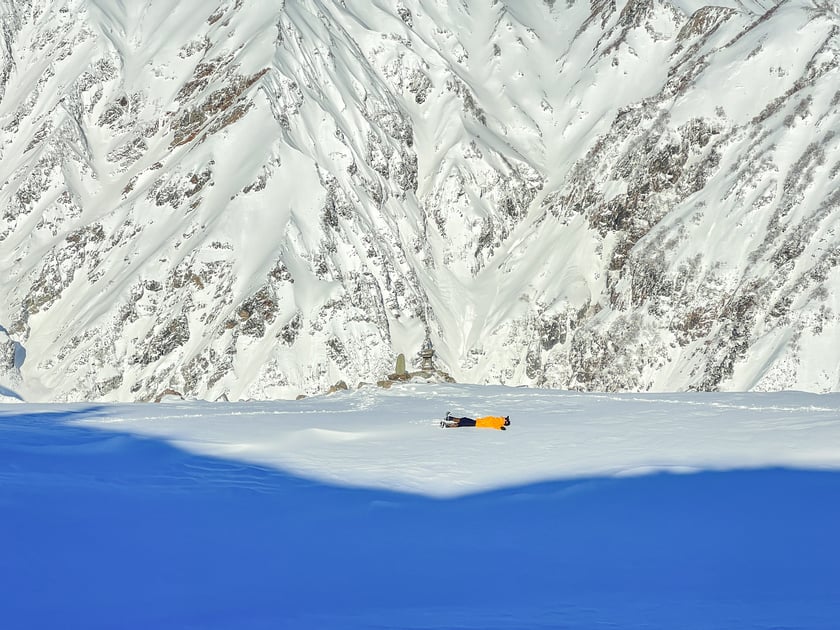
Karamatsu isn't an extremely high mountain to conquer, but its harsh climate and weather conditions are one of the direct challenges affecting the trip.
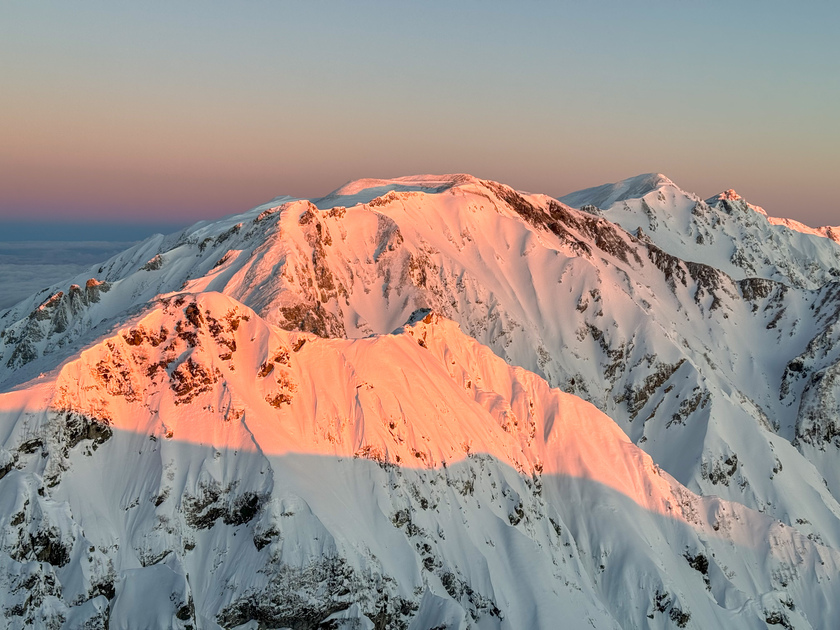
Karamatsu is surrounded by many of Japan's largest and most famous mountain ranges, from where visitors can admire Mount Fuji, the Hakuba Mountains, the Tateyama Mountains, the Hida Mountains, the Northern Alps, and more.
Speaking with Travellive, Van Hoai shared: “The most memorable moment of the trip was probably watching the sunset as the sun went down behind Mount Tsurugi, with the entire sky glowing golden against the snowy backdrop. I felt exhilarated after successfully conquering the summit, and this achievement was completely worthwhile.”
Discover the secrets to conquering the snow-covered Karamatsu Mountains.
Van Hoai shared that Karamatsu has its own unique beauty in each season, but perhaps conquering the 2,696-meter-high mountain in winter is one of the most exciting experiences. The weather is bone-chillingly cold, and the snow blankets everything, so few people dare to choose to climb the mountain in winter. Therefore, the best time to climb Karamatsu is in early winter, around December when the snow is not too thick, or in March and April when the snow has settled and the surface is firm.
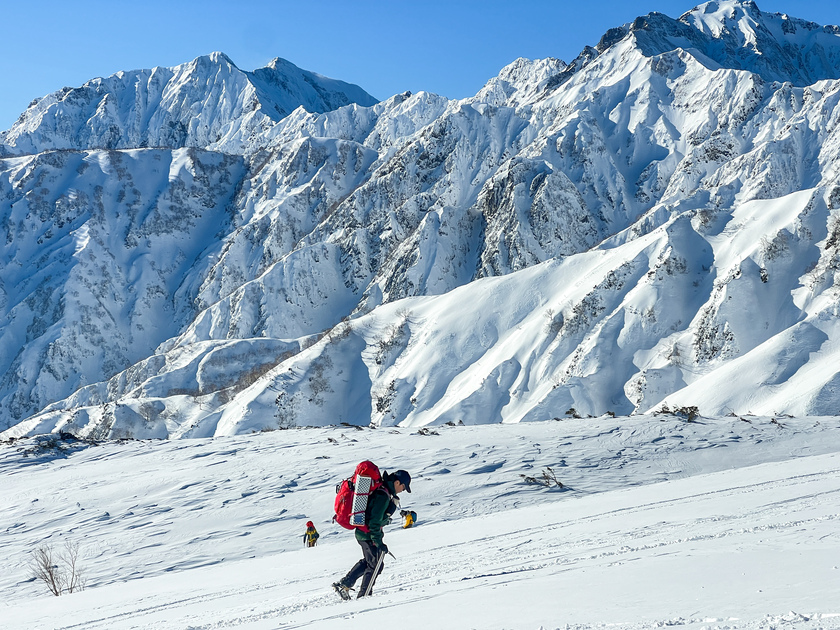
With bone-chilling cold weather and snow covering everything, very few people dare to choose to climb mountains in winter.
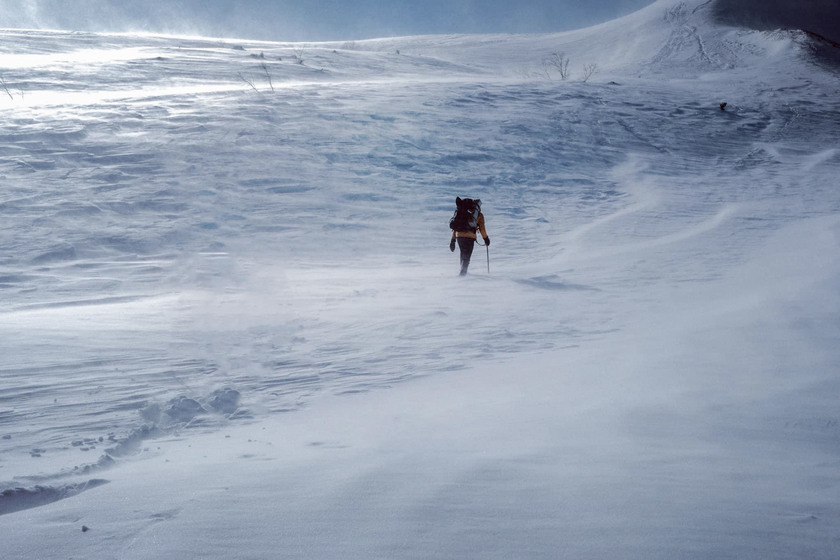
The best time to climb Karamatsu is in early winter, around December, when the snow isn't too thick, or in March or April, when the snow has settled and the surface is firm.
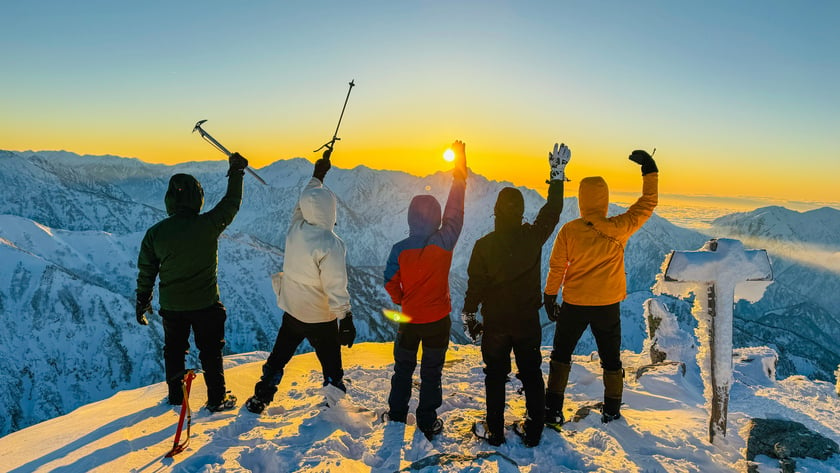
There are significant differences between snow climbing and regular mountain climbing, especially in terms of temperature variations and potential risks.
There are significant differences between snow climbing and regular mountain climbing, especially in terms of temperature variations and potential risks. As someone with extensive experience conquering high altitudes, Van Hoai readily shared his secret: “When climbing Karamatsu, especially during snowfall, in addition to constantly monitoring the weather, you also need to prepare warm clothing and other snow climbing equipment: specialized shoes, spiked soles, an axe, a tent, etc.”
In addition, many resorts close during the winter months, so food and water are essential items to bring along. Above all, you should also purchase mountaineering insurance to protect yourself in case of emergencies.”