VI
VI


Head to the land of "white rice and clear water," and discover the beauty of the rivers and waterways.
Can Tho, the heart of the Mekong Delta, captivates visitors with its sweet, simple beauty—a city that subtly blends modernity and tranquility. Can Tho doesn't boast skyscrapers or majestic mountains. Instead, it's a region of waterways that vividly reflects the culture of the people of the Southwestern Mekong Delta.
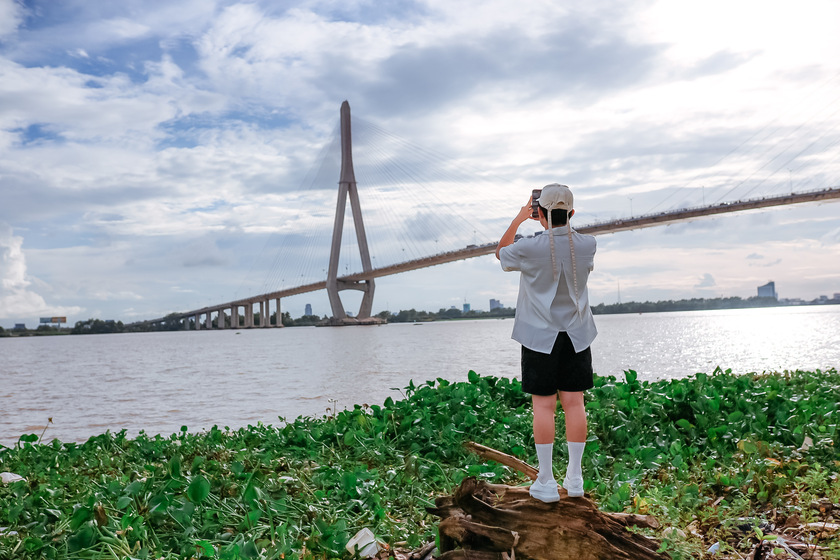
Travel blogger Henry Duong recently took a motorbike trip from Saigon to Can Tho.
Travel blogger Henry Duong had two memorable days exploring the Mekong Delta, recounting: "Can Tho is not only known for its white rice, clear water, and leisurely floating markets, but also for its ancient and modern architectural landmarks. Two days of exploring this region by motorbike on a very budget-friendly weekend gave me so many unforgettable memories."
Having gone on motorbike trips before, Henry Duong and his friend chose motorbikes as their means of exploring Can Tho this time. He said it was also a more economical option compared to taking a bus. "But if you've never gone on a long motorbike trip, then taking a bus is still the safest and most relaxed option," he emphasized.
When is the best time to visit Can Tho?
Can Tho City is located in an area influenced by a tropical monsoon climate. Each year has two distinct seasons: the dry season and the rainy season. The dry season lasts from December to April of the following year, usually accompanied by the Northeast monsoon. The rainy season, on the other hand, begins from May to November, bringing significant rainfall to the region.
Can Tho possesses its own unique beauty at every time of year. From June to August, the city is immersed in the fruit season, offering visitors the opportunity to enjoy fresh, delicious fruits from the orchards. From September to November, the flood season arrives, inundating the rice paddies. At this time, Can Tho becomes majestic and enchanting with its stunning scenery. Taking a boat ride through the canals and waterways will give visitors a deeper understanding of the lives of farmers in the Mekong Delta.
No matter the season, Can Tho possesses its own unique beauty.
Must-see destinations
During their two-day "exploration" of Can Tho, Henry Duong and his friend visited a total of 10 prominent tourist attractions. For him, each trip is an opportunity to explore and gain a deeper understanding of the region he's visiting. You can create your own itinerary and search for places you want to go, but don't miss the famous tourist spots in Can Tho, as suggested below.
Binh Thuy Temple
Binh Thuy Temple – a familiar spiritual destination for the people of Can Tho, also attracts many tourists thanks to its unique and unparalleled architecture. This architectural structure is arranged according to the important feng shui principle of "proximity to the river, proximity to the government, and proximity to the market," with the east bordering the Binh Thuy canal, the residential area to the west, Le Hong Phong road leading to the city center to the south, and the Hau River bank to the north.

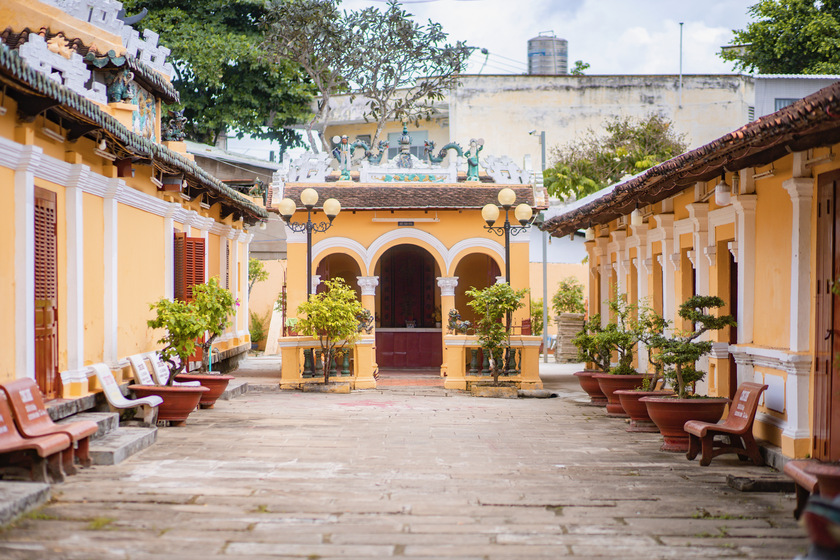
Binh Thuy Temple is a place of worship for deities, the local tutelary god, and ancestors who made great contributions such as reclaiming barren land, establishing villages, teaching trades to the people, or national heroes such as Dinh Cong Trang, Nguyen Trung Truc, Bui Huu Nghia, Vo Huy Tap...
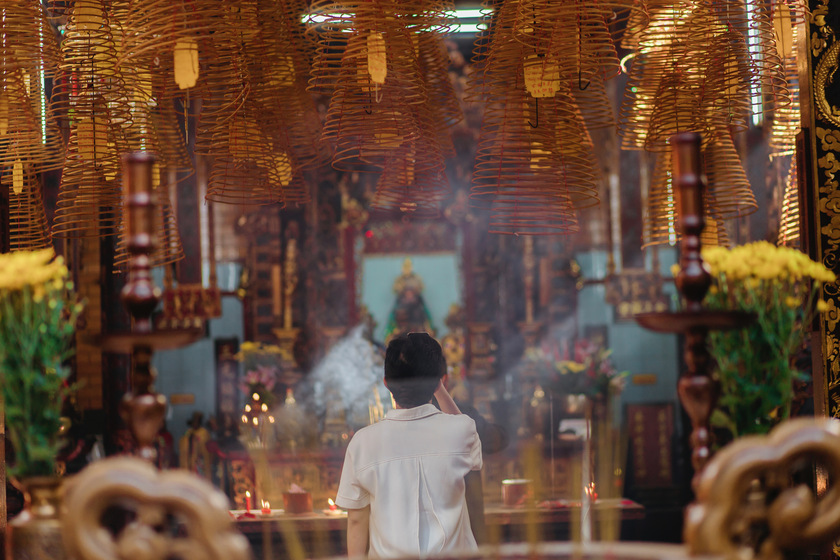
Don't forget to visit Binh Thuy Temple - a familiar spiritual destination for the people of Can Tho.
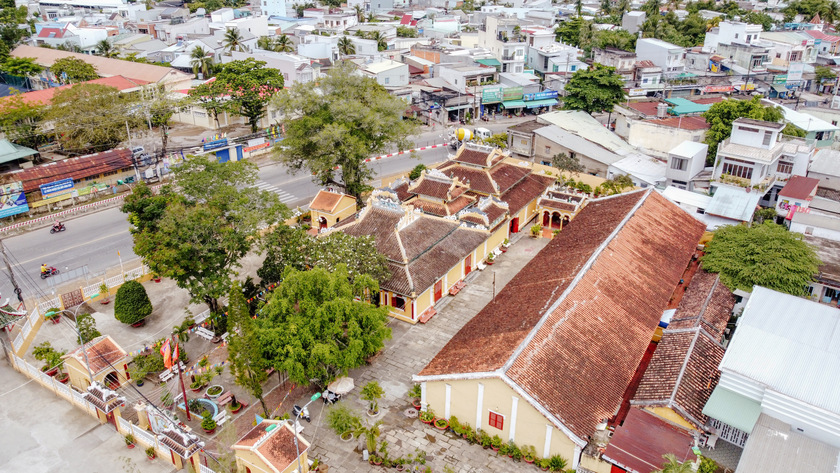
Binh Thuy Temple viewed from above.
Can Tho Old Market
Visitors who have had the chance to visit Can Tho will be captivated by its ancient market, which impresses both day and night with its elegant, tranquil, yet nostalgic atmosphere. It's not just a shopping center, but also a treasure trove of Can Tho's cultural and historical memories, recounting stories of the beauties of Tay Do and the history of trade and commerce from many provinces in the Southwest of Vietnam.
When visiting Can Tho Old Market, tourists not only get to admire the unique beauty of French architecture blended with traditional Vietnamese features, but also have the opportunity to satisfy their taste buds with the diverse array of street food stalls.
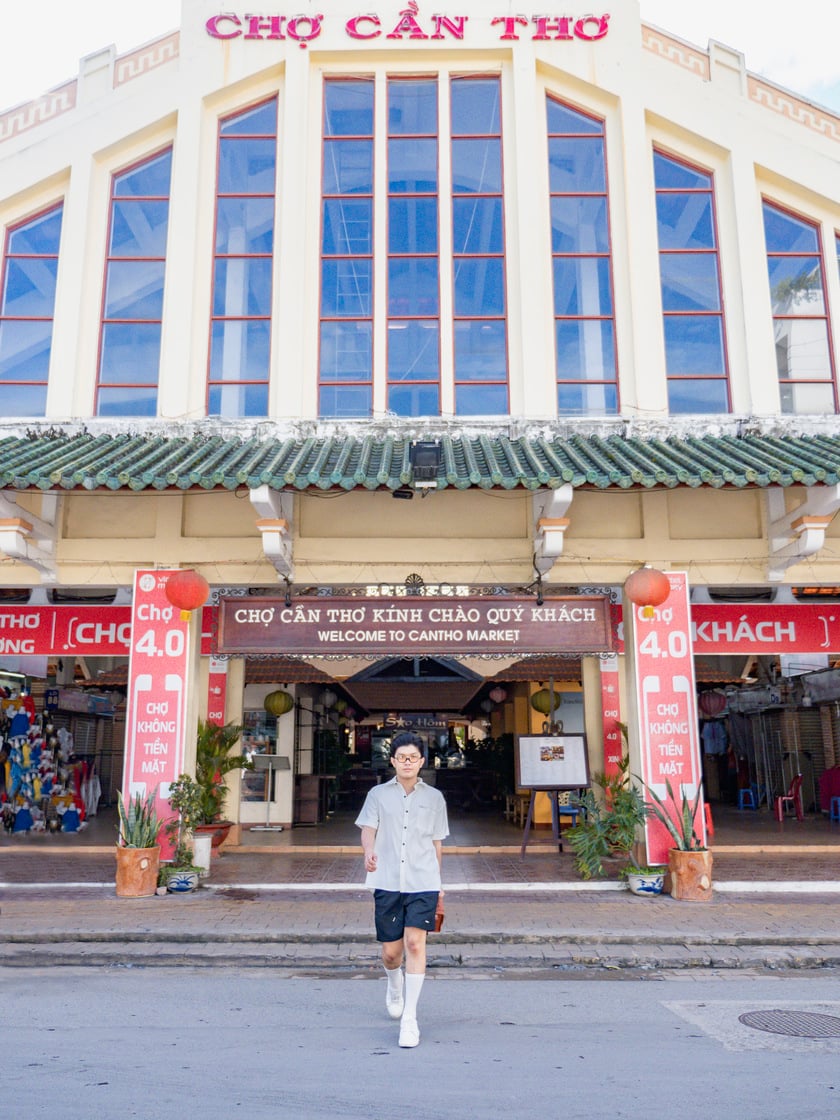
Visit Can Tho's old market to admire its architecture and long history.
Binh Thuy Ancient House
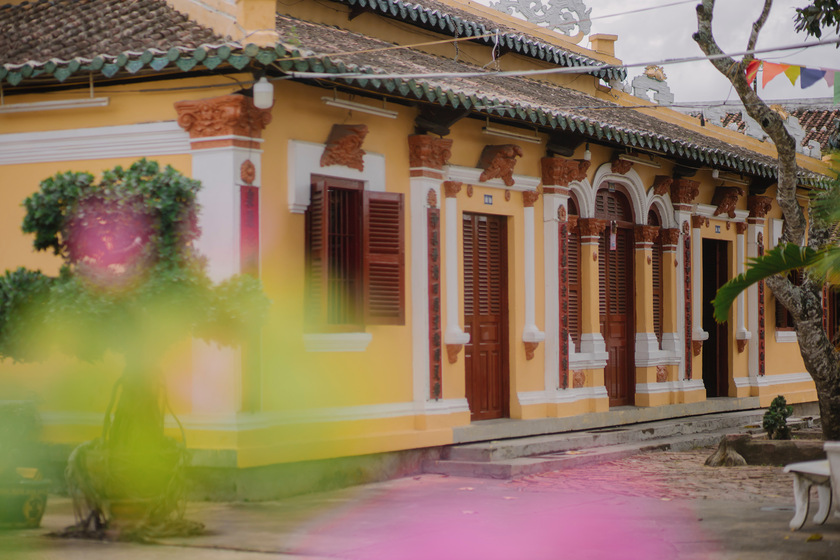
Located approximately 9 km from the center of Can Tho city, Binh Thuy Ancient House is a unique architectural masterpiece that has existed for nearly 150 years, retaining its ancient beauty and original character. It is an attractive tourist destination, a symbol of the fusion of three cultures: Vietnamese, Chinese, and French. From the outside, the carvings on the columns, arches, and eaves are all meticulously and elaborately handcrafted.
Stepping inside, the space is inspired by European design, creating an elegant atmosphere combined with a unique architectural style and culture. Visitors will have a fascinating experience, hearing mysterious stories about this ancient house.
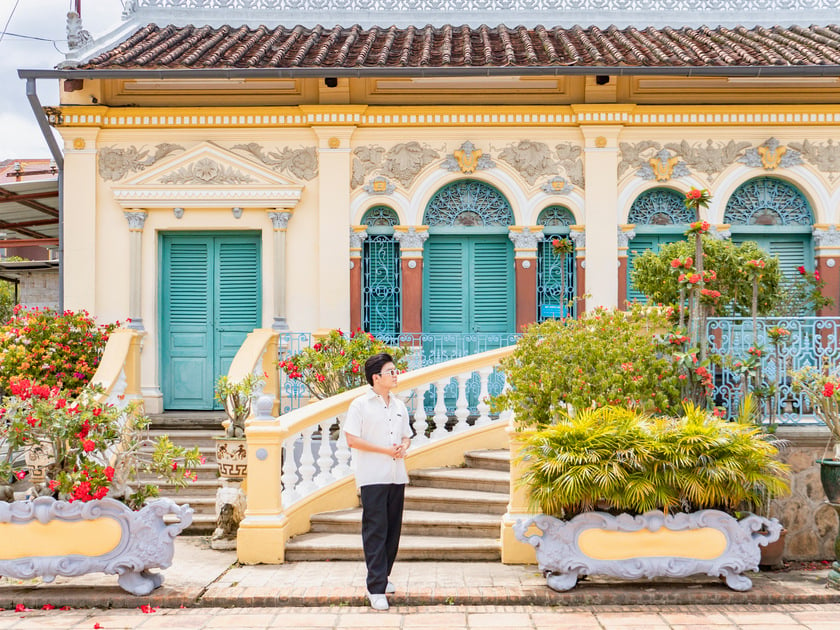
Binh Thuy Ancient House is a unique ancient architectural structure that has existed for nearly 150 years.
"I passed by Binh Thuy Ancient House right when it was closing for lunch, so I only took photos of the exterior," Henry Duong also noted that checking the opening hours of tourist attractions beforehand is essential when planning your itinerary.
Cai Rang Floating Market
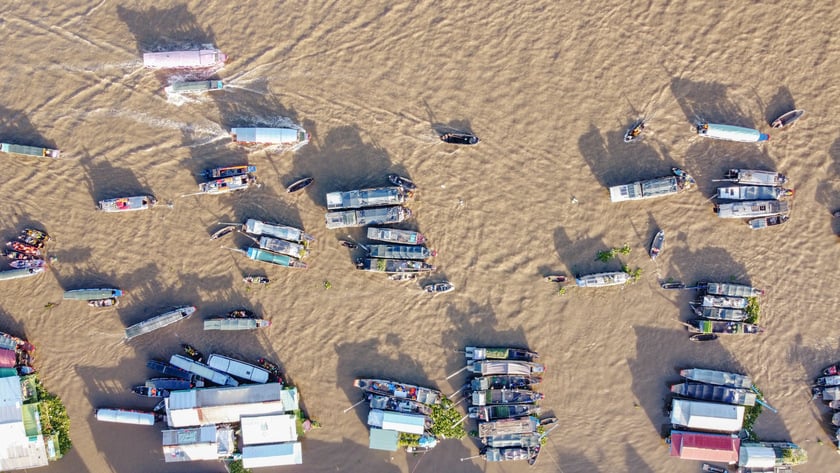
Cai Rang Floating Market is not only a unique market but also boasts many distinctive characteristics of the Mekong Delta region, something rarely found elsewhere in Vietnam. It is also the most vibrant floating market, deeply imbued with the riverine culture of the Western region.
Watching the sunrise, sitting on a small boat drifting slowly across the water, immersing yourself in the bustling atmosphere of the early morning market, and enjoying a bowl of noodle soup on the boat are incredibly enjoyable experiences.
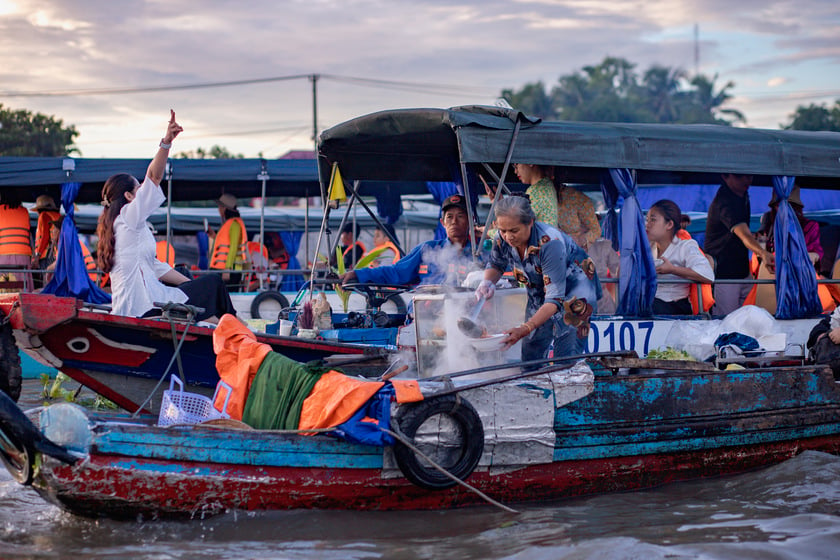
The bustling atmosphere of buying and selling at Cai Rang floating market will be an interesting experience for many tourists.
Henry Duong excitedly recounted: "That day, we woke up at 4 a.m. to prepare for the floating market, but after going, we learned that you don't need to wake up too early; around 5 a.m. is just right. We arrived at the dock just in time for sunrise. If we went too early, it would still be dark, and we wouldn't be able to take pictures or see anything. At that time, the floating market was just starting to get crowded and lively, and the lighting was also beautiful for photos. We also pestered the boat driver quite a bit, running back and forth twice just to make sure we could get a picture of the words 'Floating Market' in the frame."

Sitting on a boat, watching the sunrise, and then enjoying a steaming bowl of noodle soup right on the floating market is truly satisfying for an early morning.
"Captivated" by Can Tho's cuisine.
Despite his busy travel schedule and lack of opportunities to sample all the specialties of the Mekong Delta, Henry Duong has still managed to find some eateries that he considers "top-notch."
"I was impressed with the snacks on the embankment overlooking the Can Tho bridge; the stir-fried corn had a unique flavor, and the vendors were incredibly friendly. In the evening, we had fried fish balls for only 70,000 VND, which was enough to fill both of us. What I liked most was the view of the intersection, watching the hurried crowds go by. No matter what, after going to the Mekong Delta, you must definitely stop by My Tho for a bowl of satay noodle soup before returning to Saigon," he said.