VI
VI


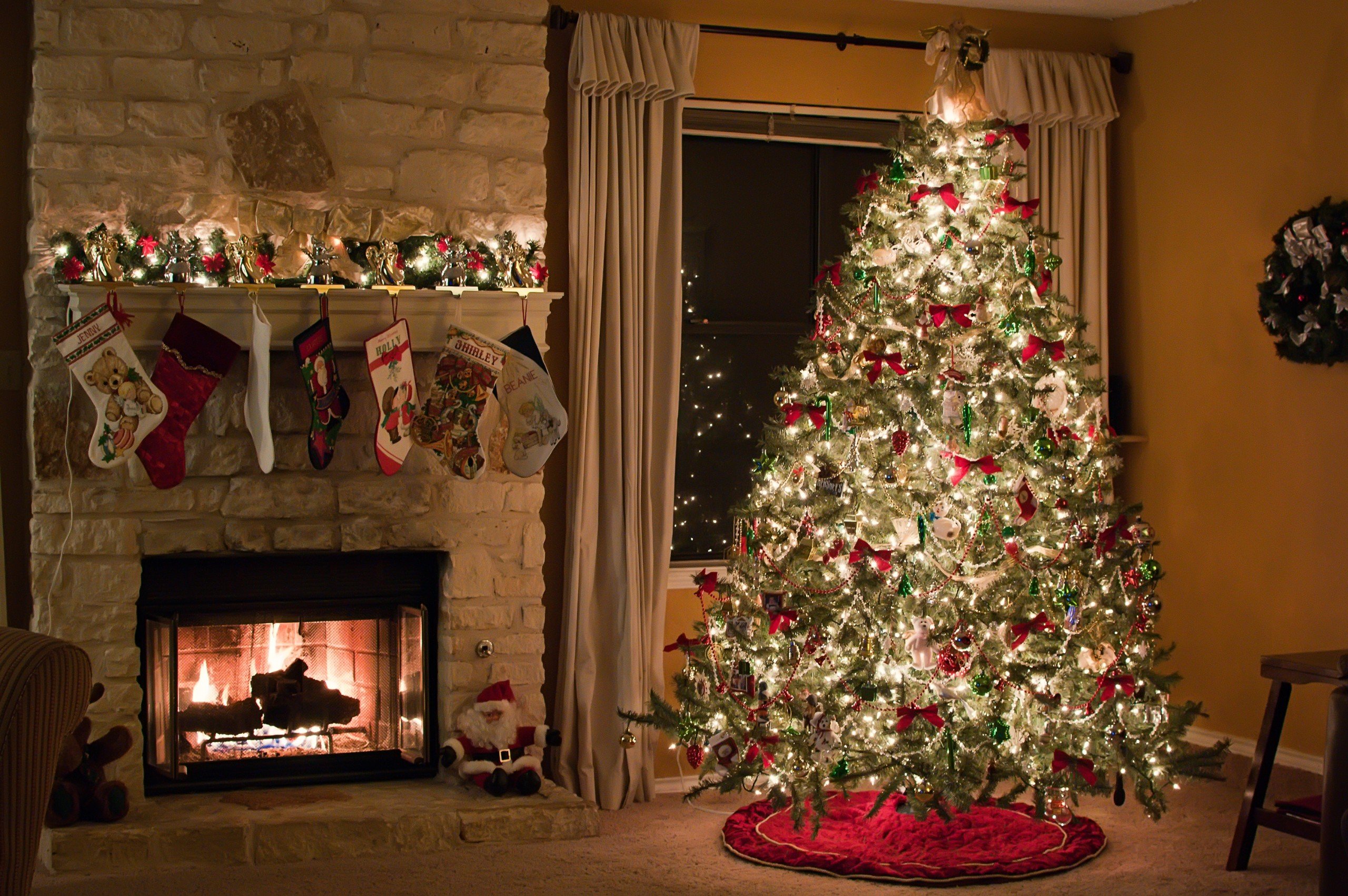
The Christmas season is approaching, and it's time for families to shop for and decorate their Christmas trees. Basic decorations like star lights, bells, and colorful stockings have become popular choices. However, not everyone realizes that these Christmas decorations carry a very special meaning.
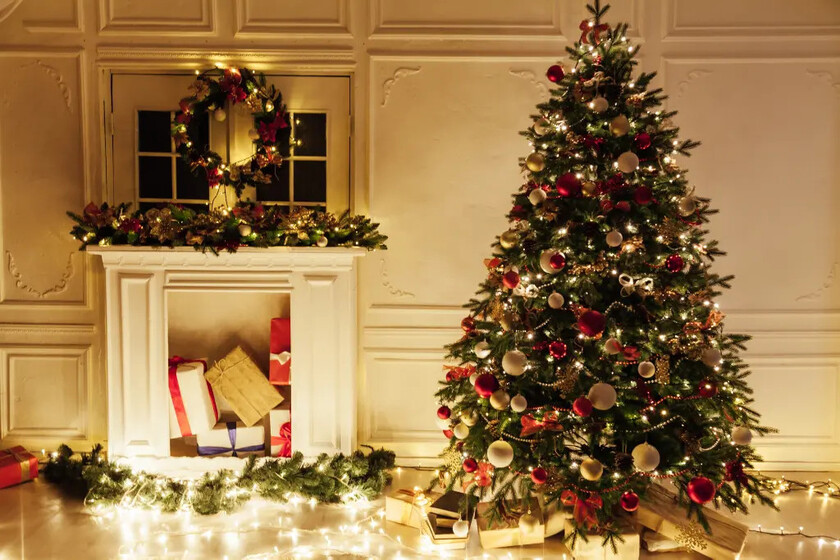
The symbol of Christmas is here.
Star
Traditionally, every Christmas is accompanied by the mythological story of a bright, sparkling star in the sky. It is believed that on the day of Christ's birth, this star appeared, shining brightly and visible from afar.
The story goes that three wise men, traditionally believed to be three kings, pursued this brilliant light, thinking it would lead them to a great miracle. Following the light, they eventually arrived at Bethlehem, where the Baby Jesus was born. Before the Lord, they swore allegiance and offered three precious gifts: gold, frankincense, and myrrh.
Each gift held profound meaning. 'Gold' symbolized the glory of God. 'Frankincense' demonstrated the Lord's special role as the High Priest and the one and only Mediator. And 'myrrh,' a substance used to embalm the dead, foreshadowed the Lord's departure to offer a complete atonement for humanity.
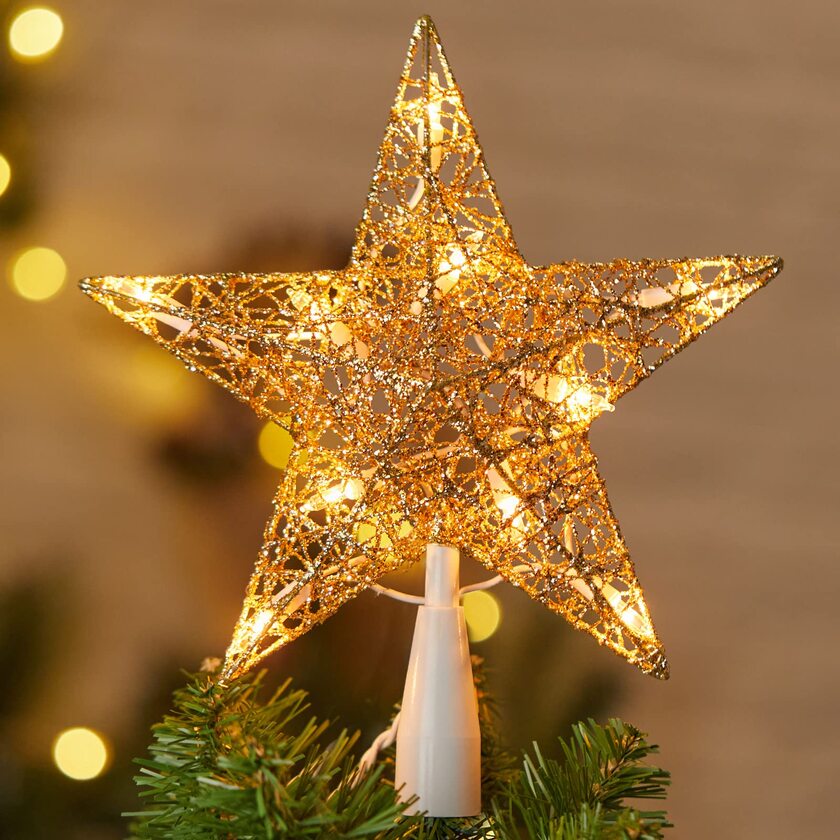
The star at the top of the Christmas tree symbolizes faith and hope.
The twinkling star not only serves as a symbol of wonder during Christmas but is also hung high atop the Christmas tree, representing faith and hope. On Christmas Eve, these stars shine in the most sacred places, emphasizing the meaning of the mythological story and the miracles from God.

Ball
In Christmas decorations, ornaments – also known as baubles – are an indispensable part of the Christmas tree. These ornaments are often meticulously crafted with wing or leaf-shaped patterns, creating a sparkling and unique look.
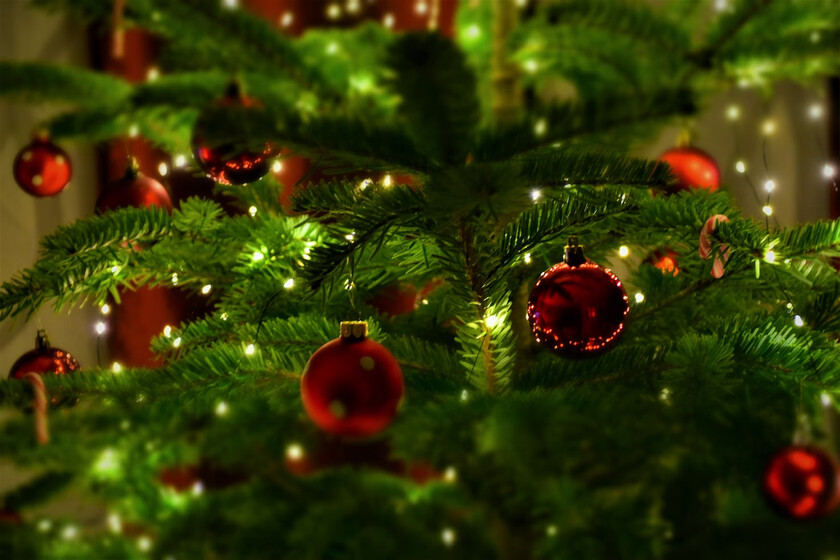
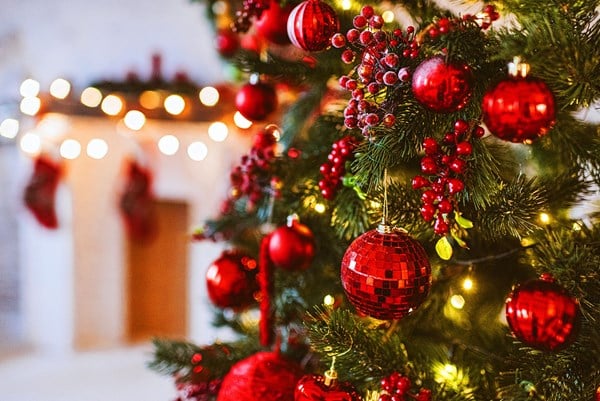
According to legend, mothers believe that hanging decorative ornaments on the Christmas tree will bring strength and optimism to their children. It is believed that each ornament contains positive energy, helping children develop intelligence and resilience when facing challenges.
The round ornaments on a Christmas tree can be said to be an indispensable embellishment, a colorful and melodious tune in the holiday season.
J-shaped candy cane
In the 1800s, a candy maker in India bent a candy bar into the shape of a cane, conveying a message about the love and sacrifice of Jesus. The white color of the candy symbolizes the purity and innocence of Christ. The three small stripes on the candy represent the suffering Christ endured before his death, and the bold stripe represents the blood Christ shed to save humanity.
If you look closely, you'll realize that this candy cane is exactly like the staff a shepherd uses, because in Christianity, Jesus is the shepherd of mankind.

The candy cane is not only a sacred symbol but also a fascinating way to convey important teachings in the spiritual life of India.
Acorn
According to legend, the hermits received guidance from a saint that the oak tree was not sacred. To test this, they decided to cut it down. On the day the oak fell, everything beneath it was crushed, except for a single small pine tree.
This very pine tree was chosen as a symbol of Jesus, while the acorns from the felled tree were used as decorations. This story conveys a profound meaning: although the oak tree is not considered sacred, from a tiny acorn seed can grow into a strong and large oak tree. The mystery of the Christmas pine and the legendary oak tree reminds us of the hidden strength in every small beginning and how humility can lead to great achievements.
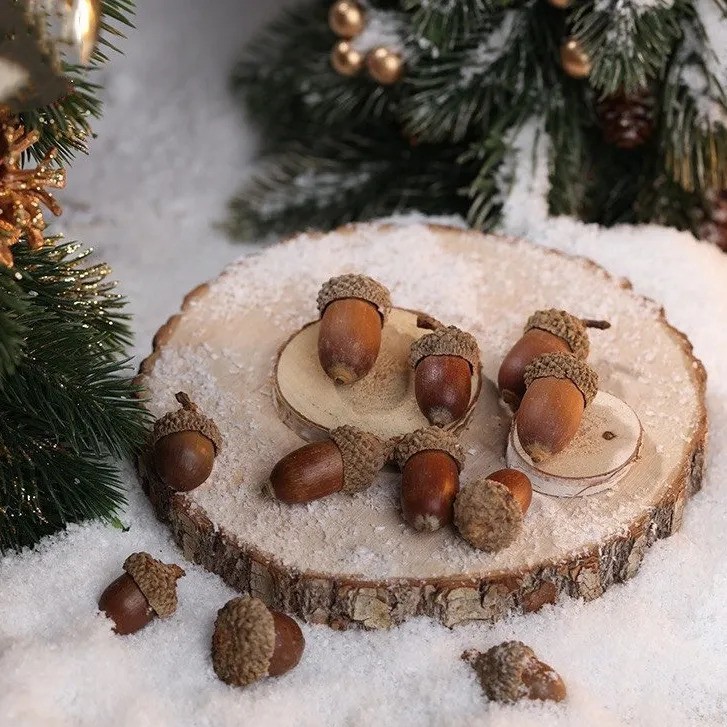
Acorns hold profound meaning.
The bell
As the bells begin to chime, Christmas has arrived in every corner. The tinkling of the bells is not just a sound, but also a signal urging people to quickly finish their work so they can immerse themselves in the joyful atmosphere of gathering with loved ones and family.
The sound of Christmas bells brings a warm and cheerful atmosphere, like an invitation to open our hearts, from which special moments of family gatherings and sharing joy begin to blossom.
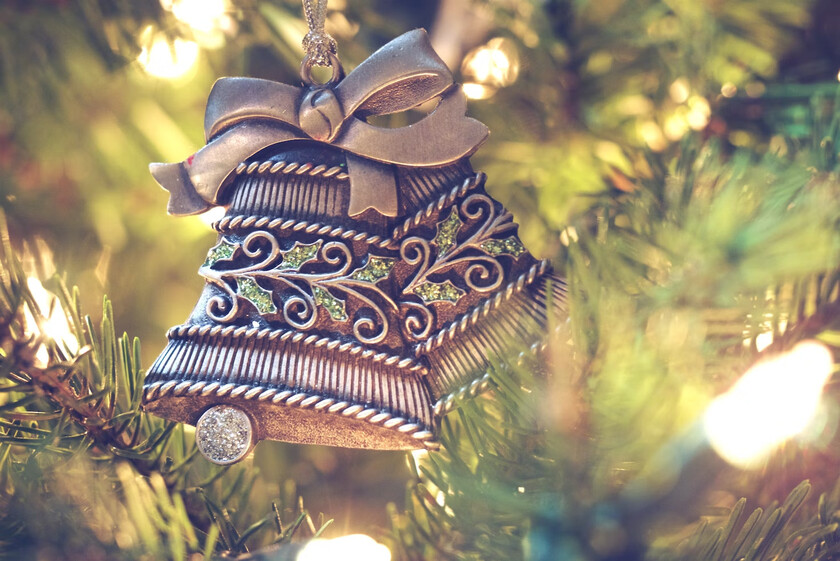
As the bells begin to chime, Christmas has already arrived in every corner.