VI
VI


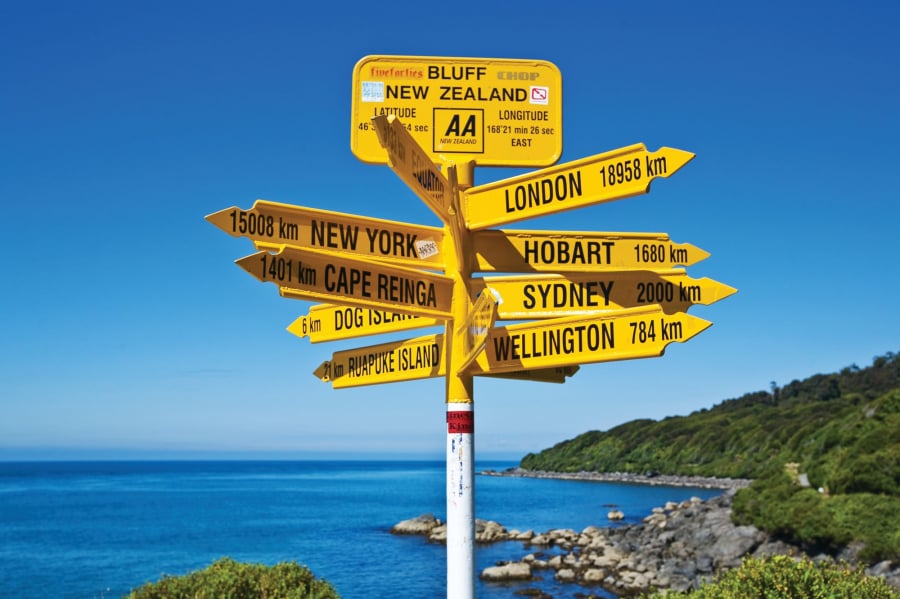
1. New Zealand is a very "young" country.
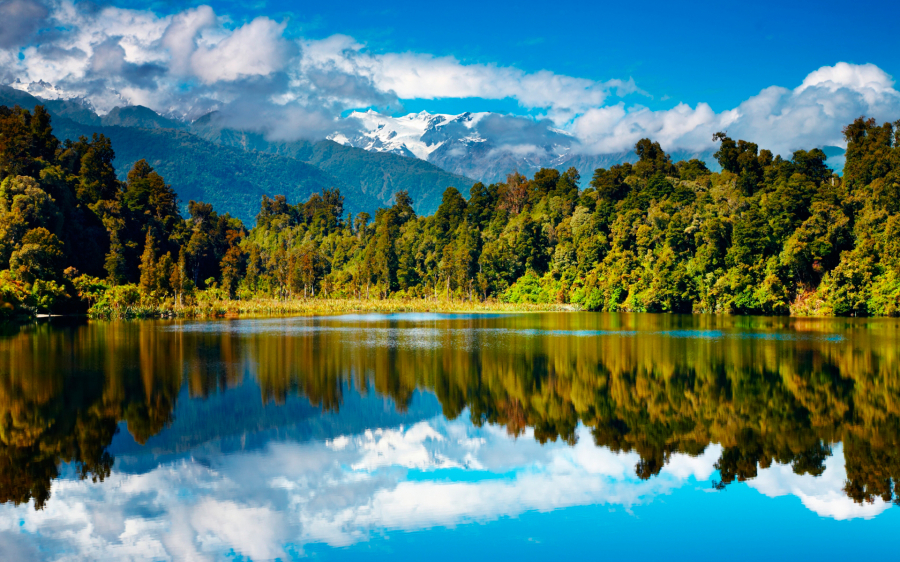
New Zealand is an island nation in the southwestern Pacific Ocean. Due to its isolated location, it was among the last places on Earth to be settled by humans. During its uninhabited period, New Zealand had a diverse geology and ecosystem with many endemic species found nowhere else.
2. New Zealand is located in the center of the world.
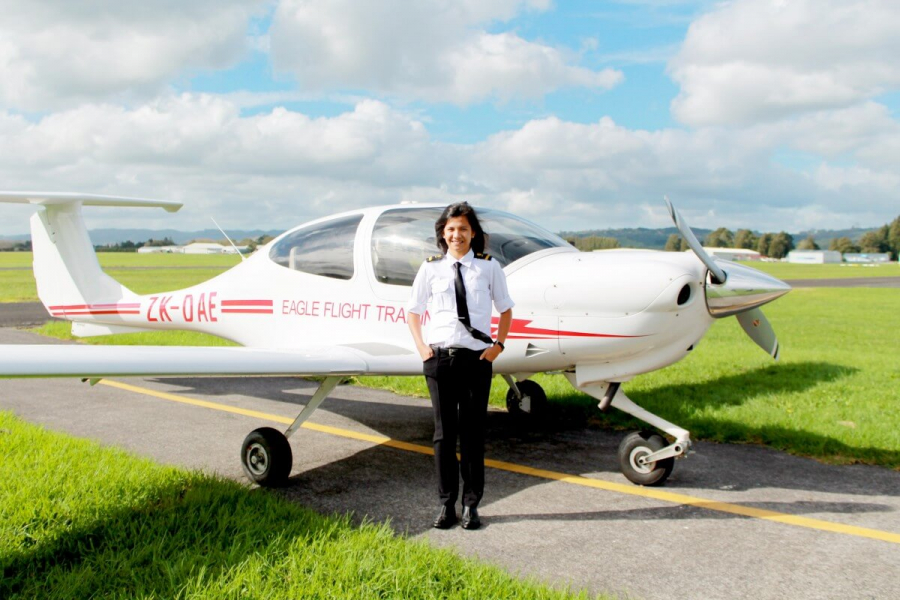
New Zealand is located near the center of the world, consisting of two main islands and several smaller islands. Therefore, the country has a highly developed aviation industry and is also one of the world's largest centers for training commercial pilots. Famous pilot training schools here include: Eagle Flight Training, CTC Wings New Zealand, Air New Zealand Aviation Institute, etc.
3. "The Land of the Kiwi"
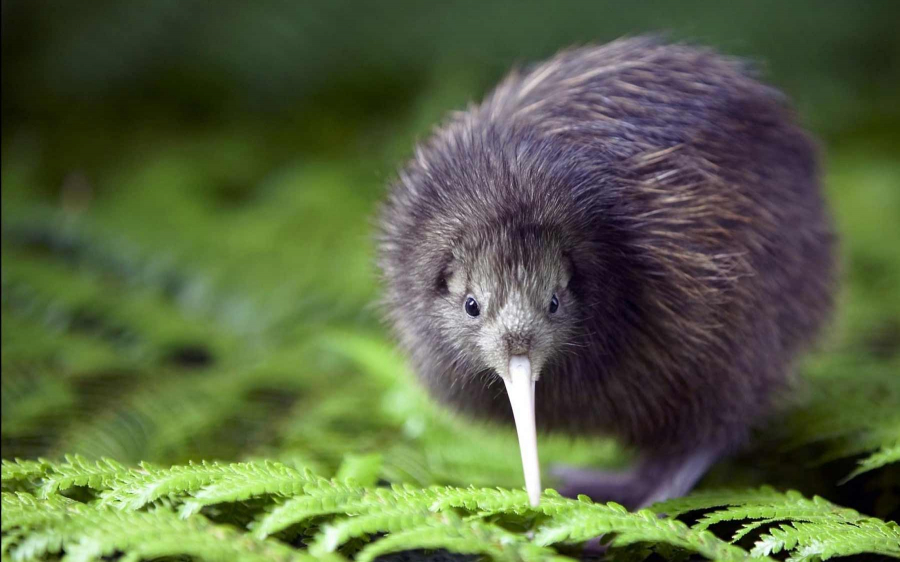
New Zealand is also known as the "land of the kiwi." The kiwi is a bird endemic to this country. They are flightless, somewhat clumsy, but faster than humans, and notably have nostrils right on top of their beaks. The kiwi bird and the silver fern are two important symbols of New Zealand. When referring to New Zealand, people often affectionately call them "kiwis" or "people of the kiwi land."
4. Most place names in New Zealand are not official names.
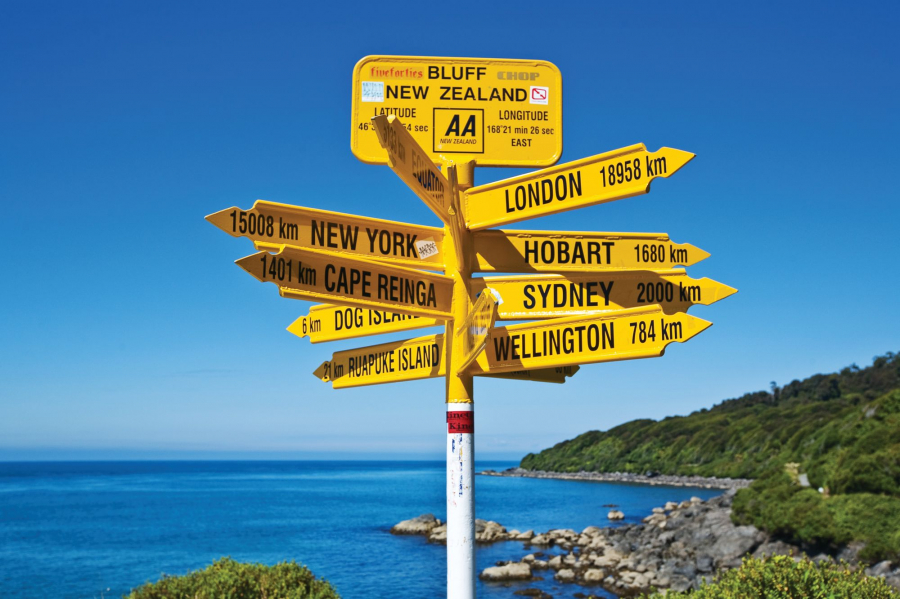
The Geographical Commission of New Zealand is responsible for naming and managing towns and cities across the country based on factors such as history, geography, and characteristics. However, many places in New Zealand are not officially named by this commission, and some people are even unaware of the origins of their names, such as Wellington, Taupo, Greymouth, and Whangarei. Currently, the country has approximately 16,000 official place names and 33,000 unofficial ones.
5. New Zealand has three official languages.
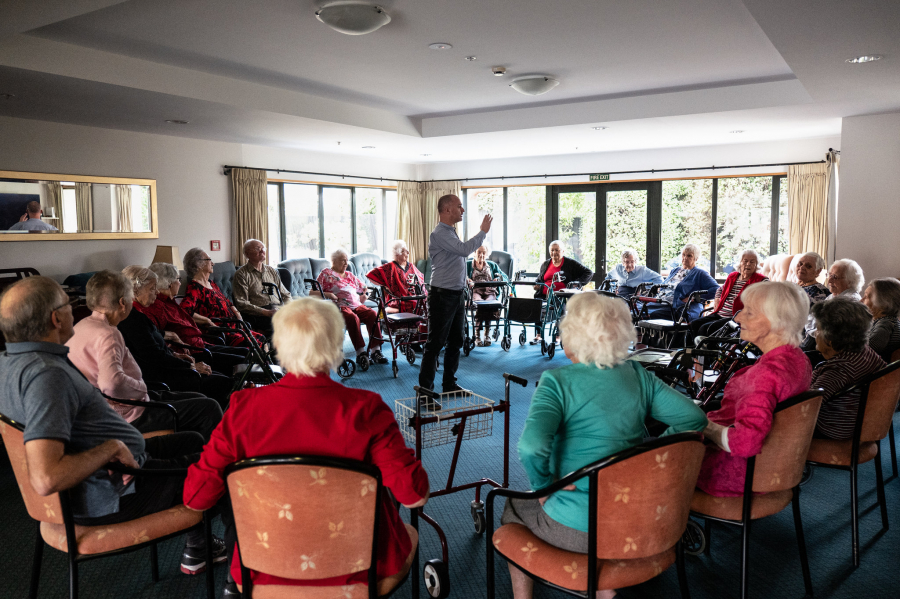
New Zealanders speak English, Maori, and New Zealand Sign Language. English is the most widely used language, in most aspects of society, from law to education and community life. Maori and New Zealand Sign Language are also official languages and can be used in legal proceedings with the assistance of an interpreter.

6. All cities in New Zealand have nicknames.
Every city in New Zealand has interesting nicknames associated with some unique characteristics of the city.
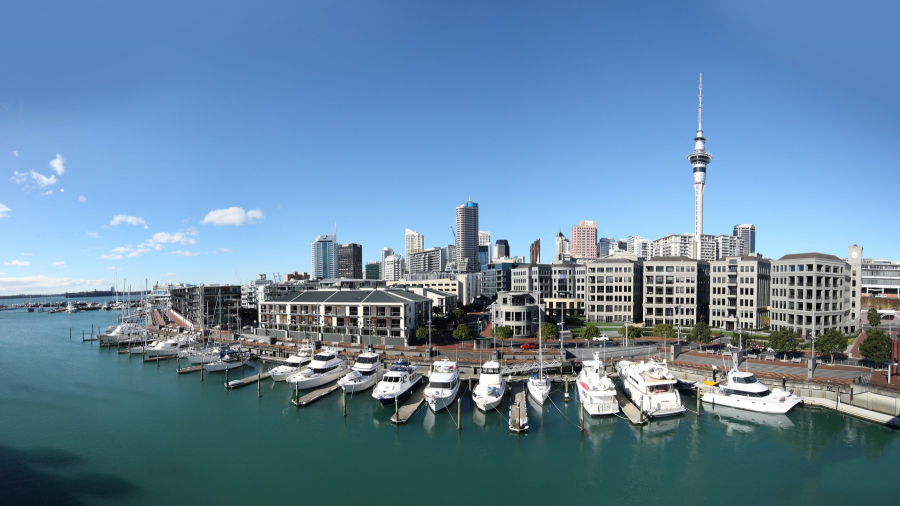
Auckland seaside city
Auckland - The City of Sails: Auckland is New Zealand's largest city. Situated right by the sea, it's home to hundreds of yachts and sailboats from all over the world, with a higher rate of sailboat ownership per capita than anywhere else in the world.
Wellington – The "Beehive" City: This name comes from the Te Papa National Museum in Wellington. It's one of the architectural masterpieces that clearly demonstrates the exceptional creativity of the people of New Zealand, with its exterior resembling a beehive. That's why Wellington is often associated with the nickname "Beehive".
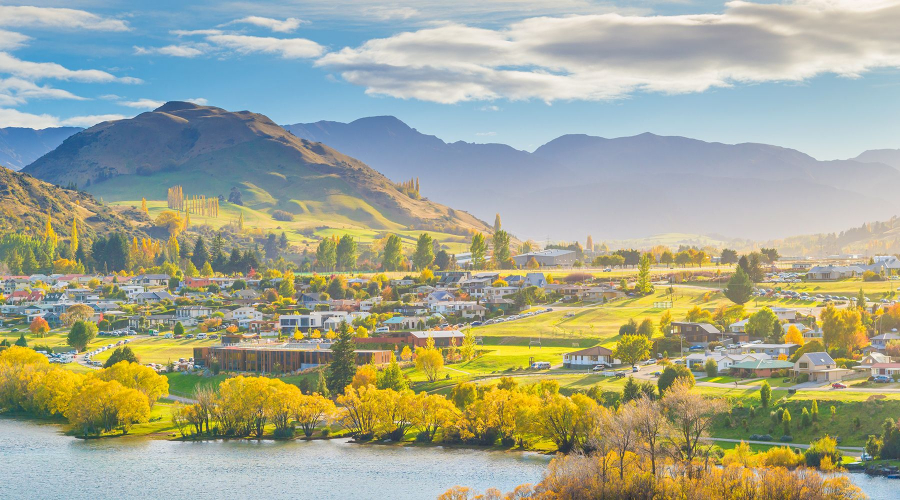
The green city of Christchurch
Christchurch - The City of Gardens: With hundreds of gardens showcasing their beauty around Christchurch Cathedral or along the River Avon, along with lush parks and gardens everywhere, Christchurch is a perfect destination for those who love a green lifestyle.
Dunedin - The City of Education: Dunedin boasts one of New Zealand's most developed education sectors, home to the University of Otago - New Zealand's first university - and Otago Polytechnic. Higher education is considered the city's largest economic sector.
7. New Zealand is a pioneer in advocating for women's rights.
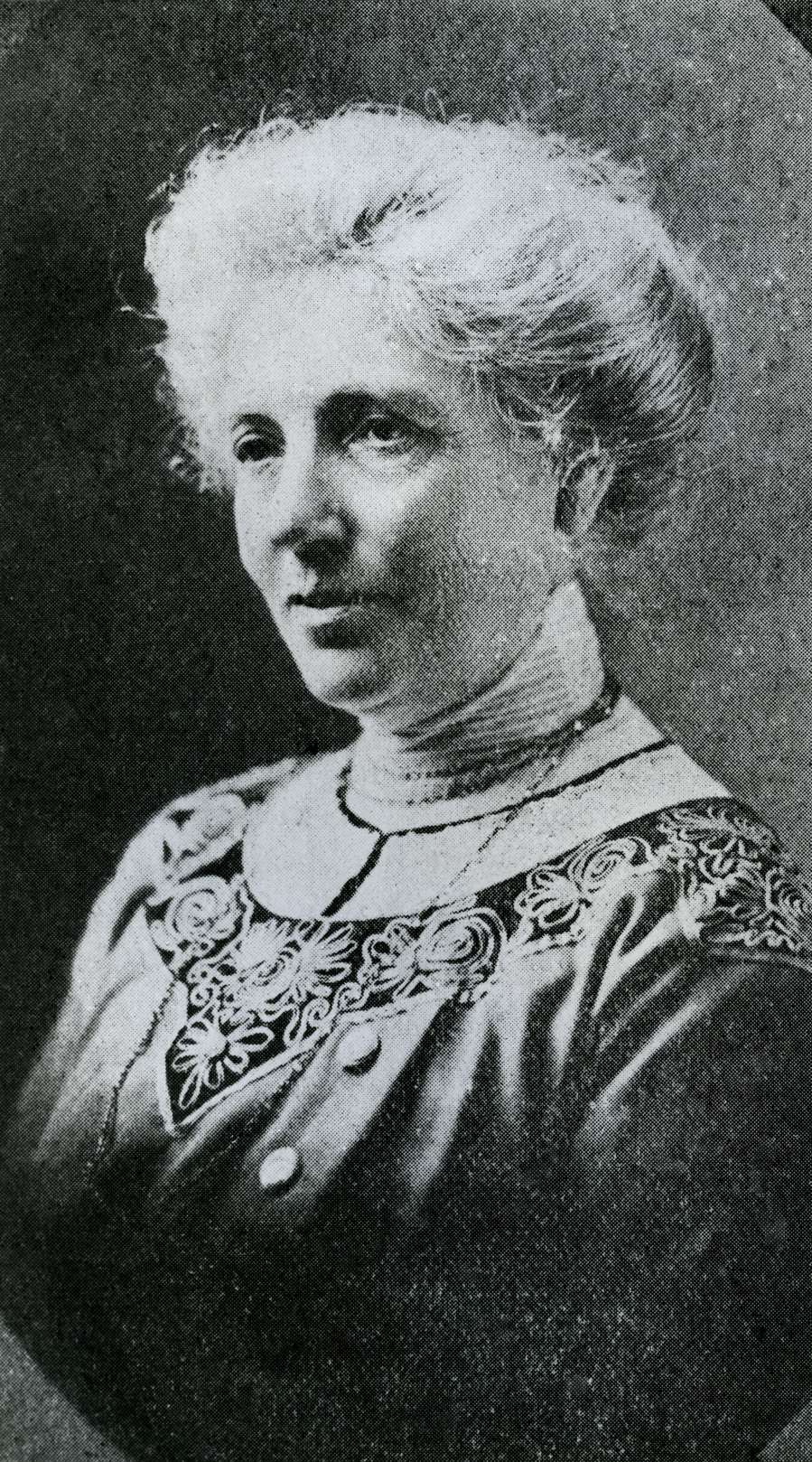
Famous social activist Kate Sheppard
On September 19, 1883, a new suffrage law was passed, making New Zealand the first self-governing nation in the world to grant women the right to vote in parliamentary elections. This women's suffrage movement was led by social activist Kate Sheppard. For her significant contributions, she is depicted on the New Zealand $10 bill and several intersections in Wellington are named after her.
8. Despite having a highly developed science sector, New Zealand is completely nuclear-free.
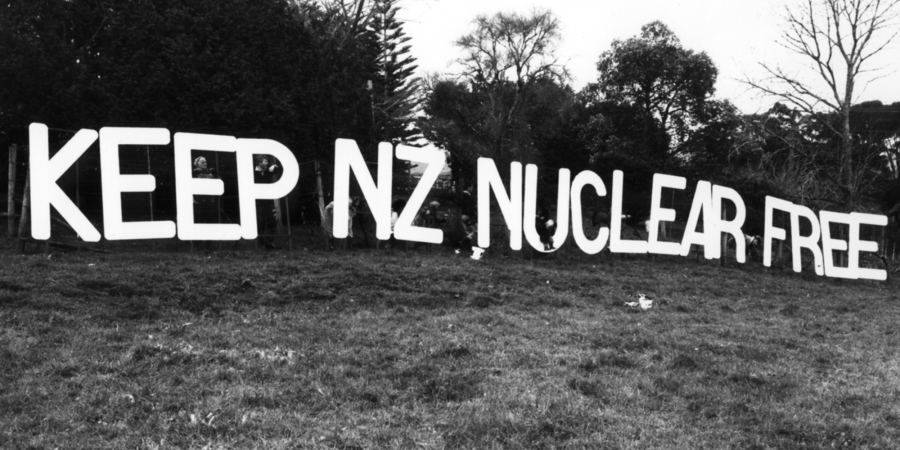
"Keep New Zealand away from nuclear weapons."
Ernest Rutherford, the Nobel Prize-winning physicist who was the first to successfully split an atom, laying the foundation for later nuclear research, was born and raised in New Zealand. However, New Zealand has consistently maintained a no-nuclear stance, despite political pressure.
9. New Zealand was the first country to appoint a national witch.
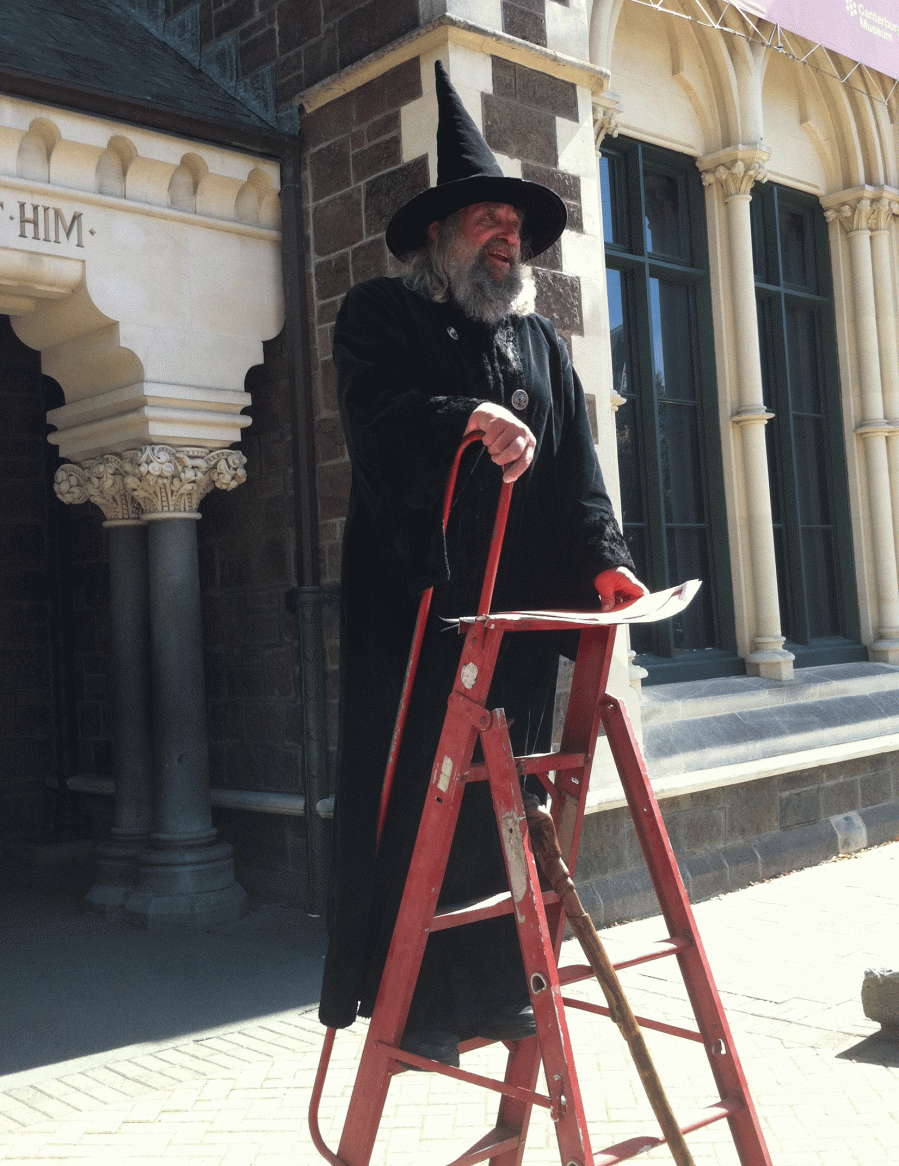
Ian Brackenbury Channell, born on December 4, 1932, was an educator, comedian, magician, and politician. In 1974, he began speaking to crowds from a staircase in Cathedral Square in Christchurch dressed as a wizard. He became so famous that he was appointed "The Wizard of Christchurch" in 1982. In 1990, New Zealand Prime Minister Mike Moore bestowed upon him the title "The Wizard of New Zealand."
10. New Zealand was the first place to empower a river.
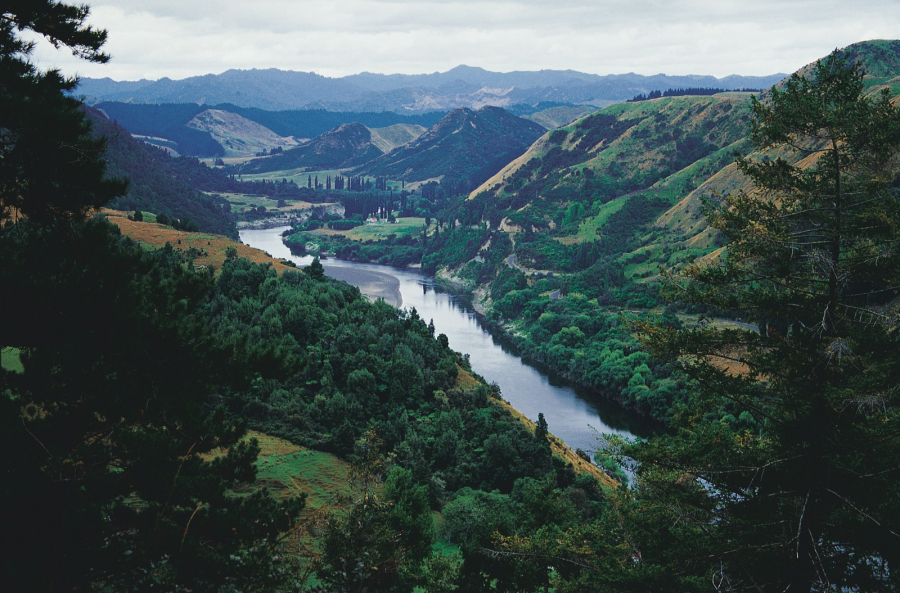
In March 2017, the Whanganui River became the first river in the world to be granted human rights. The Whanganui River is the third longest river in New Zealand and is revered by its indigenous inhabitants. Locals have a famous proverb, "I am the river and the river is me," believing that the river's well-being is directly linked to their own happiness and prosperity. Therefore, the people fought for 160 years to have the river recognized as a human being and to receive financial compensation from Parliament, raising funds to protect the river from pollution.