VI
VI


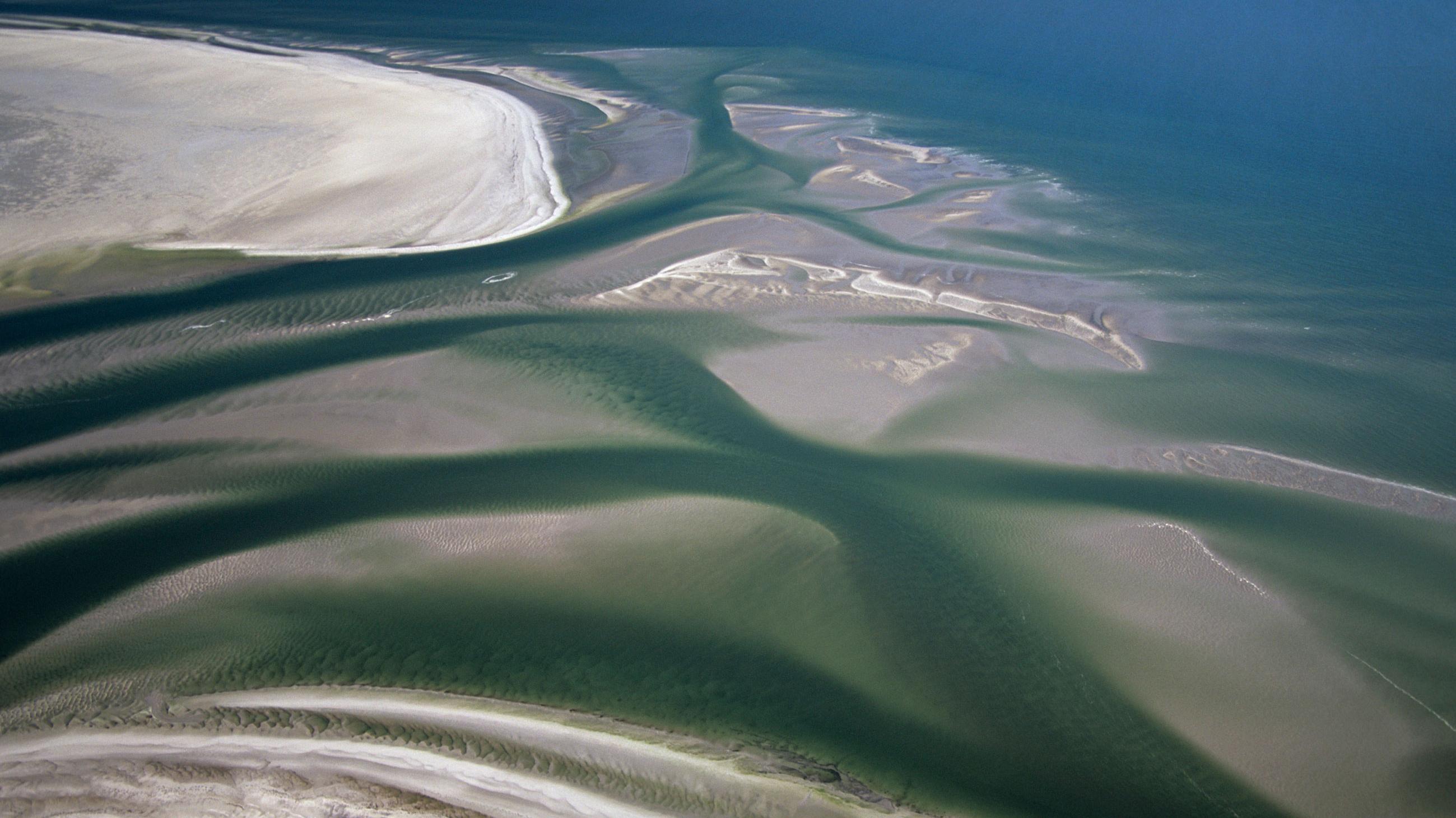
Life in harmony with the tides
The islands off the North Sea are must-see destinations in the Wadden Sea. Here, visitors can see Baltrum – the smallest of the islands in East Frisia. The islands here all face the mainland, and the coastline consists of long tidal flats. Twice a day, at low tide, visitors can explore the seabed without any diving equipment.
Walking barefoot in the mud
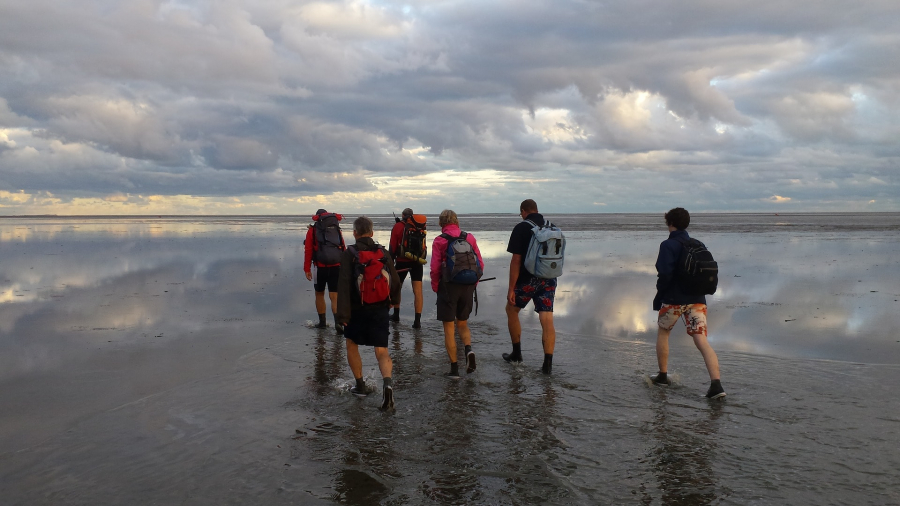
A guided walk along the beach with a marine conservation officer will help visitors learn a lot about the inhabitants of this unique marine area, such as sand worms. The guide will also explain the phenomenon of the rearrangement of approximately 25 kg of sand each year, which provides oxygen to sustain the marine life here, with a total of over 10,000 species of plants and animals living in the mudflats, including fish, shellfish (shrimp, crabs, clams, etc.), and birds.
The most famous "residents"
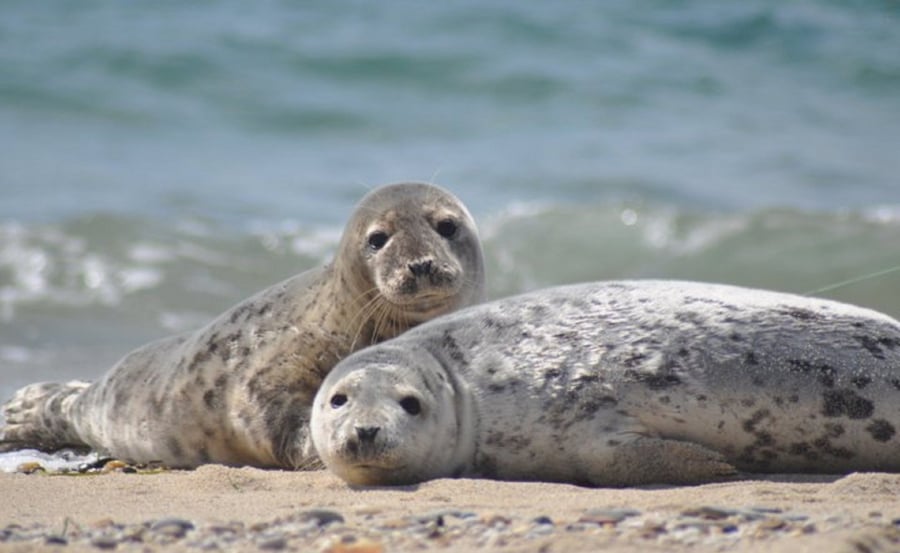
Every visitor to the Wadden Sea hopes to see the seals, and the sandy beaches here are their home. This is not only where the seals relax and sunbathe, but also where seal pups are born. The seal breeding season usually takes place between mid-June and July. Cruises will take tourists close to the beaches where the seals live, while maintaining a safe distance and respecting their habitat.
Green Wonder
The Wadden Sea ecosystem isn't just made up of mud and water. Sand dunes, beaches, and mangrove swamps also contribute to shaping the landscape. The plants inhabiting these swamps are true survivalists, constantly submerged in seawater. This creates an ideal resting and breeding ground for many bird species. Always keep binoculars handy for the best observation of these birds.

The house by the sea
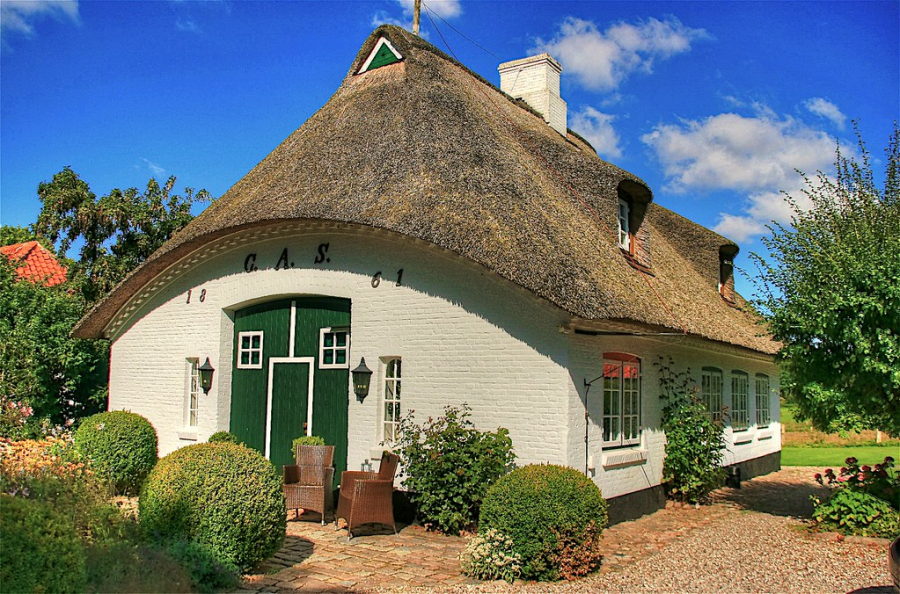
The Wadden Sea region is also famous for its gabled houses with low, thatched roofs that protect locals from the harsh winds typical of the North German coast. Many of these houses are rented out as holiday homes. One typical example of this construction is located on the island of Amrum, with its roof made from reeds growing right in front of the house. Building such roofs requires a truly skillful and expert craft – a skill that few people still possess today.
Port towns
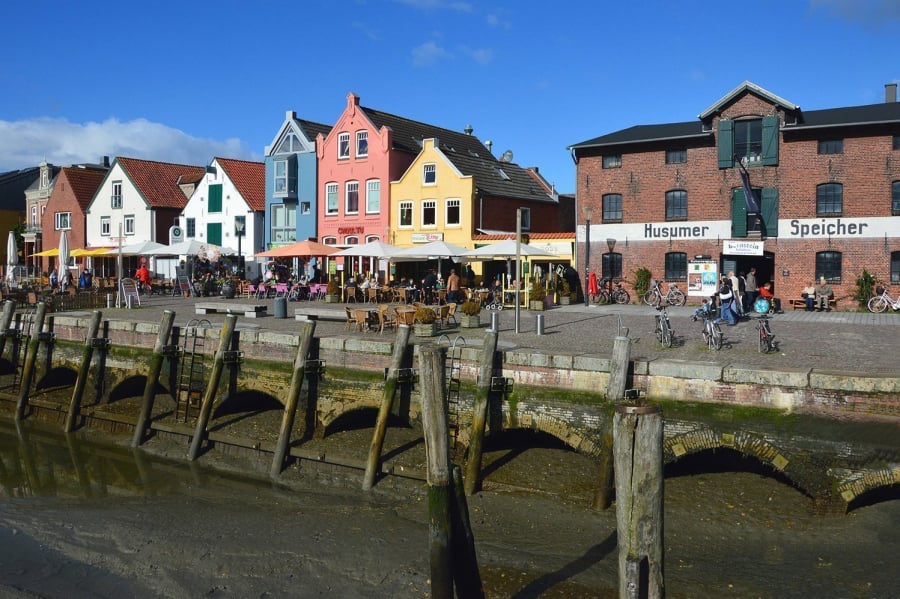
The charming town of Husum (Germany) is no exception, home to the Husum inland port which dates back to the Middle Ages. Today, visitors can enjoy the bustling harbor scenery and the old warehouses along the docks that have been renovated into restaurants. Husum is a great place for visitors to stroll through the town and then head straight to the marshy areas along the coast.
Hallig Islands
From the town of Husum, visitors can visit Hallig Hooge – an island in the Hallig Islands archipelago, off the Wadden Sea. The island is only accessible by boat at high tide. Hallig Hooge is a small island blessed with natural advantages. The locals traditionally build their houses on raised mounds of earth to protect them from rising tides. When the island is submerged, only these mounds are visible. Living here truly requires a strong spirit.
The much-anticipated holiday
Life on the islands always offers a relaxing feeling, promising the pure joys of summer. These islands, with kilometers of fine white sand beaches, are always crowded with people during the summer months. With lounge chairs resembling small beach houses, visitors can rest, unwind, or enjoy a light meal under the shade.
Wind and waves
The Wadden Sea isn't ideal for activities like sailing, diving, surfing, or swimming. The most popular water sport here is kitesurfing, taking advantage of the characteristic winds of the North Sea, for example at St. Peter Ording. However, in some areas with bird and seal sanctuaries, special conditions are in place for these activities. These conservation areas are marked with buoys, and the coast guard ensures that visitors and athletes comply with these regulations.
The Wadden Sea - a world of wonders
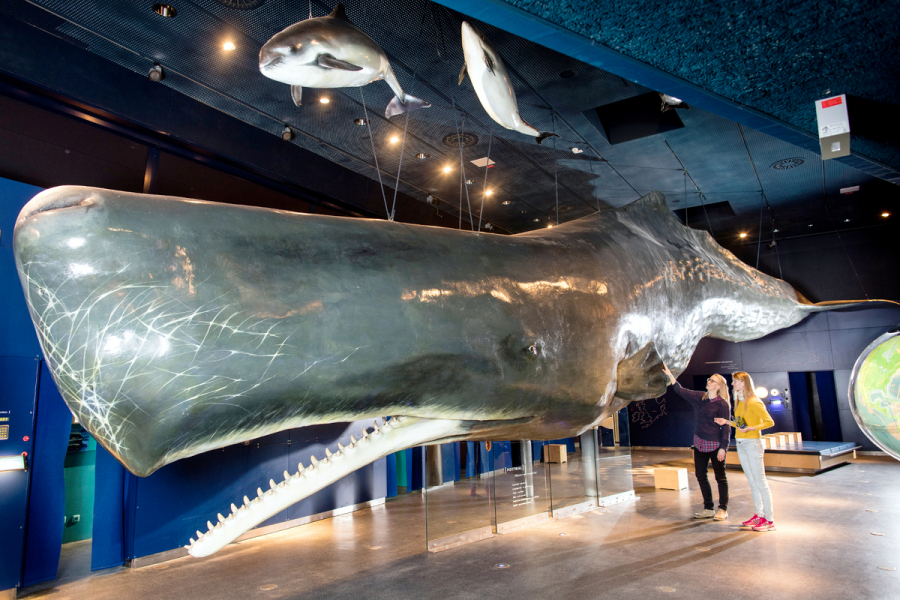
If it rains—a common occurrence in the Wadden Sea—the Multimar Wattforum Tönning Aquarium is well worth a visit. It's the largest visitor center in the national park of the Wadden Sea World Heritage Site in Schleswig-Holstein. The highlight of the Multimar Wattforum Tönning Aquarium is its 37 tanks housing 280 species of North Sea marine life, a live sperm whale skeleton, and divers who feed the fish twice a week.