VI
VI


1. The most remote town in the world.
Greenland has just over 300 residents and a pack of Greenlandic dogs. The town is covered in soft, fluffy snow for up to nine months of the year. It's certainly the most remote community in the Western Hemisphere, and you can only visit this isolated location by helicopter or snowmobile. But interestingly, the town still has a supermarket where you can find everything you need, from butter to diapers and soy sauce.
2. You can go kayaking with whales.
The word "kayak" is believed to have originated in Greenland. Thousands of years ago, when the Thule people arrived on the rugged coast there, they brought kayaks along with sleds as their only means of transportation.
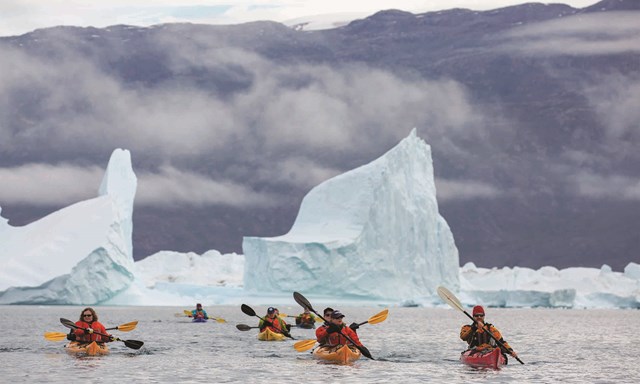
In Greenland, you can kayak alongside blue whales as big as steamships. When you're on the water, open your ears and you can hear the sounds of milky white beluga whales, also known as canaries because of their whistling, hissing, chirping, and clicking performances.
3. Or soak in a hot spring.
You might be surprised to learn that there are actually many hot springs in Greenland. These hot springs are formed when hot water bubbles naturally rise to the surface. On the uninhabited island of Uunartoq, between Qaqortoq and Nanortalik in South Greenland, you'll find many of these hot springs, along with the romantic scenery of sparkling icebergs and towering mountain peaks. Uunartoq Island in Greenland boasts very hot springs, which can reach temperatures of up to 38 degrees Celsius.

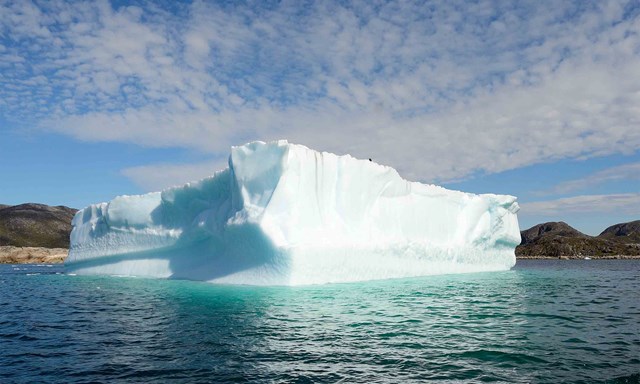
4. East Greenland is the world's largest national park.
East Greenland covers an area of 972,000 square kilometers, encompassing 85% of Greenland. It is the world's largest national park. Here, you'll find some of the most incredible landscapes in the Arctic, from wildflower-strewn tundras and jagged icebergs to beaches littered with fossilized whale bones from centuries of Inuit hunting.
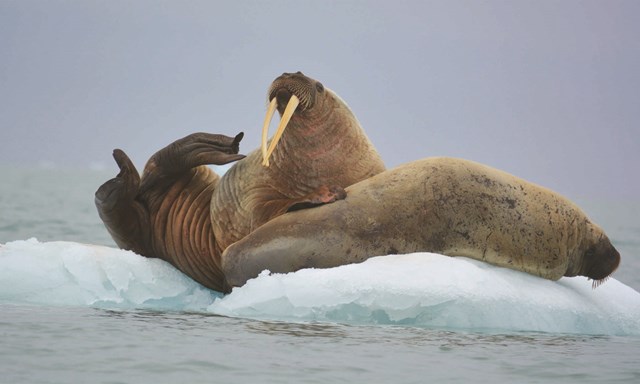
East Greenland is also home to Scoresbysund, the planet's largest fjord system, filled with natural basalt cliffs and teeming with wildlife, from the ferocious musk ox to the agile and cunning foxes.
5. The mummies of the Greenlanders
At the Greenland National Museum in Nuuk, you'll find the mummies of eight ancient Greenlanders. These 500-year-old mummies—six women and two children—were discovered in a cave in northwestern Greenland in 1972 by two grouper fishermen. The dry air and low temperatures helped preserve the mummies almost intact, providing invaluable evidence of the ancient Inuit lifestyle.
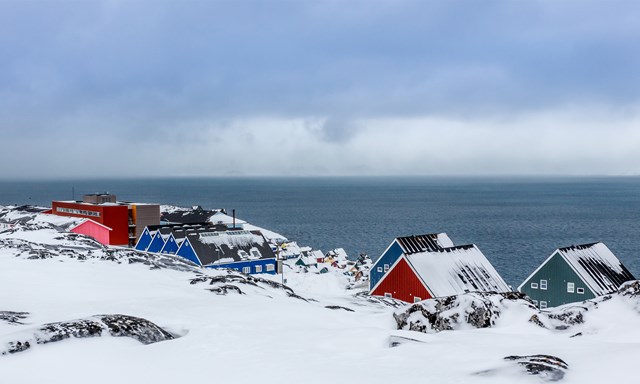
6. It's called the ice factory in the north.
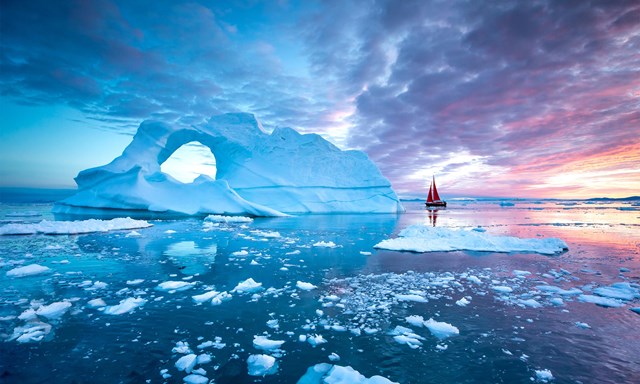
The Ilulissat Icefjord in Western Greenland is a UNESCO World Heritage site. It features massive icebergs, some the size of cathedrals, that break off from one of the most productive glaciers in the Northern Hemisphere before drifting into Disko Bay and onward to Canada. In fact, each day, the 70km-long iceberg releases enough freshwater to power the entire city of New York, and many believe it was this very iceberg that sank the Titanic off Ilulissat. These pristine icebergs offer the opportunity to capture many stunning photographs.
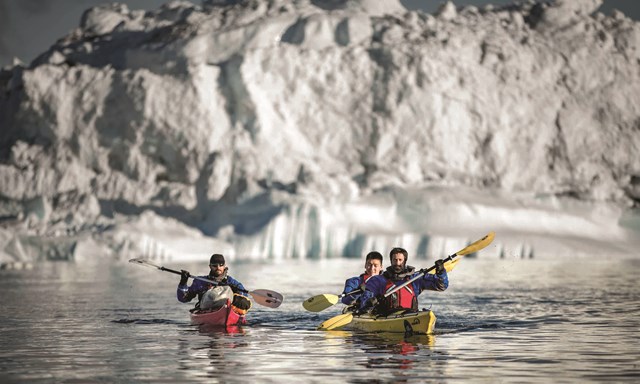
7. Color-coded houses
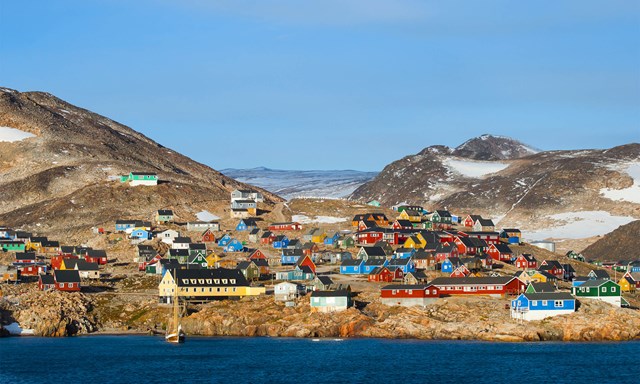
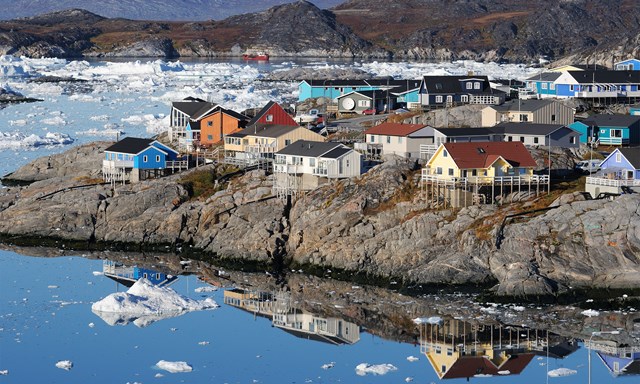
For thousands of years, the Inuit lived in huts made from building materials including bones and fur. But when Hans Egede arrived in Greenland in 1721, they marked their new colony with colorful small wooden buildings that remain a characteristic architectural style of Greenland to this day. Notably, these buildings have been color-coded for many years, even hundreds of years. A yellow hut meant medical supplies, a merchant's house was red, and a fisherman's house was blue. If you were out on a boat and needed help, you knew exactly where to go.
8. You can experience 24 hours of daylight.
The northernmost towns of Greenland never see the darkness of late April until late August. The sky remains ever-changing and shimmering, flashing from bright white daylight to streaks of yellow in the evening, yet the sun is always present, creating the impression of an endless, boundless day. Hiking during this time is particularly spectacular for visitors. However, by mid-November, things are different. The sun sets early, leaving behind a long, dark, gloomy winter.




.jpg.jpg)