VI
VI


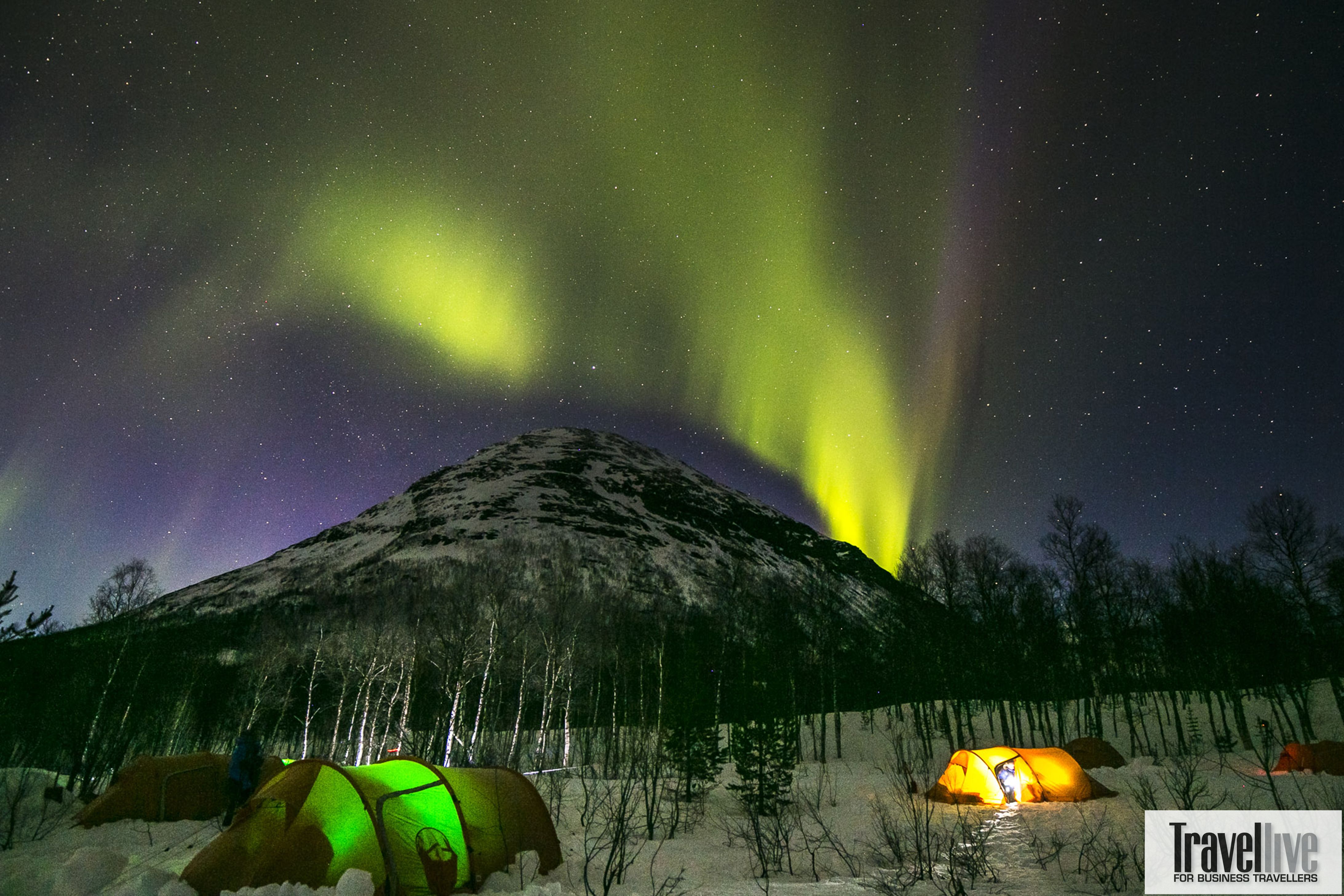
I believe that life is a long journey of exploring the world, nature, and the vast universe. For someone who considers exploring the world a mission, the more challenging the journey, the more exciting it becomes. I'm referring to my journey to conquer the Arctic by dog sled and the reward: the opportunity to experience the spectacular Northern Lights, a feat more amazing than anything else I've ever had in my life.
Follow the "Call of the Wild"
When I started this trip, I wondered if it was the strange allure of the icy land that appealed to a young man who was out of season and unaccustomed to the weather. Or perhaps it was simply my destiny with cold countries, as almost all my trips revolved around the Himalayas, Moscow, and this time, the Arctic. I felt as if a distant call was urging me to set off.
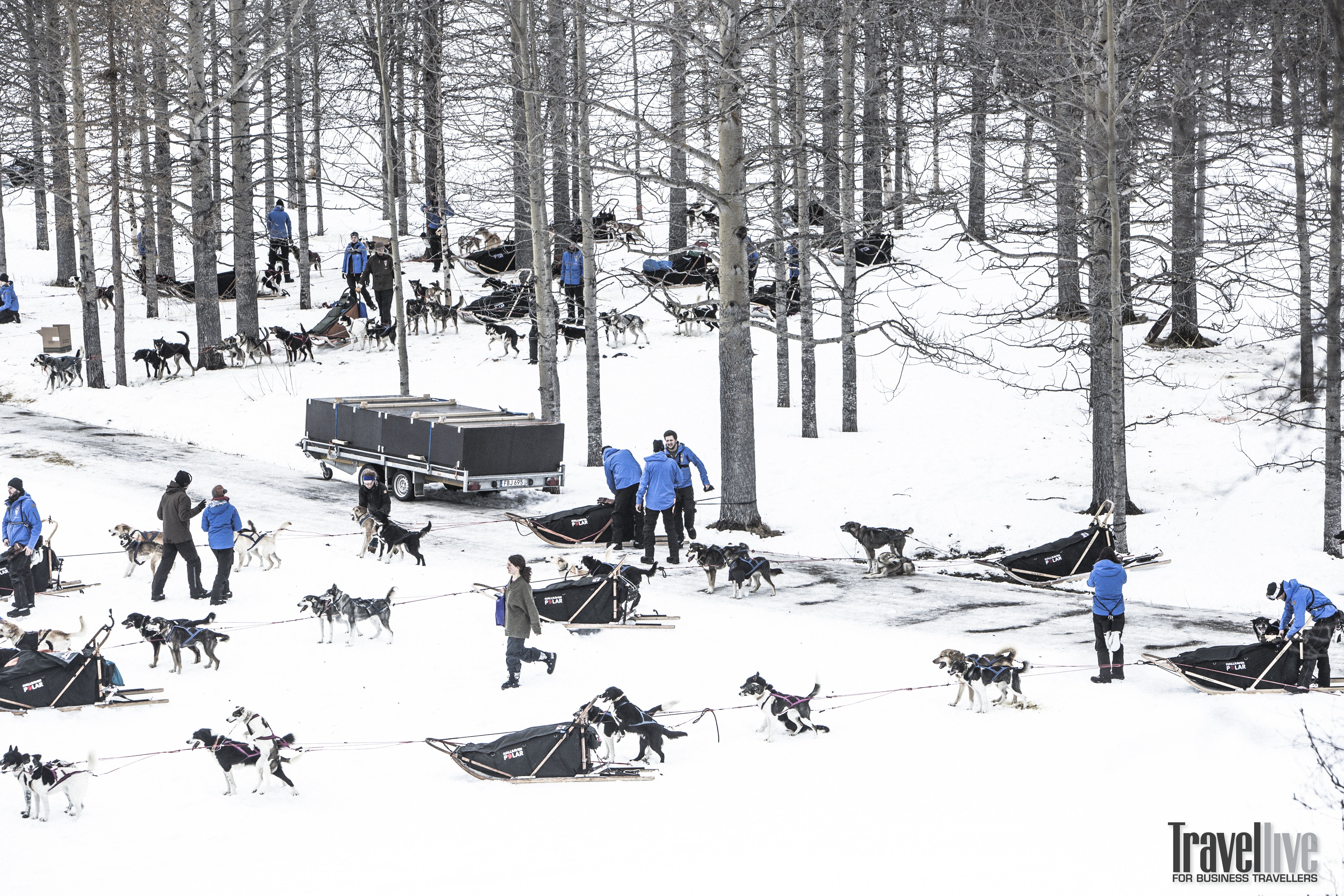
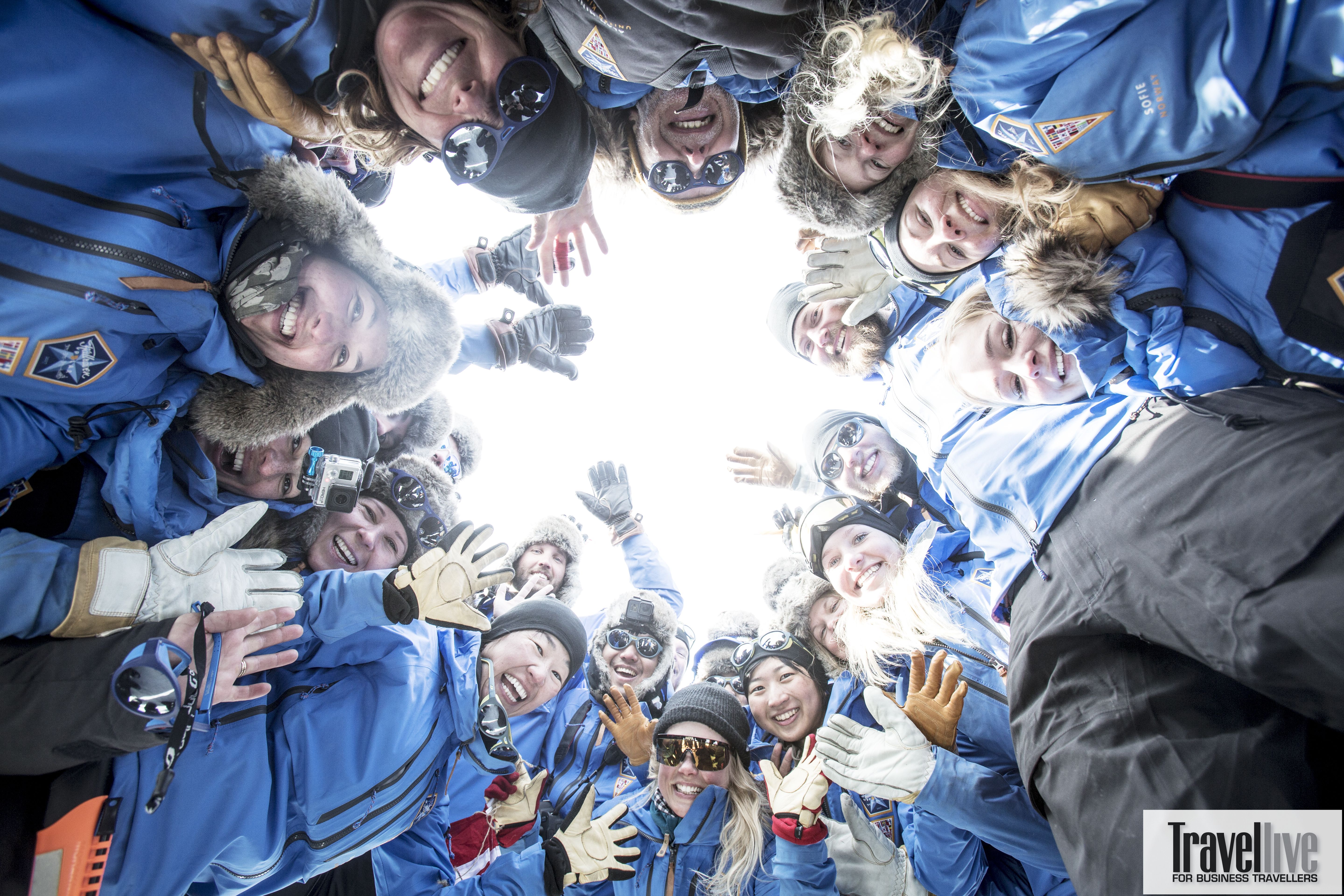
On the first day, I didn't begin my journey immediately. I was taken to Sweden and met an expert who had trained me for many years in the military. We were taught the knowledge needed to survive throughout our journey. I had two days to meet and get to know friends from many different countries such as Belgium, the Netherlands, Germany, the United States, South Korea, and more.
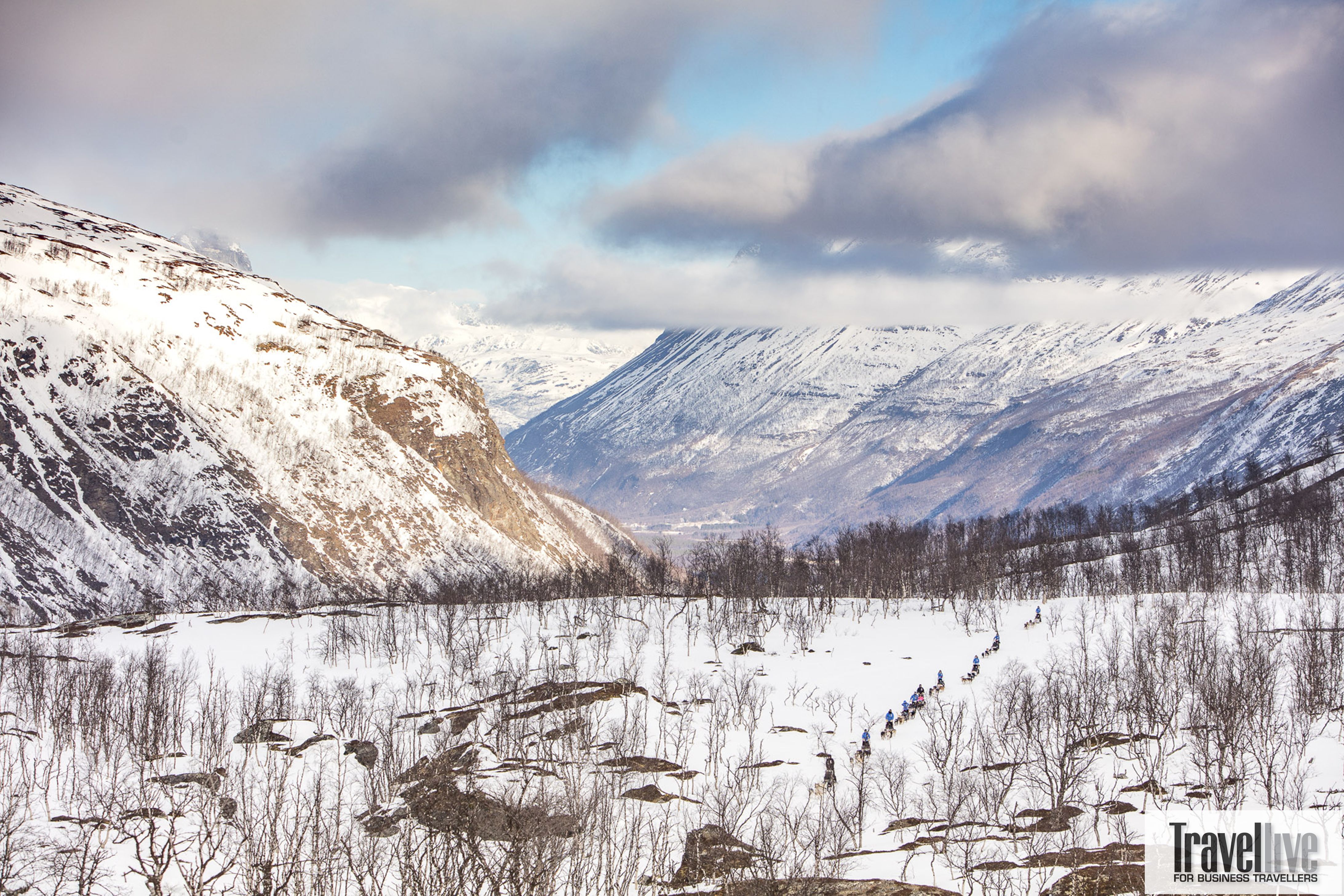
We started from Signaldalen Bay (Norway), northeast of Treriksroset, then headed south through Sweden, ending by the Vakkarajarvi River. The Arctic is a land of ice and snow year-round; the layers of snow accumulate and occasionally melt, but never completely. Although I was used to temperatures of -30°C, it still took me a few days to adjust my body temperature. Perhaps the longer you stay, the more you get used to the freezing cold, but that doesn't mean your tolerance will improve. The longer I stayed in the cold, the more my body, a tropical guy like me, resisted. My skin became cracked, blistered, and red, like a combination of sunburn and frostbite, causing me great pain and discomfort. Every gust of cold wind made my whole body numb, as if turning to stone. But even that was nothing compared to the breathtaking scenery unfolding before my eyes.
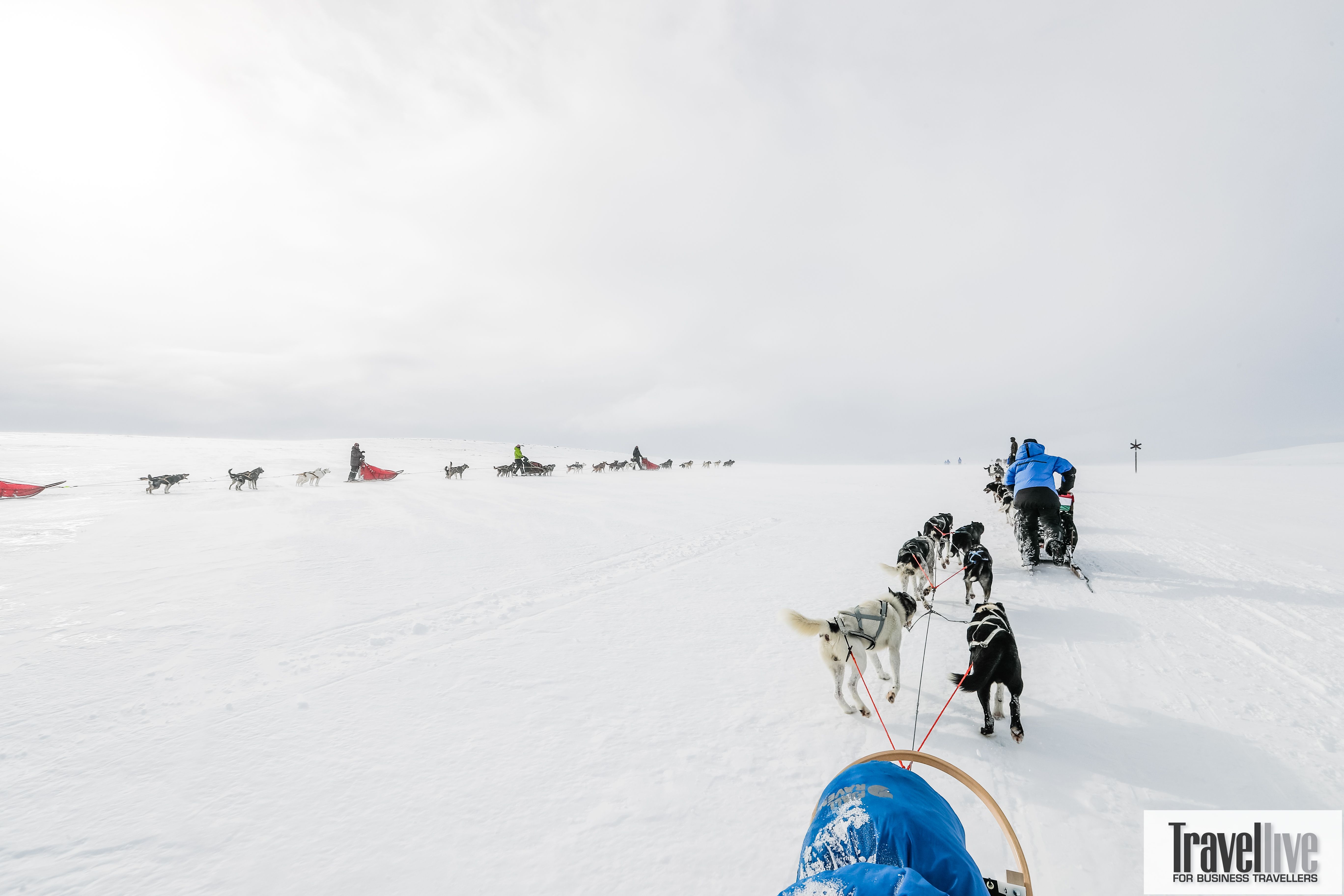
A 4-day, 300km journey.
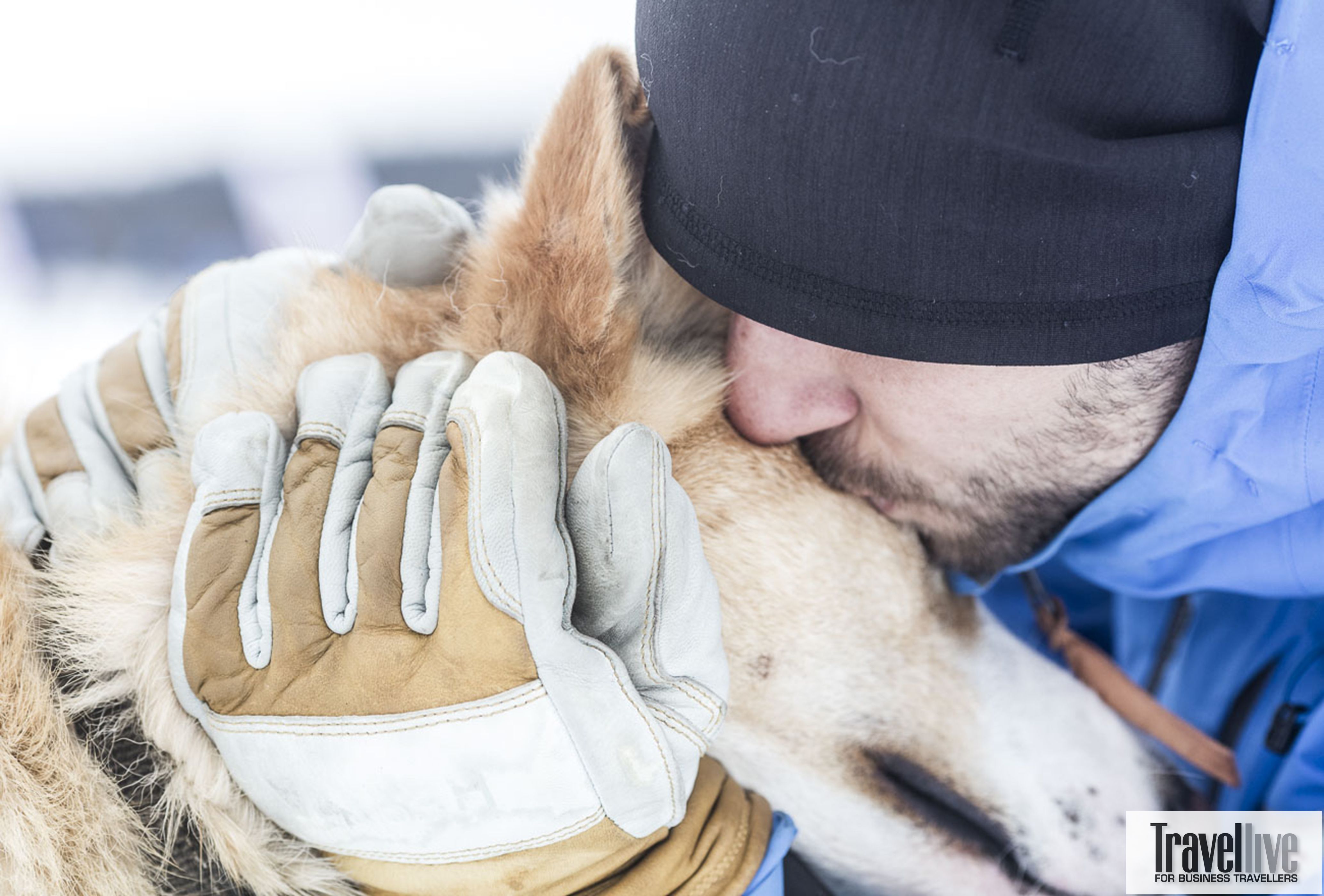
Every morning, my first task is preparing food for my six Husky friends. Their mood throughout the day is reflected in how attentively and diligently you care for them. Therefore, making breakfast for them is extremely important. Only after their breakfast does my breakfast come. Then comes tasks like packing, dismantling the tent, cleaning up – everything has to be done neatly and quickly.
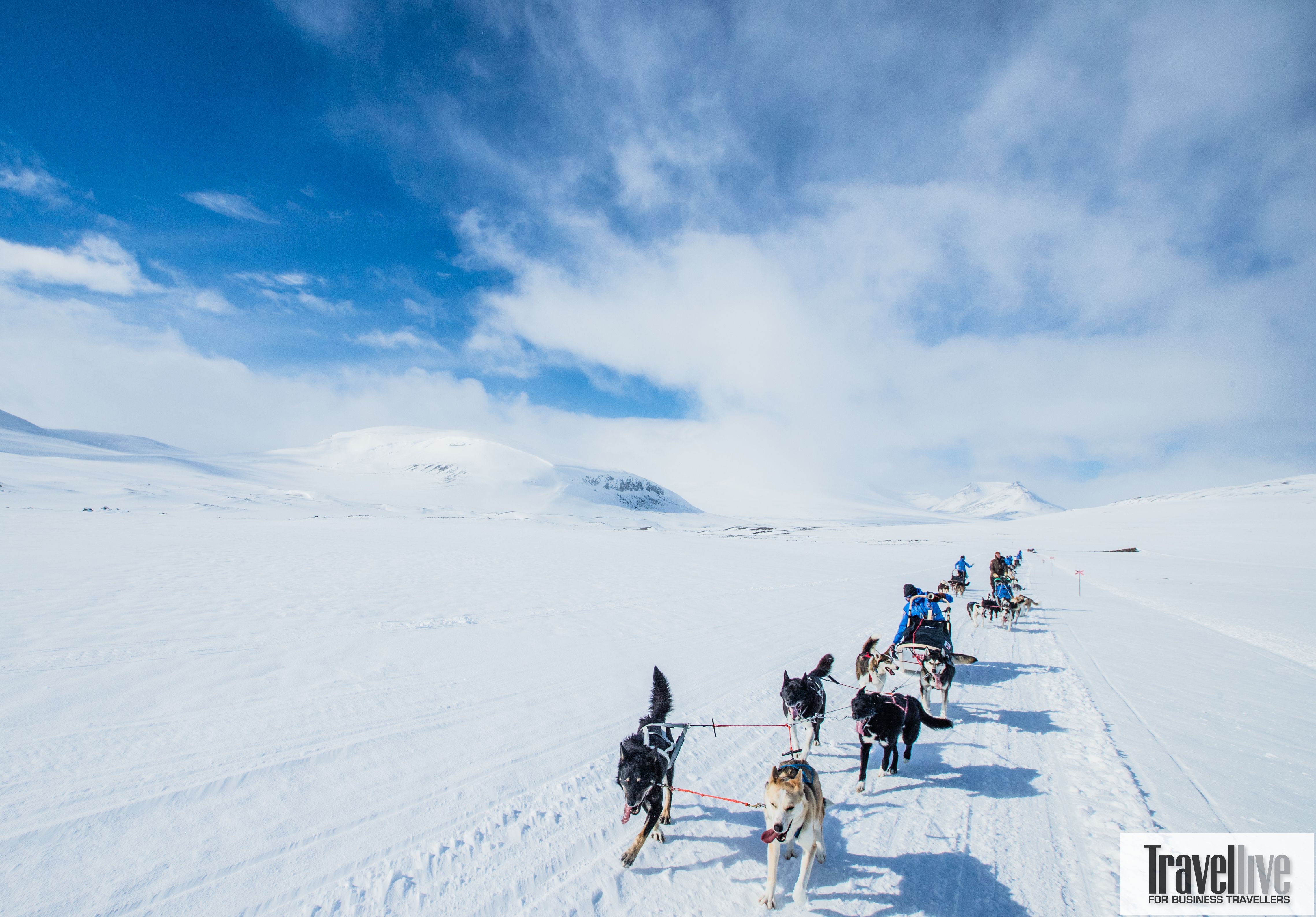
Traveling by dog sled is a rare experience. I had to hold the leash firmly while steering the sled along the correct path, and standing continuously for 7-8 hours each day in the biting cold was an experience I had never tried before.
To reward our endurance and patience, nature rewarded us with breathtaking scenery. I traversed barren tundras, crossed glaciers, and passed through snow-covered forests, sliding across thick snowdrifts. The landscape around me constantly changed, like a beautiful and unfamiliar film. At times, the sun shone down, illuminating a vast expanse of white, the sky turning a clear blue, making me feel as if I were lost between heaven and earth. The scenery was confined to the blue of the sky and the white of the snow. And our group was like a swarm of ants, endlessly venturing into this icy world.
On other stretches of road, the sky suddenly turned a blinding white, winds carrying snow, bringing with them a biting cold and stinging friction. All around me, there was a blanket of white. Without the guide dogs, I sometimes wouldn't know where I was going, as there were no colors to indicate the path. At that moment, my only thought was to trust the dogs' sense of smell.
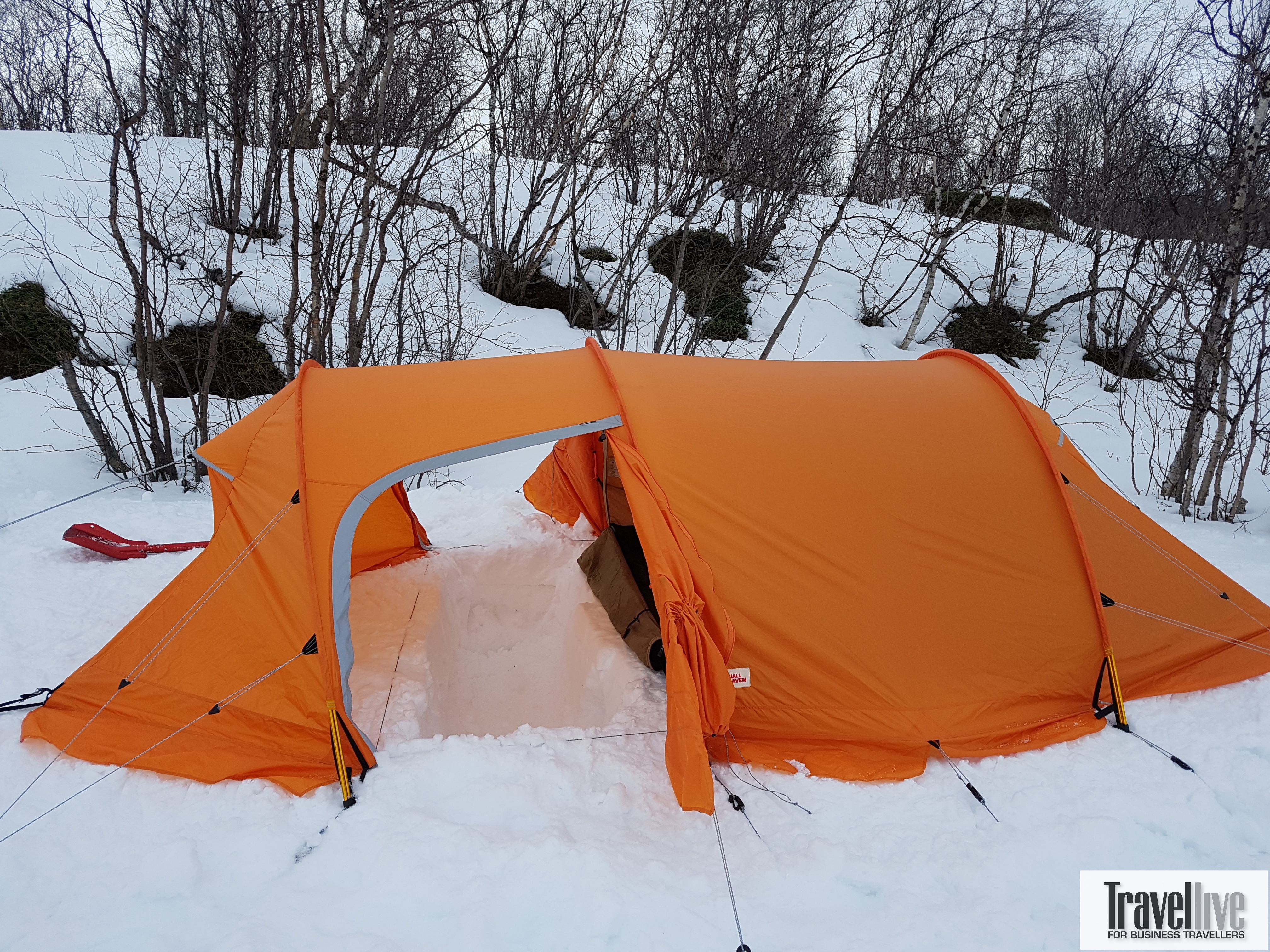
I felt the journey had become more adventurous and perilous than ever. The vehicle glided along in silence and biting cold. All I could hear was the gentle creaking of the sled and the snorting of the dogs. The weather here is unpredictable; one moment the sky is a clear blue, cloudless expanse, the next it's covered in white snow. Even so, we tore through the white expanse to reach our next destination. We only stopped to set up camp when darkness fell.

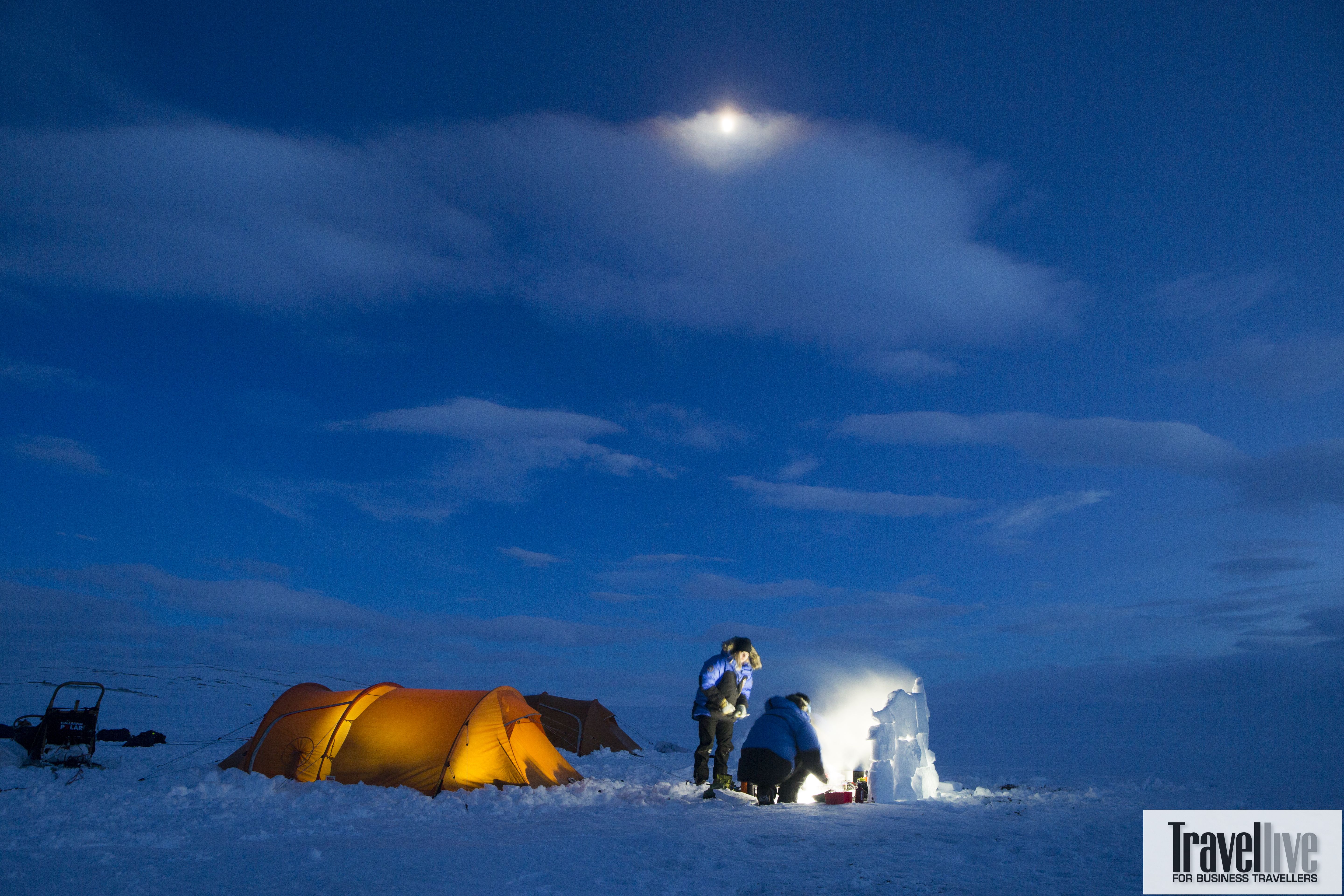
Our strength was only enough to set up the tent and quickly eat dinner. Therefore, sleep was very restful and felt like a natural restorative medicine. Our four days and nights unfolded like this, rhythmically and regularly. And then, the final night at the glacier and snowfield arrived!
Witness the dazzling dance of the Northern Lights.
It was an incredibly meaningful evening for the expedition. Because the trip was so tightly scheduled, there was hardly any time for conversation or small talk. Throughout the journey, the person I spoke to most was my Greek friend who shared the tent. Therefore, being together in the evening, without having to eat frozen food, was incredibly precious. We grilled reindeer meat and ate it with Swedish bread, a type of bread that doesn't freeze at -30°C, made from whole grains like wheat and barley, which are very nutritious and provide sufficient fiber.
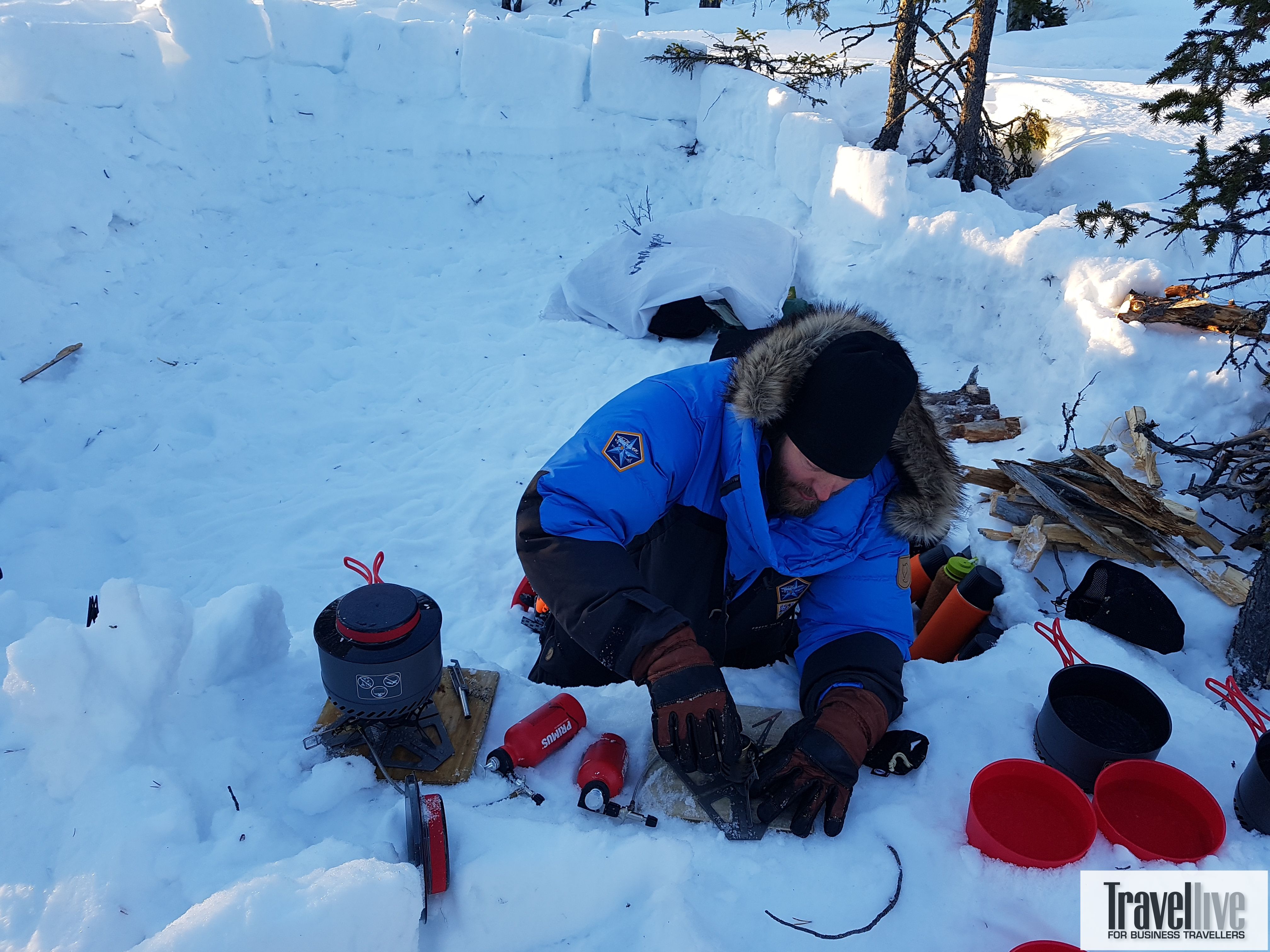
After dinner came a fun little challenge – sleeping without tents. We had to build our own snow walls to block out the snow that might cover us the next morning. Because the snow was quite soft and fluffy, it took us hours to compact it, then saw it into various round and irregular shapes. Finally, we stacked these snow blocks to create a wall about 1 meter high, enough to block the snowstorms. For first-timers like me, my uneven wall looked quite comical. For the first time in my life, I slept in the freezing snow. All we had was the freshly built snow wall, our sleeping bags, and the Arctic night sky.
As night deepened, the sky became clearer. Billions of stars appeared in the sky at that moment, their brightness and clarity growing stronger. In my opinion, each star shone in its own unique way. Because it was our last night, almost none of us went to sleep immediately; we lay there gazing at the star-filled sky, with no intention of leaving. This breathtaking scene seemed like a veil enveloping us all—insignificant beings before nature.
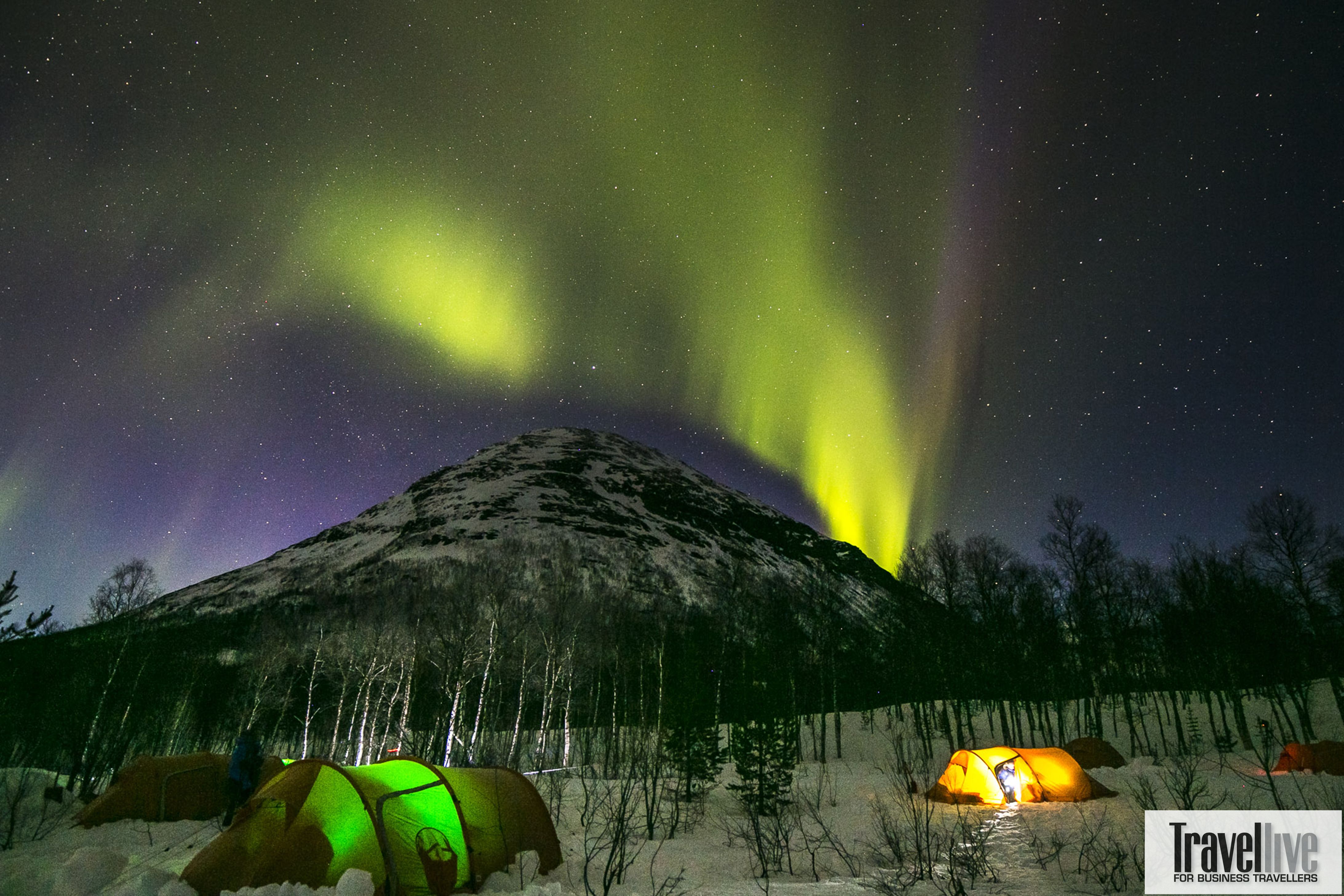
In the freezing darkness, strange streaks of light suddenly appeared in the sky. They moved and changed shape constantly. Sometimes they looked like colorful ribbons, sometimes like waves, sometimes like spirals, and sometimes like trails of smoke. Not all of us recognized this strange phenomenon until shouts rang out: "The Northern Lights!" "The Northern Lights!" Our excitement then shattered the silence and the cold night.
You know, the Northern Lights are one of nature's wonders that not everyone is lucky enough to see. For countries near the equator or in tropical regions, it's a once-in-a-lifetime event. Even for countries near or right at the Arctic Circle, seeing the Northern Lights is a rare occurrence. That's why I felt the trip was even more fulfilling and meaningful.
The aurora borealis, also known as the Northern Lights, is an optical phenomenon caused by the interaction of charged particles from the solar wind with the Earth's upper atmosphere, creating a stunning spectacle at night. These bands of light have been given the evocative name "Dance of Light" by travelers due to their continuous movement and changing colors.
I must admit they are incredibly beautiful, mysterious, and enchanting. They stimulate the imagination and sense of exploration, and above all, they fulfill my own dreams of conquering the sky and new lands. Perhaps even a lifetime wouldn't be enough to explain all the extraordinary things in the universe.
Additional information
Lessons learned along the journey
Become the leader of the dog pack.
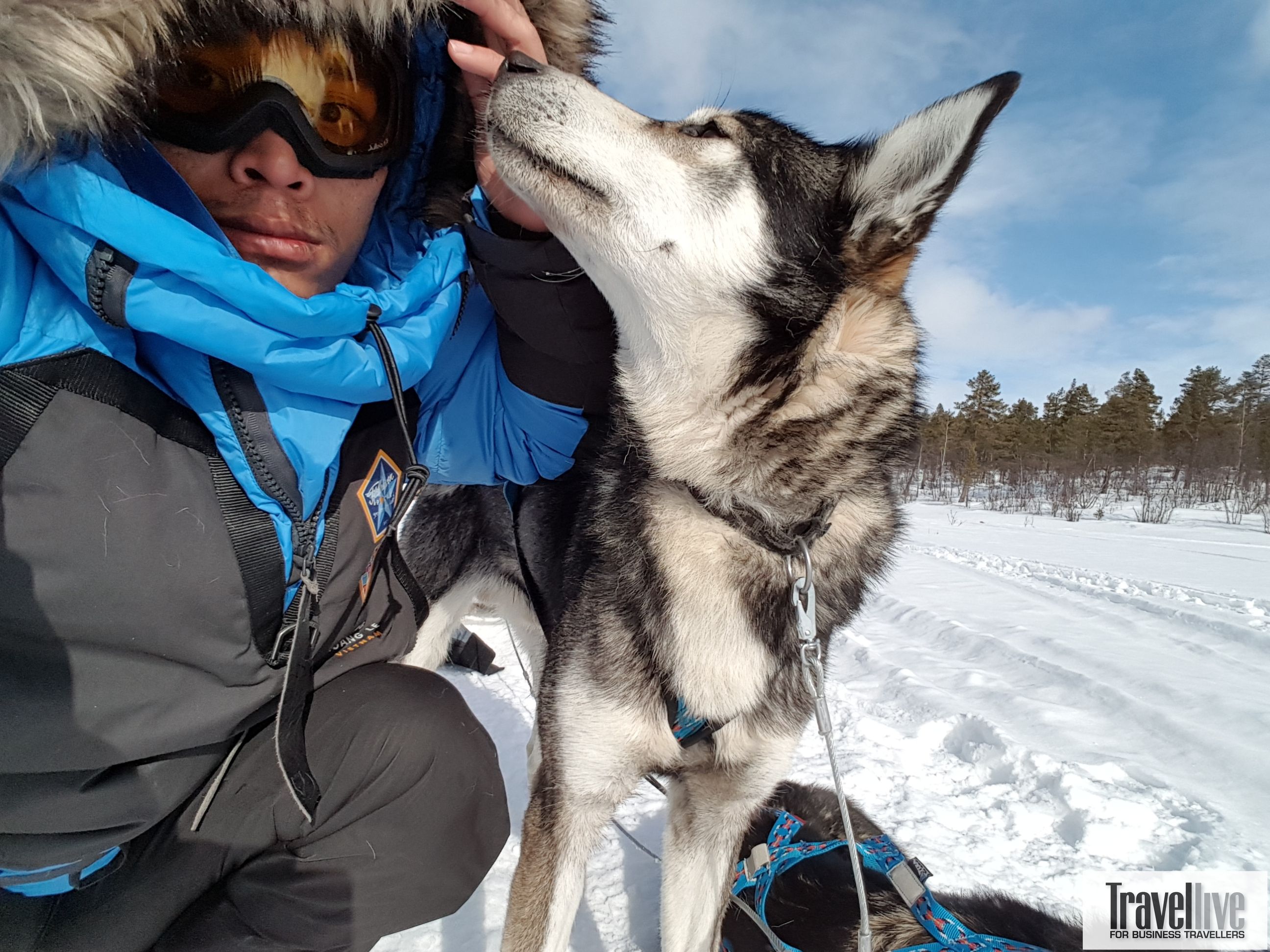
Each participant in the Fjallraven Polar trek is assigned six dogs to pull their sled. Therefore, the first thing to do is get acquainted with these new companions. Initially, they won't fully trust you, so you must learn to convince them that you will take good care of them. Each dog has its own personality; some are grumpy, some are irritable, some are fat, some are thin. You need to learn how to care for them differently. Especially when they encounter problems along the way, if you help them, they will trust you more. For example, on downhill sections, their wild nature will cause them to sprint, so you need to slow them down. On steep slopes, when they can't pull the sled, you need to get down and help push. Practice becoming the leader of the pack.
Heal the relationships in your life.
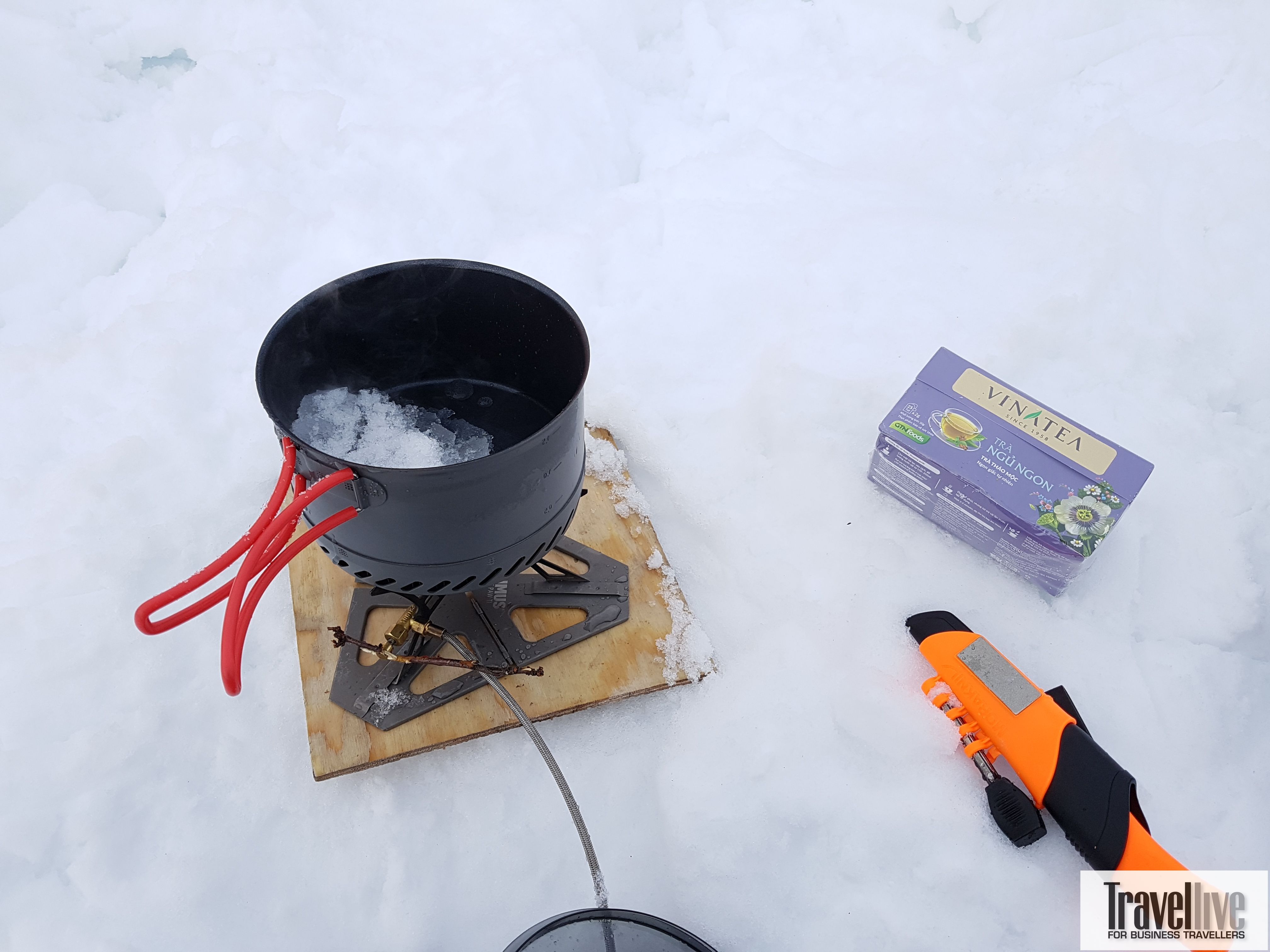
One morning, as usual, we turned on our stoves to boil water and cook food, but one malfunctioned. After some trying, we put it aside and borrowed a stove from the next tent. When our guide found out, he told me, “Our relationship with our stoves is like our relationship with life. If you have problems with them, try to fix them. We often have a habit of not fixing them when they malfunction because we have so many other options.” That was a big lesson from my trip.
How to make fire
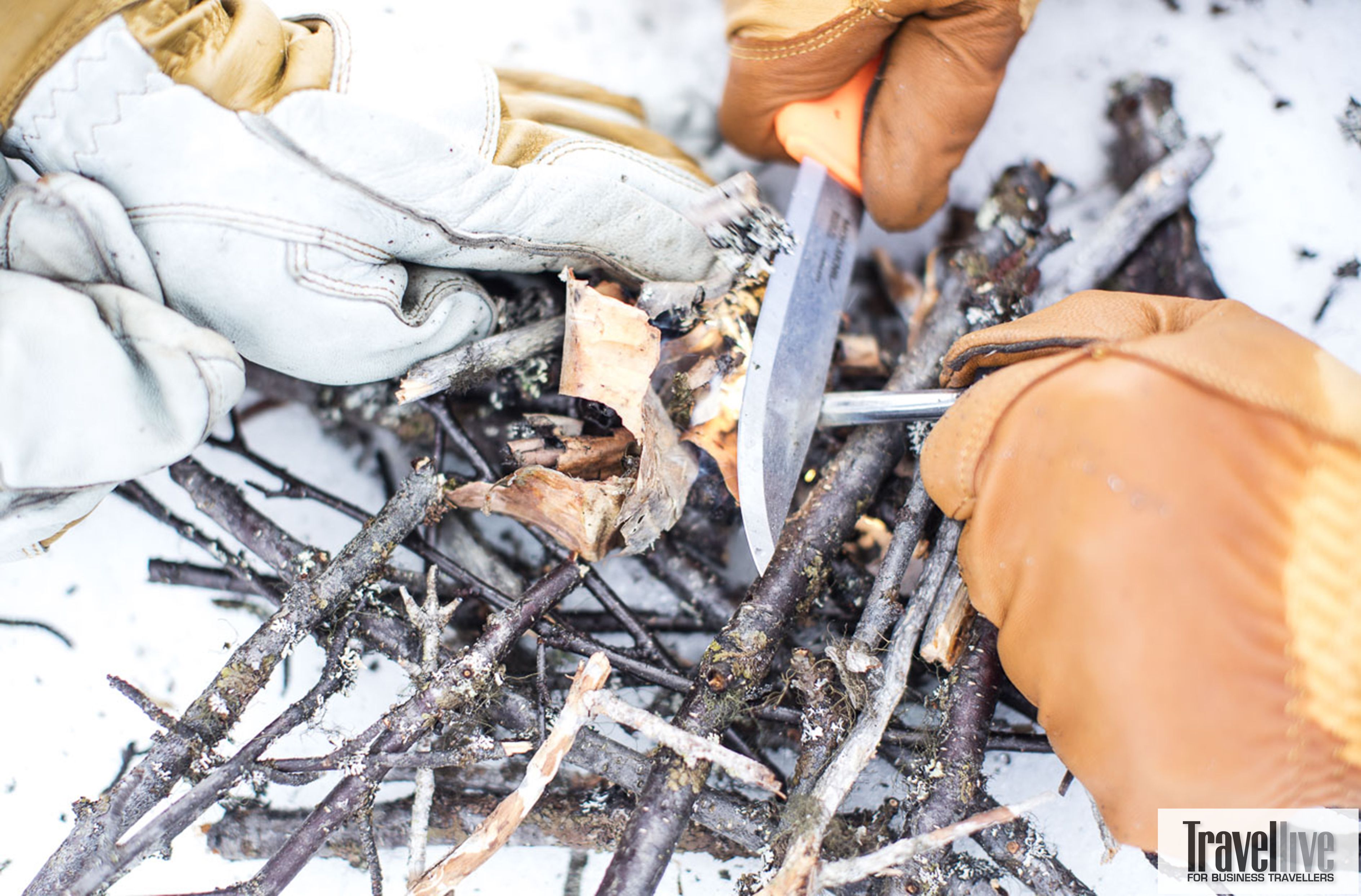
On the final night of our journey, we were tasked with making fire from tree bark. It was one of the crucial lessons for those who enjoy exploring harsh terrain. We were given instructions and the necessary tools: a knife and a fire starter. After that, we had to find birch bark – a type of tree with thin bark – and learn how to make fire. Besides bark, you could use cotton – another easily flammable material. You know, where there is fire and water, there is life.
Protect our world
Our expedition consisted of 35 members, including the training team, and a total of 210 sled dogs. Therefore, the amount of personal waste and dog waste was enormous. Even so, at each stop or after dismantling the tents, we collected all the waste and brought it back for proper disposal. In this land of year-round ice and snow, even toothpicks or threads are very difficult to decompose. Therefore, we left no trace behind on this pristine white landscape. That's how we protect the wonderful gifts that nature has bestowed upon humankind. And it's also how we preserve this beauty for other expeditions.
Hoang Le Giang
He studied marketing at Jonkoping University (Sweden). Interestingly, this muscular young man had a childhood plagued by asthma and obesity, yet he has been passionate about mountaineering since 2011. To date, he has conquered the Himalayas eight times and visited 30 countries around the world. Regarding his journey to conquer the Arctic by dog sled, he was the first Vietnamese person to be part of the Fjallraven Polar expedition.
Text: Bao Khuyen / Photos: Hoang Le Giang, Fjallraven Polar