VI
VI


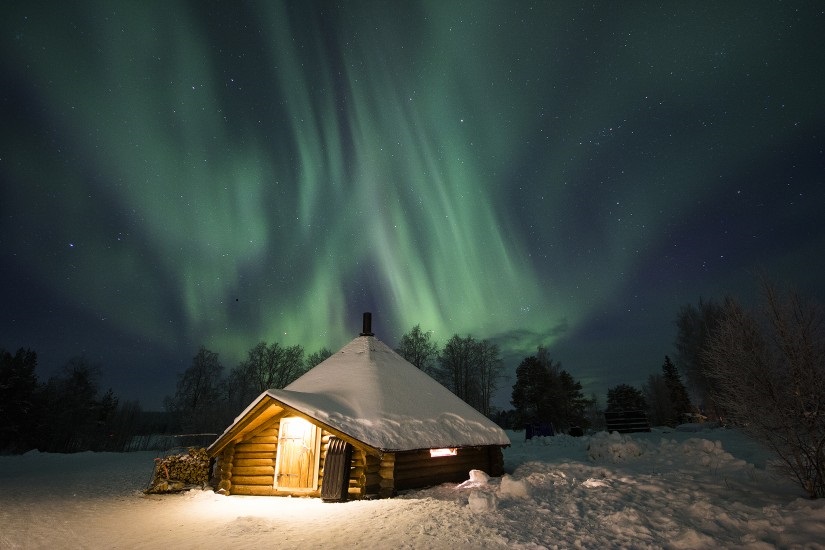
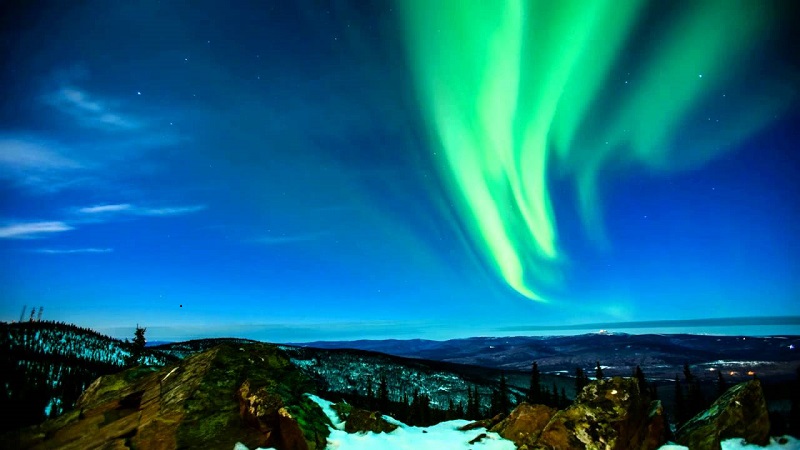
The aurora borealis is an optical phenomenon characterized by bands of light of various shapes, constantly moving and changing like ribbons of silk across the sky. The aurora borealis that occurs in the Northern Hemisphere of the Earth is called the Northern Lights, or Arctic Lights.
1. Abisko, Northern Sweden
In Sweden, if you want to "hunt" for the aurora borealis, the best place to go is Abisko National Park in northern Sweden. It takes about 20 minutes by cable car to reach the Aurora Skytrain station – the highest peak of the mountain in the region. This is also an opportunity to explore the ice hotel built and accumulated from snow over many years.
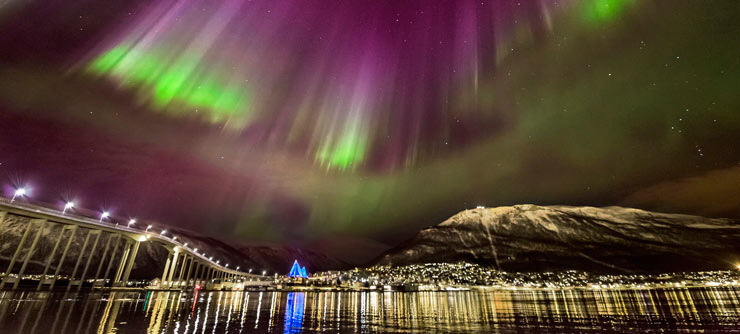
2. Tromsø, Norway
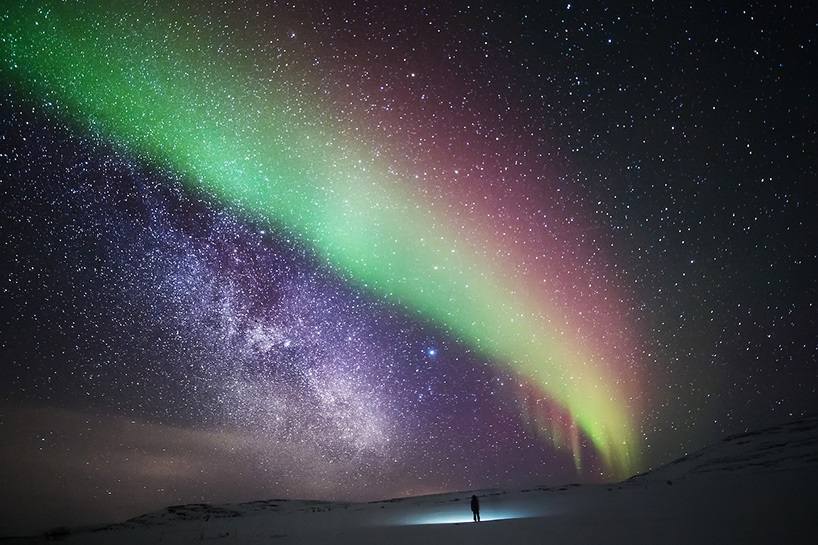
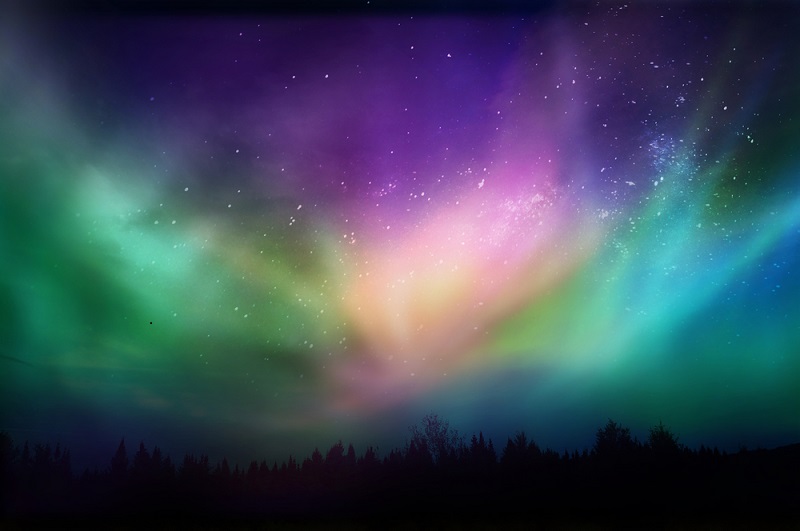
Tromsø is known as the gateway to the Arctic Circle. During winter, there is virtually no daylight in Tromsø, with 24 hours of darkness from the end of November to mid-January. During this time, Tromsø hosts the Aurora Borealis Festival, attracting large crowds of tourists from all over the world eager to witness these luminous displays.

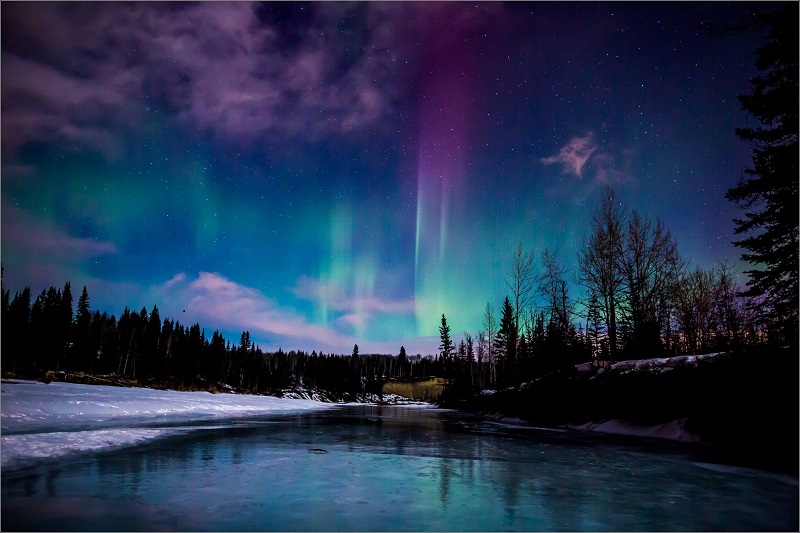
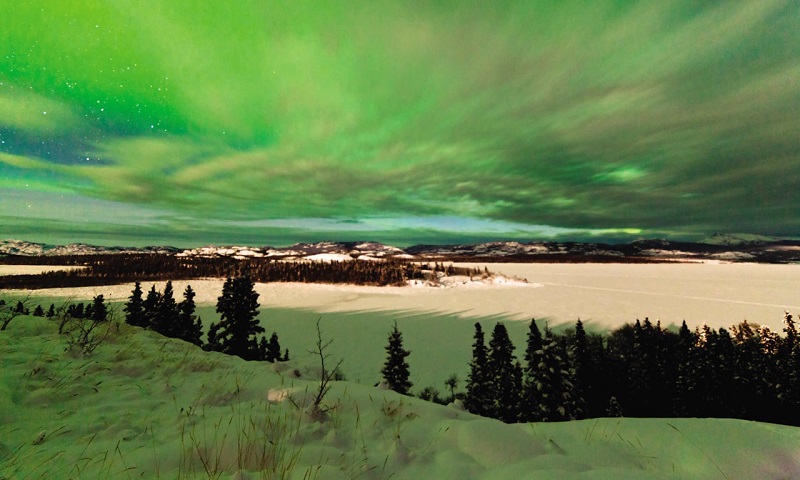
3. Lake Laberge, Yukon Territory, Canada
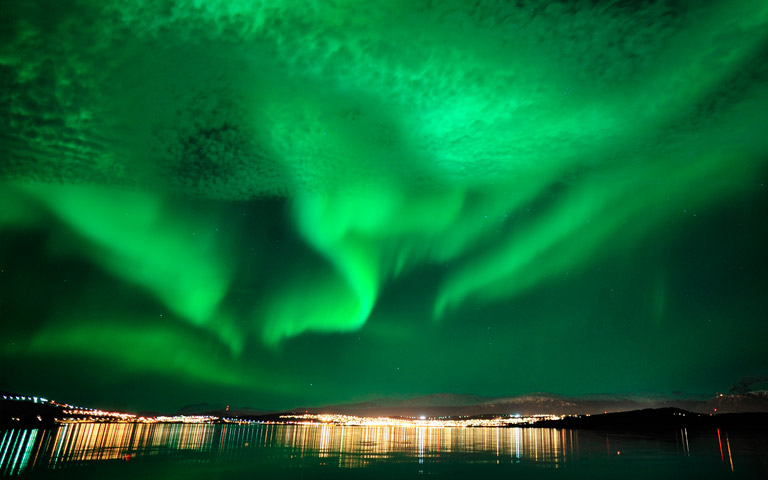
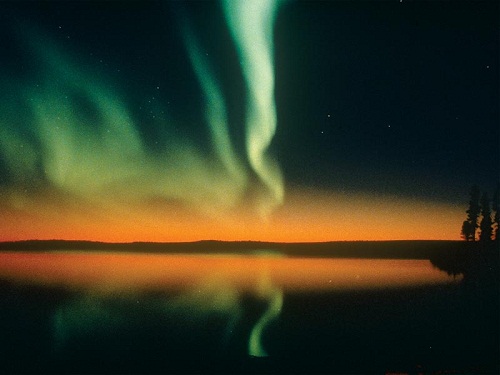
Lake Laberge is located in northern Canada. Wooden bungalows on the edge of the frozen lake are often rented out so visitors can view the Northern Lights and their reflections on the ice. A 40-minute drive away, the city of Whitehorse is a great place to relax in hot springs and visit museums before heading back to see the Northern Lights after dark.
4. Rovaniemi, Finland
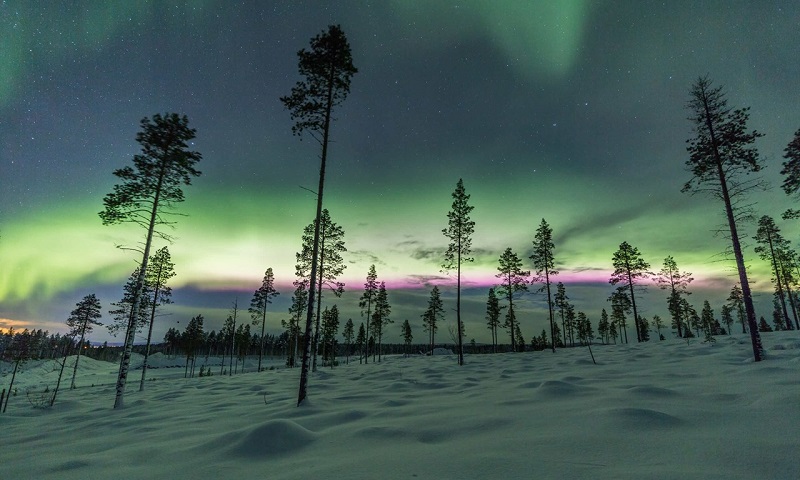
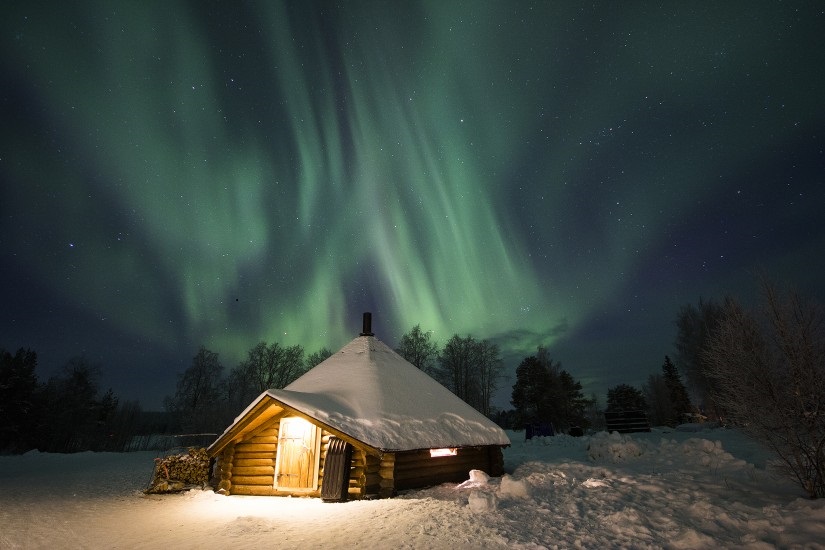
Located north of the capital and serving as a gateway to Lapland, Rovaniemi boasts approximately 200 nights of aurora borealis views. Trains and buses reach Rovaniemi from Oulu and Helsinki, with journeys taking around 10-12 hours.
5. Northern Iceland
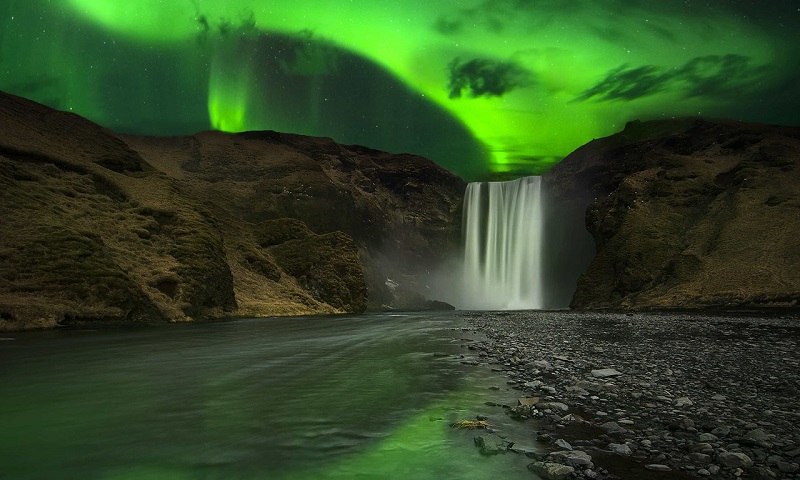
Reykjavik, located in northern Iceland, is an ideal destination because it lies between two continents and has excellent infrastructure for viewing the Northern Lights. Here, visitors can also see the midnight sun in summer and the bright moon in winter.
6. Fairbanks, Alaska
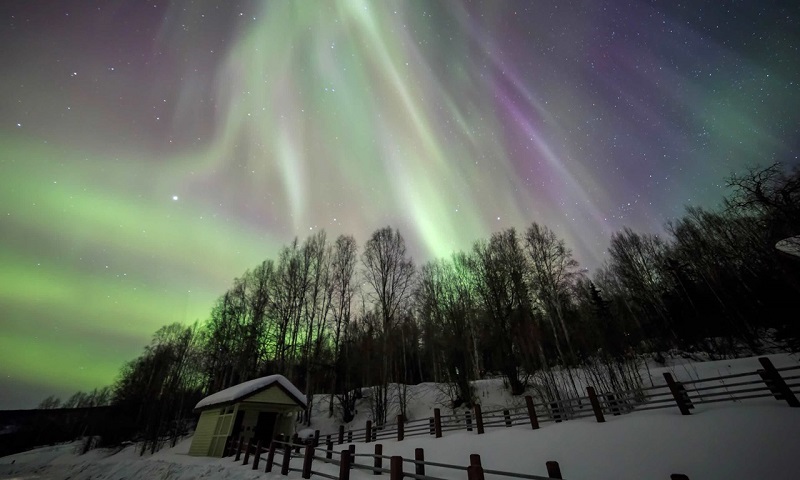
The aurora borealis in Alaska is at its brightest and most spectacular between December and March, when the nights are longest and the skies are darkest. Try to stand atop Ester Dome – a local hill – for an unobstructed view. The aurora borealis can also be seen in Fairbanks during the summer, but it is rare.
Don't forget to lie on the snow and gaze at the sky, just like the Alaskans do.
NA