VI
VI


a new concept of urban safety
Safety is a top priority for travelers when choosing a destination, and this is even more crucial in the context of the Covid-19 pandemic. According to Fang Zhao, Professor of Initiative and Strategy at Staffordshire University: "Covid-19 has changed the entire concept of urban safety."
From discussions on urban security issues in 2021, digital security became a critical priority as more and more jobs and commercial services shifted to online platforms. Those responsible for infrastructure security had to adapt to dramatic changes in travel patterns and the places residents used utilities. Agencies responsible for personal safety needed to address the changing, potentially restrictive, patterns of crime. And the level of priority urban residents and officials gave to environmental security increased significantly, as Covid-19 may have made people less vigilant about unexpected environmental crises.
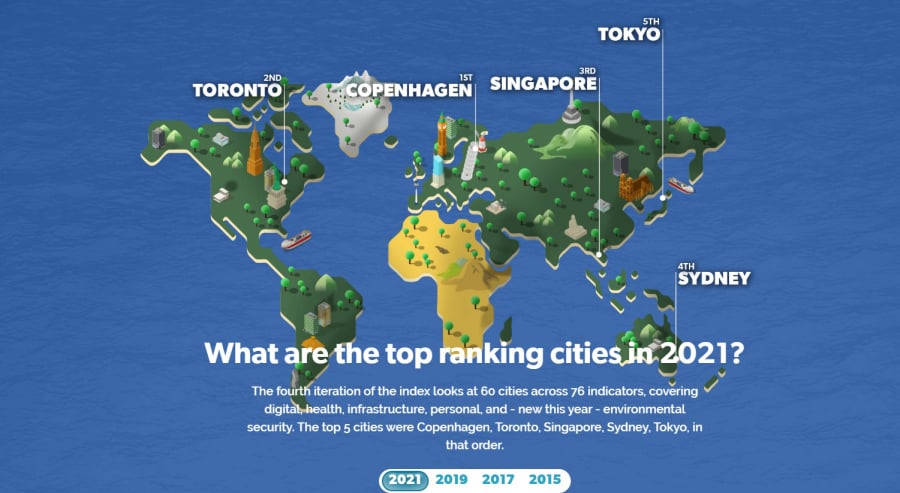
Top 5 safest cities in the world in 2021 - Photo: The Economist
10 safest cities in the context of the "new normal"
This year's Safe Cities Index (SCI) rankings have seen significant changes, with several new cities entering the Top, although established names like Singapore and Tokyo still maintain their positions. Destinations are evaluated based on five criteria: Digital security, Health security, Infrastructure, Personal security, and Environmental security.
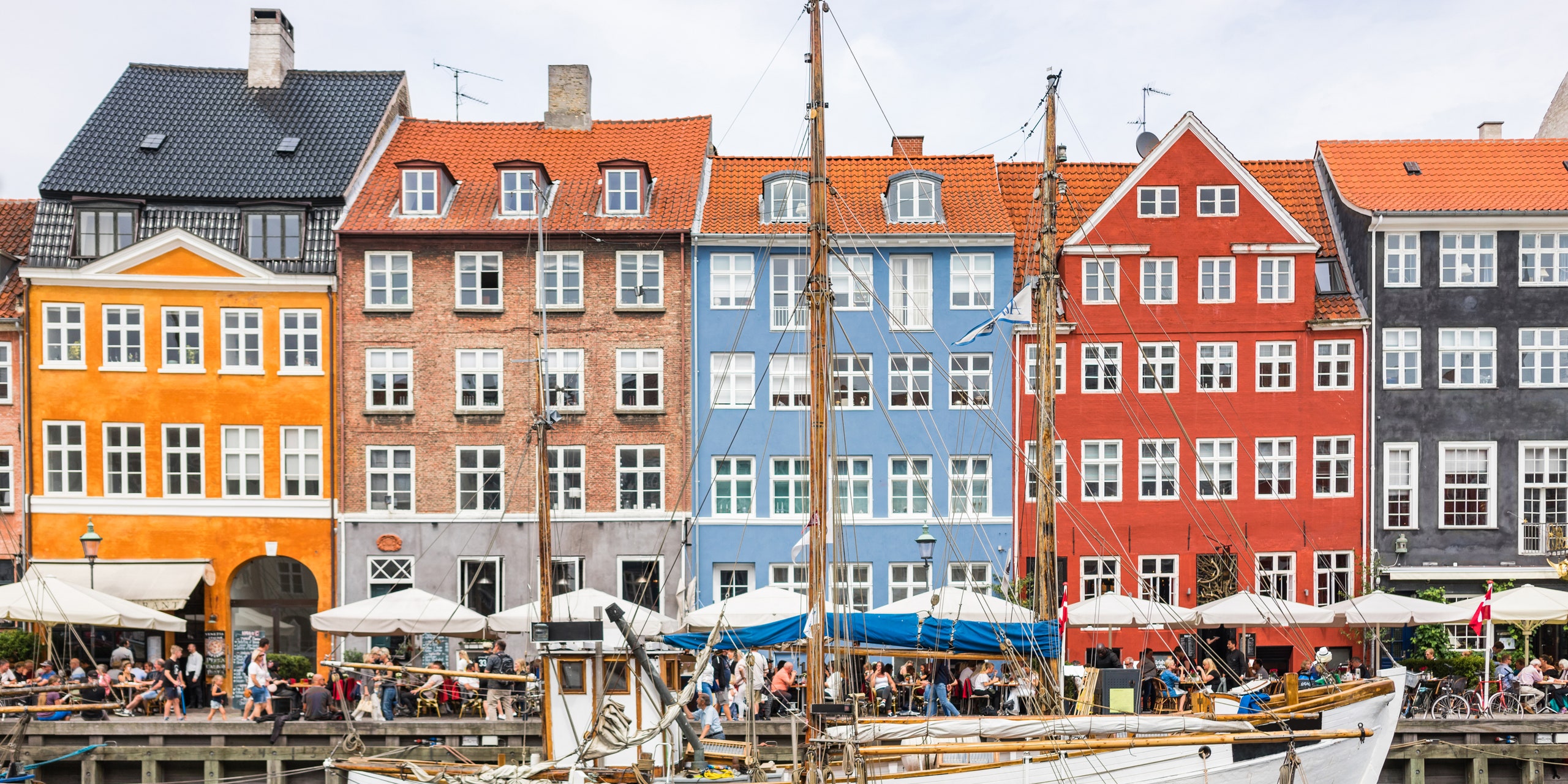
Leading the rankings, Copenhagen (Denmark) has climbed 8 places compared to 2019, thanks to its improved enforcement of environmental and personal security.
“One key factor contributing to Copenhagen’s safety is its record-low crime rate over the past decade,” said Lars Weiss, the Mayor of Copenhagen. “Copenhagen is particularly known for its social cohesion and relatively narrow wealth gap. It’s a city without class divisions, where sanitation workers and CEOs can meet at the local supermarket and have children attending the same school.”

"This is part of a solid foundation in Danish culture, contributing greatly to the high level of trust and safety in the country from which we benefit."
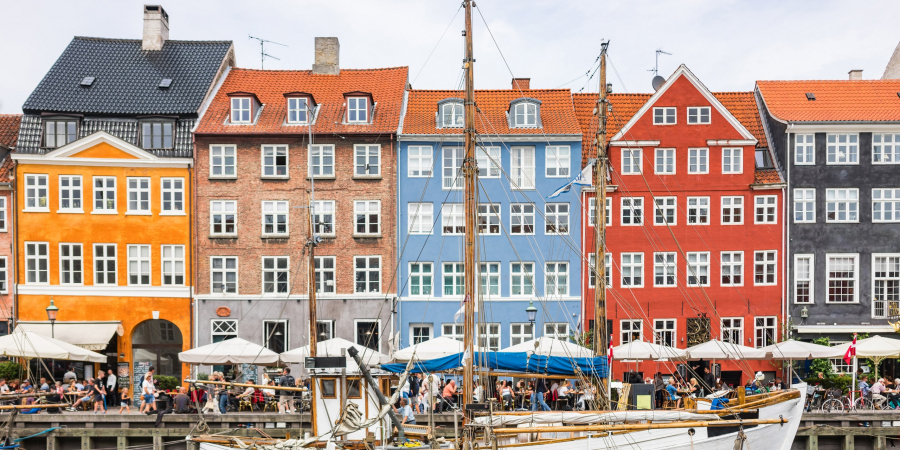
Copenhagen, the capital of Denmark, has been named the safest city in the world with 82.4 points.
Toronto, Canada, deservedly secured the runner-up position, largely due to its success in ensuring long-term safety for its citizens through any social improvements implemented over the past two years.
The Economist report also assessed Toronto and Copenhagen as pillars of sustainable environmental security, significantly surpassing their previous leading positions.
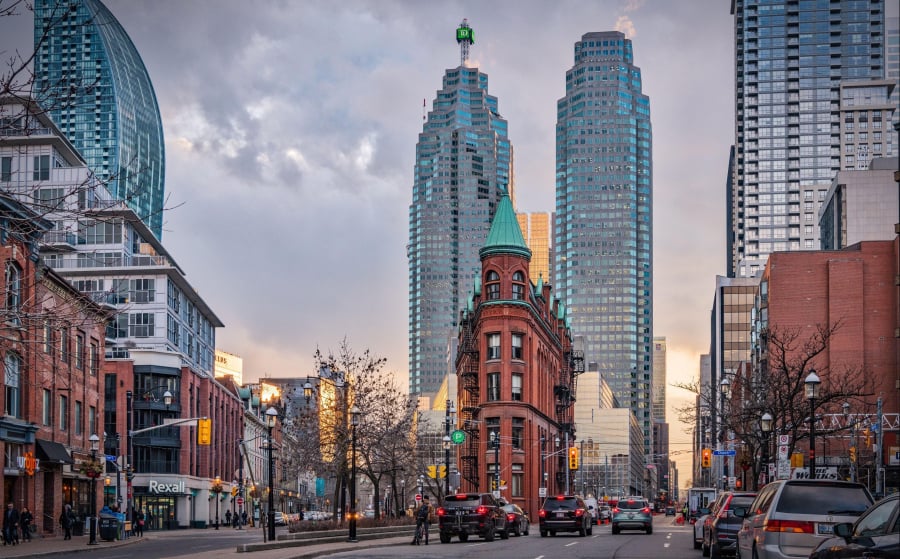
Toronto ranked second in the standings with 82.2 points.
Singapore, representing Southeast Asia, ranks third, maintaining a consistent high ranking in previous surveys.
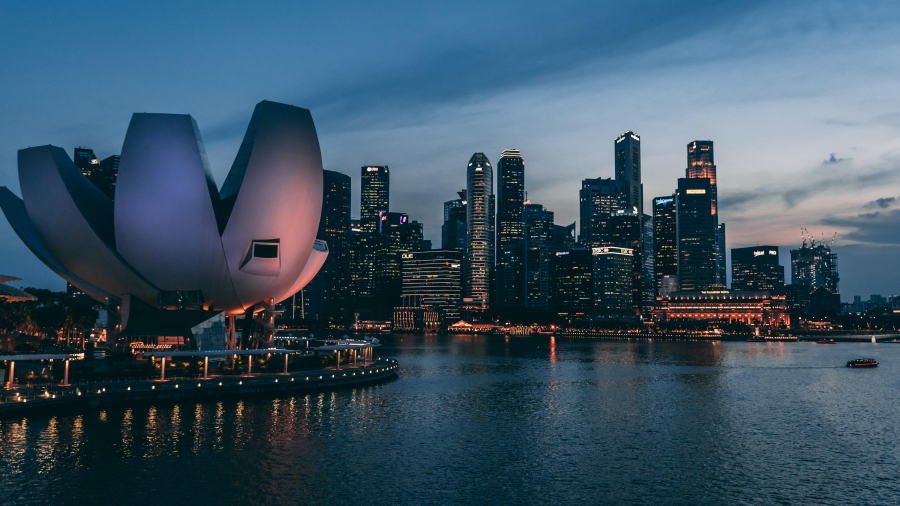
Singapore ranked 3rd with 80.7 points. The city has consistently received high ratings for infrastructure, healthcare security, and digital security over the years.
Despite ranking 4th, Sydney (Australia) is considered the city with the highest digital security, while Tokyo (Japan) - the top-ranked city in 2019 - holds the 5th position.
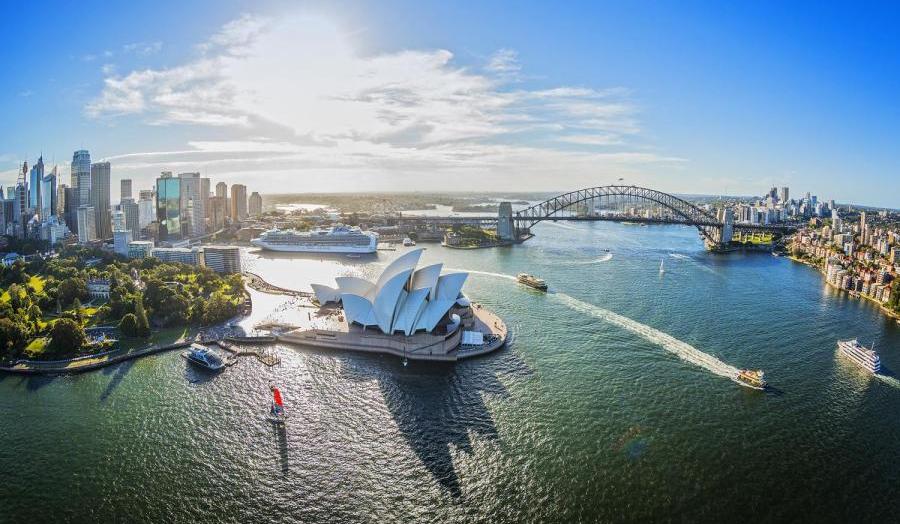
Ranked 4th with a total score of 80.1, Sydney is also the world's leading city in terms of digital security.
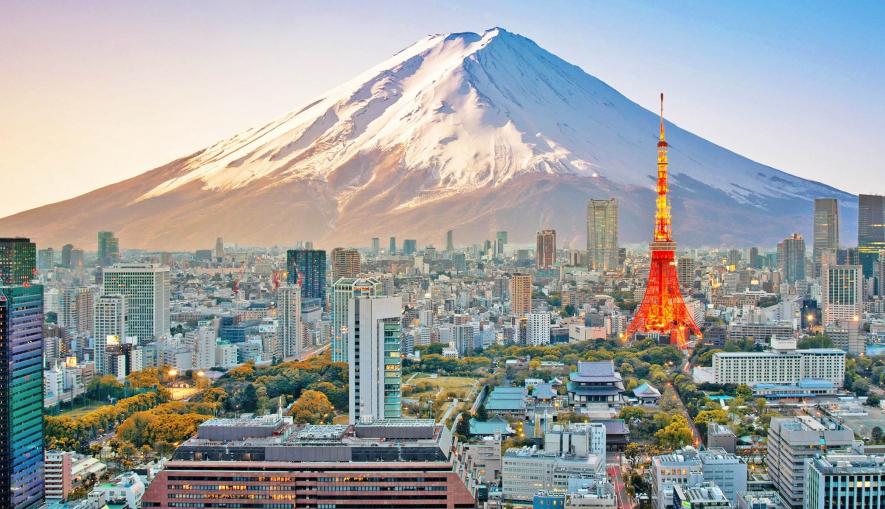
With 80 points, Tokyo remains the top-ranked city in the world for healthcare safety.
Following closely behind are Amsterdam in the Netherlands in 6th place, Wellington in New Zealand in 7th, Hong Kong and Melbourne (Australia) tied for 8th place with the same score. Finally, Stockholm in Sweden is in 10th place.
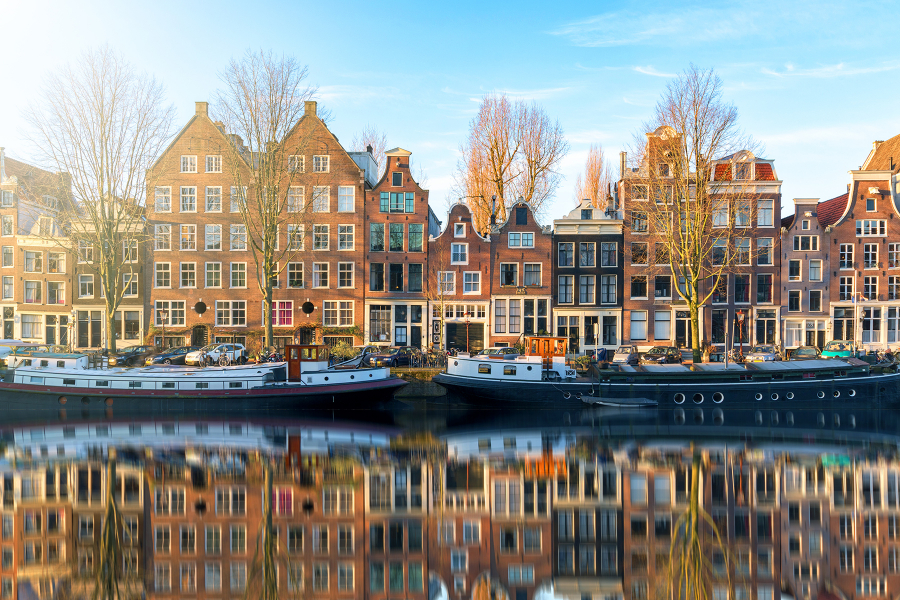
Amsterdam (Netherlands) ranks second only to Copenhagen in terms of personal security.
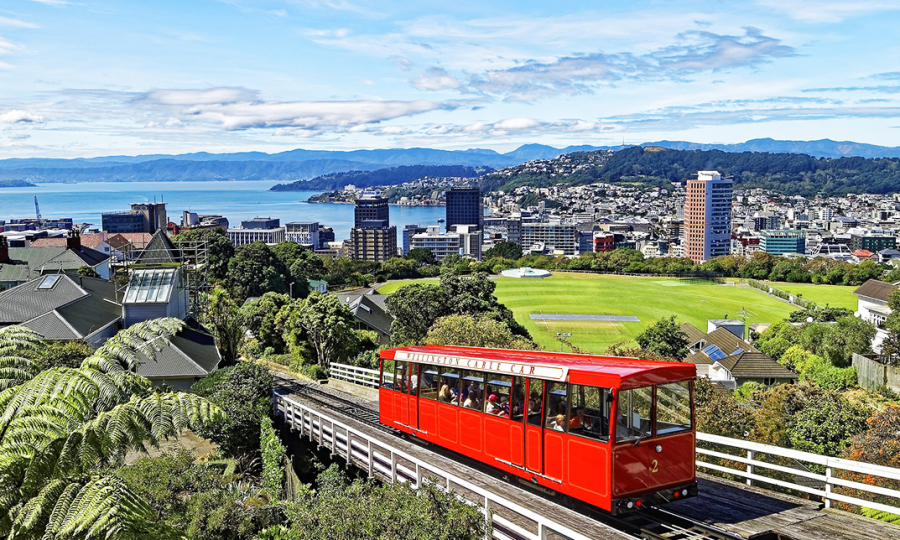
Wellington (New Zealand) ranks first in the world in environmental security.
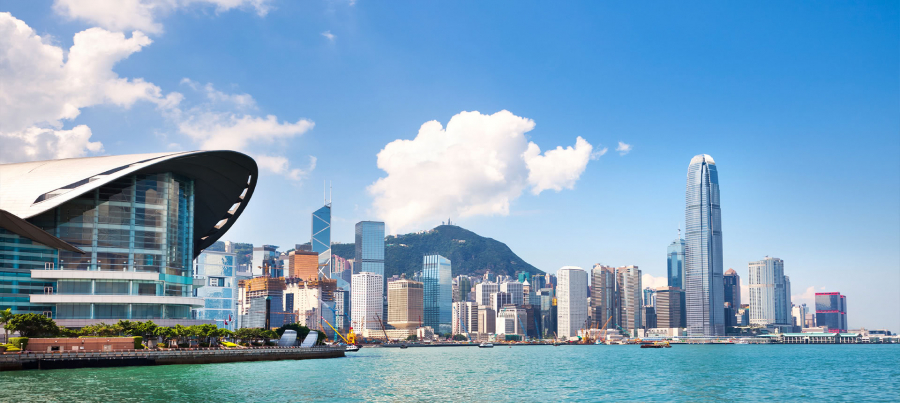
Hong Kong is highly rated for its infrastructure, while in terms of health and safety it ranks only behind Tokyo and Singapore.
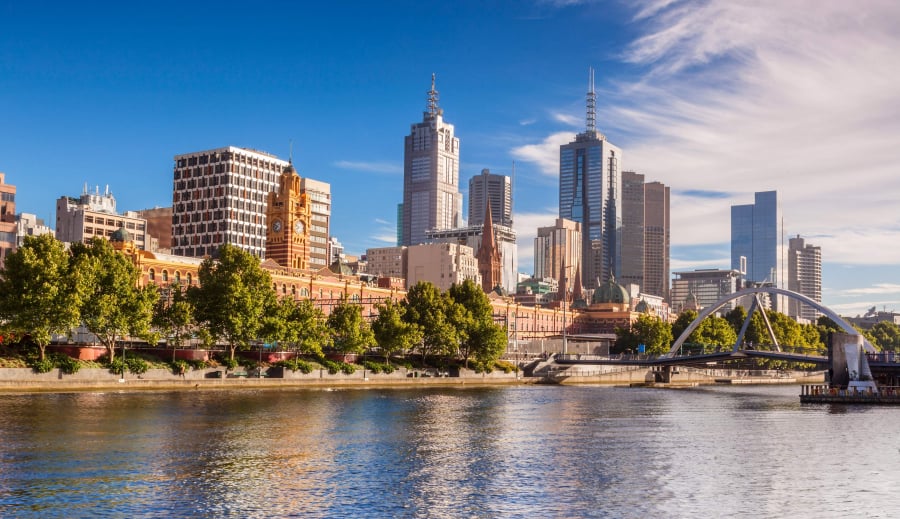
Melbourne (Australia) has also been honored in The Economist's ranking of the world's most livable cities.
The survey results show that cities in different regions have distinct strengths. Specifically, on average, Asia-Pacific cities perform better in terms of health security, European cities favor personal security, and North American cities are stronger in digital security. Although the survey's sample size is not large enough to generalize the reasons, these differences demonstrate that priorities for different types of security may be influenced by the unique cultural and historical context of each region, country, or city.
Top 10 safest cities in the world in 2021:
1. Copenhagen, Denmark
2. Toronto, Canada
3. Singapore
4. Sydney, Australia
5. Tokyo, Japan
6. Amsterdam, Netherlands
7. Wellington, New Zealand
8-9. Hong Kong & Melbourne (Australia)
10. Stockholm, Sweden