VI
VI



1. The Dead Sea
Known for its extremely high salinity, making it uninhabitable, many tourists visit the Dead Sea to experience the unique sensation of lying on the water's surface while reading a newspaper. Products extracted from the seawater are believed to help people look younger. In the next 50 years, it will be difficult to find Dead Sea products. The sea level is receding to the point that if you visit the Dead Sea today, you'll find that hotels and resorts that once stood right on the shore are now miles from the water's surface. The warm temperatures, ranging from 30 degrees Celsius in spring to 40 degrees Celsius in summer, make the Dead Sea a popular vacation destination for many.

Reading a newspaper while lying on your back on the Dead Sea is something everyone wants to try at least once - Photo: twistedsifter
2. Maldives
One of the smallest island nations in Asia in terms of both area and population, the Maldives is also one of the lowest-lying places in the world, with approximately 80% of its islands lying 1 meter below sea level. Within the next 100 years, the Maldives could be completely submerged. There are many reasons why tourists choose the Maldives, including its crystal-clear waters and rich flora and fauna, ideal for scuba diving or snorkeling to admire the colorful underwater world. In addition, there are many other exciting activities such as kayaking, speedboat driving, fishing, and mountain climbing.
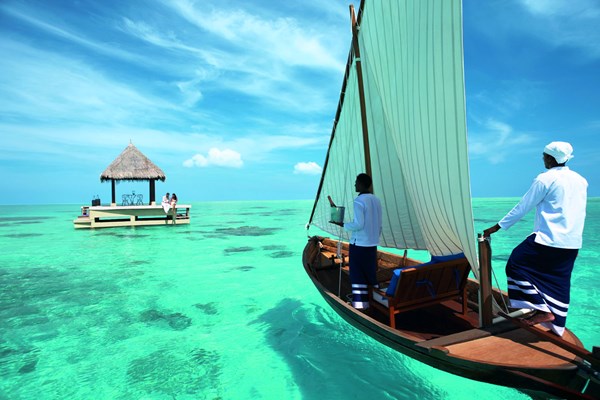
The Maldives, once a "paradise," is becoming a popular destination, partly due to concerns that the island nation will gradually sink beneath the ocean. (Photo: homedsgn.com)
3. Madagascar
Madagascar is famous for its distinctive lemurs, and the Madagascar animated film has inspired many tourists. There are over 20 species of lemurs on the island, and 80% of these animals are endemic to Madagascar. However, without conservation efforts, they will disappear within 35 years. The natural world is being destroyed by poaching, logging, and burning forests for agriculture.
Madagascar is the perfect place to experience "simple life." The only "noise" you'll hear is the chirping of birds and the white waves crashing against the shore. Scuba diving is a popular activity for tourists visiting Madagascar, thanks to the warm waters, rich marine life, and mesmerizing natural rock formations underwater.
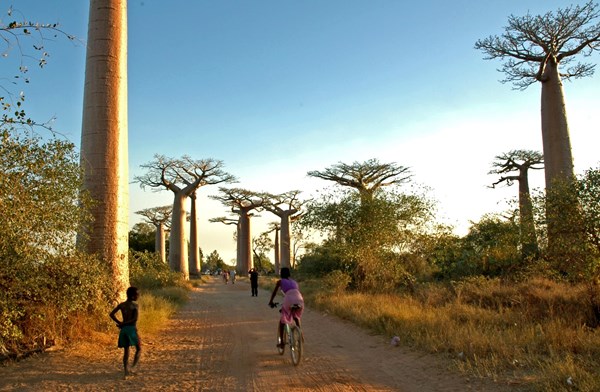
Giant baobab trees are a characteristic feature of the island nation of Madagascar - Photo: tuquitour.it
4. Venice
Venice has sunk 9 inches in the last 100 years. Think about it – 9 inches – is a significant amount, and although authorities are trying to address the problem, many scientists predict Venice will be underwater in about 70 years. This may also be part of the reason the city has become more crowded with tourists since 2007.
If you're a lover of Italian cuisine, don't hesitate to spend time in Venice visiting the restaurants. Watch the locals order and try to follow their lead; you're sure to be pleasantly surprised.
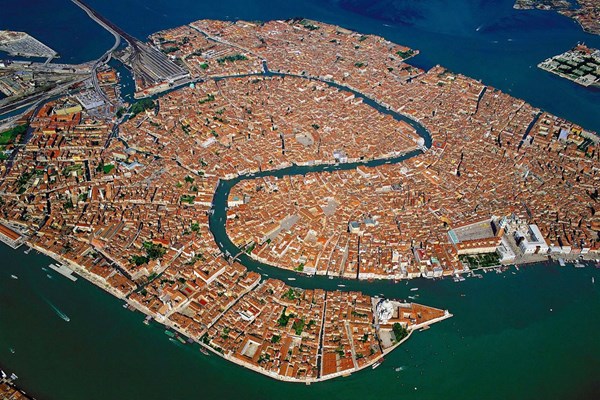
Venice looks beautiful from above, but will people still have the chance to admire this famous Italian city in the next seven decades?

5. The Great Barrier Reef
The Great Barrier Reef, the largest coral reef on the planet, is worth a visit before it disappears. Increasingly warmer ocean temperatures, unusual currents, coral bleaching, and water pollution are causing the reef to erode year after year. Experts estimate that 60% of the reef's area will be gone by 2030. This natural entity, which has existed for 8,000 years, is facing imminent death.
The city of Cairns on Australia's east coast is the ideal starting point for a visit to the Great Barrier Reef. Cairns is a city where summer seems to last forever, and you can enjoy your holiday anytime. It's also a great place for whale and dolphin watching. Around 30 different species live around this 2,000km-long reef.
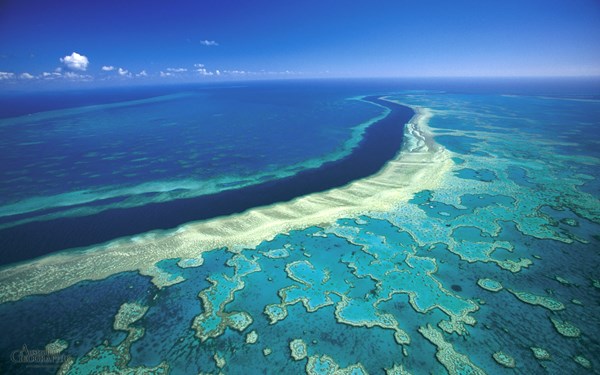
The great coral reef is gradually shrinking in size due to the impact of the marine environment - Photo: Autraliangeographic.com
6. Congo River Basin
The Congo Basin, the world's second-largest rainforest after the Amazon, stretches across the territories of six African countries. With its forests, rivers, swamps, and savanna grasslands, it provides approximately 40% of the world's air. The United Nations has predicted that about two-thirds of its forests, flora, and fauna could disappear by 2040. Poaching, mining, expansion of livestock and agriculture, and guerrilla groups are devastating the pristine rainforest every year.
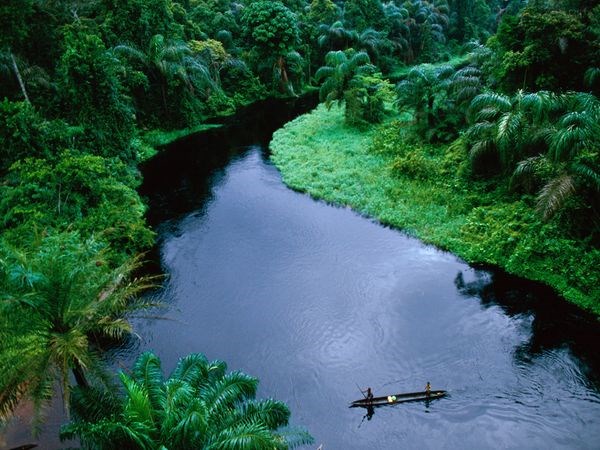
The Congo River basin is pristine and captivating - Photo: National Geographic
7. The Alps
One of Europe's most majestic mountain ranges, the Alps are well worth a visit. Numerous resorts nestled at the foot of this legendary range, such as Saalbach in Austria, Oberstdorf in Bavaria, Chamonix in France, Cortina d'Ampezzo in Italy, and Davos in Switzerland, welcome millions of visitors each year.
Over the past century, the Alps have lost about half of their glaciers due to rising temperatures. Since the 1980s, glaciers have lost approximately 20% of their size. If global temperatures continue to rise at this rate, the snow in the Alps will disappear within the next 40 years.

A village at the foot of the majestic Alps in Austria – Photo: outrageousestates.com
8. Taj Mahal
As India's most famous tourist destination, the Taj Mahal attracts around 4 million visitors annually. However, the structure is predicted to soon be destroyed by air pollution, which is gradually eroding the stone's surface. Authorities in the Indian government and tourism ministry are considering closing this legendary mausoleum, and you have about five more years to visit the Taj Mahal before it's too late.

The white marble structure is facing daily air pollution, which is putting it under threat - Photo: santabanta.com
9. Glacier National Park
About 100 years ago, Glacier National Park in the US had over 150 glaciers scattered throughout the area, but that number has now decreased to 27, and it is predicted that by 2030 there will be no glaciers left.
If you've already added this place to your list of places to visit, take another step and put it at the top of your list, spending time camping at Glacier National Park to experience the beauty and grandeur of nature.
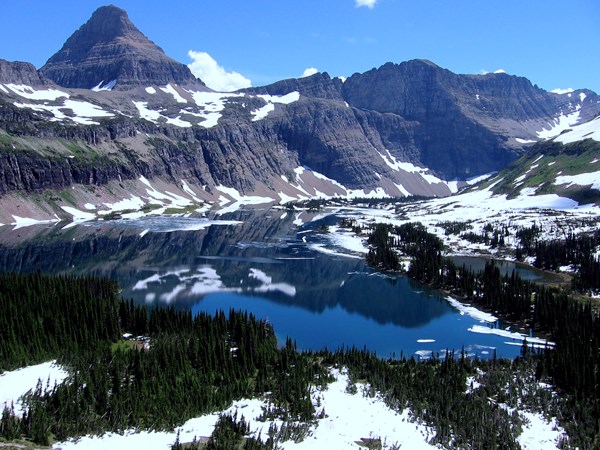
Glacier National Park will become a thing of the past if global temperatures continue to rise day by day - Photo: boomsbeat.com
10. Patagonia
The region of South America, once a haven for explorers and extreme travel enthusiasts, is now being severely impacted by global warming. Many glaciers are melting, and the landscape is changing so drastically that you'll soon barely recognize Patagonia.
When traveling in Patagonia, don't forget to visit places like the Valdés Peninsula, the Perito Moreno glacier, Torres del Paine National Park, Ushuaia, and Argentina's Lake District. The cuisine is also very diverse and somewhat influenced by Buenos Aires, with pasta and grilled meats seasoned with local spices.
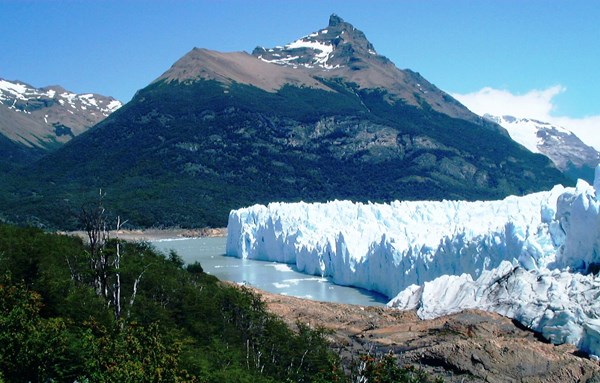
Patagonia boasts fjords and glaciers that always leave travel enthusiasts breathless - Photo: charterworld.com
11. Alaskan Tundra
According to experts at the University of Berkeley (California, USA), the Alaskan Tundra is the coldest biome in the world. The permafrost, low temperatures, and nutrient-poor soil prevent the growth of any vegetation that can be cultivated there. Global warming is changing the Alaskan landscape faster than anywhere else on the planet, and it could disappear at any moment if you don't act quickly.
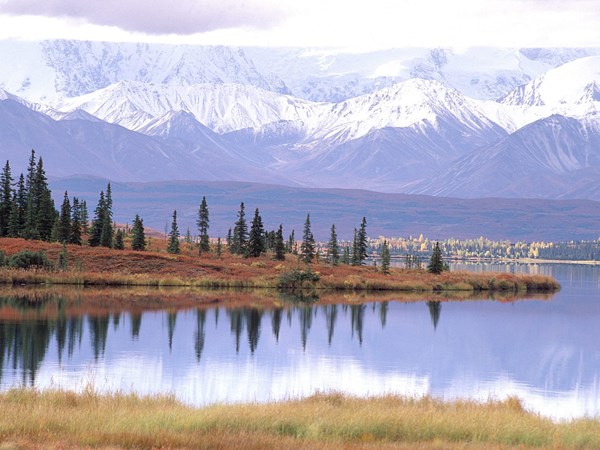
Tundra Peak and Denali Lake in Tundra National Park in Alaska - Photo: citypictures.org
What destinations do you think are on the verge of disappearing? More importantly, when you're ready to pack your bags and travel, be a responsible traveler to help protect the lands and landscapes so that future generations can enjoy them.