VI
VI


Amidst global turmoil, Northern Europe remains a symbol of peace. Recently, the Institute for Economics and Peace (IEP) officially released the Global Peace Index (GPI) for 2026, a comprehensive assessment of 163 countries and territories, covering 99.7% of the world's population. The results were not unexpected by experts, with Iceland once again being recognized as the safest country in the world.


Notably, this marks the 16th consecutive year that this icy island nation has maintained its absolute leading position, setting an unprecedented record in the history of IEP rankings.
The Global Peace Index (GPI) 2026 is based on 23 rigorous indicators across three core areas: social safety and security, the scale of ongoing internal or international conflict, and the level of militarization. Amidst a world facing numerous security challenges, Iceland stands out in the global data pool with significantly superior metrics compared to the rest.
The solid foundation for the peace of this Nordic nation stems from its lack of a standing army, combined with an extremely low crime rate and a near-ideal social welfare system.
For travel enthusiasts, Iceland's title as the world's safest country for 16 consecutive years is not just a dry statistic, but a valuable affirmation of a safe travel destination, offering absolute peace of mind to tourists amidst turbulent times.

This absolute safety has provided a solid foundation for the tourism industry, transforming Icelandic tourism into a booming trend for those seeking pristine yet reassuring experiences. The inherent tranquility of society blends seamlessly with the surreal beauty of nature, creating a truly unique travel experience.

A safe tourist destination, offering complete peace of mind for visitors.
Upon arriving in Reykjavík, visitors are immediately captivated by the colorful wooden houses with their Nordic architecture nestled peacefully under a clear sky. Free from the hustle and bustle of large cities, Reykjavík offers a relaxed lifestyle, where visitors can leisurely stroll even at midnight without worrying about security risks or petty theft.
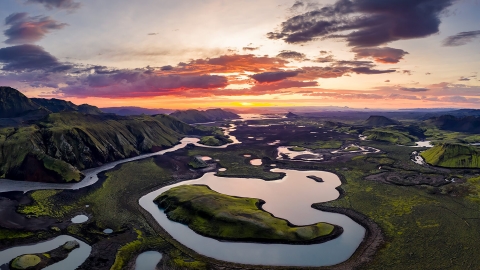
Away from the urban landscape, Iceland's nature unfolds into a magnificent world of ice and fire. The famous Golden Circle tourist route takes travelers through Þingvellir National Park, the Geysir geothermal area with its geysers erupting into the air, and the majestic Gullfoss waterfall.
For adventurous travelers, driving along the Ring Road is an unmissable experience. You'll witness majestic mountains like Kirkjufell reflected in cascading waterfalls, mysterious black sand beaches in Vik, and sparkling blue natural ice caves beneath ancient glaciers.
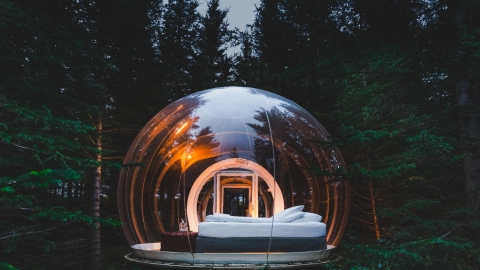
In particular, if you visit the world's safest country in winter, you'll have the chance to witness the aurora borealis "dancing" against the night sky. Standing in a pristine valley, completely isolated from the outside world, to admire this cosmic masterpiece without any worries about security is the clearest evidence of the value that the Global Safety Portfolio (GPI) provides.
The macroeconomic reassurance from a stable political system combined with a sustainable tourism environment has made Iceland an ideal destination for both solo travelers and families with young children.

However, as Steve Killelea, founder of IEP, pointed out: The Global Peace Index measures macroeconomic stability, not natural hazards or traffic safety. In Iceland, the biggest challenge doesn't come from humans but from nature. The weather on this island nation can change dramatically in minutes, and geological activity, volcanic eruptions, or blizzards are real risks that tourists face.
Therefore, for a safe and enjoyable trip, travelers are always advised to closely monitor weather warnings from the government and local road safety websites, in addition to consulting the macro-level safety index.
Despite the challenges of freezing weather, the warmth of its people's hospitality and a civilized, non-violent society have rightfully solidified Iceland's reign as the safest country in the world for the past 16 years. In a turbulent world, this island is not only the safest country in the world but also a valuable lesson in how a nation can build lasting peace based on equality, education, and respect for nature, making it an irreplaceable destination on the global tourism map.