VI
VI


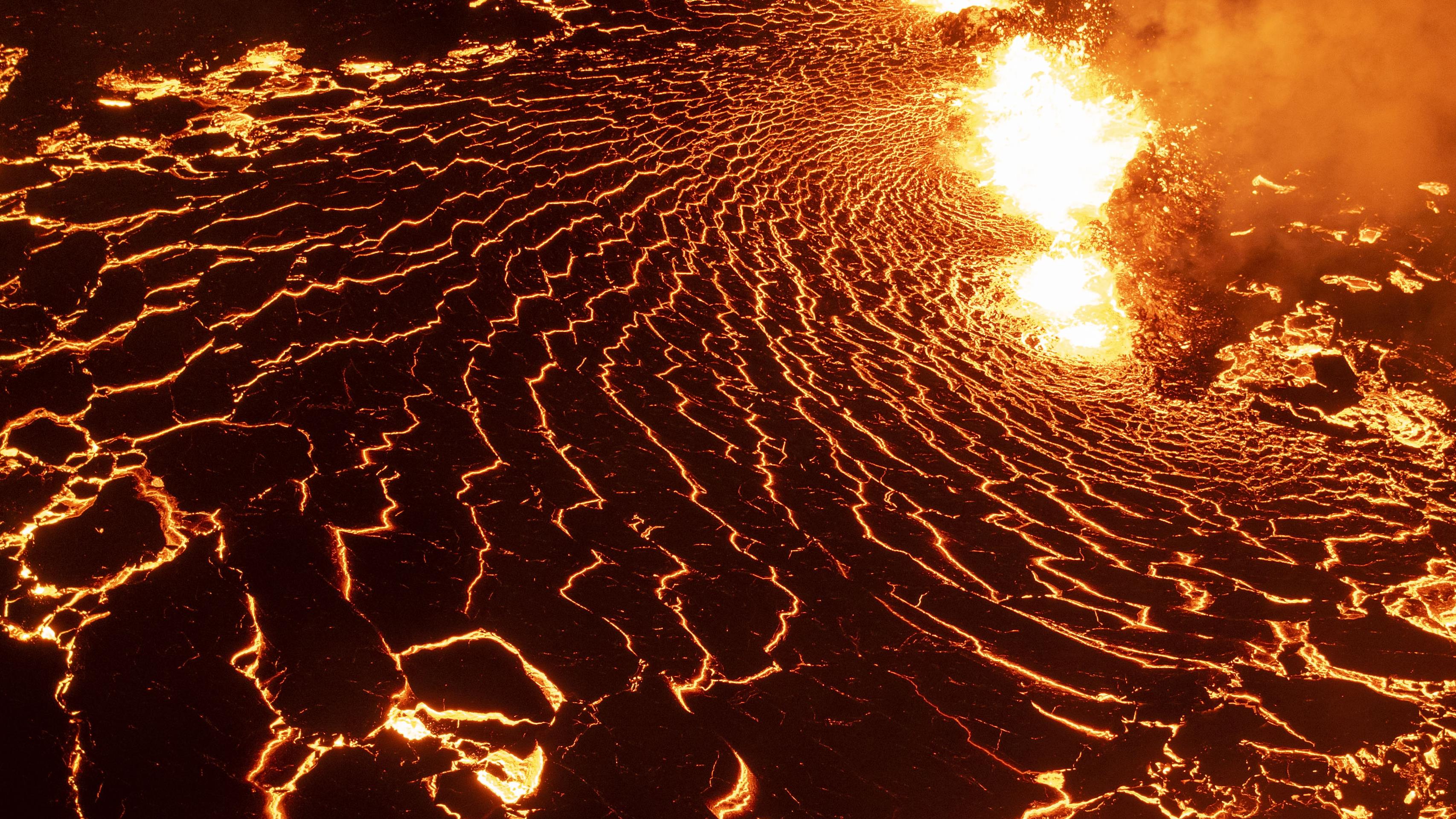
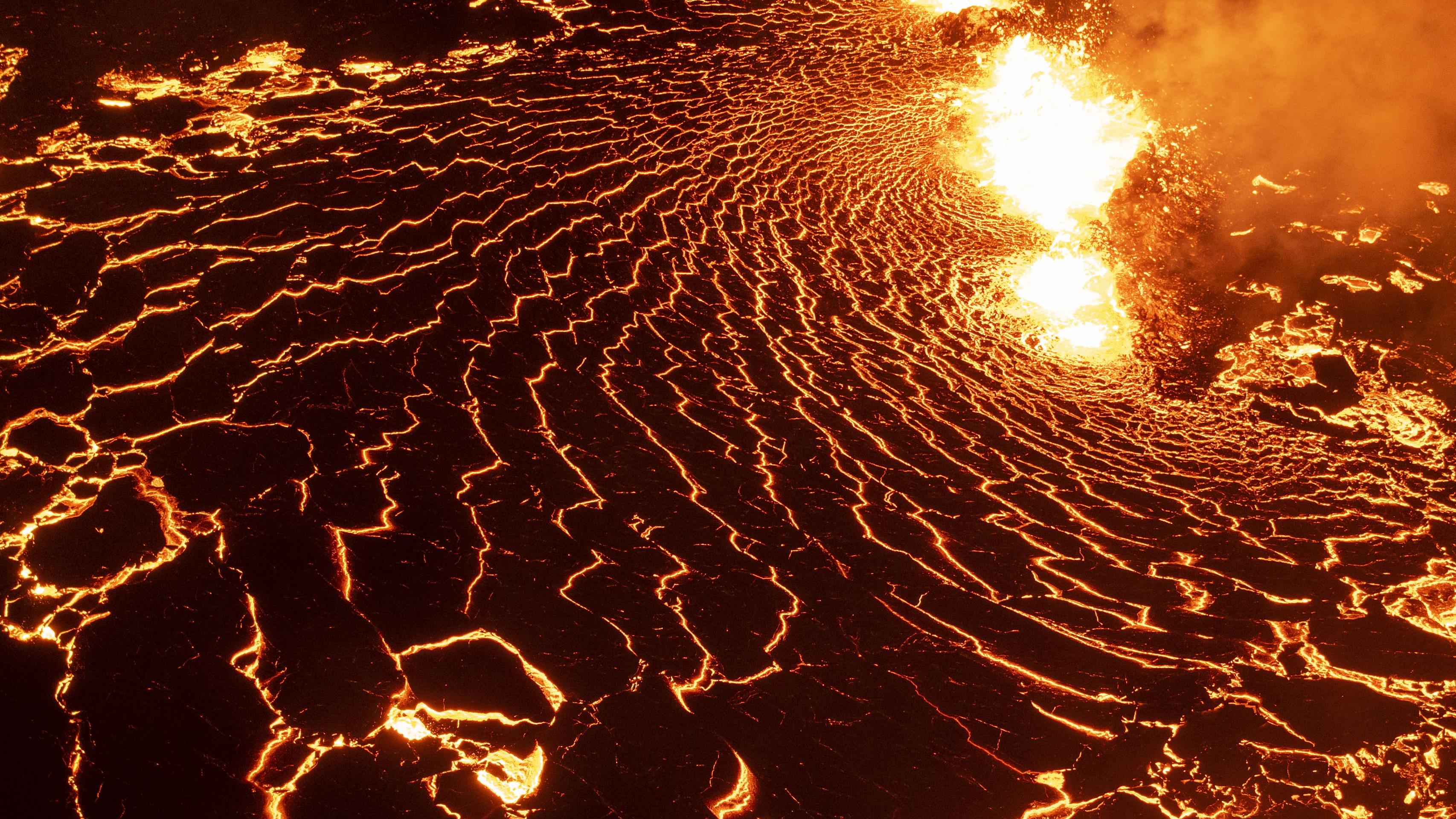
The volcanic eruption occurred on August 3rd on Fagradalsfjall, on the Reykjanes Peninsula in southwestern Iceland. Following thousands of localized earthquakes, a fissure opened up in Meradalir and lava began flowing across the valley floor.
Thousands of locals and tourists have since hiked here to witness the eruption of bright red lava at the Fagradalsfjall volcano.

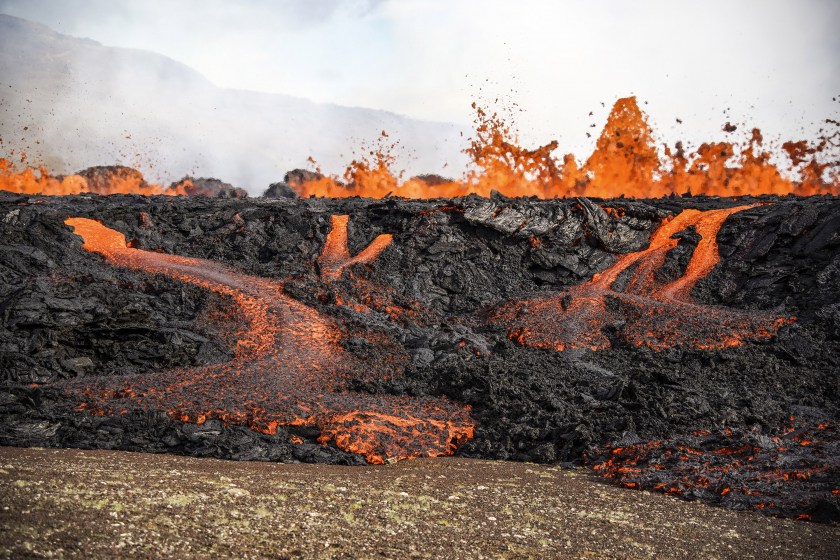
A close-up view of lava flowing from the Fagradalsfjall volcano in Iceland on August 3, 2022.
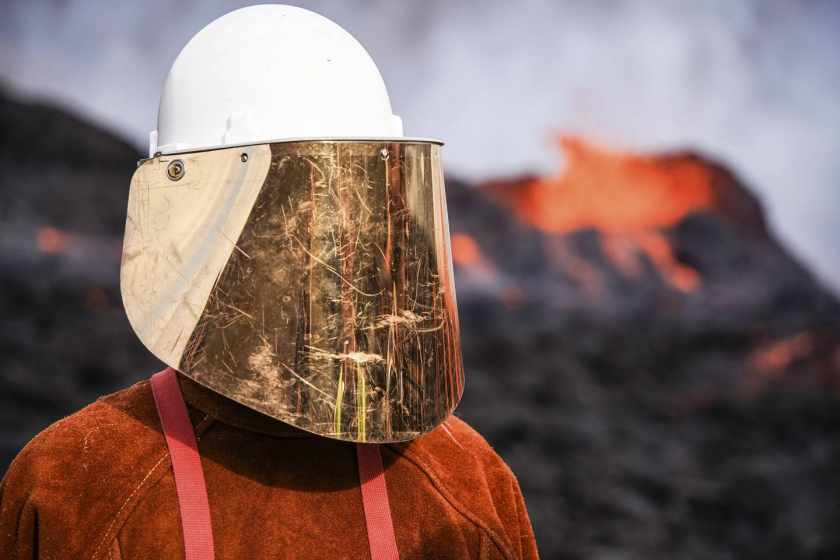
People wear protective gear as they stand near lava flowing from Fagradalsfjall.
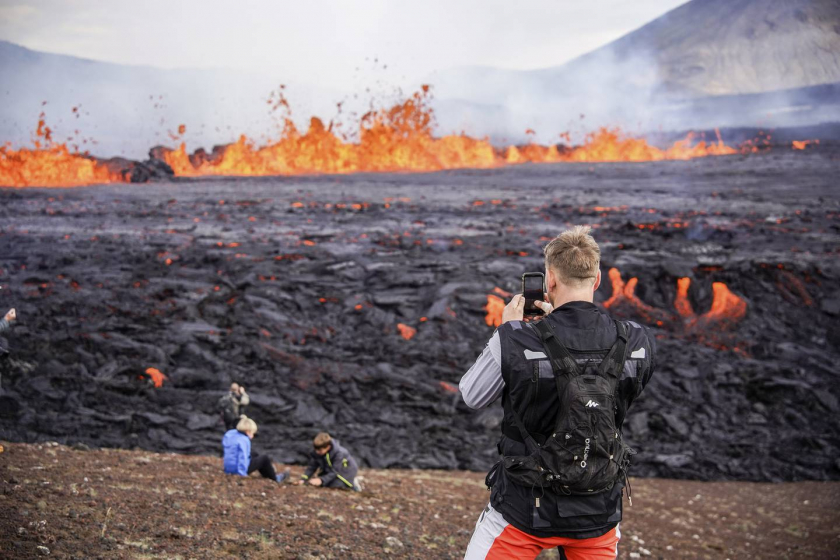
People are taking pictures of the flowing lava.
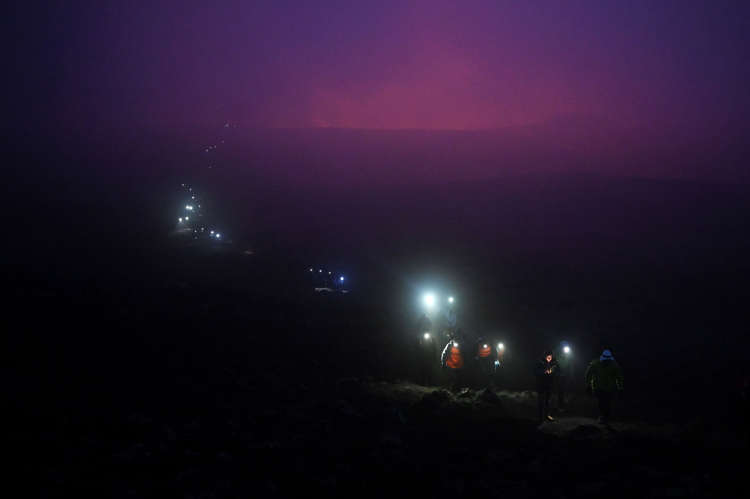
Tourists visit the volcanic eruption site in the Meradalir Valley, on the outskirts of the town of Grindavik.
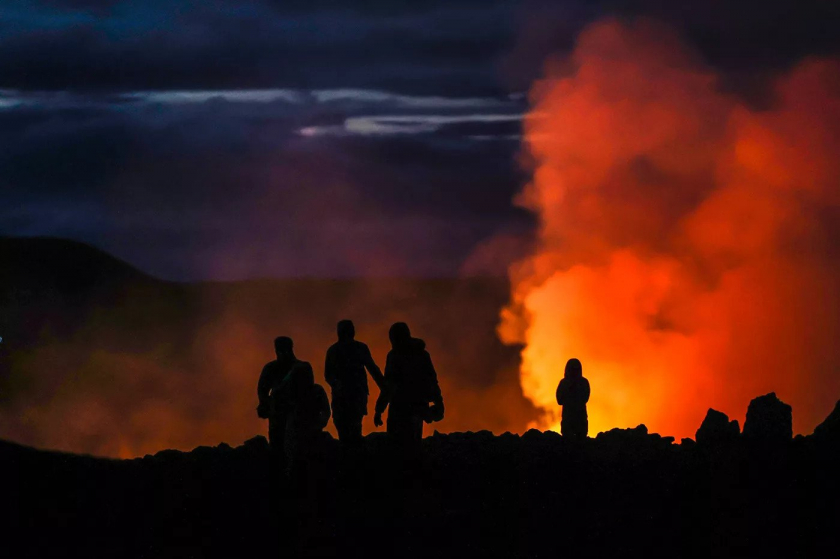
People observe a volcanic eruption on Iceland's Reykjanes Peninsula on August 4, 2022.
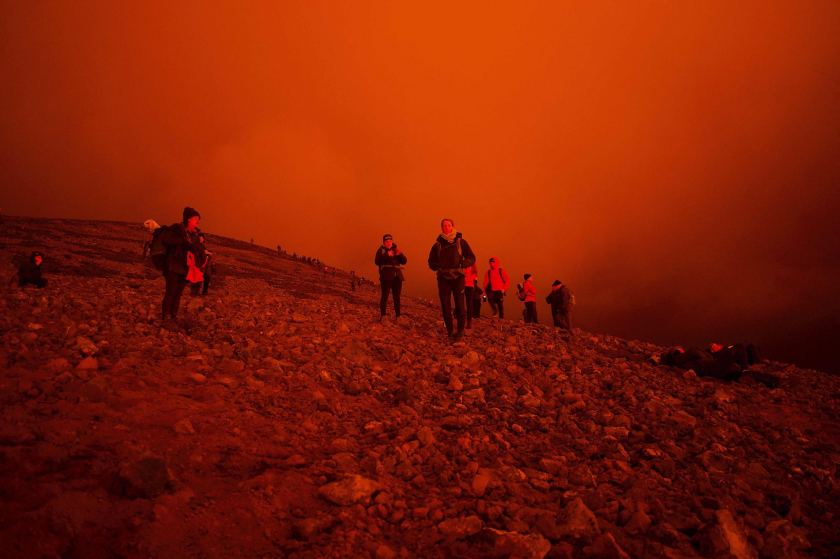
Tourists watch lava flow from Fagradalsfjall on August 7, 2022.
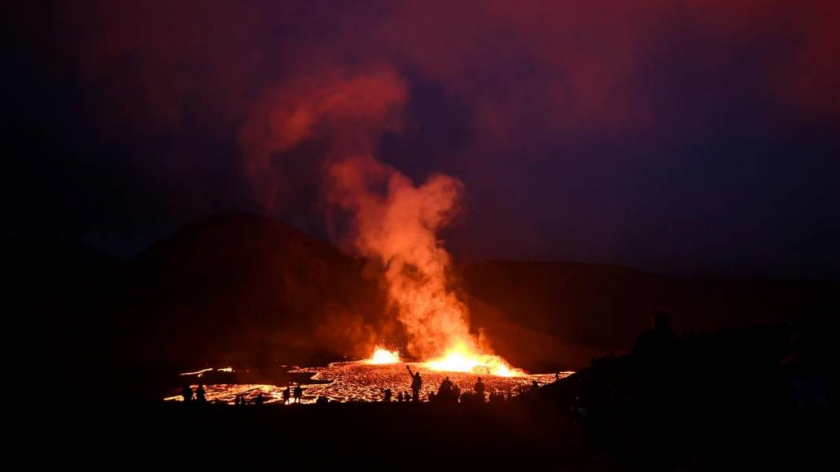
The site of the new eruption is in the Meradalir Valley, outside the town of Grindavik, on August 6, 2022.
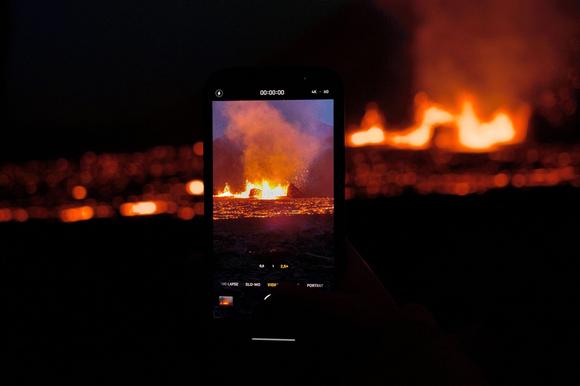
Capture the moment lava flows.
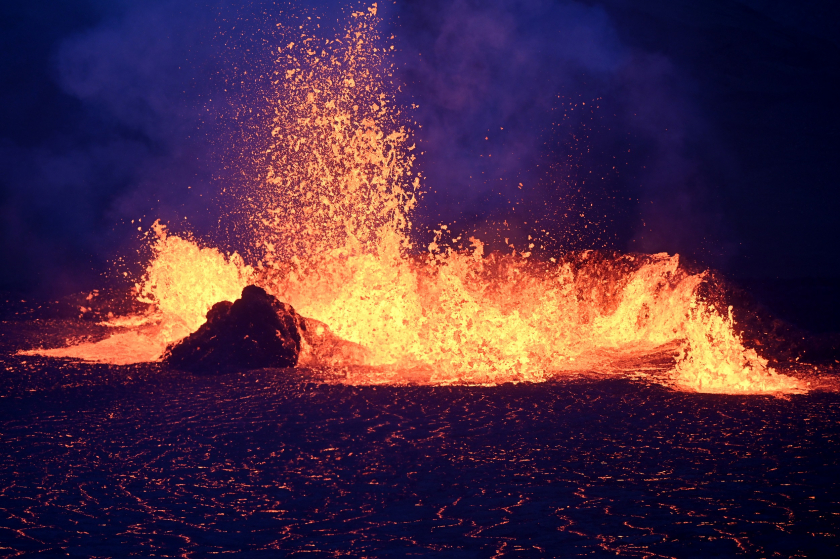
Lava erupts in the Meradalir Valley.
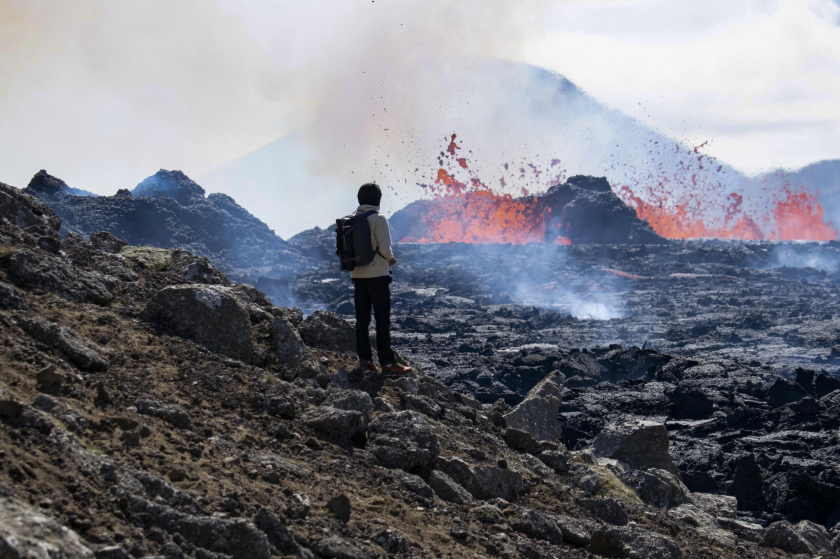
Tourists look towards the erupting lava from Fagradalsfjall.
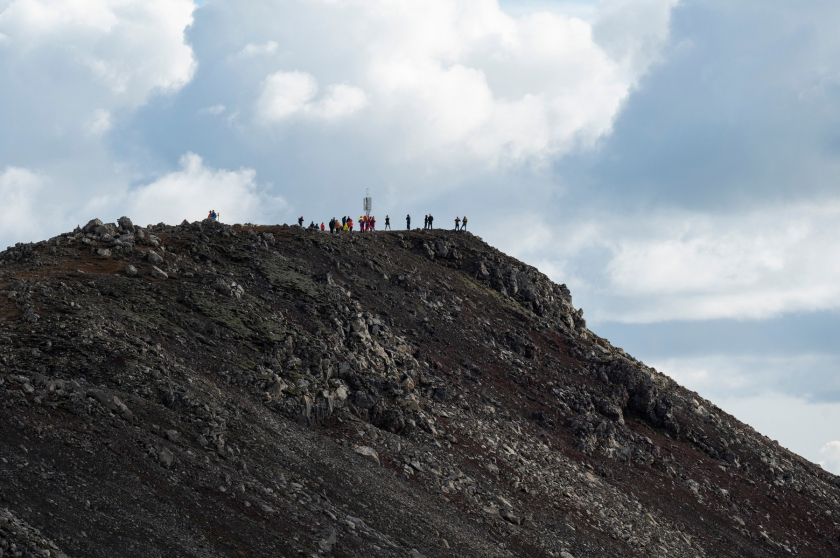
Observe the eruption from a hilltop.
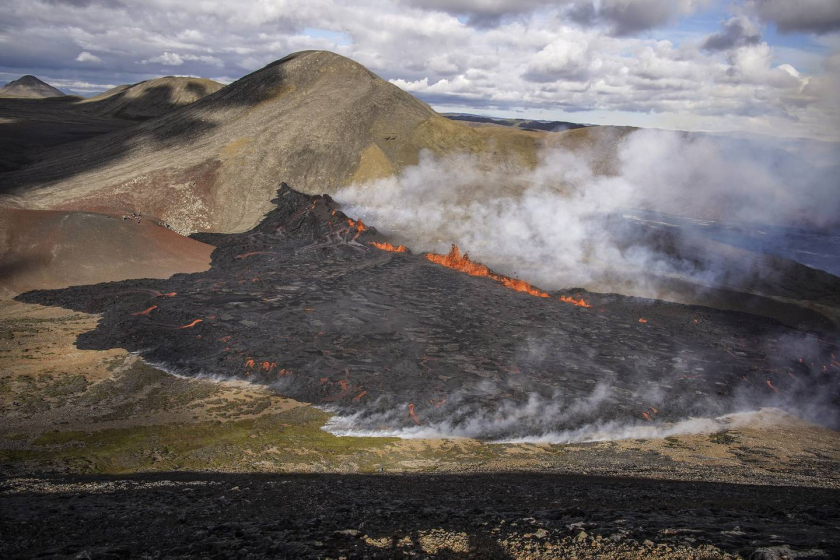
Steam rises and lava flows from the Fagradalsfjall volcano.
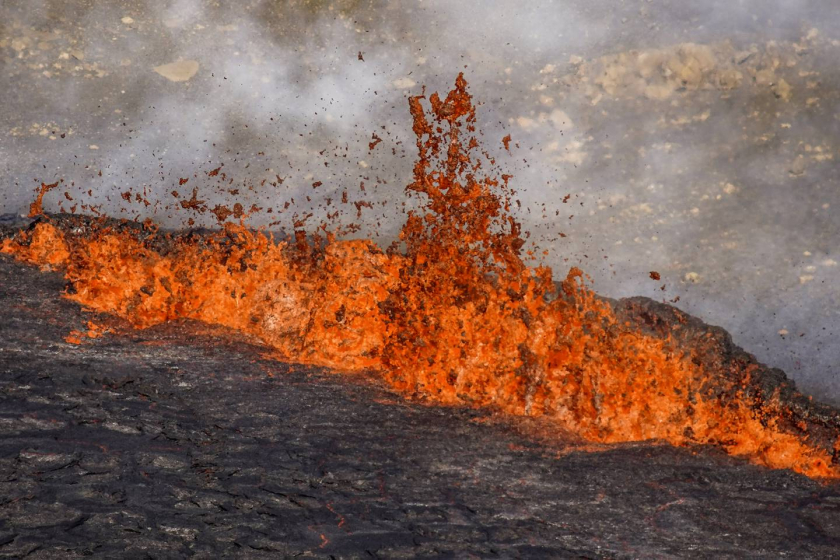
A close-up view of lava flowing from the volcano.
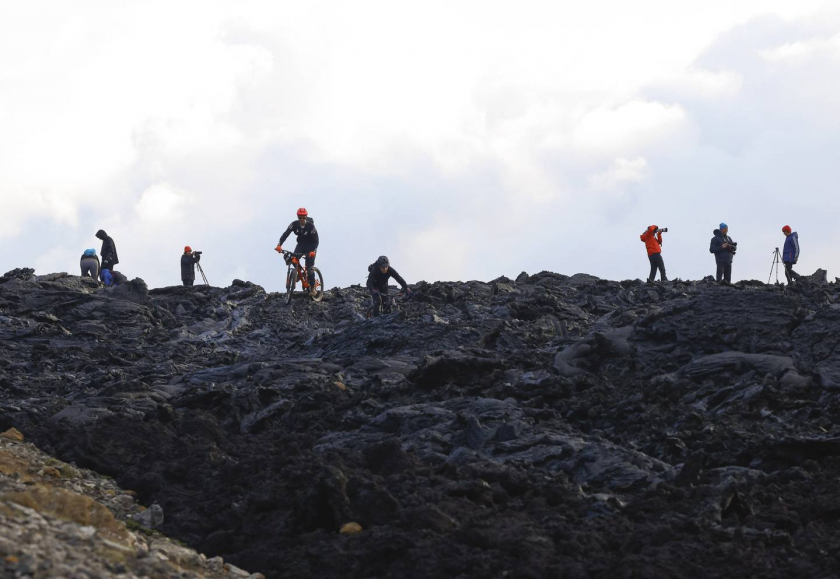
Mountain bikers cycle to try to get a better view of the eruptions on the Fagradalsfjall volcano in Iceland.
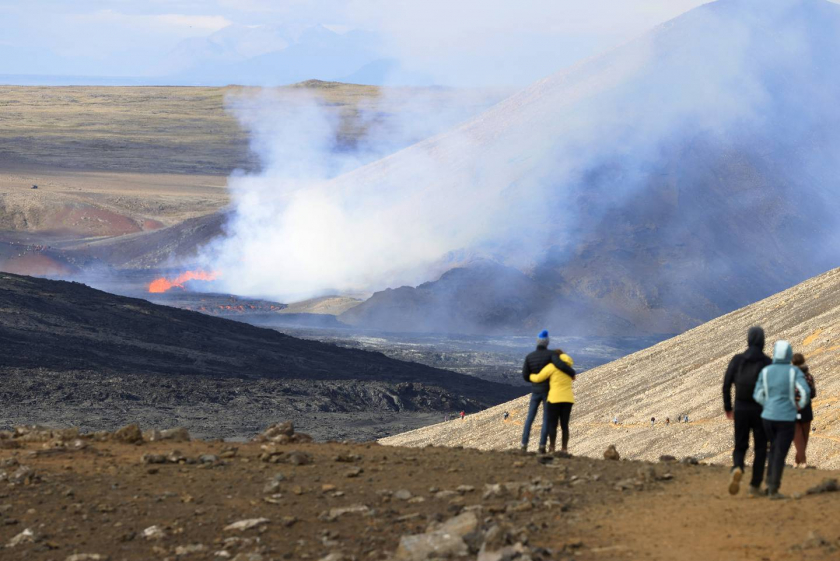
Watching a volcano erupt from afar.
The Fagradalsfjall volcano erupted in an uninhabited valley near Keflavik Airport, Iceland's international air traffic hub. However, the airport remained open and no flights were disrupted.
Iceland has 32 active volcanic systems, the most in Europe. On average, Iceland experiences a volcanic eruption every 4-5 years.

Phuong Thao
- Source: The Atlantic


SHARE THIS ARTICLE

Related Articules