VI
VI


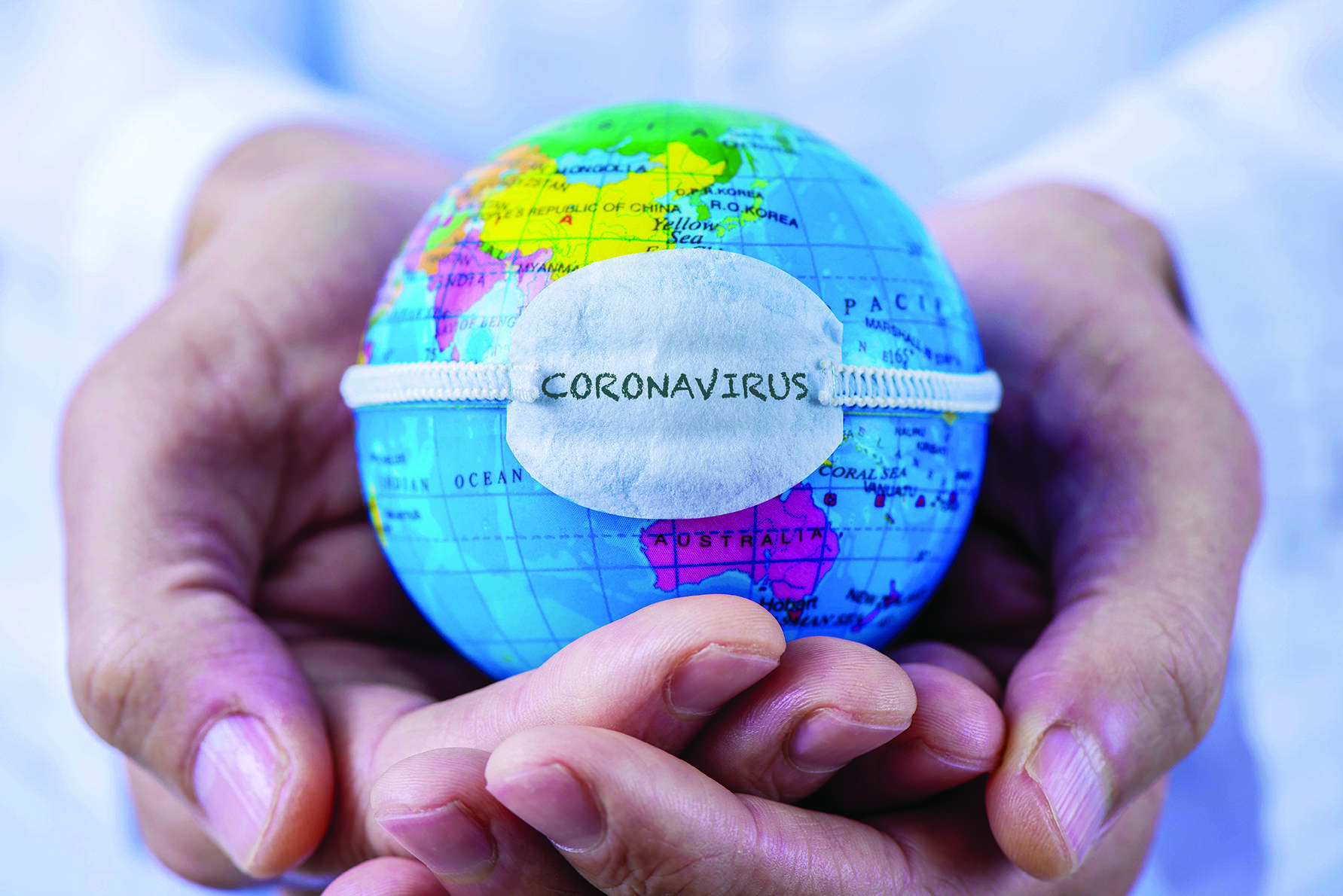
According to data collected by Johns Hopkins University, 18 of the 193 member states of the United Nations declared themselves free of the coronavirus: Comoros, Kiribati, Lesotho, Marshall Islands, Micronesia, Nauru, North Korea, Palau, Samoa, Sao Tome and Principe, Solomon Islands, South Sudan, Tajikistan, Tonga, Turkmenistan, Tuvalu, Vanuatu, and Yemen.
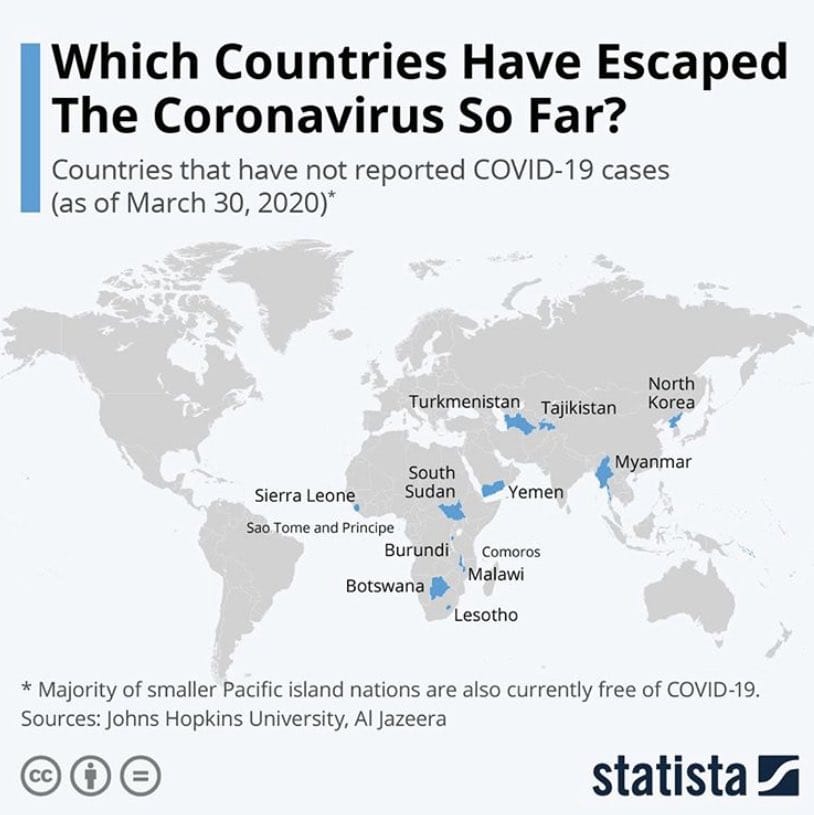
For the most part, these countries are small, remote islands, often with few tourists, and social isolation is a part of life for their inhabitants. According to data published in September 2018 by the World Tourism Organization (UNWTO), seven of the ten least visited places in the world are on this list. This natural social isolation may have helped these countries avoid the rapid spread of the pandemic; however, such isolation is a major concern for some governments. In some countries, drastic measures were implemented even before any confirmed cases were reported.
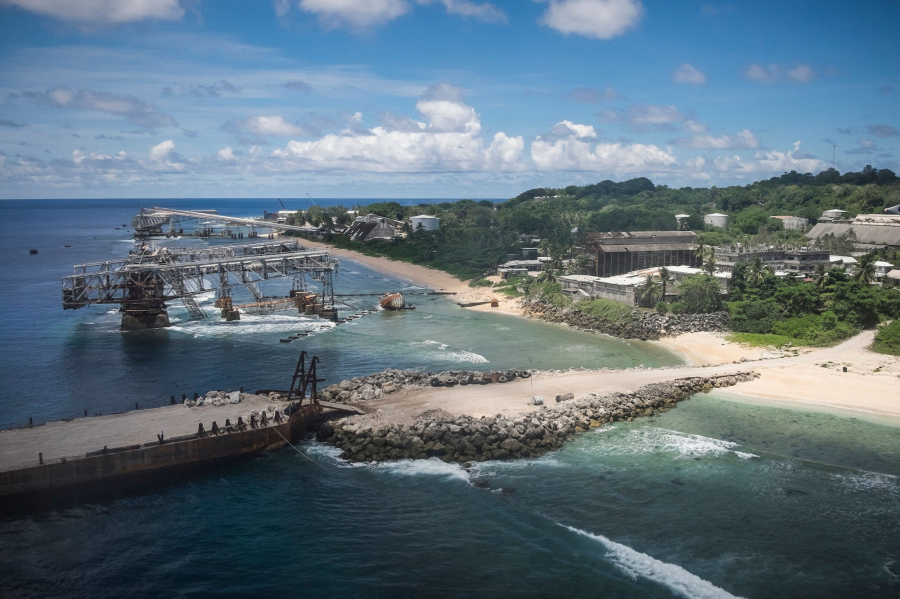
Nauru, the second smallest country in the United Nations, is located northeast of Australia. A direct flight from Brisbane (Australia), Nauru's nearest major city, to this tiny nation is approximately 2,100 miles to the south.
Nauru President Lionel Aingimea is concerned that COVID-19 has become a national emergency, he told the BBC. With only one hospital in the country, no ventilators, and a shortage of nurses, President Aingimea is determined to prevent an outbreak. The Nauru president's "catch and contain" order has banned travelers from China, South Korea, Italy, and Iran since early March. Flights have been reduced or suspended. Those arriving from Australia (mostly returning residents) are quarantined for 14 days in hotels and checked for symptoms daily.

Several other small Pacific nations – such as Kiribati, Tonga, and Vanuatu – have also implemented similar measures, according to the BBC.
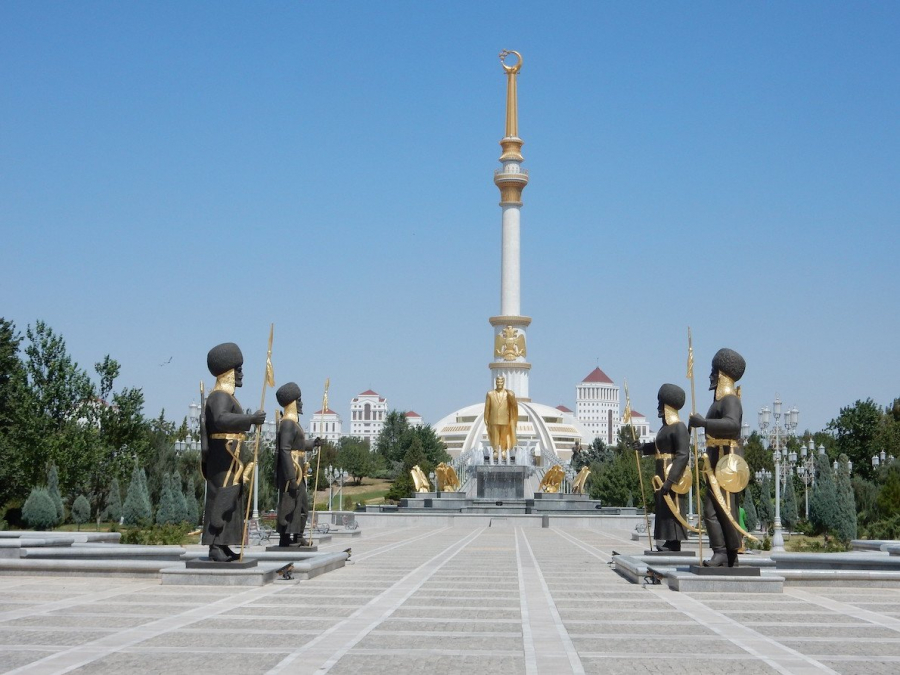
In Turkmenistan, a country on the coronavirus "white list," a different approach was adopted: banning media outlets from using the term "coronavirus."
Recently, Reporters Without Borders reported that the term "coronavirus" has also been removed from health information materials distributed in schools, hospitals, and offices in Turkmenistan. To date, this Central Asian nation, which borders Iran, has reported no cases of coronavirus infection, while Iran has recorded over 44,000 cases.
A Paris-based Reporters Without Borders news outlet reported that people wearing masks or talking about the coronavirus are very likely to be arrested by plainclothes police. Ranked among the lowest-performing countries in the 2019 World Press Freedom Index, Turkmenistan is one of the most closed countries in the world.