VI
VI


2020 was almost a "dead" year for the global tourism industry, as the specter of COVID-19 repeatedly broke out in many countries. This year, with vaccines and various health measures implemented to ensure people's safety, 2021 is witnessing small signs of recovery for the tourism sector.
While people still have to wear masks and worry about new variants of the COVID-19 virus, the tourism industry has recognized a new era – an era where pre-pandemic amenities have returned alongside measures to enhance the safety of tourists.
The role of vaccines
In late 2020, COVID-19 vaccines were first launched, and by June 2021, they were widely available to everyone 12 years of age and older, and are now available to all those 5 years of age and older.
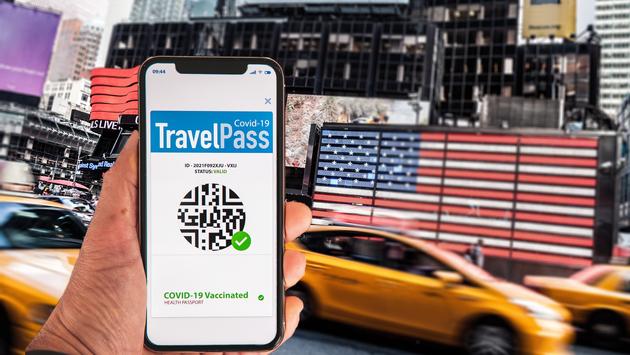
For the safety of travelers, many travel agencies, river cruise companies, and tour operators have begun requiring all passengers to be vaccinated when traveling with them. Many countries require vaccines to be imported, and it is becoming increasingly important when traveling in the United States.
Restart the cruise
Although it was hoped that by the end of 2020 the Centers for Disease Control and Prevention would issue health and safety measures for tourists participating in cruise tours, it wasn't until July of this year that sea travel activities officially resumed. Despite only being back in operation for five months, quite a number of cruises have already been organized.

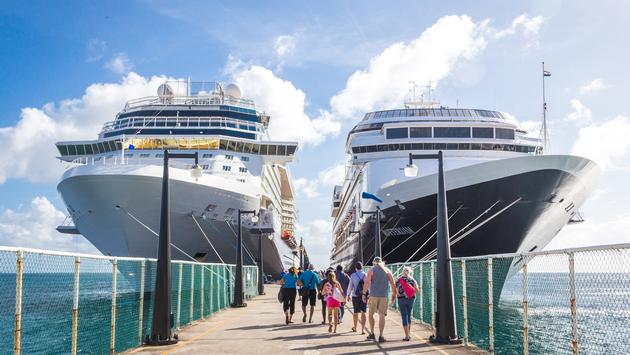
One reason cruise travel remains popular after the shutdown during the pandemic is that the experience has largely remained the same. Buffet options have been modified, and there are some mask requirements for indoor venues. But overall, travelers who want to experience some of the pre-pandemic fun are still provided with options on cruise ships.
Workcation
The COVID-19 pandemic has made the concept of "work from home" more popular. Now, most travelers can take extended vacations and bring their work with them wherever they want. This combination of travel and work is known as "workcation." It also helps many people reduce the number of vacation days they take each year while still maintaining their work schedule.

The return of international travel.
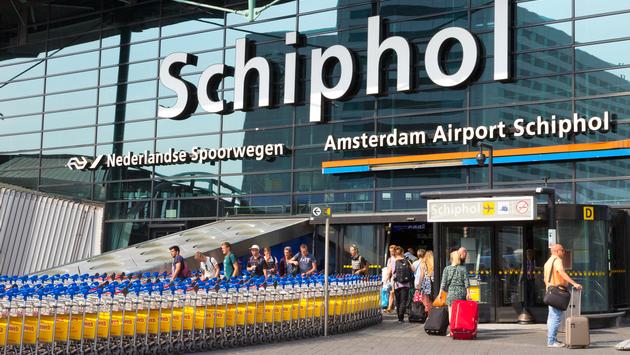
After more than a year of countries locking their borders due to COVID-19, there's a growing sense that the world will never be the same again. While Australia, New Zealand, and other popular international travel destinations remain heavily restricted to foreign visitors, many others have gradually reopened, such as Mexico and the Caribbean.
Travel insurance
More people are buying travel insurance than ever before because of the pandemic. Some destinations even require proof of insurance for entry, and some travel companies require customers to purchase it along with their trip bookings.
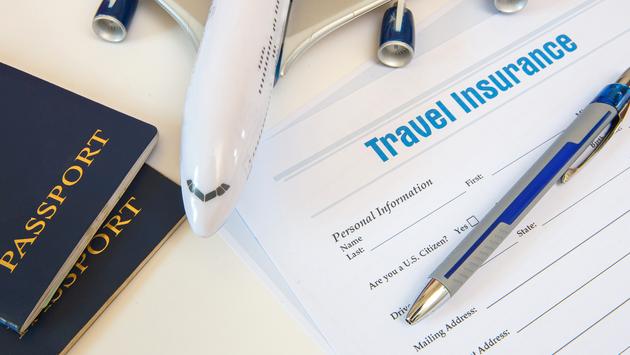
Now that numerous guidelines have been issued regarding insurance due to COVID-19, people feel safer traveling knowing they are covered in case of an incident.
Restrict travel.
The only significant lingering effect of the pandemic is the numerous travel restrictions that travelers have to endure. Many international destinations have reopened to tourists, but each has its own entry requirements. You can no longer simply grab your passport and head to the airport.
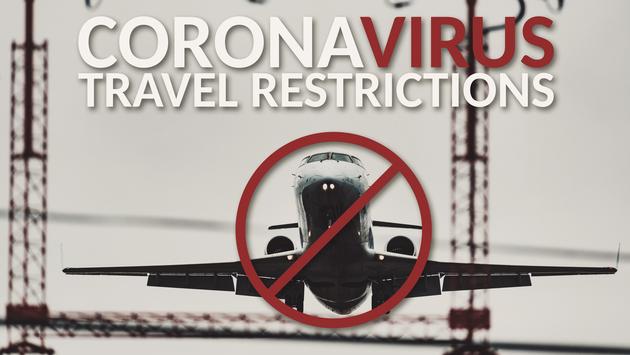
Today, for many countries, travelers need to get tested for COVID-19 within hours of departing and returning from overseas. Some destinations require quarantine upon arrival – and some do not. Many countries require travelers to be fully vaccinated – but some only require a negative test result for entry. It's so complicated that there are now apps like Sherpa to help travelers find out the requirements for the country they're visiting.