
 VI
VI


Regarding ecotourism
Recently, a new travel trend has been emerging: eco-tourism experiences. Instead of opting for conventional vacations, parents are starting to seek out destinations with rich ecosystems to give their children the opportunity to experience and learn from nature.
If you are also considering such a trip, you can refer to some ideal eco-resort destinations for families atThis.
1. Medical supplies
Many health problems can arise when traveling in remote areas. Nowadays, preparing a first-aid kit simply involves going to a pharmacy and buying a bag containing bandages and antiseptic. Then, pack any additional medications specific to the region and your personal health.
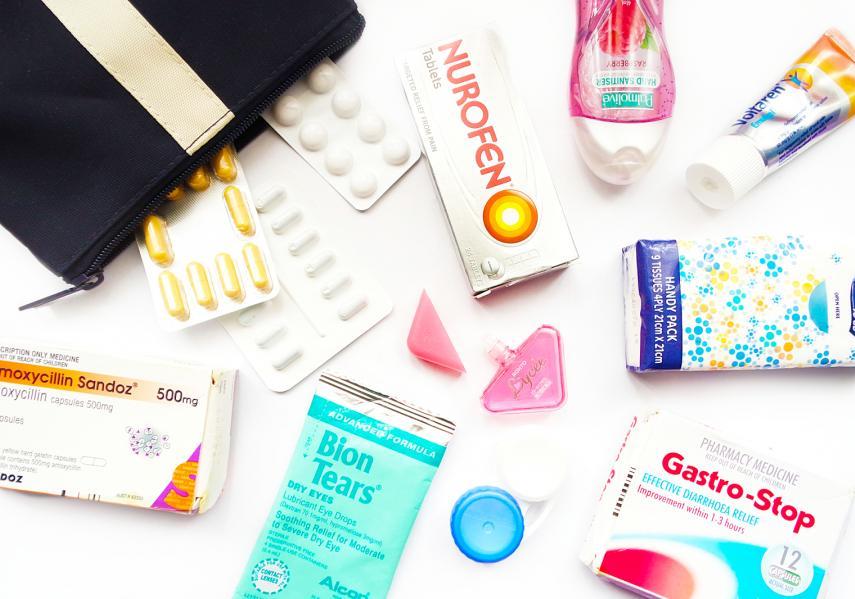
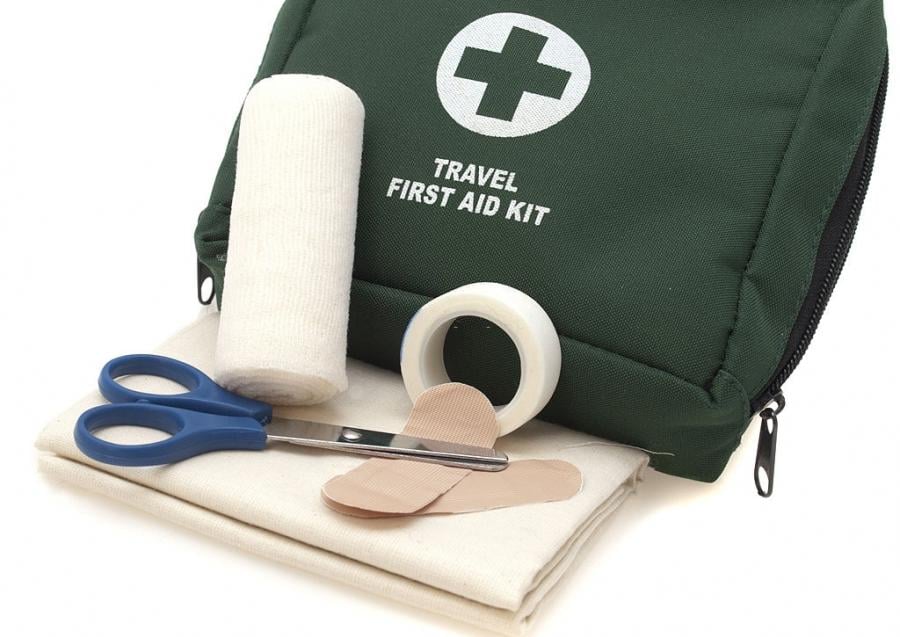
The first type of medication to consider is insect repellent, which is essential for traveling in a tropical country like Vietnam. Next, bring medication related to digestion, as you might encounter problems with local food. You also don't know beforehand if you'll have allergies to local dishes, so prepare some allergy medication and research the medical conditions of your destination beforehand to have a plan in place.
2. Travel accessories
Sometimes you might forget the specific characteristics of your destination, and therefore not pack the right items for your trip. Remember that the tourist season in Vietnam often coincides with the rainy season, so prepare a lightweight, waterproof jacket; and don't forget a wide-brimmed hat as it will protect you from both sun and rain.
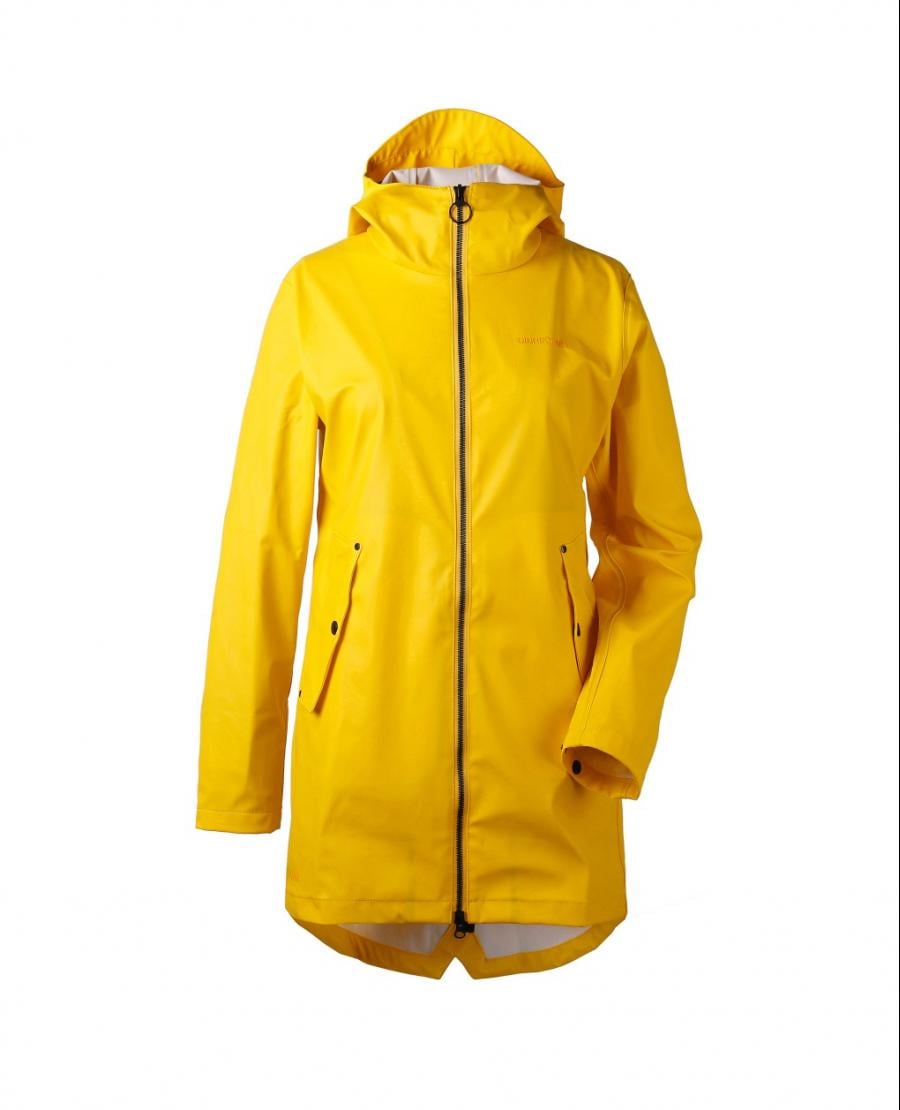
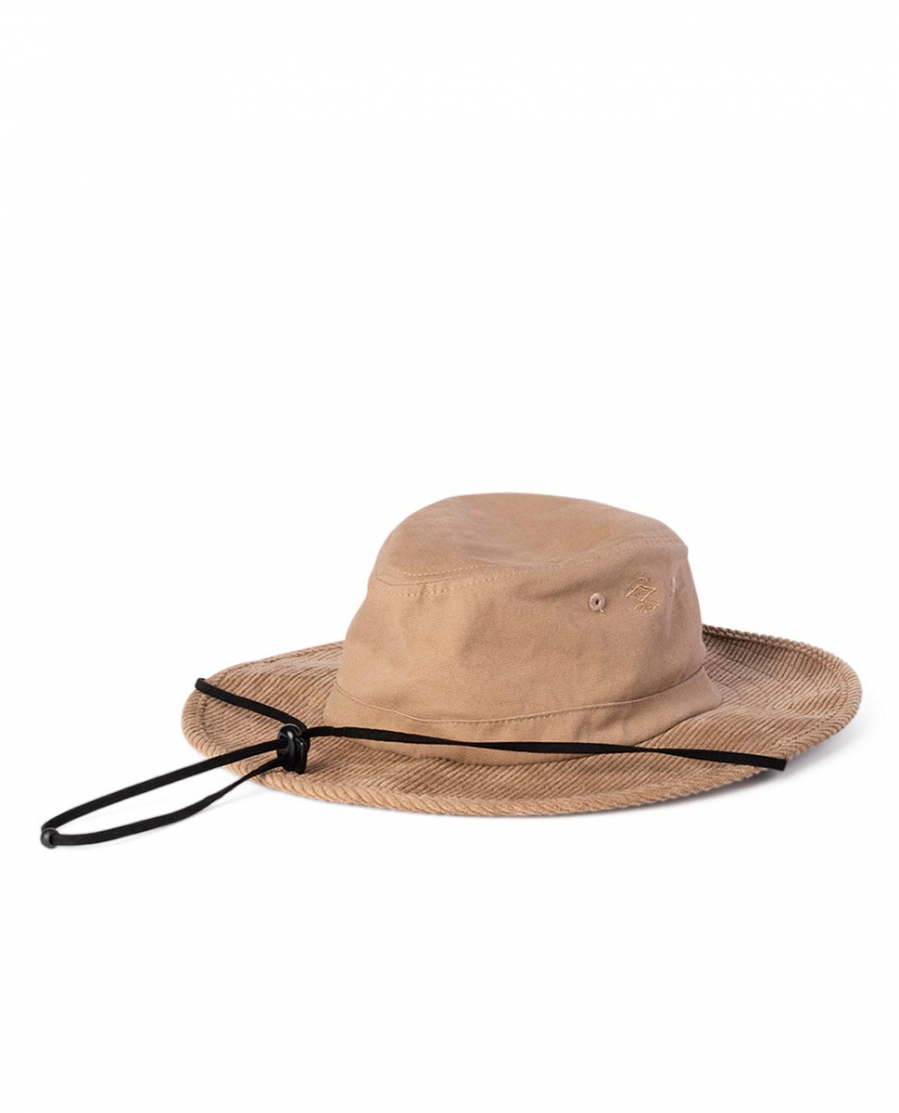
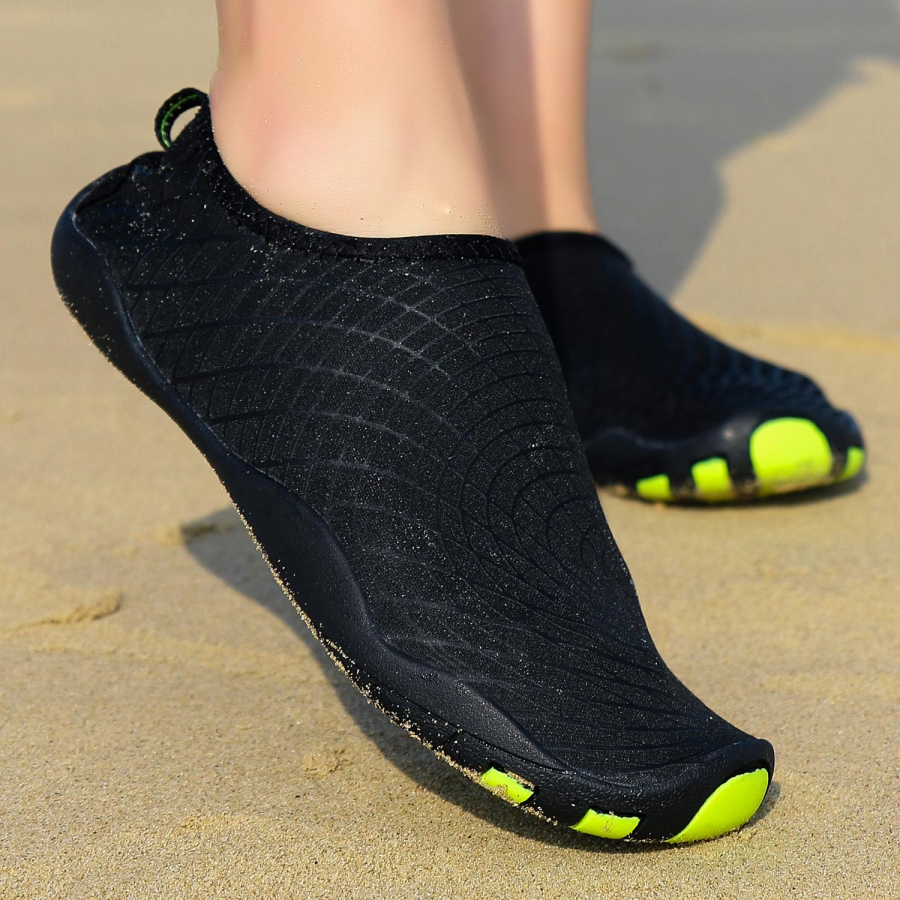
Beach shoes haven't received much attention, yet they are incredibly useful: they allow you to move comfortably from dry to wet conditions, from hiking to wading in the sea, from protecting against coral and barnacles to preventing slips when climbing... It's important to understand that if your feet aren't well protected, you won't be able to fully enjoy your journey.

Finally, prepare appropriate clothing. While we often want to dress nicely for stunning "check-in" photos, overly stylish or flashy outfits will exhaust you more than a neat outfit. Wear cropped or long-sleeved clothing to avoid bumps and scrapes while exploring. Brightly colored, eye-catching outfits will be especially helpful in emergencies like getting lost.
3. Travel toys
Packing essentials for travel is always a complicated matter because most of us – unless we're professionals or have a lot of experience – don't know exactly what we need. The answer is: just bring the basics.
Pack all your toys as compactly as possible. A professional camera isn't always as convenient as a high-end smartphone – you can absolutely film and take pictures underwater with a phone and a waterproof case. Tables and chairs are only really necessary if your destination lacks seating or has many obstacles; instead, you can use a tarp for everyone to sit together and spread out food. Don't overcrowd the dishes; focus on a few main courses, neatly stored in airtight containers. Bring charcoal and create your own safe, well-ventilated cooking areas; this way, you won't have to bring too much stuff.
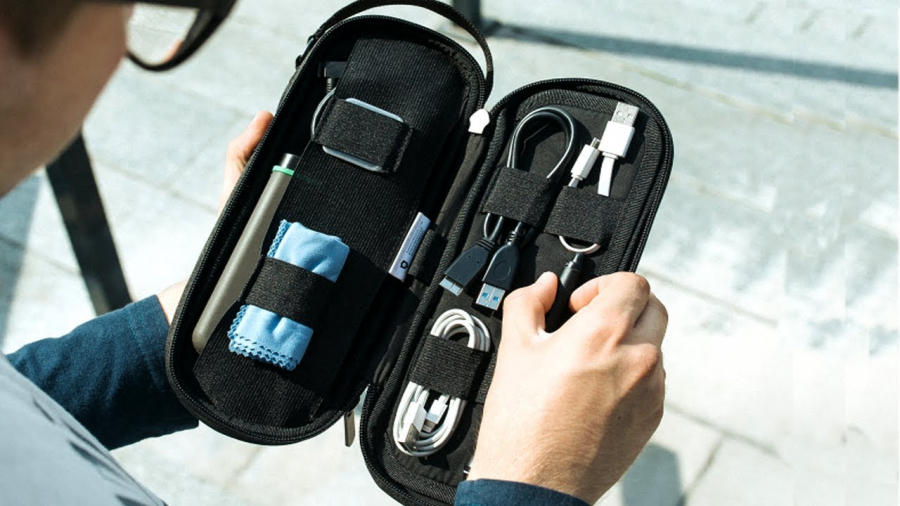
Each person may bring a small bag of personal items; other items related to shared living arrangements for the entire group will be divided equally to ensure everyone's health and well-being.
4. Food
It's never a bad idea to pack some small, dry food items in your backpack for when you're feeling weak or miss a meal. Dried fruits (grapes, bananas) are the best option because they provide many nutrients, are easy to store, compact, and easy to eat. Biscuits and dried food are also popular choices due to their convenience and availability at grocery stores before a trip. The downside of the foods mentioned above is that they are dry, so you'll need to drink water afterward. You should learn to drink water little by little, just enough to quench your thirst, instead of drinking too much at once, which will dehydrate you faster and make you sweat more.
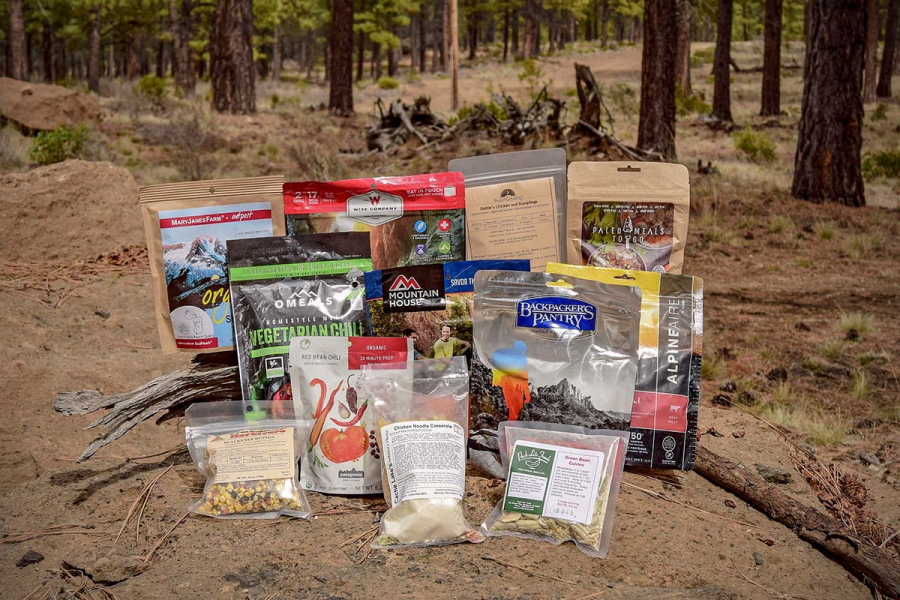
Another type of food that is increasingly used by professional travelers and explorers is packaged nutritional supplements. These can include vitamin jellies, mixed fruit juices, nutritional gels, etc. The advantage of these is that they are packaged in small, convenient pouches, provide plenty of energy, and are very good for those who are weak or have difficulty eating after a tiring journey.






.jpg.jpg)


.jpg.jpg)






