VI
VI


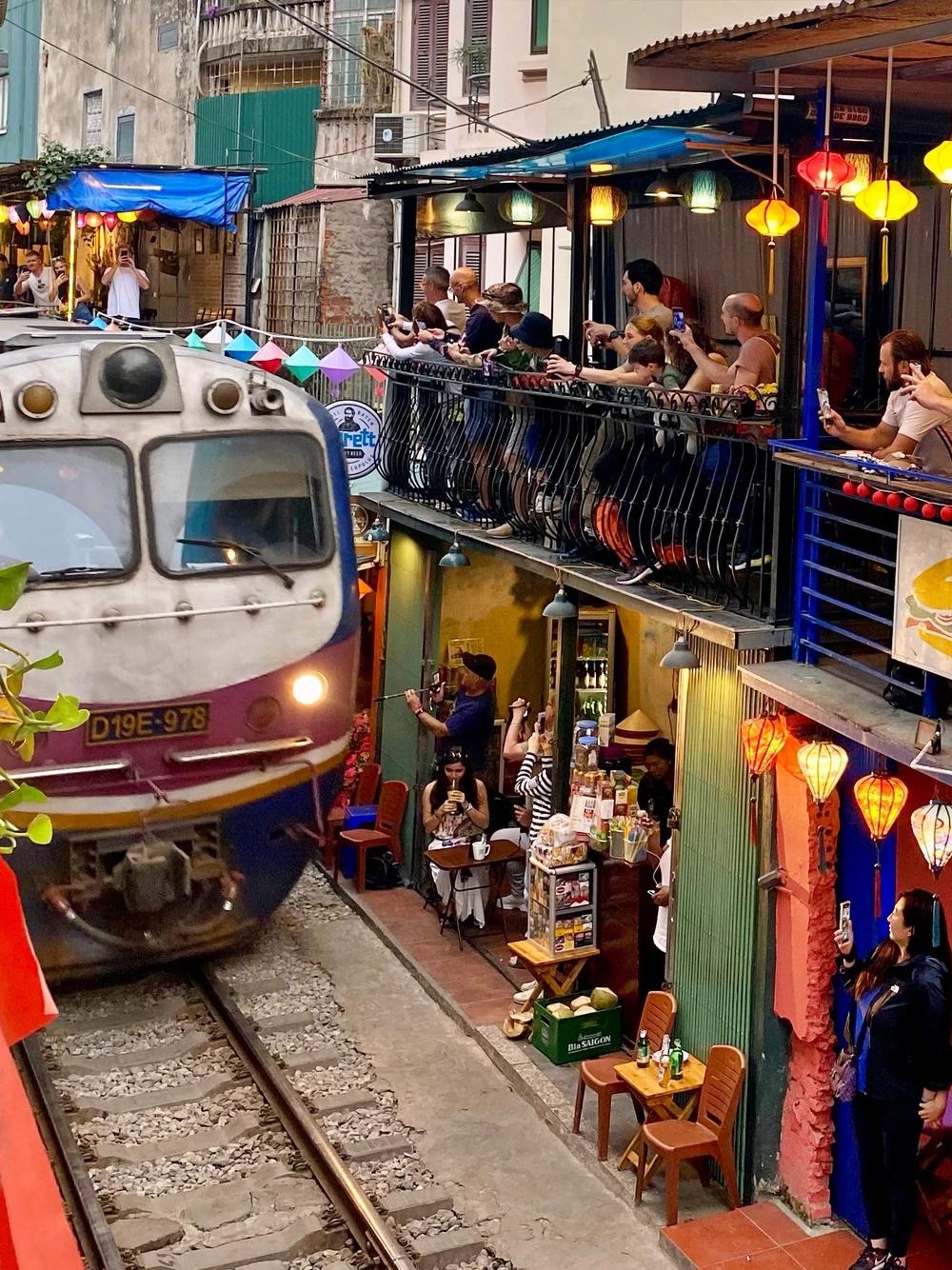
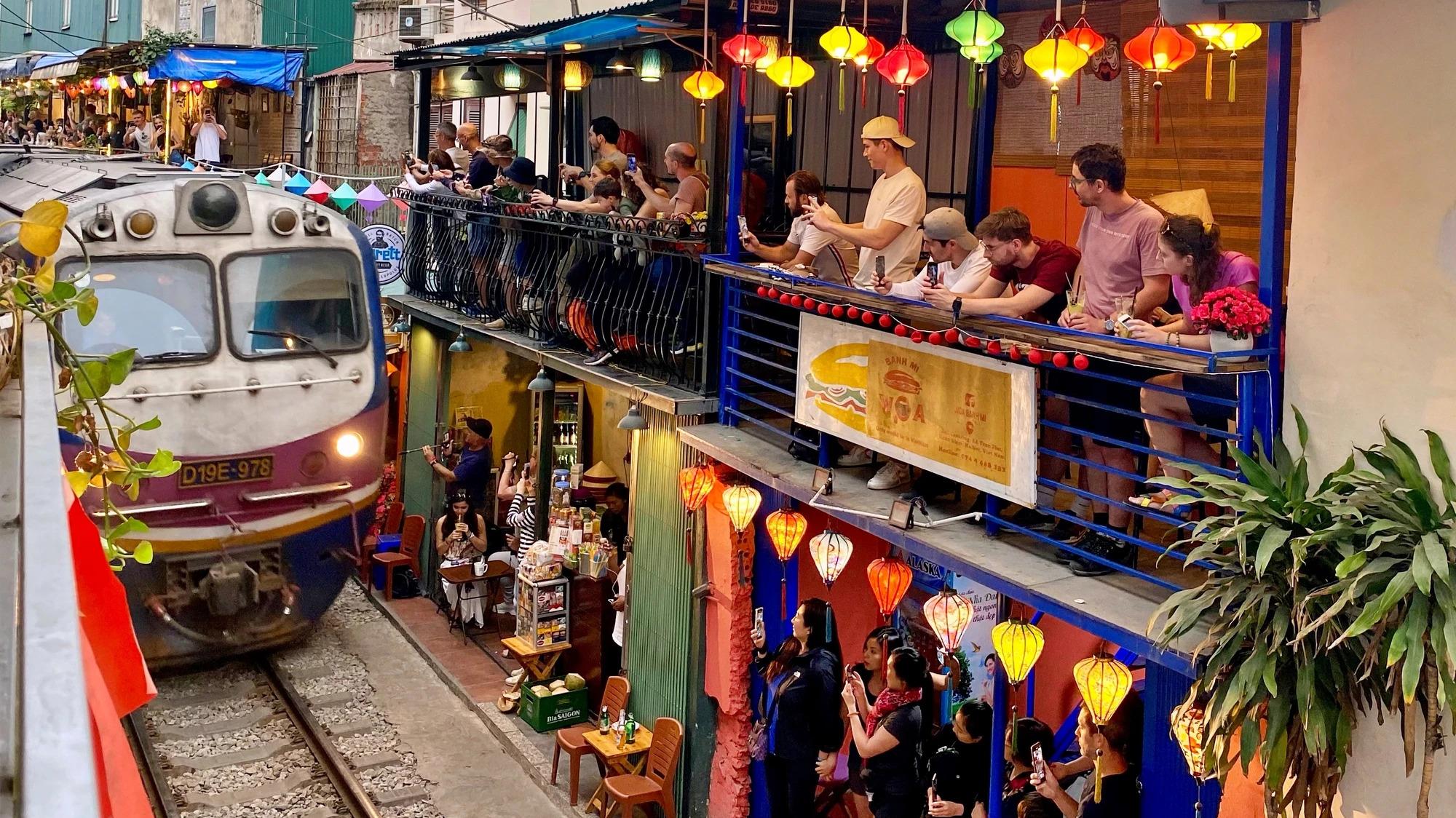
Hanoi, the thousand-year-old capital of Vietnam, is a city of unique beauty, a harmonious blend of historical and cultural values and the dynamism and modernity of the new era.
In particular, Hanoi is also a melting pot of Vietnamese culinary culture. Visitors can enjoy countless delicious dishes, from simple street food to high-end cuisine in luxurious restaurants.
According to Michelin, Hanoi is emerging as an incredibly attractive culinary destination for international tourists. Millions of diners worldwide have voted Hanoi the world's top culinary destination in 2024 on Tripadvisor, confirming the irresistible appeal of its sophisticated and diverse cuisine.
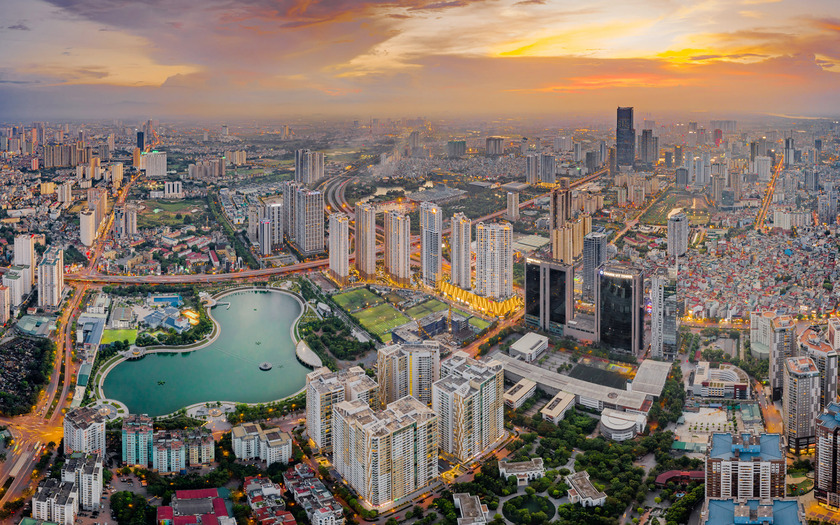
According to Michelin's assessment, Hanoi is emerging as an extremely attractive culinary destination for international tourists.
The introduction of the Michelin Guide marks a significant turning point for Hanoi's cuisine. The first three restaurants to be awarded one Michelin star have further affirmed the prestige and quality of the capital's culinary scene on the international food map.
Besides the 3 Michelin 1-star restaurants, Hanoi also made its mark with 13 restaurants that won the Bib Gourmand award – an award for restaurants with delicious food at affordable prices – and 32 restaurants honored in the Michelin Selected list.
Michelin's recognition has contributed to boosting culinary tourism in Hanoi, attracting a large number of international visitors to explore and experience its unique culinary delights.
Therefore, in just 48 short hours, visitors can fully explore the most exquisite aspects of Hanoi, following Michelin's recommended itinerary: experience traditional Hanoi and spend a day immersing yourself in the city's vibrant life.

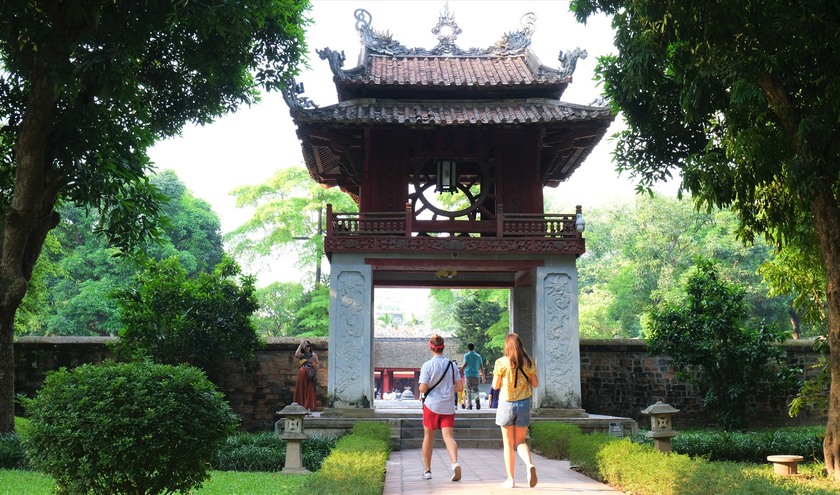
In just 48 short hours, visitors can fully explore the most exquisite aspects of Hanoi, as recommended by Michelin.
Day 1:
Eating beef pho at Au Trieu
Unlike the typically clear and light broth of Hanoi pho, the pho at the 4-generation Au Trieu family-run pho restaurant has a distinctive flavor with a cloudy, rich, and savory broth. This family secret, passed down for over 80 years, has created a unique brand, attracting a large number of diners. It is known that the owner is the grandson of the owner of the once-famous Tu Lun pho restaurant on Hai Ba Trung Street. Among Hanoi's pho brands, Tu Lun has been featured most frequently in literature and journalism.
The broth at Au Trieu pho is simmered from beef bones for many hours, along with secret spices, creating an irresistibly sweet, rich, and savory flavor. The soft, chewy rice noodles are served with finely minced beef, thinly sliced and marinated with a few sprigs of fresh ginger before being placed on top. This preparation method ensures the beef is tender, absorbs the flavors, and releases a fragrant aroma, setting it apart from other pho restaurants.
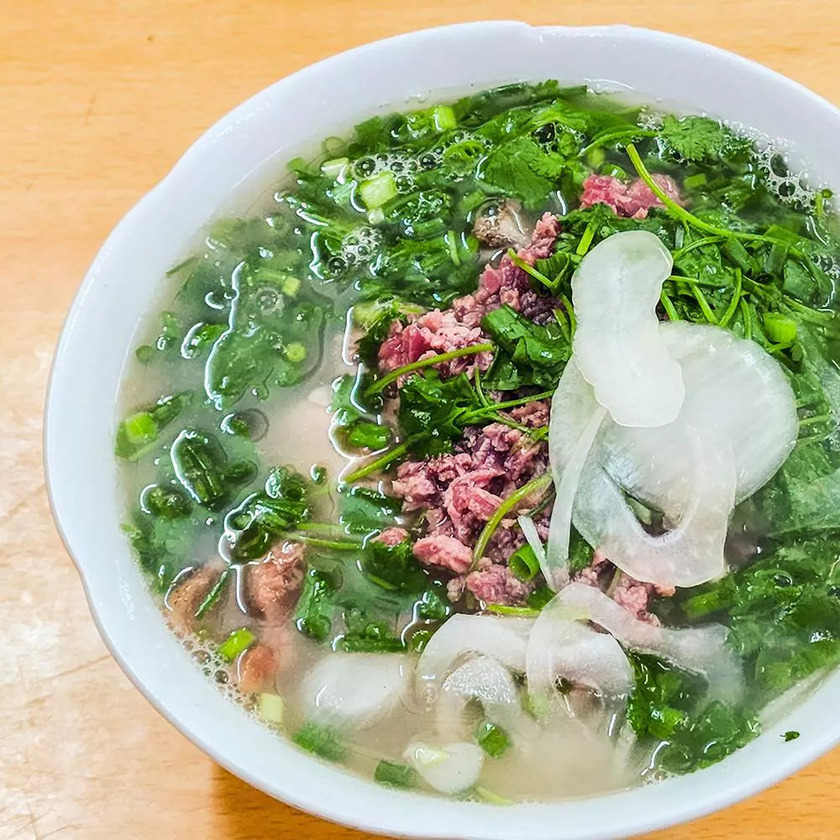
Unlike the typically clear and light broth of Hanoi pho, the pho at the 4th-generation Au Trieu family-run pho restaurant has a distinctive flavor with a cloudy, rich, and savory broth.
Drinking coffee at Trieu Viet Vuong
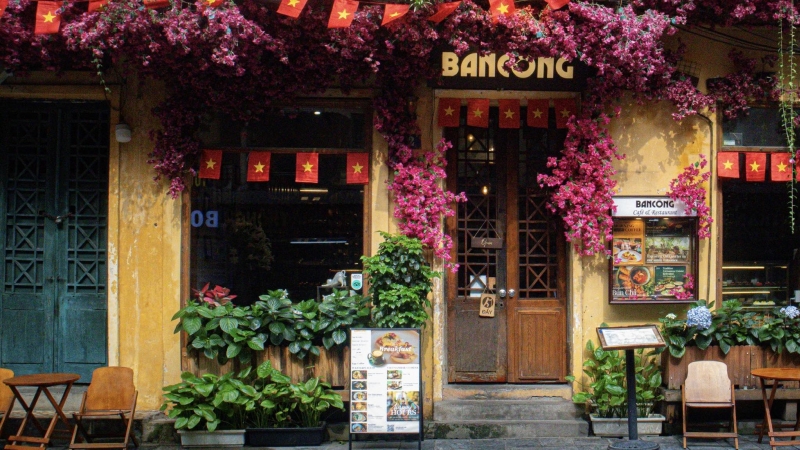
When people think of Hanoi, they often picture ancient streets, historical sites, and delicious food. However, for coffee lovers, Hanoi also hides a "paradise" called Trieu Viet Vuong. This area not only boasts a large concentration of coffee shops but is also an ideal destination to experience the blend of modernity and the past of the capital city.
Walking along Trieu Viet Vuong street, you'll encounter countless cafes with diverse styles, from classic to modern, from vintage to minimalist. Each cafe has its own unique charm, creating a colorful and vibrant scene on the street. Some notable cafes on Trieu Viet Vuong street include Tho Cafe, Cafe Thai, Cafe 55, and others.
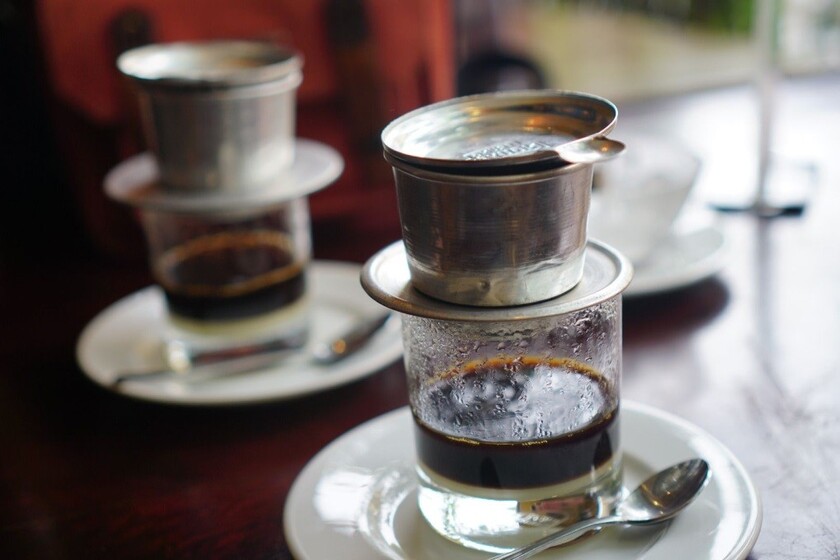
For coffee lovers, Hanoi also holds a hidden "paradise" called Trieu Viet Vuong.
Visit Hoa Lo Prison
Hoa Lo Prison, also known as Hoa Lo Prison or Maison Centrale in French, is a famous historical site located at 1 Hoa Lo Street (Hoan Kiem District, Hanoi). Built in 1896 by the French colonialists, this prison was once a place of brutal imprisonment and torture for thousands of Vietnamese revolutionaries and patriots throughout the French colonial period.
Having weathered many historical ups and downs, today, Hoa Lo Prison only retains approximately 2,434 square meters.2However, this historical site has been preserved intact, becoming a destination that attracts tourists from both inside and outside the country. Visiting Hoa Lo Prison, tourists can admire historical artifacts and reenact the harsh prison life of revolutionary soldiers, thereby gaining a deeper understanding and appreciation of the nation's independence and freedom.
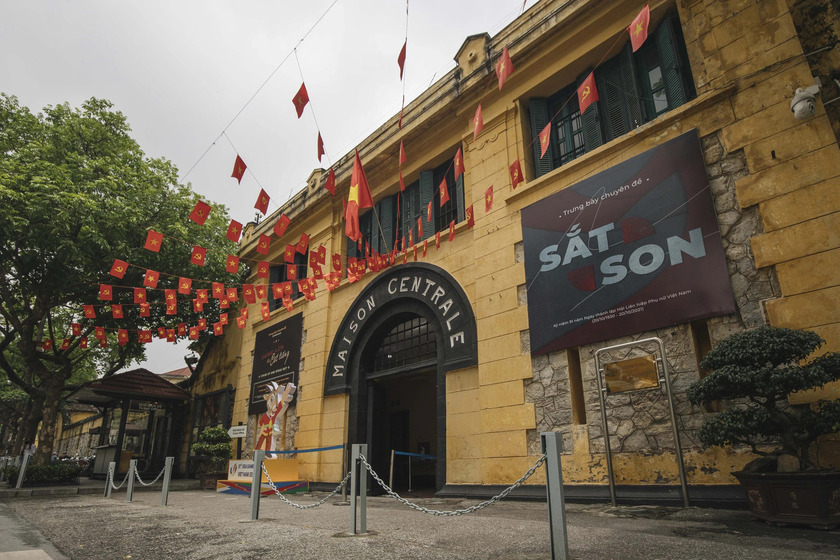
At Hoa Lo Prison, visitors can admire historical artifacts and witness a reenactment of the harsh prison life of revolutionary fighters.
Day 2:
Morning exercise in Thong Nhat Park
Strategically located at the intersection of four major streets in the capital: Dai Co Viet, Tran Nhan Tong, Nguyen Dinh Chieu, and Le Duan, Thong Nhat Park stands tall as a "green lung" in the heart of bustling Hanoi. Established in 1958 with an area of 50 hectares, it is one of the largest parks in the city, attracting a large number of locals and tourists every day.
In the early morning, Thong Nhat Park becomes bustling with lively sports and exercise activities. People come here to walk, practice yoga, play sepak takraw, badminton, or hang from the horizontal bar…
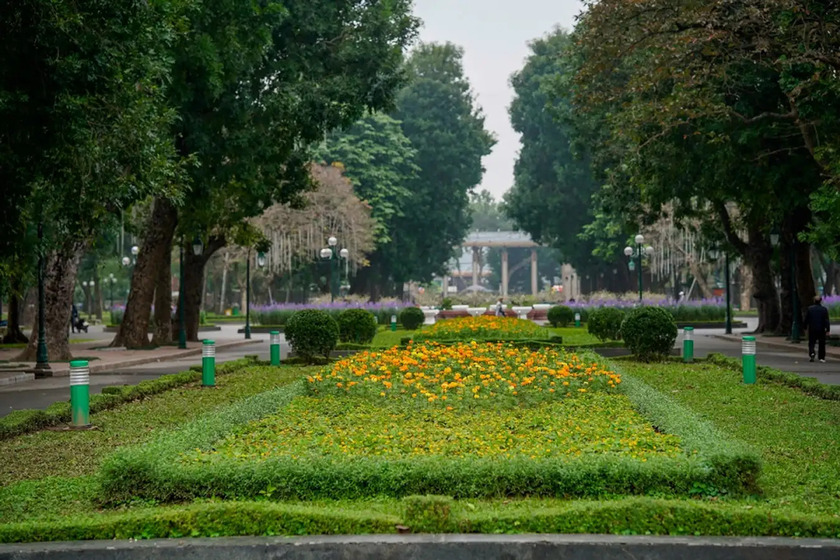
In the early morning, Thong Nhat Park becomes bustling with lively sports and exercise activities.
Discover the Hanoi Opera House
The Hanoi Opera House was built in the early 20th century in the French Renaissance architectural style, bearing a strong historical and cultural imprint. It covers an area of over 2,600 square meters.2The theater has a capacity of up to 800 spectators and is one of the largest theaters in Vietnam.
The highlight of the Grand Theatre is its unique and sophisticated architecture. The theatre's facade is adorned with intricate and meticulous floral patterns, along with a system of gracefully curved domes, creating a harmonious and impressive overall effect. Inside, the theatre is luxuriously and lavishly decorated with rows of red velvet cushioned seats and a modern sound and lighting system, offering visitors a high-class artistic experience.
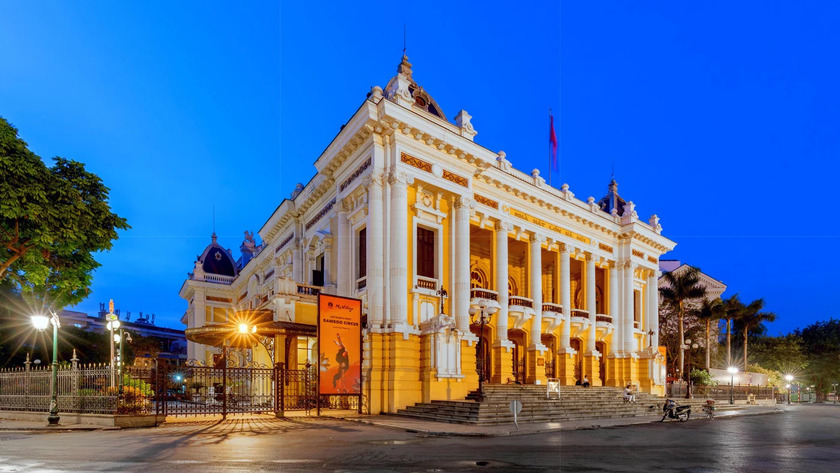
Visiting the Hanoi Opera House, tourists can not only admire its unique architecture but also immerse themselves in a sophisticated and classy artistic atmosphere.
Visiting the Hanoi Opera House, tourists can not only admire its unique architecture but also immerse themselves in a sophisticated and elegant artistic atmosphere. Furthermore, with its classic and luxurious beauty, it has become a backdrop for many films and art photographs, and a favorite destination for young people passionate about photography.
Visit the National History Museum.
The National Museum of History is a must-visit destination for anyone wanting to learn about Vietnamese history and culture. It houses a priceless collection of artifacts reflecting the nation's glorious history of nation-building and defense from prehistoric times to the Nguyen Dynasty in 1945.
Built in 1926 by the French, the museum boasts a distinctive blend of Eastern and Western architectural styles. Upon entering, visitors are overwhelmed by the vast and diverse collection of artifacts. It houses over 200,000 items, including ceramics, weapons, costumes, currency, and numerous valuable historical documents. The National History Museum is not simply a place for displaying artifacts; it also offers visitors the opportunity to participate in many engaging interactive activities.
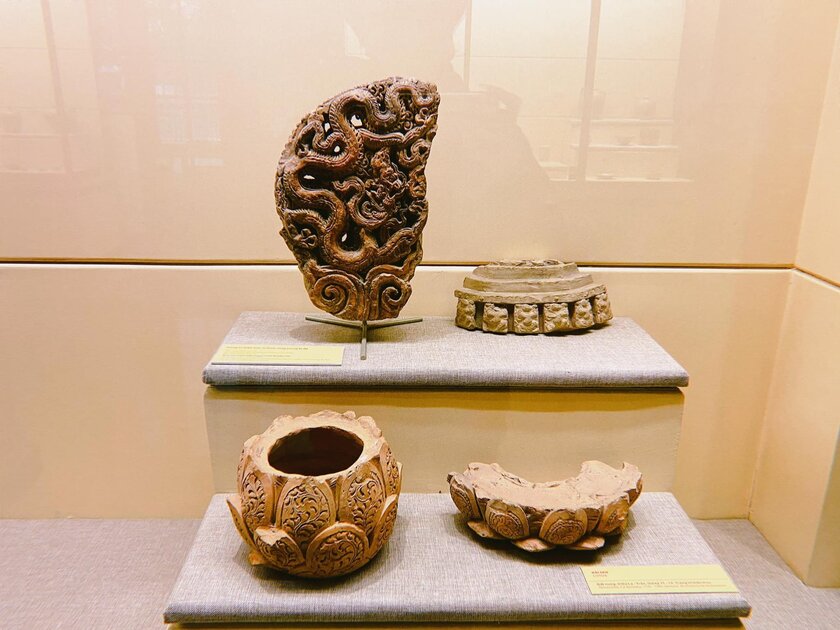
The National Museum of History is a must-visit destination for anyone wanting to learn about Vietnamese history and culture.