VI
VI


A completely different Hoi An amidst the unseasonal storm.
We arrived in Da Nang early on June 12th when the sky was still clear, but dark clouds began to gather, casting a gloomy gray over the airport. The road from Da Nang airport to Hoi An was cool in the middle of summer, a harbinger of the stormy days to come, with not a single ray of sunshine in sight.
When our motorbike was about 10 km from Hoi An, a light drizzle wet the road, dampening our spirits. And, as predicted by the weather forecast, the rain intensified as we approached the ancient town. The streets seemed to be submerged in a torrential downpour, stinging our faces and obscuring our vision. Soon, water began to rise, initially just on the sidewalks, then quickly reaching ankle-deep.
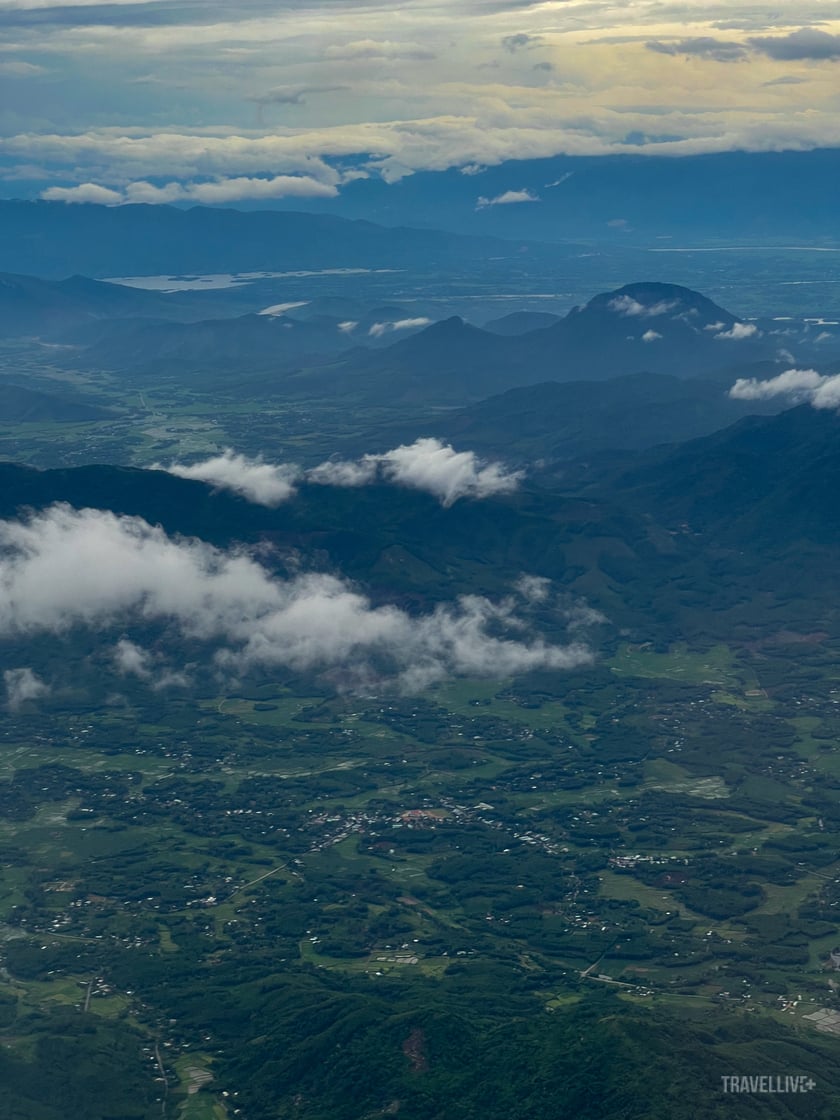
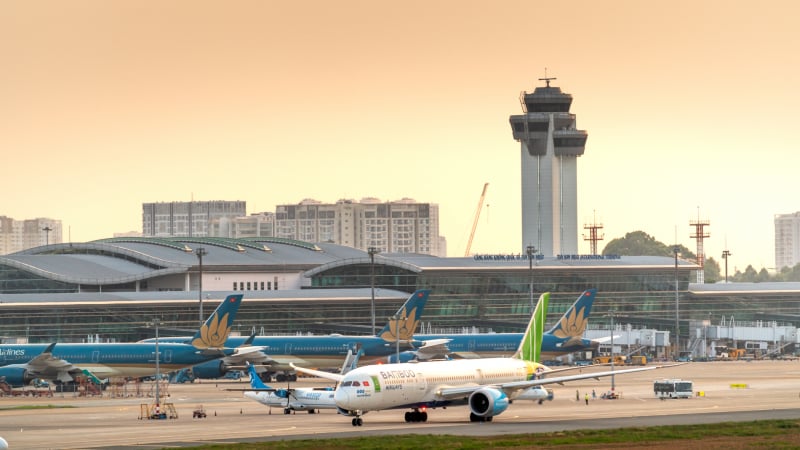
The scene in Da Nang before the storm.

Da Nang Airport

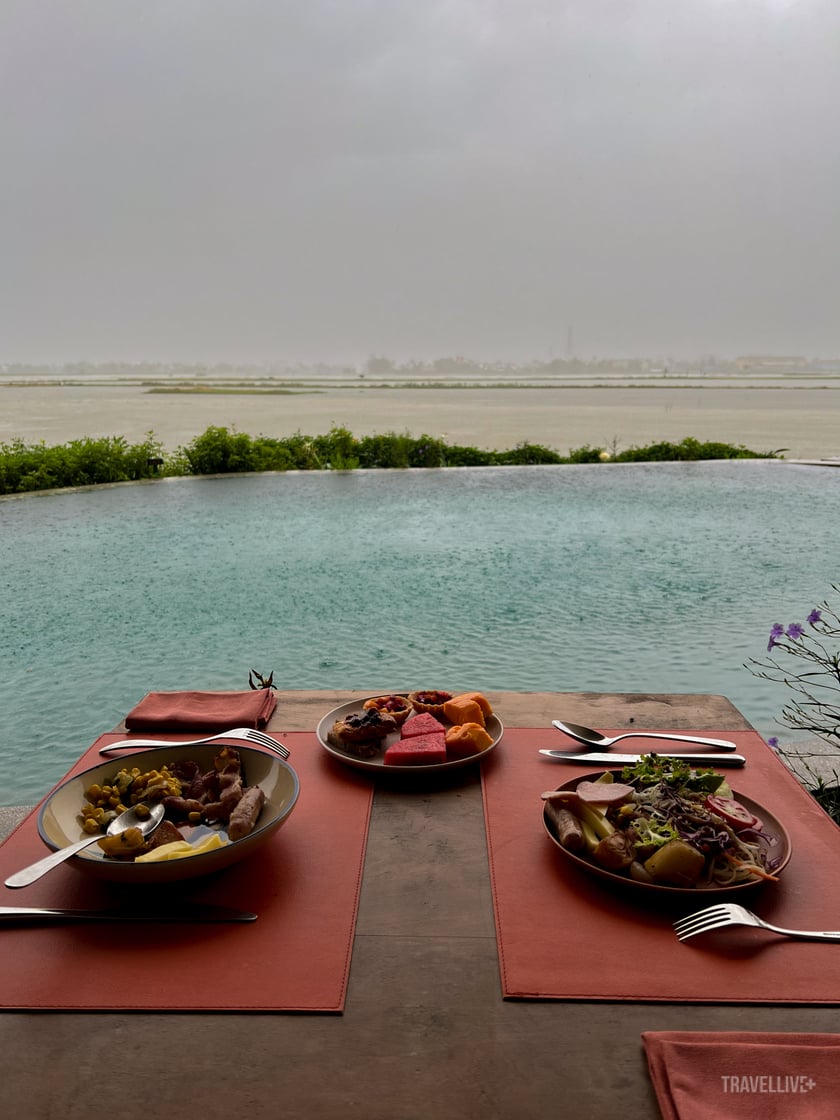
The impact of Typhoon Wutip brought heavy rain and strong winds to Hoi An.
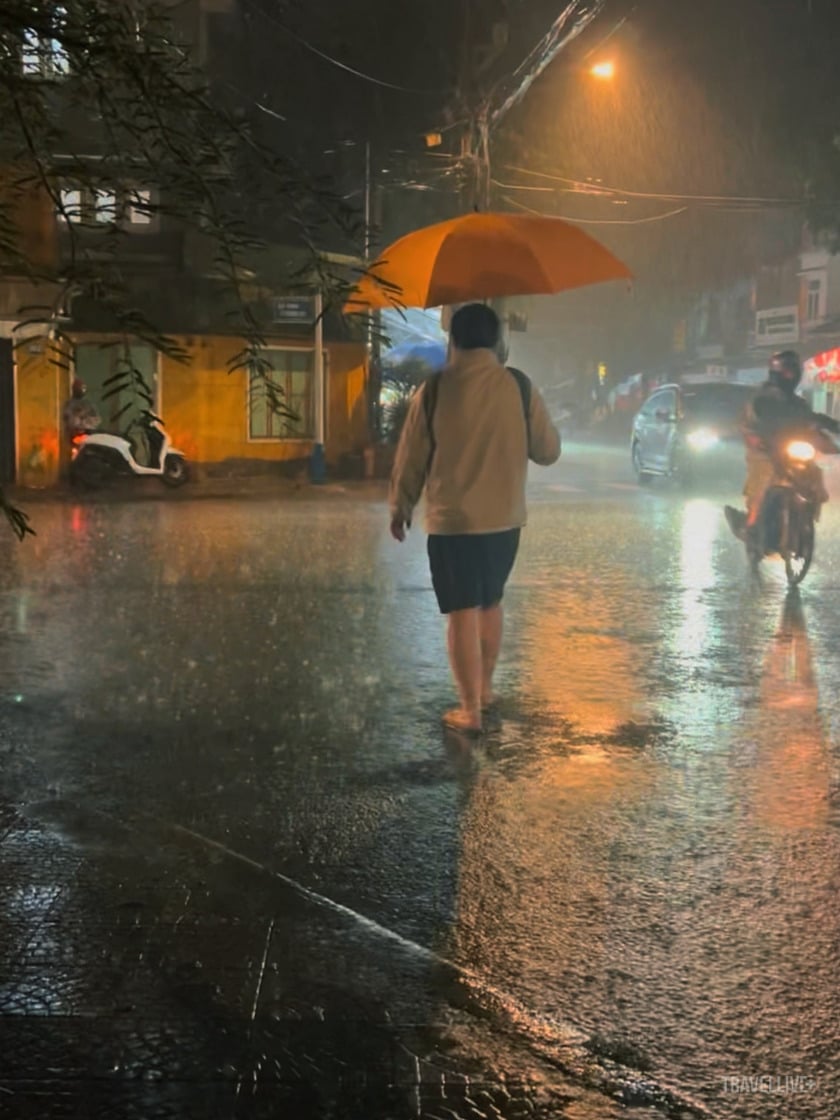
On the night of June 12th, Hoi An ancient town experienced heavy rain, causing flooding on many streets.
The bamboo grove beside the hotel swayed in the howling wind. Our hotel room—a luxurious penthouse on the top floor with a view of the lush green fields—had now become a lonely thatched hut in the middle of a flooded field. Our dreams shattered in the face of this bleak and cruel reality. Rainwater from the eaves flooded half the room, water dripped from the ceiling onto the bed and chairs, the cold stains evoking a feeling of helplessness.
Carrying two umbrellas, we left the hotel and crossed the flooded streets to the old town. The bougainvillea vines had fallen in the rain, the yellow walls were damp, the streets were flooded – there was no trace of the sunny and bustling Hoi An of June. The old town was deserted, only the unfamiliar sounds of a few foreign tourists chatting drifting from the lantern-making class I had planned to visit. In the soft yellow light, I sat with them, learning how to fold paper, glue, and bend bamboo strips under the guidance of the staff. Outside, the rain continued relentlessly.
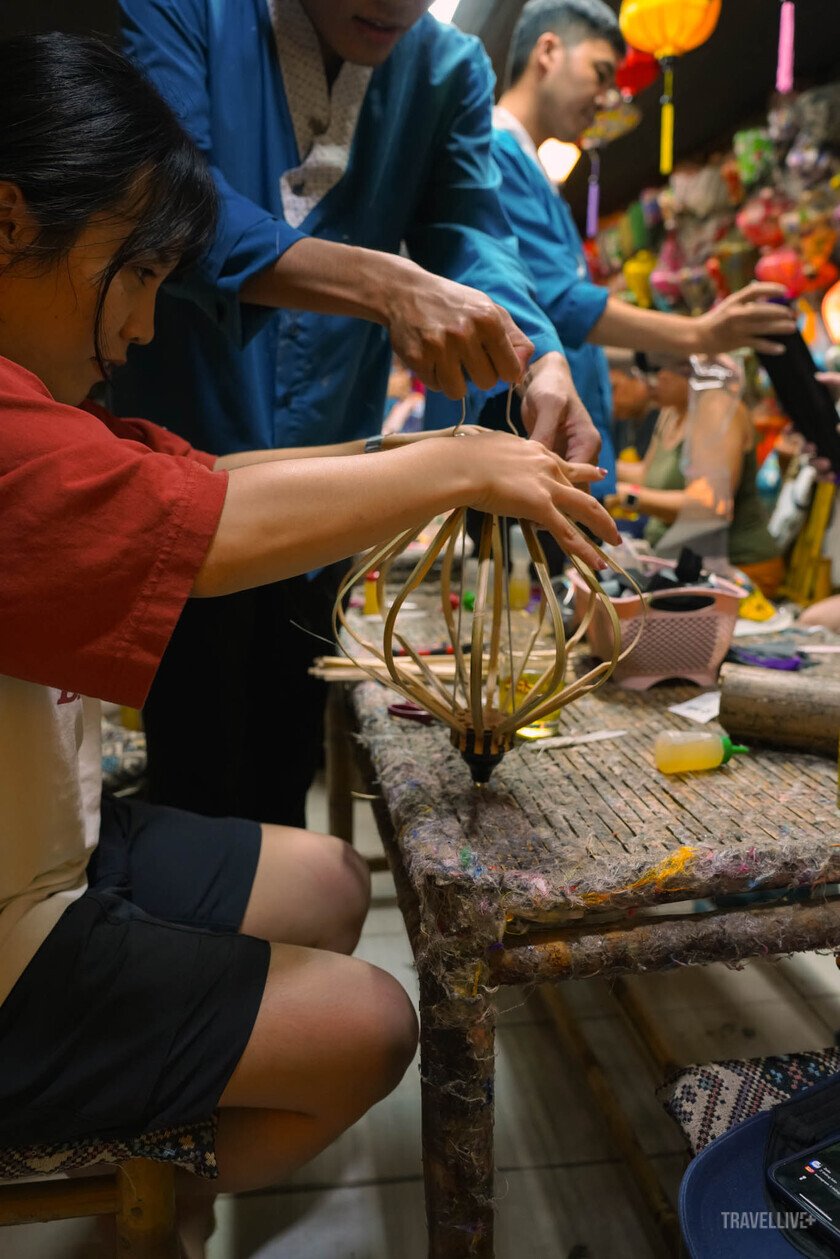
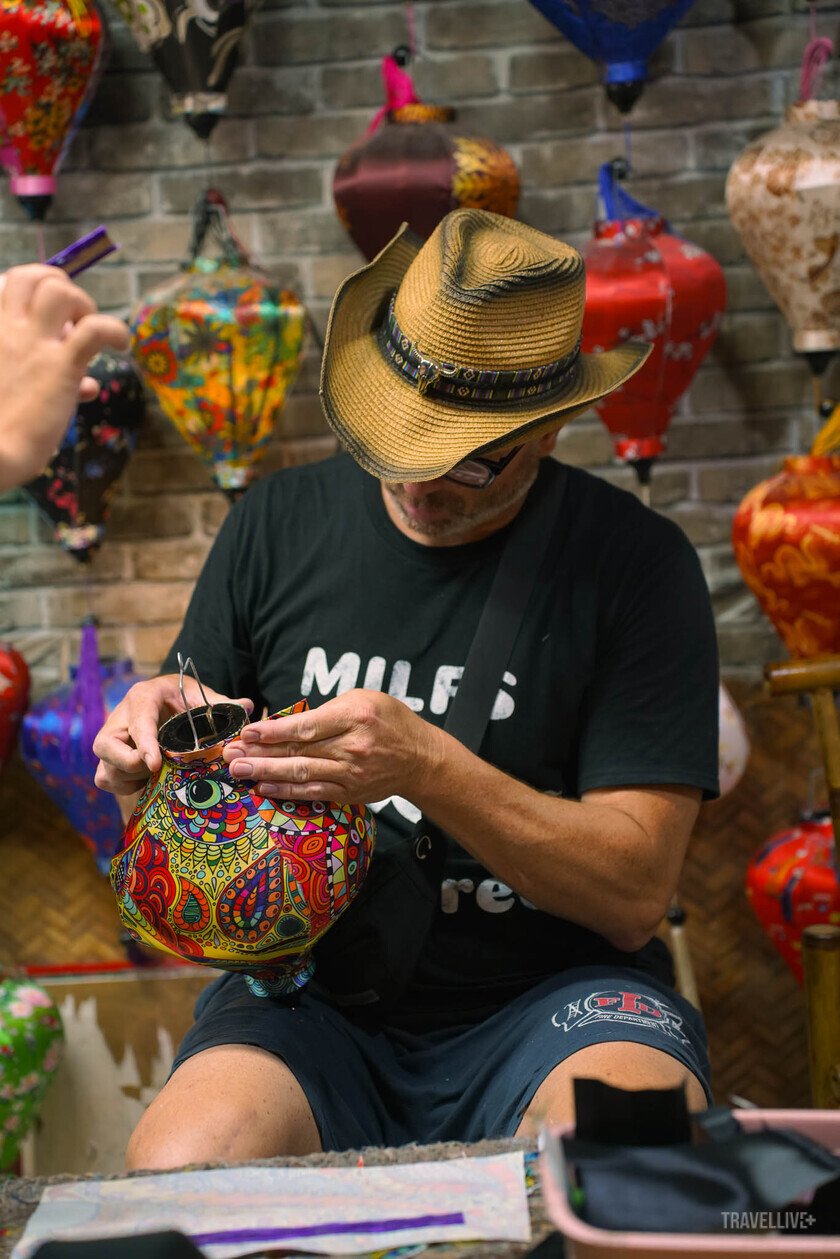
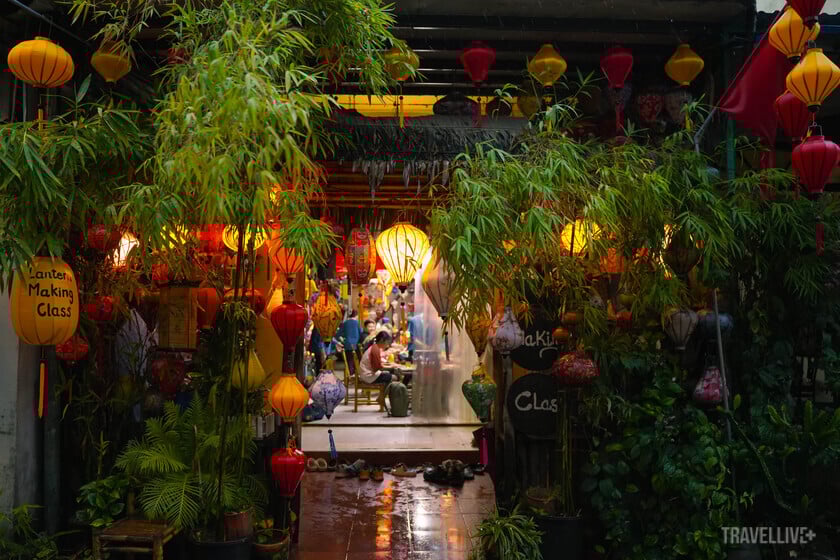
Lantern-making classes in Hoi An have become a place for many tourists to take shelter from the rain and explore traditional culture.
That moment was the last bit of warmth I found in Hoi An – where I lived five years ago. Like during the COVID-19 lockdown, Hoi An became eerily quiet and melancholic. The only difference this time was the heavy rain, washing away the laughter, footsteps, and everyday breaths of an ancient town that was once the vibrant heart of Central Vietnam's tourism.
Traveling to Da Nang on the day of the heaviest rain.
The following day, our 25km motorbike ride from Hoi An to Da Nang on the heaviest day of Typhoon Wutip was an unforgettable experience. The rain lashed against our faces, stinging, and strong gusts of wind whipped the trees along the roadside, making them sway as if about to collapse. Even the best rain gear wasn't enough to keep us soaking wet. Along the way, I had to cross 4-5 sections where the water was up to half the height of the wheels, and I witnessed many people having to stop because of the strong winds or being unable to cross the deep floodwaters. The journey, which usually takes only 40 minutes to an hour, lasted nearly two hours, filled with tension and exhaustion.
Arriving at the hotel soaking wet from head to toe, I was too exhausted to go anywhere. I spent the entire afternoon and evening in my room, listening to the wind howling outside, ordering food delivery, and comforting myself with a hot bath.


The stormy weather forced tourists to stay in their hotels, delaying their planned exploration of Da Nang.
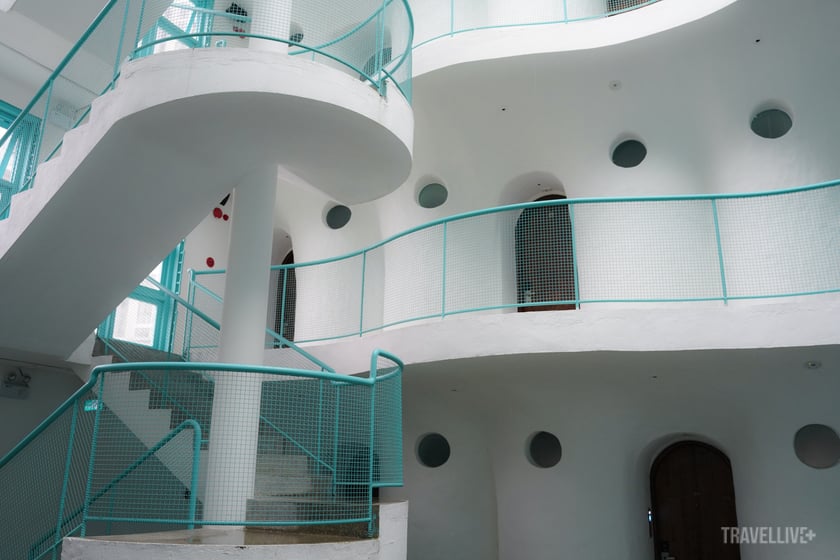
During storms, hotels become places to relax, enjoy, and rest after a long journey.
I once saw Da Nang bathed in brilliant golden sunshine, with spacious streets, and the Dragon Bridge and Han River Bridge resplendent in the afternoon sun. But this time, the city was left with only a gray sky and a white curtain of rain. Fortunately, the spacious and beautiful hotel, with its many photogenic spots, allowed me to happily enjoy my stay and recharge for my next journey to Hue.
The Heritage Train travels in the rain.
At 7 a.m., I left the hotel in a lighter rain than yesterday, but the sky was still a dreary, pale gray. We arrived at Da Nang station and boarded carriage number 4 of the Central Vietnam Heritage Train. Sitting in the quiet carriage, I silently watched Da Nang recede behind the condensation-covered window. My heart sank as my entire itinerary in Da Nang had to be put on hold.
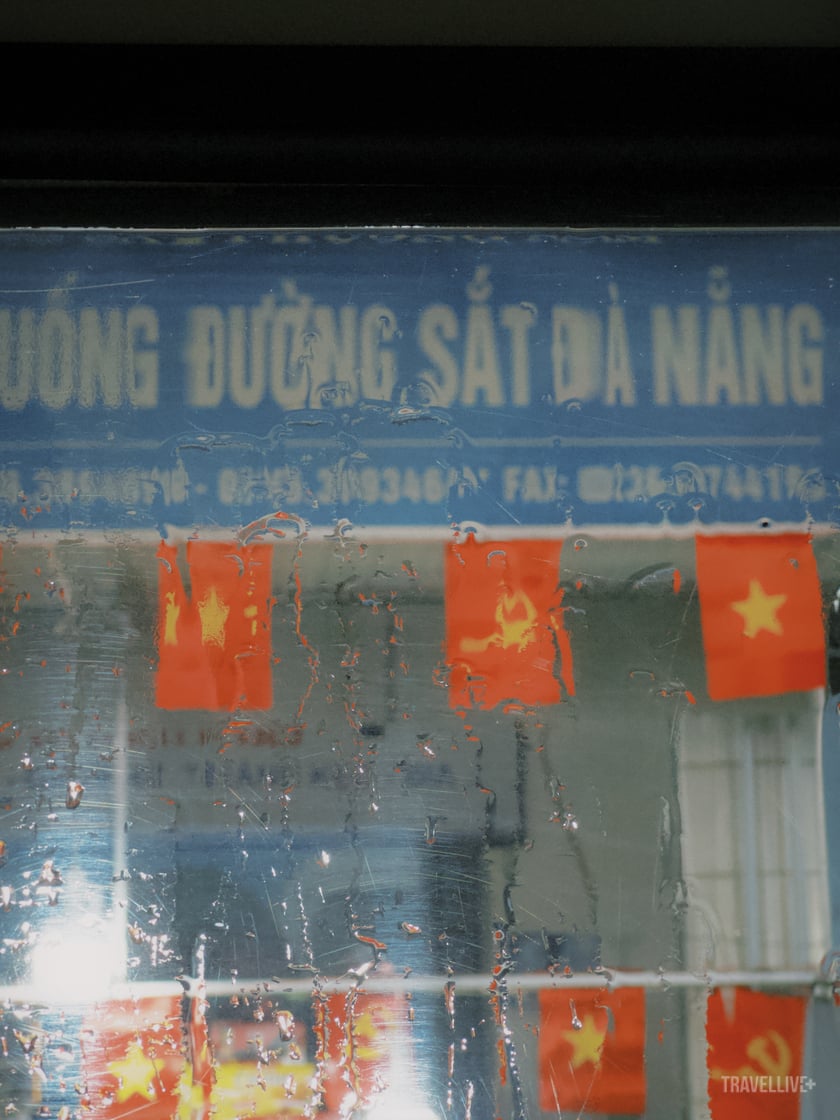
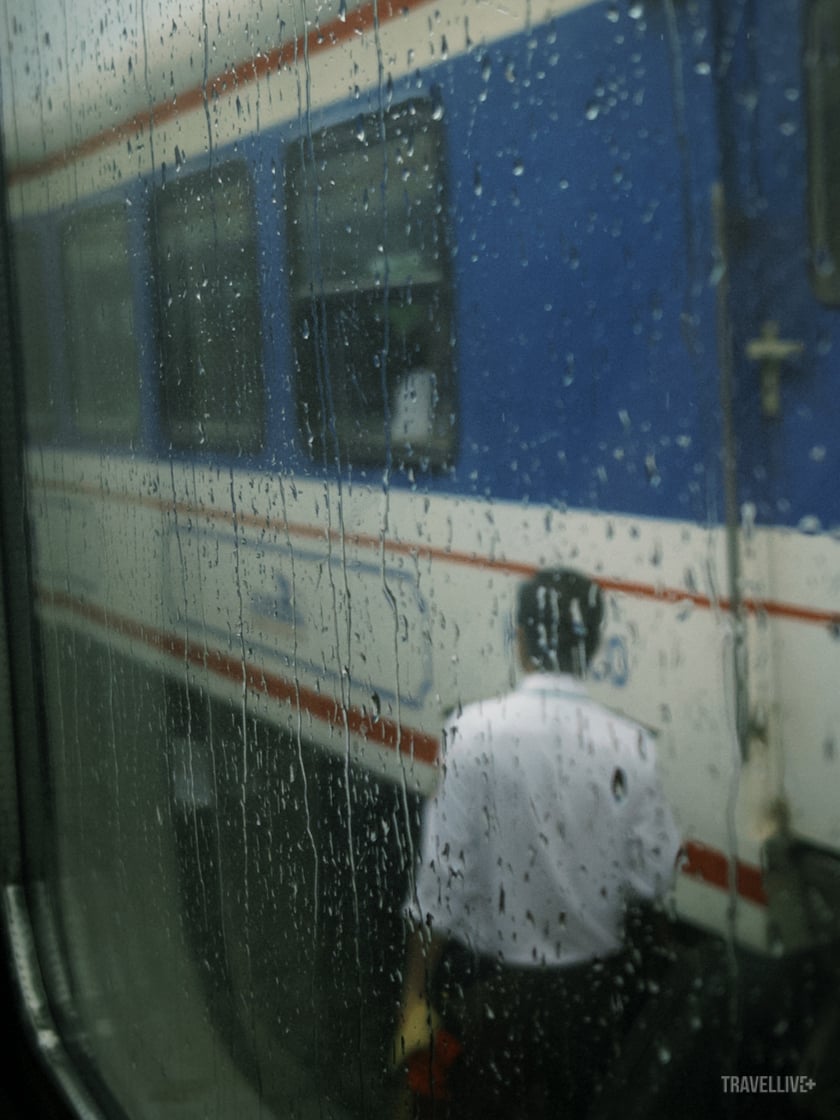
The train began its journey through the Hai Van Pass – a route I had longed to admire in the sunshine, but today it appeared somber and melancholic. The trees should have been lush and green in the Central Vietnamese sun and wind, but instead, only damp leaves lay silent under the gray sky. Yet, amidst this rain-soaked landscape, a surprisingly poetic scene unfolded. Pure white flowers bloomed profusely against a backdrop of deep green, like a comforting gift from nature to those of us less fortunate.
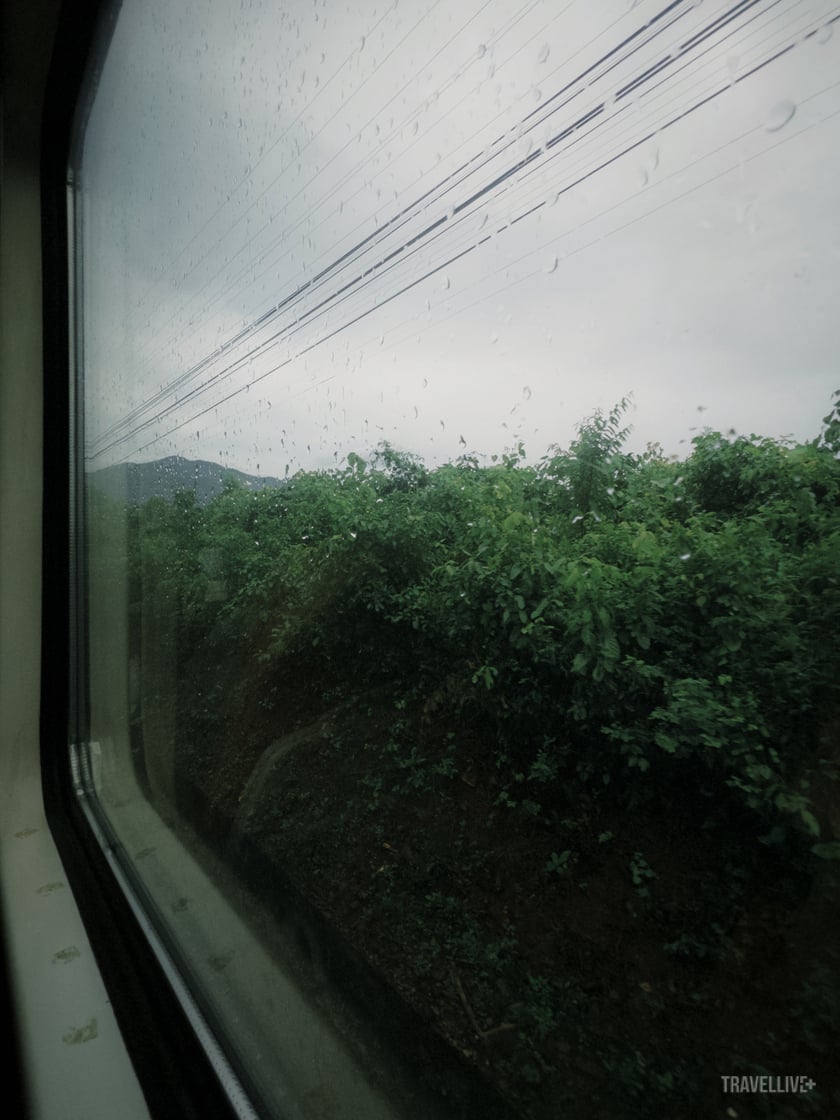
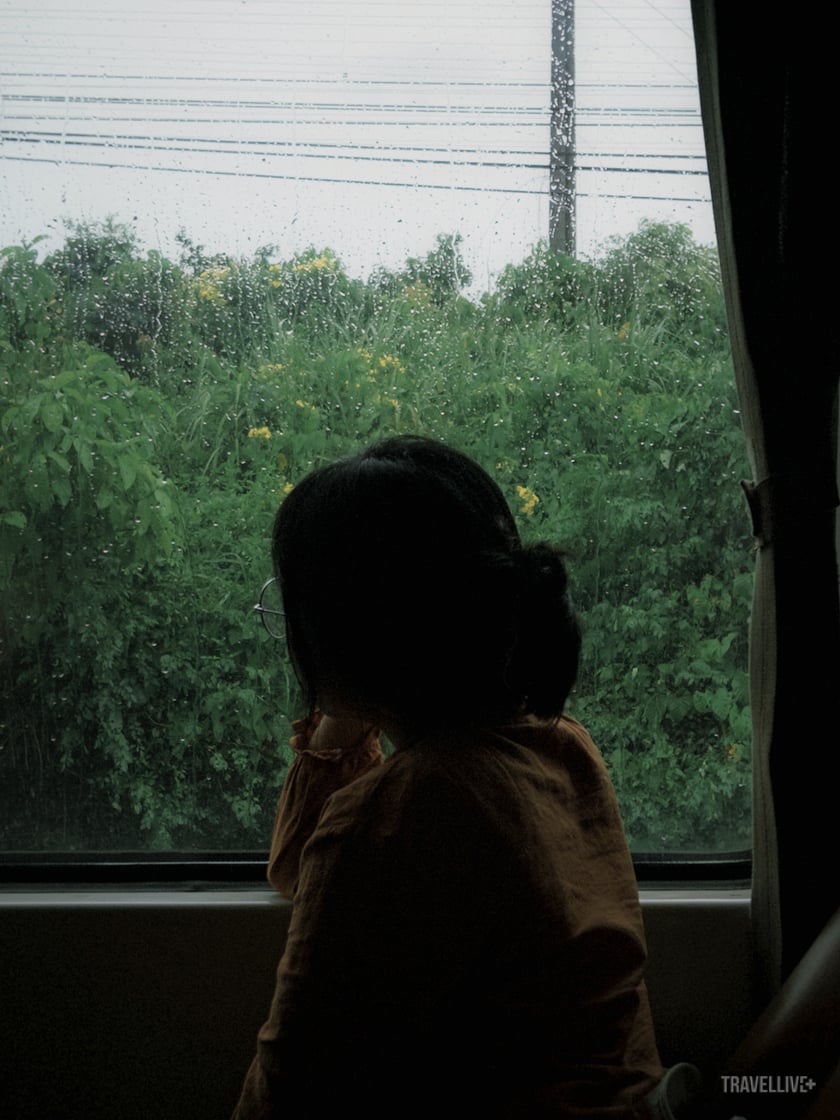
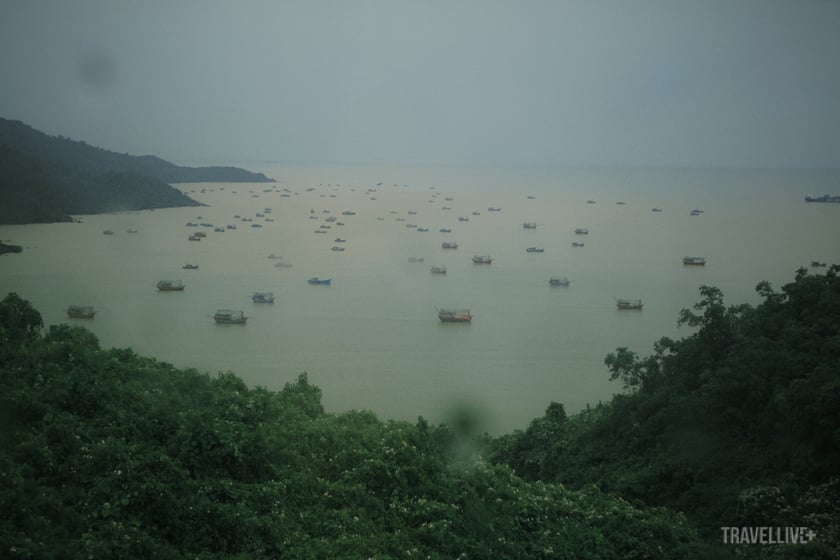
The scenery at Hai Van Pass is gloomy in the rain.
Sitting in compartment number 4, I could see the locomotive curving along the tracks, preparing to enter the tunnels through the mountains. We stopped to avoid three trains, and I caught a glimpse of the faces of the people on the opposite train as alternating patches of light and shadow appeared and disappeared as the train entered and exited the tunnel. The train stopped at Lang Co station for 10 minutes, enough time for us to get off and stroll around, breathe in the cool breeze after the rain, and admire the sea and the sky that was beginning to brighten. The journey continued, taking us through lush green fields, the calm Cau Hai lagoon like a mirror after the rain, and the rice paddies shimmering with water in Hue.
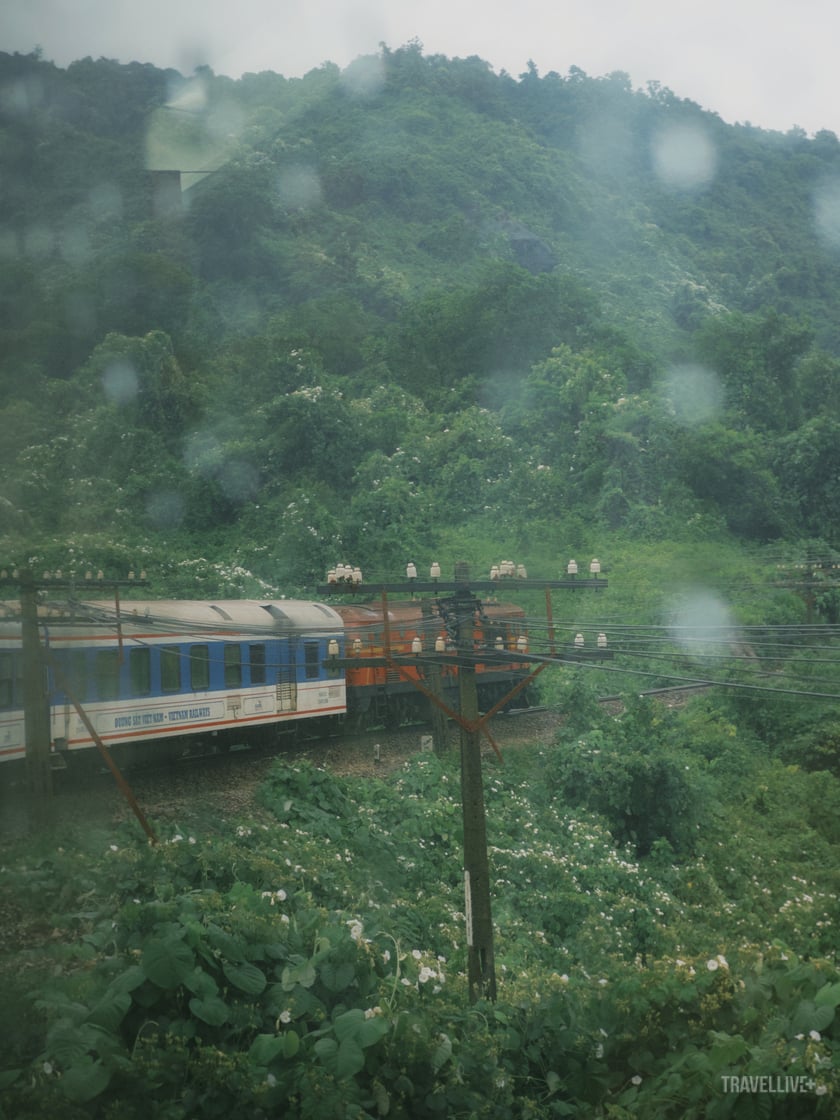
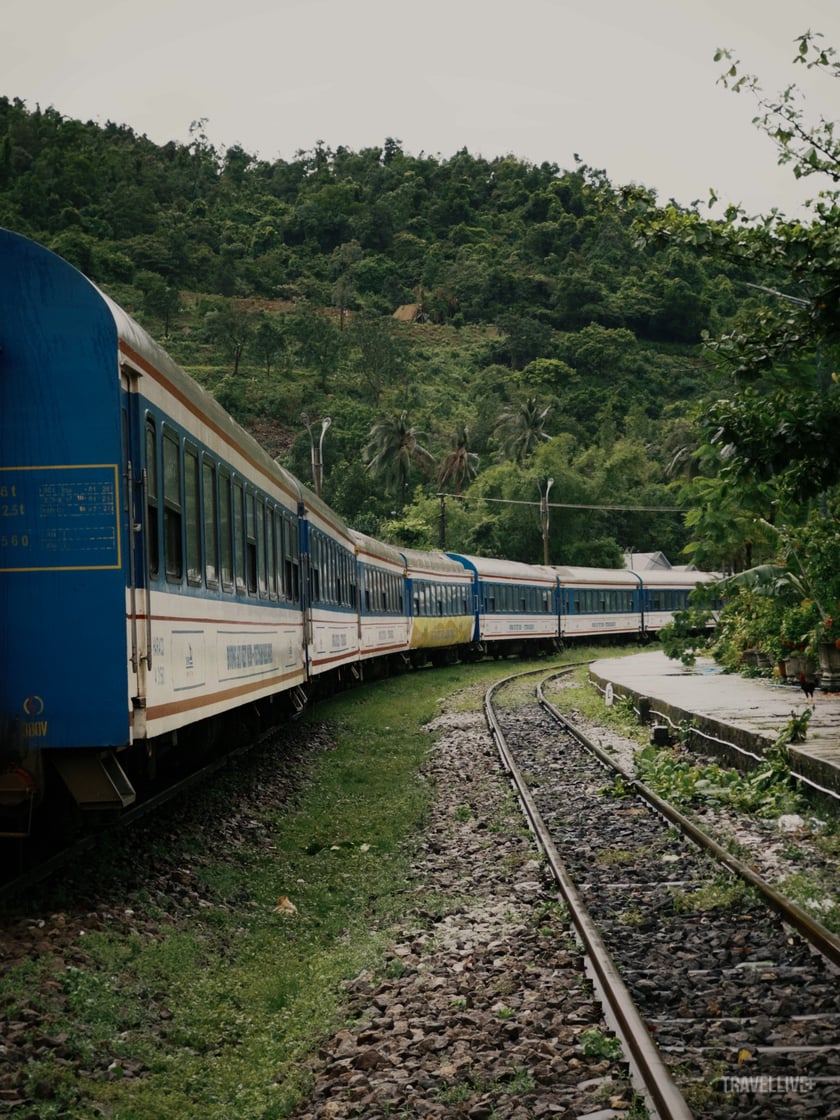
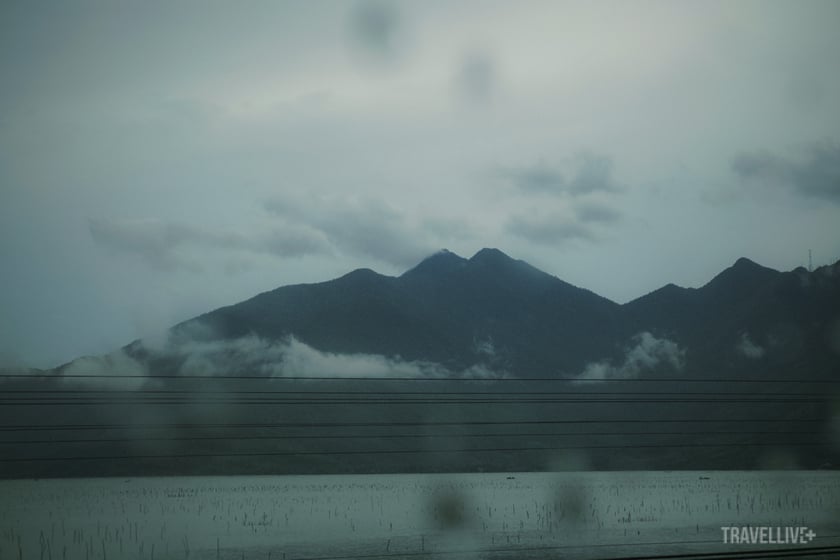
The beautiful scenery is like a gift from nature, offering solace to the travelers on board.
We thought Hue would appear peaceful after the rain, as if to soothe our weariness, but no. The moment we stepped off the train, it started pouring again. Another heavy downpour came unexpectedly, soaking us both once more on the way back to the hotel. This dreamy land welcomed us with a torrential downpour, as if to further test those who persevere in seeking beauty on less-than-ideal days.
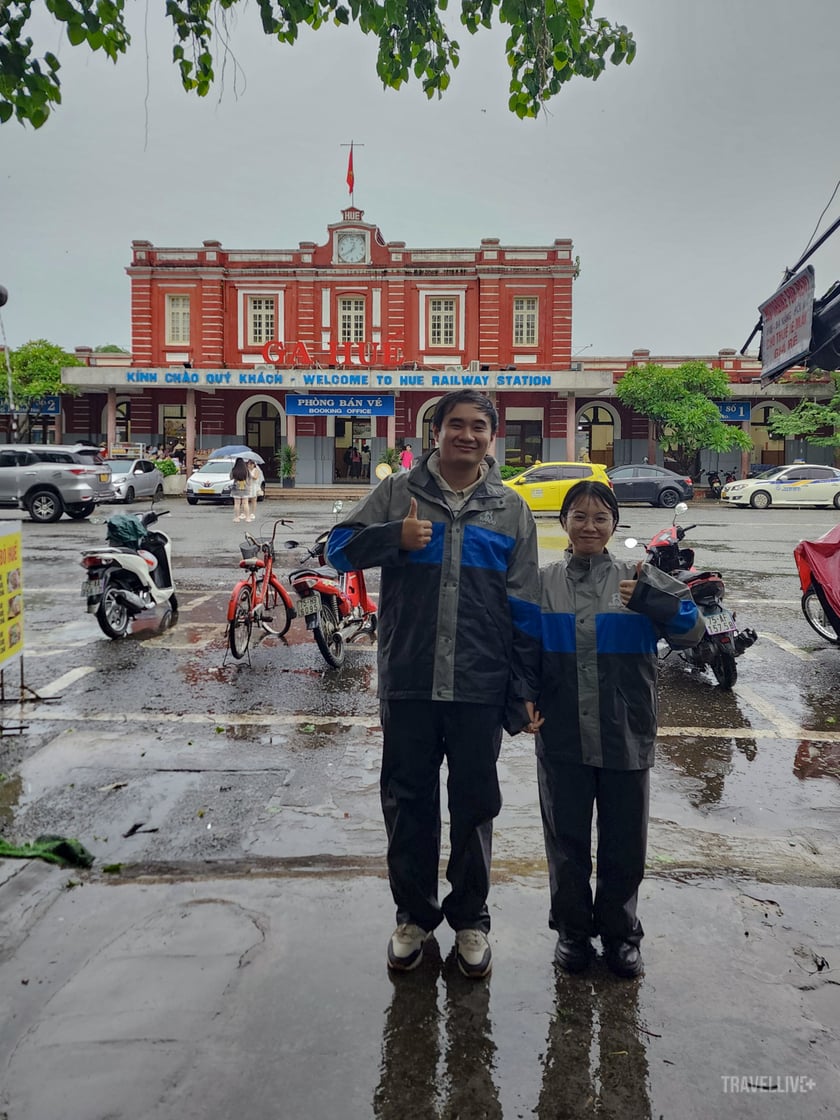
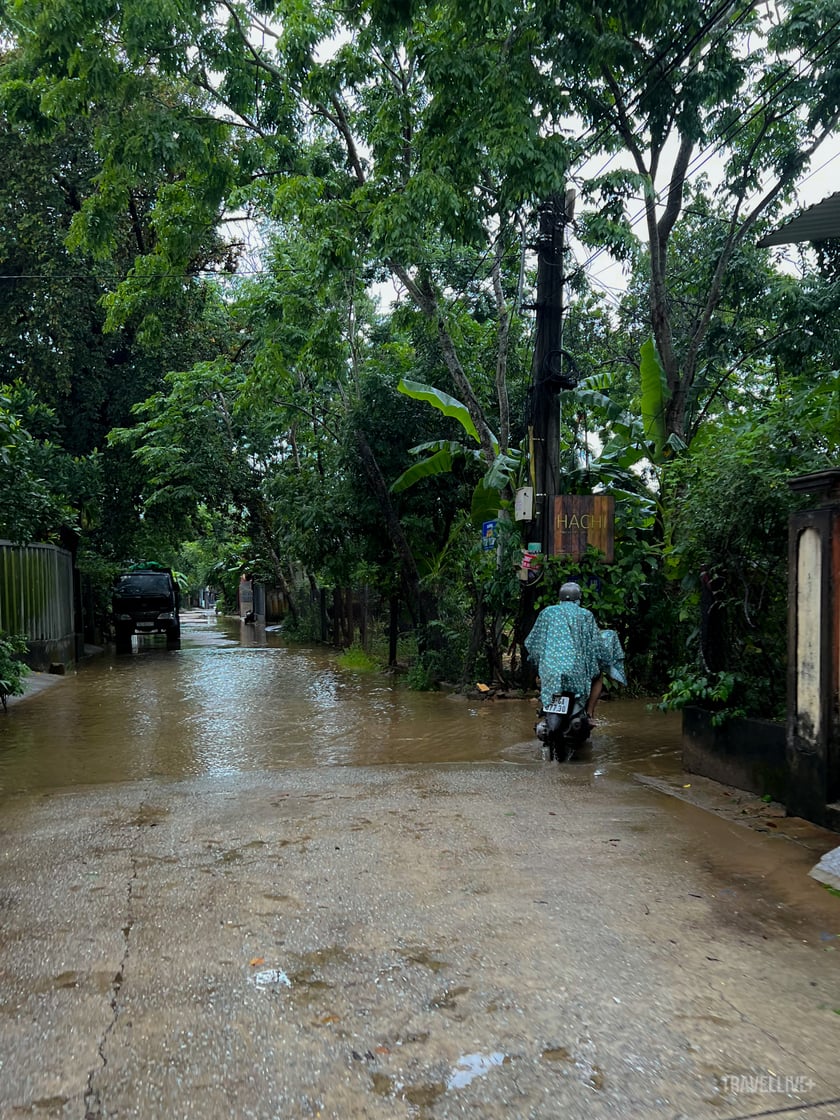
Encountering the "poetic" Hue on a beautiful day.
That afternoon, Hue was melancholic, like a slow melody. The air seemed to sigh along with me, a weary traveler exhausted by the persistent rain.
But the next morning, Hue unexpectedly embraced me with the warm golden sunlight of a beautiful day. The sound of roosters crowing from the garden woke me up before dawn. I stepped out onto the street, taking a deep breath of the rare cool air amidst Hue's notoriously sweltering summer, and stopped at a small roadside eatery to enjoy snakehead fish noodle soup made by the owners themselves.
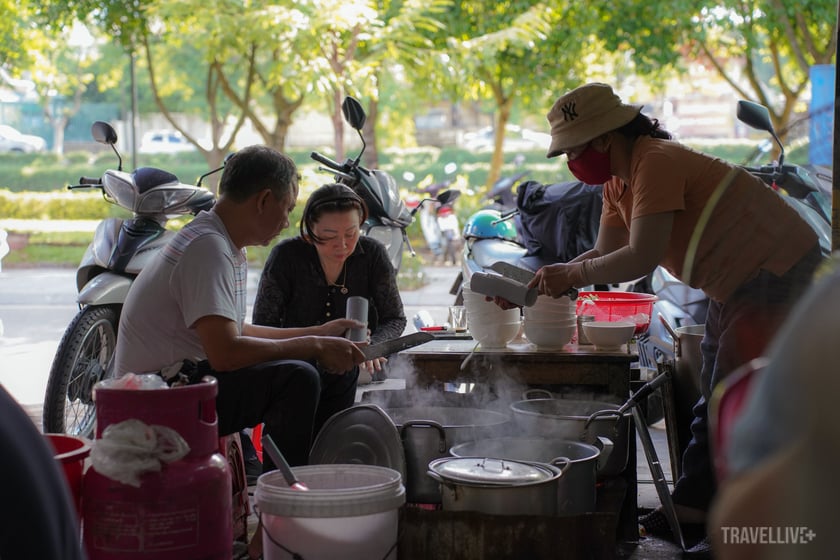
The snakehead fish noodle soup stall opens early in the morning in Hue city.
About a kilometer away, where the gentle sunlight stretched across the grounds of Hue National High School, I stood silently gazing, feeling as if I had just returned to a time of innocent youth, back to those mornings going to school, backpacks slung over my shoulder, skipping happily in the early morning sun.
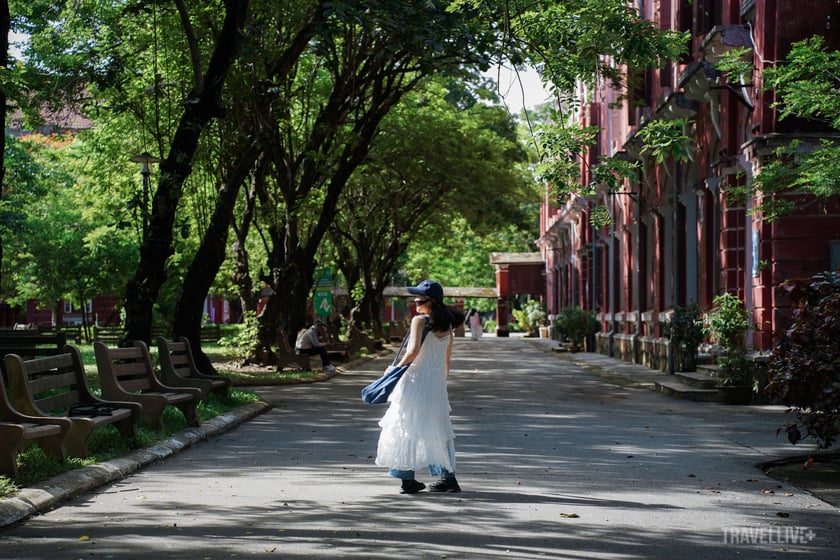
The sun shines brightly on the grounds of Hue National High School after the rain.
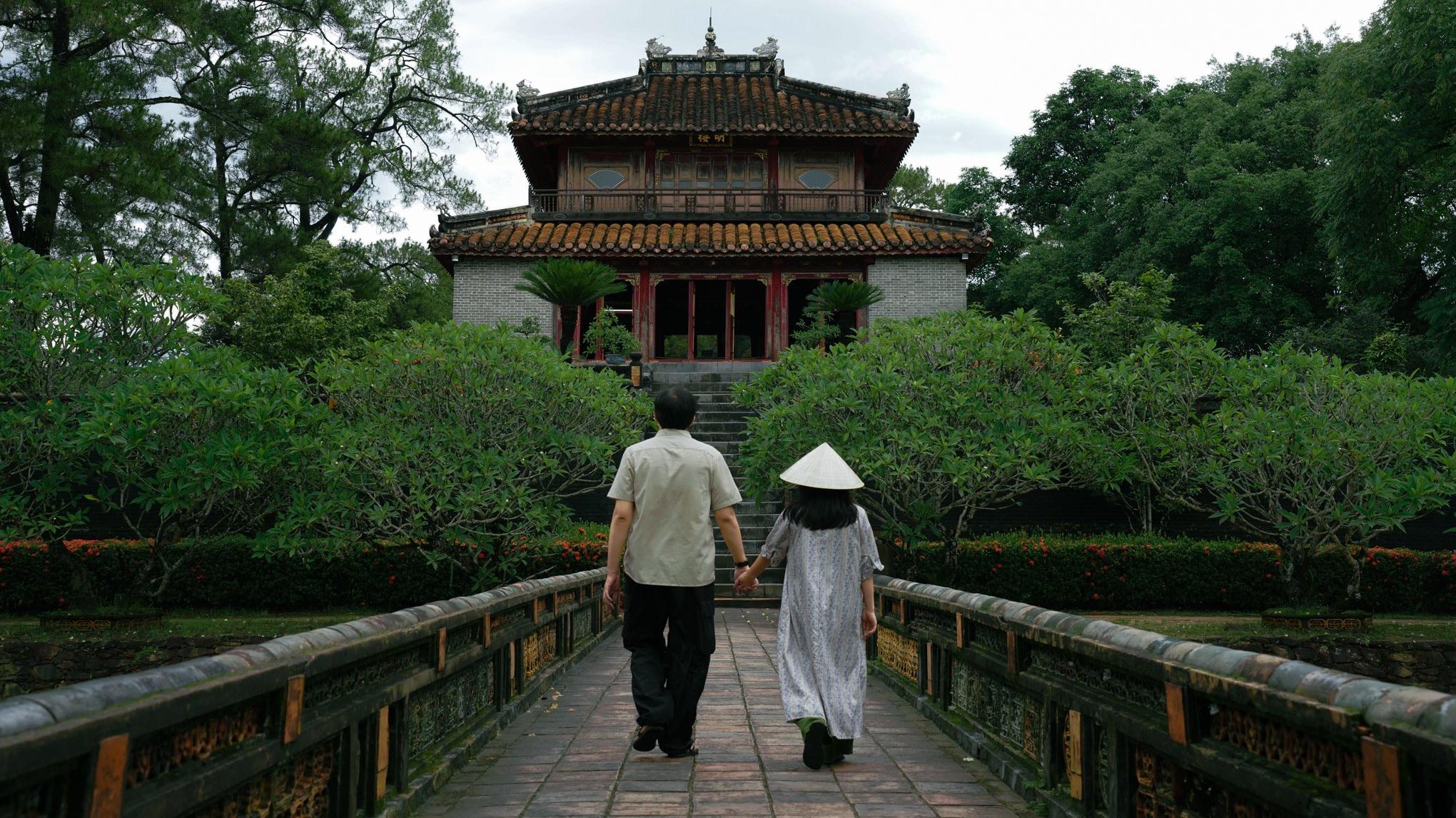
I took the opportunity to visit the Minh Mang Tomb, the Khai Dinh Tomb, and the Tu Duc Tomb – three famous mausoleums of the former capital – before the summer sun began to blaze intensely. The Minh Mang Tomb, located furthest to the outskirts, welcomed me on a quiet morning. The serene atmosphere was like a scene from an ancient film, where time seemed to stand still in solemnity and tranquility.
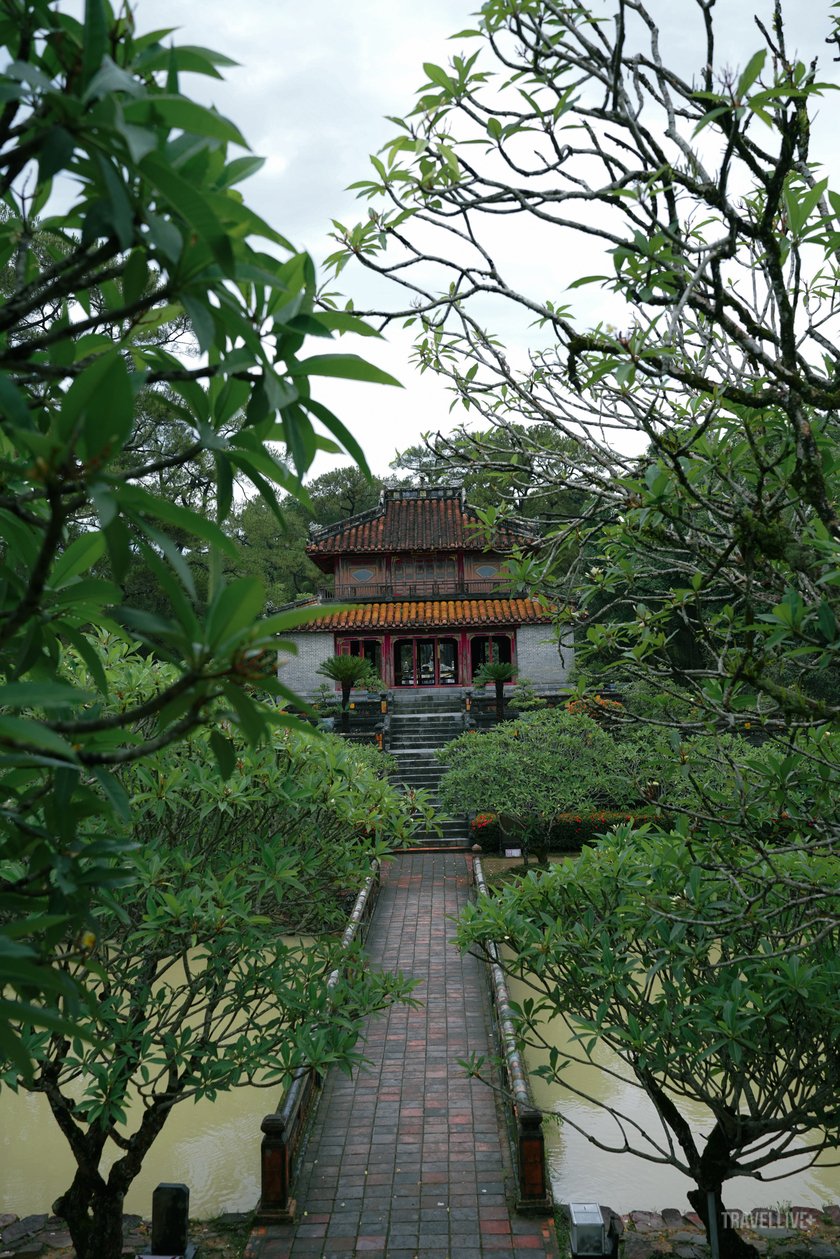
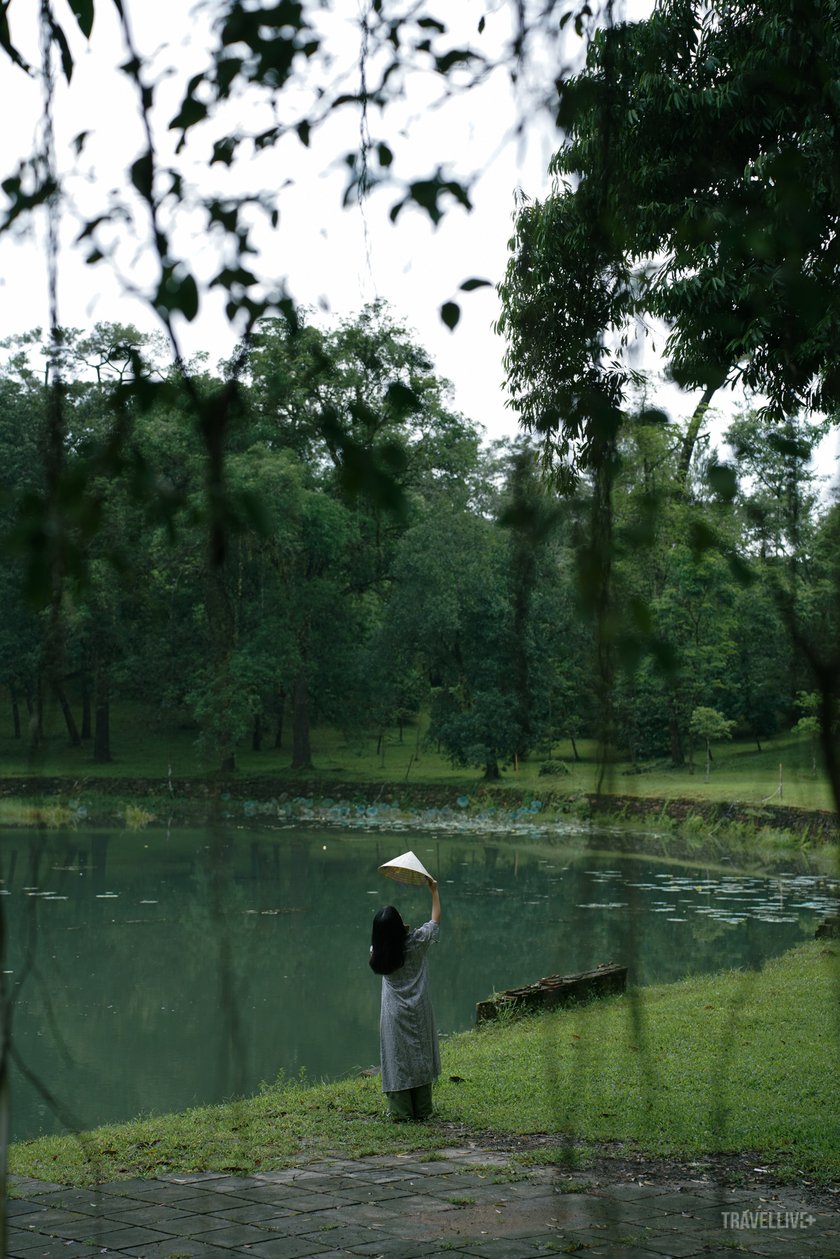
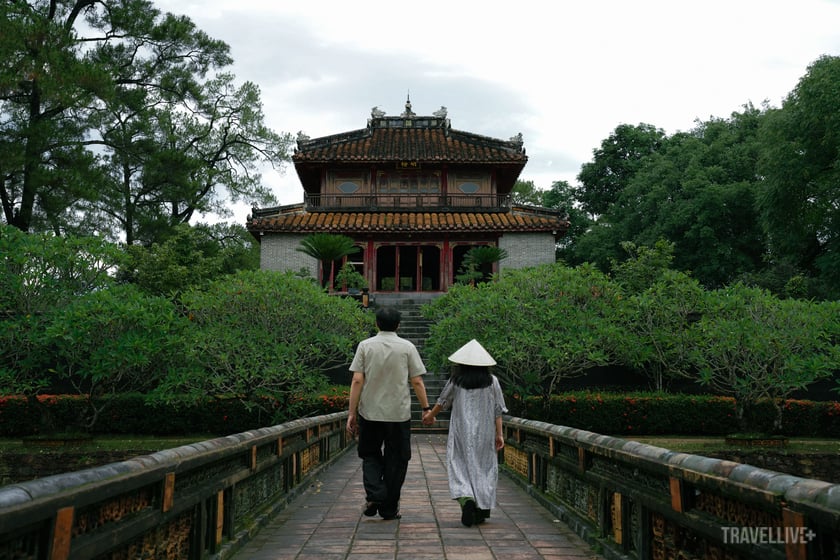
The tomb of Emperor Minh Mạng was peaceful on a quiet morning with few people around.
That afternoon, the Hue Imperial Citadel was unusually crowded, as if the persistent rainy days of the past had never existed. People flocked there, dressed in traditional costumes, the vibrant Nhat Binh robes, passing through the Ngo Mon Gate. In a rare beautiful afternoon after a stormy journey, the Imperial Citadel seemed like an ancient chapter unfolding before my eyes. I walked amidst the crowd, letting the golden sunlight filter through my clothes, letting the breath of the past permeate every step.
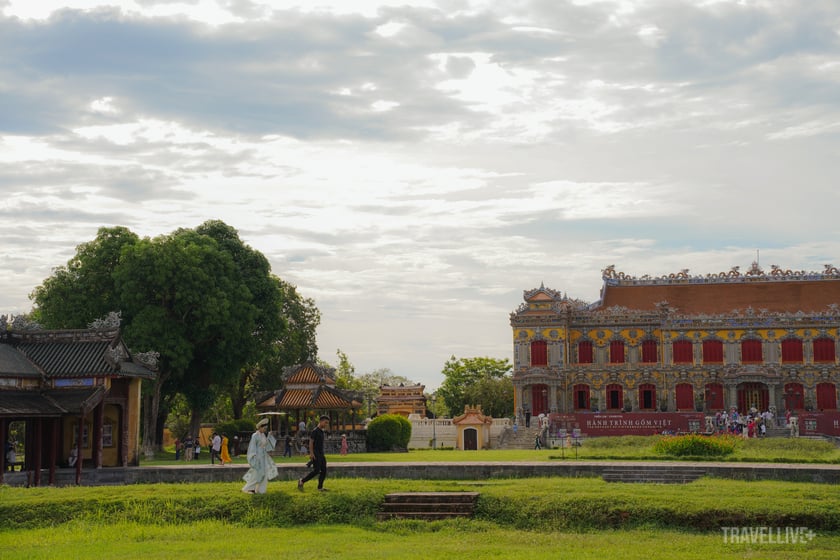
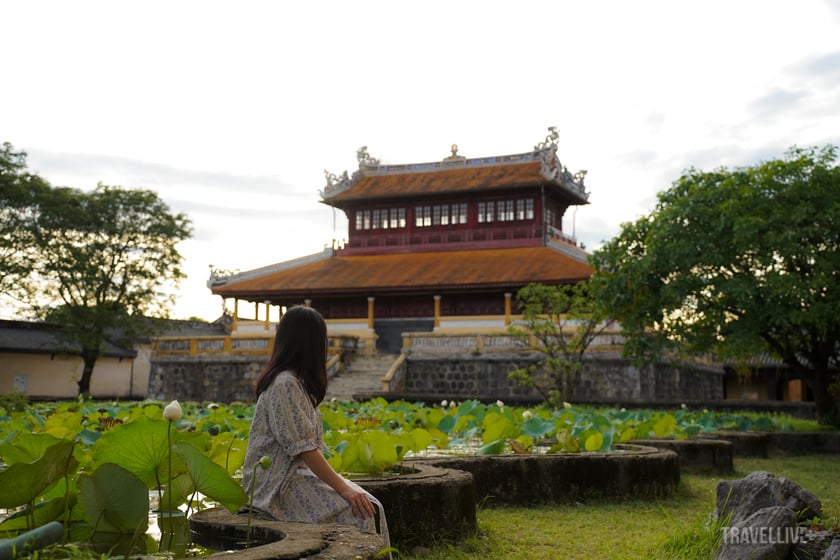
The Imperial Citadel of Hue shines brightly in the afternoon light.
As dusk fell, I sat silently by the Perfume River, gazing at the strangely peaceful scenery. I even wondered if the days of torrential rain and howling winds were just a dream… The final half of my journey in Hue concluded in a moment when the setting sun embraced me in a warm and gentle embrace, truly living up to the name "Beloved Hue" that people often use.
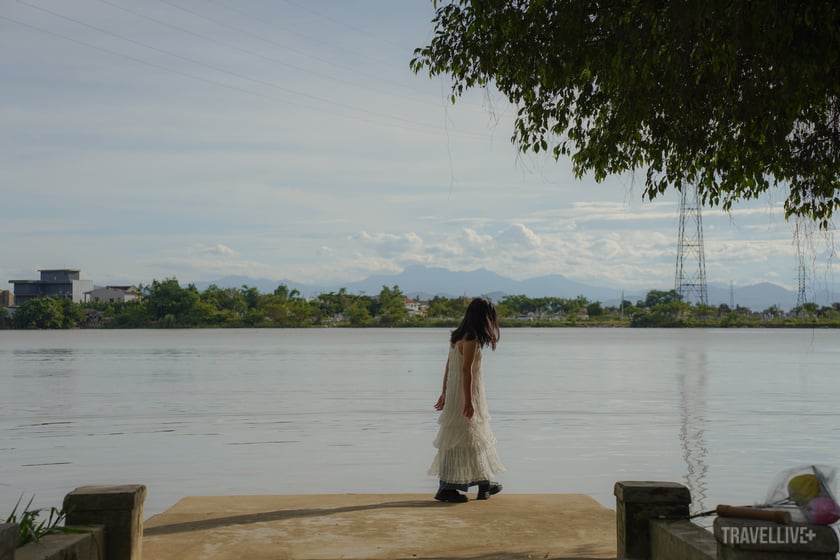
The afternoon sun casts its shadows over the Perfume River.
I love Hue not only for its gentle beauty, but also for the times when it's drenched in rain and silently enduring. I love Da Nang, I love Hoi An – places I've been connected to, places that year after year have to brace themselves against the unpredictable and harshness of nature. But it is precisely this arduous journey that makes me believe even more that life will eventually reward those who keep moving forward. That the more difficult the path, the more glorious and worthy the end will be for everything one has overcome.