VI
VI


Each flight involves hundreds of people and hundreds of activities in a small, confined space. Therefore, this convenient mode of transportation is also a place where health can easily deteriorate if you are not conscious of protecting yourself. With the following six simple measures, you can easily implement them to help your body prevent illness and keep your mind more relaxed during flights.
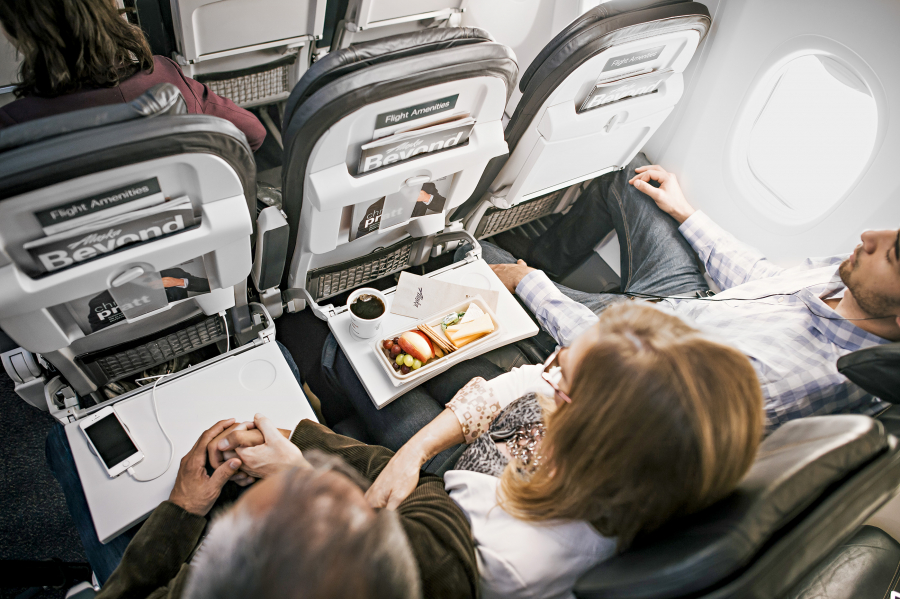
1. Don't forget to wash your hands.
It sounds simple, and you've probably heard this phrase a lot lately. In a confined environment with contact with many people and public objects, handwashing is the first and simplest measure to protect your own health and that of your family.
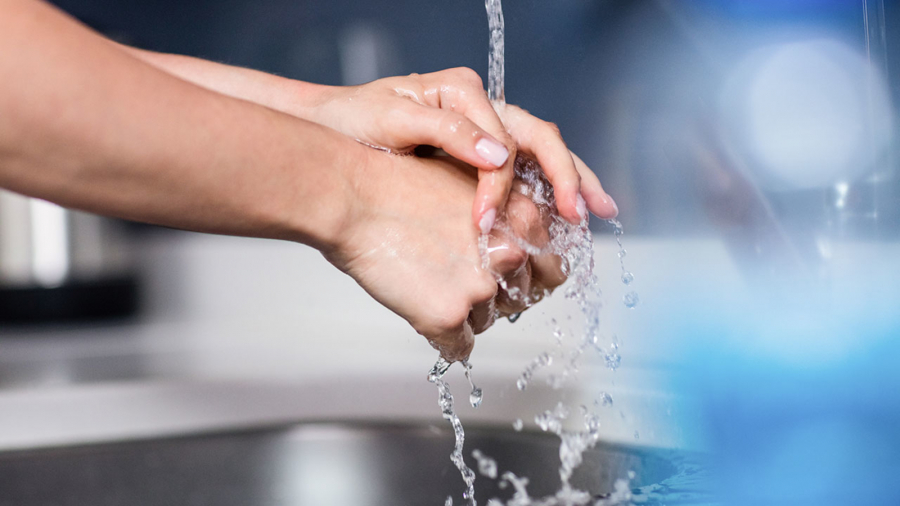
Wash your hands before eating and after touching unfamiliar surfaces, especially metal. Each handwashing session should last at least 10 seconds to allow the detergent to effectively do its job.
2. Get enough sleep.
The number one piece of advice from health experts when traveling by plane is to get enough sleep. While it may sound obvious, this is something many people often overlook when flying. Getting too engrossed in a movie, a smartphone game, or simply being too tired or stressed to sleep are common reasons.
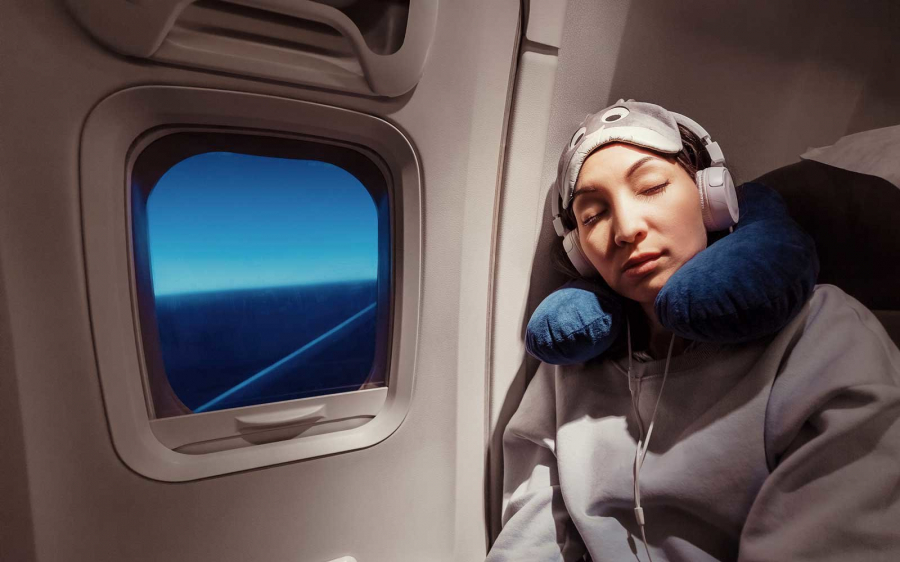
However, try to get enough sleep because it will help your brain function better, especially when your body is tired from traveling in the air.

Not getting enough sleep not only deprives you of sleep for that day but also disrupts your circadian rhythm, leading to circadian rhythm disorders in the following days.
3. Choose the best seat possible.
Not all airplane seats are created equal, but don't assume that only business class is good enough!
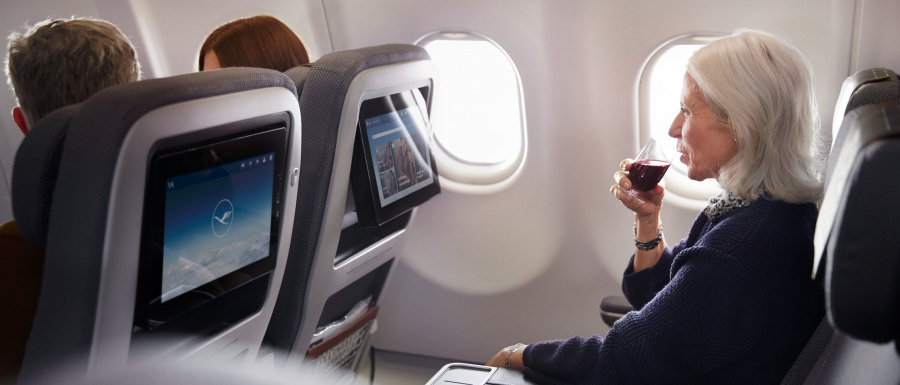
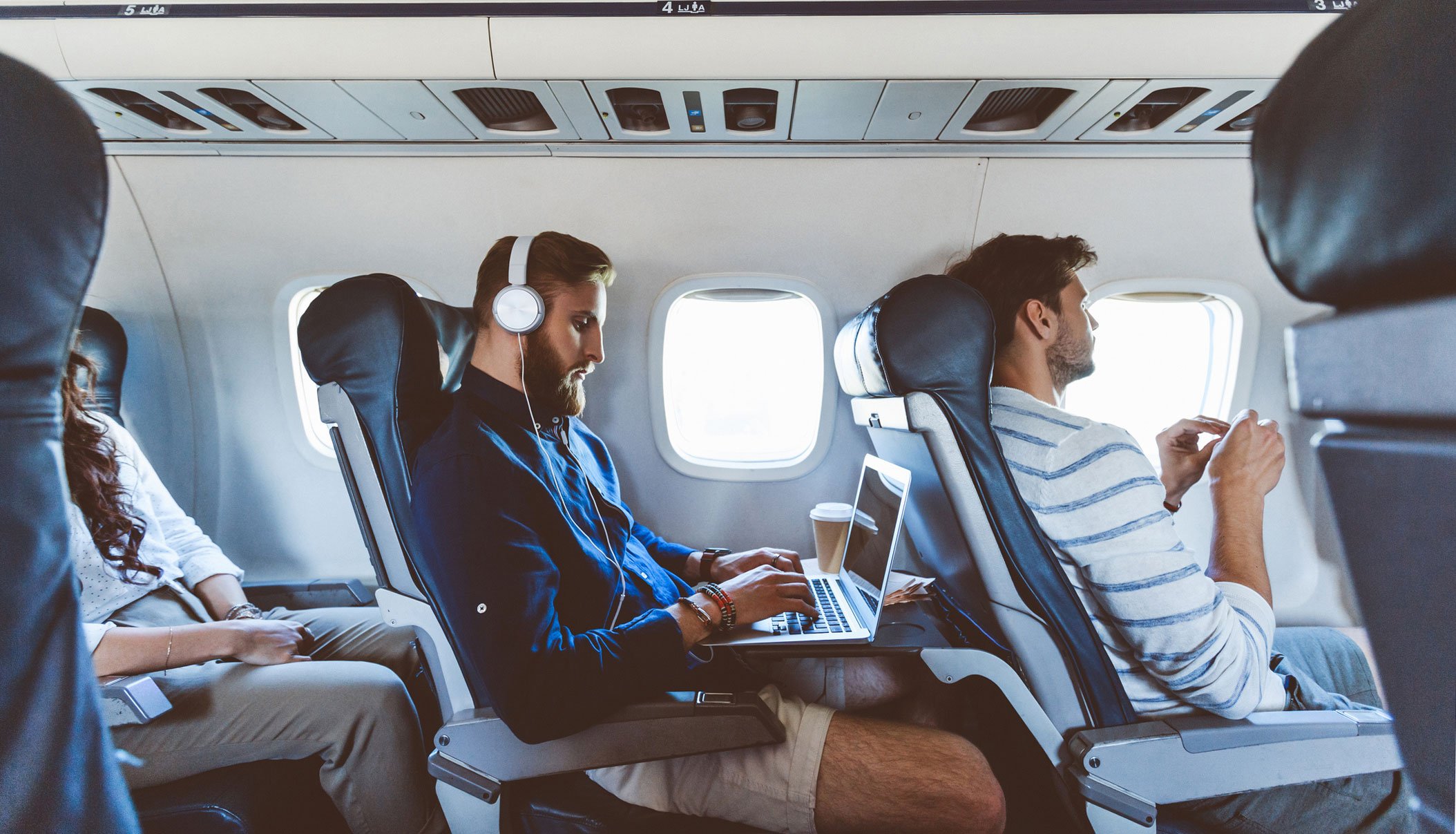
A window seat is also ideal as it can help you avoid many risks compared to sitting in the middle or next to the aisle. Firstly, you avoid active or passive contact with too many people: flight attendants walking around, asking for seat assignments, asking to change seats, close proximity to others… By limiting contact with many people in close proximity, you can reduce your exposure to many harmful bacteria and viruses.
Therefore, don't hesitate to arrive 2 to 3 hours early before each flight, as this will give you the chance to choose your preferred seat before others.
4. Wipe the surfaces thoroughly.
The first thing you should do when boarding a plane or even any public place is to wipe down the surfaces you'll be touching. From tray tables and seat armrests to restroom door latches and especially the in-flight entertainment screens and remote controls.
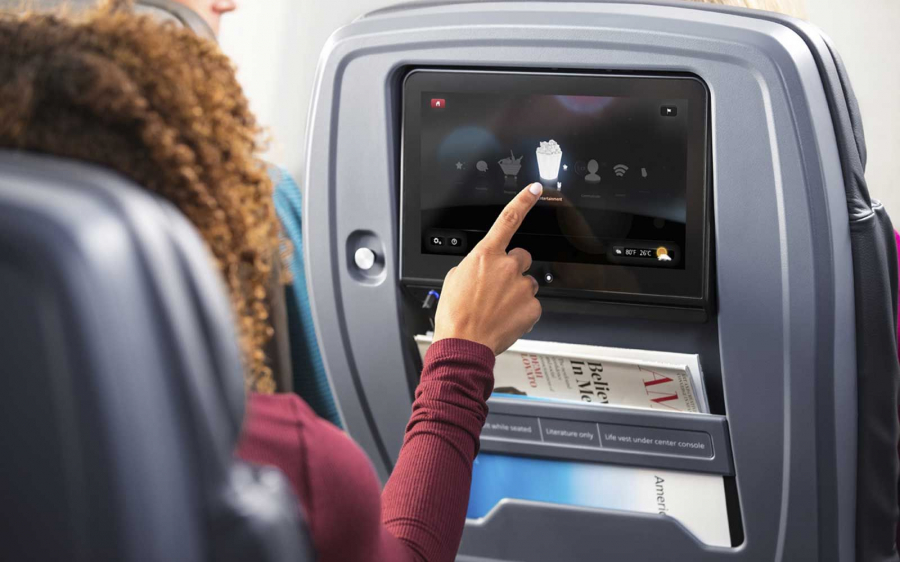
Healthcare professionals recommend using alcohol wipes or antibacterial gels for effective disinfection. The higher the concentration, the better the ability to kill viruses or bacteria.
5. Avoid alcoholic beverages.
Although alcohol is useful for cleaning and disinfecting surfaces, alcoholic beverages are not a good option during air travel. During long journeys, your body is more susceptible to dehydration, and alcohol exacerbates this condition.
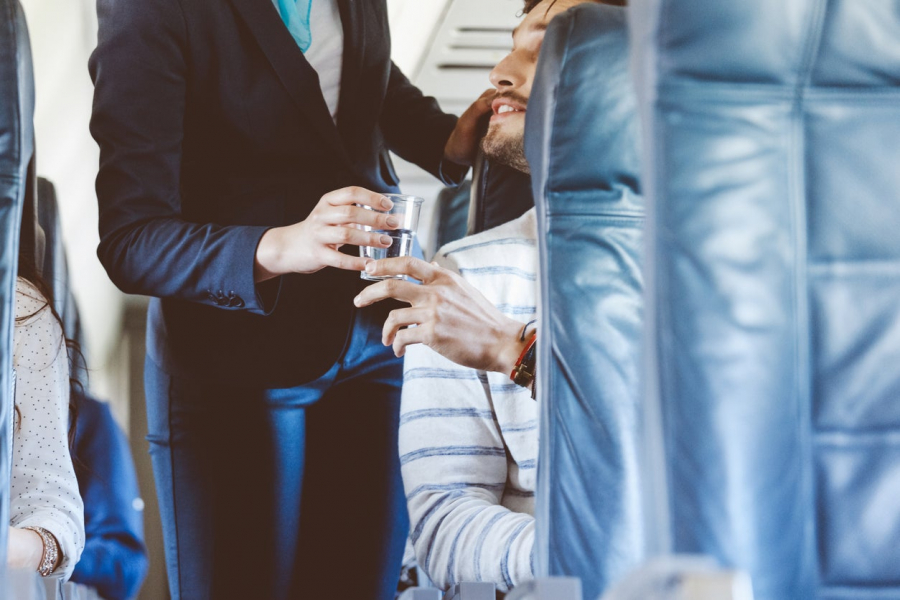
It's a fact that alcohol can weaken your immune system because after drinking, the body needs a lot of water to metabolize the alcohol, leading to rapid dehydration. Therefore, instead of consuming alcoholic beverages like spirits or wine, you should drink plenty of water throughout your flight.
6. Exercise on a long flight
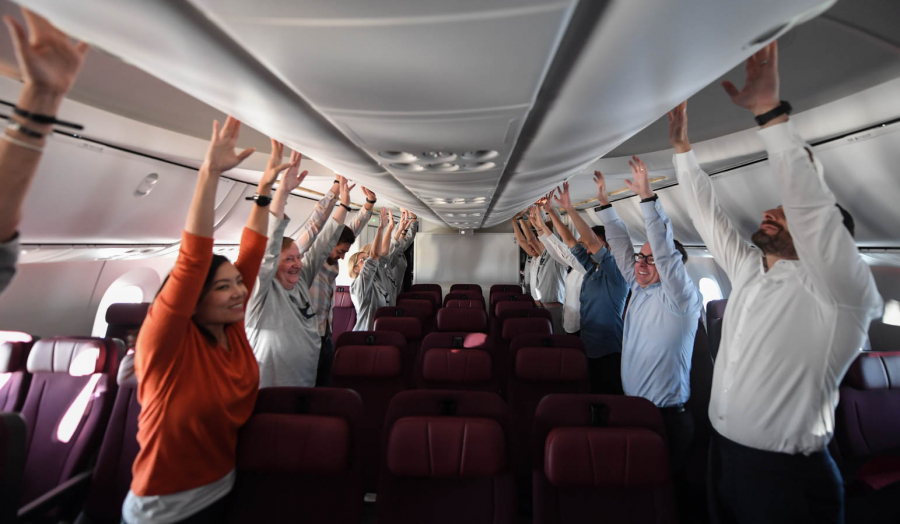
During a long flight of 5 hours or more, movement is essential. While it can be inconvenient at times, its benefits are undeniable. Sitting for too long in a cramped space like an airplane seat can cause swelling, impaired blood circulation, and potentially dangerous blood clots. Standing up, stretching, and walking around for 5 to 10 minutes will improve blood circulation, increase visual acuity, relieve eye strain, and improve overall well-being.