VI
VI


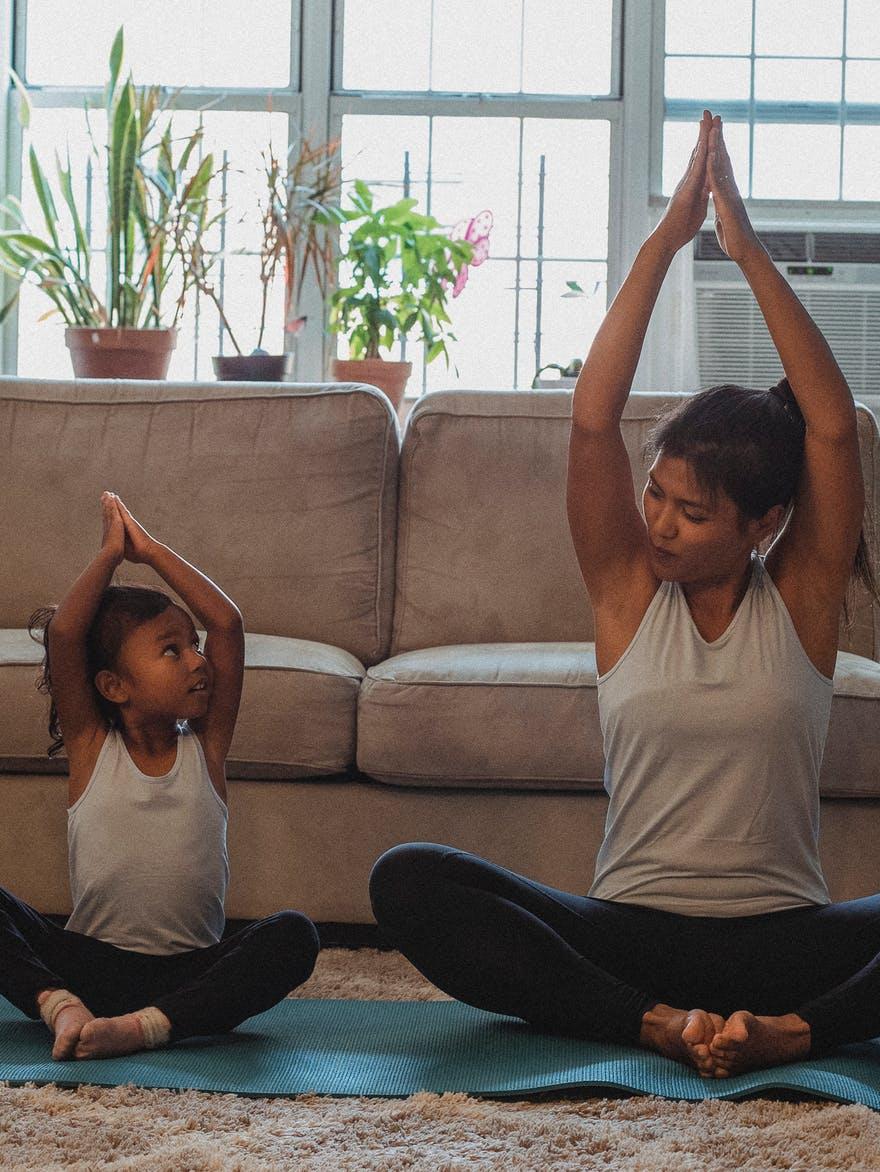
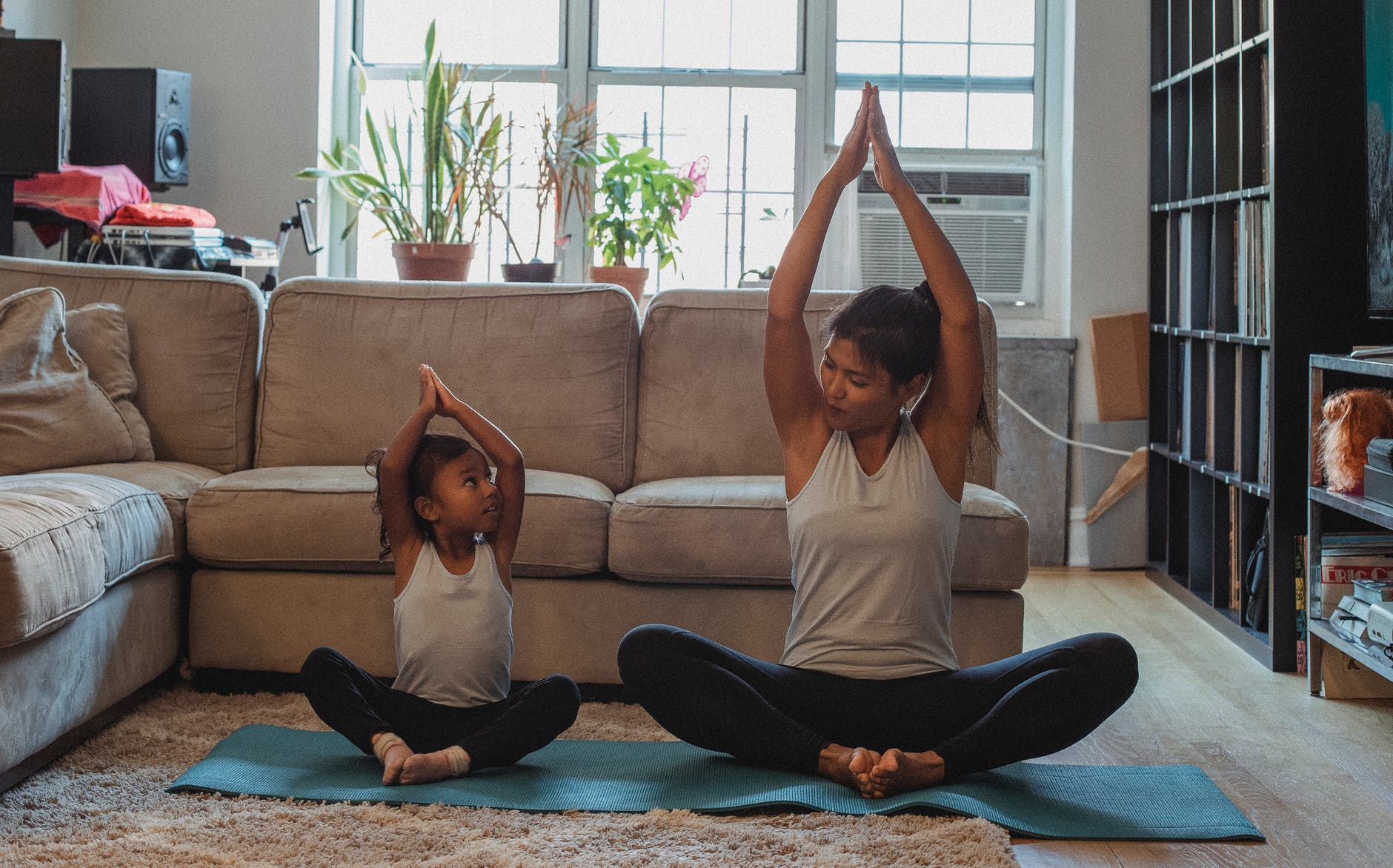
The pandemic has left us feeling lethargic and gloomy, not only making us sluggish and tired but also affecting our mental health. By exercising regularly, we can improve our physical health and provide us with more energy to think positively and enjoy life more.
For those who aren't used to exercising, starting out can be challenging. It's hard enough to begin, but maintaining it is even harder. Here are some helpful tips from fitness experts to help you stay motivated to work out.
Don't be ashamed.
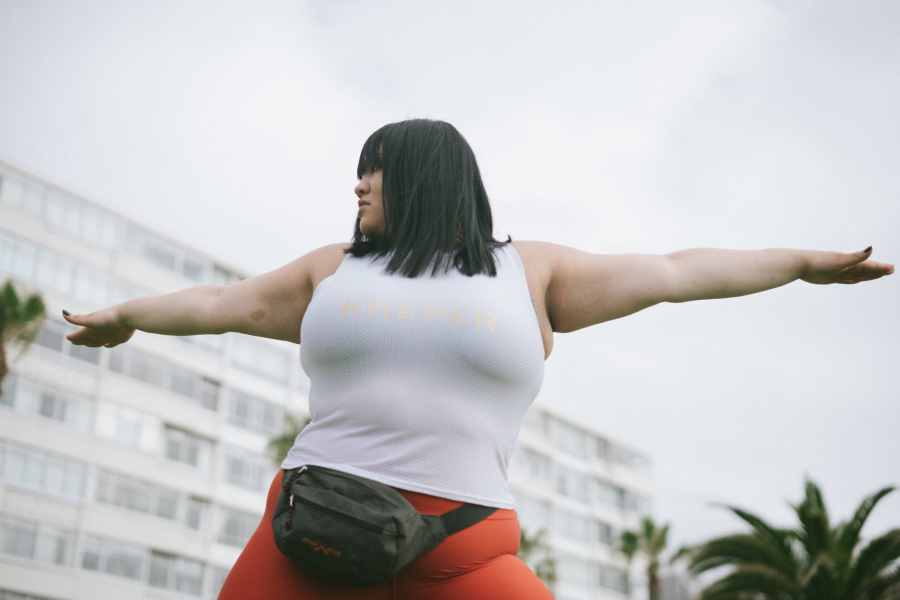
Joe Edmonds, a veteran personal trainer, recognizes that a significant problem for those wanting to start an exercise routine is self-consciousness. They fear the judgmental stares of those who have been exercising for a long time, and are afraid of being judged on their physique or age. In reality, this judgment is just a figment of the newbie's imagination. Experienced exercisers don't look down on newcomers; on the contrary, they welcome them and are even willing to help and guide them wholeheartedly. Once newcomers overcome their initial shyness, they will become accustomed to the training environment and gain more confidence.
Find a source of personal inspiration.
If you are by nature dependent and dislike physical activity, it will be difficult to find motivation from the encouragement and examples of typical personal trainers. Instead, find inspiration from the most personal and familiar things in your life.
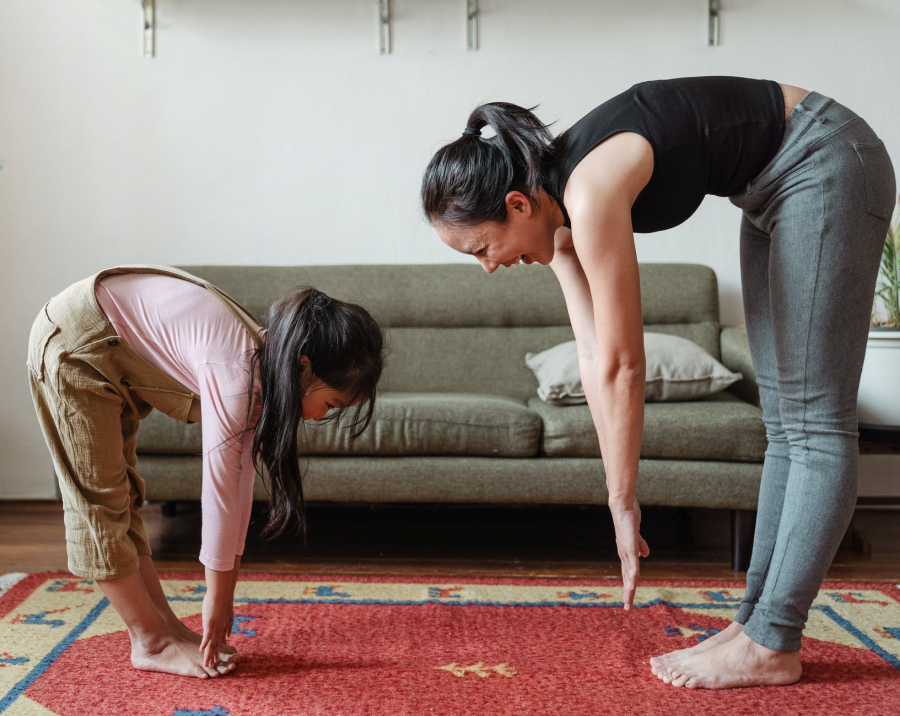
Yoga master Zahir Akram shared with his students: “For me, the motivation to practice daily isn’t for my physique, but for my son. Remember that there are people who depend on you, so you need to be healthy. If you don’t want to exercise for yourself, then exercise for those who need you.”

Don't overexert yourself.
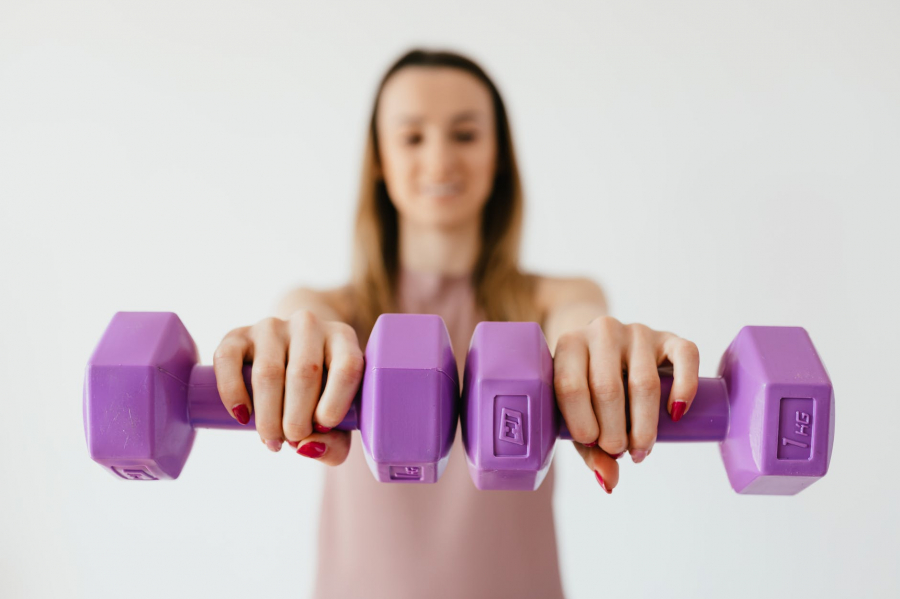
Many people starting out in fitness often pour all their energy into strenuous workouts hoping for quick results; however, this is counterproductive and leads to frustration and giving up. London-based personal trainer Hannah Lewin advises beginners to fight off temptation and self-deception, and begin their fitness routine with gentle exercises, then gradually increase the intensity.
Do what you like.
If you don't like running and find yoga boring, it's best to skip them. Starting with something you hate will only add to your stress and erode your motivation every day. Get used to exercises you don't dislike and gradually build confidence. Remember that you're exercising long-term, not just overnight, so choose activities you enjoy to maintain a good habit.

Stop having unrealistic expectations about the gym.
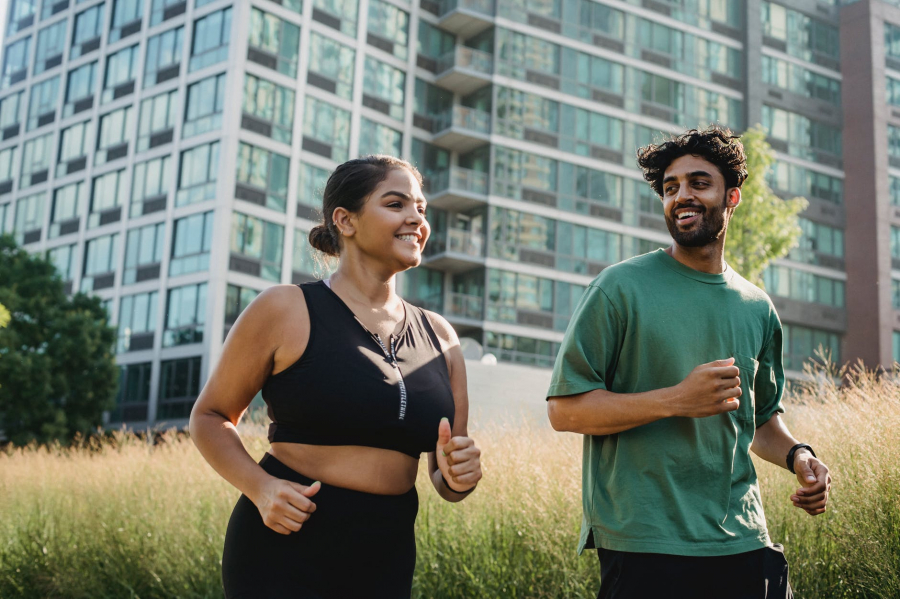
There are many ways to exercise without going to the gym. It could be skateboarding in the park with friends or walking along the beach... all of which improve blood circulation and are, importantly, very enjoyable. You don't need to overcomplicate things like weightlifting at the gym or running 5km. Just walking for about 15 minutes each day is great for your health, gradually making your joints more flexible and your body more supple. Simply being physically active is considered exercise.
Measuring training progress
Numbers can sometimes be a source of motivation to help maintain a workout routine. Keep track of your results to see how much progress you've made. There are many workout apps that allow you to monitor your progress. This is an effective way to maintain self-confidence.

Make the most of everything you can.
Nowadays, there are many apps and video channels that provide effective home workouts. Beginners can choose exercises that suit them and follow them without needing to go to the gym with complicated equipment.
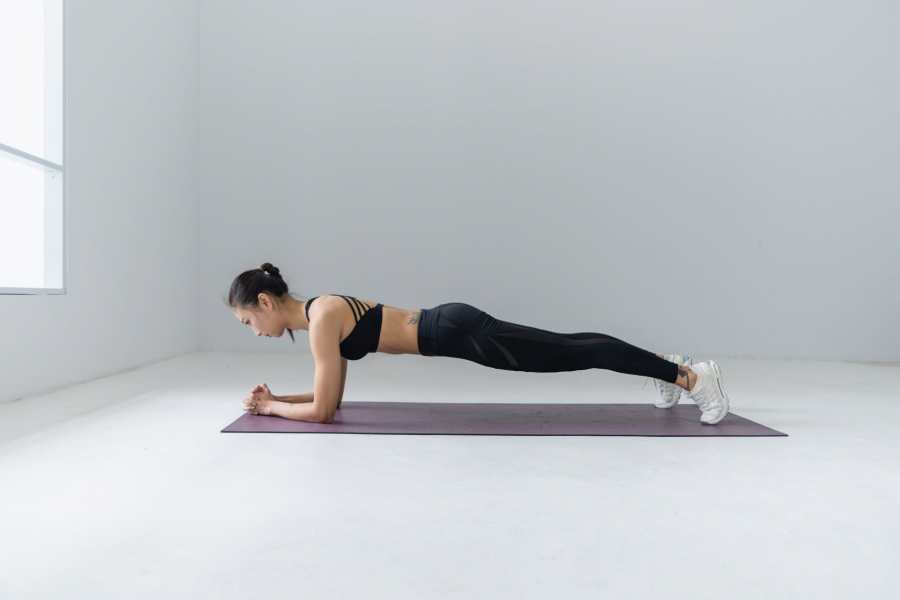
For those looking to invest in fitness, take advantage of the free beginner classes offered by gyms. Don't let shyness prevent you from receiving personalized guidance from reputable personal trainers. After these trial classes, you can decide whether or not to continue using their training services.
Be persistent, but don't forget to be "kind" to yourself.
Instead of booking multiple classes in a week and then dropping out later due to being too busy, set aside some free time for regular practice.
"The more persistent you are, the longer your motivation will last," advises Hannah Lewin. Be realistically persistent so you can maintain this habit for a long time. Don't compare yourself to anyone else; instead, look back at your progress. If you've had a physique you're proud of in the past, use that as motivation to rekindle the "fire" of exercise within you.