VI
VI


Mansudae Monument
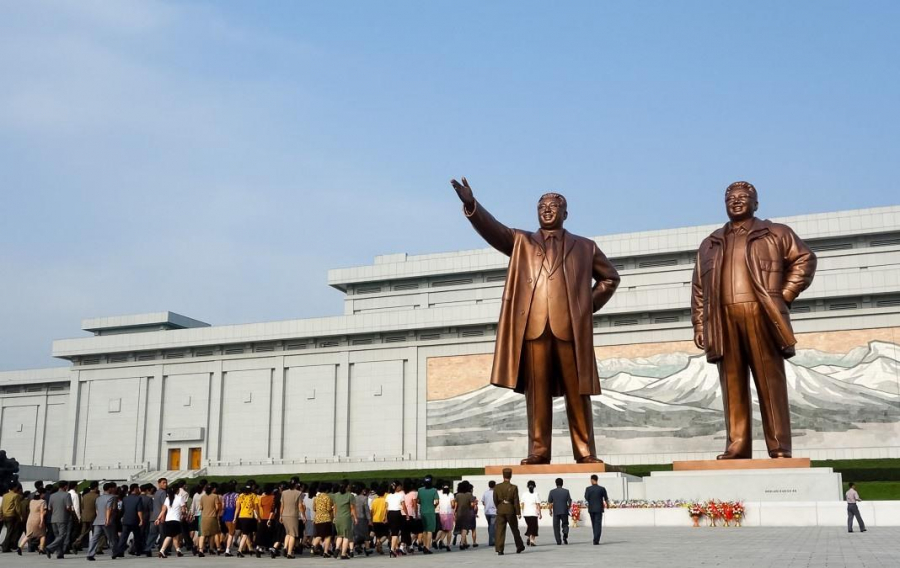
The Mansudae Memorial began construction in 1972. It houses two 20-meter-tall bronze statues of Kim Il Sung and Kim Jong Il. Behind the central statue is the wall of the Korean Revolutionary Museum, displaying a mosaic mural depicting a scene from Mount Baekdu, considered a sacred mountain of the revolution in the country's history.
On either side of the statues, a short distance from the building, are two monuments comprising statues of various soldiers, workers, and farmers from the resistance against Japanese fascism and the anti-Japanese socialist revolution. Long rows of people are depicted on the statues, which average 5 meters in height.
Kim Il-sung Square
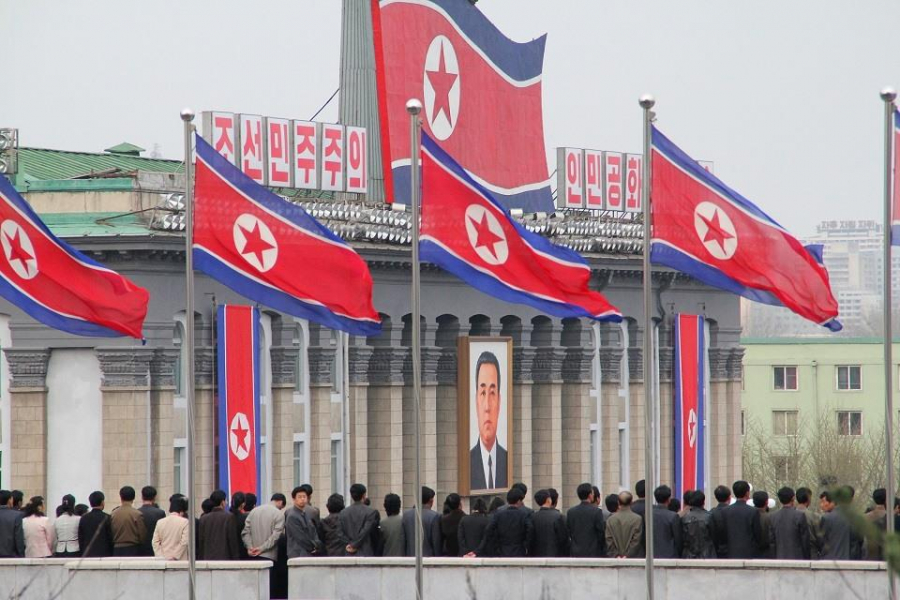
Kim Il-sung Square is the venue for major events, competitions, dance performances, parades, and characteristic festivals of North Korea. It is considered the busiest place in Pyongyang, attracting tourists from both within and outside the country. Among the world's largest squares, Kim Il-sung Square ranks 16th, covering an area of 75,000 square meters and capable of hosting rallies with a capacity of over 100,000 people.
Pyongyang Triumphal Arch
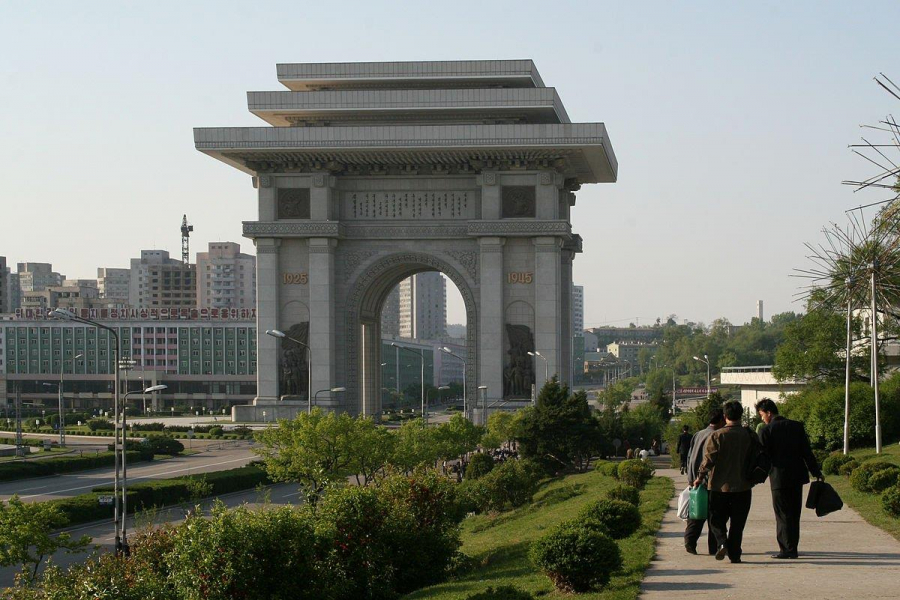
The Pyongyang Triumphal Arch, dating back to 1982, is located at the foot of Moran Hill in the capital city of Pyongyang. The arch was inaugurated to commemorate the 70th birthday of President Kim Il-sung. Its construction required 25,500 blocks of smooth white granite, representing each day of his life up to that point.

The Pyongyang Triumphal Arch boasts the world's tallest triumphal arch, reaching 60 meters in height and 50 meters in width. The arch area contains dozens of rooms, railings, viewing platforms, and elevators. The four arches, each 27 meters high, are decorated with beautiful and elegant rhododendron motifs. The inscription within the arch translates to "The Song of General Kim Il-sung" in Vietnamese.
Korean Demilitarized Zone (DMZ)
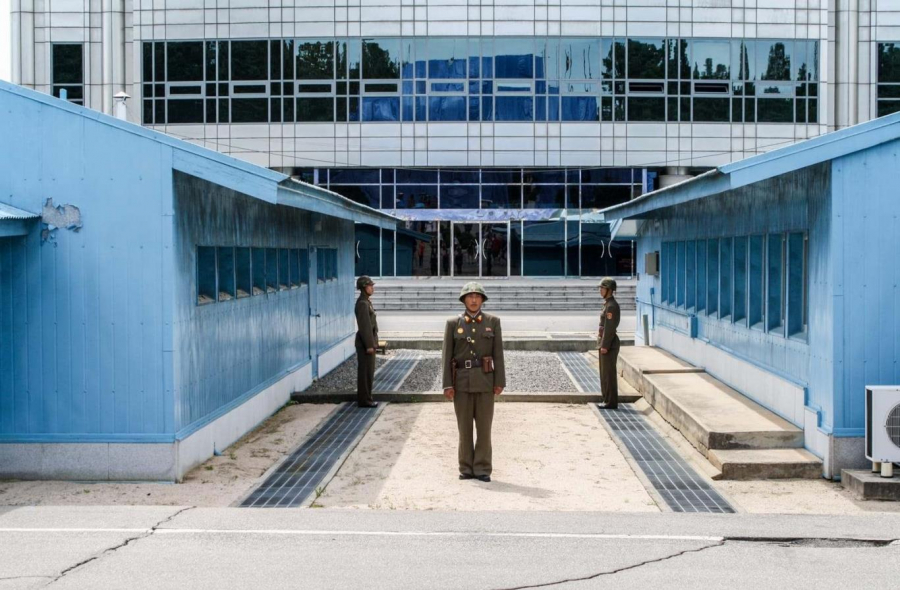
This is the border between North and South Korea. The Korean Demilitarized Zone (DMZ) stretches from west to east across the Korean Peninsula. Measuring 4 km wide and 256 km long, this area, considered the world's largest demilitarized zone, is a historical testament to the Cold War, specifically the Korean War of 1950-1953. According to the Korea Tourism Organization, the DMZ between South Korea and North Korea receives over 1.2 million visitors annually.
King Kongmin's Tomb
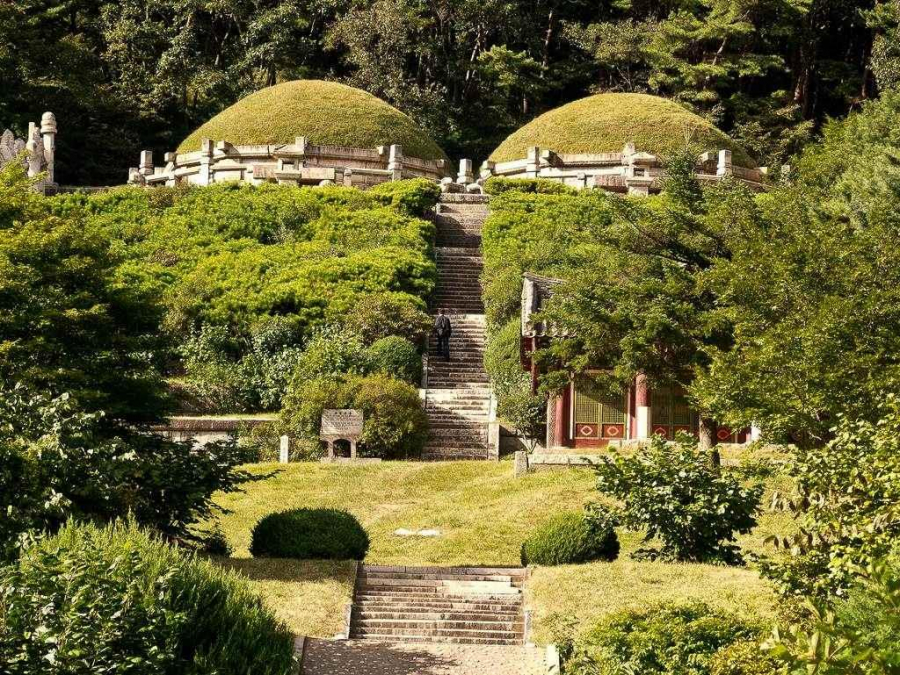
This is the tomb of King Gyeongmin, the 31st king of Goryeo, and his queen, a Mongolian princess. He was a renowned king known for his reform efforts and exceptional talent in the arts. The Gyeongmin Tomb is a World Heritage site and one of the best-preserved royal tombs in Korea.
Mount Myohyang
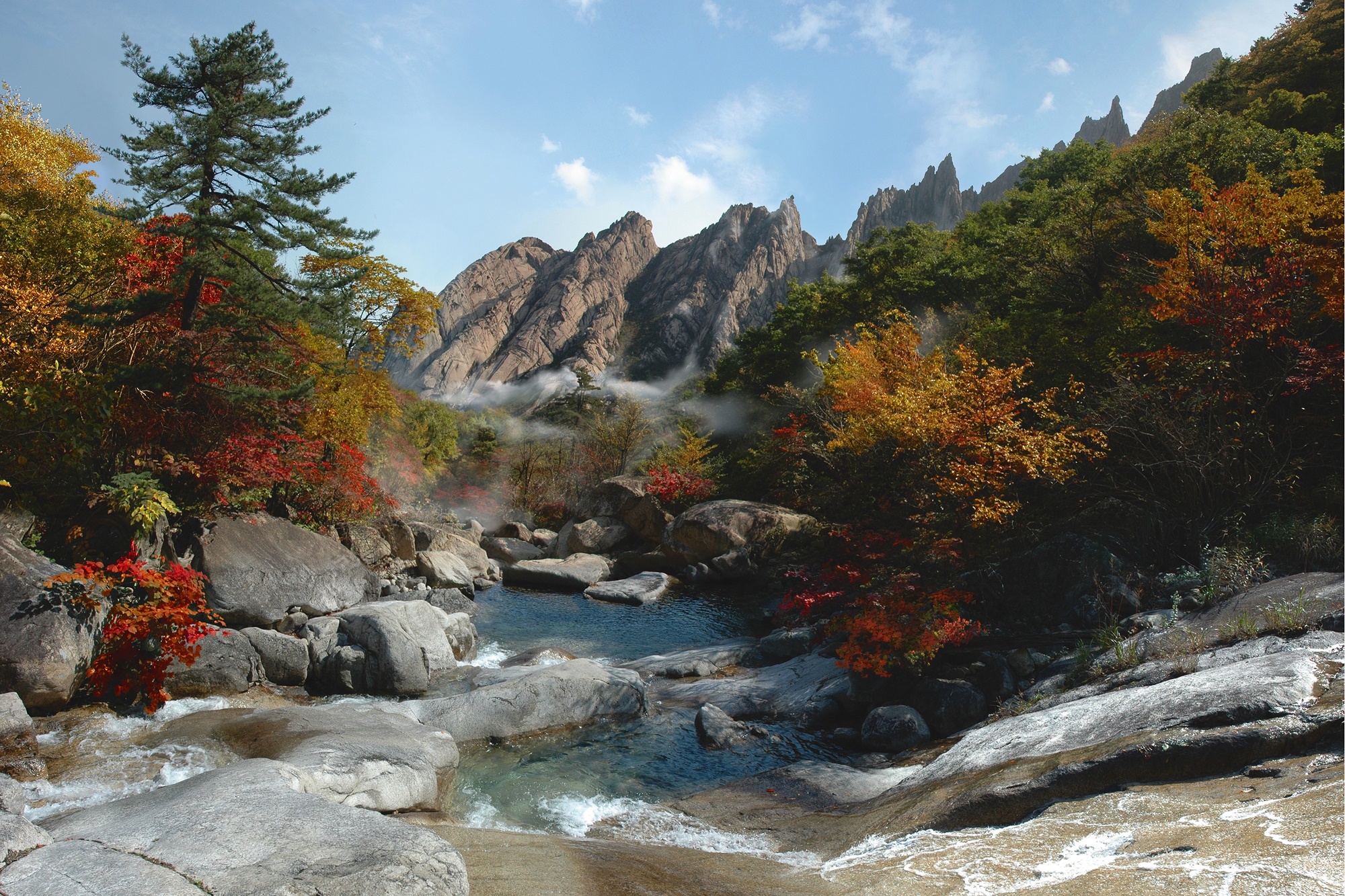
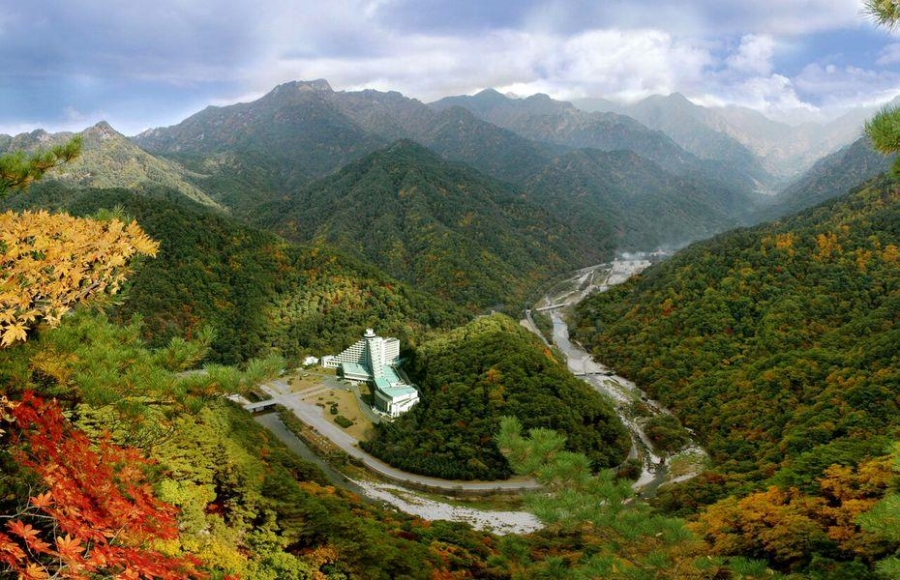
Myohyang (Fragrant Mountain), located 160km north of Pyongyang, is a mountain that emits a fragrant aroma year-round. It is one of the four most famous mountain ranges on the Korean Peninsula, with its highest peak, Biro, reaching 1,909m. Within this majestic mountain range are over 10,000 waterfalls and 360 Buddhist temples, the most famous being the ancient Pohyon Temple.
Pohyon Temple
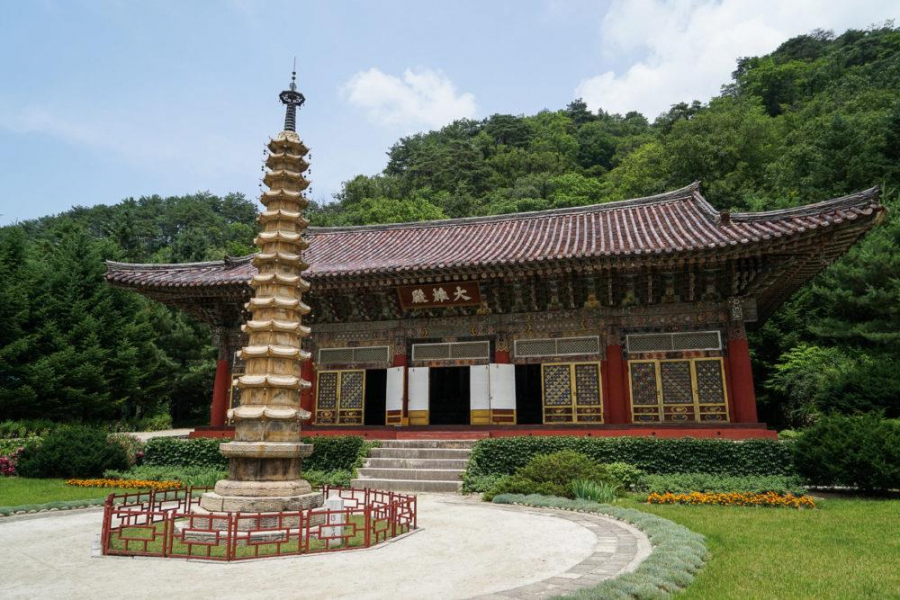
This temple, built in the 11th century during the Goryeo Dynasty, has been recognized as a UNESCO World Heritage site. This complex of Buddhist sacred sites is always a coveted destination for many Buddhists who wish to visit it at least once in their lifetime.
Pohyon Temple is designed to run along a central axis leading to the main hall, Taeung. Surrounding it are rows of trees, lawns, and various other buildings of different sizes. Visitors pass through the Jogye Gate, built in 1644, and then cross the Deva statues to enter the inner area. A stele detailing the temple's history is also located in the central courtyard.
Ryongmun Cave
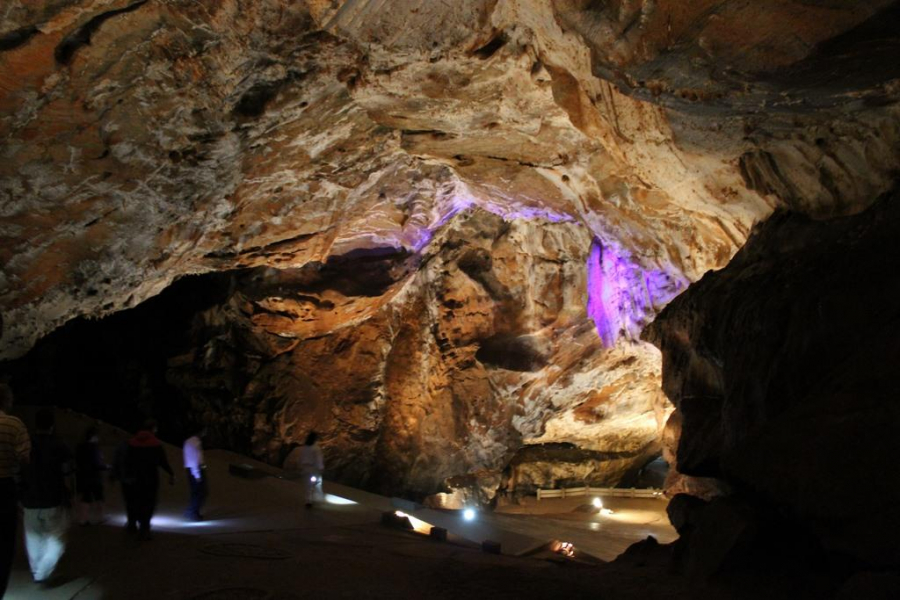
Formed 480 million years ago by limestone erosion, the Ryongmun cave system features underground waterfalls and stunning stalactites and stalagmites. Beginning at an altitude of 370 meters above sea level, the cave has two main branches and approximately 20 smaller ones. The total length of the Ryongmun cave is 7 km, with the highest point reaching 40 meters in height and an average width of 3-4 meters, containing numerous stalactites and stalagmites of mystical beauty.