VI
VI


1. Learn to dance tango in Buenos Aires
Argentina is the birthplace of the tango, and its capital, Buenos Aires, is the perfect place for visitors to admire the beauty of this vibrant dance. Here, subway stations are named after tango musicians, and the streets are filled with nightclubs and cultural centers. Therefore, attending a tango performance is a delightful experience for anyone visiting this historic city.

For a truly immersive experience, visitors should learn to dance tango at one of Buenos Aires' many dance schools: La Viruta, which offers classes divided into six different levels. Meanwhile, the DNI Tango school in Almagro offers classes in various languages and includes a free introductory course, which tourists find very appealing.
Alternatively, visitors can head to the stands at Barrancas de Belgrano park on Sunday evenings to listen to a milonga (a high-tempo song) called La Glorieta. Dancing there starts around 8 p.m., but free tango lessons often take place earlier, providing beginners with the basic skills they need to learn.
2. Admire Iguazu Falls
As a natural border between Argentina and Brazil, Iguazu Falls is one of the most inspiring tourist attractions on the planet. Iguazu Falls comprises hundreds of smaller waterfalls, stretching nearly 3 kilometers. Visitors can hike along trails alongside the falls or travel by boat to the Garganta del Diablo entrance. For those wishing to see the full panorama of Iguazu Falls, helicopter tours are available.
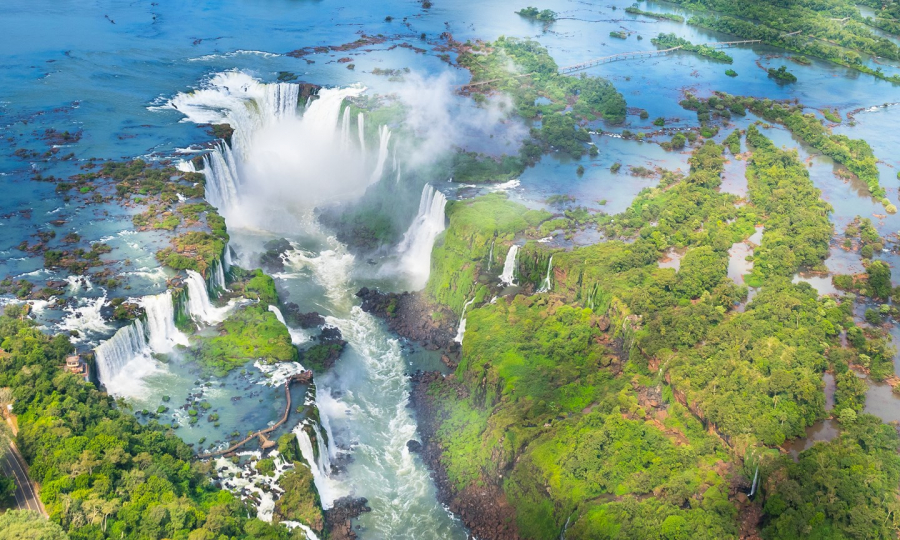
Most visitors spend a day exploring this destination, but some prefer to linger, renting rooms in eco-lodges near Iguazú National Park. They'll have the opportunity to discover what remains of the Atlantic rainforest – a wildlife paradise; stroll along trails and across suspension bridges; and swim in natural pools. These are all wonderful experiences.
Alternatively, visitors can travel down to the town of Wanda, south of the park. Here you'll find the ancient San Ignacio Mini monastery, built in 1610, and the abandoned mines of past Polish settlers.

3. Admire the glaciers at Perito Moreno
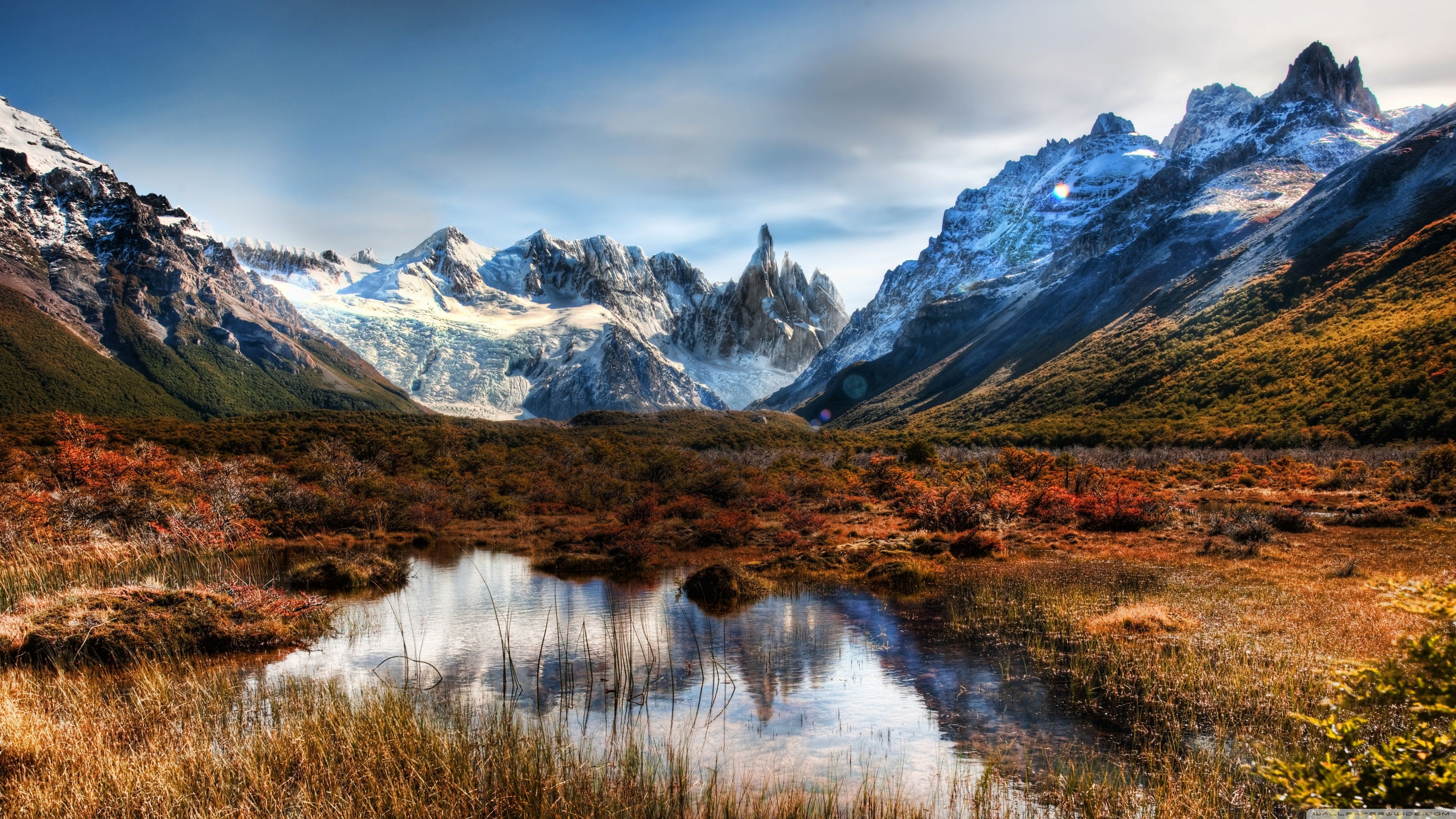
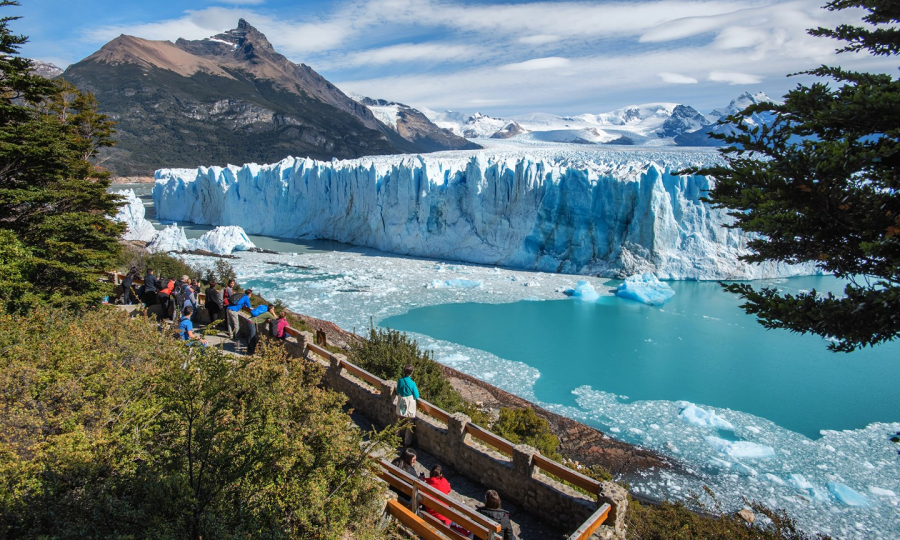
At Glaciar Perito Moreno, in the southern part of the Nacional Los Glaciares heritage park, lies a 30km long, 60-meter-high glacier. Visitors can see the glacier from the trails and walking paths that run through the park. For a closer look, visitors can take a boat tour with the assistance of local guides.
4. Observe marine mammals on the Valdés Peninsula.
The Reserva Faunística Península Valdés peninsula, on the Patagonian coast of Argentina, is home to a diverse array of marine mammals, including elephant seals and sea lions. It is one of the world's most important breeding grounds for marine mammals and has been recognized as a UNESCO World Heritage Site.
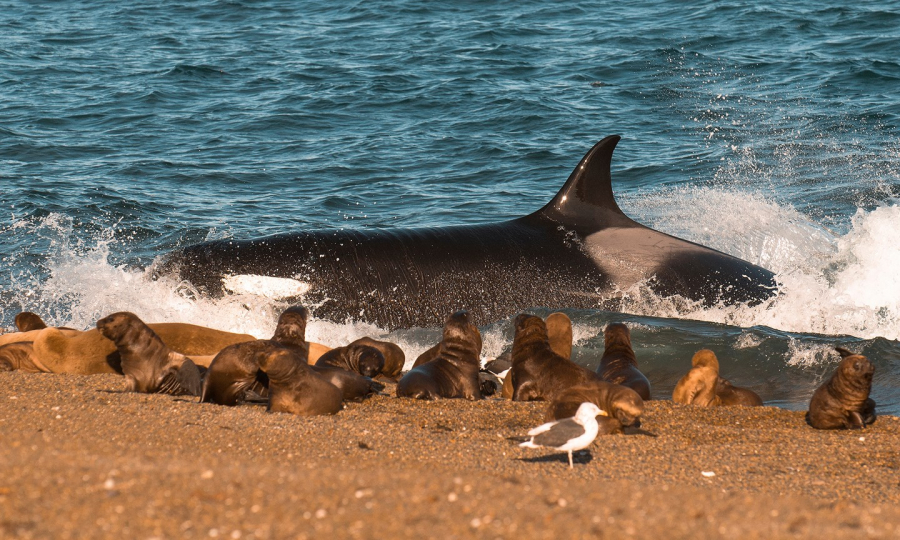
The reserve is vast, covering a total area of 3,600 square kilometers and boasting over 400 kilometers of coastline. Furthermore, as visitors travel along the peninsula, they can observe sea lions, elephant seals, Magellanic penguins, and many other rare seabird species.
5. Immerse yourself in Argentinian culture in Córdoba
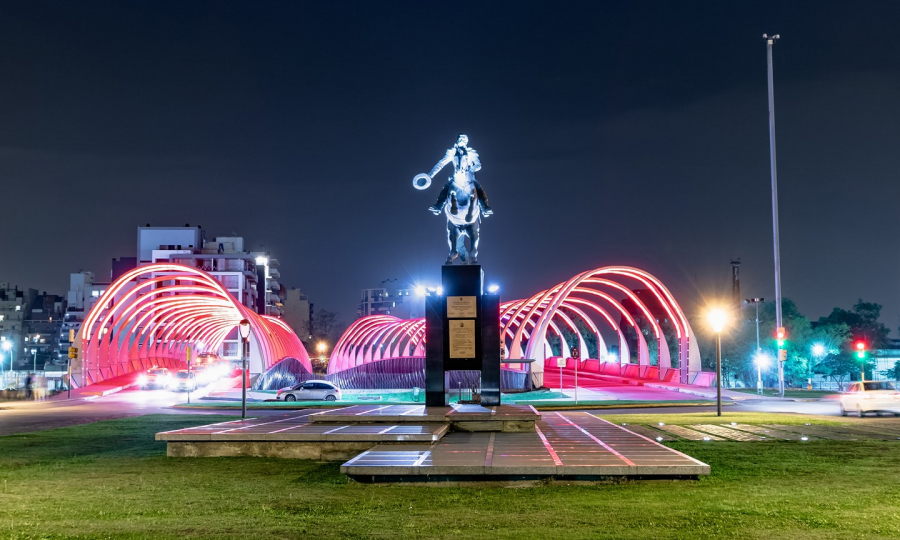
Since being recognized as the Cultural Capital of the Americas in 2006, Córdoba has become one of Argentina's most attractive destinations. Besides the Córdoba Cultural Center – a striking new glass and concrete building – the city boasts numerous museums, galleries, theaters, and diverse cultural services. Visitors have many options, such as visiting the Evita Museum of Fine Arts, the Emilio Caraffa Museum of Fine Arts, and the Kosovo Urban Art Gallery.
6. Enjoy Malbec wine in Mendoza
Malbec is a deep-colored, very spicy, and intensely sweet red wine, produced primarily in Mendoza. This charming city boasts wide, tree-lined streets, striking Art Deco buildings, and numerous wineries that both produce wine and offer tours. At night, Mendoza comes alive with bars and restaurants in the old town district of Av Arístides.
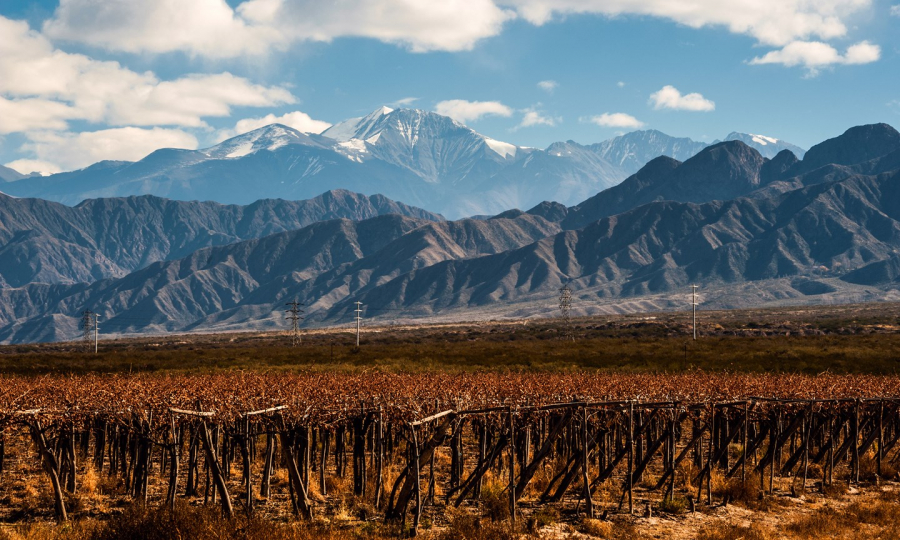
In Mendoza, visitors will find a variety of wineries, olive farms, and culinary businesses, and can take tours to see samples of their products. Visitors can also rent a bicycle or an electric scooter to explore Mendoza.
7. Conquer the Andes like a true cowboy.
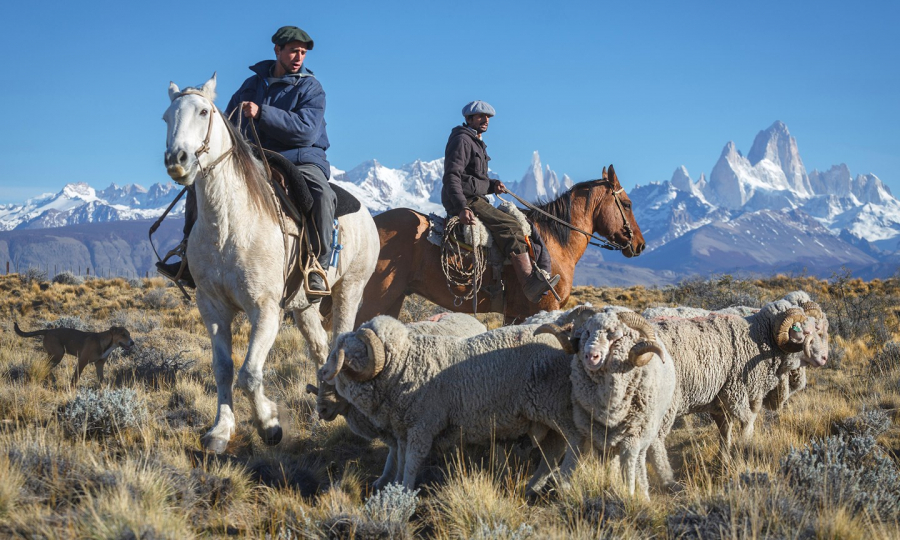
Conquering the Andes like a true Gaucho is also a fascinating experience for travelers. A Gaucho is the image of a cowboy in rugged attire, riding a horse and exploring Argentina. This South American country has many estancias (farms), offering enjoyable holidays and free horseback riding lessons. Typical examples include Los Potreros Farm, located next to a trail in the Córdoba hills, or La Rosita Farm in Corrientes, which offers horseback riding training and opportunities to get acquainted with livestock. But to do something truly special, cross the Andes from Argentina into Chile on horseback, just like a real cowboy—of course, with a local guide accompanying you.
8. Travel to the ends of the earth: Tierra del Fuego
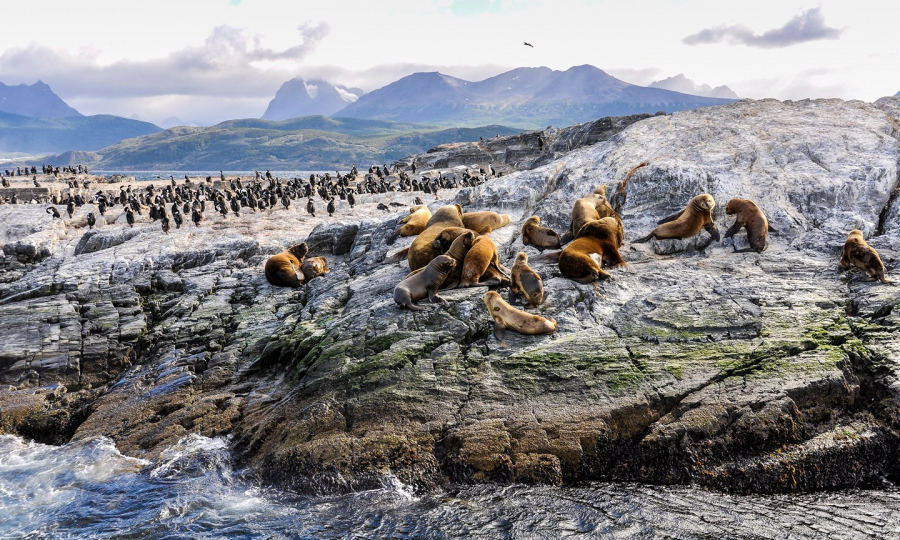
Tierra del Fuego is a wild, untamed land with mossy lenga forests growing on snow-capped mountains. Considered the "end of the world," it boasts abundant wildlife, including a large colony of Magellanic penguins on Martillo Island. The best time to visit Tierra del Fuego is between September and April, when the weather is cool and there is less rain.
9. Enjoy a traditional parrilla.
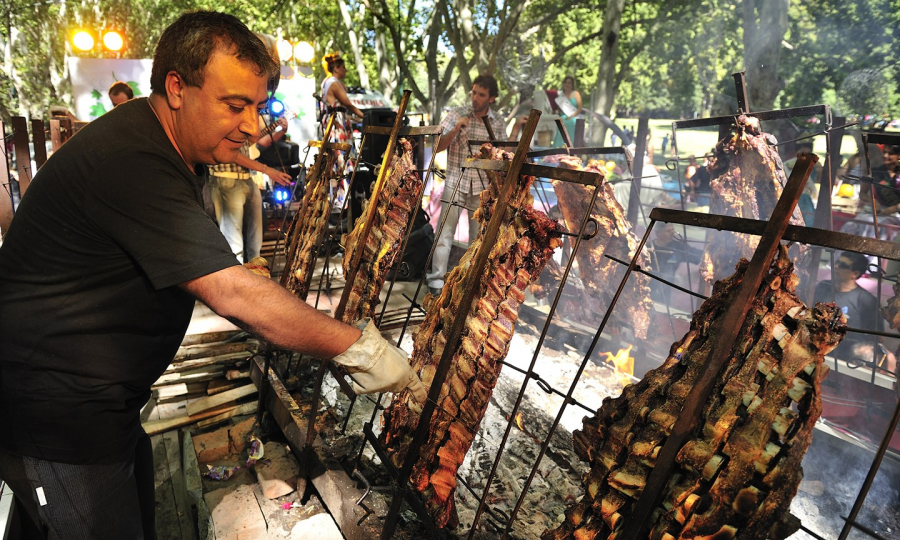
Parrilla is a traditional Argentinian barbecue dish. Beef is grilled thoroughly, evenly, and slowly over hot coals. Besides enjoying the meal, visitors can also watch asadors (barbecue grillers) demonstrate their skills in preparing tira de asado (thinly sliced ribs and meat) and vacío (grilled ribs) before enjoying their own dish. This is a memorable experience for tourists visiting Argentina.