VI
VI


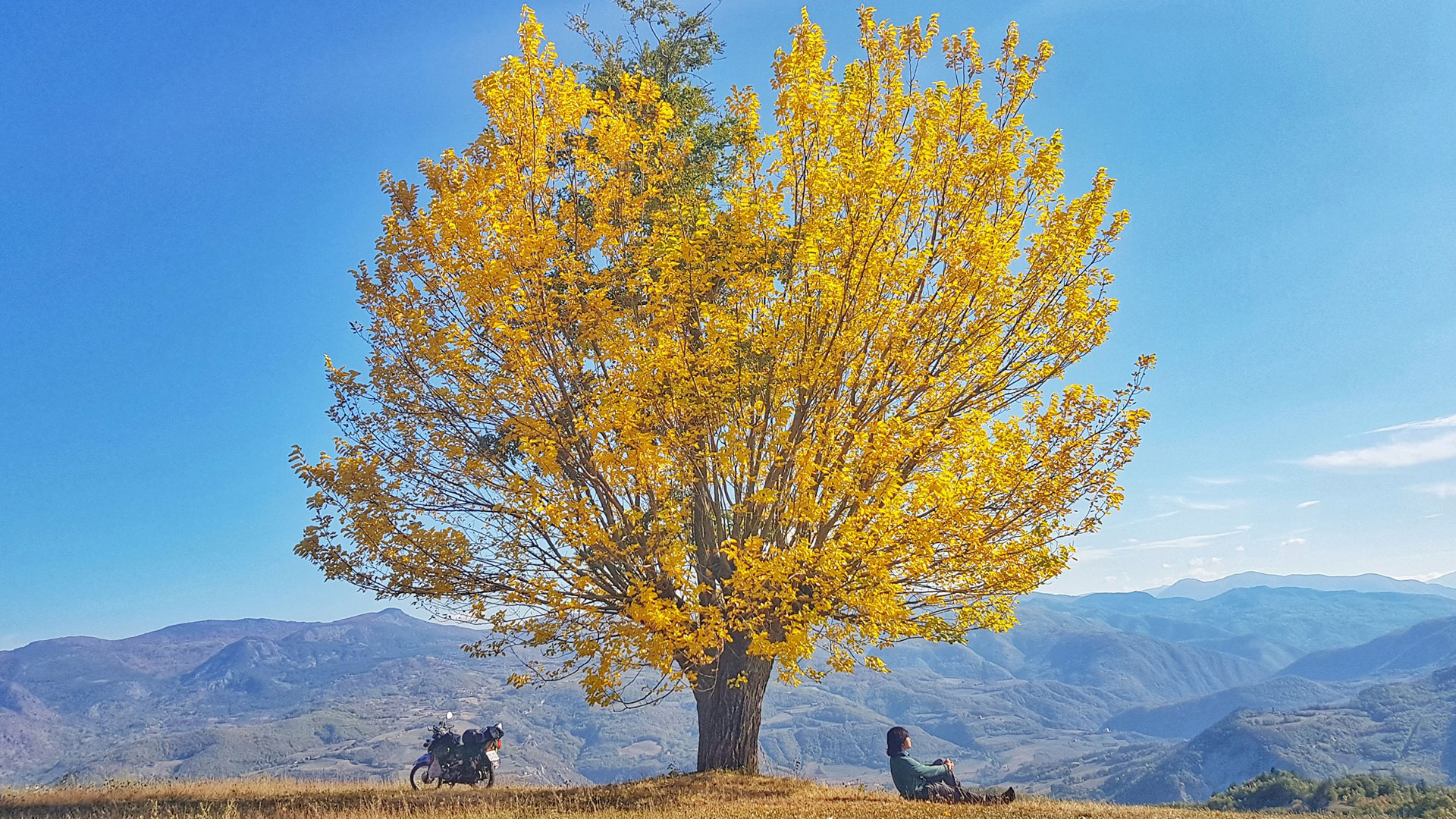
Tran Dang Dang Khoa (37 years old, from Tien Giang) began his journey of thousands of miles around the world on June 1, 2017, at the Moc Bai border gate (Tay Ninh). With his 100cc motorbike bearing a Vietnamese license plate, in a journey lasting 1,111 days, he set foot on 7 continents, visited 65 countries and territories, and crossed the equator 8 times. Below, Travel Blogger Dang Khoa will share with Travellive readers 7 tips for a safe motorbike trip.
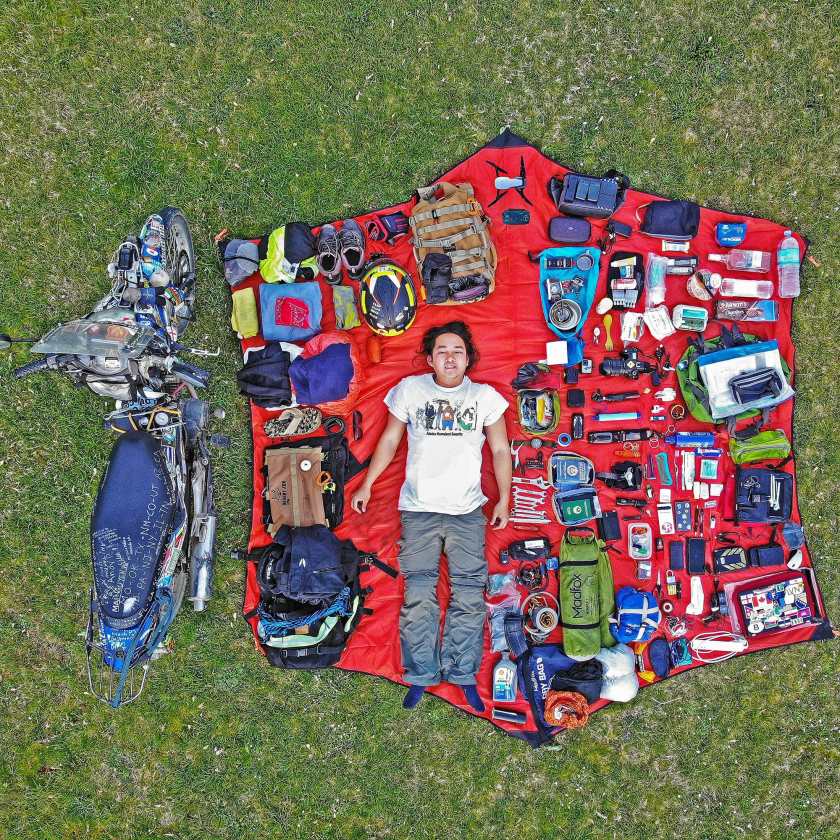
Tran Dang Dang Khoa poses for a photo with all the items he brought with him during his 1111-day journey traveling around the world.
1. Documents - "indispensable items"
You should prepare all important documents and make hard copies to keep in multiple places. Some documents include your passport, visa pages, entry and exit stamps, driver's license, vehicle registration, and travel insurance. I usually carry the originals in a backpack or small bag (tucked under my innermost layer of clothing), the photocopies in another backpack, and a set in my car.
Documents are extremely important, so Dang Khoa protects them carefully with two layers of waterproof nylon and a raincoat to prevent them from getting wet or falling out. He always needs to carry the originals with him because they are "indispensable." Additionally, you should scan or take photos of your documents and save them to a hard drive, laptop, or phone, then back them up to cloud platforms like Google Drive, iCloud, Dropbox, etc.
2. Should money always be "closely tied to one's livelihood"?
Regarding cash, you should stock up on some strong foreign currencies like dollars or euros so you can exchange them wherever you go. Tran Dang Dang Khoa added that you should never carry all your cash with you; keep a small amount of cash in a separate bag so you can quickly withdraw it for payments when needed.
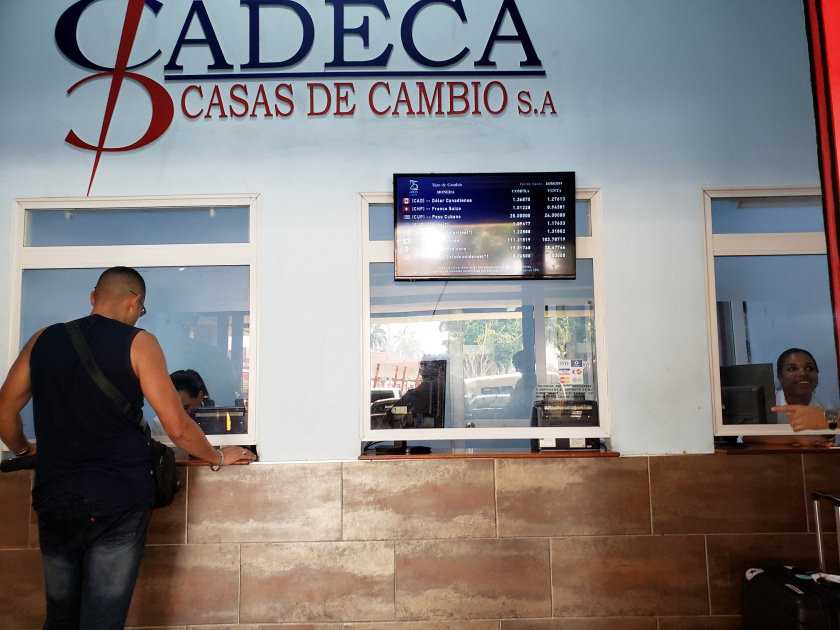
Note that each country has different currencies; for example, Cuba has two different currencies circulating simultaneously: the CUP for locals and the CUC for tourists. However, in practice, people can still use CUC and vice versa.
ATM cards are where you keep your money for your trip. You should get at least two cards, one Vietnamese and one foreign. Foreign banks offer good customer support and are present in many countries. For VISA or Mastercard cards, remember the 3-digit CVV code on the back for online transactions, then scratch it off to prevent fraud.
Cash and cards should be kept in multiple places. While money is considered essential, it's also important to keep it in separate places – on your person, in your backpack, and in your car – so you still have cash in case of robbery. Avoid letting cards touch each other as this can easily cause scratches, damage the magnetic strip, and expose the card numbers. Before traveling, you should especially inform your card-issuing bank about your frequent international transactions to prevent your cards from being blocked (due to security concerns).
3. Save all the information in case of an "SOS" call.
You should prepare two phones: one for communication and directions, and the other for more frequent use such as taking photos, searching for information, and entertainment. If you're feeling more cautious, you can keep an extra phone as a backup in case of an emergency.
Regarding SIM cards, remember to buy a SIM card in the country you're visiting and purchase a data plan in advance for convenience. Upon arrival, find and save emergency contact information. Also, note down contact information for Vietnamese people abroad or relatives who speak English. For extra precaution, write this information down on paper and put it in your backpack.
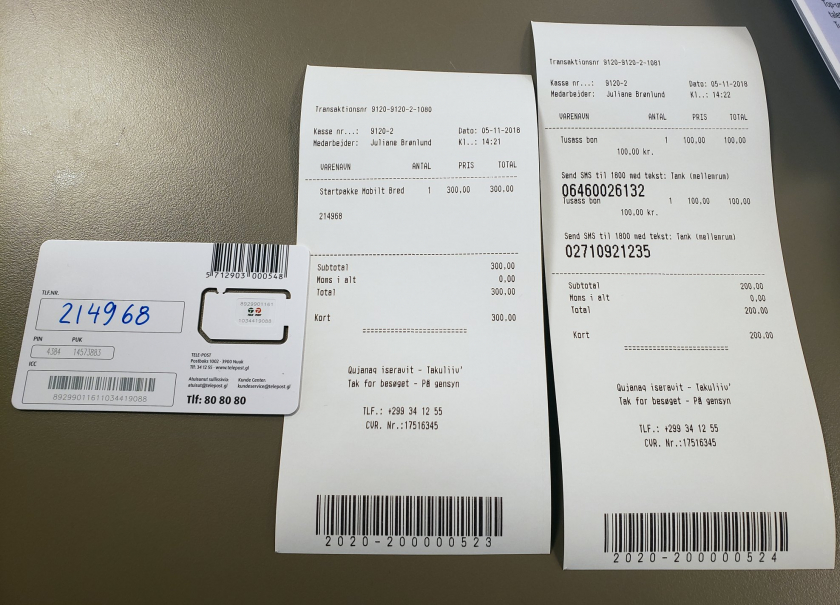
You should also note that the cost of buying SIM cards and data in some countries is quite expensive. For example, in Greenland, it will cost you around 500 DKK (equivalent to over 1,700,000 VND).
You should buy travel insurance, especially for solo trips, far from home, and without support from others. Then, save the insurance company's hotline and ISOS (International Rescue Service) contact information so you can get help when needed.

Regularly check location information, road conditions, weather, security, or use Google Translate to easily communicate with locals. On your phone, download basic first aid apps for reference, and offline maps (maps.me). Additionally, you can share your itinerary with a trusted person and enable location sharing in case you get lost.
4. Be prepared for risks, but don't get overly stressed.
When asked about the risks, Dang Khoa added: "Actually, I think the risk of being attacked by wild animals is much lower than the risk from humans. One principle I often apply is to 'set up camp' in deserted places where no one knows you. At the beach, I find a place to lie down behind large rocks; in the desert, I hide behind sand dunes. For a safe journey, you need to choose and check carefully before sleeping. You should observe your surroundings to assess the situation, such as the possibility of falling rocks, rising water levels, and the condition of the ground. If attacked, which direction should you run? When sleeping, you should also keep a knife and a flashlight at your head, in case of danger."
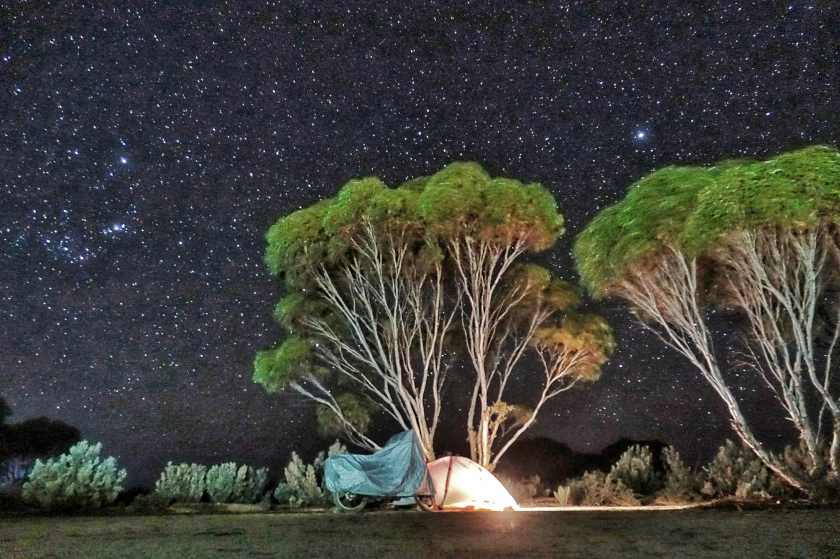
Choose a location and observe the surrounding environment before camping outdoors overnight.
Because he traveled alone and had a lot of luggage, he chose to sleep alone instead of a dorm room for safety. Khoa believes it's better to spend extra money than to risk losing belongings or documents. Before going to bed, he makes sure to check that the door is securely locked. If staying in a sensitive area, he should be flexible and use readily available items to barricade the door. For example, a backpack, helmet, shoes, chairs, or even a drinking glass placed on the table to trigger an alarm in case of an emergency.
You can carry a spare padlock to lock your vehicle when you go out. This padlock can also be used to lock the front wheel if you park in a crowded area. When traveling alone, you shouldn't camp too much or carry too many valuable items.
5. Understand your own health situation and be prepared for emergencies.
First, you need to pay attention to food safety and hygiene. When you go to a restaurant, you can check by asking about the restrooms; the cleanliness of the restrooms reflects the cleanliness of the restaurant as a whole. While you're at it, take a moment to look around and see if the kitchen is clean. If you don't feel confident, you can also buy some ready-to-eat food to fill your stomach and then find a place to eat later.
Always keep some snacks like cookies and chocolate handy in case of hunger or hypoglycemia. In particular, bring at least a liter of water for drinking; it can also be used to clean wounds in case of accidents or burns. In some large cities, tap water is quite clean and safe to drink, such as in Georgia (the water flowing down from the Caucasus Mountains is clean and cool). Additionally, you should prepare a portable water filter to treat drinking water in places where the water is not clean or is adulterated, such as in India.
Always carry a first-aid kit and medications prepared according to your personal health condition and illnesses, and keep them in an easily accessible place. In addition, a general medical record should also be included, so that in case of unconsciousness or an accident, doctors/people know your blood type, medical history, drug resistance, etc. You should also remember to get vaccinated if you plan to travel through certain countries that require it. For example, in Ecuador, you must get a yellow fever vaccination if you intend to enter the country.

The young man chose to wear several layers of thin clothing to easily regulate his body temperature when changing between different environments.
Regarding clothing, it's important to choose outfits suitable for the terrain by checking the weather at your destination. Layering clothing will help retain heat better, allowing you to easily adjust to the temperature when it's hot (by removing layers) or cold (by adding more). Always maintain a stable body temperature as much as possible and avoid prolonged exposure to the sun.
6. Be flexible and tactful when dealing with local people.
If you're worried and withdrawn while traveling, it will diminish your experiences and spoil the fun. You need to be open to the locals, but at the same time, you need to be wary of people who approach you with ulterior motives.
In reality, meeting someone is sometimes a matter of chance, so you should also rely on your intuition to predict the situation. If you feel uneasy about even a small detail, stay calm and don't overreact; just handle it calmly. Limit sharing information with strangers (unless they are fellow travelers) who may have bad intentions. "I myself have been quite lucky to meet many kind, lovely people who were always willing to help on my journey," Dang Khoa shared.
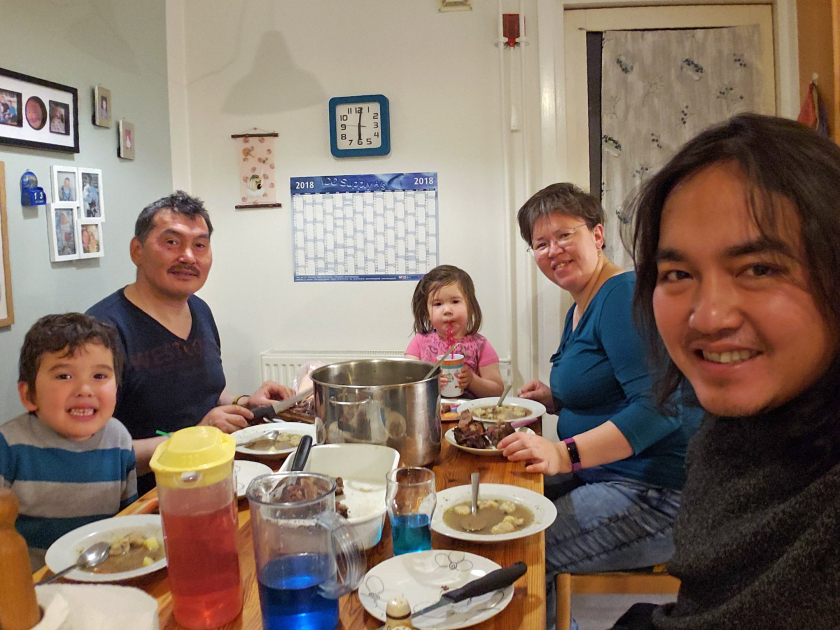
Dang Khoa took a photo with a family in Greenland in 2017.
Important items should also be kept in a backpack, carried close to your body, and secured with the chest/waist strap. In public places, remain vigilant; you can use the backpack as a headrest or tuck it between your legs. In restaurants, choose a seat against the wall, at a table with a panoramic view of the restaurant or overlooking the window to be aware of what's happening.
The best way to blend in with the crowd is to dress like the locals, so they don't notice you or think you've lived there for a long time. "You can prepare some small gifts, like when I went from Cuba to Haiti, I bought some cigars or small bottles of liquor to 'win over' some strangers when I arrived. Sometimes you tend to be intimidated by heavily tattooed people, but you should also be brave enough to strike up a conversation with them in case something special happens," the travel blogger suggests.
7. The most important driving tip: ABC - Always Be Careful!
"Actually, there's no way to guarantee absolute safety when traveling. The further and more you travel, the more lessons you'll learn to be more cautious. Don't boast about being a skilled driver, because sometimes you'll pay the price with very painful falls," emphasized the young man who has traveled over 80,000 km around the world.
Being alert and cautious is something Khoa always remembers when participating in traffic. Whether driving on straight roads, mountain passes, in the city or in the suburbs, you need to observe both sides before and after you decide what to do. It's also important to have rearview mirrors for better visibility; sometimes you have to look behind you, so you should stop completely before turning around. In particular, you need to stay far away from large vehicles to ensure safety. You may be driving safely, but maintaining a safe distance is necessary because large vehicles have blind spots that make traffic dangerous.
Additionally, when riding a motorbike, you need to choose eye-catching clothing – especially at night. Highways abroad have very high speeds, making it difficult to notice smaller vehicles on the road. You can choose a reflective jacket, attach reflective patches to your helmet or the back of your seat so that others can see you. When overtaking, turning, or braking, you should use your turn signals so that other motorbikes and cars are aware of your presence.
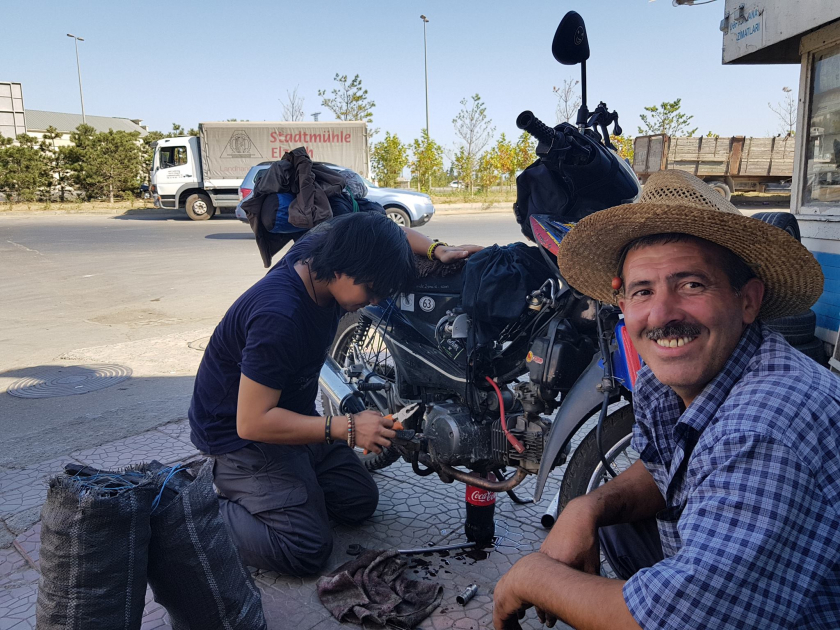
When going on a motorbike trip, it's essential to understand the structure and repair of your bike. Regularly check your bike before you leave.
It's especially important to always check the fuel tank, air filter, oil, and tires regularly before departure. If you have to choose a vehicle, you should consider between a compact 100-150cc motorcycle and a larger displacement motorcycle. The advantage of compact motorcycles is that they are less noticeable and less disruptive to other vehicles. However, the disadvantages are that they are slower, less safe, and have weaker pulling power when traveling on rough terrain. Larger displacement motorcycles can overcome these shortcomings. They can carry more cargo and require fewer refueling stops. Conversely, they are harder to maneuver, attract more attention, and can sometimes be dangerous.