VI
VI


Visual illusions - when mathematics becomes a game of emotions.
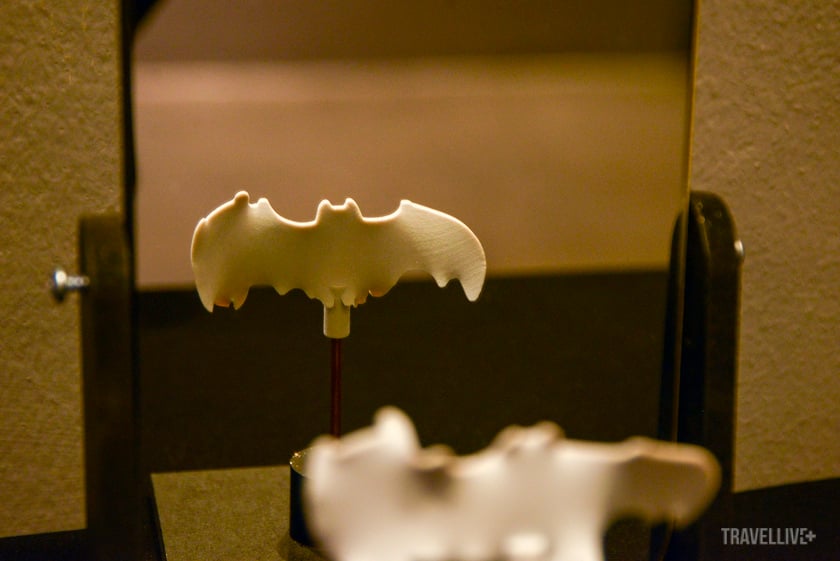
From June 28th to August 24th, 2025, the Japan Foundation in Vietnam – located at 27 Quang Trung Street, Hoan Kiem District, Hanoi – will host the "Miracles" exhibition, featuring 53 models designed by Professor Sugihara Kokichi. The most unique aspect of the exhibition is that all the models are real objects, constructed using complex trigonometric formulas. Unlike typical paper mirages which are limited to two dimensions, the models here allow viewers to walk around, change their viewing angles, interact directly, and experience a continuous sense of wonder.
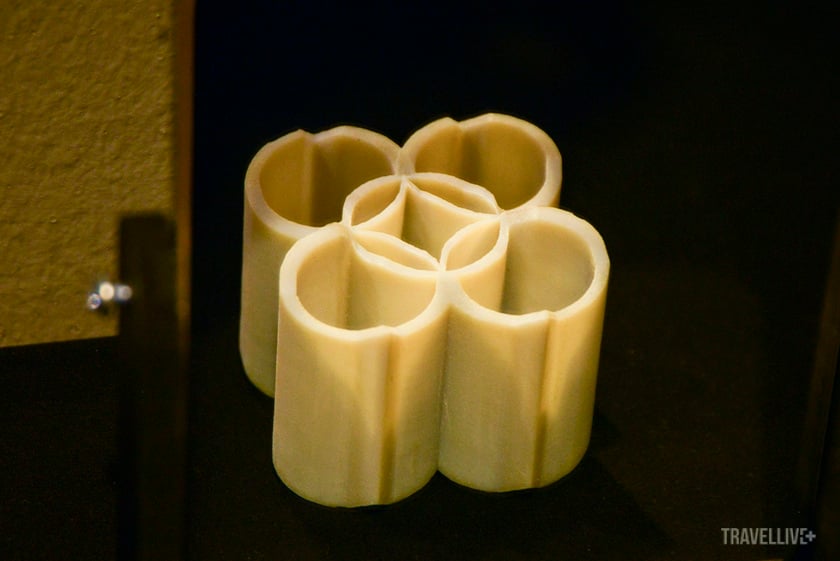
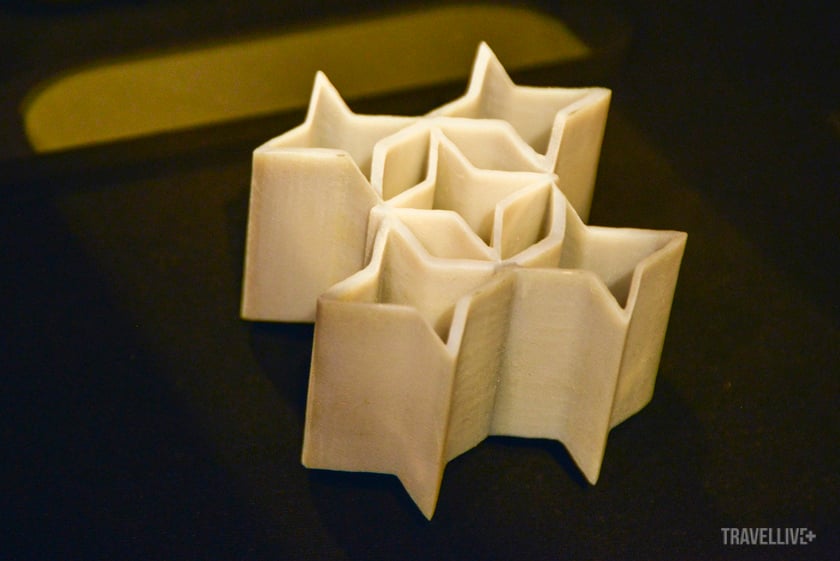
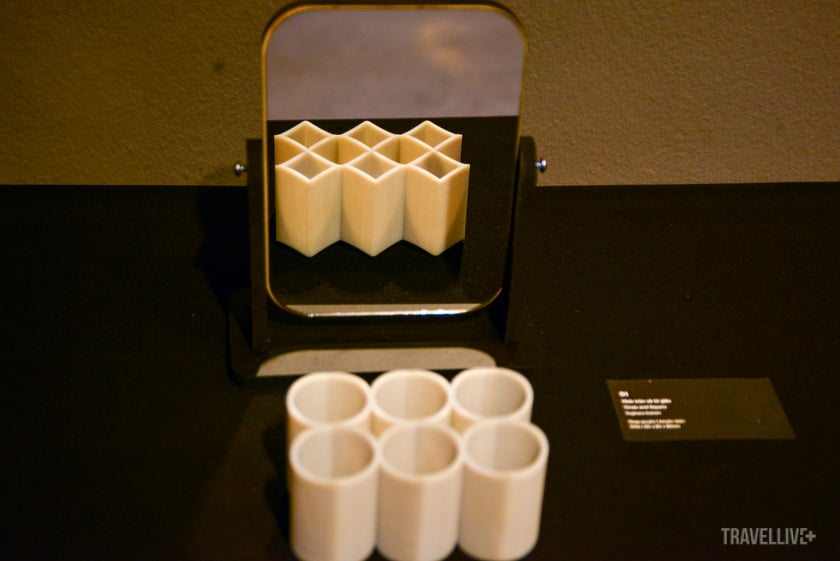
Works by Sugihara Kokichi at the exhibition.
The "Visual Illusions" exhibition is like a game of intellect combined with emotion. The "inverted climbing machines," the images of "mismatched reflective objects," or "self-rotating objects" make viewers laugh, then immediately stop to think: "Why is that?" A simple mirror placed next to a fish model reflects... a skeleton. A slider seems to climb a slope on its own without any external force. A tiny round object, only about 8 cm in diameter, transforms like a spatial dance when viewed from a different angle.
It's not magic. It's mathematics, physics, and visual perception – connected by the intuition and intellect of an artist-scientist.
Sugihara Kokichi – From Scientist to Visual Artist
After graduating with a Master's degree in Engineering from the University of Tokyo in 1973, Sugihara began a formal research career at prestigious institutes and universities such as the Institute of Electronic Engineering, Nagoya University, and the University of Tokyo. However, behind that familiar white lab coat lay a highly imaginative mind, always curious about the paradoxes of sensation, optical illusions, and above all, a burning desire to explore the intersection of technology, mathematics, and art.
In 2009, he joined Meiji University, which became the birthplace of many of his groundbreaking research works. Since April 2019, he has held the title of Distinguished Professor Emeritus at the Advanced Institute for Mathematical Studies (AIMS) of Meiji University.

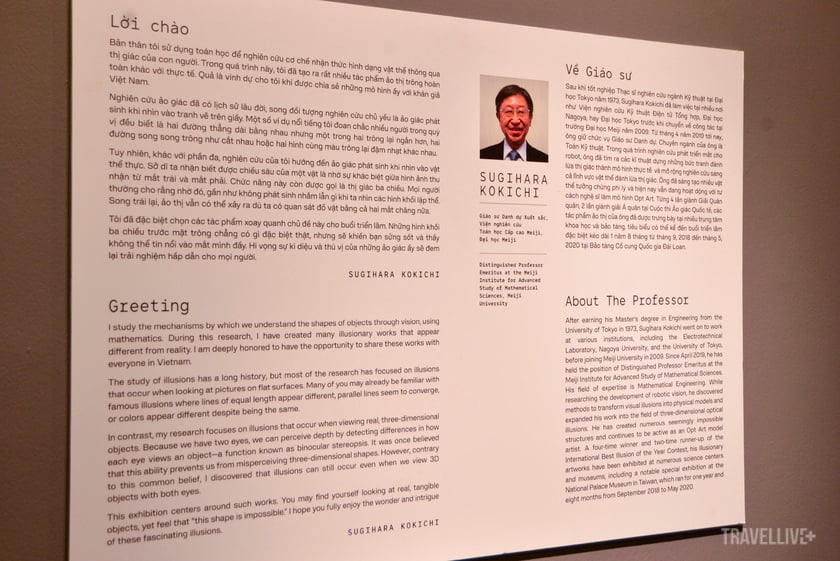
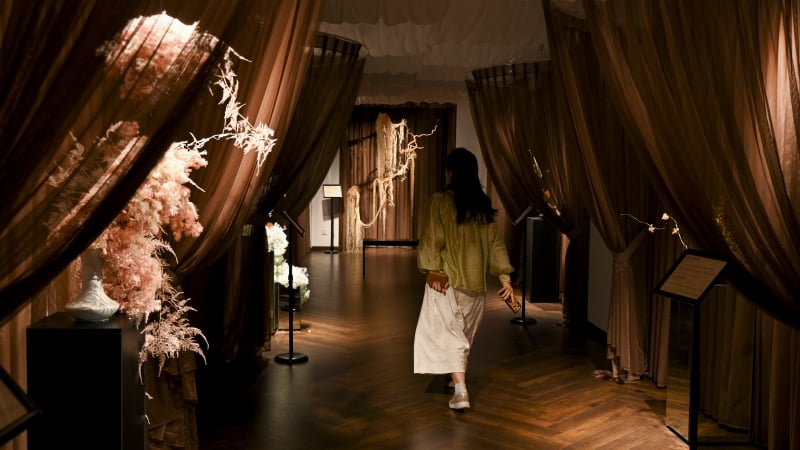
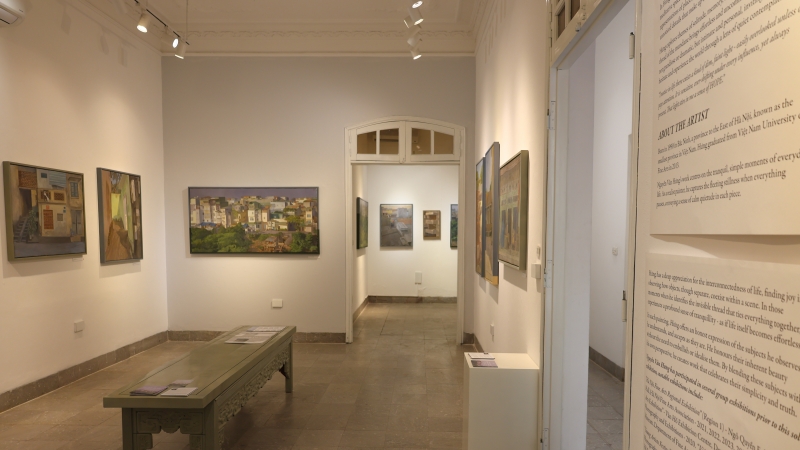
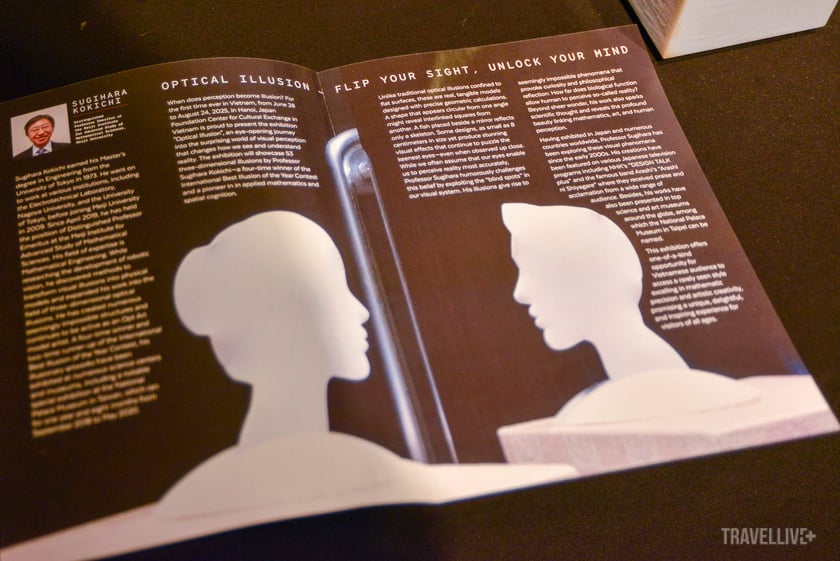

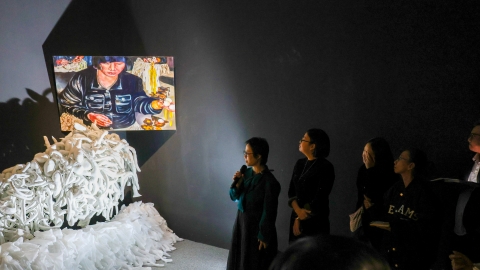
The "Illusions" exhibition at the Japan Foundation Center for Cultural Exchange in Vietnam.
Initially, Sugihara's research into robotic vision required him to create models simulating how humans perceive three-dimensional space. However, he discovered gaps in how humans perceive shapes, visual blind spots that could lead to incredibly complex visual illusions. Building on his existing mathematical and engineering background, he began constructing models that could deceive the human eye—objects that, when viewed from one angle, appeared as circles, but from another, as a series of interlocking squares.
Gradually, he went beyond mere imitation and created highly artistic models, belonging to what the world calls Optical Art – visual art. Sugihara became one of the few who brought optical illusions off the paper, transforming them into concrete, detailed three-dimensional objects that could be touched, rotated, and explored with the naked eye – yet still leave us questioning our own senses.
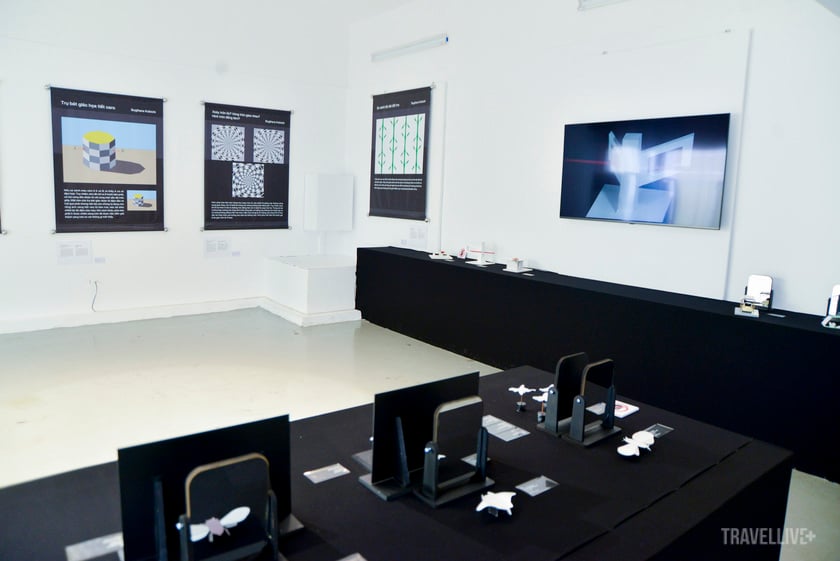
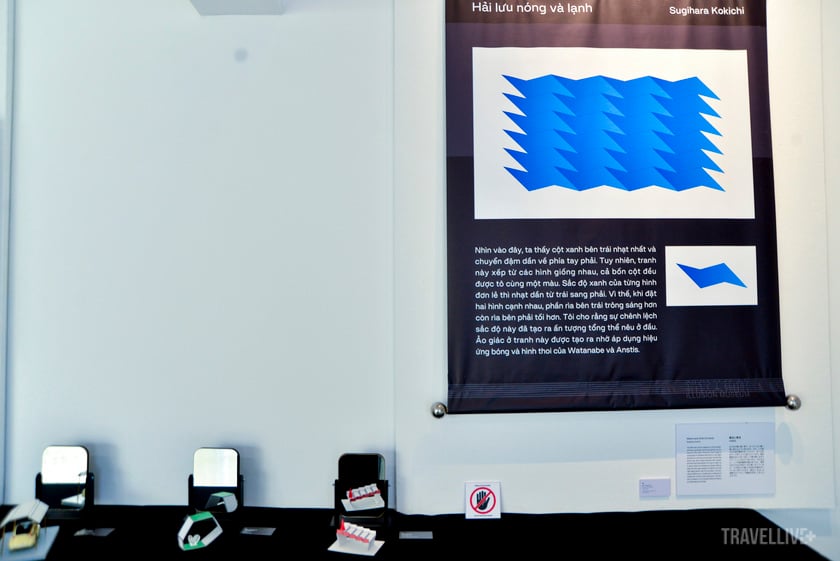
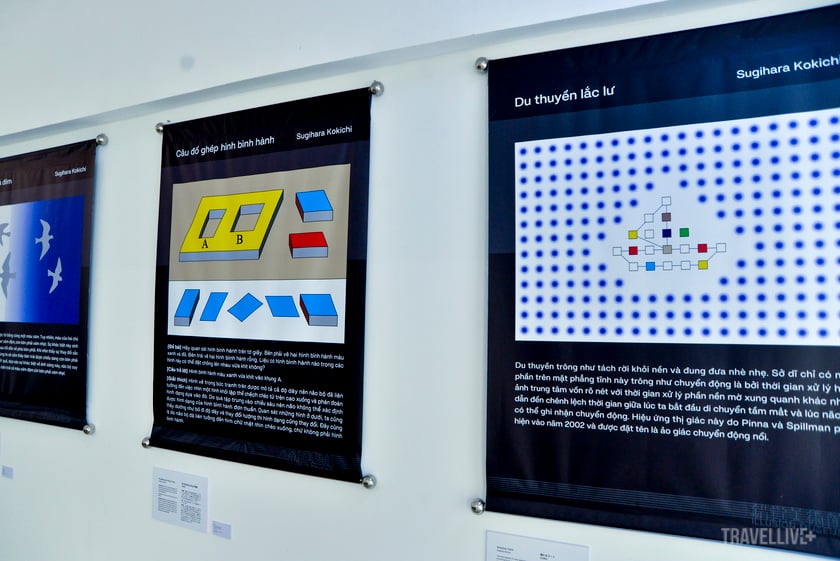
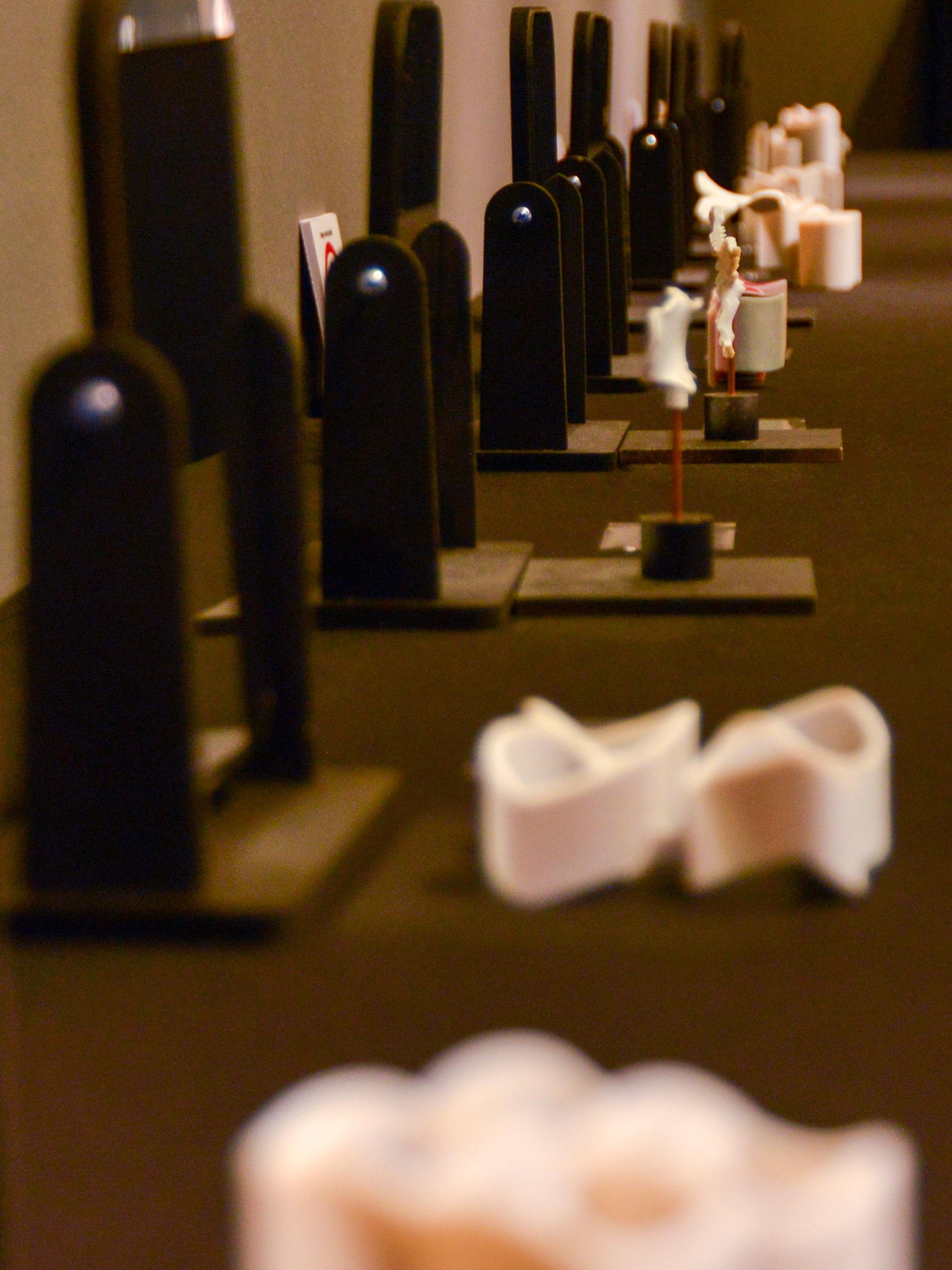
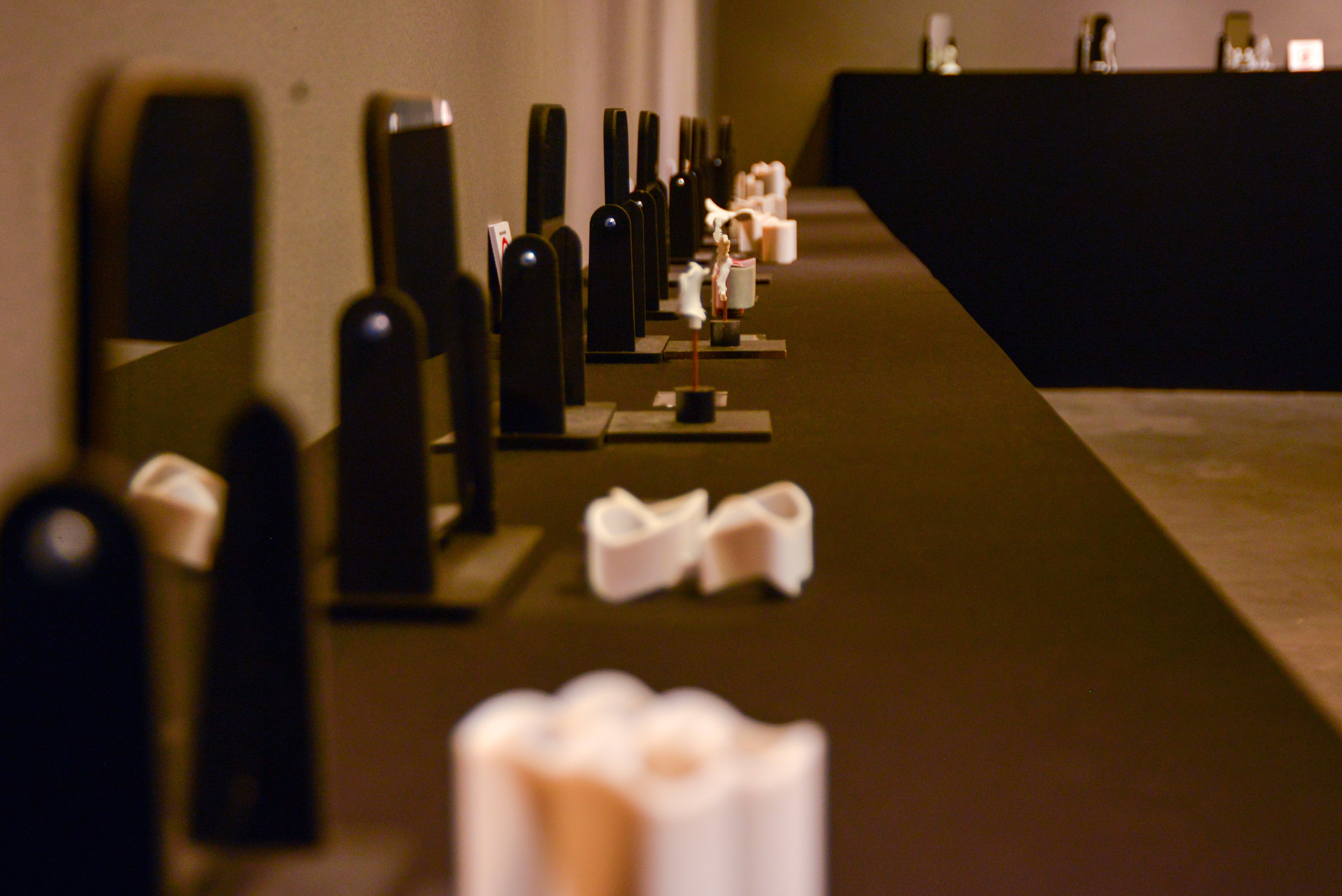
The "Illusion" exhibition space
"Critical analysis" using models and intelligence.
Sugihara shared: “We always believe that our eyes are the honest witnesses, that what we see is the truth. But vision also has blind spots. I want to ask the question: if our eyes cannot be trusted, then what is reality?”
The models at the exhibition don't force viewers to believe anything, but rather open up various possibilities, questioning perception, reality, and belief in the senses. There, viewers are both spectators and participants in a cognitive game that they themselves control.

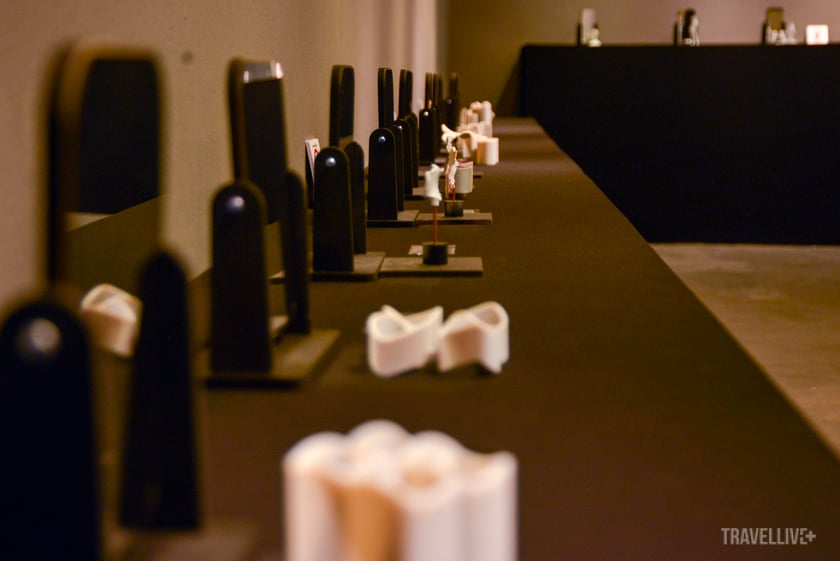
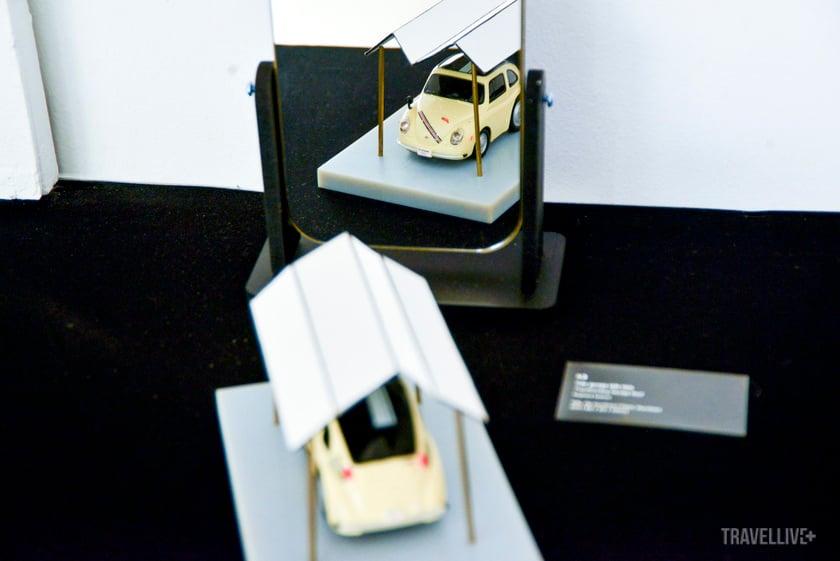
With outstanding contributions to the study of vision and illusion, Sugihara has won first prize four times and second prize twice at the International Illusion Competition – a prestigious competition for leading visual scientists and artists worldwide. His works have also been widely exhibited in numerous museums and scientific centers around the world. A notable example is his exhibition lasting 1 year and 8 months at the National Palace Museum in Taiwan (2018-2020), a rare achievement for any artist.
The intersection of: Science – Art – Philosophy
More than just a display of technical skill or visual tricks, the "Visual Illusion" exhibition opens up a space where science, art, and philosophy intersect. Sugihara, in his roles as a mathematics professor, visual artist, and storyteller using form, transforms mathematics into a game of emotions, creating an exhibition that is both academically rich and accessible and entertaining.
This proves that science is not distant, art is not just for viewing, and when placed in the right hands of courageous creators, mathematics can also shake the entire world of human perception.