VI
VI


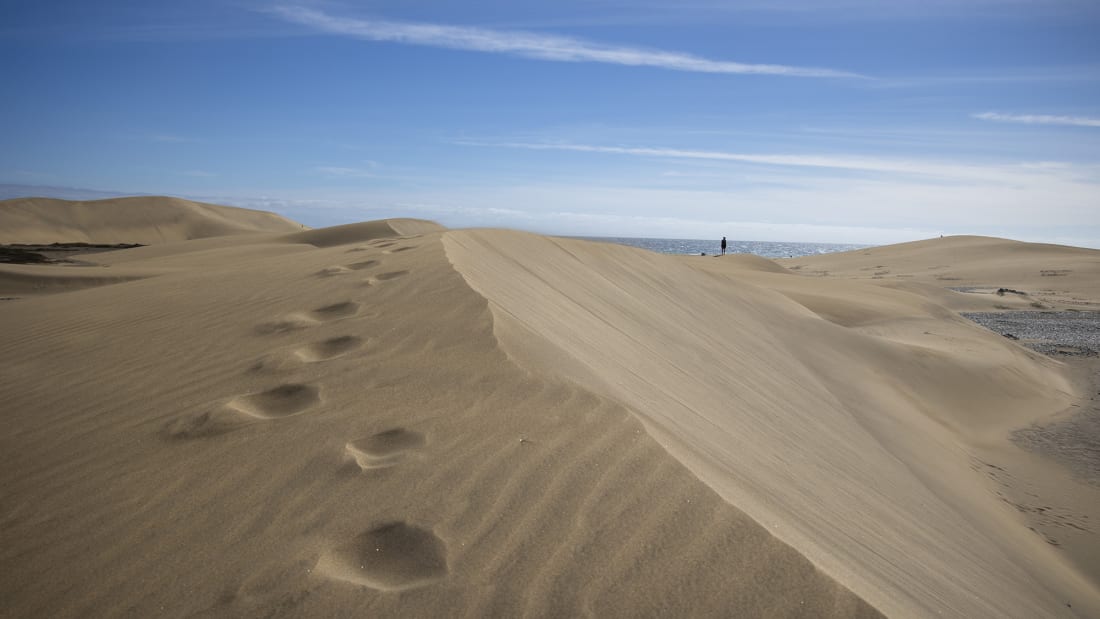
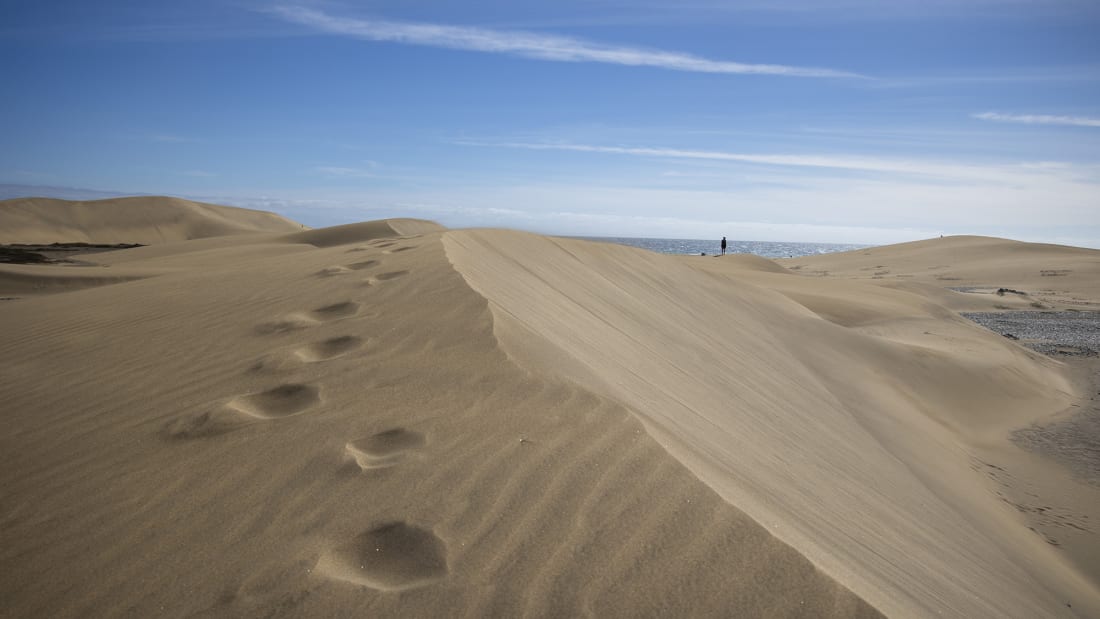
The Dunas de Maspalomas nature reserve, located on the island of Gran Canaria (Spain), is famous for its pristine sand dunes along the coast and consistently tops lists of must-see places when visiting Gran Canaria. The coastal dunes, legally protected since 1982, are among the last remaining shifting dunes in Europe and serve as a stopover point for migratory birds traveling between Africa and Europe.
Today, beaches are increasingly developing as tourist destinations, becoming places for recreation and sightseeing. However, sadly, in a recent article published in the Spanish Journal of Environmental Management, researchers documented 298 locations where sexual activity occurred across an area of over 5 square kilometers.2On this beach, most of these spots are nestled amidst dense vegetation and sand dunes that surround the vegetation.
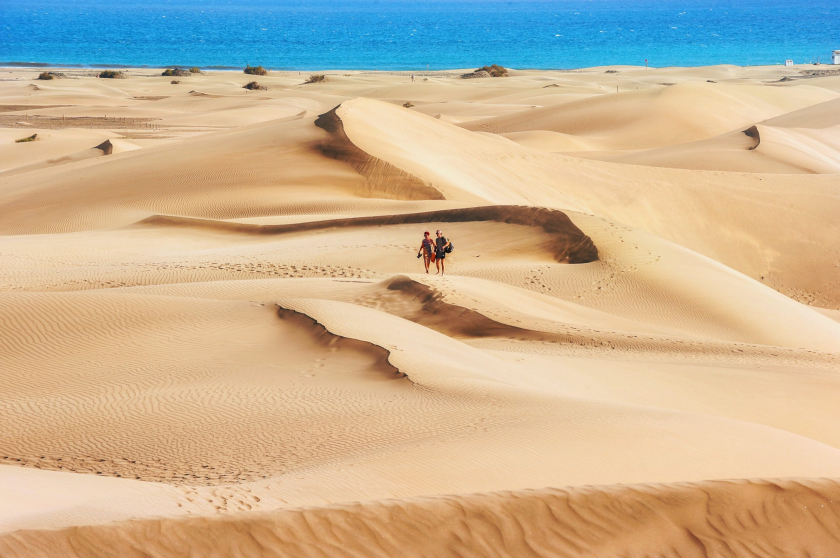
Sand dunes at Dunas de Maspalomas. (Photo: Internet)
Tourists engaging in sexual activity on the beach and the movement of cruise ships out to sea not only directly impact the local wildlife but also affect eight native plant species, three of which are endemic.

Tourists trample on vegetation, destroy living organisms and sand dunes, create their own "nests," and even surround them with trash including cigarettes, condoms, toilet paper, wipes, and soda cans. In addition, some people treat the sand dunes as a public toilet. Researchers have found that the further away the location of sexual activity, the more trash is left behind.
Even the "forbidden zone" on the sand dunes – a restricted area for visitors – has been found to have 56 sexual encounters. Many tourists completely disregard environmental protection guidelines at the Dunas de Maspalomas reserve, even though the reserve was established primarily for environmental education.
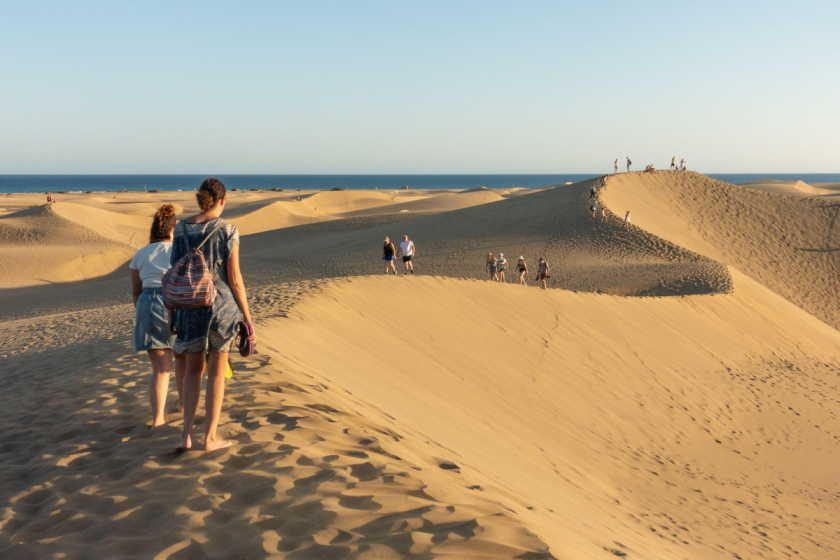
According to statistics, the island of Gran Canaria attracts approximately 14 million tourists annually. (Image: Internet)
"Furthermore, giant lizards in Gran Canaria have died after eating condoms left behind by pleasure-seekers," Patrick Hesp, one of the authors of the article published on The Conversation, reported on the serious situation occurring on the beaches of Gran Canaria.
Coastal sand dune systems are an important part of the marine landscape; however, tourism development in such areas has had devastating consequences. "Their degradation is, for the most part, a direct consequence of tourism development," the article adds.