VI
VI


The first museum dedicated to witnesses of Vietnamese science.
As part of the activities celebrating Vietnam Cultural Heritage Day, the opening of the Museum of Vietnamese Scientists' Heritage marks an important milestone in the journey of researching, preserving, and promoting the value of cultural heritage - especially since the concept of "scientists' heritage" is still relatively new in our country.
Associate Professor Dr. Nguyen Van Huy, Director of Professional Affairs at the Center for the Heritage of Vietnamese Scientists, expressed his expectations: "The Museum of the Heritage of Vietnamese Scientists will not only be a place to visit to understand the history of science and the contributions of generations of Vietnamese scientists, but also a place to learn about the values and qualities of scientists, thereby creating inspiration in life for each visitor, especially the younger generation. We hope the Museum will be a place to awaken the scientific spirit and scientific pride of Vietnam.”
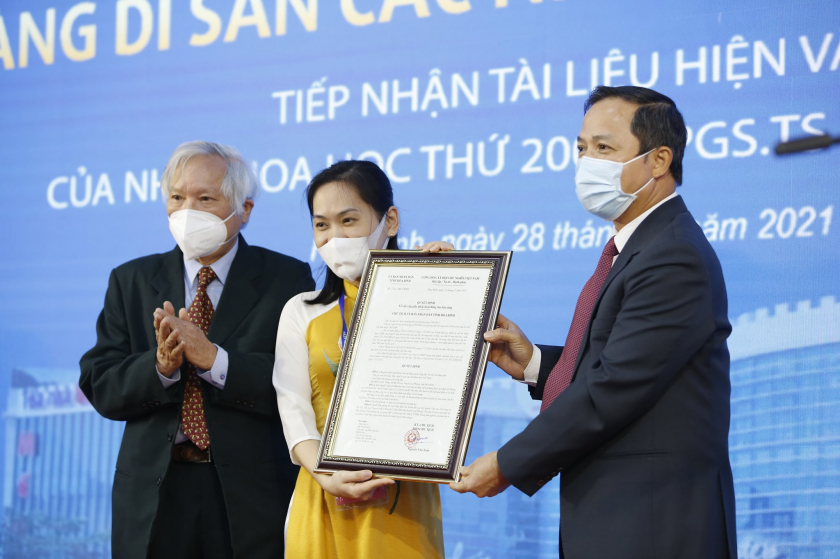
Vice Chairman of Hoa Binh province Nguyen Van Toan presents the Decision granting operating license to the Museum of Vietnamese Scientists' Heritage
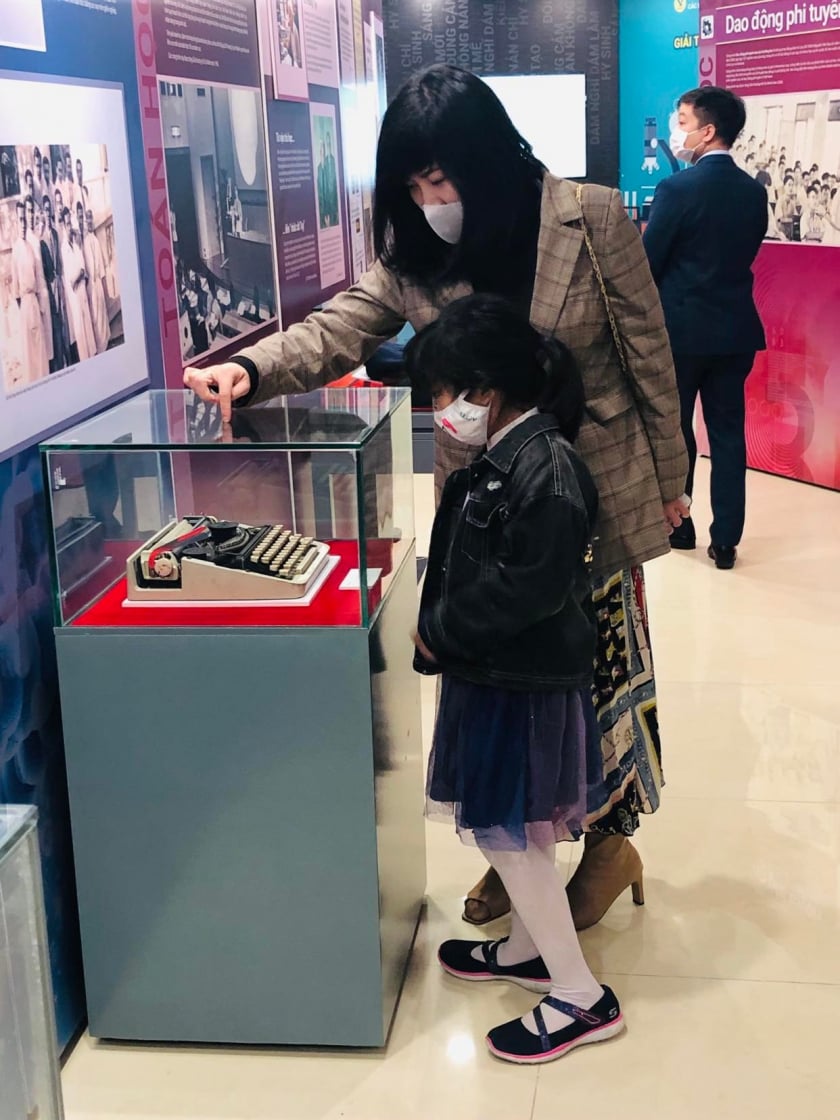
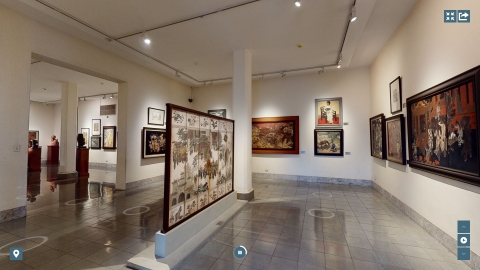
Visit the Museum of Scientists' Heritage.
The museum not only continues to expand its collection, preservation, and conservation of tangible and intangible scientific values, but also displays artifacts about the lives, contributions, and work of Vietnamese scientists, while simultaneously recreating the history of one or more scientific disciplines, serving the research, education, sightseeing, and cultural enjoyment needs of the people.

Hundreds of thousands of documents collected over 13 years.
The Museum of Vietnamese Scientists' Heritage, covering an area of over 30 hectares, is located within the Vietnamese Scientists' Heritage Park in Cao Phong district, Hoa Binh province. This is not a surprise opening, but rather a long-planned project honoring science. The idea of establishing a center to research and preserve the heritage of Vietnamese scientists was initiated 13 years ago by the founding members of MEDLATEC Hospital.
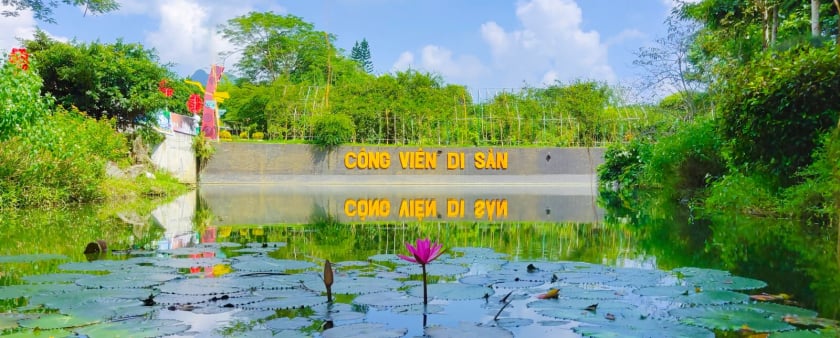
A corner of the Vietnamese Scientists' Heritage Park.
On June 18, 2008, the Center for Research and Preservation of Vietnamese Doctoral Heritage was established under a license from the People's Committee of Hoa Binh province. On September 27, 2008, more than 100 scientists participated in the project to build the Center at Van Mieu - Quoc Tu Giam in Hanoi, with the Scientists' Heritage Park as its core. The Scientists' Heritage Park is also the first facility of the Center to become operational, serving as a cultural and scientific park to meet the needs of the general public and tourists through the display and introduction of the lives and contributions of Vietnamese scientists, combined with the need for rest, entertainment, and cultural and historical tourism.
On January 12, 2011, after more than two years of operation, the Center for Research and Preservation of Vietnamese Doctoral Heritage officially changed its name toCenter for the Heritage of Vietnamese Scientists.
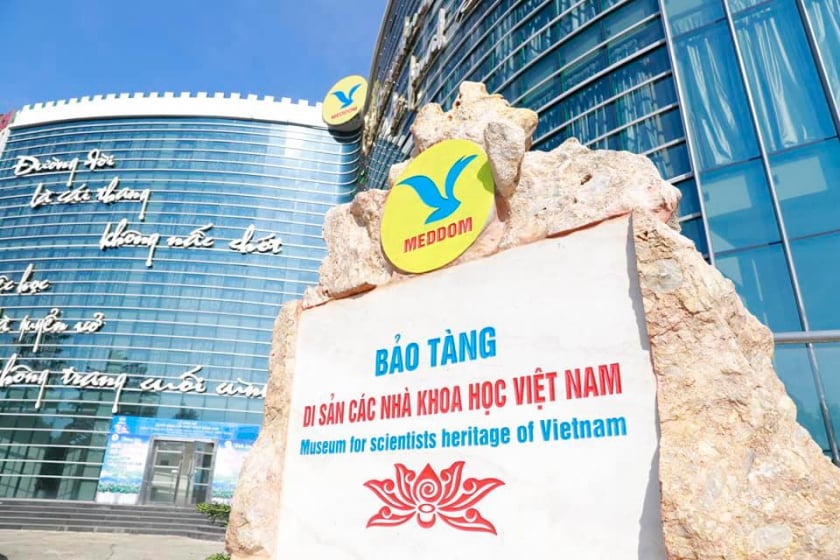
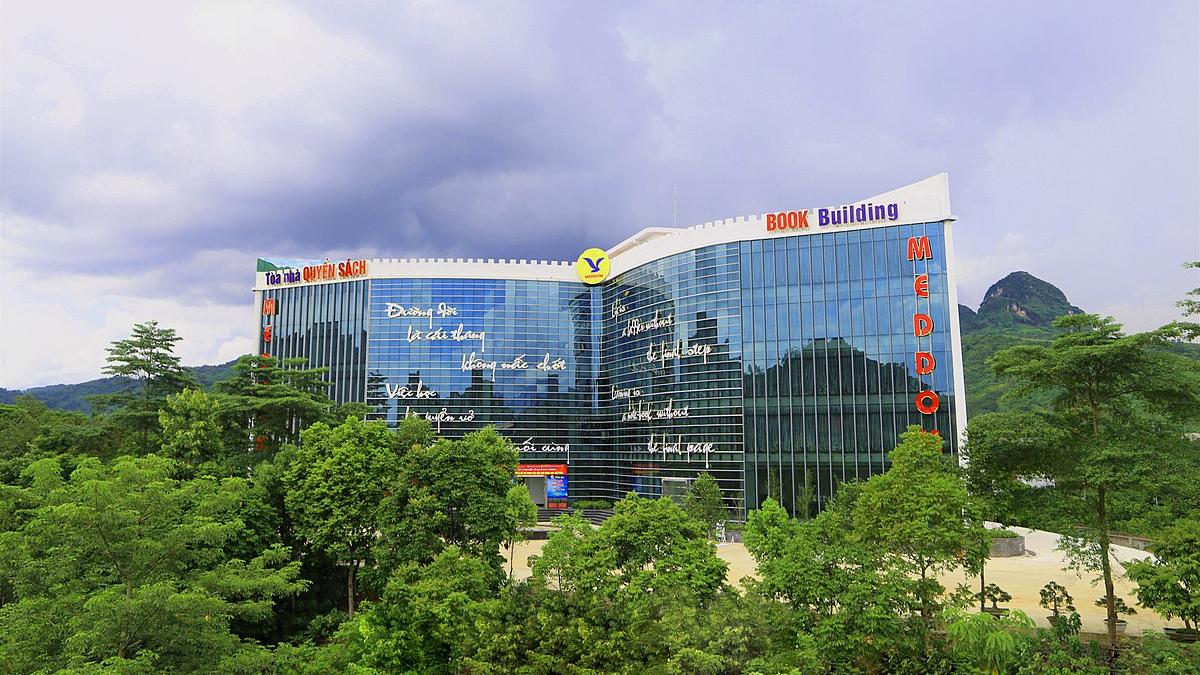
The Museum of Vietnamese Scientists' Heritage is under the direct management of MEDLATEC Medical Technology and Testing Company.
The Museum of Vietnamese Scientists' Heritage was built on the basis of materials that the Center has persistently and diligently collected over more than 13 years of operation: 2,000 personal archives of scientists, preserving and safeguarding more than 800,000 documents and artifacts, 400,000 minutes of audio recordings and 150,000 minutes of video recordings about the lives of scientists in 45 specialties.
Below are some artifacts stored at the Museum by the Center for Vietnamese Scientists' Heritage:
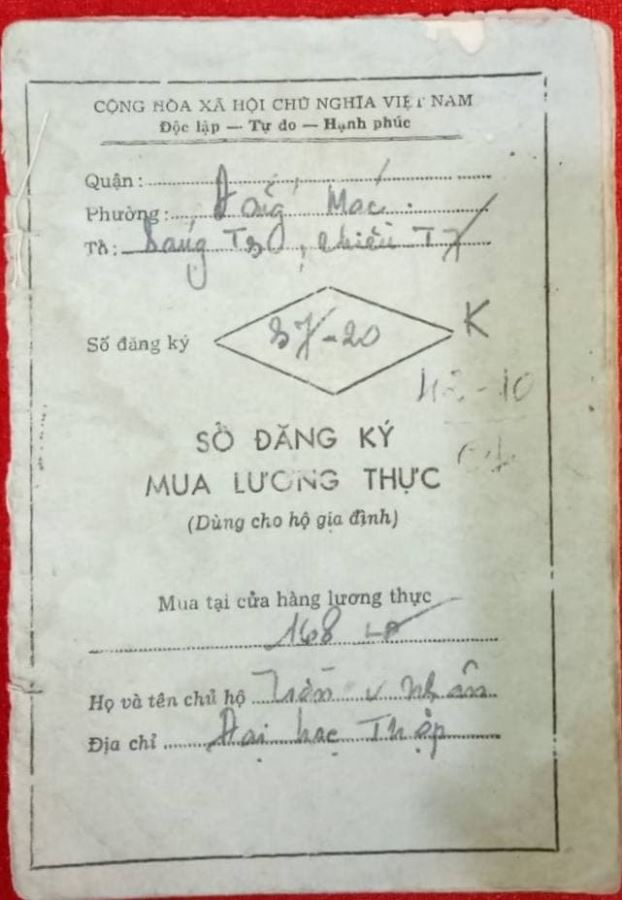
The food procurement register of Professor Tran Van Nhan, used from 1986 to 1988.
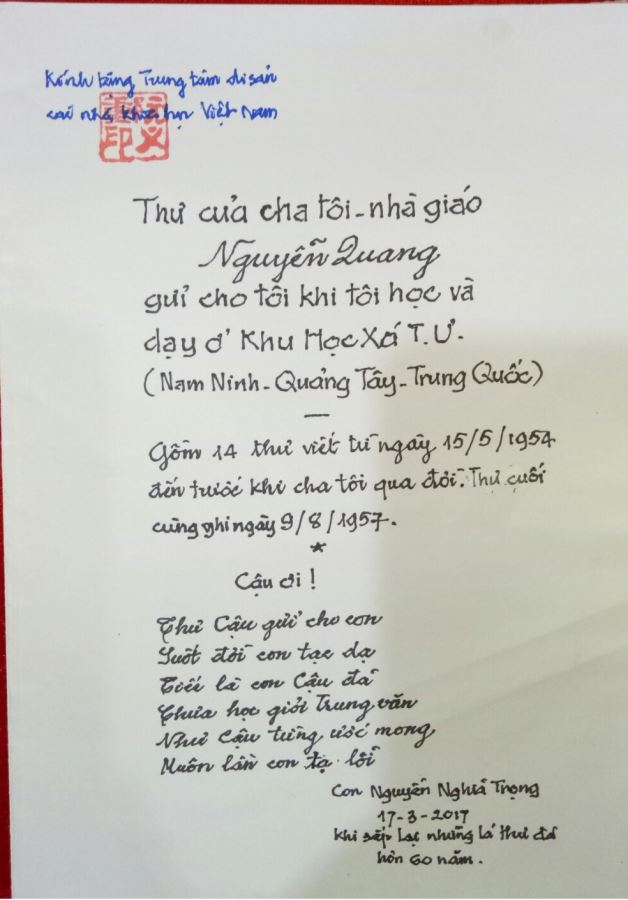
14 letters from a father to Associate Professor Nguyen Nghia Trong while he was studying in China.
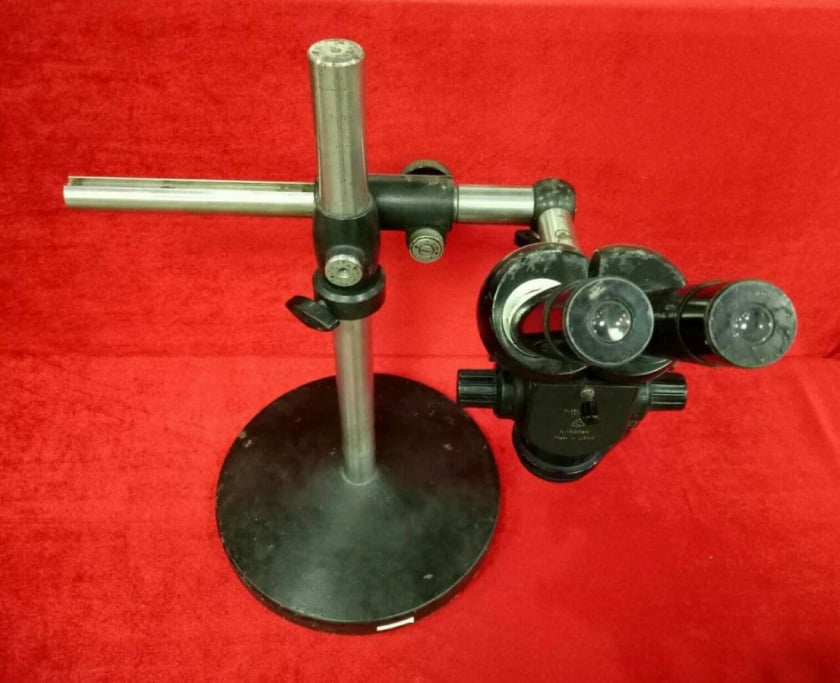
Professor Tran Dinh Ly's MBC-2 magnifying glass is evidence of a time when scientific research equipment in our country was still very rudimentary.
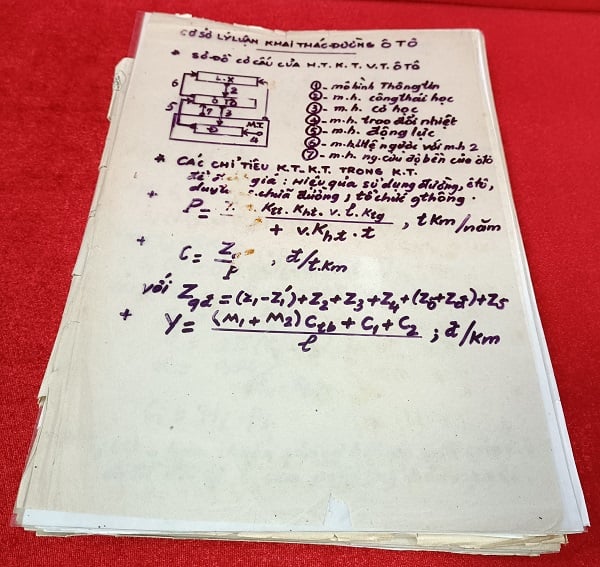
This textbook is by Professor Tran Dinh Buu, a scientist in the field of Transportation Engineering.

Associate Professor Ly Hoa's unusual sandals: one sole is 15cm high and the other is only 2cm high.
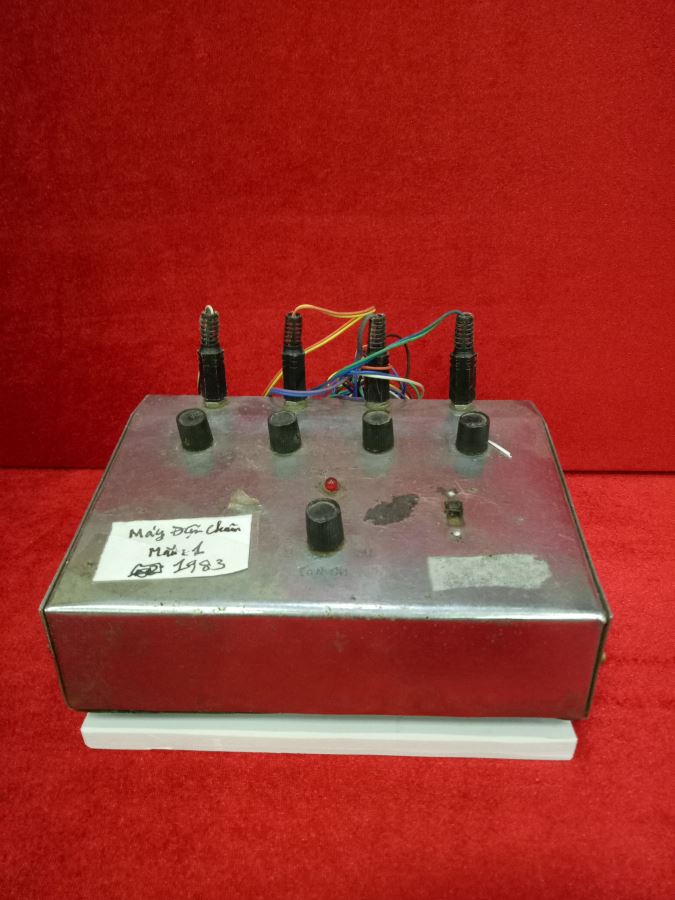
The first electroacupuncture machine of the Institute of Acupuncture.
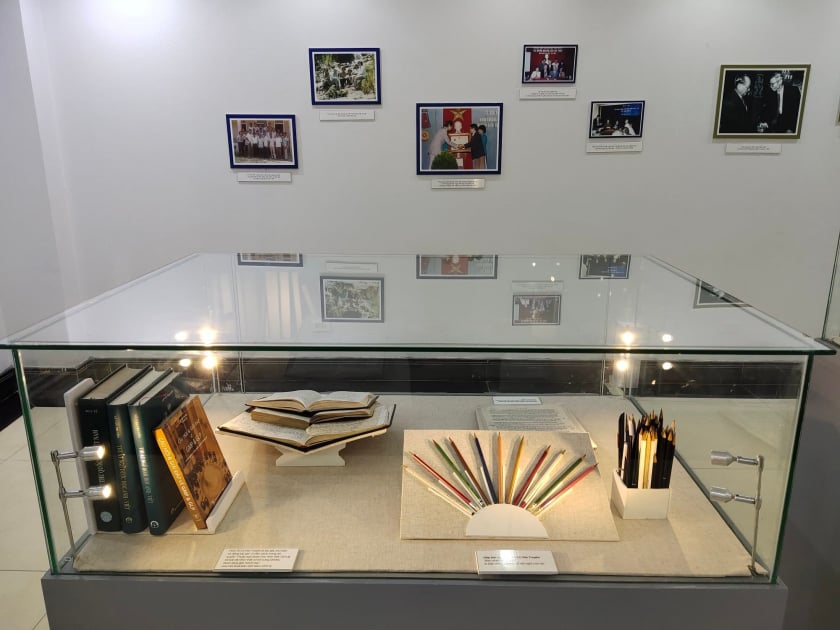
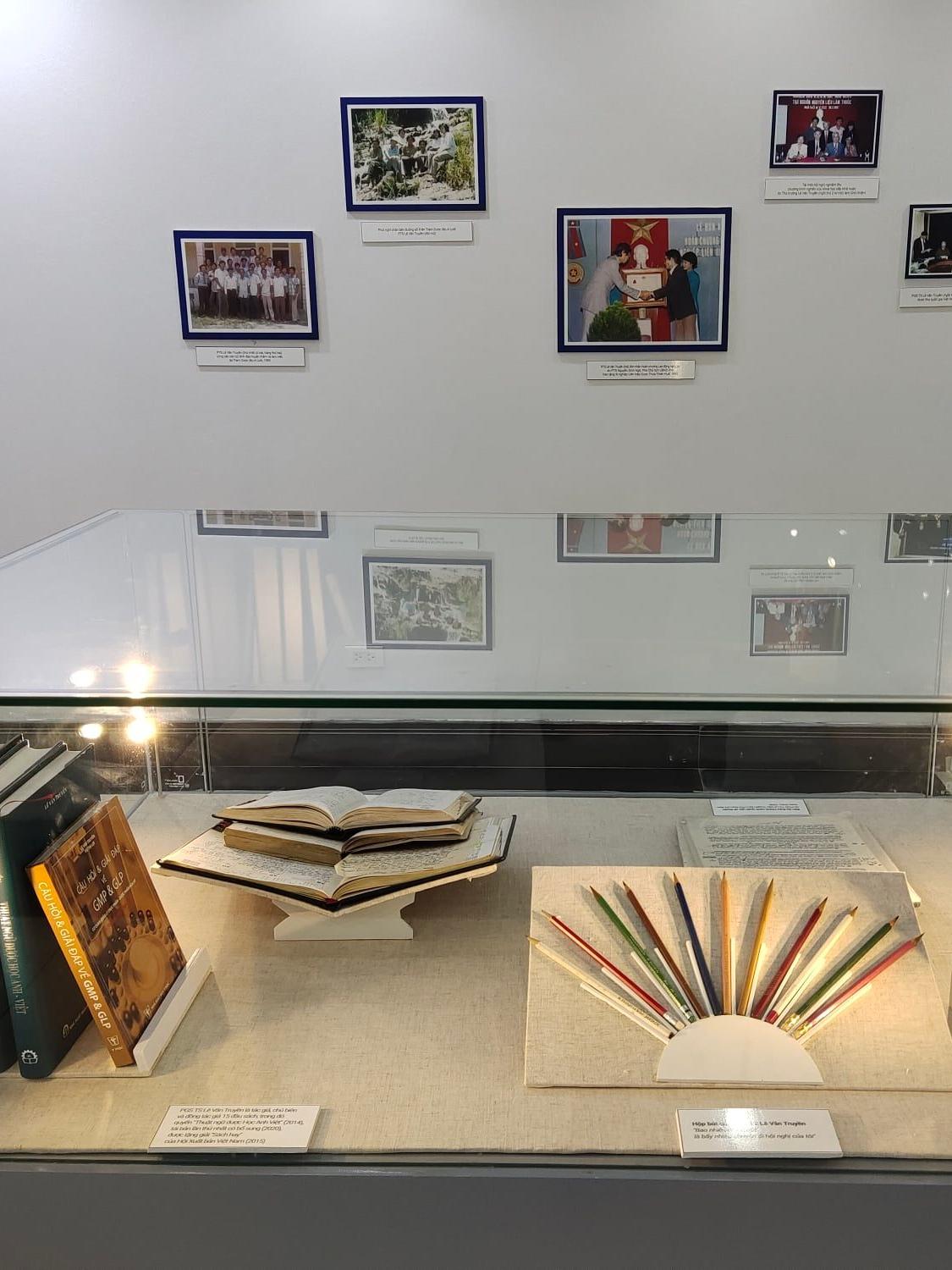
A display of artifacts belonging to Associate Professor Dr. Le Van Truyen, the 2000th scientist to contribute materials to the Museum.