VI
VI EN
EN


The world's largest natural history museum.
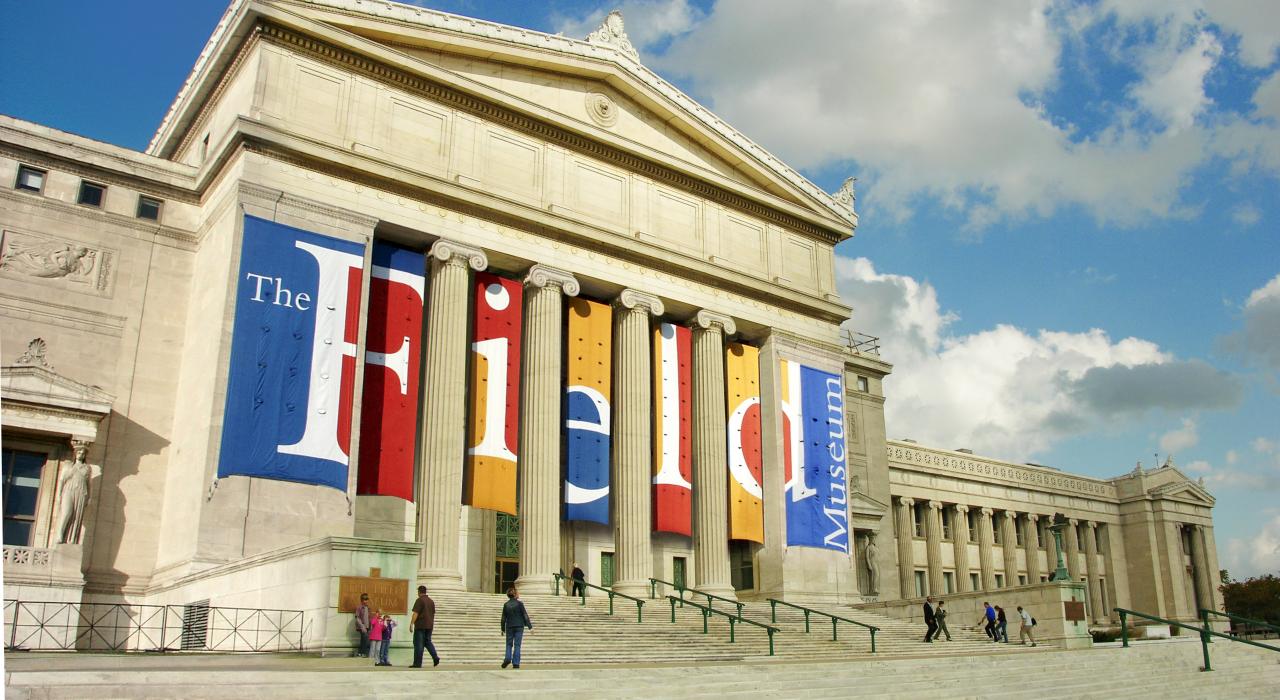
Founded in 1893, the Field Museum of Natural History, located south of downtown in Chicago's park, is one of the largest museums in the world. Housed in a wealth of valuable artifacts, the museum attracts archaeology enthusiasts, history and science explorers, and tourists visiting Chicago.
The museum's exhibits are of high quality and diverse, ranging from the oldest fossils to modern culture from around the world, as well as numerous educational and hands-on science programs. Currently, the museum has 30 exhibition areas with 17 permanent exhibition rooms, many temporary exhibitions, and 3D film screenings on science and natural history.
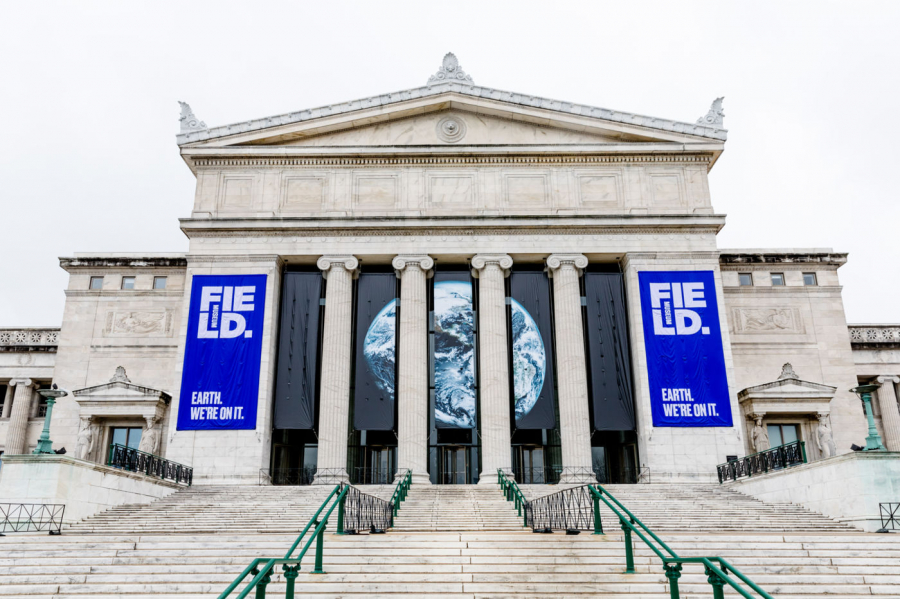
The Field Museum of Natural History has over 30 exhibits covering an area of 27,000 square meters.
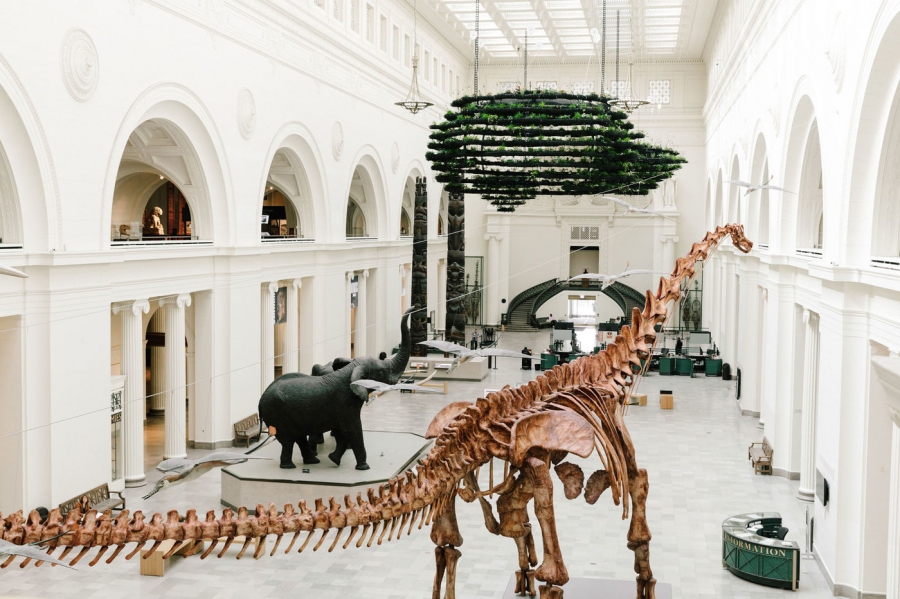
The museum's most valuable exhibit is the skeleton of a Tyranosaurus Rex. The fossil measures 42 feet in length, 13 feet in height, and is over 65 million years old.
Among the permanent exhibits at the Field Museum, highlights include Inside Ancient Egypt, where visitors can learn about collections of mummies from the Midwest, ancient tombs, and mausoleums; Griffin Halls of Evolving Planet & Sue The T.rex, highlighting the evolution of life on Earth over four billion years; Underground Adventure, offering an underground adventure to learn about the life of various species; The Tsavo Lion exhibit, telling the story of man-eating Tsavo lions; and Grainger Hall of Gems, showcasing diamonds and rare gemstones from around the world.
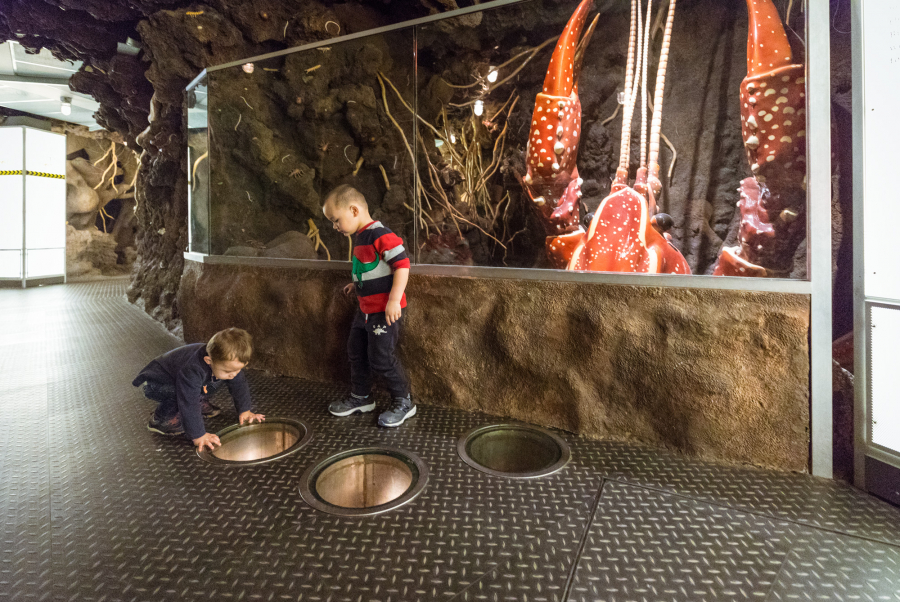
The Underground Adventure exhibition room offers a journey into the depths of the earth.
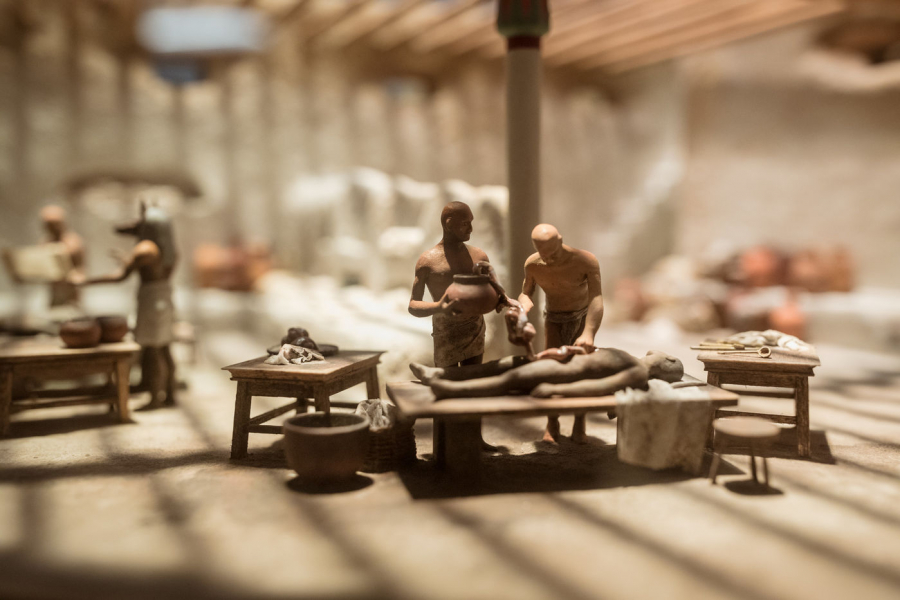
A simulation of the mummification process is on display in the Inside Ancient Egypt gallery.
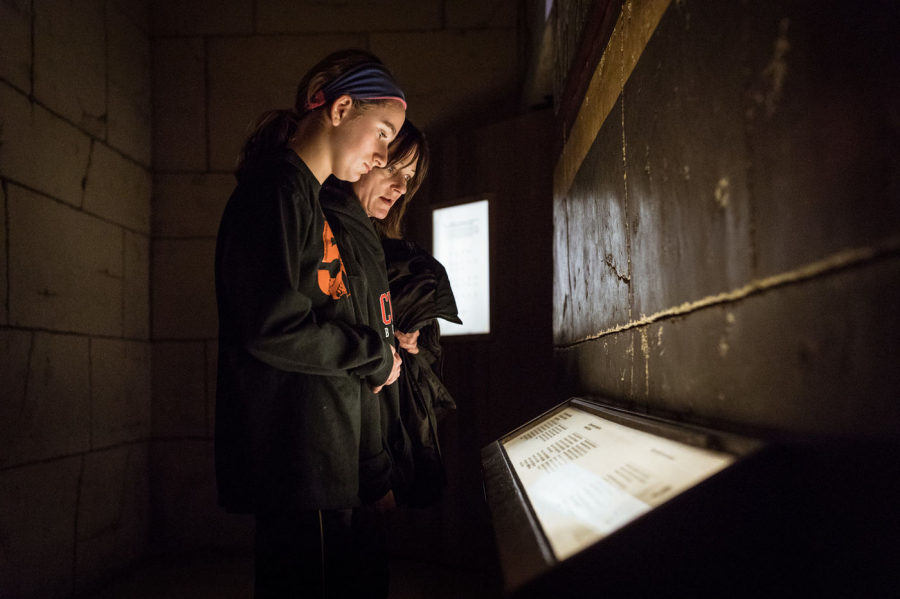
Tourists learn about the mummification process and burial rituals of ancient Egypt.
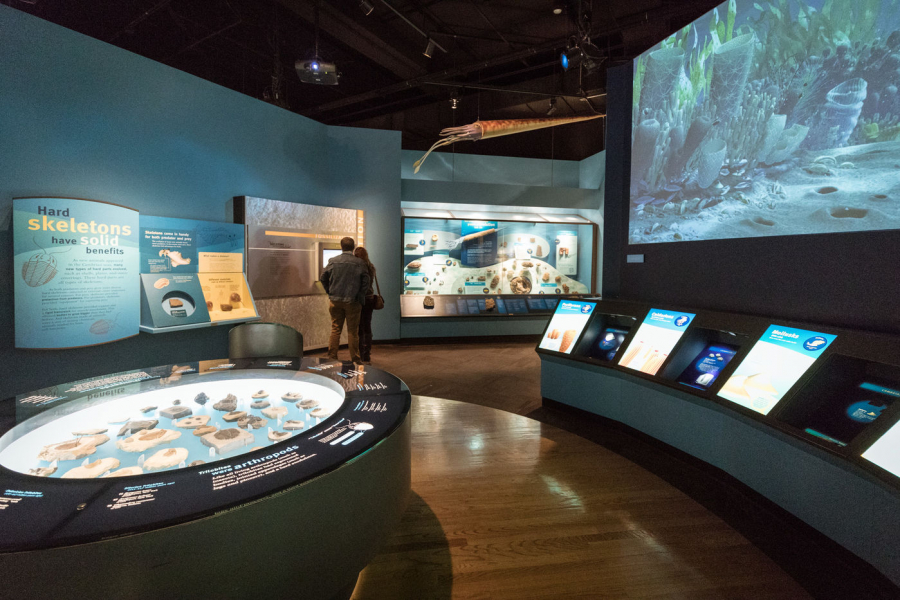
The gallery displays artifacts about the evolution of life on Earth.
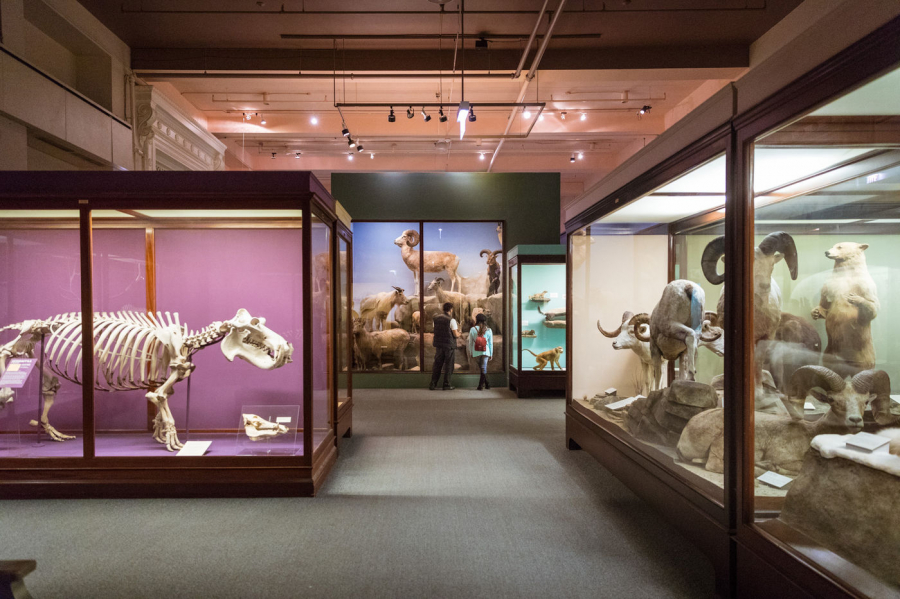
Explore the world of animals in the dioramas at the Animal Biology gallery.
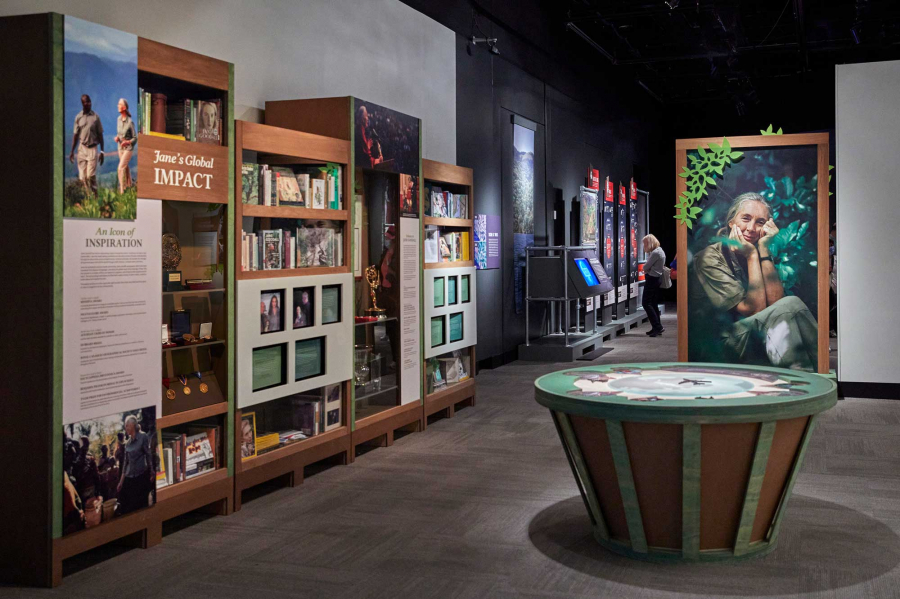
The exhibition room is dedicated to Jane Goodall, a world-renowned doctor specializing in chimpanzee research.
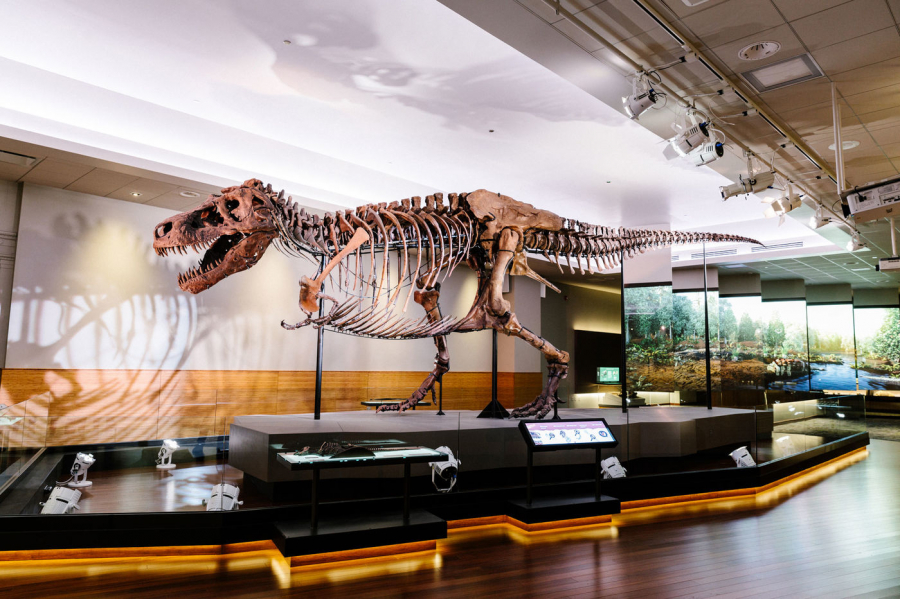
This is the largest dinosaur exhibition in the world that ever existed.
In addition to admiring the museum's unique collections, visitors can also learn about scientific experiments. Here, visitors have the opportunity to see firsthand how scientists prepare fossils or extract DNA in the McDonald's fossil preparation lab.
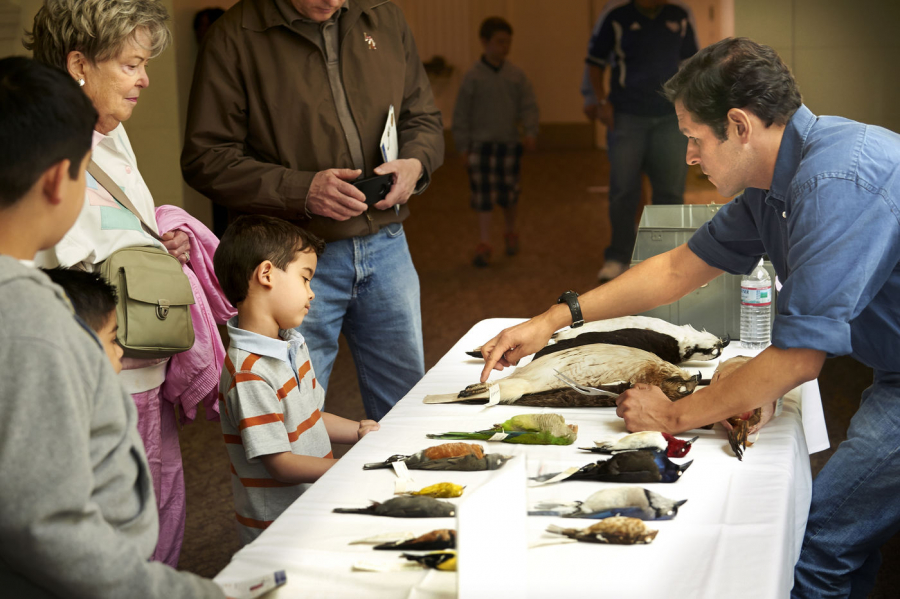
Tourists witnessed the process of scientists extracting animal DNA.
Highlight: Grainger Hall of Gems, a display area showcasing precious gems.
As one of the museum's most beloved exhibits since its opening in 1921, the Grainger Hall of Gems has an even longer history than the Field Museum itself.

At the 1893 Columbian World's Fair, Tiffany & Co.'s collection of gemstones attracted considerable attention. When the exhibition ended, World's Fair President Harlow Higinbotham purchased the entire collection and donated it to Chicago's newly established natural history museum.
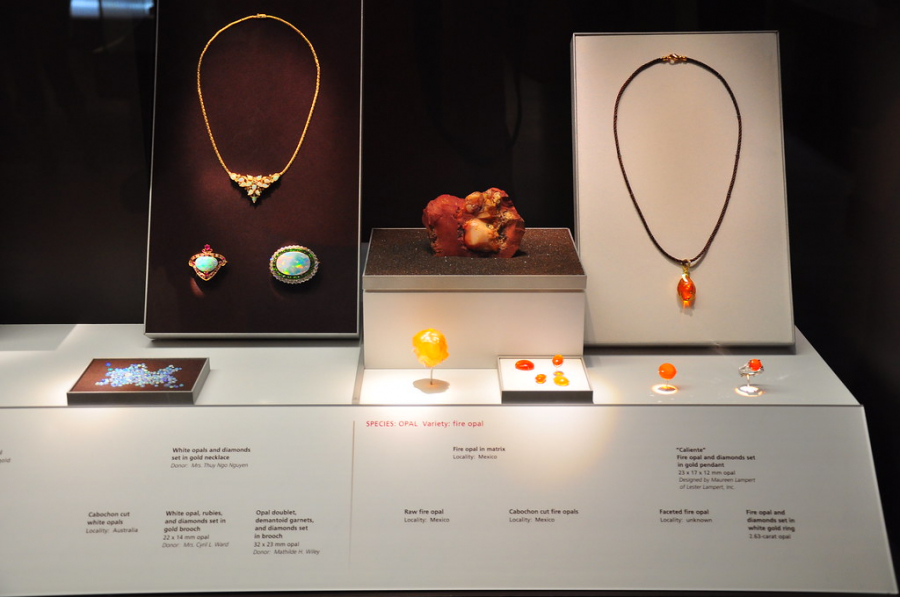
The collection currently features over 600 types of gemstones and 150 pieces of ancient and contemporary jewelry.
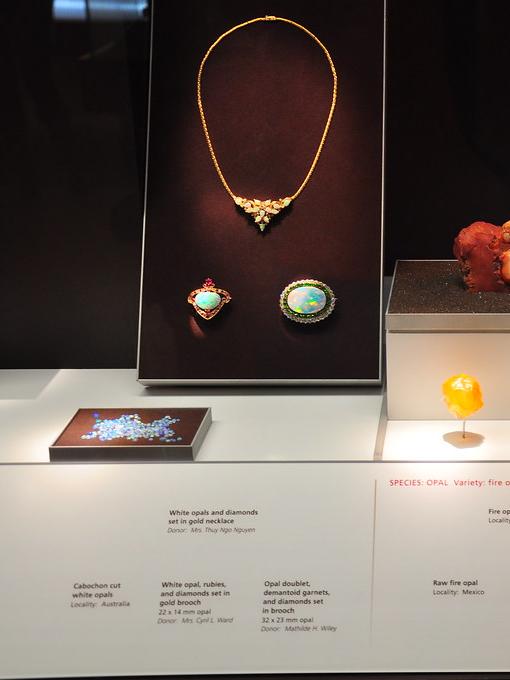
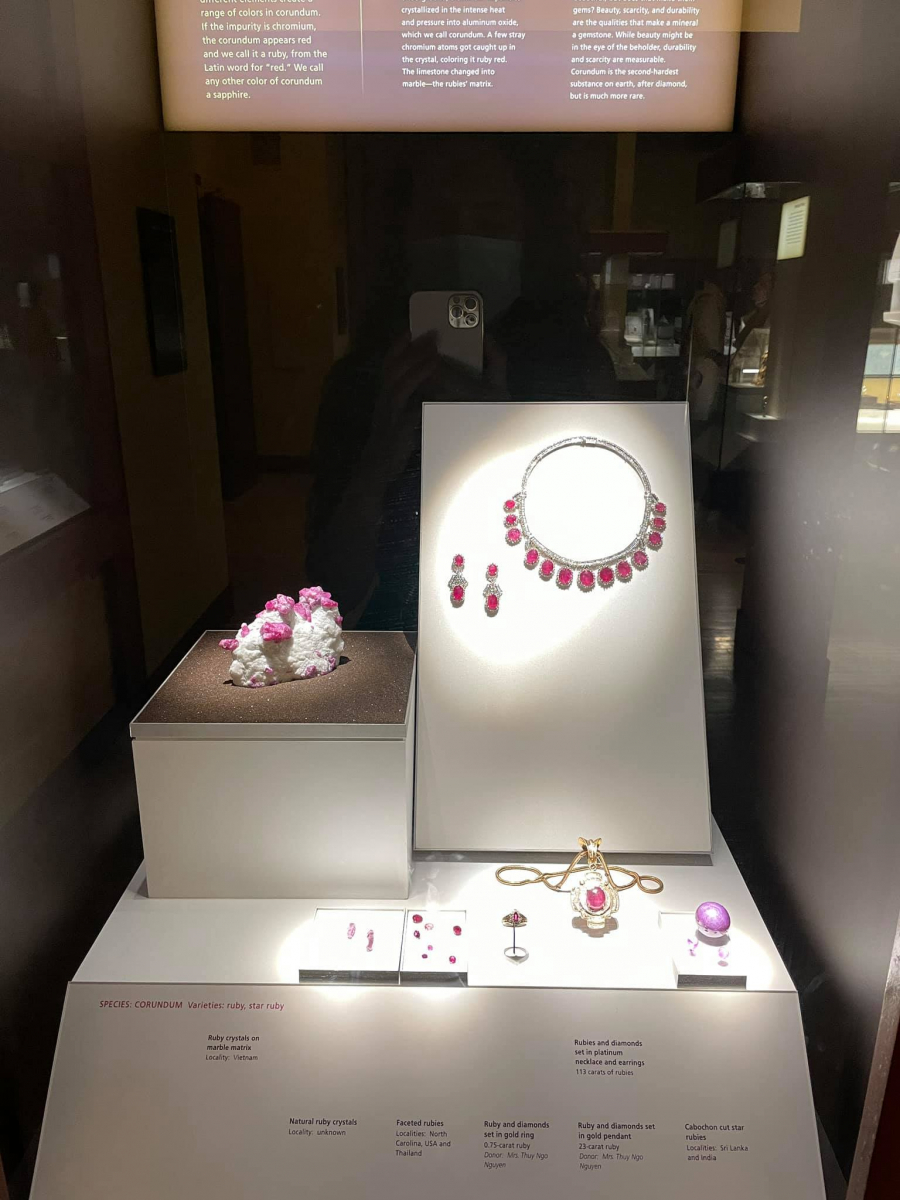
Today, the Grainger Hall of Gems is more magnificent than ever. The collection now boasts over 600 gemstones and 150 pieces of ancient and contemporary jewelry. Among them are some pieces of jewelry and precious gems donated by a Vietnamese woman named Thuy Ngo Nguyen.
The most outstanding gemstone exhibits here include the Tiffany & Co. jewelry collection; a 3,400-year-old garnet necklace from ancient Egypt; jade ornaments from China dating back approximately 600 years; and the world's largest ruby-topaz, weighing 97.45 carats.
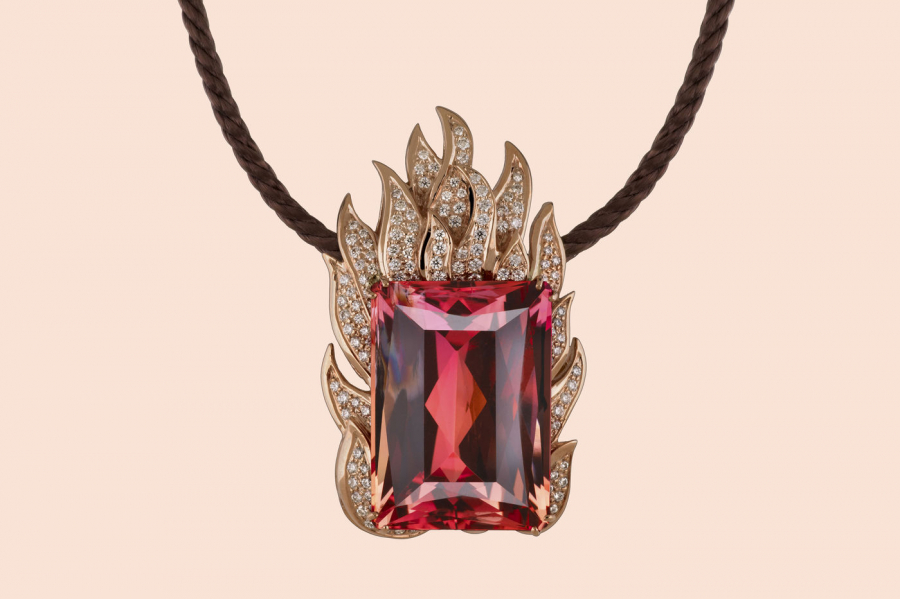
Blaze - the world's largest Tozat ruby necklace, weighing 97.45 carats.
The gemstones and jewelry displayed here demonstrate the transformation of gems through three stages: from rough crystal, cut and polished stone, to the finished gem set in a ring, brooch, or necklace.
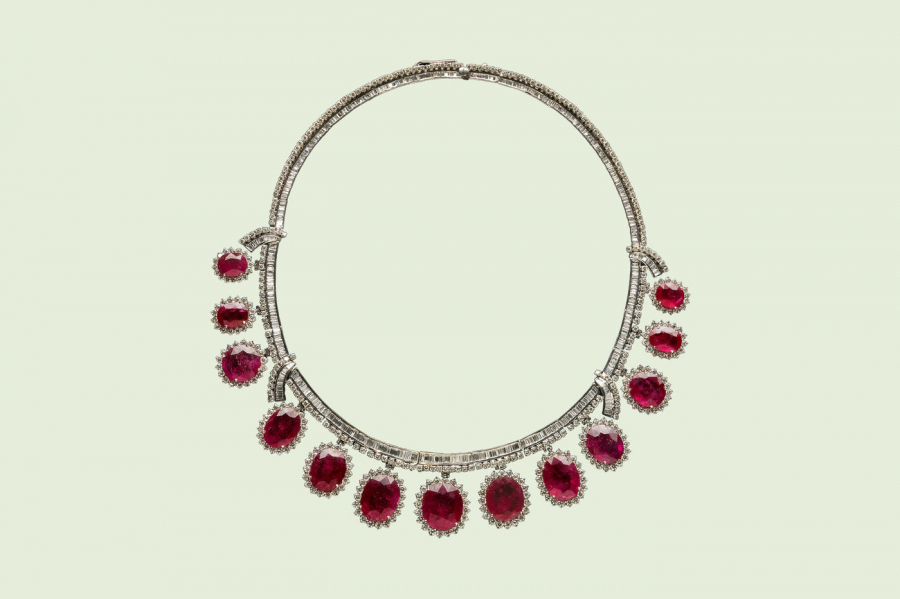
The sparkling necklace features 13 rubies, weighing 90 carats.
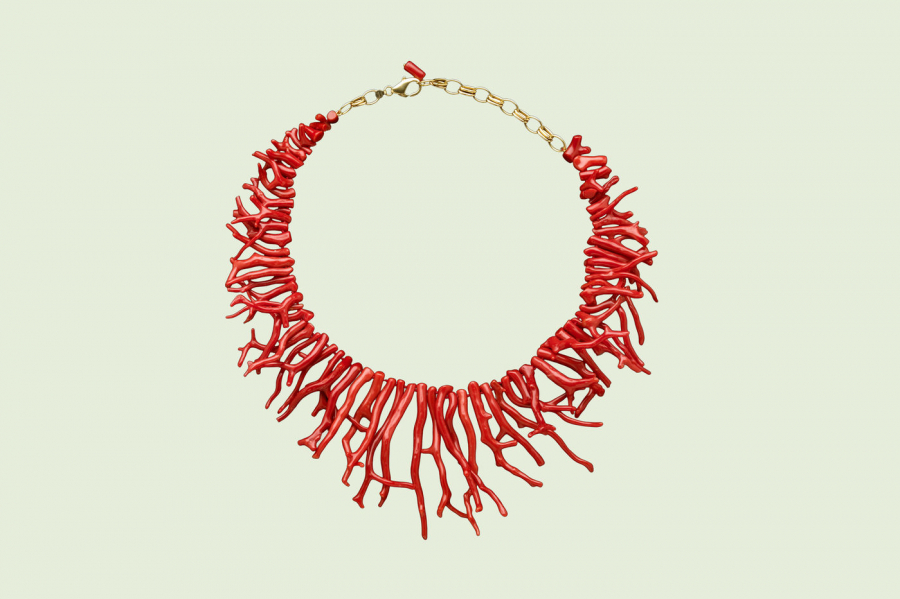
Red coral is considered a gemstone and has been used in jewelry for thousands of years.
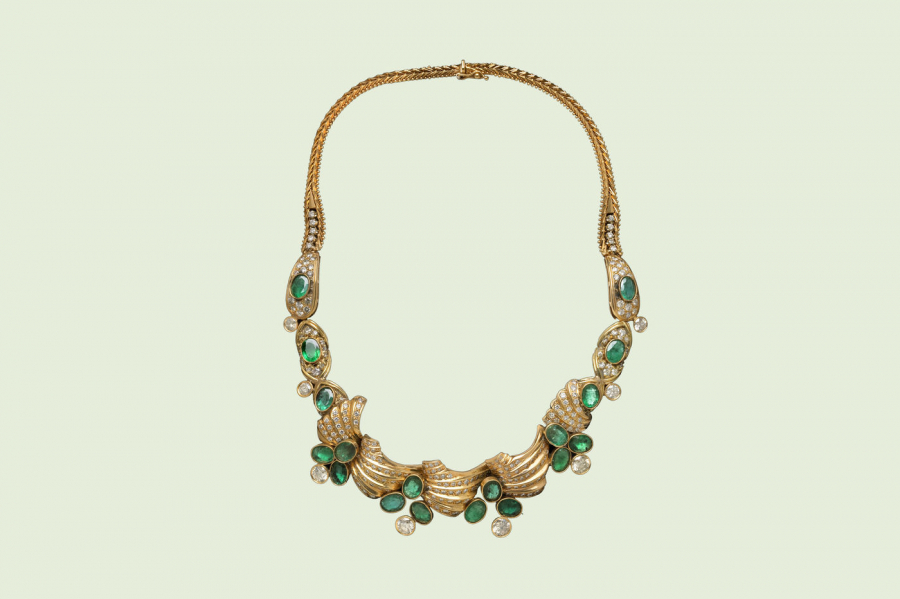
The necklace contains 18 American emeralds and 200 magnificent diamonds.
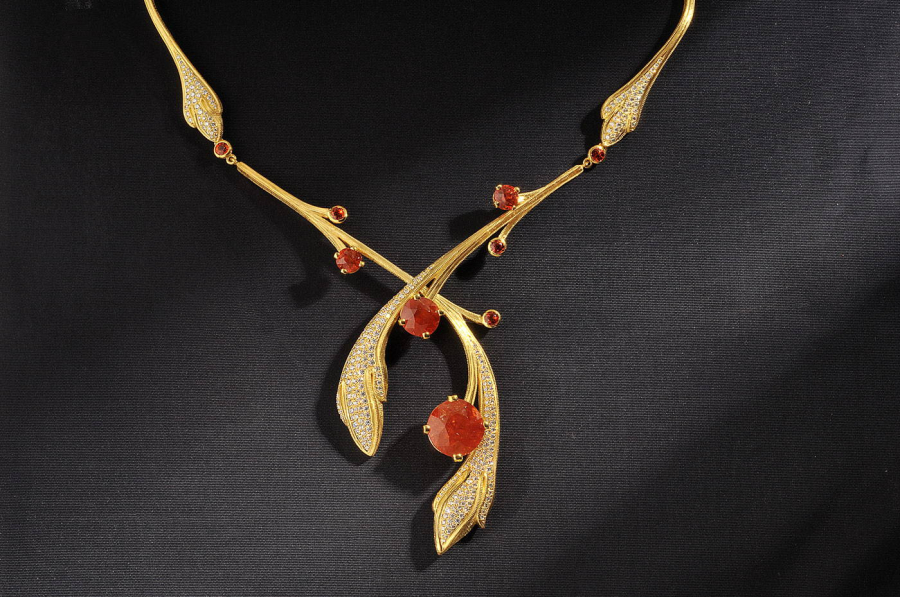
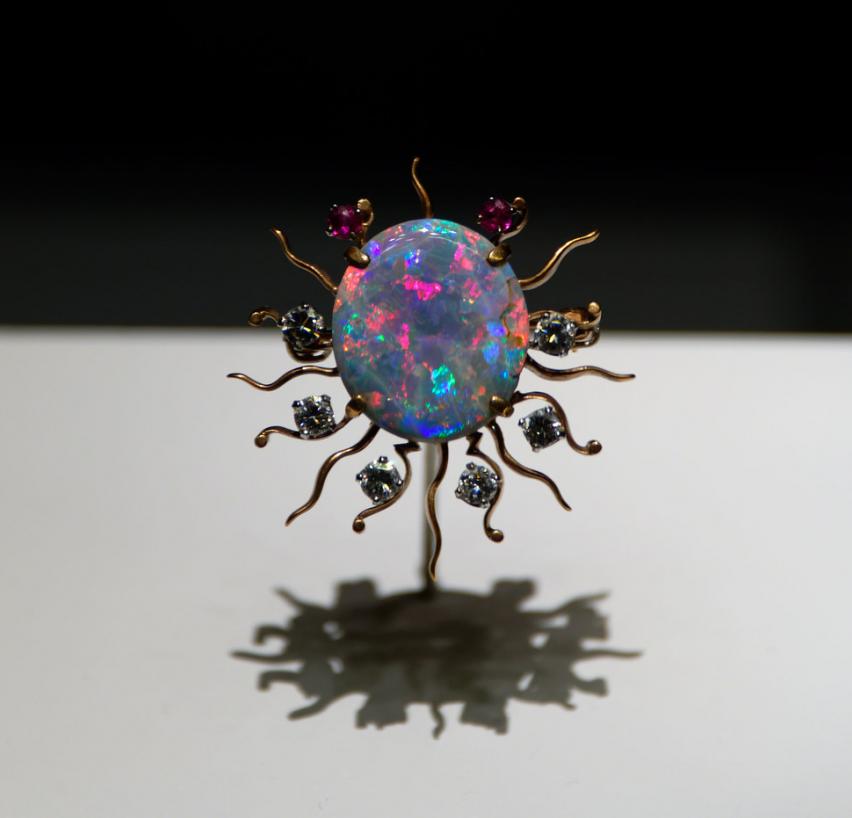
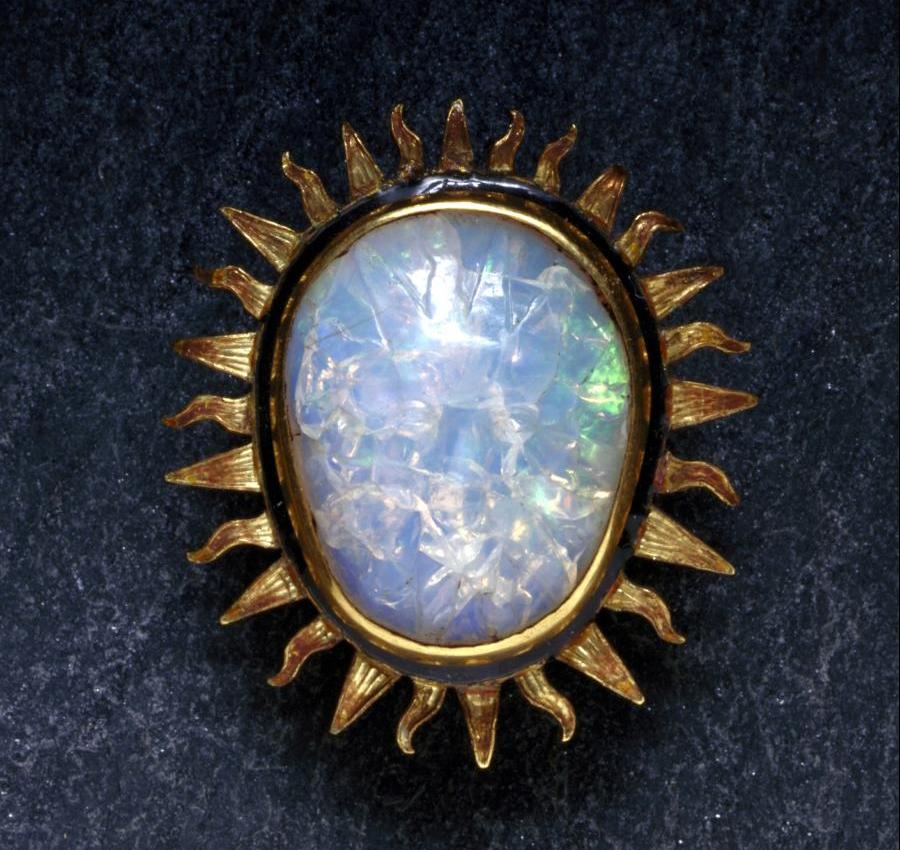
Vietnamese woman donates valuable jewelry to museum.
Among the jewelry and gemstones displayed here, one might think that only local millionaires would donate their rare collections to the museum, but few know that a Vietnamese woman is behind the donation to this prestigious museum, one of the world's most renowned.
Reportedly, the Vietnamese woman, named Thuy Ngo Nguyen, immigrated to the United States with her husband and grandson in 1975 to start a new life. After 30 years of working and doing business in the real estate industry, Ms. Thuy has built a successful career and has four successful children.
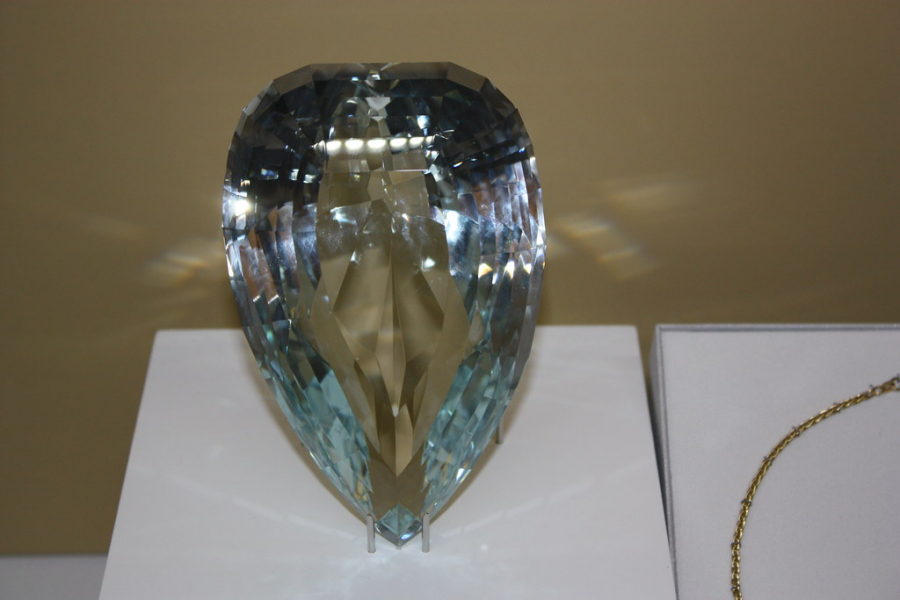
Ms. Thuy Ngo Nguyen donated Chalmer's Topaz to the museum.
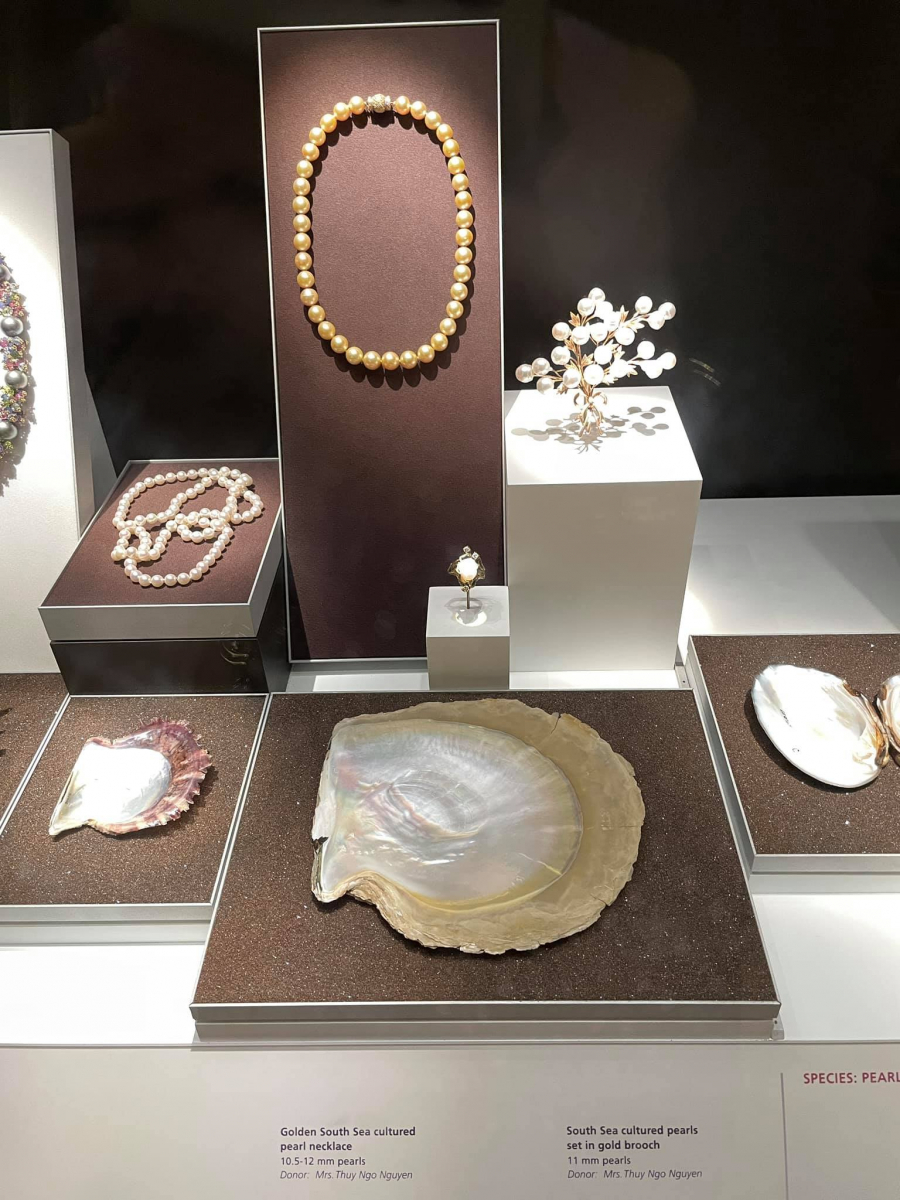
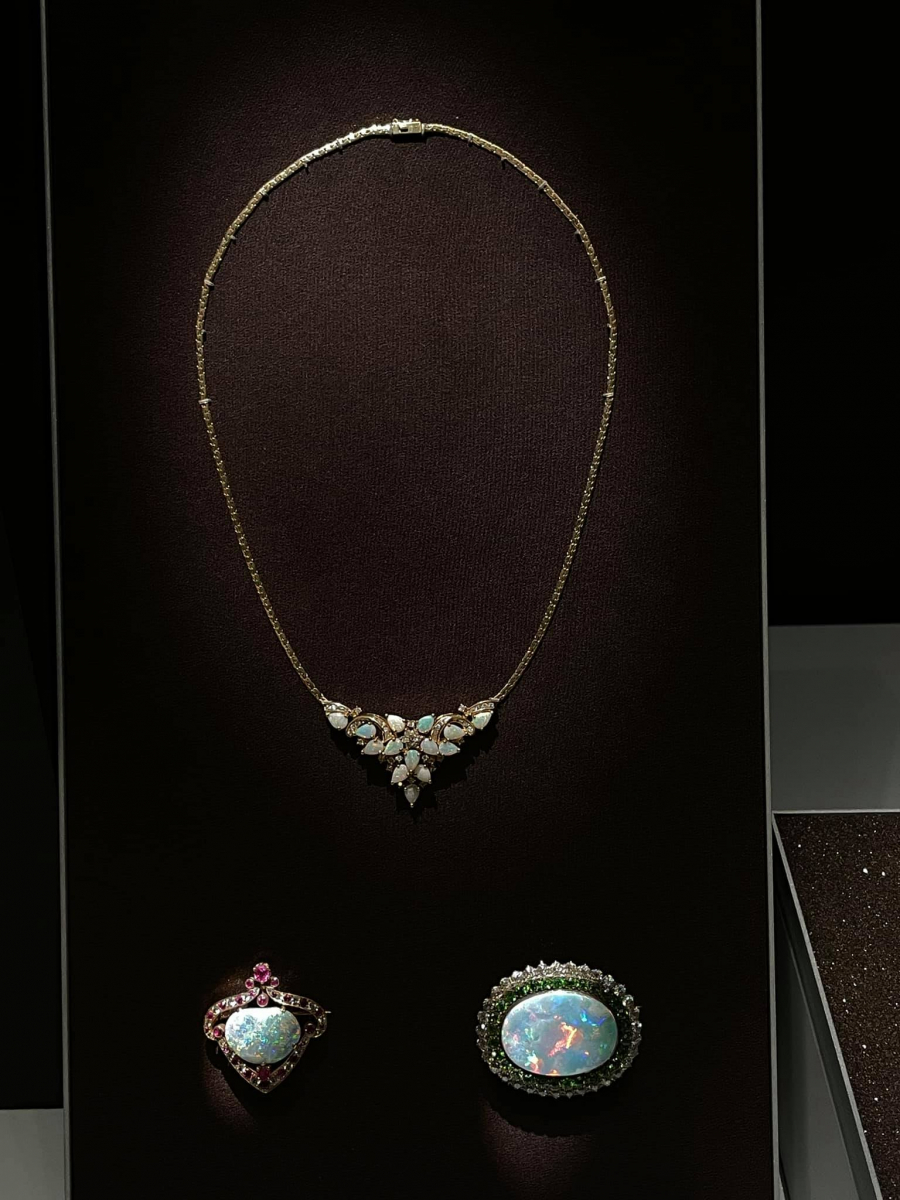
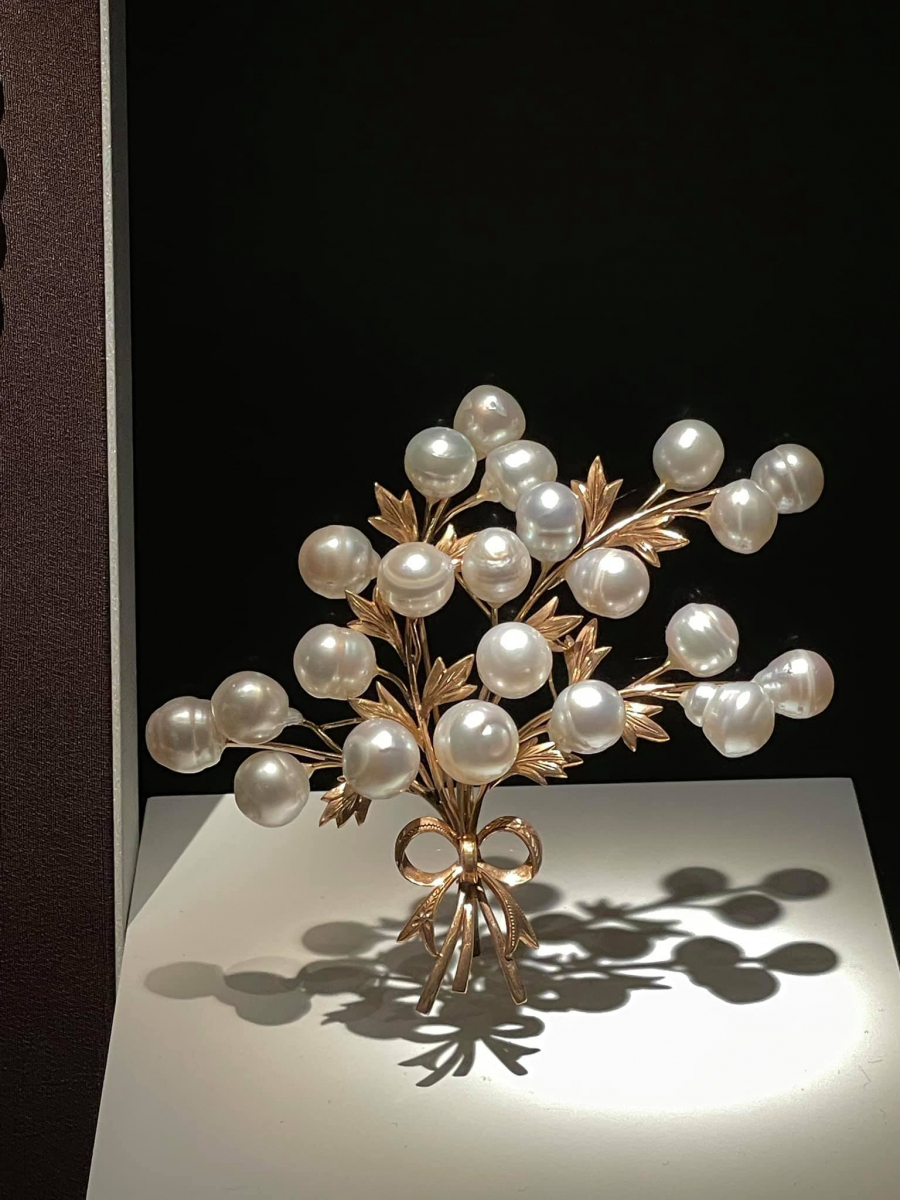
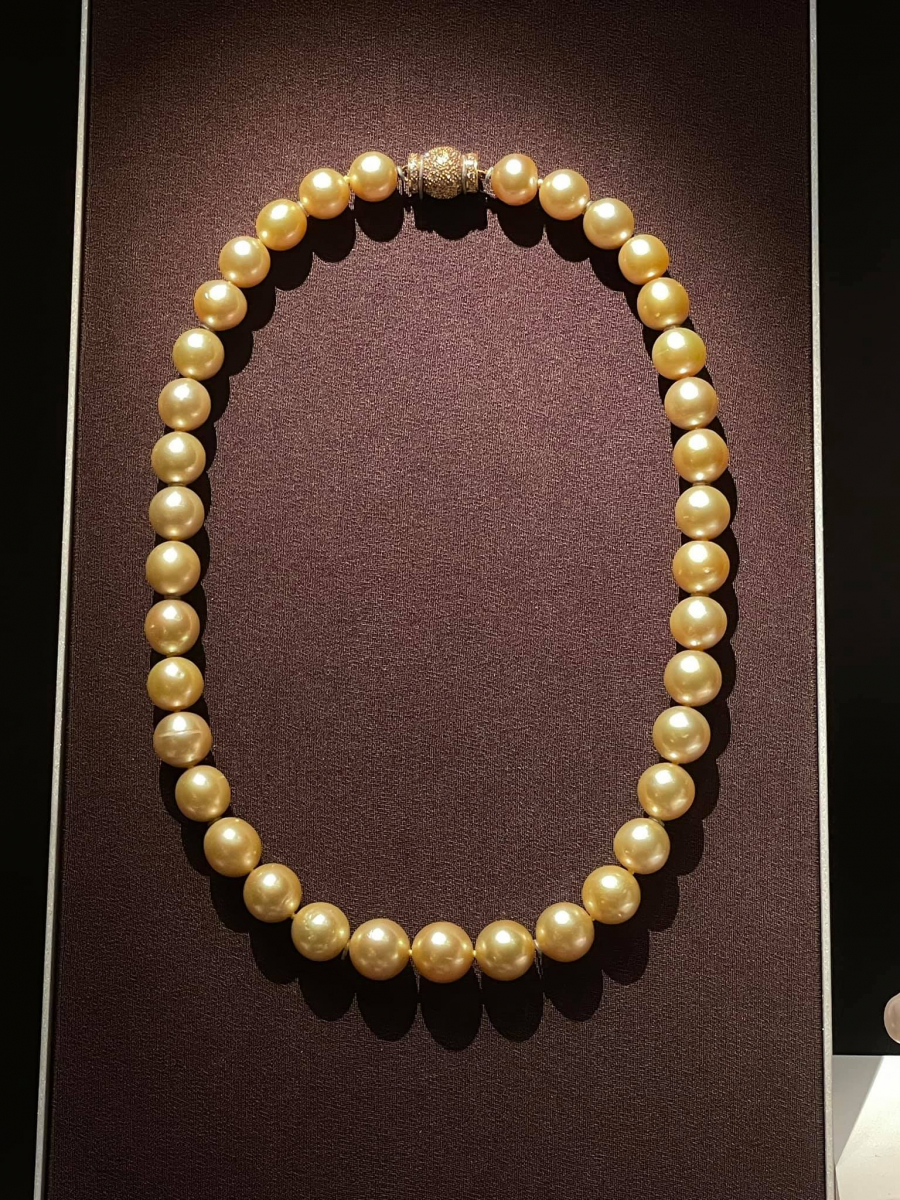
Ms. Thuy Ngo Nguyen donated many valuable jewelry collections to the Field Museum, including diamonds, precious stones, jade, and pearls. Among the precious stones is a topaz weighing 5899.5 carats (nearly 1.2 kg). This gem has been named Chalmer's Topaz (Chalmer is the name of an American who helped build the Field Museum). Her collections are currently on display in the Grainger Hall of Gems.
Here are some images of the jewelry collection that Ms. Thuy Ngo Nguyen donated to Field Museum:
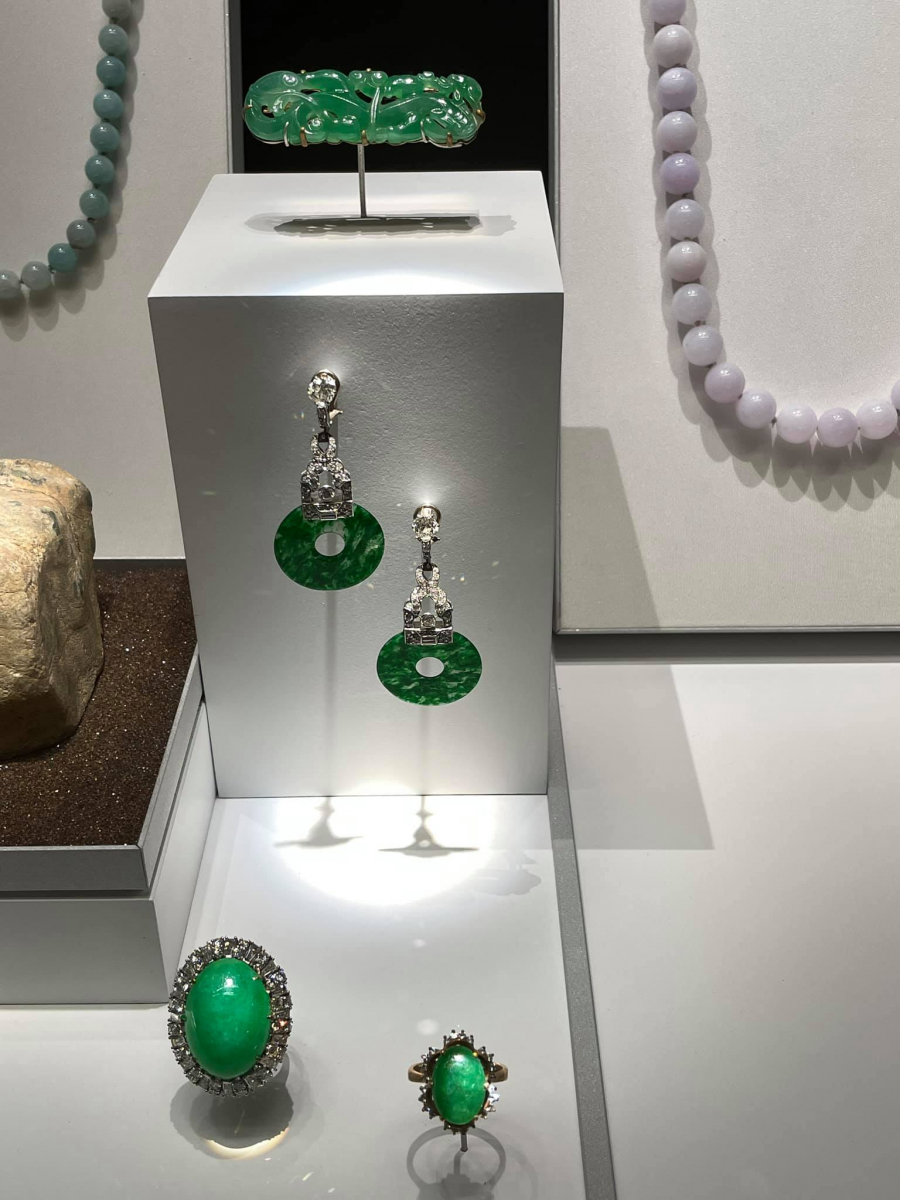
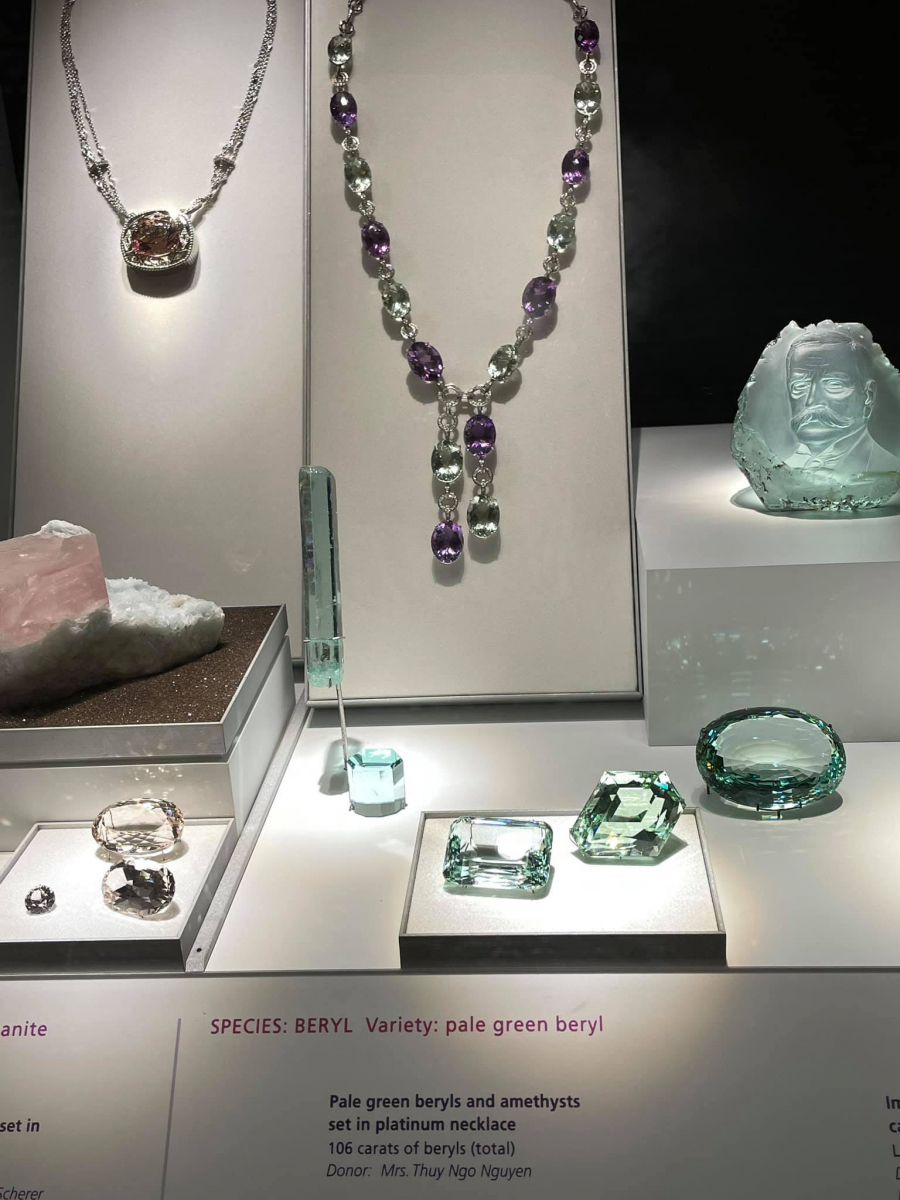
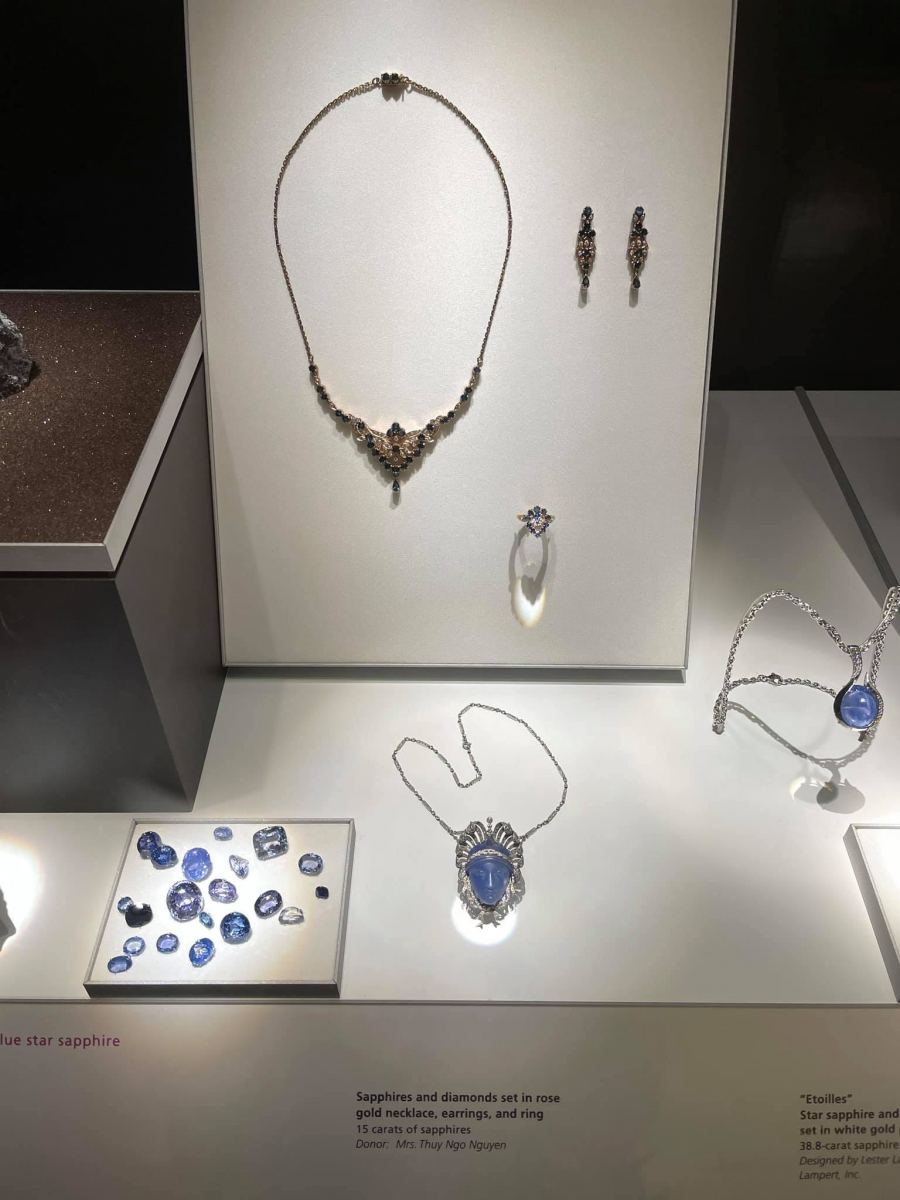
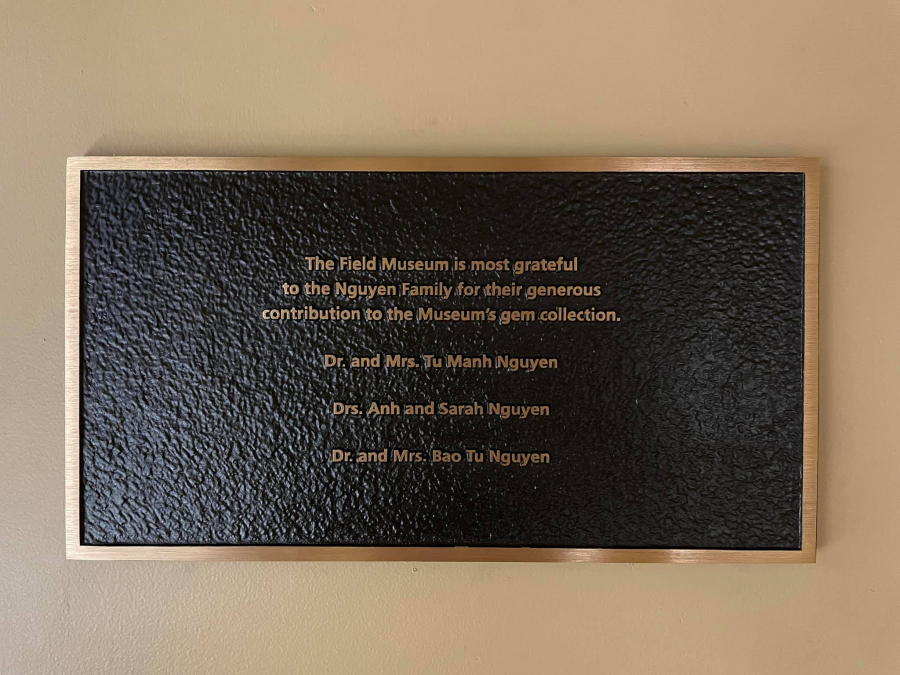
In addition, this exhibition room also features a plaque listing another Nguyen family who have made significant donations to the museum:“The Field Museum is most grateful to the Nguyen Family for their generous contribution to the Museum's gem collection”.