VI
VI


Comply with certain essential regulations.
Whether you're a first-time or frequent flyer, you should still be aware of the airline's "mandatory" requirements, such as: documentation, immigration procedures, baggage weight limits, no smoking, no using mobile phones or other signal transmitting devices as they can cause interference, always wearing your seatbelt throughout the flight, and paying attention to the nearest emergency exit.

Ensuring the safety of your luggage.
Your journey is very likely to be delayed if you encounter problems due to subjective or objective reasons. To minimize this, check with the airline about potentially prohibited items. You may have to declare medications, chemicals, and food items during check-in. Some countries may also prohibit certain foods for a variety of reasons. Due to security concerns, you are not allowed to carry items that could cause harm such as knives, scissors, sharp cosmetic tools, or carry liquids, flammable, explosive, radioactive, or magnetic substances in your luggage.
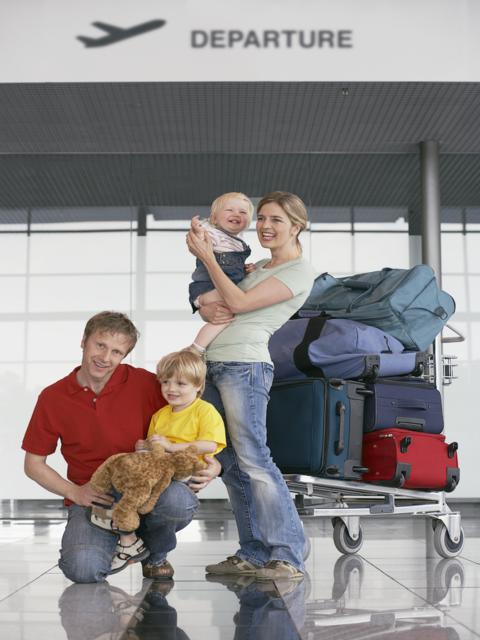
To avoid losing your luggage, attach clear and secure luggage tags to prevent tearing. For added precaution, write your destination address and itinerary inside your luggage in case the external tag is lost or your suitcase is opened for inspection. Upon arrival, proceed to the baggage claim area and complete the necessary procedures. There are several numbered or labeled conveyor belts; you can check the electronic display/information board to find the correct belt for your flight.
Documents
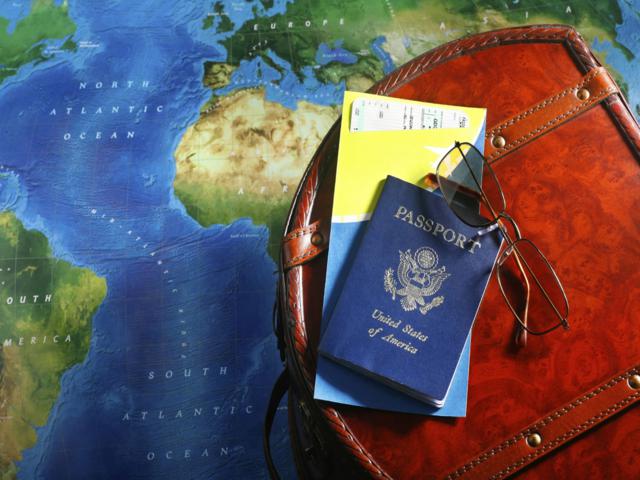
Make sure you bring all the necessary documents, including: your flight ticket, a valid passport, a visa, copies of relevant documents, and a health certificate that meets the requirements of the local authorities. Scanning your passport and other necessary documents and storing them on your phone or other smart electronic devices is also a wise solution to prevent unforeseen problems.
Time
You need to be at the airport and check in at least 60 minutes before departure for domestic flights, 120 minutes for international flights, and ensure you arrive at the boarding gate at least 30 minutes before takeoff. To avoid delays, pay attention to the electronic display boards and listen carefully to the announcements for arrival and departure flights.
Skin

When choosing clothing for air travel, prioritize neatness and comfort. Avoid tight-fitting clothes or high heels to make movement easier, as tight clothing can cause blood pooling and varicose veins, which is not good for your health. The air on airplanes is quite cold and dry, so wear multiple layers of thin, breathable, and moisture-wicking materials. You should also bring a light jacket to keep yourself comfortable and warm during the flight.
Health

If you have a history of respiratory problems or chronic illnesses, you should consult your doctor, bring sufficient medication, and exercise caution when deciding to fly. For long flights, to reduce numbness in your limbs from sitting still for hours, you should stretch your legs, extend your arms, or walk around gently to reduce fatigue. Some travelers often bring neck pillows, earplugs, and music players to relax on the plane.
Before your flight, you should avoid fast food, fried foods, and alcoholic drinks. Instead, opt for yogurt, smoothies, or enjoy a cup of herbal tea to help your body stay hydrated.
For travelers prone to motion sickness, it's advisable to choose seats above the wings, avoiding those directly near the engines at the rear of the aircraft. Choosing a window seat and opening the air vents towards your face is also a smart option to reduce the feeling of turbulence during takeoff and landing. During takeoff and landing, to avoid ear pressure, you should chew gum or drink water in small sips to help equalize the pressure inside and outside your ears.
For international flights, time zone differences can increase fatigue, so you need to rest and eat well to maintain good health and be ready to explore and experience the exciting things at your destination.
Things to note when shopping at duty-free shops.

When shopping for duty-free items at the airport, you should consider choosing products made in the country of origin to save 10-25% compared to prices in the city or supermarkets. However, you should think twice before buying liquid items such as perfume, shampoo, wine, or lotion if you will be transiting through a third airport. Baggage screening at transit or connecting airports will mostly not allow you to carry these items on your next flight.
Shopping at duty-free shops at airports in each country has its own strict conditions and regulations. When paying, you must present your boarding pass, and the seller will inform you of the purchase limits for each product to avoid legal trouble, which can result in heavy fines. Ask clearly about the tax refund procedure and consolidate items if necessary to claim a tax refund together. You should pay with cash instead of using credit/debit cards (Mastercard, Visa, etc.) as you will incur additional international service fees.
Traveling by plane with young children
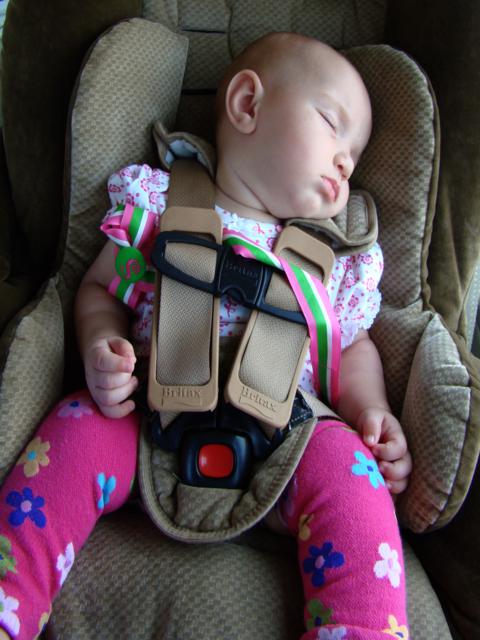
When purchasing tickets and checking in for children, a birth certificate is required for children under 14 years old, and a birth certificate for children under 1 month old. If the child is not traveling with their parents, an authorization document from the parents authorizing the accompanying person is also required.
For infants, you can place them in your lap and use a carrier, or you can request a specialized bassinet on board (only applicable for infants from 14 days old to under 2 years old and weighing under 16kg). Before boarding, you need to inform the flight attendants in advance to receive assistance: hot water for formula, a bassinet for your baby, etc. For children over 2 years old, you should purchase a separate seat to ensure comfortable space for both you and your child on a long flight.
A small backpack is ideal for storing your child's personal items such as clothes, diapers, toys, favorite snacks, and your valuables. During takeoff and landing, be sure to feed your child with a bottle of milk or water to avoid ear discomfort from changes in air pressure. Ensure both you and your child wear your seatbelts throughout the flight to minimize the impact of turbulence and vibrations.
Handling unexpected situations
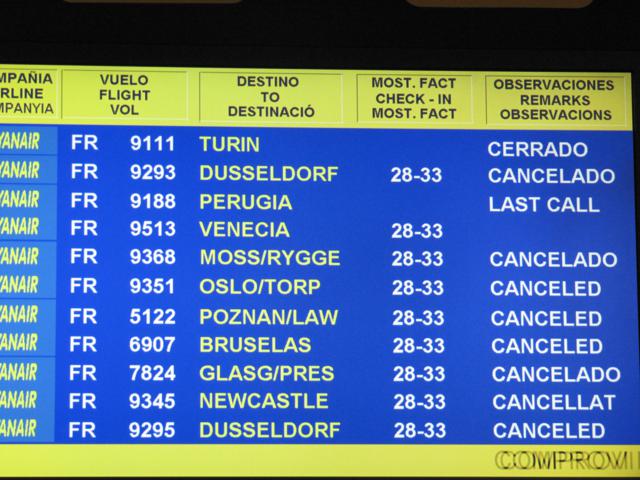
Before your flight, you may sometimes receive notifications about delays or cancellations. To minimize unexpected incidents, you should call or check the airline's website 1-2 days before your trip.
When your flight is unexpectedly delayed or canceled, immediately call customer service to find out the exact delay time and how to arrange alternative travel, especially for connecting flights. Book a new ticket as soon as possible or contact your insurance company if you have travel insurance, as they may be able to help you secure a seat quickly.
In case of lost luggage, you need to immediately report it to the lost and found office or contact the airline of the flight you just took, and present the baggage claim tag corresponding to the lost luggage. Travel insurance is always necessary for special and timely assistance if your luggage is lost or delayed.
When boarding an airplane, if unexpected situations arise, remain calm, follow the flight attendants' instructions regarding fastening your seatbelt, using the oxygen mask, and other safety measures, and pay attention to the nearest emergency exit to your seat.
Hopefully, the above tips and tricks will serve as a helpful guide, ensuring a safe trip filled with exciting experiences and discoveries along the way.
Cinnamon and Orchid Synthesis