VI
VI


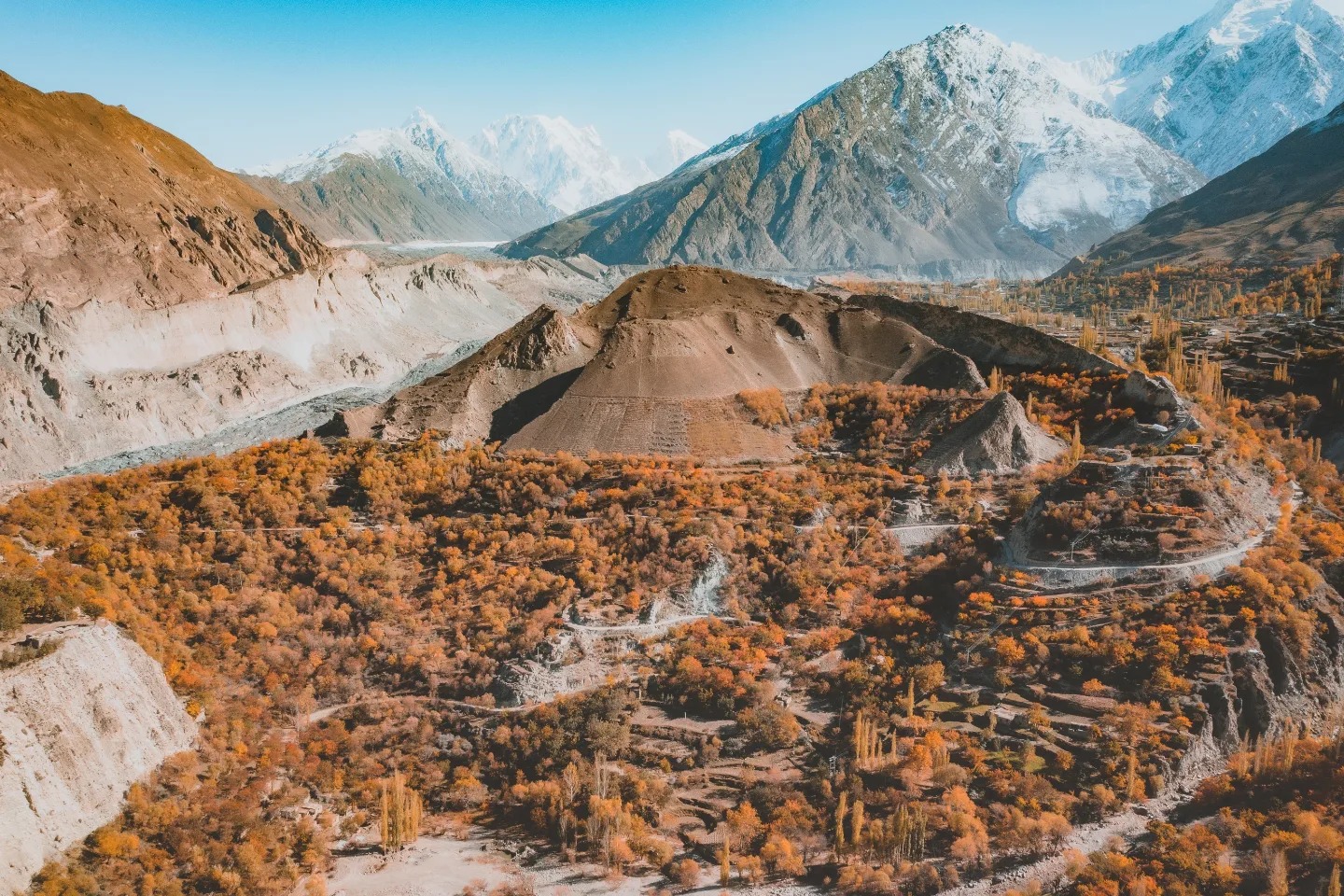
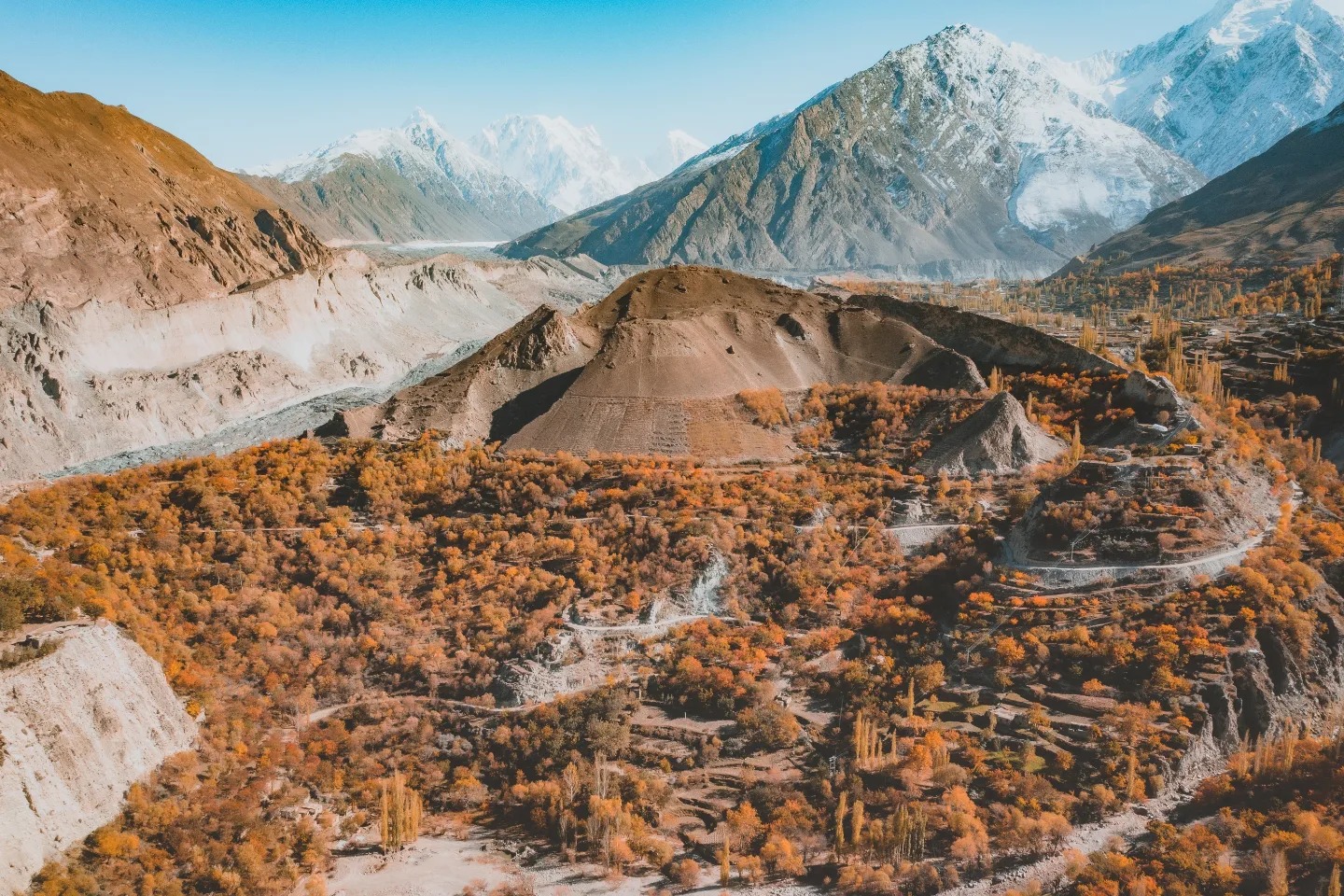
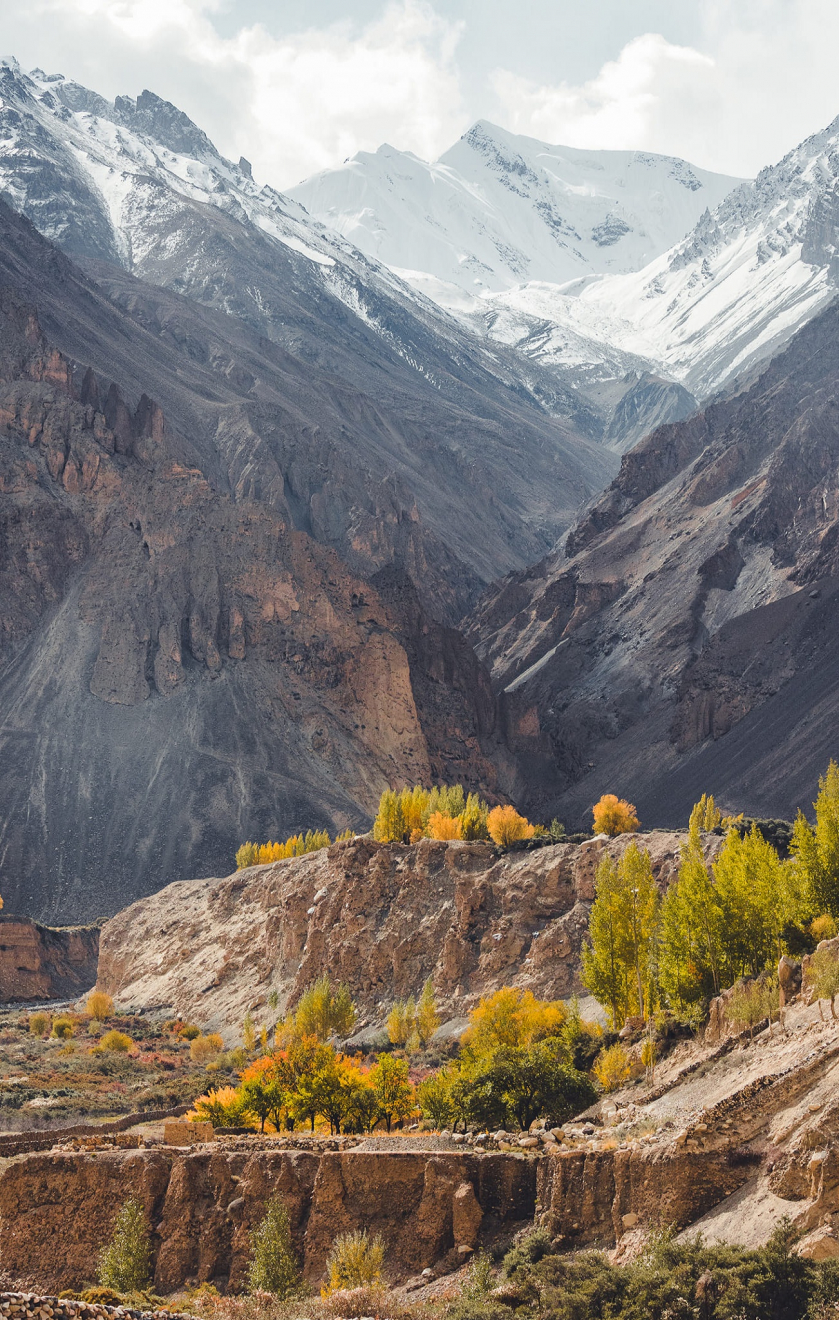
Autumn is painting the world in golden hues, from Asia to Europe, from modern cities to rural areas and remote mountains. One of the most secluded places in South Asia, also adorned with vibrant colors by autumn, is the mountainous region of Pakistan.
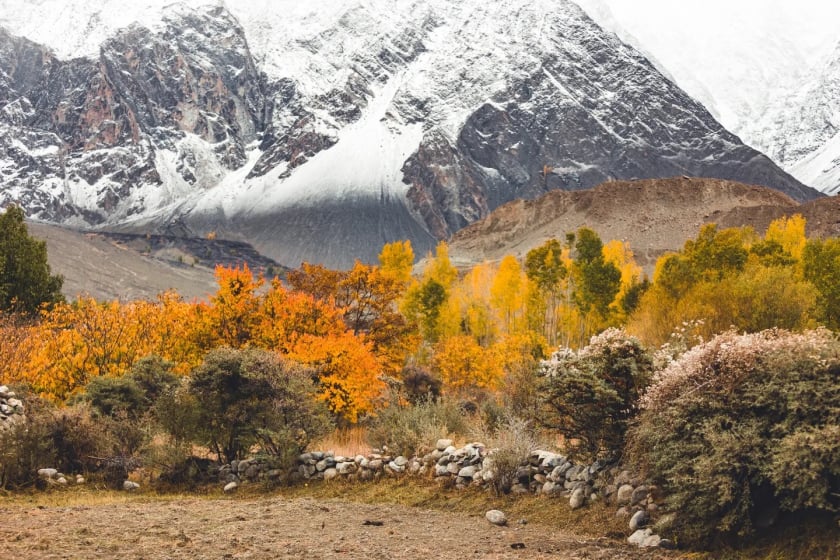
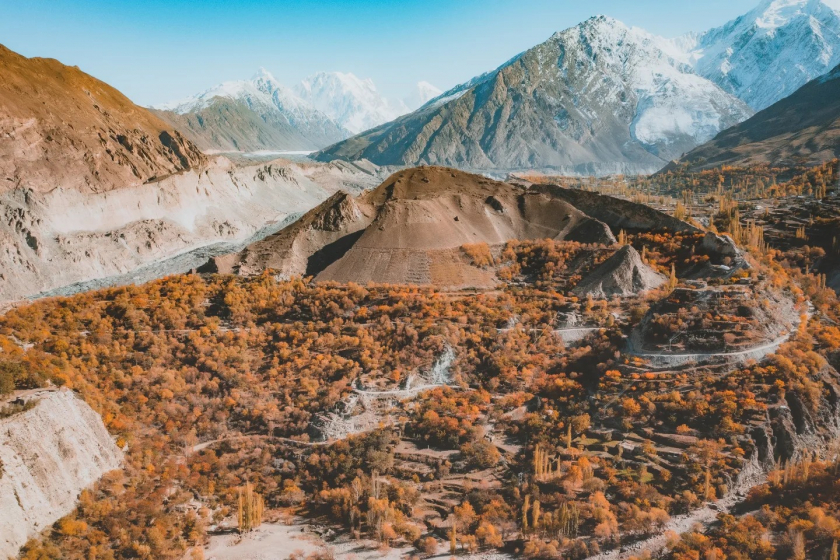
Isolated valley
"One of the misunderstandings when inviting friends to Pakistan is that many people think it's a dangerous place. Dangerous because a lot of information has been fabricated to portray it that way, a misunderstanding because they haven't read about Islam, and suspicion because they can't distinguish between the Taliban, ISIS, Al-Qaeda, etc.," shared travel blogger Hoang Le Giang.
His trip to Pakistan was mainly about exploring the mountainous regions and meeting some of the warmest, friendliest people he'd encountered in years of traveling. If you don't just travel around taking pictures, but instead have the time or the luck to chat with the locals, especially the Ismaili Muslims, you'll appreciate the Pakistani people even more.
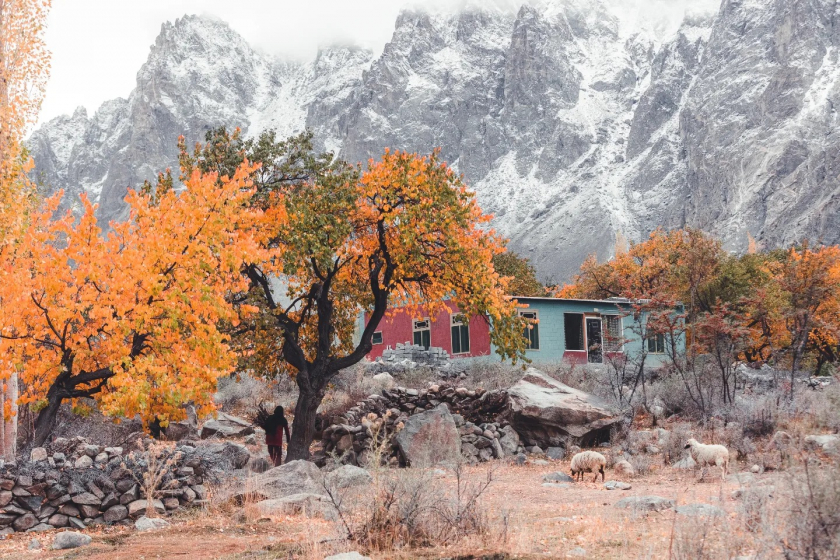
The house on the hillside
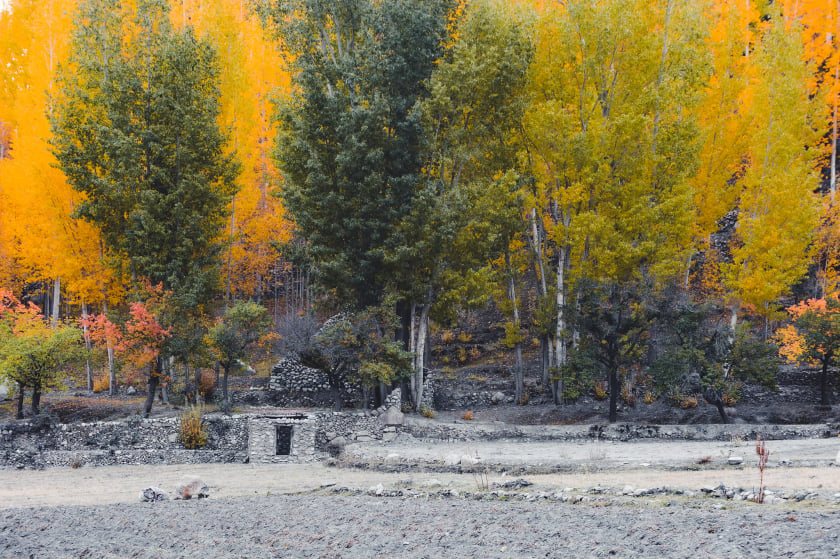
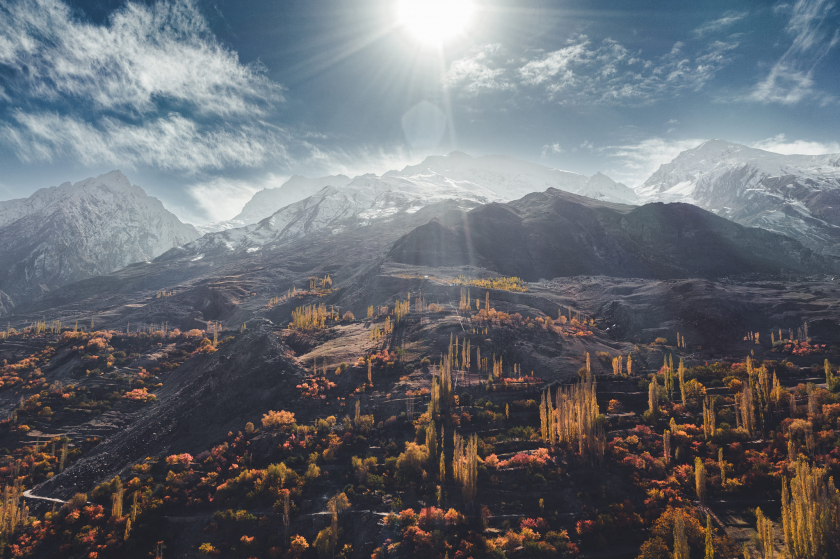
Autumn scenery in the mountains of Pakistan.
"Autumn in Pakistan begins in early October and lasts until the end of November, depending on the altitude of your destination and how much gold and red you want to see. If you want a vibrant golden landscape everywhere, you should go in late October, while for leaves covering the ground, go in November. The timing of the autumn foliage also varies depending on the weather and temperature. There are many valleys formed by the three major mountain ranges: the Himalayas, the Karakoram, and the Hindu Kush," Hoang Le Giang explained.

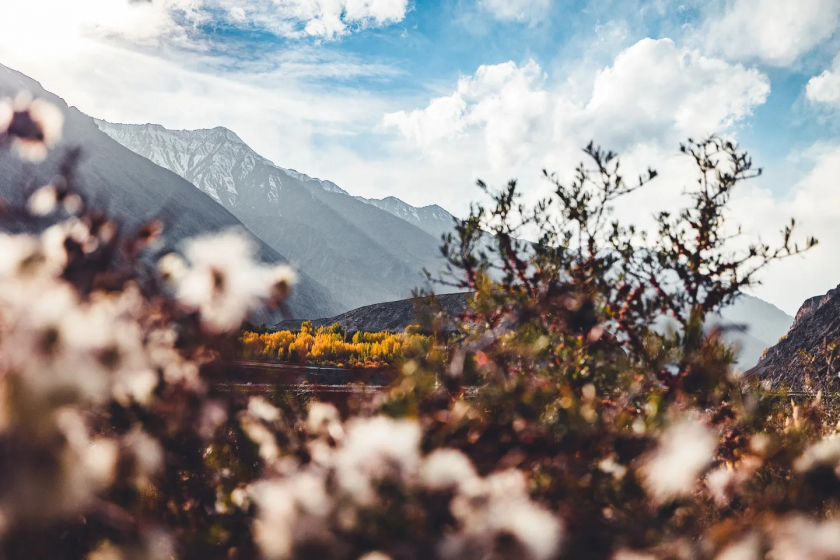
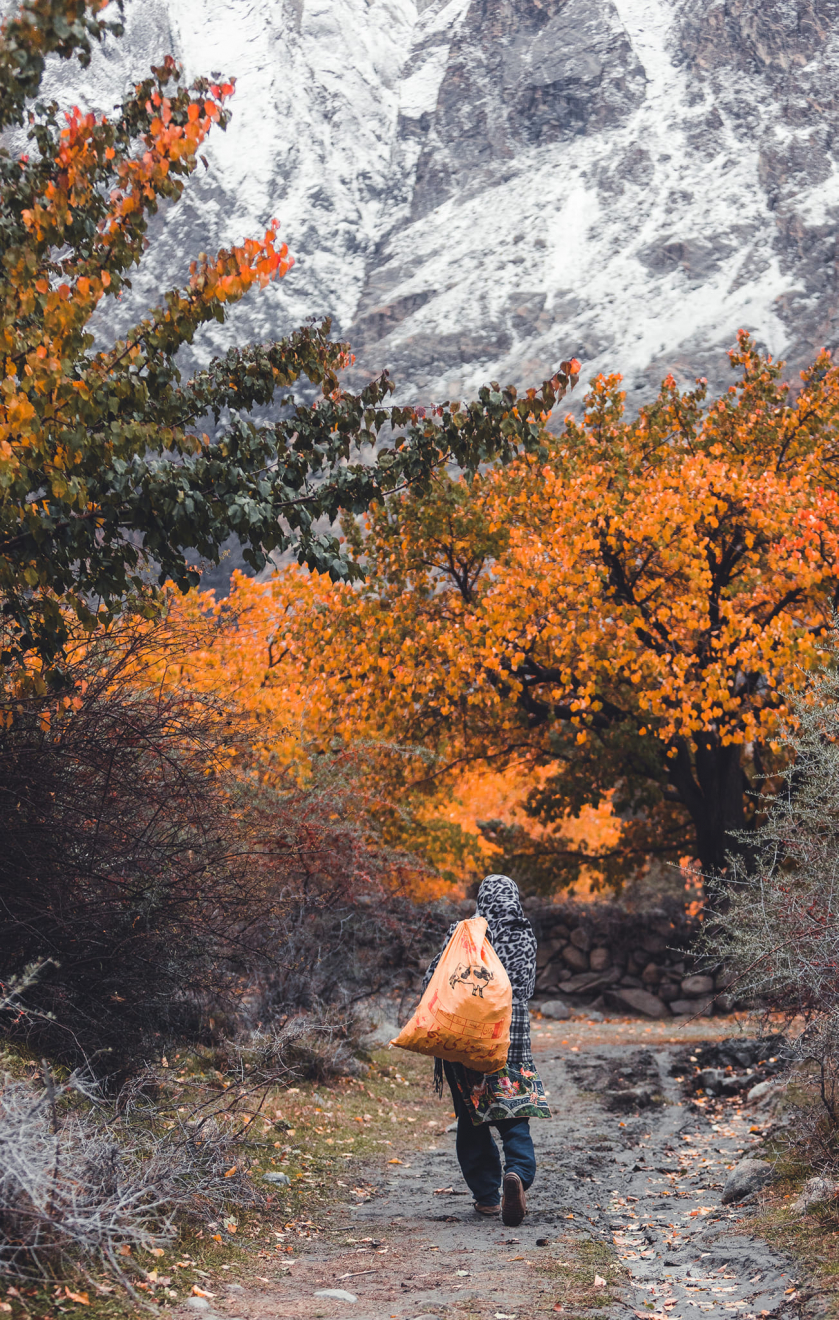
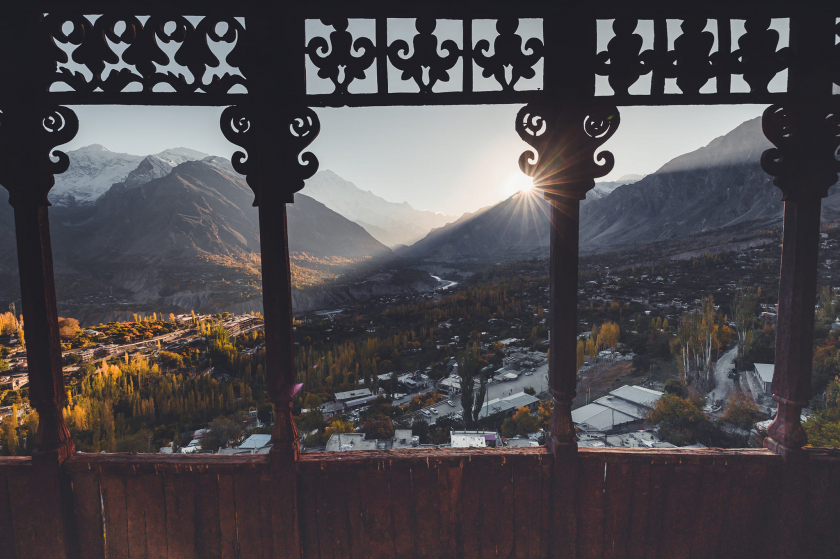
View of the valley from Baltit Fortress
One thing to note is that mostly only Thais, Malaysians, and Vietnamese people appreciate autumn with its golden and red leaves, while for the locals, the most beautiful time is summer. Summer is when wildflowers bloom and the grass is lush and green, signaling the arrival of life, while autumn brings the cold. Westerners also prefer summer for trekking and hiking. Hoang Le Giang, however, chose to trek in autumn precisely to participate in the winter migration with the locals.
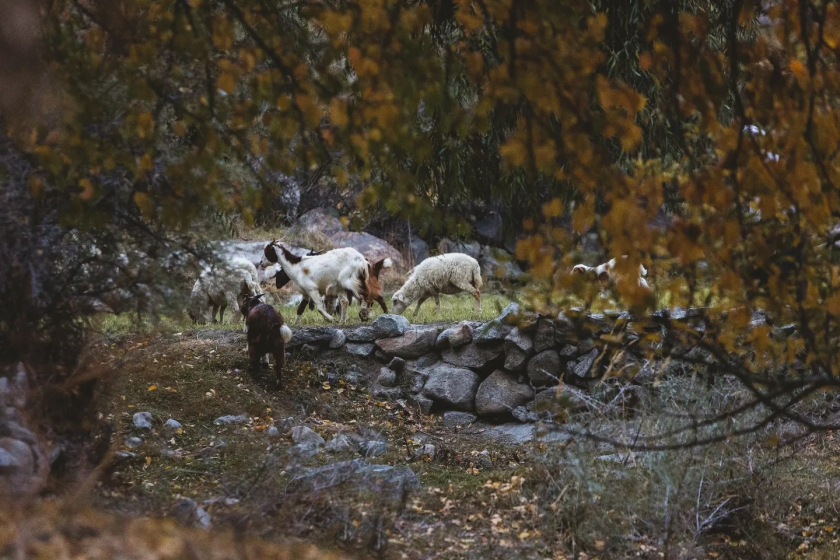
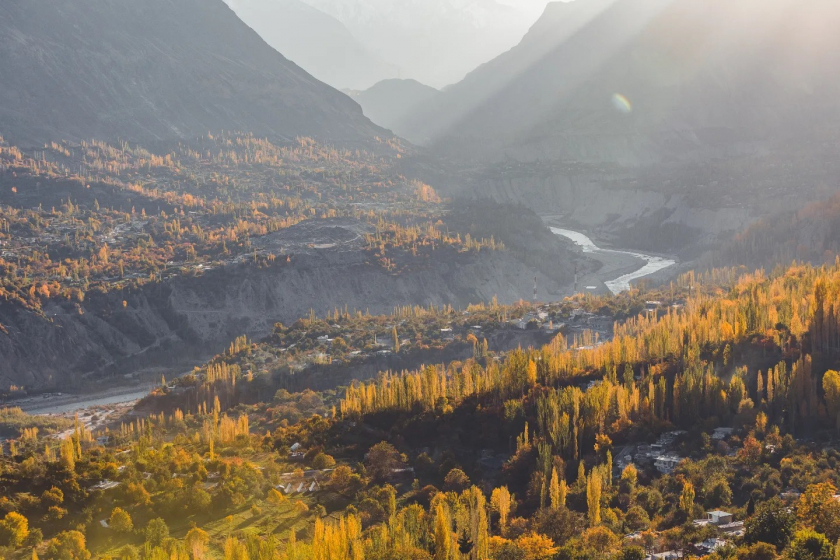
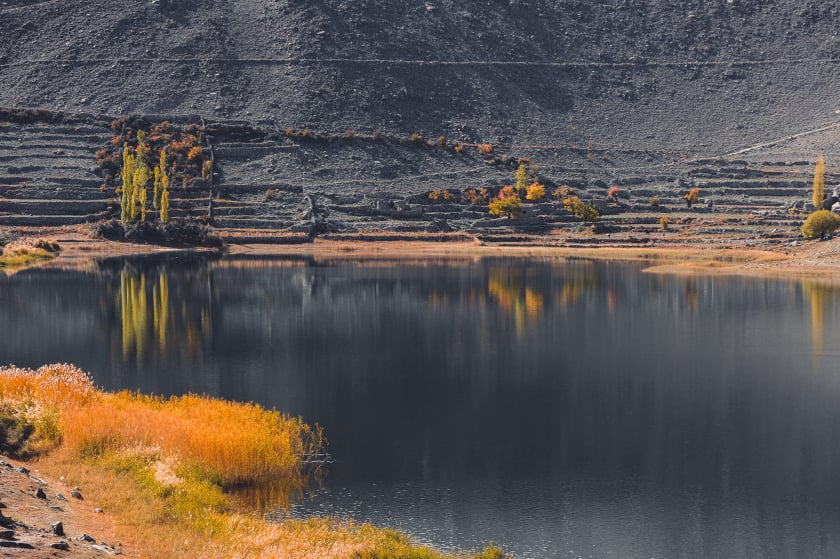
The tranquil atmosphere resembles the approaching winter, yet it also carries the melancholic charm of autumn.
According to him, autumn is also the time when apples and pears ripen on Hunza, and because they are completely organic, they taste great. In addition, there are almonds, walnuts, and many dried fruits like cherries, apricots, and mulberry jam, so vegetarians won't have to worry about anything. Pakistani food is also less spiced compared to Indian food, making it easier for Vietnamese tourists to eat.
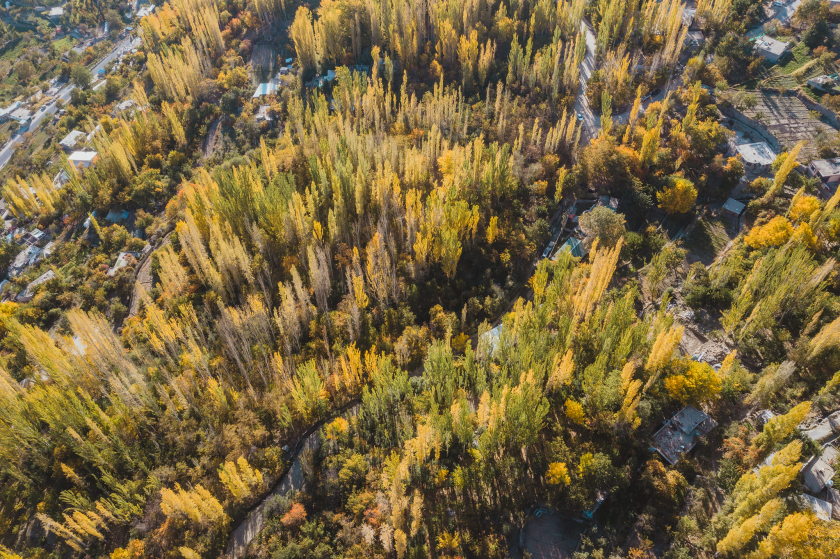
Autumn foliage in Hunza from above.
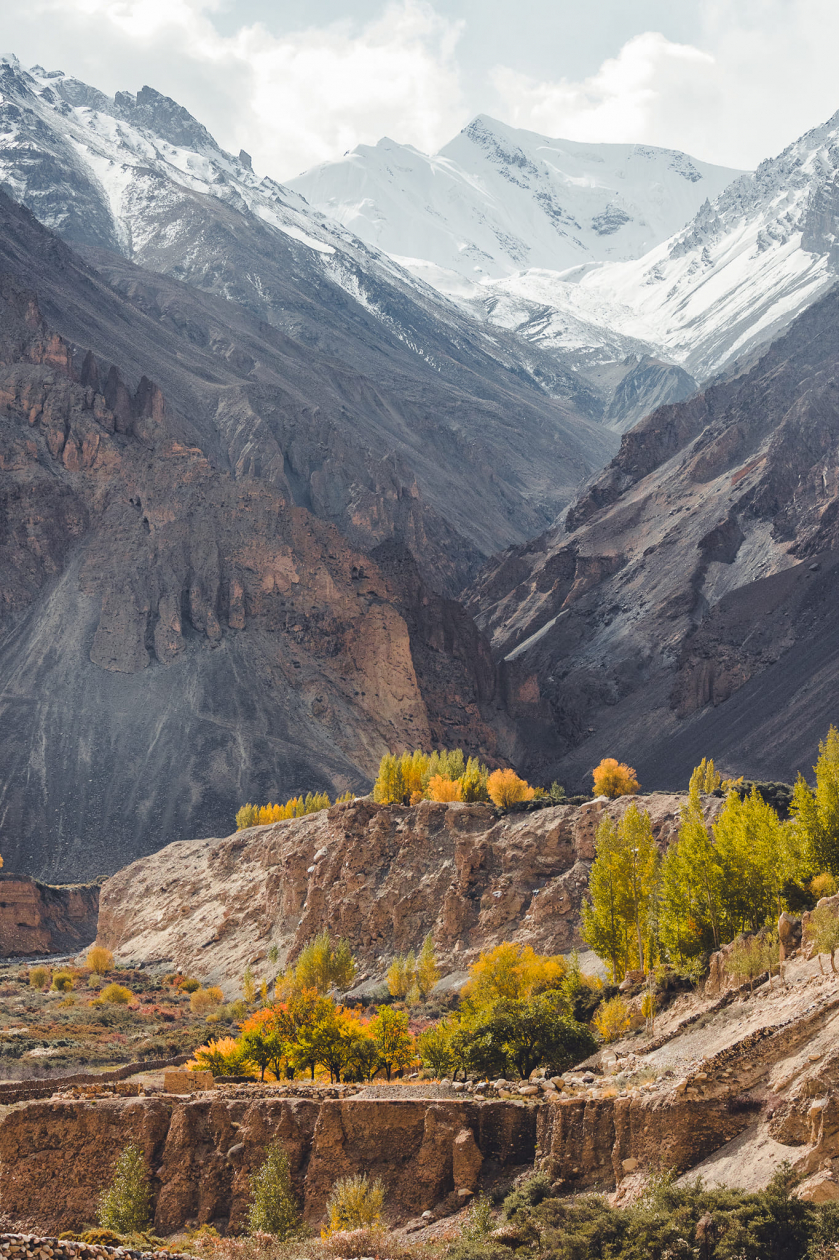
Along the trekking route
"Autumn in Pakistan is quite cold; by the end of October, the temperature drops below freezing at night. The scenery of golden leaves against snow-capped mountains is very impressive. Exploring Pakistan in autumn is suitable for those who enjoy trekking in the mountains, but most Vietnamese people still choose road trips to take photos in villages and by lakes. I feel very happy to interact with the locals and continue my journey with the migration group in a new country," said Hoang Le Giang.
Road to Hopar village
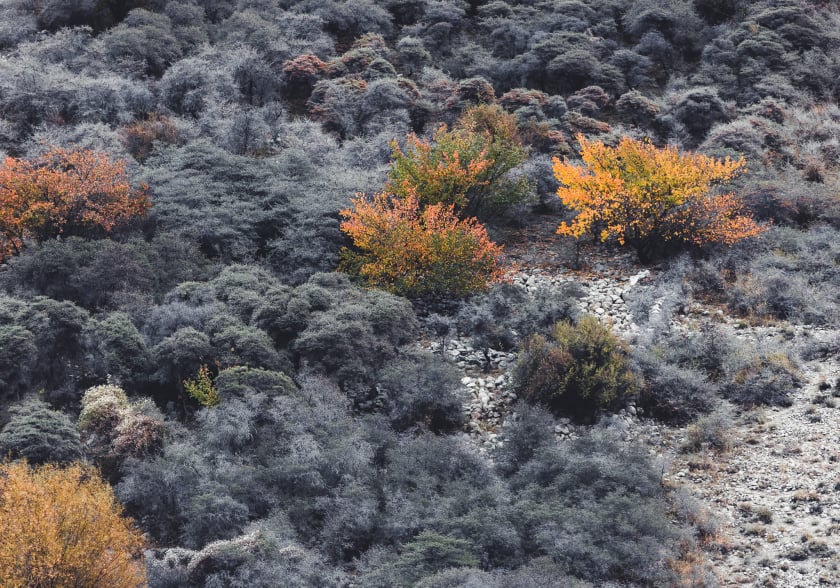
If it were springtime, this landscape would be bathed in the white blossoms of apricot trees.
"People love taking photos of autumn with golden sunshine, but I find those without sunlight have their own unique charm. They seem melancholic and evoke the image of winter approaching; it's that subtle sadness of autumn," he added.
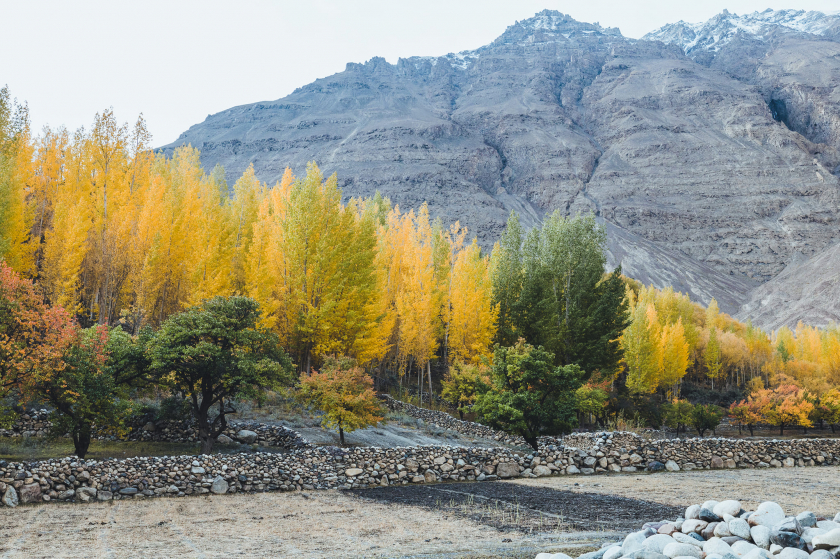
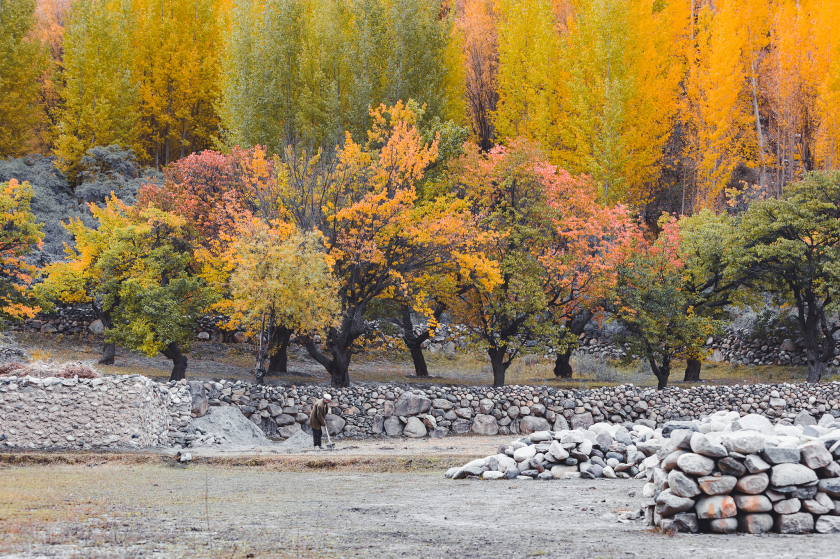
Additionally, travel blogger Hoang Le Giang also suggested a few places to admire the autumn scenery in Pakistan, such as the Hunza Valley, Skardu, Khaplu, and the towns of Karimabad, Passu, and Gulmit.