VI
VI


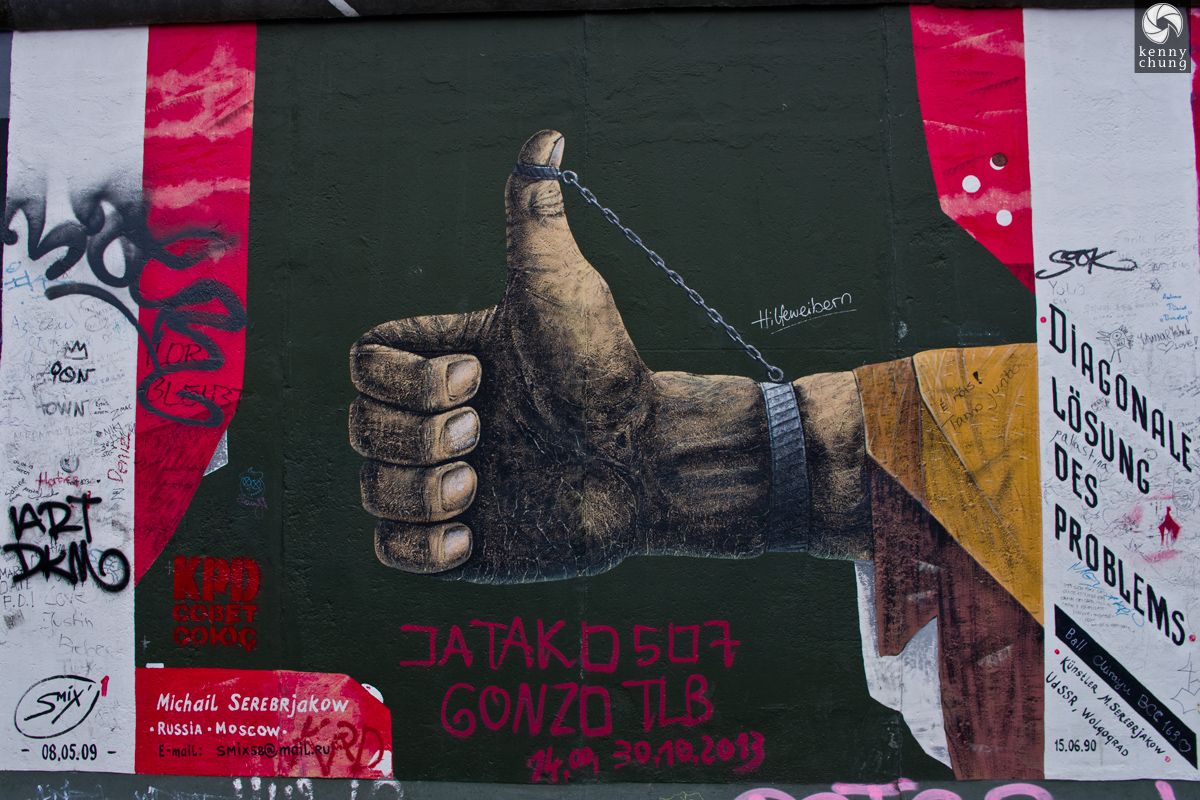
The Berlin Wall is one of the symbols of the city of Berlin, Germany, and of the Cold War era. The wall was built in 1961 under the direction of the Socialist Unity Party of Germany to divide the western and eastern parts of Berlin. Approximately 5,000 people attempted to cross the wall to reach West Germany.
To date, much of the wall has been destroyed, but some sections remain intact. The longest remaining section is a 1.3-kilometer stretch near the Spree River, featuring colorful graffiti, known as the East Side Gallery.
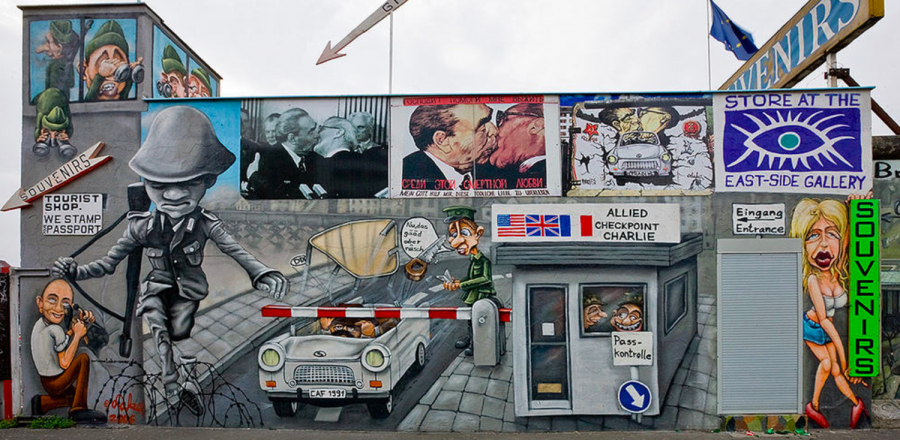
The East Side Gallery is one of Berlin's most historically and artistically significant landmarks. Located on Muehlenstrasse, it is currently the world's largest open-air gallery, featuring over 100 graffiti murals by 118 artists from 21 countries around the world. These murals were created to celebrate the reunification of Germany – a political change of immense global significance.
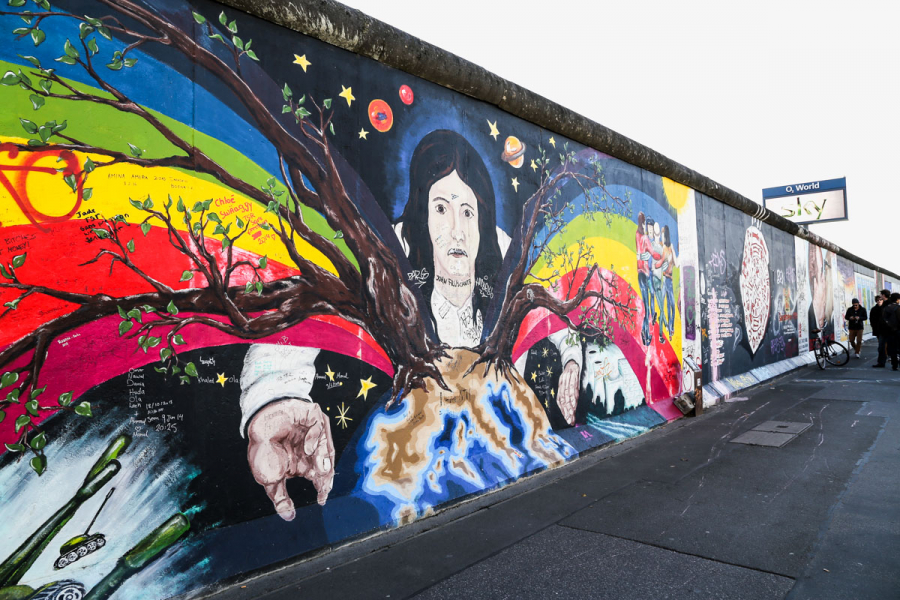
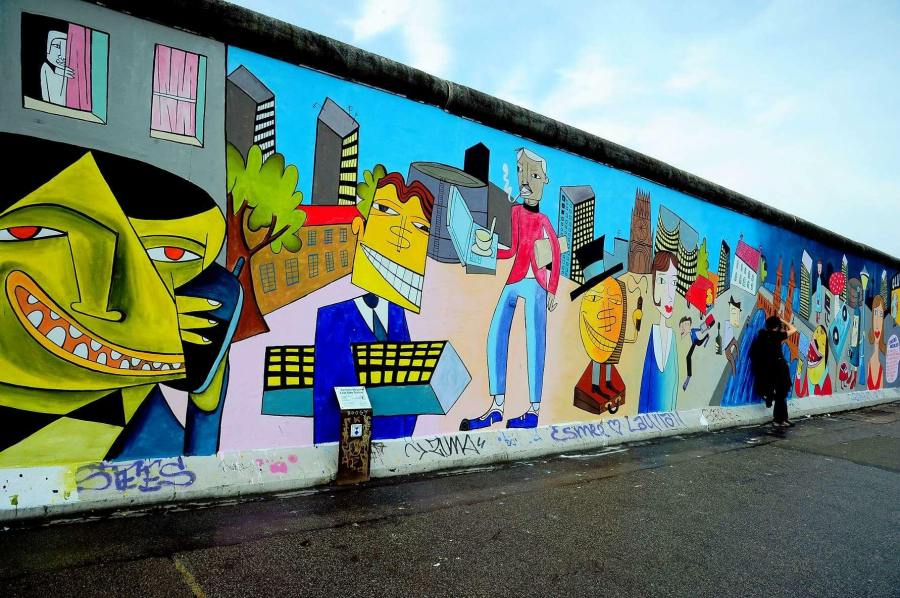
Across the street is Berlin's largest arena, the Mercedes-Benz Arena, which hosts many of the city's major events, such as ice hockey games and concerts. Since 2015, the government has erected a fence to protect the wall and prevent vandalism by residents and tourists.
Here are some of the most impressive murals in the East Side gallery:

Fraternal Kiss
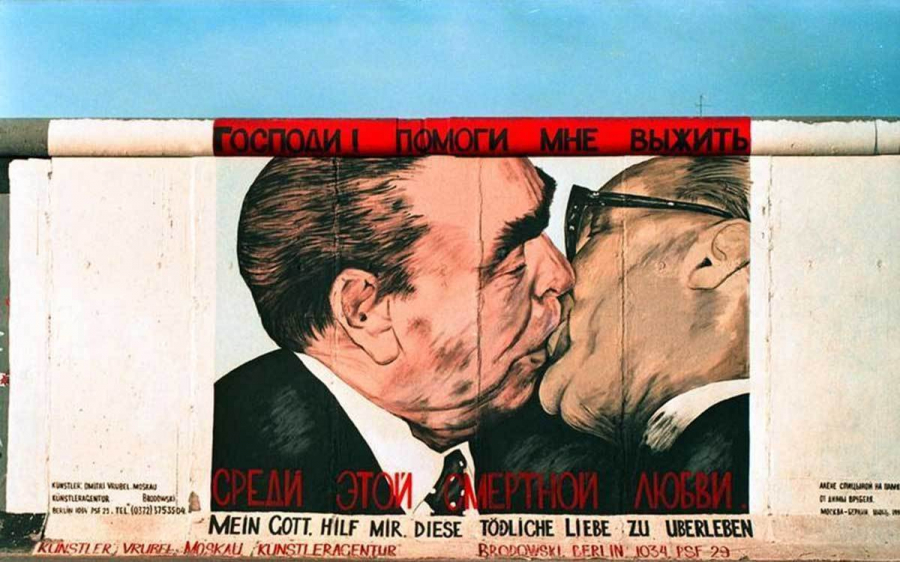
The mural, titled "My God, Help Me to Survive This Deadly Love" by Russian artist Dmitri Vrubel, also known as "Fraternal Kiss," depicts the famous kiss between Soviet leader Leonid Brezhnev and East German President Erich Honecker at the 30th anniversary celebration of the German Democratic Republic in 1979. In March 2009, due to deterioration from vandalism and weather conditions, the painting was removed from the East Side gallery, and artist Dmitri Vrubel was tasked with repainting the work.
Thank you, Andrei Sakharov
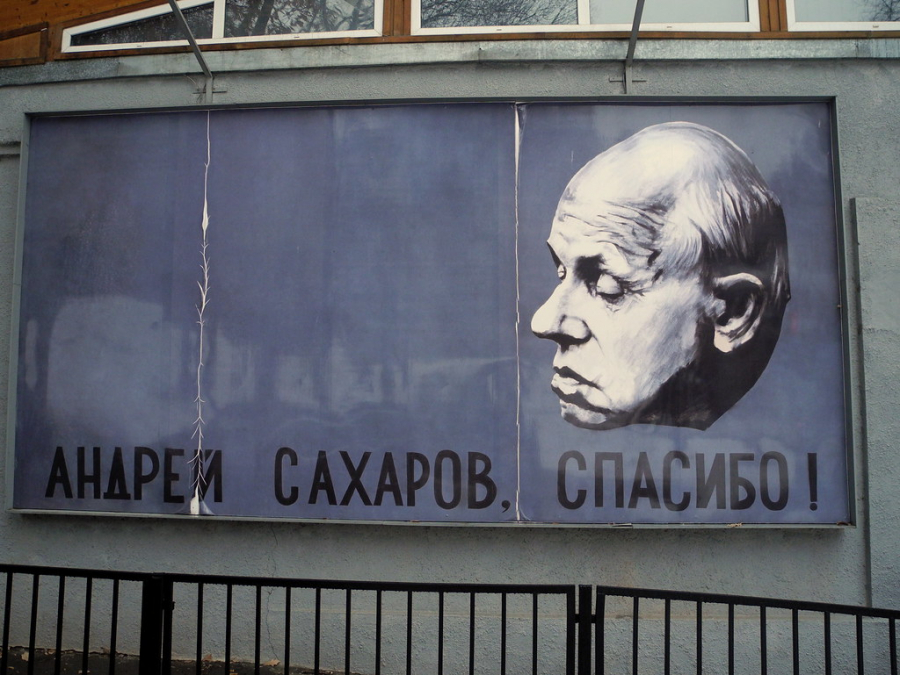
This simple portrait was painted by artists Dmitri Vrubel and Viktoria Timofeeva to honor the Soviet nuclear physicist and human rights activist Andrei Sakharov. After designing nuclear weapons for the Soviet Union, Sakharov became a champion of freedom and civil reform. He was willing to face state repression for his social activism. These efforts earned him the Nobel Peace Prize in 1975. Sakharov died in 1989, just weeks after the fall of the Berlin Wall.
Thierry Noir's cartoon heads
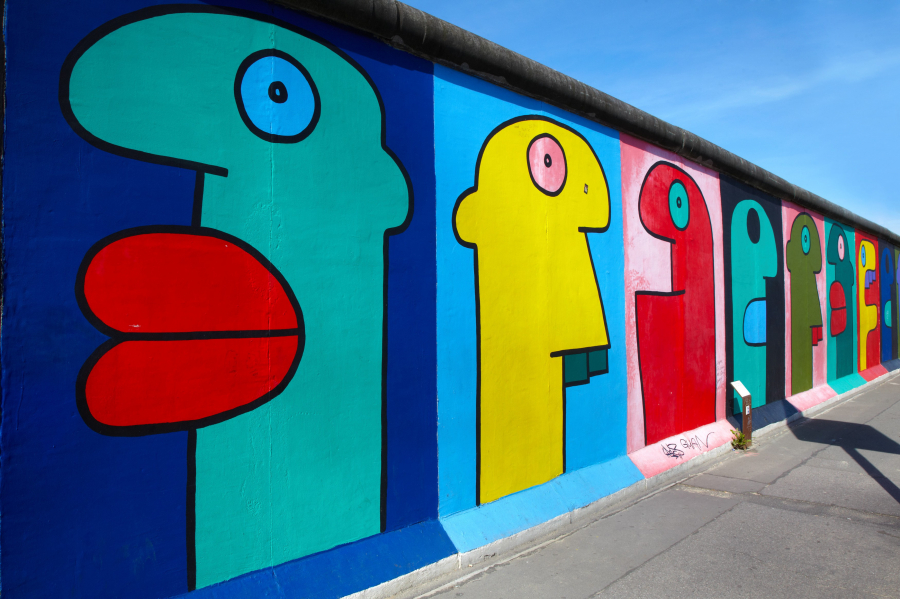
The mural "Thierry Noir's Cartoon Heads" is the work of French artist Thierry Noir, the first to paint on the Berlin Wall. For five years in the 1980s, Noir evaded police and security to illegally paint on the Berlin Wall with bold images of animals and human faces in cartoon form. "Thierry Noir's Cartoon Heads" is Noir's most famous mural, featuring colorful cartoon heads.
The Trabant breaking through the wall
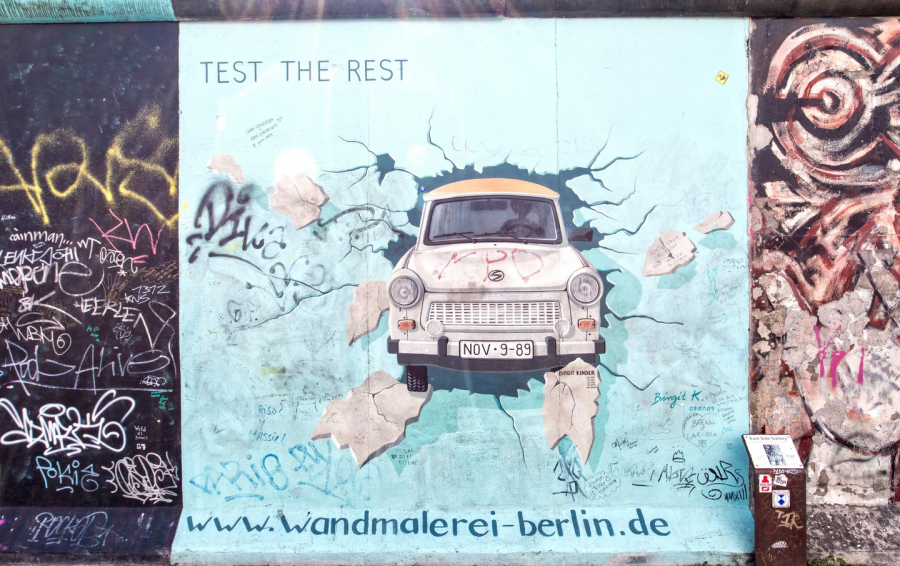
This iconic mural was painted by Birgit Kinder. It depicts a Trabant car driving through the Berlin Wall. Trabant cars were produced from 1957 to 1990 by the East German car manufacturer VEB Sachsenring Automobilwerke Zwickau. It is often considered a symbol of former East Germany and the collapse of the Eastern Bloc. The painting seems to represent the aspirations of many East Germans who attempted to escape through the Berlin Wall in this iconic car.
It Happened in November
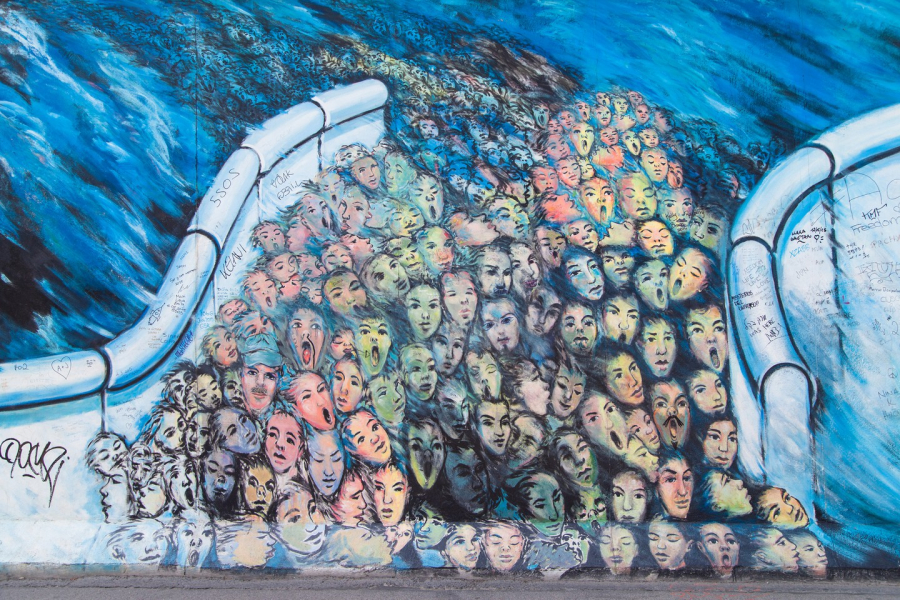
The haunting mural "Es Geschah im November" ("It Happened in November") was painted by German-Iranian artist Kani Alavi in 1990. This abstract painting was inspired by the fall of the Berlin Wall, depicting thousands of East German faces looking towards West Germany. Alavi painted the faces with a range of different emotions, such as confusion, happiness, and anxiety.
The Wall Jumper
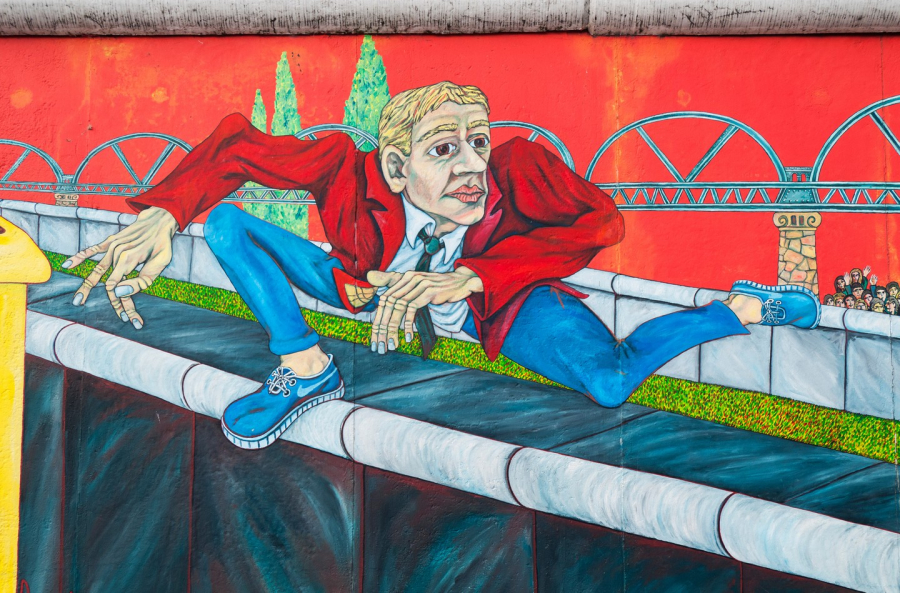
The mural "Der Mauerspringer" ("The Wall Jumper") was painted by artist Gabriel Heimler in 1989 and restored in 2009. Many believe the painting depicts an East German refugee attempting to escape to West Germany, but it is actually a West German trying to jump into East Germany in search of freedom.
The Seven Stages of Enlightenment
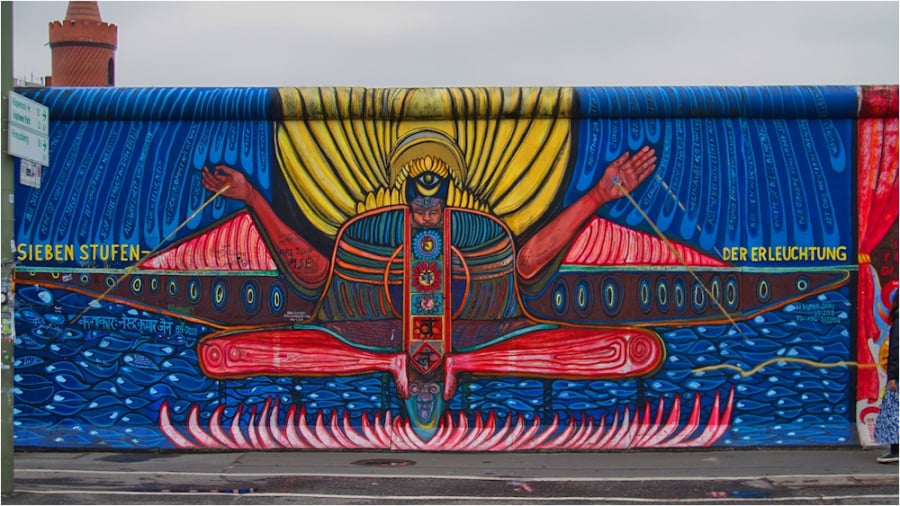
This colorful mural by Indian artist Narendra Kumar Jain depicts a mystical figure from Indian philosophy. The painting symbolizes liberation from ignorance and the path to overcoming obstacles leading to enlightenment, while also evoking unity and wholeness.
Diagonal Solution to a Problem
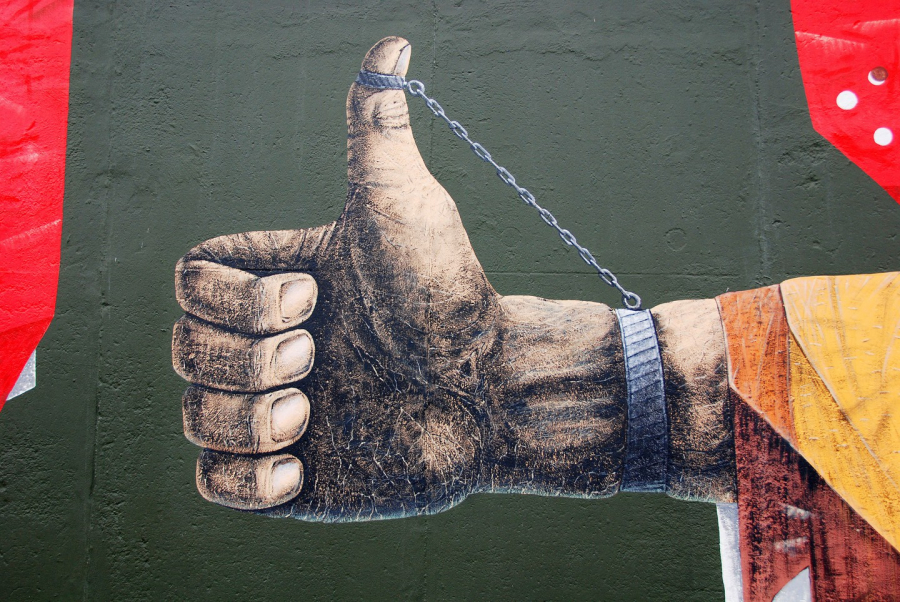
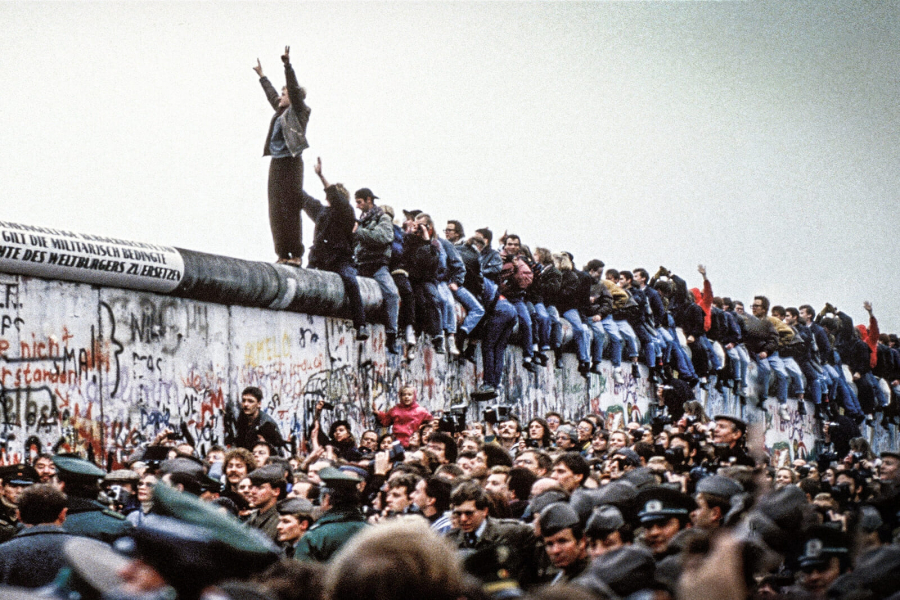
Mikhail Serebryakov's mural, titled "Diagonale Lösung des problems" ("Diagonal Solution to a Problem"), depicts a thumb held by a chain in a thumbs-up position—a positive gesture. This artwork symbolizes the East German government's aggressive stance in defending communist ideals and suppressing dissenting voices.





.jpg.jpg)