VI
VI


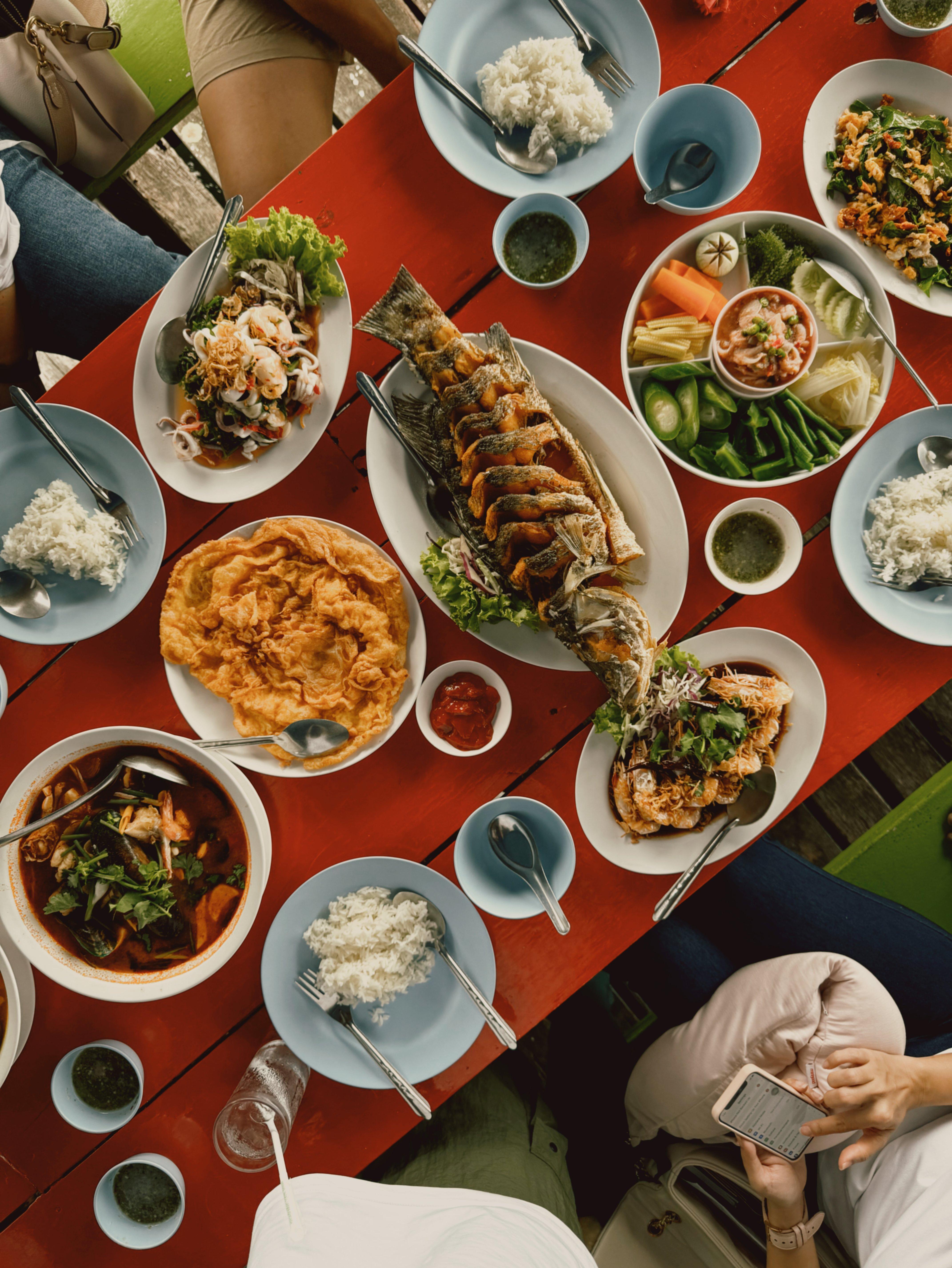
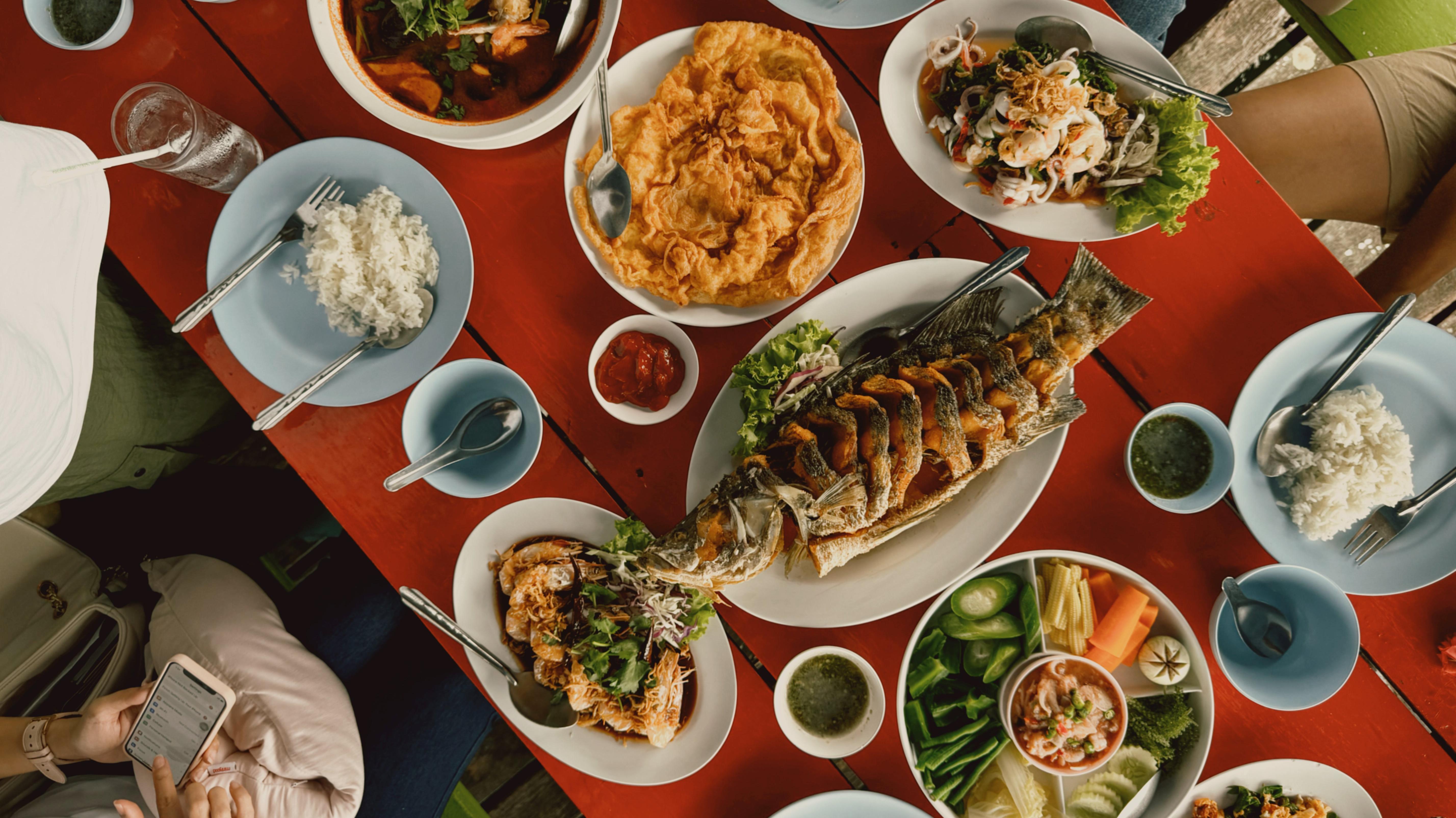
Choosing a restaurant abroad is never easy, especially in a place like Phuket, where every street corner could be a hidden gem. There are countless online reviews and recommendations, leaving many travelers confused by the choices.
Amidst hundreds of glowing reviews online, Michelin is like a friend who has gone before, tasted, and filtered the best to guide travelers. More than that, Michelin isn't just about expensive fine dining restaurants; it also includes Bib Gourmand, delicious eateries at reasonable prices, and Michelin Selected, a list of must-try establishments, whether street vendors or humble eateries hidden away in neighborhoods. And that's how Phan's Michelin journey in Phuket began.
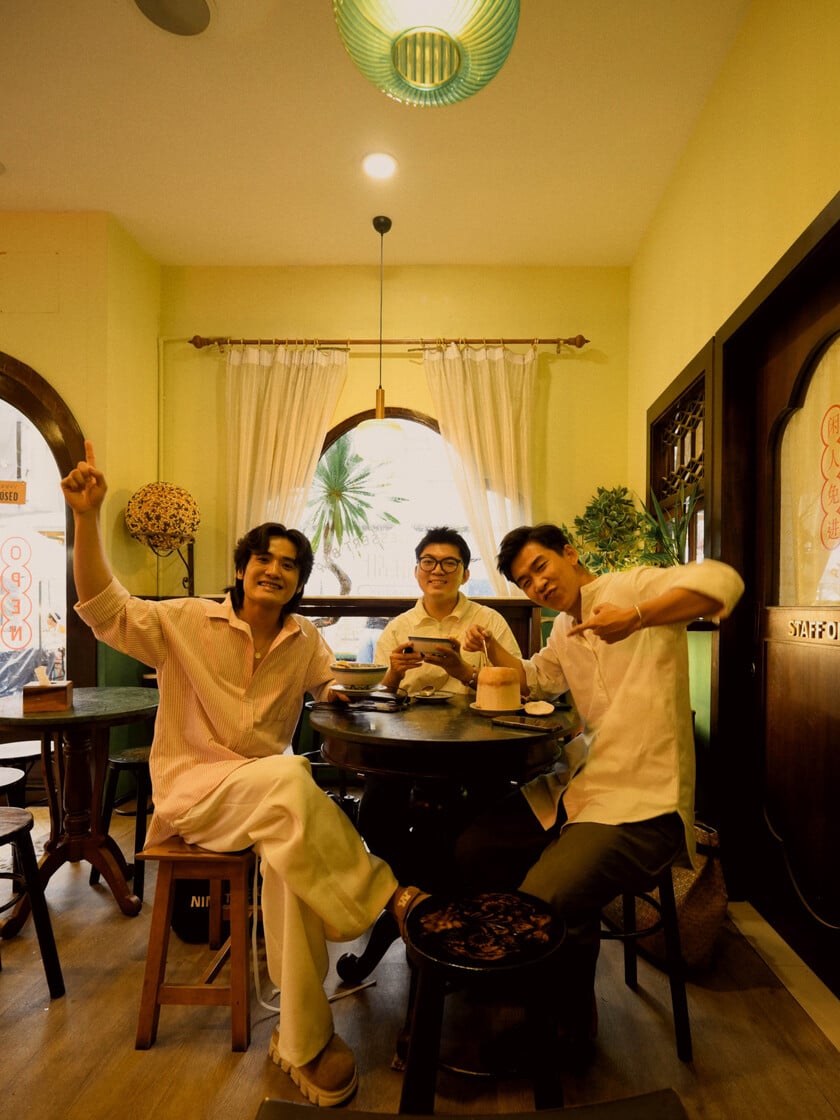
Phan and his friends' journey to enjoy Michelin-starred cuisine in Phuket, Thailand.

Phan's first stop on his trip was One Chun, a restaurant housed in a century-old building in the heart of Phuket. The space retains the classic Hokkien architecture, with wooden roofs, high ceilings, faded paint, and furnishings reminiscent of bygone decades. This restaurant has been on the Michelin list since 2019 and has been consistently recommended for the past six years, famous for its Mu Hong – a traditional Southern Thai-style braised pork belly with pepper. However, having already tried Mu Hong at Keemala, Phan decided to order something else.
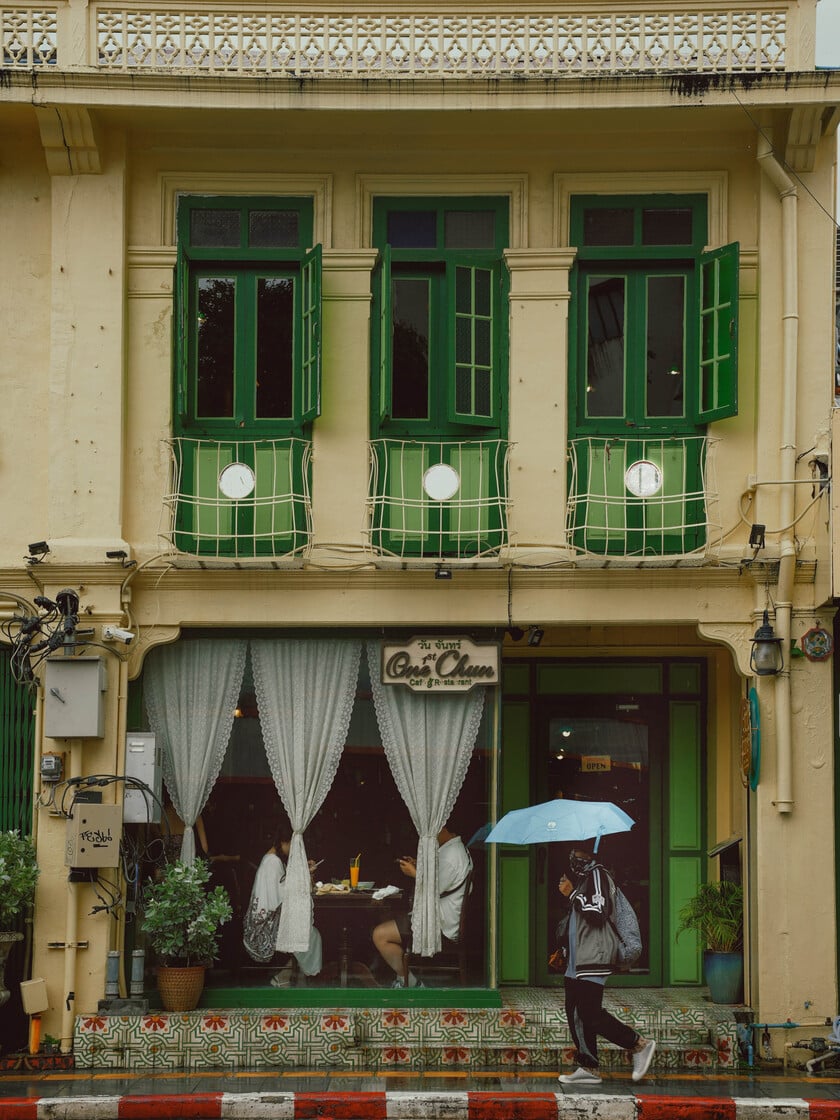
One Chun restaurant is located in a century-old house in the heart of Phuket.
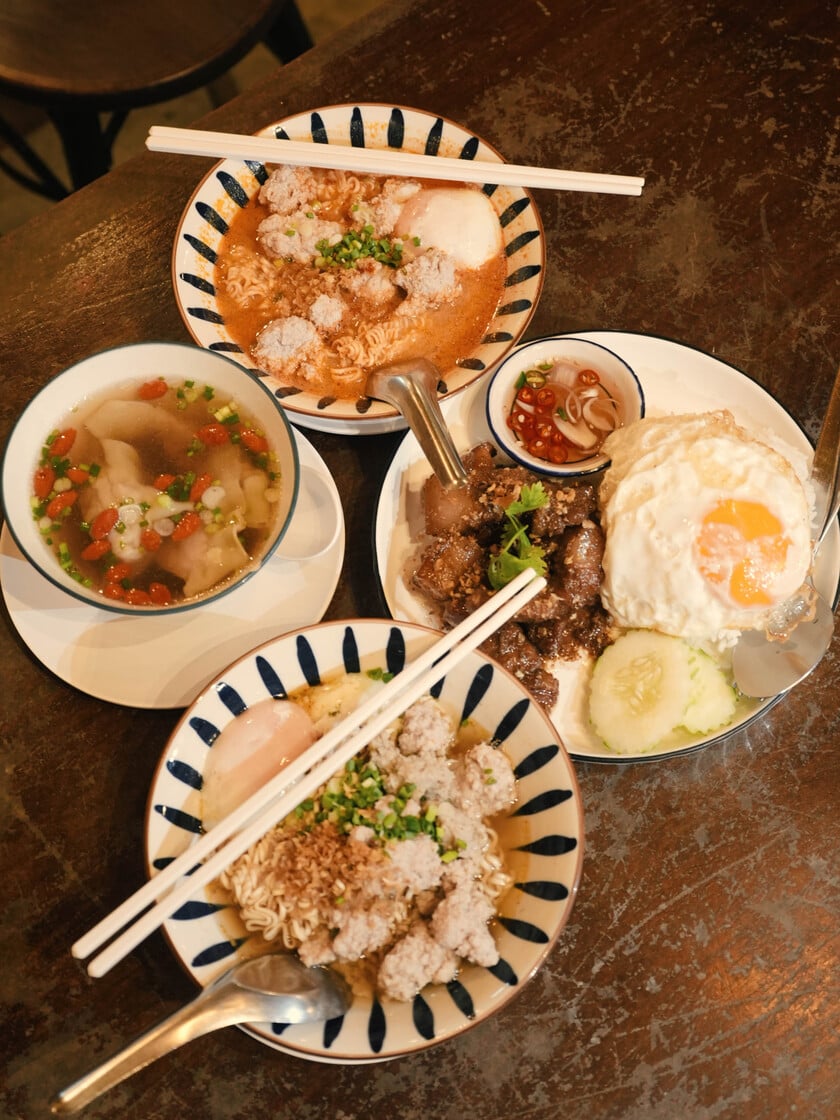
He chose the shrimp Pad Thai and the spicy and sour fish soup. The Pad Thai had a distinct sweet and salty flavor, with fresh, plentiful shrimp stir-fried with noodles that weren't too dry. The fish soup had the characteristic flavors of Southern Thailand, with a strong fish sauce aroma but not overpowering, and a spicy kick that didn't burn the throat, but rather lingered, much like how Southern Thais conquer the palate. This is a dish Phan often orders to appreciate the depth of the kitchen, and this time he was very satisfied. The restaurant's portions were very generous, suitable for groups so they could enjoy more dishes.
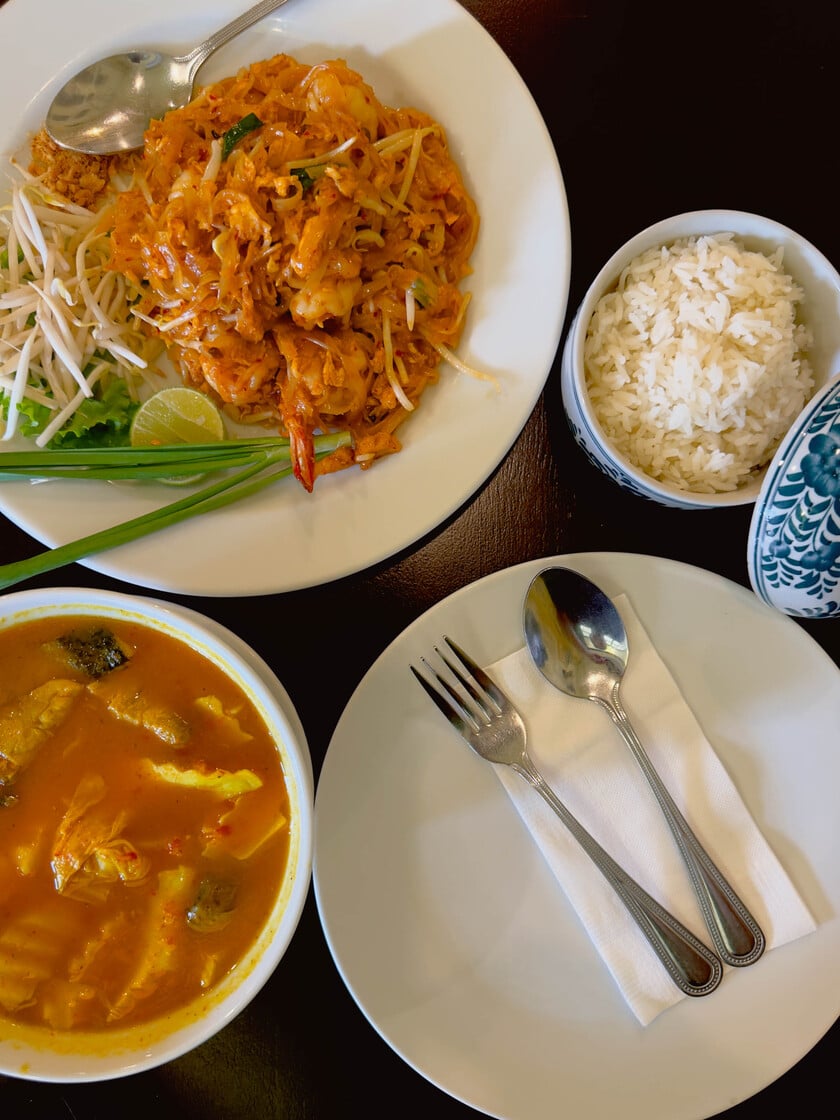
Phan ordered shrimp Pad Thai and spicy sour fish soup to enjoy at the restaurant.
The second restaurant was Kruvit Raft – a delightful experience right from the start. From the mainland, Phan took a five-minute boat ride to reach the restaurant. He sat on a wooden platform floating in the middle of the river, enjoying the cool breezes.
Kruvit Raft has been recognized by Michelin since 2021, notable for its menu of fresh seafood, caught and prepared on-site. Phan chose to enjoy the grouper soup with fermented soybean paste, a dish recommended by Michelin. The broth was clear, with a distinct richness, and the flavor of the soybean paste permeated the fish without overpowering its original sweetness.

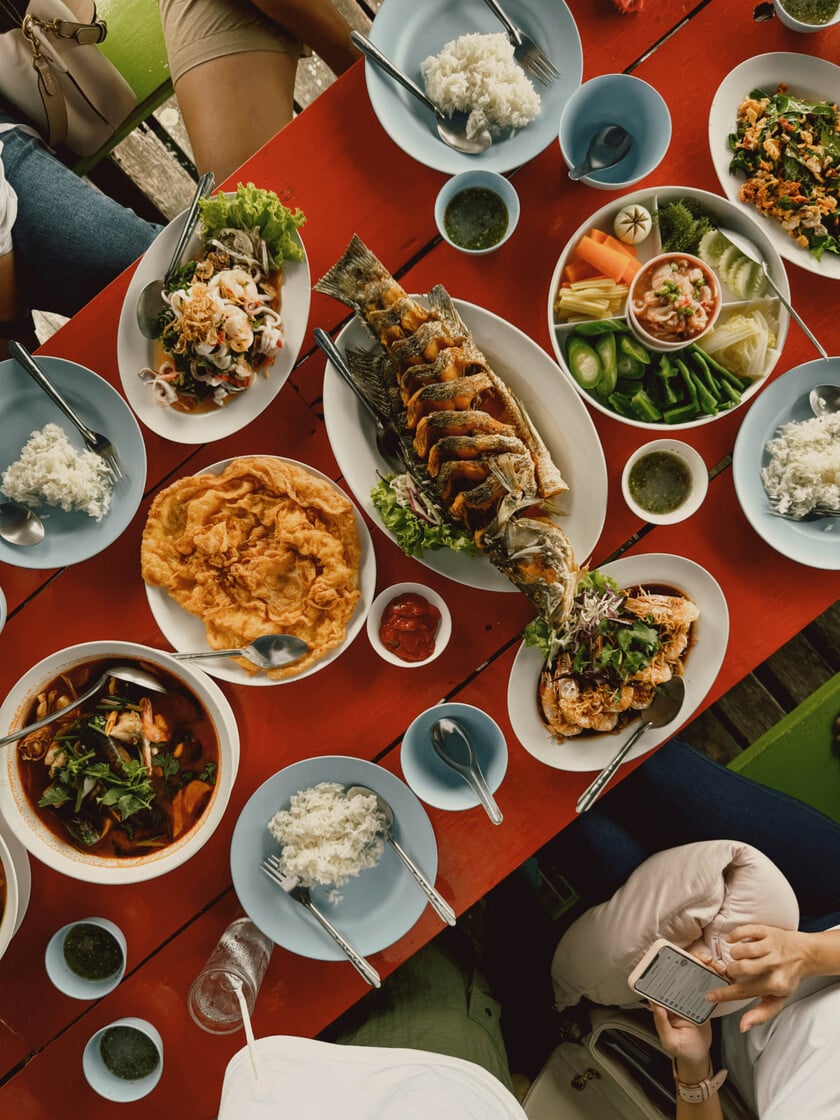
Kruvit Raft stands out with its fresh seafood menu.
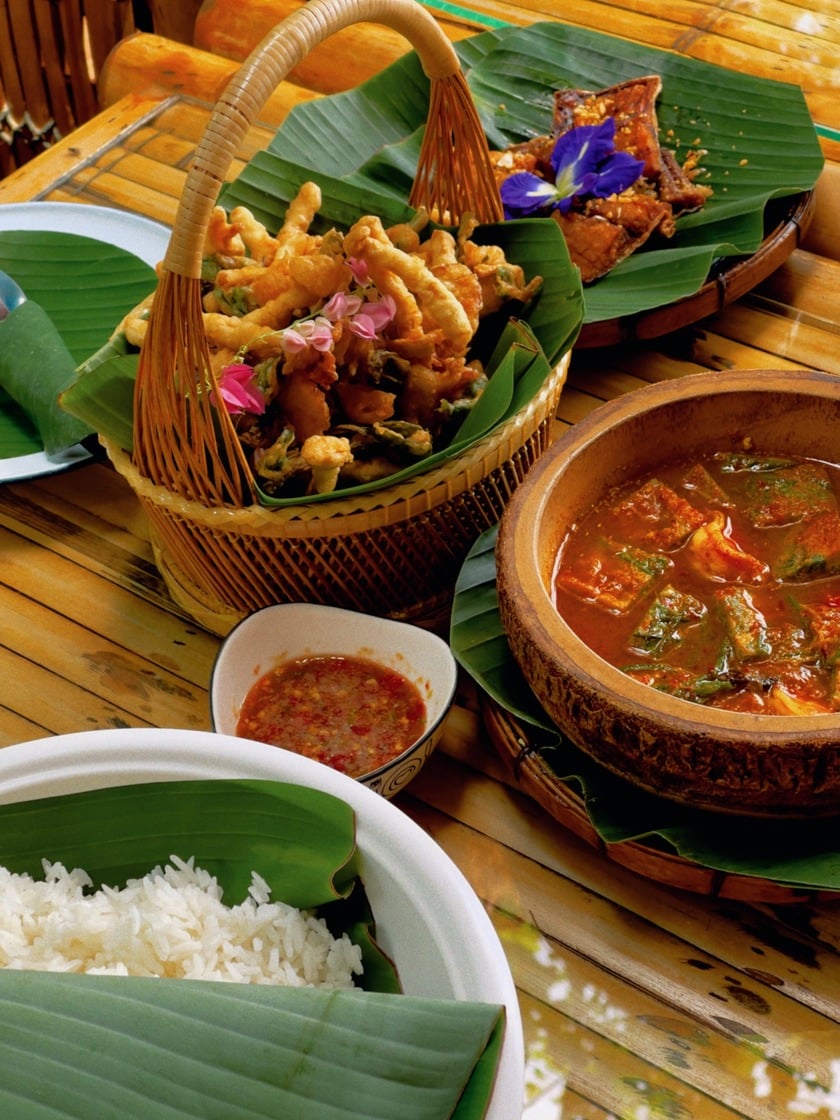
Stir-fried lobster with chili and salt is also a very popular choice, with sweet, tender lobster and perfectly seasoned meat. But for Phan, the dish that left the longest impression was Nam Prik, a type of fermented shrimp paste served with fresh vegetables. Perhaps because he ate it amidst the gently flowing water and overcast skies, the salty, pungent flavor became a deeply personal experience, something tourists often miss when they only seek out fancy restaurants. The paste here doesn't deter you; on the contrary, it makes you want to eat more vegetables, more rice, and take another bite.
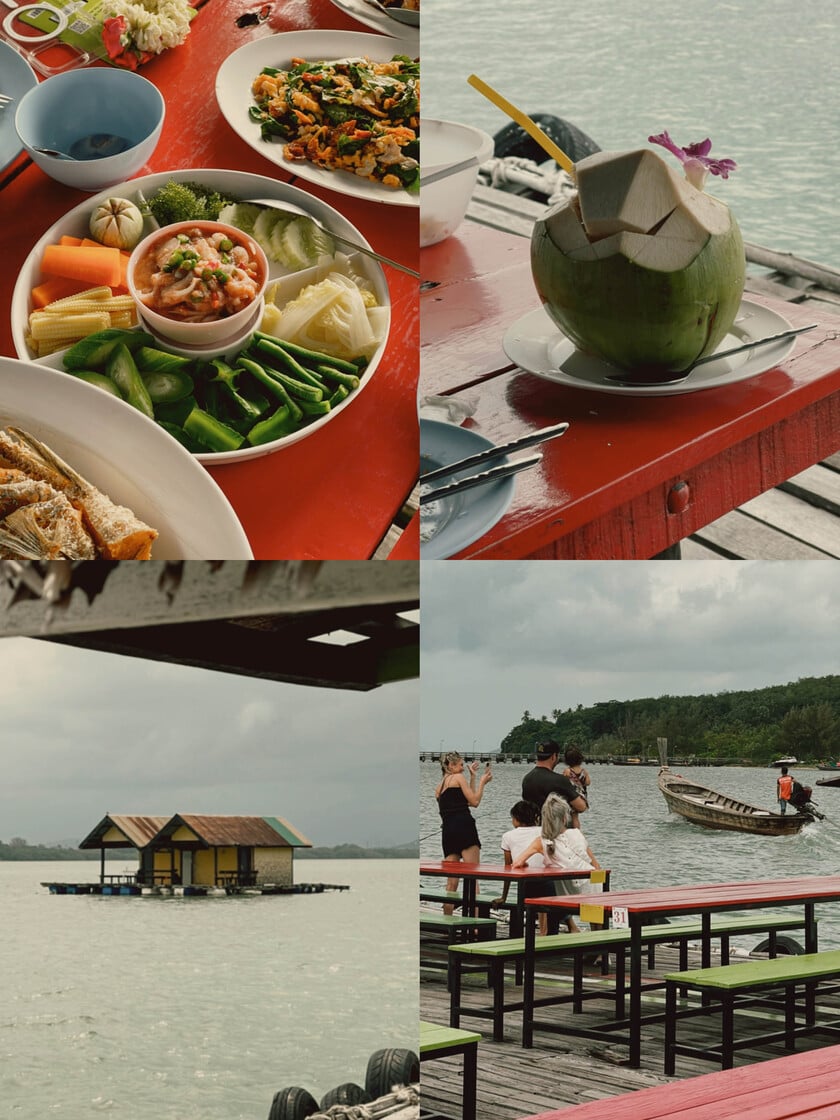
The restaurant offers the experience of sitting in a wooden boat and enjoying food on a floating raft in the middle of the river.
One rainy afternoon, Phan wandered through the Old Town and stopped in front of A Pong Mae Sunee's small pastry cart – a humble establishment on Yaowarat Road. There was no large, eye-catching sign, just a brown wooden cart with a few pastry molds neatly placed on a charcoal stove, yet it was listed on Bib Gourmand. Their only item was Khanom A Pong, a thin, crispy coconut crepe with the rich, creamy flavor of coconut milk and fermented rice flour. The crepe was crunchy at the edges, soft inside, just the right amount of sweetness, and vividly evoked childhood memories. "The taste was very similar to the dishes I used to eat back home when I was little, so there was something both distant and familiar about it," he recalled nostalgically.
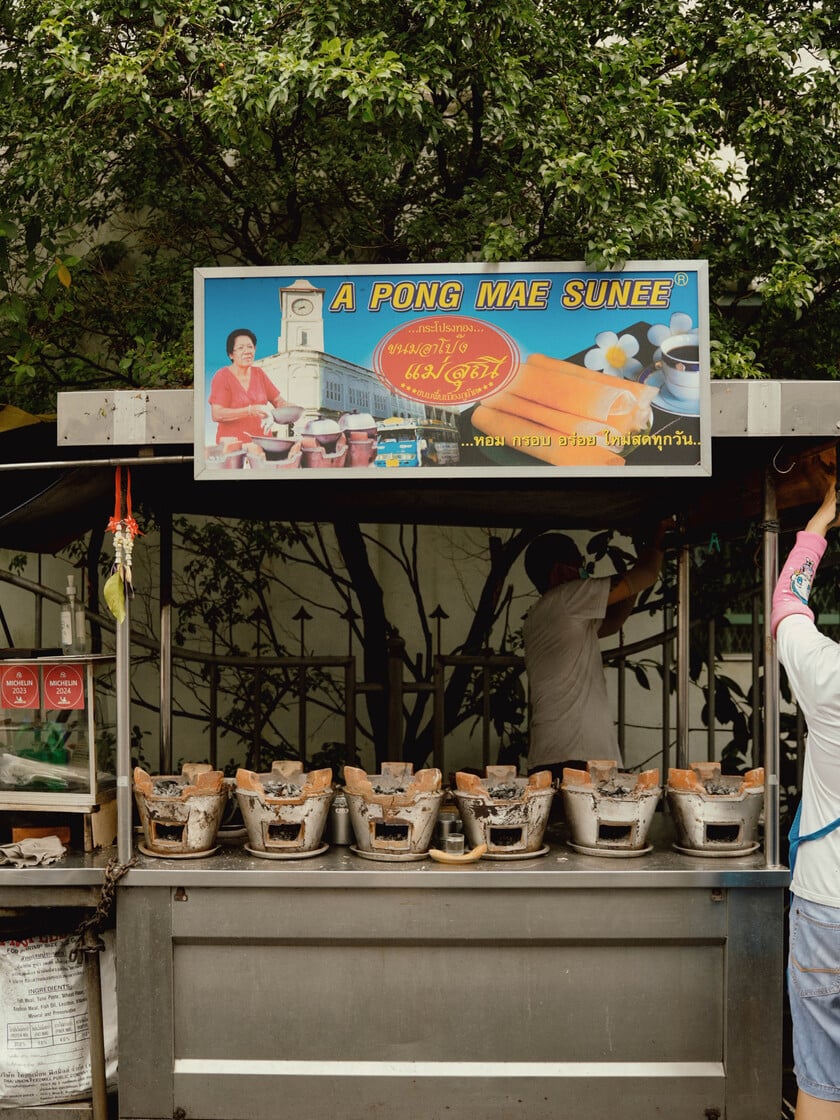
A Pong Mae Sunee, a humble wooden cart, sits on Yaowarat Road.
Not wanting to end the afternoon with just one dish, Phan sought out O-Aew, a refreshing dessert familiar to Hokkien people in Phuket. In a small bowl were shaved ice, grass jelly, red beans, sugar syrup, and a touch of cocoa. The subtly sweet and cool flavor eased the feeling of disappointment on a rainy afternoon, having not yet explored all the nooks and crannies of Southern Thai cuisine.
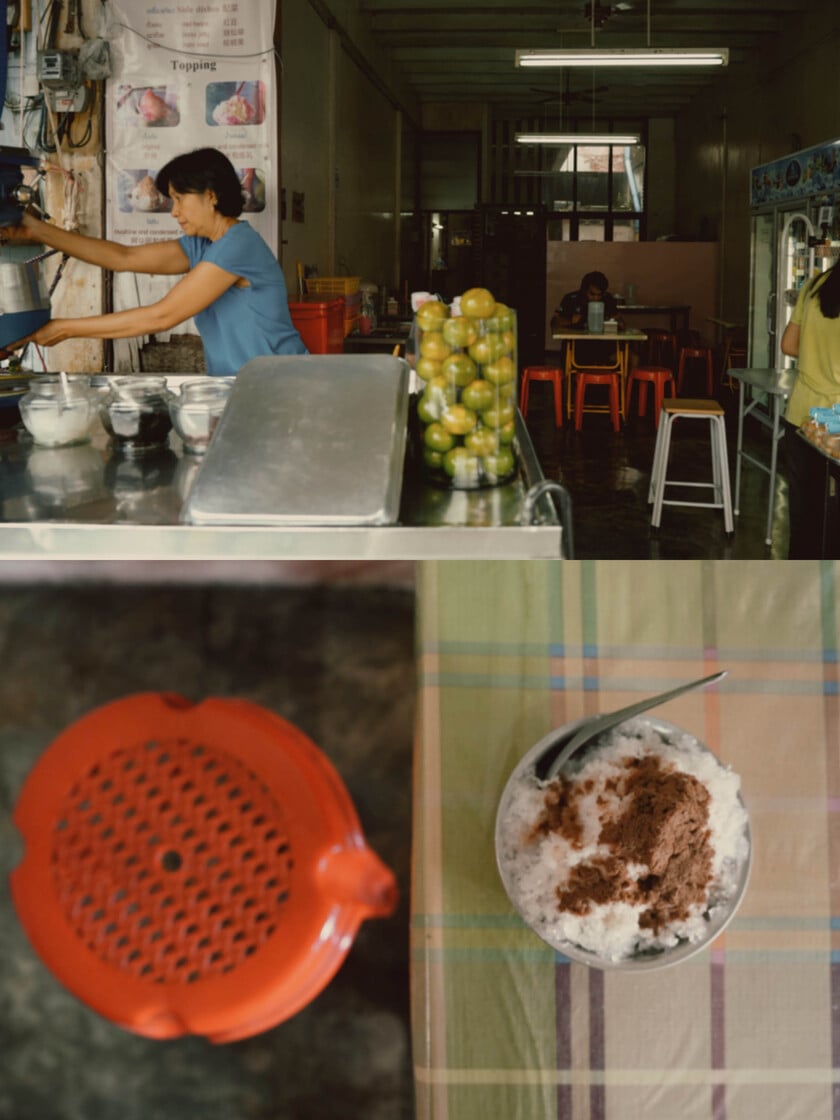
O-Aew, a refreshing Hokkien dessert from Phuket.
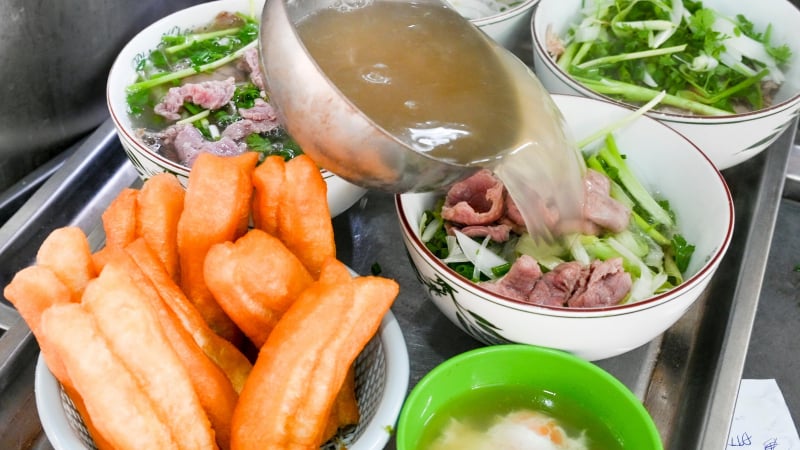
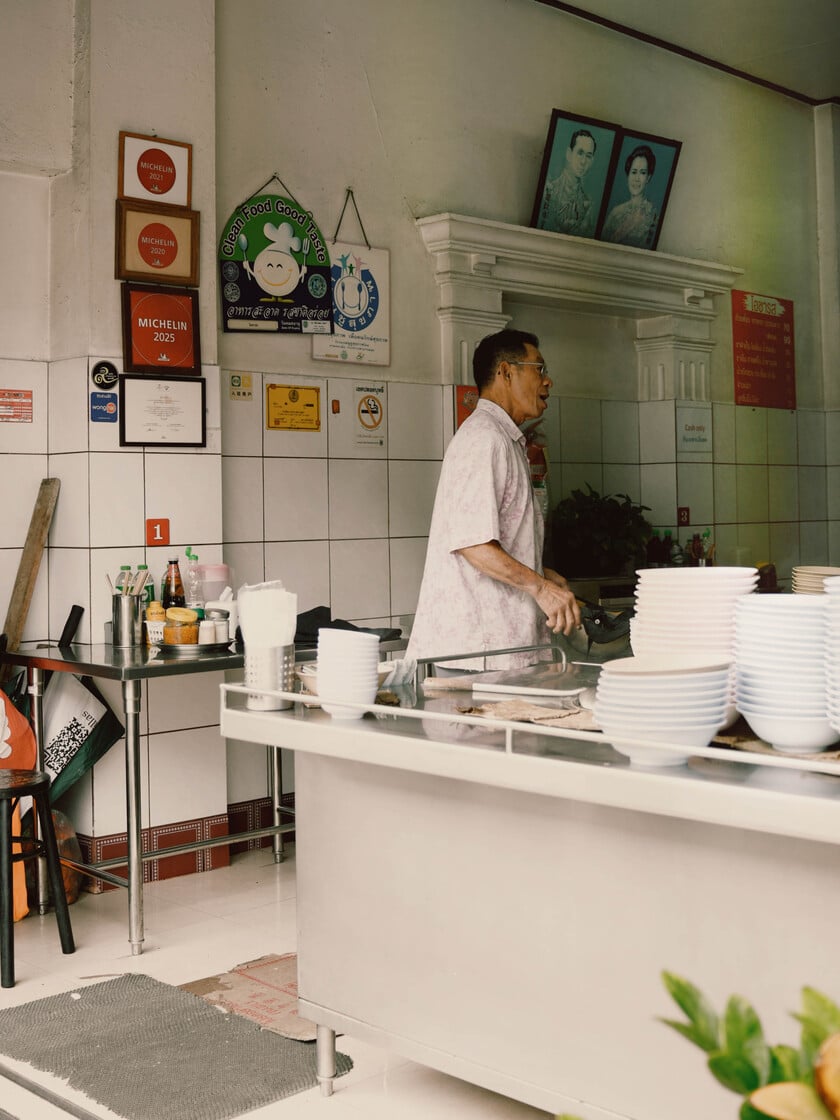
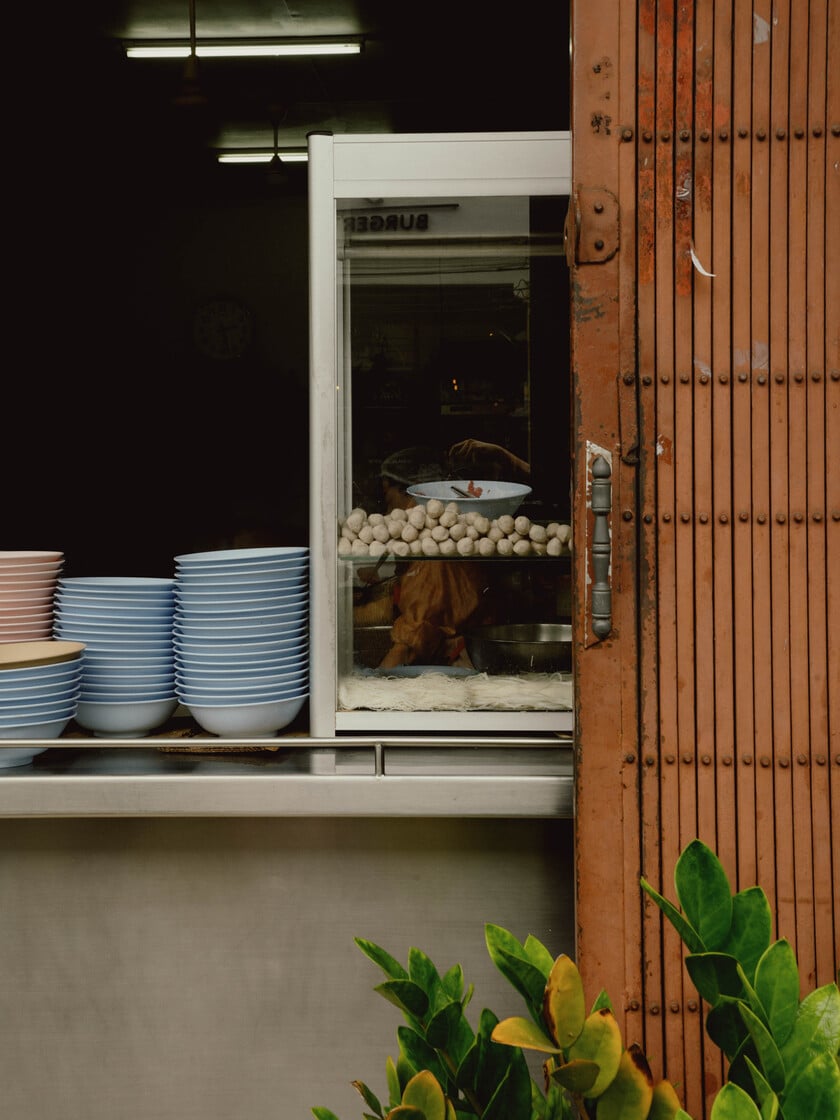
Right next to it is O Cha Rot - a beef noodle soup restaurant that recently made it onto the Michelin Guide 2025, notable for its red sign with gold lettering in Thai on the restaurant's predominantly white background.
O Cha Rot is famous for serving hearty, flavorful beef meatballs, tender slices of beef soaked in fragrant bone broth, and soft, perfectly cooked noodles.
Through the places he visited, Phan noticed that Southern Thai cuisine has a very unique character. Dishes like yellow soup, crab fried rice, papaya salad, and fermented fish sauce all contain more spices than average, far exceeding what many people imagine. The spiciness and saltiness are not something everyone can tolerate, even those who are used to strong flavors. "If you're not used to it, ask the restaurant to reduce the spiciness or ask about the ingredients beforehand to avoid ruining the experience because of a small mistake," Phan shared his experience.
Phan came to Phuket not to chase luxury, but to better understand why a street food pastry can stand alongside top restaurant offerings. After all, what he remembers most is not just the individual dishes, but the feeling of being guided through the layers of flavor in Phuket.
Michelin serves more than just a guide, selecting restaurants based on delicious food or excellent service; it also considers the context, history, and spirit of the local area. A rickety food cart, a simple bowl of fish soup, or a dish of fermented fish sauce eaten on a breezy riverside – all embody the spirit of the land, a quality only fully appreciated through leisurely enjoyment. Everyday dishes can be considered on par with gourmet delicacies. This equality is what makes Thai cuisine so diverse and deeply connected to its people.
In the eyes of many, Phuket is a place of sunshine, blue sea, and parties. But for Nguyen Do La Phan, during a rainy June, this pearl island holds layers of spicy, salty, pungent, and deep flavors – things that Michelin calls unique, and that he will remember forever.