VI
VI




"The White Lotus," a popular American television series, is famous for its portrayal of the wealthy guests and staff at the luxurious White Lotus resort. Beneath the perfect facade of these VIPs lie dark secrets cleverly concealed, creating a unique appeal for the show.
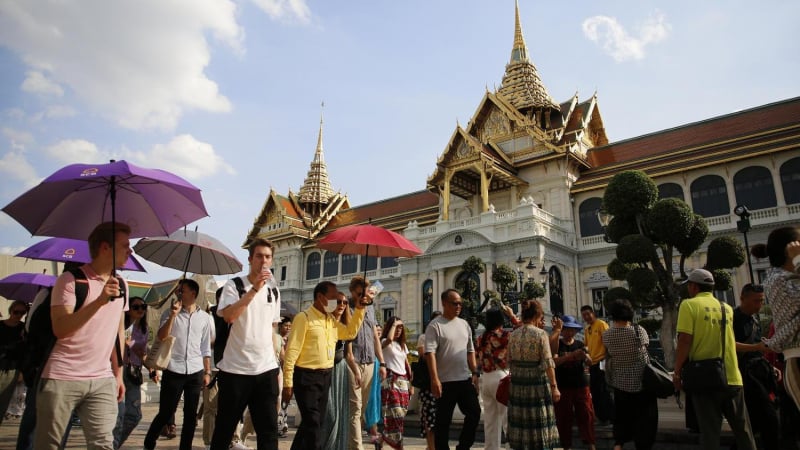

After the first two seasons were set in the glamorous Western locations of Maui (Hawaii, USA) and Sicily (Italy), the third season of "The White Lotus" shifted its focus to Asia, with Thailand chosen as the destination. This change in setting has raised high expectations that the series will create a positive effect, strongly boosting Thailand's tourism industry, similar to what happened in Hawaii and Sicily, which saw impressive tourism growth of up to 300% after appearing in the series.

The White Lotus is an American television series about the guests and staff at the White Lotus resort.

The guests at the resort were all wealthy and impeccably dressed, but they all concealed something dark.
However, according to film critic Daniel Fienberg, despite the producers' efforts to involve local actors, their roles in the story remain rather insignificant. In particular, Fienberg expressed regret that the role of Mook, a resort employee played by Lalisa Manobal (Lisa Blackpink), appears too briefly. He believes that the global fame and appeal of the Blackpink member were not effectively utilized in the film.

American media outlets criticized "The White Lotus" for failing to capitalize on Lisa's appeal, giving her a lackluster role in the film.
In his review, Fienberg bluntly pointed out: “The failure to develop Thai characters with depth diminishes the value of the actors, especially Lisa. She has a strong charisma, but that's not conveyed through the character.”


The image of the BlackPink member in the film.
In fact, hotels in the southern region, which were expected to benefit greatly from the film's effect, say they have yet to see any significant positive changes in international visitor numbers. Bill Barnett, CEO of hotel consulting firm C9 Hotelworks in Phuket, noted that although "The White Lotus" has garnered widespread attention, the two popular tourist destinations of Phuket and Samui have not yet shown the strong tourism recovery that was anticipated.
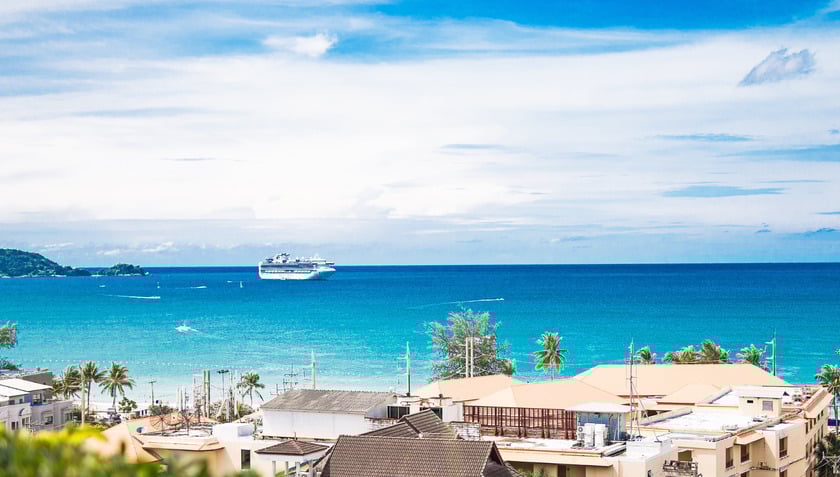
The reality is that Thailand's tourism industry has not yet recovered despite it being summer.
According to Barnett's analysis, the number of international tourists to Phuket this year may even be lower than last year. One of the main reasons cited is the weakening of the Chinese tourist market. Three main factors are making Chinese tourists more hesitant to choose Thailand as a destination: Beijing's domestic tourism stimulus policies, concerns about security in Thailand, and domestic economic difficulties, including the impact of high US tariffs on Chinese goods.
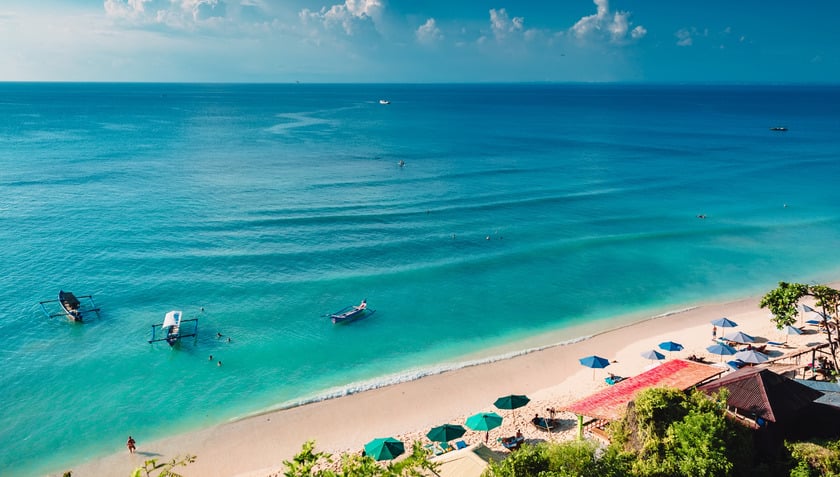
Despite expectations of boosting Thailand's tourism industry, The White Lotus 3 series has yet to bring positive signals to hotels in southern regions like Phuket and Samui, according to the Bangkok Post.
Statistics from Airports of Thailand Plc for the period from April 1st to 21st (including the Songkran festival) show that Phuket received only over 28,700 direct Chinese tourists. Although this number represents a 25% increase compared to the same period in 2019, it still falls short of expectations for a strong recovery after the impact of the pandemic.
Besides the Chinese market factor, Barnett also noted that the global economy is becoming more unstable than the previous year, largely due to increased geopolitical tensions in many regions of the world. This has led many travelers to tighten their spending and choose to save money instead of traveling far, or to prioritize closer destinations.
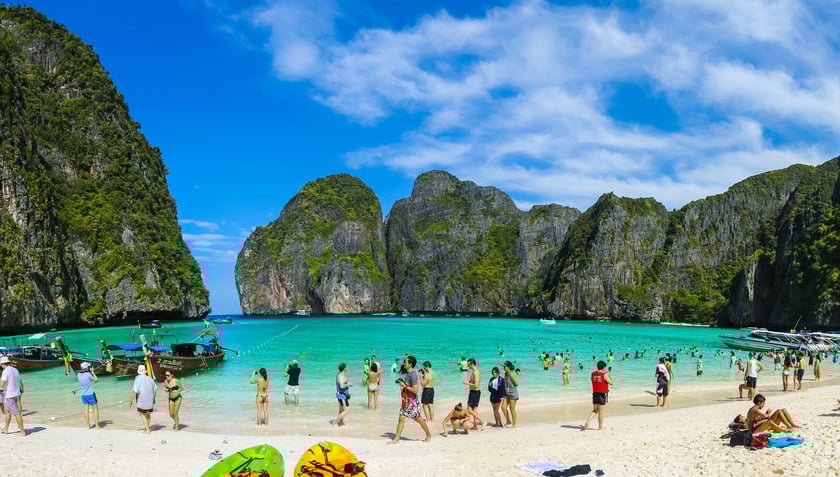
Many figures show that the number of tourists has not yet seen the surge that was expected.
However, there are still optimistic signs from some businesses in the industry. Paitoon Wongsasutthikul, Investment Director of Asset World Corp (AWC), said that hotels in Phuket now have a more diverse customer base and are no longer as dependent on the Chinese market as before. As evidence, during the extended holiday in early May, the Phuket Marriott Resort & Spa Nai Yang Beach, managed by AWC, achieved over 80% occupancy, with the majority of guests coming from Russia, Singapore, and Hong Kong.
Sharing the same view, Chayanon Horpattanaporn, Chief Financial Officer of AWC, predicted that average room rates in Phuket and other AWC hotels across Thailand would continue to rise year-on-year, even during the off-season. However, he also noted that overall occupancy could decrease due to lower international visitor numbers.
It's clear that although the third season of "The White Lotus" chose Thailand as its setting, the expectation of a strong tourism boost thanks to the show's effect and the appearance of Lisa Blackpink has not yet materialized. The Thai tourism industry is facing many complex challenges, from changes in traditional tourist markets to global economic uncertainties, requiring diverse and flexible solutions to maintain and thrive in this new context.