VI
VI


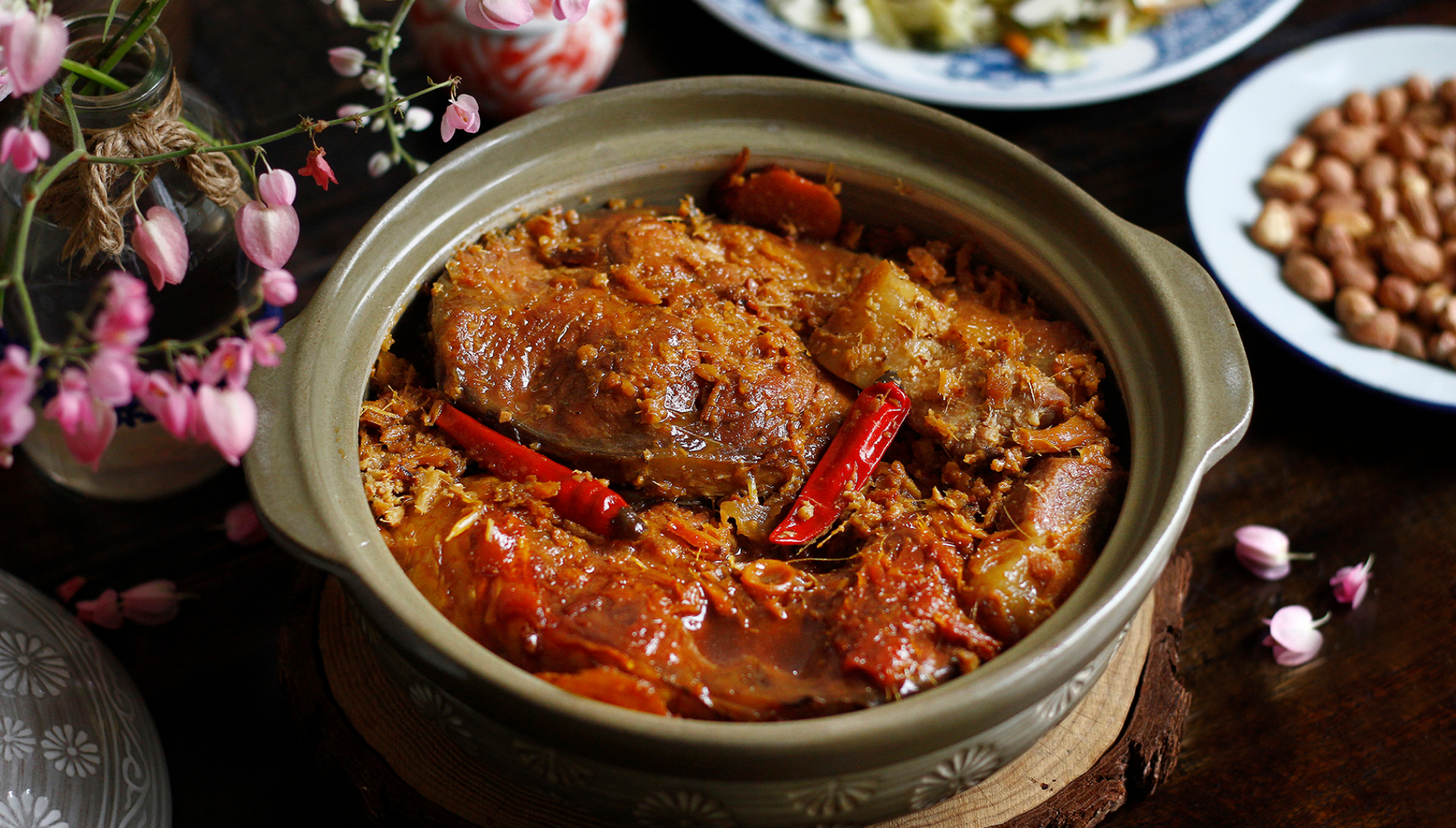
Vũ Đại braised fish is not only a delicious dish, but also an indispensable part of the culinary culture of the people of Hà Nam. This dish is associated with stories of the countryside, of human relationships, and of joyful Tet celebrations. Made from the freshest ingredients and prepared by the skillful hands of local people, Vũ Đại braised fish has a distinctive flavor that is hard to find anywhere else.

This dish, deeply rooted in the lowland delta region, requires many meticulous steps to create a delicious pot of braised fish. Each step is done with utmost care. Notably, it combines elements from four different provinces and cities. The clay pots are unique to Nghe An, but the lids are skillfully crafted, a skill only found in Thanh Hoa. The containers used for packaging are nowhere as durable and aesthetically pleasing as those from Nam Dinh, and the braised fish pots are prepared in Dai Hoang village. Without any of these four elements, the braised fish dish would be incomplete.
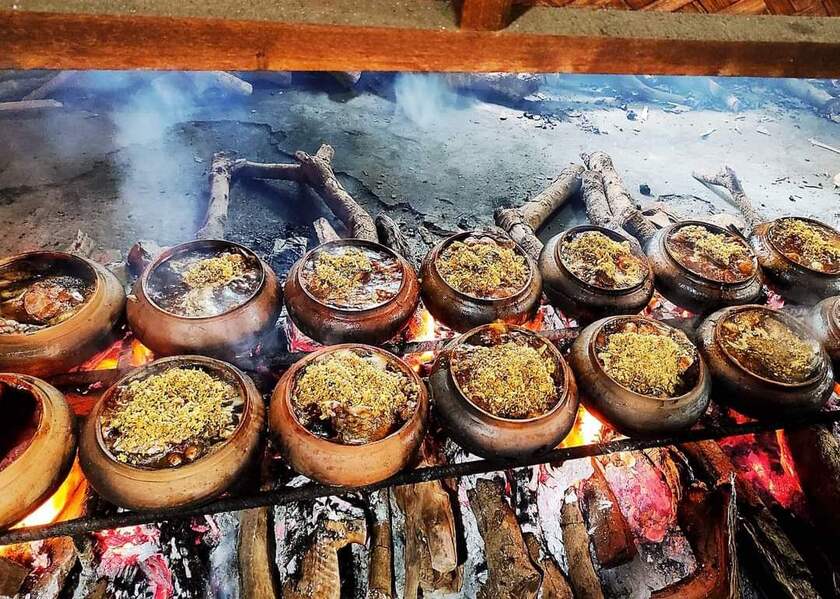
"Braised fish from Vu Dai village" is a traditional specialty of Hoa Hau commune, Ly Nhan district, Ha Nam province. This dish is reminiscent of the famous short story "Chi Pheo" by writer Nam Cao.
Each pot of Vu Dai braised fish is a culinary art, requiring meticulousness and dedication from the chef. The first and most important ingredient is black carp, carefully selected from fish weighing 4kg or more, with firm, fresh meat. The fish is cleaned, cut into bite-sized pieces, and marinated thoroughly with traditional spices such as fish sauce, pepper, chili, ginger... creating a rich, unforgettable flavor.
To make a perfect pot of braised fish, one must use longan wood, a type of wood with high heat output, which helps the fish cook evenly and retain its distinctive flavor. The braising process takes many hours, requiring patience and experience from the cook. The gentle flame, the crackling sound of the burning wood, and the fragrant aroma of the braised fish create a warm, rustic atmosphere.

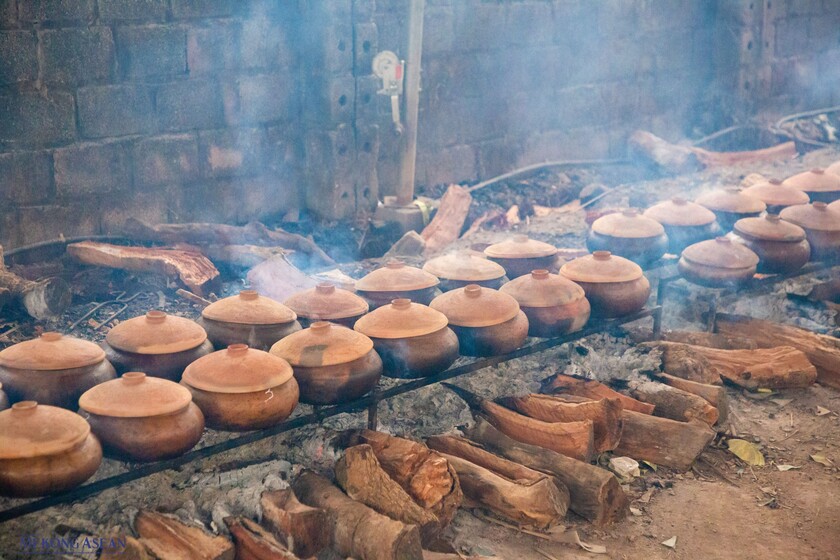
As Tet (Lunar New Year) approaches, customer demand increases, and villagers stay up all night to prepare their special braised fish dishes.
Every 30-45 minutes, the cook gently opens the lid of the pot, adds water, and adjusts the heat to ensure the fish cooks evenly and doesn't burn. As the water in the pot gradually evaporates, the braised fish begins to turn a beautiful reddish-brown color, the fish meat becomes firm, and the flavors are well absorbed. The distinctive aroma of Vu Dai braised fish spreads throughout the space, stimulating the appetite of anyone who tastes it.
To keep the fish stew warm, people often wrap rice husks around it. The husks retain heat well, helping the fish cook evenly and retaining moisture, resulting in tender and sweet fish meat. After many hours of cooking, when the liquid in the pot has almost completely evaporated, the stewed fish is finally removed from the pot. Each piece of fish is fragrant, flavorful, with firm flesh and soft bones, providing an unforgettable culinary experience.
Dai Hoang braised fish is sold year-round by locals, but the busiest times are the days leading up to Tet (Lunar New Year), especially on the 15th day of the 12th lunar month and the Tet Ong Cong, Ong Tao (Kitchen God) festival. During these days, customers from all over flock here to place orders, and many braised fish production facilities have to turn down orders because they can't keep up with demand. Each Tet season, the entire commune supplies approximately 33,000 pots of braised fish to the domestic market. The price per pot ranges from 500,000 VND to 1,500,000 VND depending on size, weight, and customer demand.
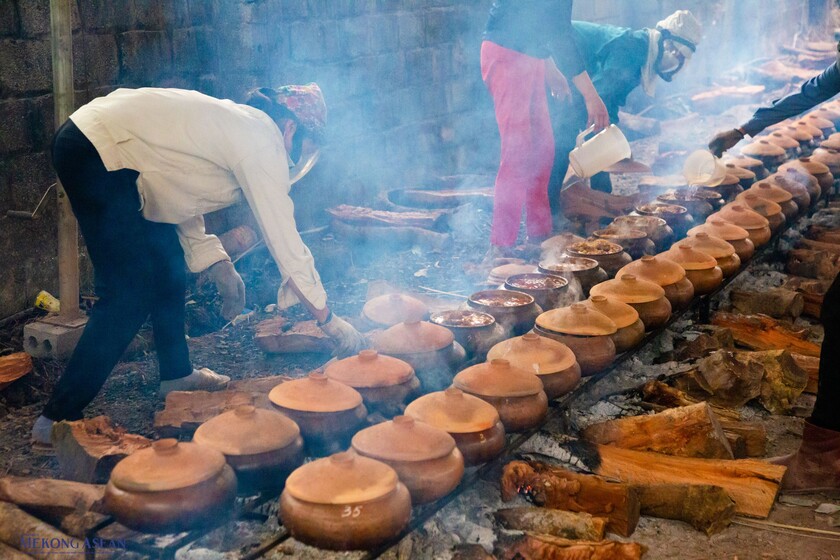
The art of preserving fish requires meticulousness and care to produce the best possible product.
In the past, braised fish was a daily meal for hardworking people who toiled year-round in the fields. Perhaps that's why, no matter how busy they were, every family had to have a pot of braised fish next to the sticky rice cake offered to their ancestors on the last day of the year.
Currently, Hoa Hau commune has 6,000 households, of which nearly 300 are involved in the production and processing of braised fish. To build a brand, the commune has also encouraged residents to establish a Braised Fish Association with about 30 members who have received OCOP certification. Since joining, the members have paid special attention to protecting the brand, with the most important concern being food safety.