VI
VI


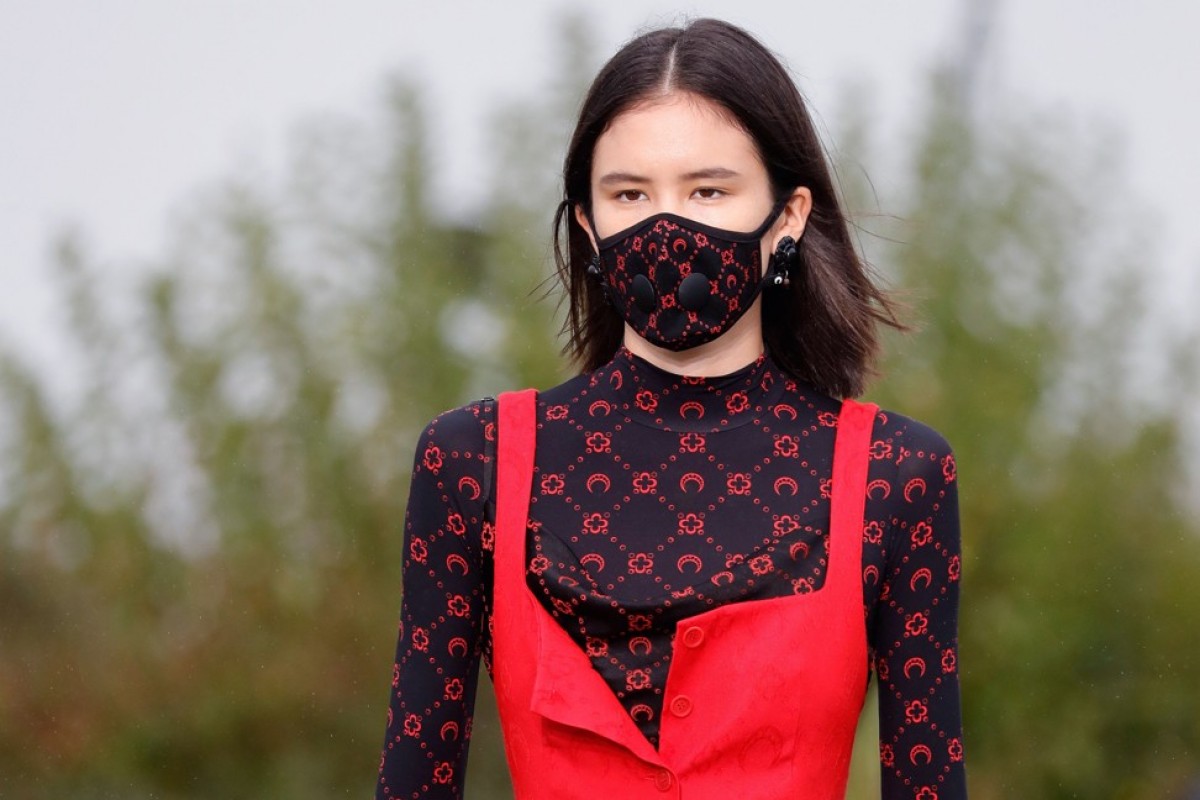
Gucci's manufacturing facility, owned by the Kering group, is also preparing to produce more than 1 million face masks and 55,000 pieces of medical protective equipment in Italy, after receiving approval from health authorities. This comes despite Italian Prime Minister Giuseppe Conte's earlier announcement on March 22nd to temporarily suspend operations at some non-essential factories during the pandemic.
Kering's factories in France, which manufacture Balenciaga and Yves Saint Laurent clothing, will also begin producing face masks there after receiving approval. They will have to adhere to the strictest protective measures to safeguard their factory workers.
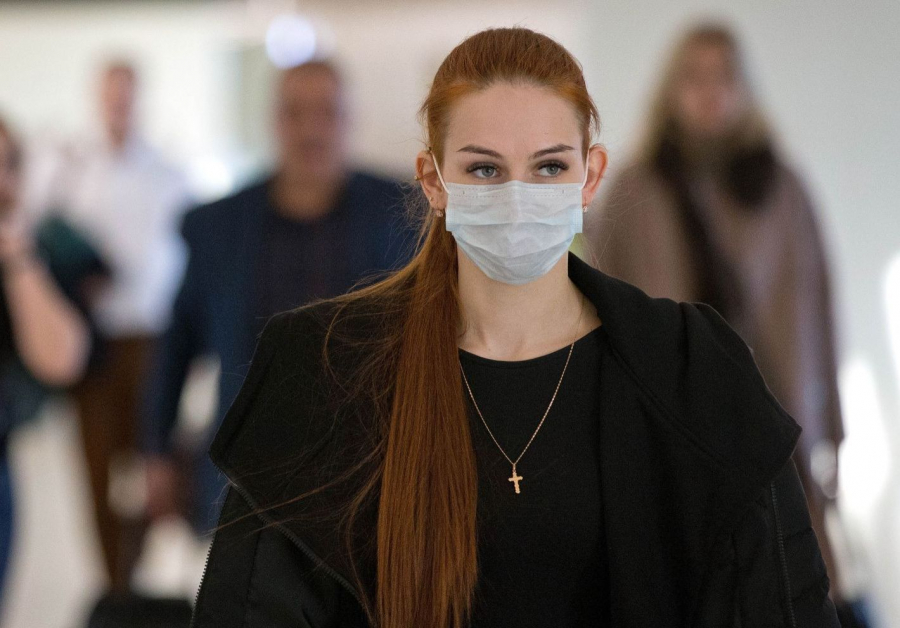
Amidst the widespread Covid-19 pandemic across Europe, the top priority for luxury brands is contributing to the fight against the disease.
Kering has also donated to hospitals across Italy that are currently struggling to control the pandemic. At the same time, the group has also donated a sum of money to the Pasteur Institute, a private French non-profit organization, to support research on Covid-19.
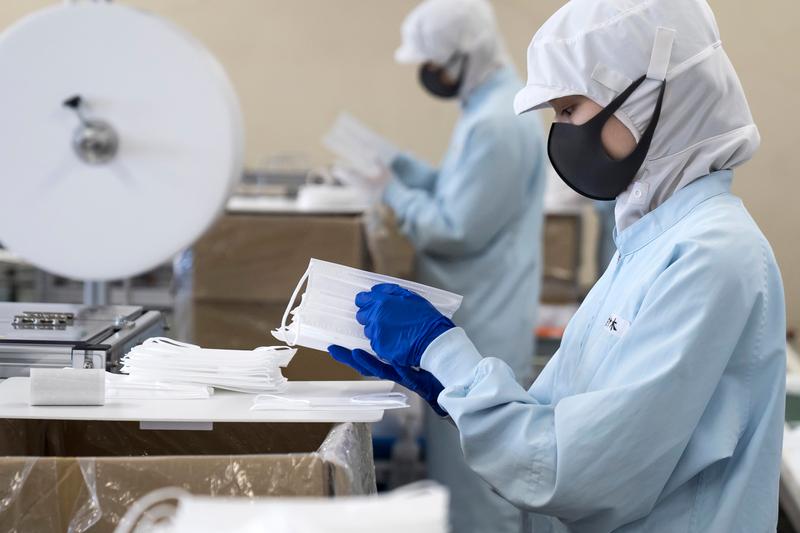
Some European companies are providing funding to convert their factories to produce essential supplies for doctors and nurses to meet the growing demand for treating coronavirus cases.
Earlier, luxury conglomerate LVMH also announced it would supply 40 million face masks to France, a country facing a severe shortage. The first 10 million masks, including 7 million medical masks and 3 million FFP2 masks, will be delivered in the next few days. Similar orders will be delivered weekly. LVMH has also utilized its perfume and cosmetics manufacturing facilities in France, which produce perfumes for Christian Dior and Givenchy, to produce a large quantity of hand sanitizer for health authorities as part of its contribution to the fight against the pandemic.

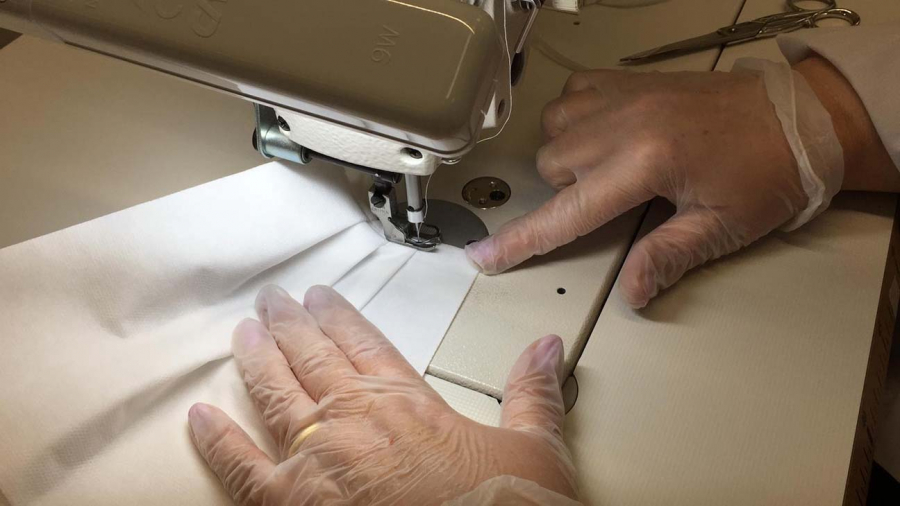
On March 23, Prada announced it would produce 110,000 face masks and 80,000 protective gowns to donate to healthcare workers in the Tuscany region of Italy, at least until April 6.
Guerlain and L'Oréal – giants in the global cosmetics manufacturing and distribution industry – have also announced the conversion of their perfume, makeup, and skincare factories into production lines for hand sanitizer and disinfectant gel to help combat the shortage of hand sanitizer during the Covid-19 pandemic in Europe. Guerlain further stated that they will donate disinfectant gel to hospitals in France in the hope of protecting doctors, nurses, and hospital staff who are on the front lines in the fight against the disease.
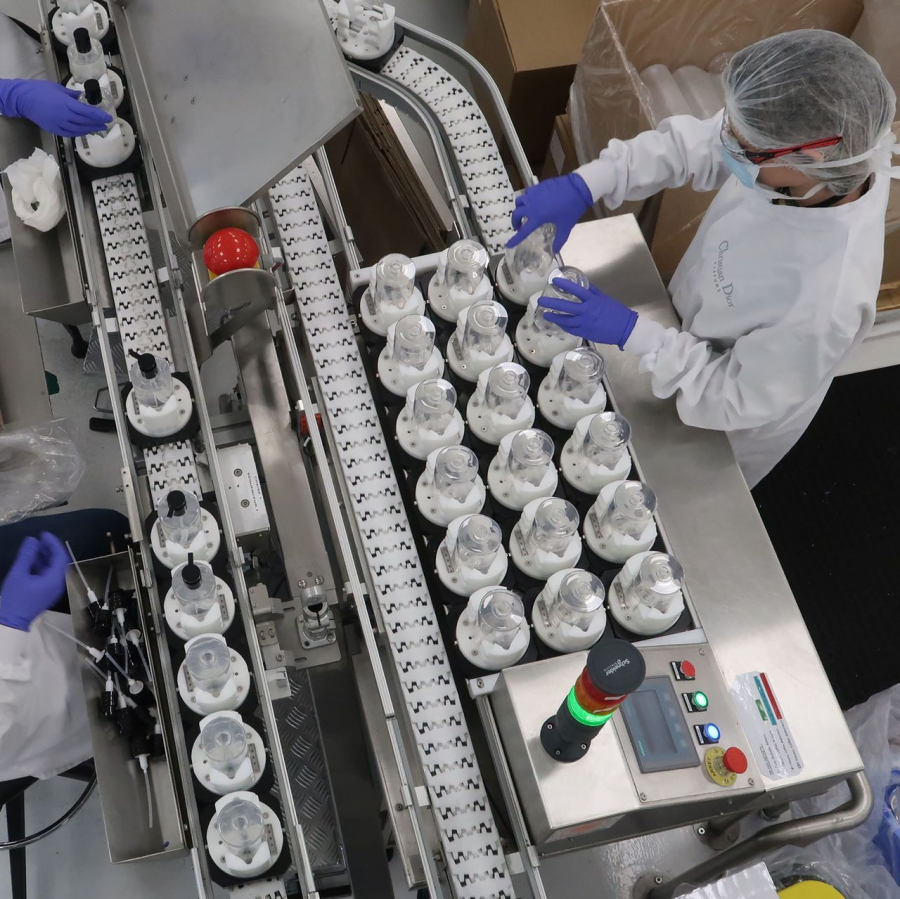
L'Oréal, Coty, and other brands are also producing hand sanitizer in factories that previously manufactured perfumes or beauty products.
Besides high-end brands, many affordable fashion brands are also joining the fight against the Covid-19 pandemic. Clothing and accessory factories will be converted to produce medical products.
An H&M representative stated that the company will cooperate with the European Union to identify which products are most needed right now. If it participates in mask production, the brand can leverage both external and regular supply sources.
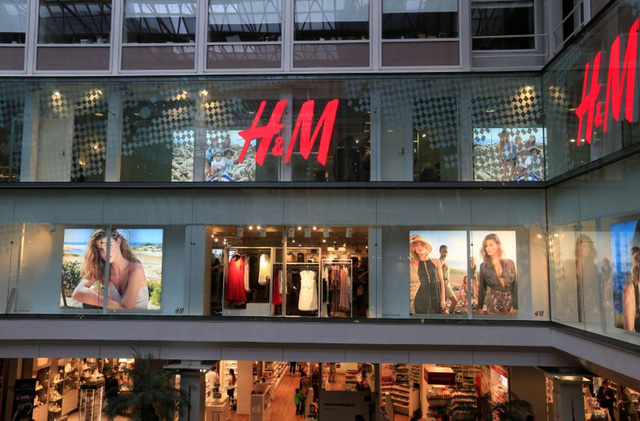
H&M will be involved in the production of medical equipment.
Joining forces, some factories that produce fabrics for the Zara fashion brand will switch to producing medical materials. Meanwhile, retailer Mango has pledged to provide 2 million antibacterial face masks to hospitals and medical facilities across Spain.
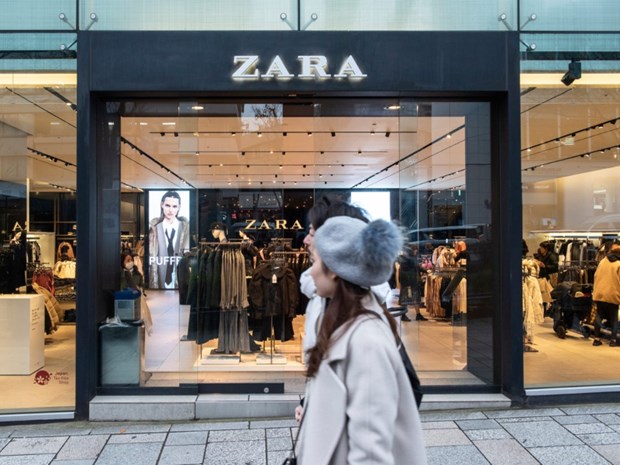
Following the Covid-19 outbreak in Spain, Inditex, the owner of the Zara brand, announced it would manufacture protective clothing and masks for patients and healthcare workers.
In addition, several smaller fashion brands in the US are also starting to produce medical-grade face masks. Designer Christian Siriano told the New York Times that he plans to produce masks that meet the standards of the US Food and Drug Administration as soon as he obtains the materials and design. He is also a pioneer in creating the first mask made from a poly-lycra-cotton composite fabric from his company's warehouse. Currently, this mask is undergoing testing "according to regulations from the New York government."