VI
VI


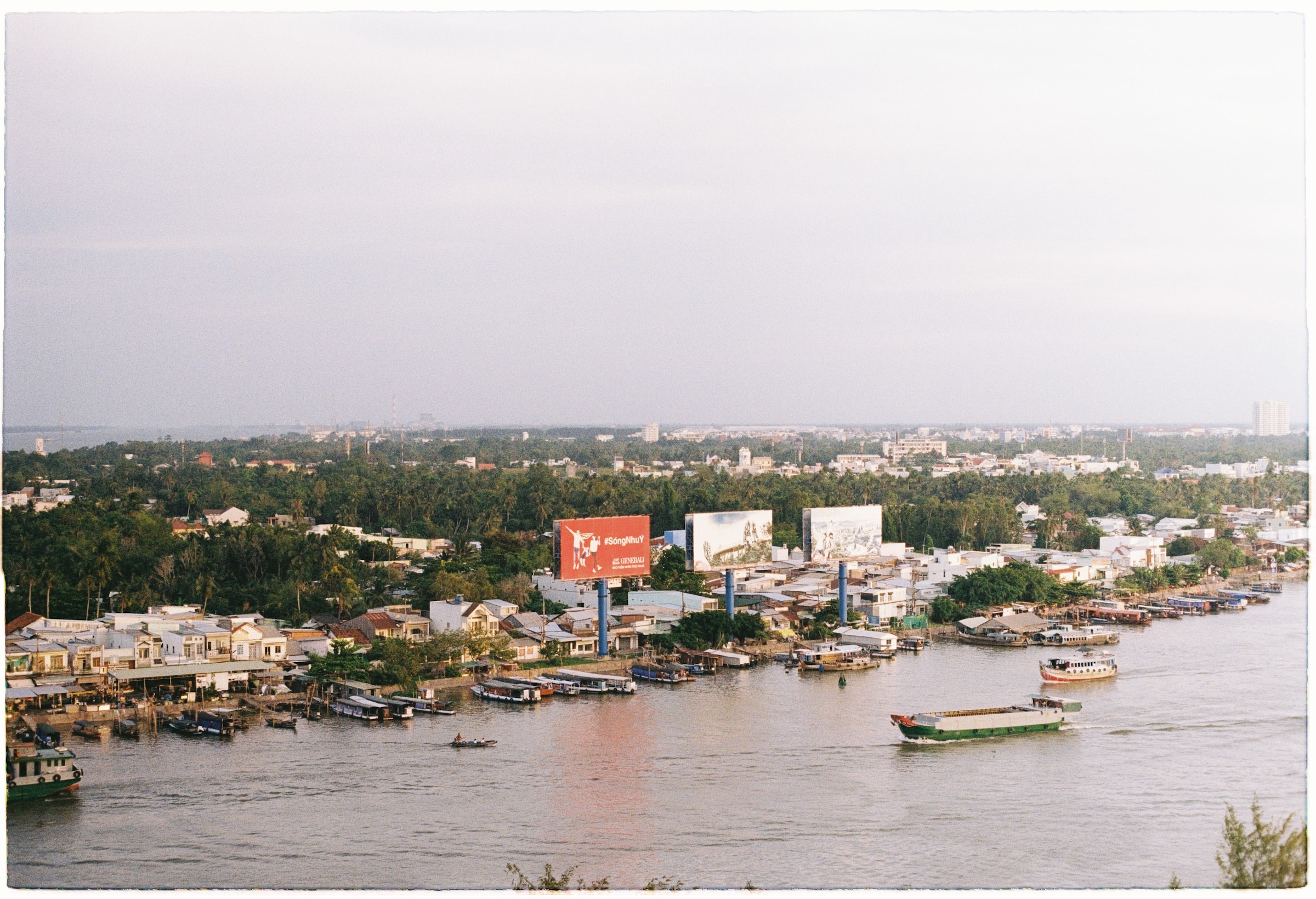
With the increasing development of road and air transport and trade, it is inevitable that many floating markets in the Mekong Delta are no longer as bustling as they once were. However, the Cai Rang floating market remains unique: its economic development is closely linked to tourism.
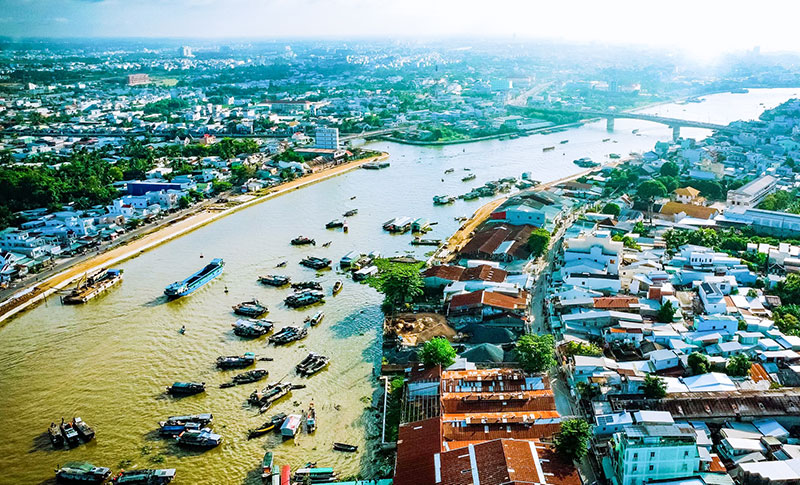
Boats and ships at Cai Rang floating market. Photo: Contributor.
Many tourists, especially international visitors, know and are impressed by Can Tho through the Cai Rang floating market and its lush green canals. Mr. Le Thanh Phong, Permanent Vice Chairman of the Mekong Delta Tourism Association, stated: “The Cai Rang floating market is a distinctive feature of the waterways not only of Can Tho but also of the Mekong Delta. It is a cultural space closely linked to the history of the region and a valuable asset that must be preserved. Without the Cai Rang floating market, Can Tho tourism would be significantly affected.” In fact, tours to the Cai Rang floating market are always included in the Can Tho itineraries of most travel companies, departing daily.
However, while tourism at Cai Rang floating market still faces challenges (waste causing unsightly conditions; monotonous products and experiences, etc.), the floating market is also being fragmented due to the impact of embankment construction. Specifically, the construction of the Can Tho City Riverbank Embankment Project - Climate Change Response, is currently underway at the Cai Rang floating market. Previously, this area was home to many houses and fruit and vegetable stalls, facilitating trade "on the river and on the boats." The embankment construction has forced many stalls to relocate, leading to the movement of agricultural boats and the dispersal of goods across various areas, rather than the concentrated, sprawling space of the past. This issue requires the concerted efforts of multiple sectors and levels of government to resolve.

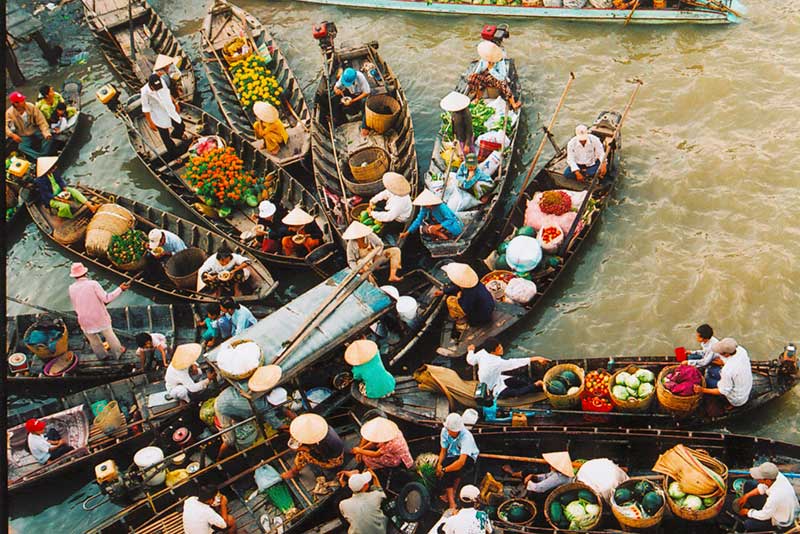
The distinctive features of the waterways of the Mekong Delta.
Since 2016, the Cai Rang Floating Market Conservation and Development Project has been implemented by Can Tho City, encompassing 13 components. Many tasks have been completed, most notably social welfare activities. The Cai Rang District People's Committee has facilitated loans from the Social Policy Bank for 170 households to develop tourism services and agricultural products. The number of visitors to the Cai Rang floating market has increased by an average of 12-15% annually. However, in reality, the conservation of the Cai Rang floating market still faces many difficulties, specifically: overlapping state management responsibilities across multiple sectors and levels; inadequate environmental protection; and the ongoing construction of river embankments that are impacting the cultural space of the Cai Rang floating market.
The leaders of the Can Tho City People's Committee have directed relevant departments and agencies to find solutions to overcome difficulties, with the most important goal being to retain traders and preserve the cultural heritage of Cai Rang floating market. The Can Tho City Department of Culture, Sports and Tourism is coordinating with the City's Institute of Economics and Social Sciences to finalize the draft project "Preservation and Promotion of the Cultural Heritage Value of Cai Rang Floating Market until 2030"; the Department of Industry and Trade is researching and proposing specific policies to facilitate the maintenance of Cai Rang floating market according to regulations; the Department of Planning and Investment is researching and proposing the establishment of a floating market management board, policies for investors, businesses, and experts researching the development of Cai Rang floating market; the Department of Natural Resources and Environment is developing and implementing environmental protection projects and waste collection campaigns on the river; the Department of Transport is reviewing, managing, and planning inland waterway terminals serving tourists and managing tourist transport vehicles…
Currently, there are many suggestions regarding the construction of the river embankment at Cai Rang floating market, including the addition of gateways and access points to facilitate trade and connectivity between vendors and traders. Local authorities and relevant agencies should seek solutions to have Cai Rang floating market recognized as a traditional craft village, thereby enabling economic support policies for traders. Besides preserving the current state of the floating market, consideration should be given to developing a space geared towards tourism. In reality, many small traders at Cai Rang floating market do not directly participate in tourism activities; they only engage in wholesale trading of fruits and vegetables. Only a few small boats offer food and beverage services, limiting the diverse experiences for tourists. Having a tourism space would encourage investment in a wider variety of products and services.