VI
VI



More and more countries are restricting travel to and from China. Fears intensified on February 15th when Europe recorded its first death from Covid-19 (in France), an 80-year-old Chinese tourist. In some places, Covid-19 has even created a fear effect on travelers from other countries.
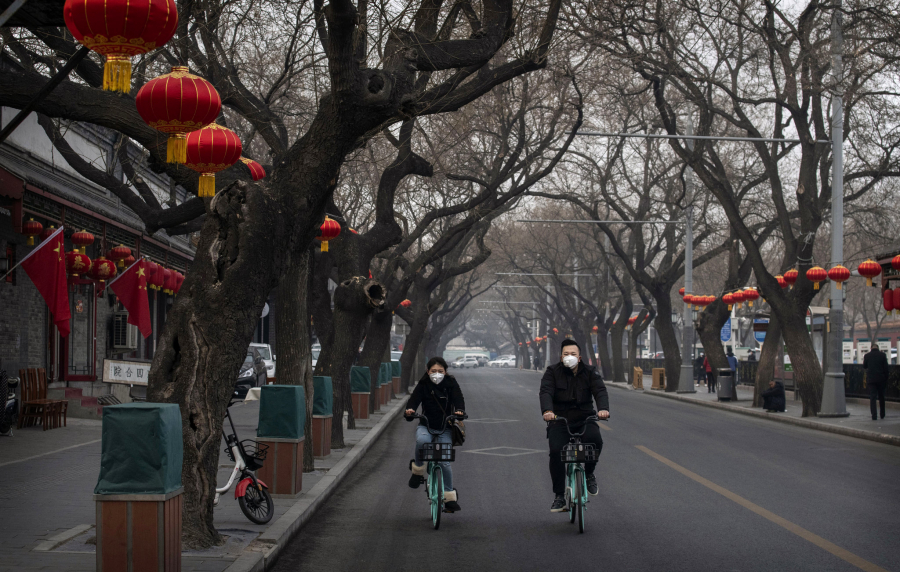
Beijing officially announced a partial lockdown starting February 12th.
Just one month after Beijing banned group tours abroad on January 27th, Europe is reeling from the shortage of Chinese tourists. According to the World Tourism Organization (UNWTO), in 2000, three years before the SARS outbreak across Asia, Chinese tourists spent $10 billion abroad. By 2018, that figure had risen to $277 billion.
France
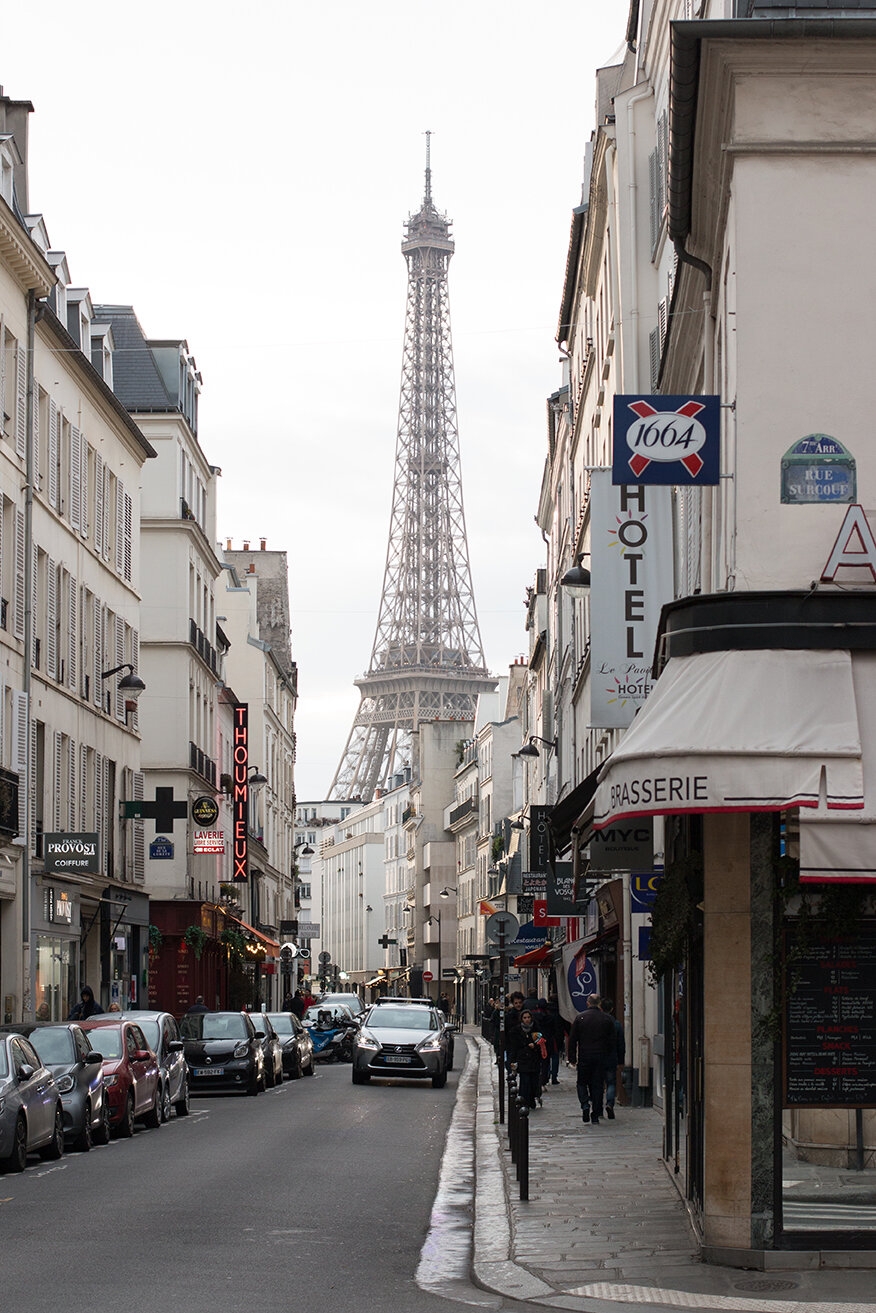
Tour operators from China canceled 3,000 rooms at 40 hotels in February.
Corinne Menegaux, Director of the Paris Convention and Tourist Agency, said that Chinese tourists often travel in groups, choosing specific hotels and shopping destinations, which has severely impacted some businesses. At some duty-free shops and other businesses where Chinese customers account for 80%, sales have plummeted.
In Dijon, the French city second only to Paris in popularity with Chinese tourists, tour operators from China canceled 3,000 rooms at 40 hotels in February.

Spain
The Mobile World Congress, the world's largest trade fair for mobile communications, which was scheduled to begin in Barcelona, Spain on February 24th, has been canceled as attendees withdrew due to concerns about the risk of virus transmission.
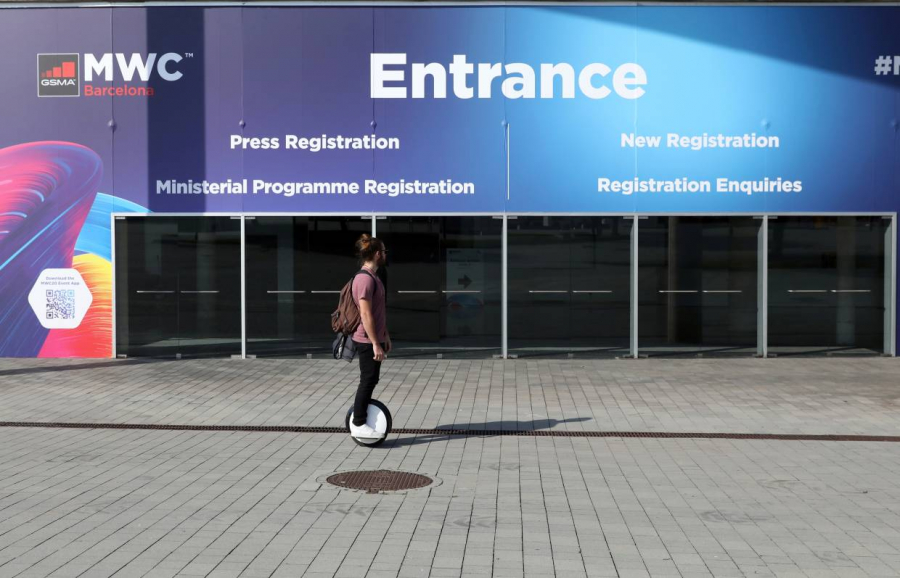
The world's largest mobile communications trade show has been cancelled.
Spanish authorities and trade fair organizers emphasized that Barcelona had fully prepared for the pandemic, but the list of cancelled attendees grew longer each day, including giants like Amazon, Intel, and Facebook. To date, this is the most important business event outside of Asia to be cancelled due to Covid-19. According to Barcelona Mayor Ada Colau, the conference was expected to attract more than 100,000 visitors to the city, with estimated revenue of 500 million euros (over 541 million USD). The fair was predicted to create 14,000 temporary jobs and allow hotels to reach maximum capacity during the off-season.
Older brother
According to the UK's National Tourism Agency, Visit Britain, Chinese tourists stay an average of 16 nights per visit. In Oxfordshire, Chinese tourists disappeared almost overnight from a top luxury boutique in the village of Bicester.

London's Chinatowns are quiet.
Virtue
After France, Germany is the second hardest hit country by the absence of Chinese tourists, as it is the second most popular destination for these travelers. Compared to other regions of Germany, the southern state of Bavaria has been most severely affected by the epidemic, as all 11 coronavirus patients in Germany so far are workers from Bavaria.
In Germany, where Chinese tourists account for about 3% of visitors, popular destinations like Munich and Heidelberg have seen tour cancellations and a drop in visitor numbers. In Füssen, near the fairytale Neuschwanstein Castle, all reservations made by Chinese guests at the Park Hotel International were cancelled in the first half of April.
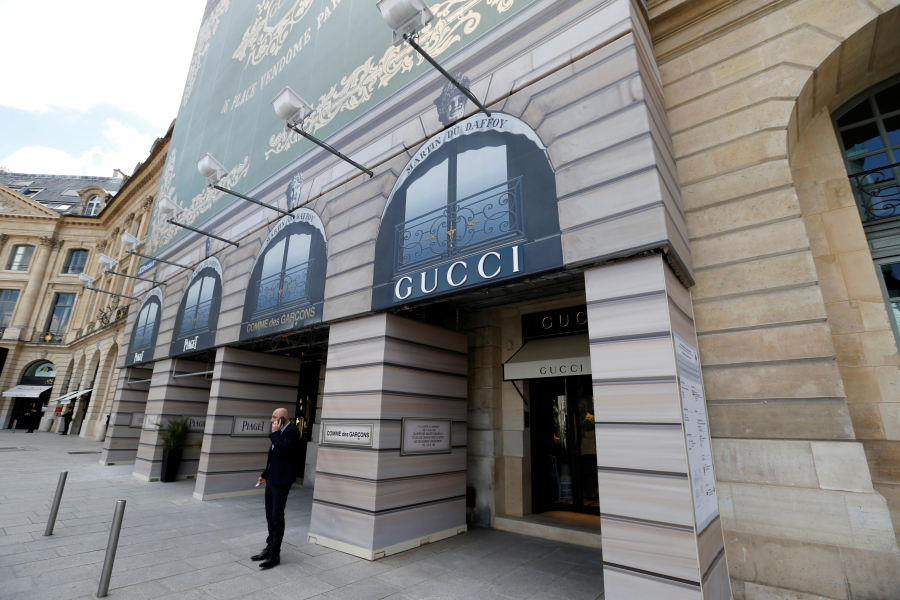
Luxury shops are lacking Chinese customers.
Shirt
In Austria, the ancient village of Hallstatt, so beloved by the Chinese that a replica has been built in Guangdong, is experiencing a decline in popularity. "China is a valuable market for us. They spend heavily on shopping and often stay in high-end hotels. We hope this situation won't last," said Gregor Gritzky, head of the local tourism office.