VI
VI


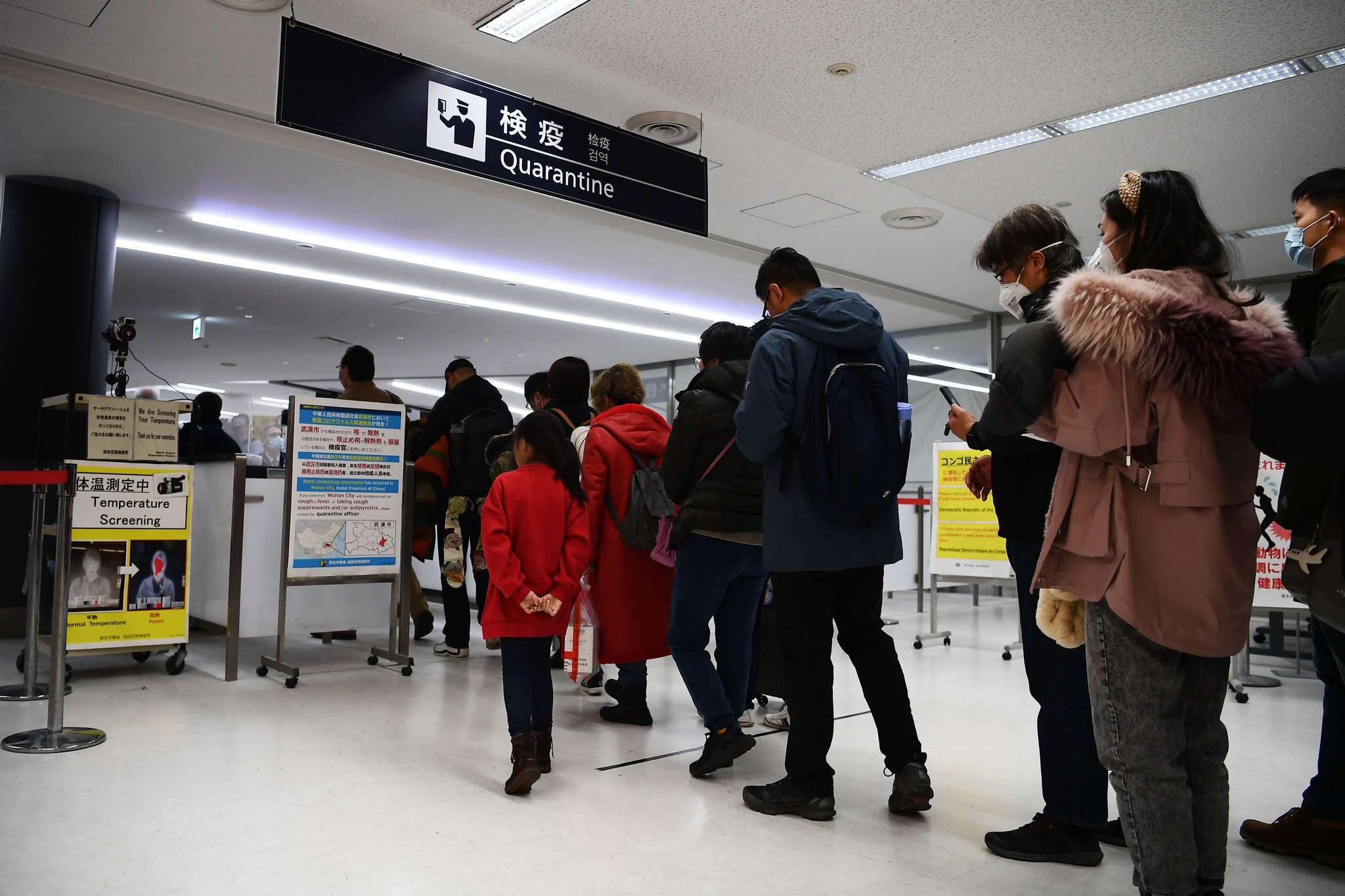
"We call on all countries to make decisions based on evidence and consistency," Tedros reiterated the message from the Emergency Committee meeting in Geneva. Tedros also emphasized that international isolation of China since the outbreak, such as flight suspensions and travel bans, could even lead to a higher number of cases outside of China. Referring to the rate of coronavirus spread in various countries, he stated that the situation is currently at a "minimal and slow" level.
Previously, the WHO had called the novel coronavirus pneumonia outbreak "an emergency in China" and had not yet declared it a global pandemic.

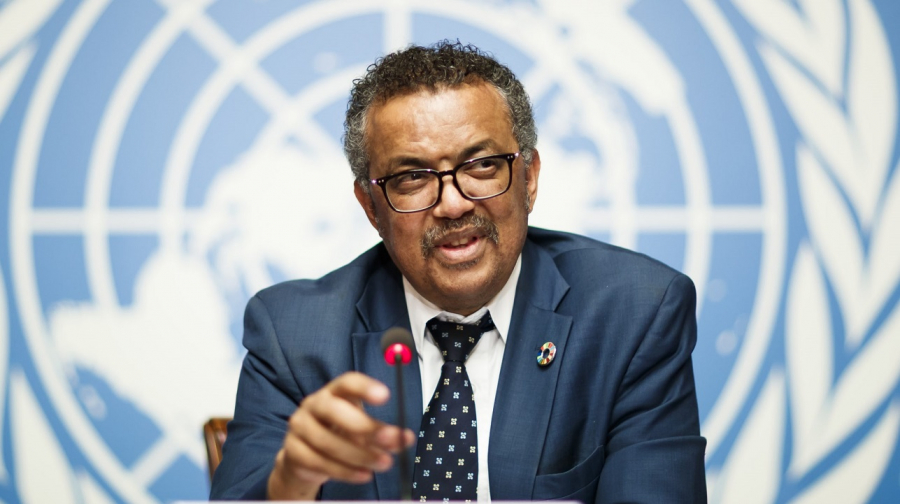
WHO Director-General Tedros Adhanom Ghebreyesus at a meeting in Geneva.
China also condemned "harsh measures" aimed at restricting the spread of the novel coronavirus pneumonia from some countries, such as closing borders or temporarily banning tourists from China. Countries that have banned entry and visa issuance to Chinese visitors include North Korea, Mongolia, Malaysia, Kazakhstan, Russia, the United States, Japan, Vietnam, Australia, Singapore, New Zealand, and the Philippines.
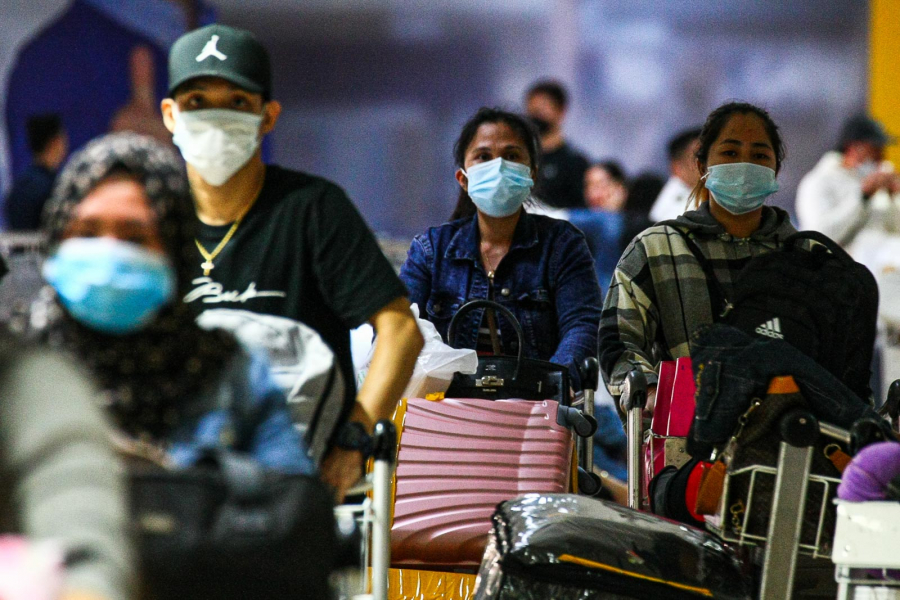
China also condemned "drastic measures" taken by some countries to restrict the spread of the novel coronavirus pneumonia, such as closing borders or temporarily banning tourists.
The novel coronavirus (nCoV) pneumonia outbreak originated in Wuhan in December 2019 and has spread to all 31 provinces and municipalities of China, as well as 24 other countries and territories, including Vietnam. Since January 26th, China has locked down more than 10 cities in Hubei province, home to 56 million people, to curb the spread of the disease. The Wuhan city government has also faced criticism for concealing information related to the outbreak for weeks. As of February 4th, there have been 426 deaths from nCoV pneumonia, mostly in China, with 20,622 confirmed cases. The Hubei Provincial Health Commission confirmed 64 new positive cases in just 24 hours.