VI
VI




According to Insider, the road connecting New York to the wealthy's favorite resort area is experiencing hours of traffic jams and a severe shortage of public restrooms. The Hamptons (Long Island), a popular resort area, attracts a large influx of New Yorkers in the middle of the year, who enjoy vacations at their summer homes. Therefore, wealthy New Yorkers are resorting to medical tricks to avoid needing to use the restroom while traveling.
Surgery to reduce the urge to urinate.
Some wealthy New Yorkers are opting for medical procedures to reduce the urge to urinate frequently. These include procedures such as prostate enlargement (PAE) in men and bladder Botox, which reduces the frequency of urination in women.
"Many people experience this problem, especially older people. On their way to the Hamptons, they stop four or five times along the way but can't find a place to relieve themselves," said David Shusterman, a urologist in New York City.
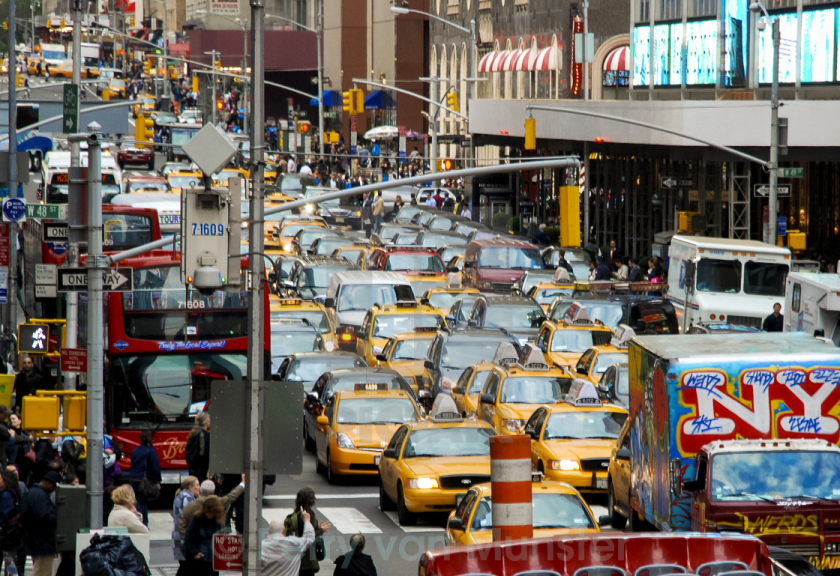
Traffic congestion and a lack of public restrooms are concerns for tourists in New York.
The doctor shared that since the start of summer, the number of people needing the PAE procedure has increased by about 20%. From May onwards, the number of interested people surged dramatically. The reason is simple and easy to understand: when sitting in a car with other people, no one wants to have to stop midway to go to the restroom.
Shusterman estimates he has performed about 10 PAE procedures per week over the past few months, plus one to two bladder botox procedures per week.

The PAE procedure typically takes one hour. Recovery is quick, and patients can go home the same day. For women, the "bladder botox" procedure involves injecting a specialized medication that reduces the frequency of urination for up to six months.
Spending tens of thousands of USD
David Shusterman said that women of all ages, from 20 to 80, undergo this procedure. The average cost for these two medical procedures ranges from a few thousand dollars to $20,000. Shusterman said that while it might seem extreme for wealthy New Yorkers to resort to this, it makes sense if they have to endure holding their urine for hours while traveling.
"Many people have told me about arguments and disagreements in their cars with friends and family when someone needed to get out and find a restroom but it was useless. I myself have argued with three friends when I was driving and refused to stop for them," Shusterman said.
"During the pandemic, many wealthy New York residents moved to their homes in the Hamptons. Traffic has become more complicated since then," said an older man who had completed his PAE (Personal Accident Insurance Act).
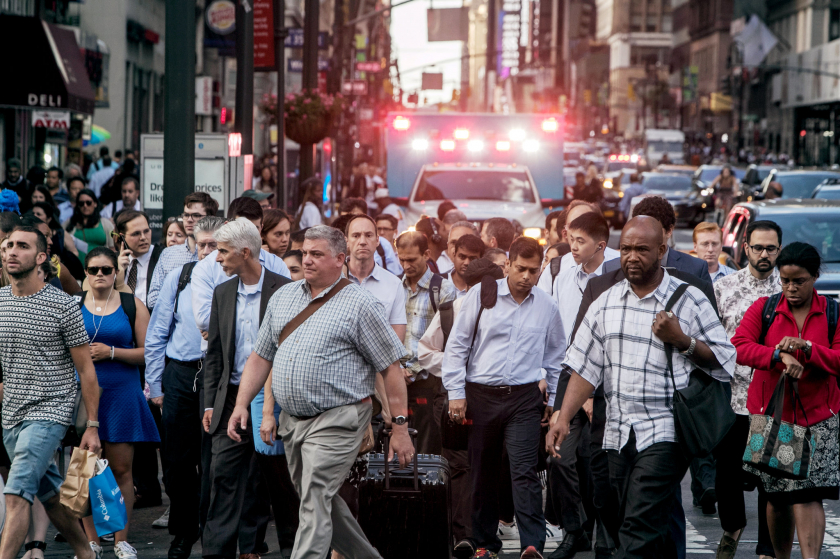
Wealthy New Yorkers don't mind spending money to experience the ultimate travel experience.
This person said they were stuck in traffic for four hours and couldn't find a restroom along the way. After seeking medical intervention, the worry of finding a restroom on the road disappeared. For those who don't want to undergo surgery, Shusterman advises travelers to avoid alcohol because it directly irritates the bladder.
"Drink water, but in moderation. You don't want to be stuck in a long line of cars not knowing how long you'll have to hold your urine," Shusterman said.
According to the New York Times, New York City in particular and New York State in general have too few public restrooms, causing great inconvenience to residents and the millions of tourists who visit each year. People often have to compete for space to use the restrooms, or pay at shops and restaurants to use facilities that should be free.
A 2020 study by New York architect Julie Chou, urban planner Kevin Gurley, and data analyst Boyeong Hong revealed that New York City has only about 1,100 public restrooms, a number not much different from 40 years ago.