VI
VI


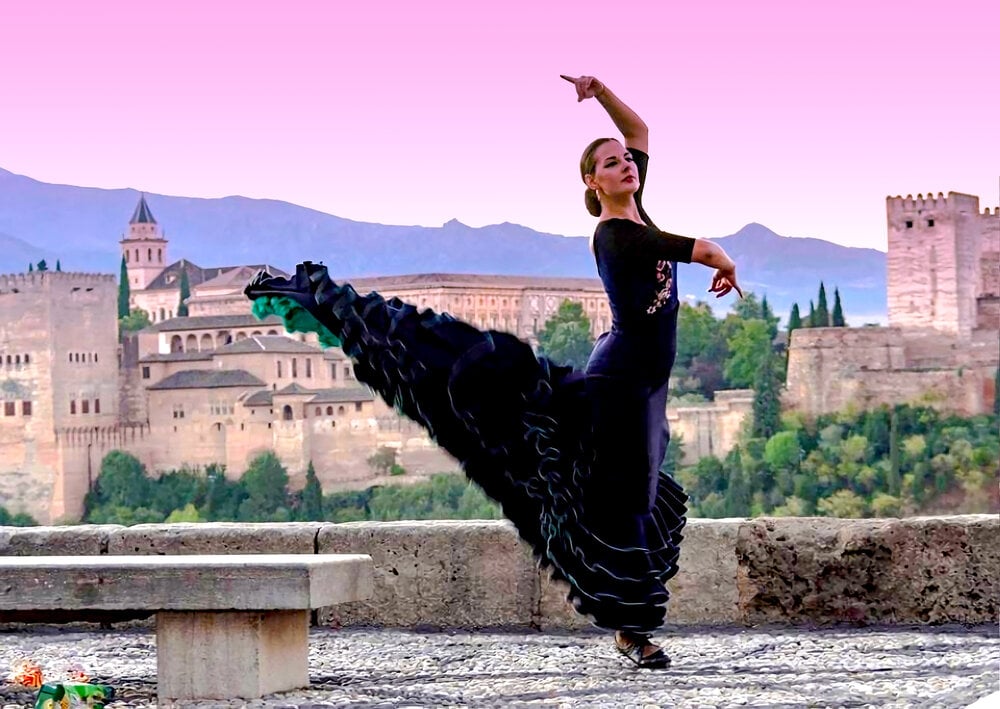
Amidst the vibrant sounds of music, blended with melodious lyrics and energetic, rhythmic movements, we witness an important aspect of Spain's spiritual and cultural life.
Melodies, songs, and dances
Flamenco is the most well-known and distinctive art form in Spain. It's unclear exactly when, but the image of artists with guitars, singing alongside dancers passionately moving, has appeared in hundreds of literary and cinematic works around the world, becoming an icon of Spanish culture. Since then, tourists from all over the world flock to this sunny land every year to immerse themselves in its vibrant and colorful melodies. Shows are held throughout the country, becoming a must-try experience for anyone who has fallen in love with this rich culture.
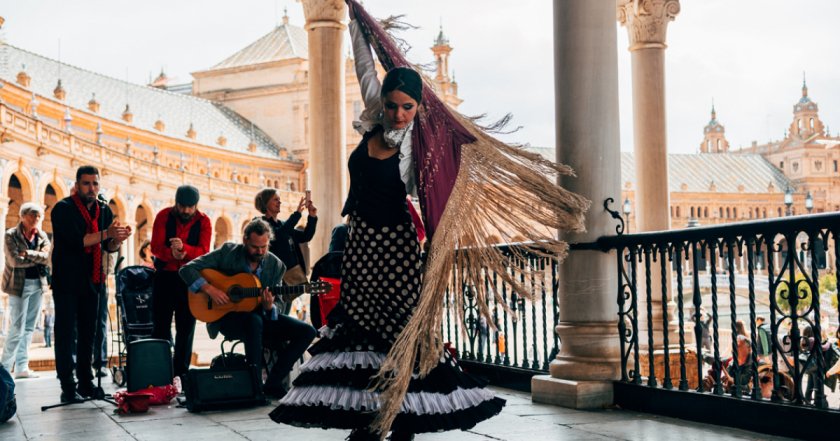
Flamenco is a distinctive art form in Spain.
Today, many people still mistakenly believe that Flamenco is just a dance; but in reality, choreography is only one of the elements that make up this unique art form. To complete a traditional Flamenco performance, the simple music from the guitar and the powerful voice of the singer are two indispensable components.
Originating in the 18th century, Flamenco music possesses captivating and passionate melodies; it began in the autonomous region of Andalusia in southern Spain and spread throughout the country.

There are three main types of music used: Cante Jondo, which includes songs with complex structures and content on profound themes such as death, remorse, and doubt; Cante Intermedio, a blend of various musical styles; and Cante Chico, with its simple melodies, focus on technique, and addressing cheerful themes of love or rural life. This diversity, along with the individuality in the performance style of each artist, transforms each Flamenco performance into a unique story, with its own distinctive characteristics, rather than a soulless repetition.
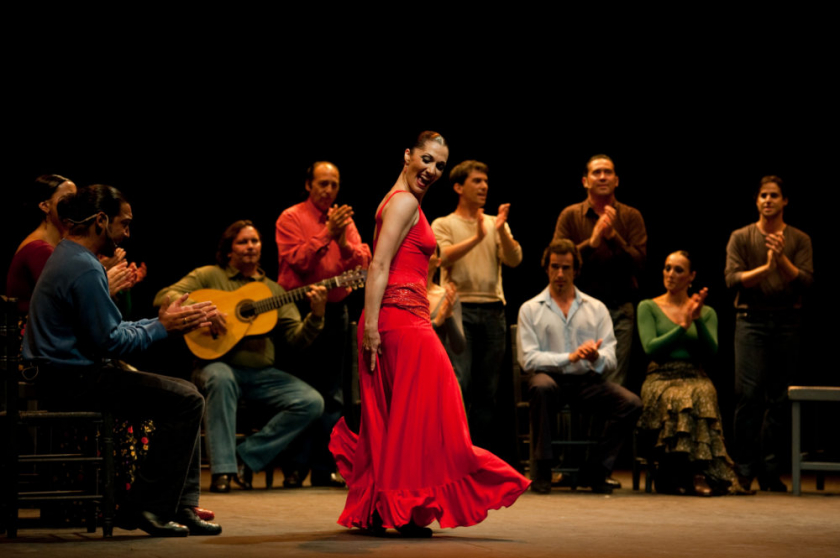
Melody, vocals, and choreography are essential components of a Flamenco performance.
While music is important, the role of the dancers in Flamenco cannot be underestimated. They are the storytellers of the melodies through their supple, vigorous, and emotionally charged movements. When the music begins, the dancers in their colorful costumes stand still for a few seconds, as if waiting for the notes to seep into their bodies, synchronizing with the inspiration before blossoming into powerful dances. Arms, hands, heels... all coordinate harmoniously with the music, the applause, the sound of shoes on the wooden floor, creating a unique beauty that is hard to find anywhere else.
The art of community culture
A unique aspect of Flamenco is that it's not just the musicians, singers, and dancers who are involved; the audience's role is equally important in creating a truly spectacular performance. Unlike typical concerts where the artist performs and the audience applauds at the end, with Flamenco, the audience contributes to the performance with enthusiastic cheers and applause.
"Olé" is a familiar exclamation in Flamenco performances – signifying praise for a performance that is perfect in terms of music, movement, and connection with the audience. Perhaps this is what makes this art form more relatable and spiritually meaningful, rather than just a typical "one-way" performance.
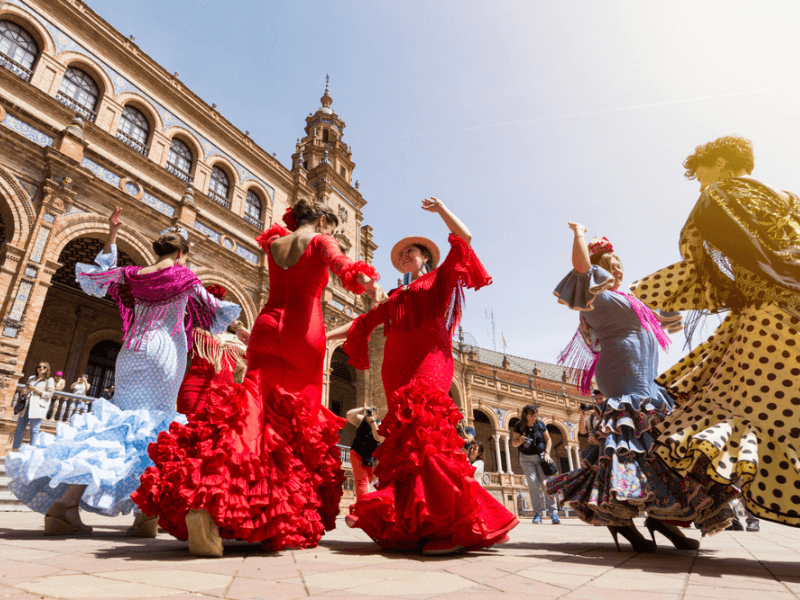
Flamenco performance in Southern Spain
People come from all over the world to admire and listen to the colorful Flamenco performances, not just to seek fleeting entertainment in the rhythmic melodies, but perhaps also to feel the generous spirit, enthusiasm, and abundant energy radiating from every lyric and movement.
For the Spanish people, Flamenco has become an integral part of their spiritual life – a place where they seek to be enveloped in their country's rich culture, immersed in a deeply communal space where artists and audiences communicate and connect through the magic that art brings.
Today, it's not difficult to find Flamenco performances throughout Spain. However, people still prefer to enjoy this art form in its homeland – Andalusia, in cities like Seville, Granada, or Malaga. Under the warm sunshine characteristic of southern Spain, you can encounter vibrant Flamenco performances right in the streets, alongside magnificent palaces. All of this creates a complete and wonderful cultural experience.