VI
VI


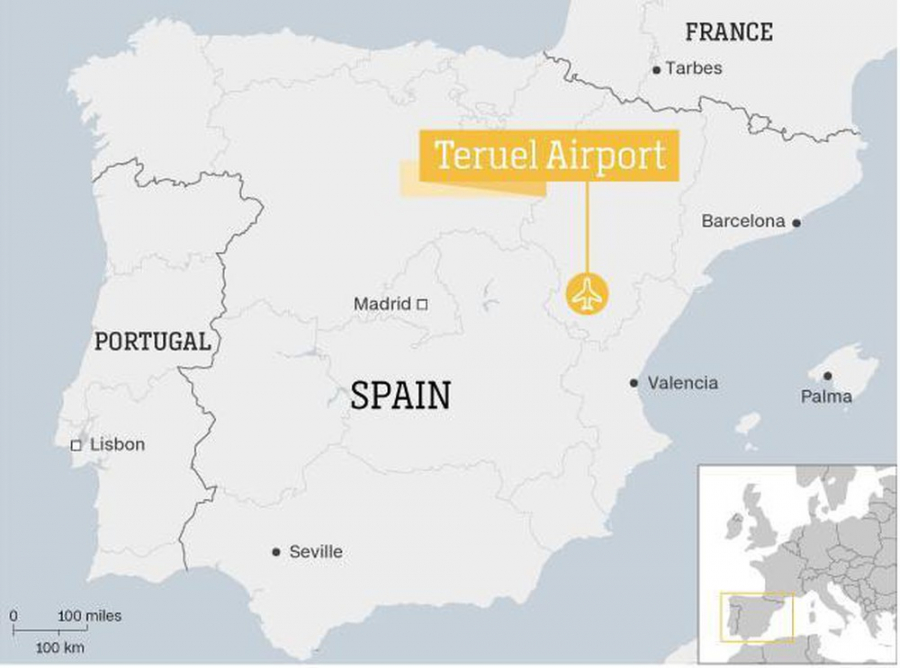
If asked about the busiest airport in Spain during the Covid-19 pandemic, names like Madrid or Barcelona would likely come to mind. However, the truth is that only Teruel Airport in Aragon, Spain, has been confirmed as the busiest airport in the country's aviation rankings, despite the ongoing Covid-19 pandemic.
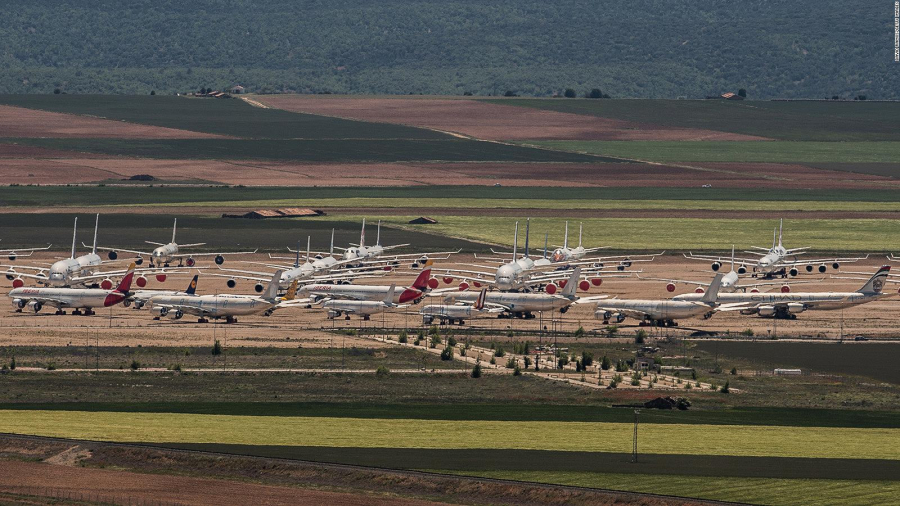
So why is Teruel Airport – an airport with not a single passenger – the busiest and operating at full capacity despite the pandemic?
The airport has no passengers.
Unlike other popular tourist destinations in Spain, the tens of millions of tourists who visit the country each year know very little about the remote countryside of Teruel. Even for Spaniards, Teruel is just a rural area that few people want to visit because there is virtually no tourism activity there.
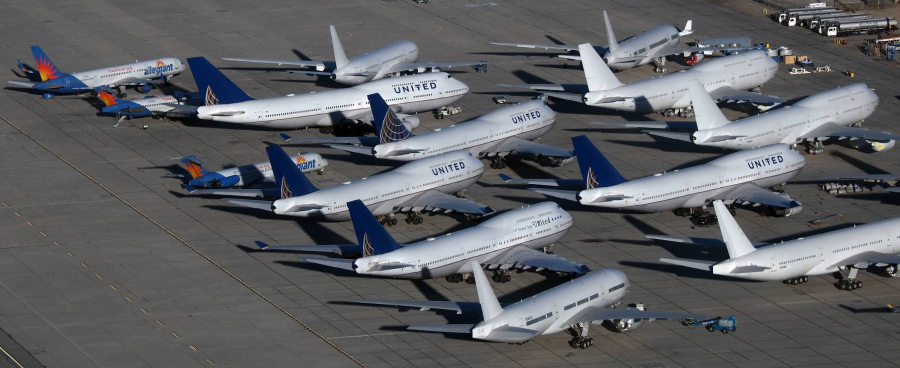
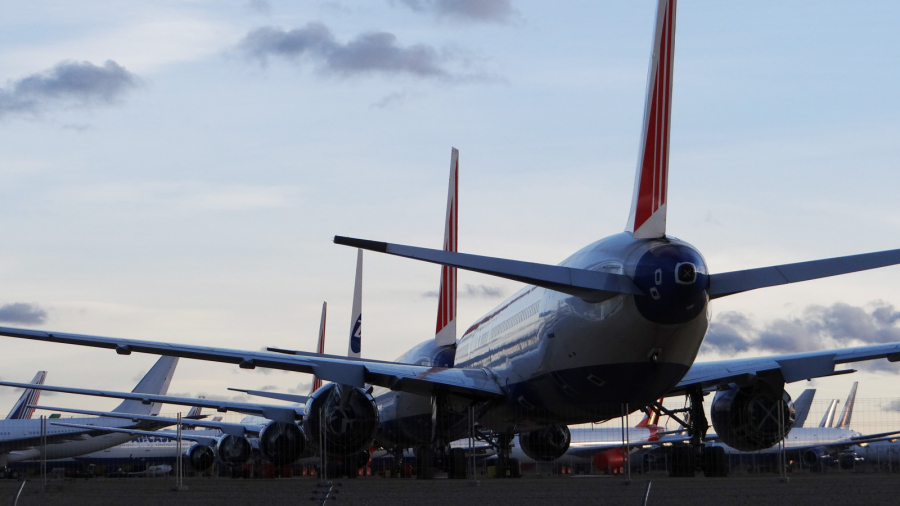
Nevertheless, Teruel Airport remains incredibly busy despite the complete absence of passengers, as its primary users are the aircraft themselves, not tourists. In other words, it's a resort for airplanes!
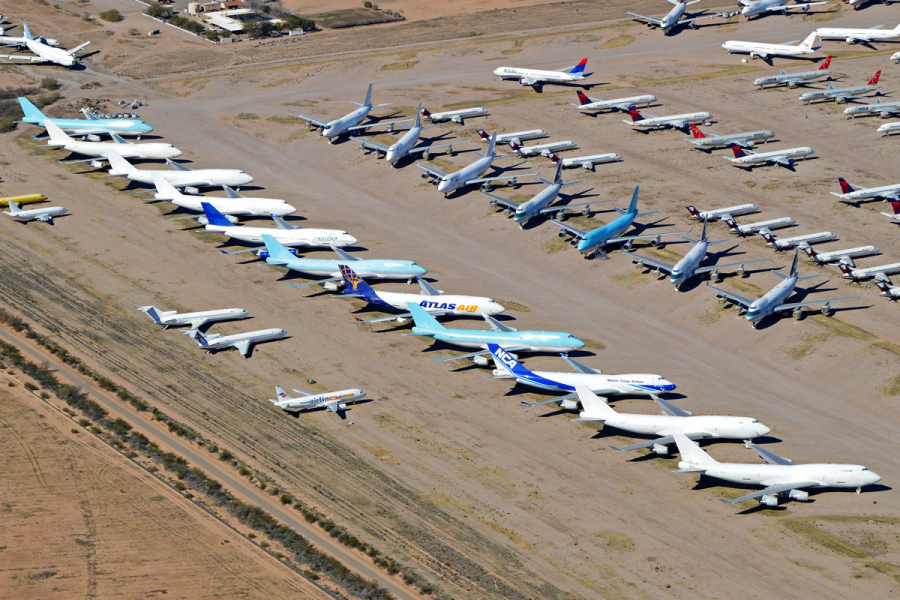
The Teruel region's weather is characterized by dryness and moderate temperatures, making it an ideal resting place for aircraft without fear of damage or excessive maintenance costs over extended periods. Typically, airlines with excess capacity cannot keep their aircraft at central airports for too long due to high storage and maintenance costs and insufficient space. Therefore, airlines need to park their aircraft long-term at designated locations as "storage facilities," and Teruel is the most popular choice in Spain.
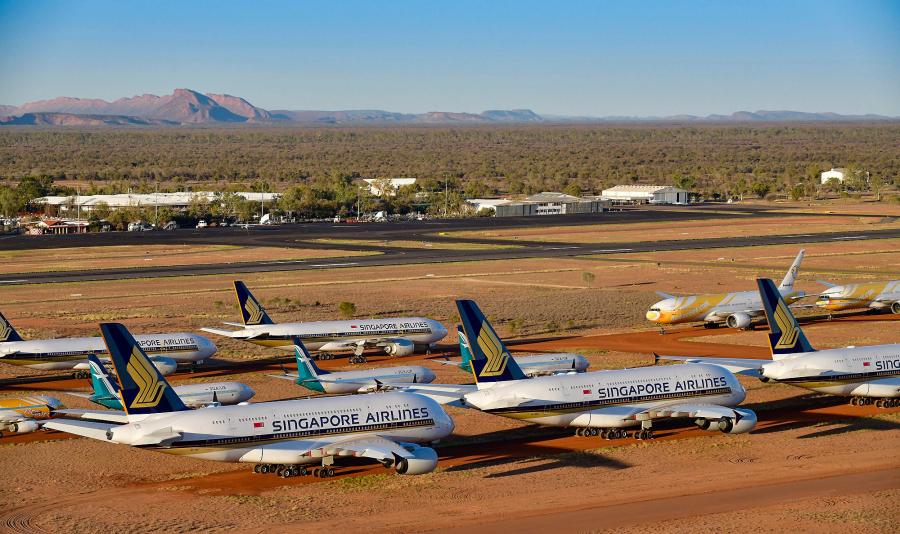
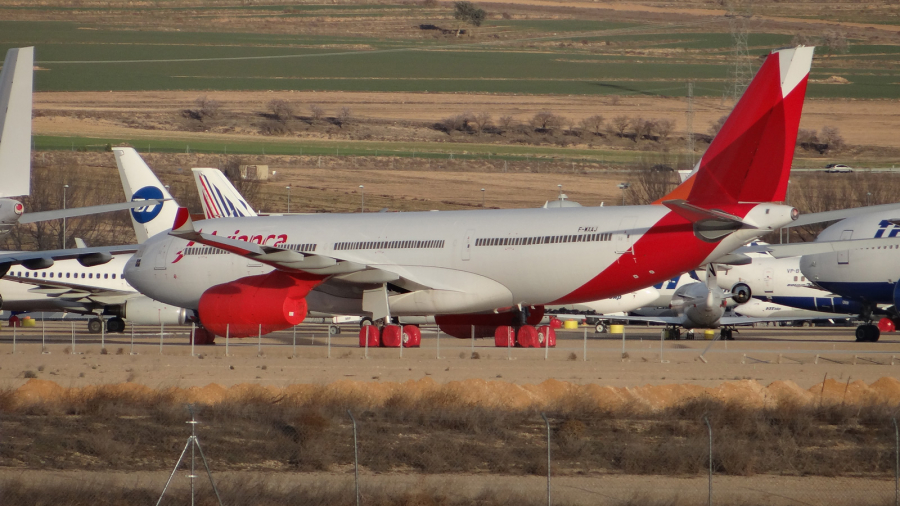
"The weather in Teruel is extremely suitable for 'resting' aircraft. Here, planes can be parked for extended periods without maintenance. Furthermore, they will remain in optimal condition until the airline wants to resume operations," a Lufthansa spokesperson said.

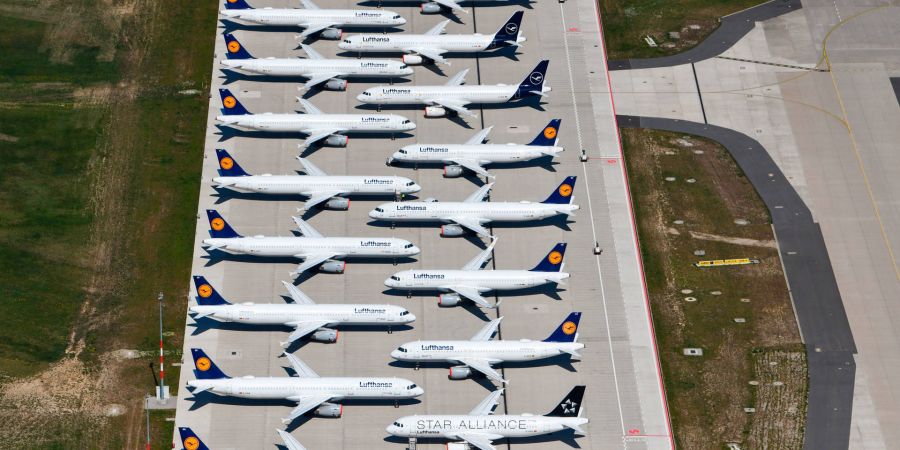
Teruel is currently home to Tarmac Aerosave, an aviation company that provides maintenance, storage, and refurbishment services for aircraft to airlines.
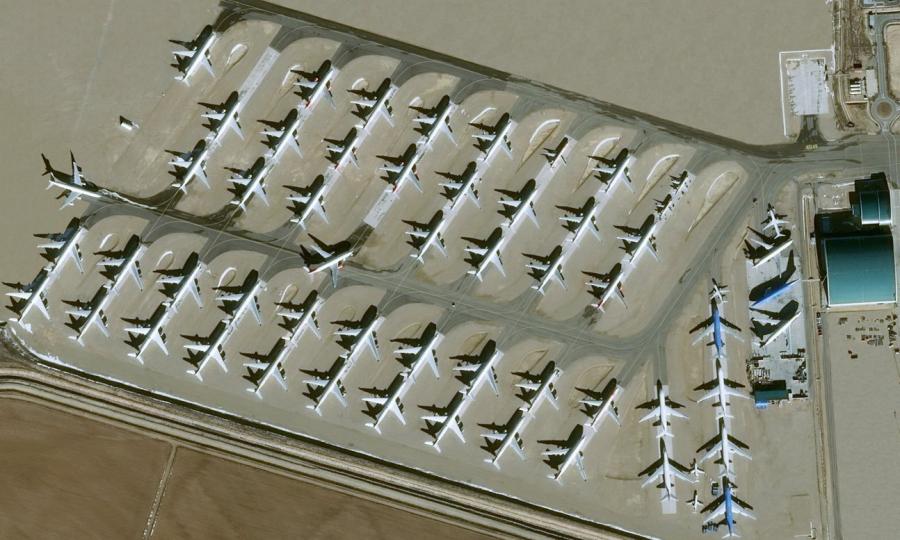
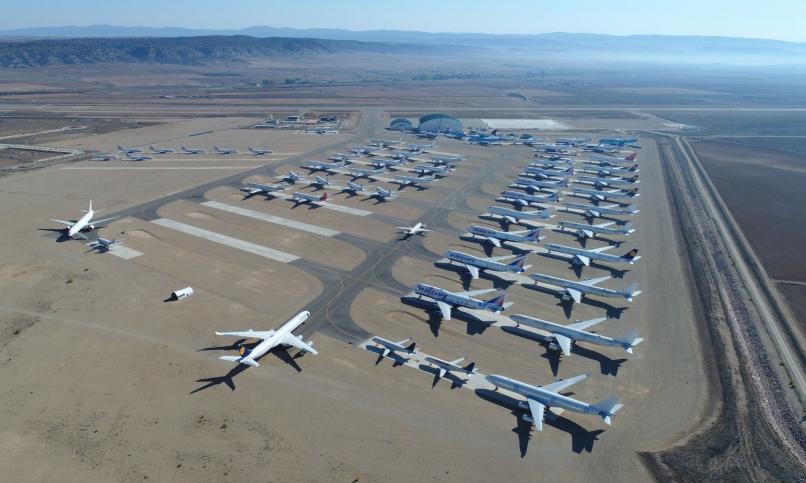
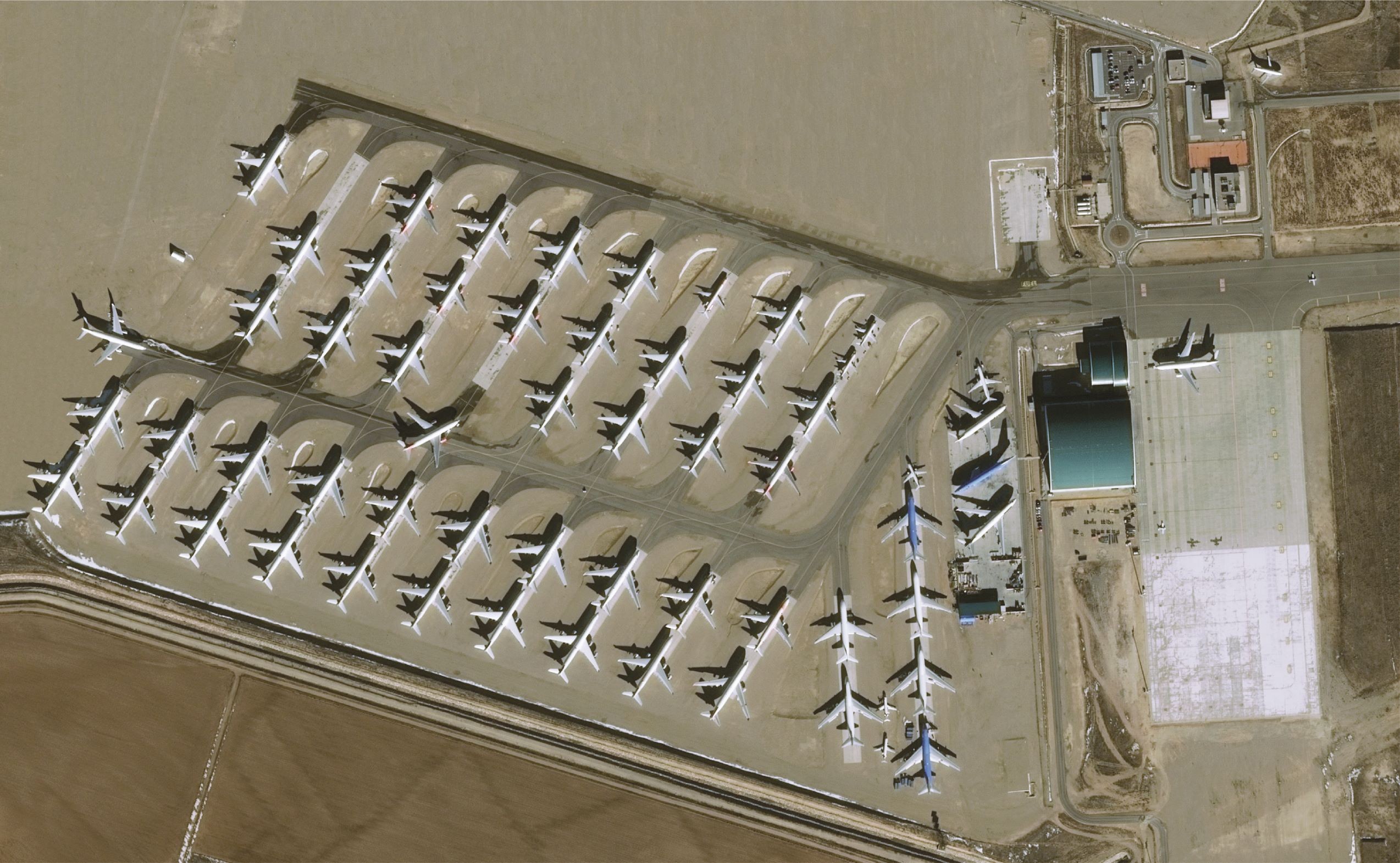
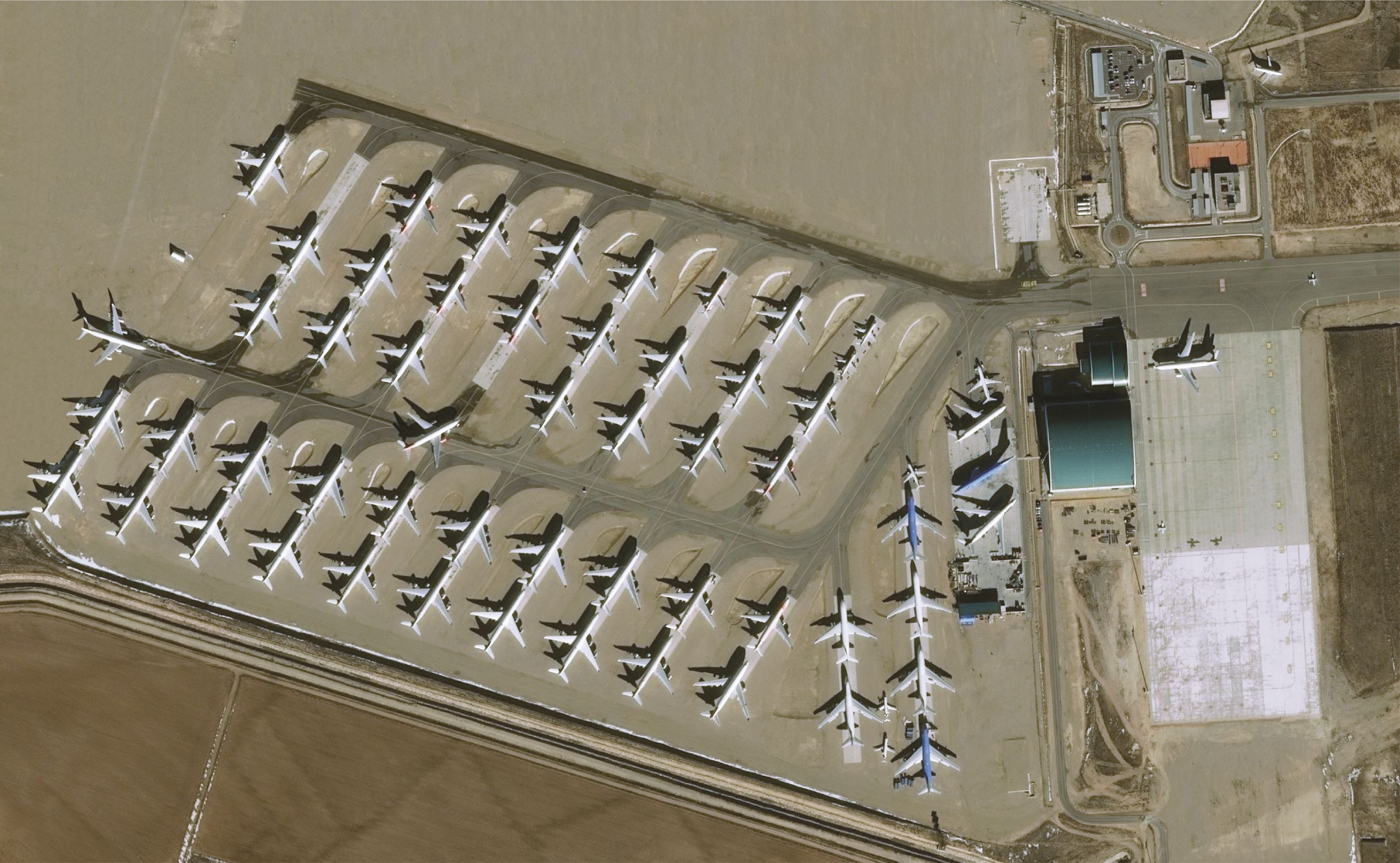
Therefore, with the Covid-19 pandemic devastating the aviation industry, a large number of unused aircraft have been brought to Teruel for maintenance or "rest" while awaiting resumption of operations. This has caused Teruel Airport to operate at full capacity to the point of running out of space, making it the busiest airport in Spain despite the Covid-19 pandemic.
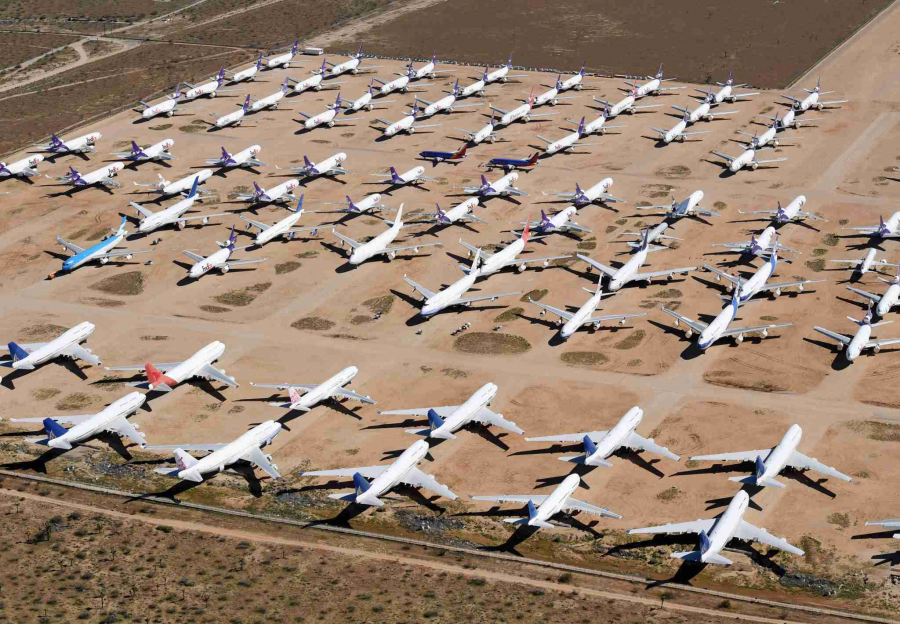
Always overloaded
One of the airlines that has aircraft based in Teruel is Air France. Due to the complex pandemic situation in France, the airline has grounded 180 out of its 224 aircraft. Most of these are located at airports in Paris or Toulouse, but many older A380s have been sent to Teruel for proper grounding to ensure they are in optimal condition for resumption of service.
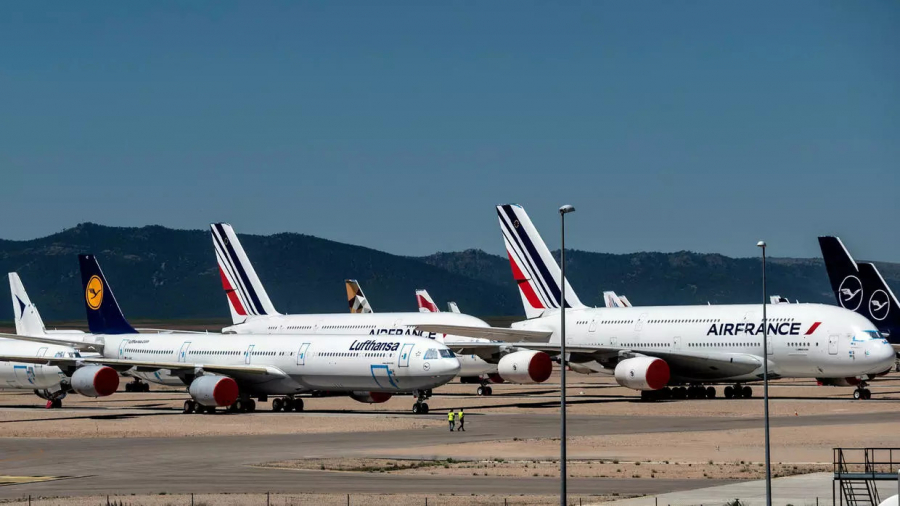
Meanwhile, Lufthansa transported its entire fleet, ranging from A340s to A600s, to Teruel for a two to three-month vacation until the Covid-19 pandemic subsided and the airline's operations resumed.
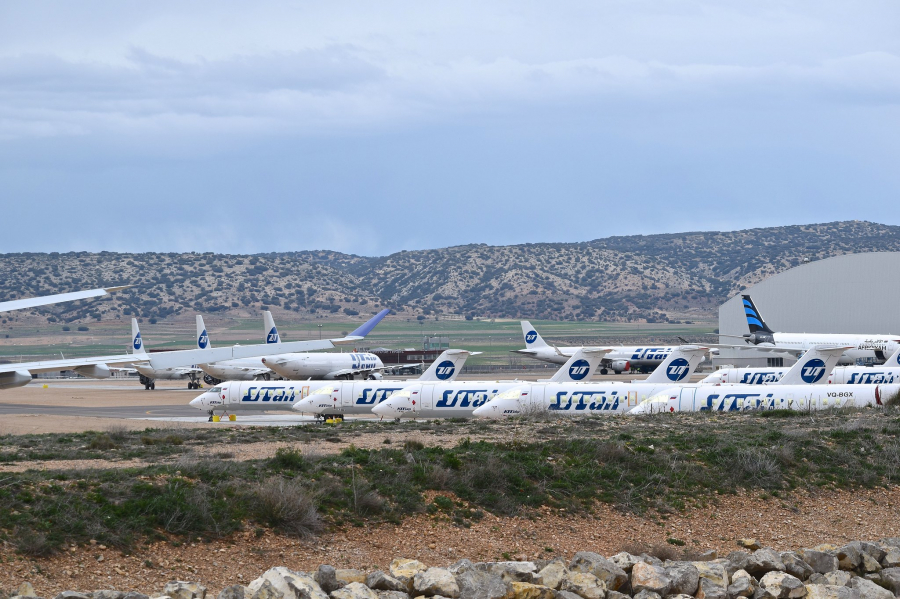
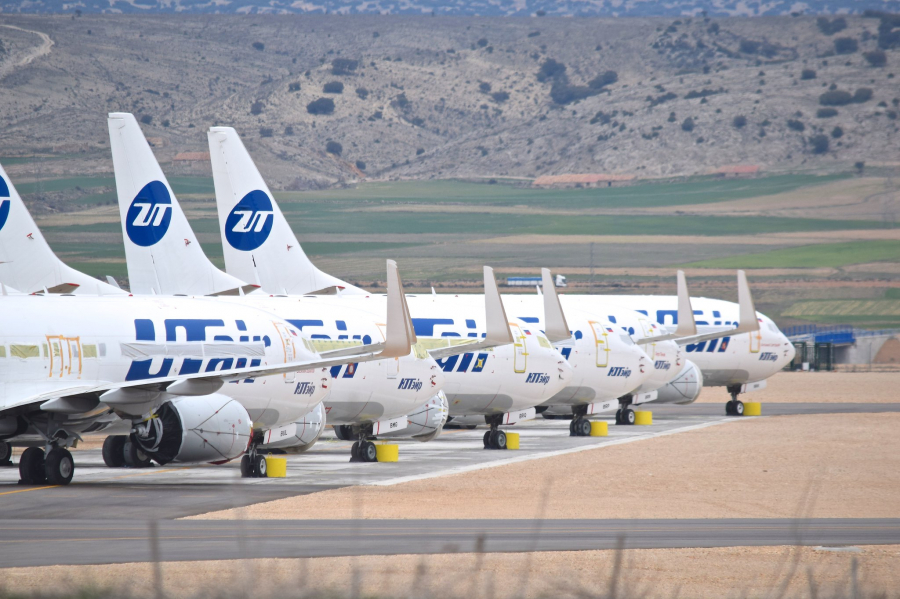
Teruel Airport's capacity is estimated at around 125 aircraft at any given time, but many planes are towed to storage for maintenance or repairs, so the actual capacity may be slightly higher. Had it not been for the Covid-19 pandemic, the last time the airport had to operate at full capacity was in 2015 when Transaero, Russia's second-largest airline, went bankrupt and was forced to store a number of its aircraft at Teruel until they could be liquidated.
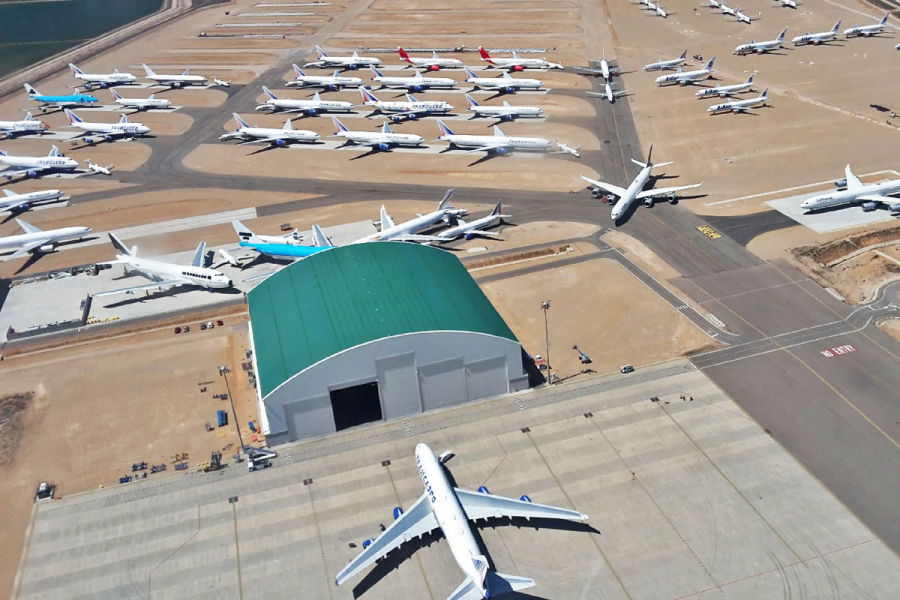
Pedro Saez, the director in charge at Teruel airport for Tarmac Aerosave, said that normally the company only has about 66 aircraft resting there, but during the Covid-19 pandemic, that number increased to 109.
Maintaining million-dollar assets
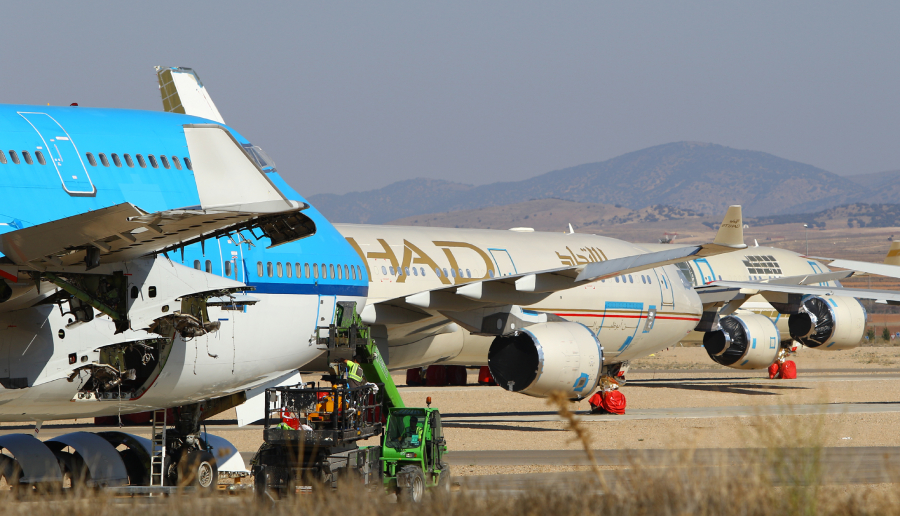
Maintaining, servicing, or repairing aircraft worth hundreds of millions of dollars requires a tremendous amount of time and effort. According to Air France, a maintenance cycle lasting 1 to 3 months consumes approximately 150 hours of work from specialists. This doesn't even include the specific maintenance cycles for older aircraft or those that have experienced malfunctions.
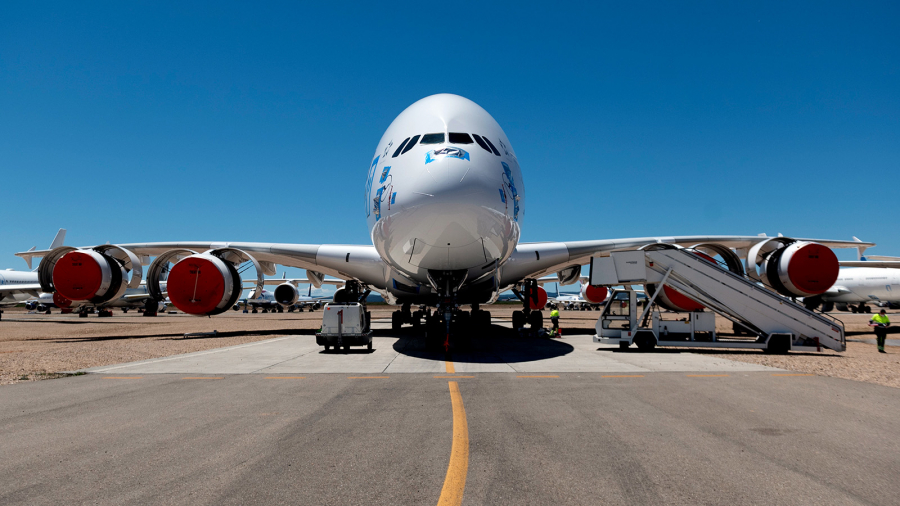
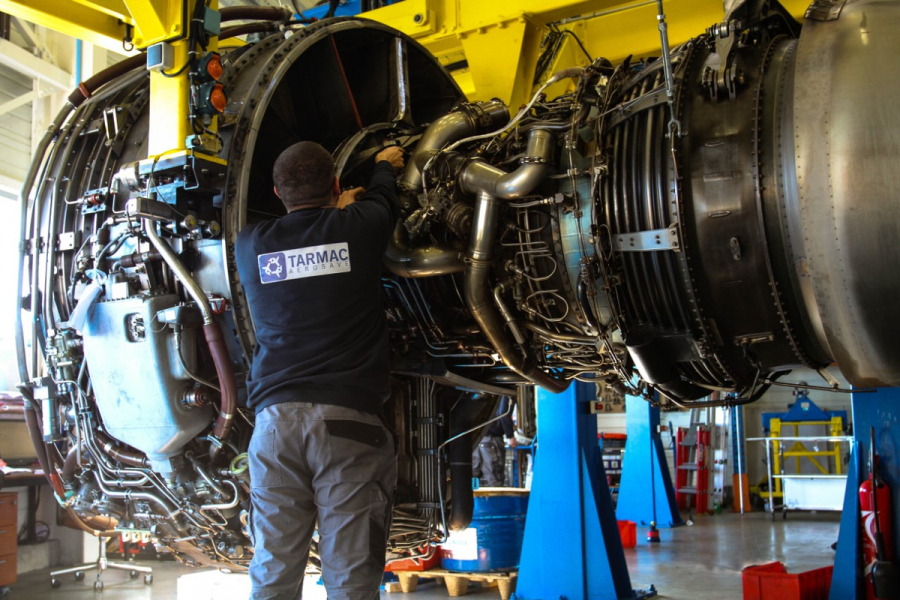
Aircraft maintenance is also a highly selective job, requiring skilled professionals to handle the work. Typically, in the initial stages before maintenance, parts such as engines, vents, and other critical areas of the aircraft need to be carefully protected and shielded to prevent damage during the maintenance process.
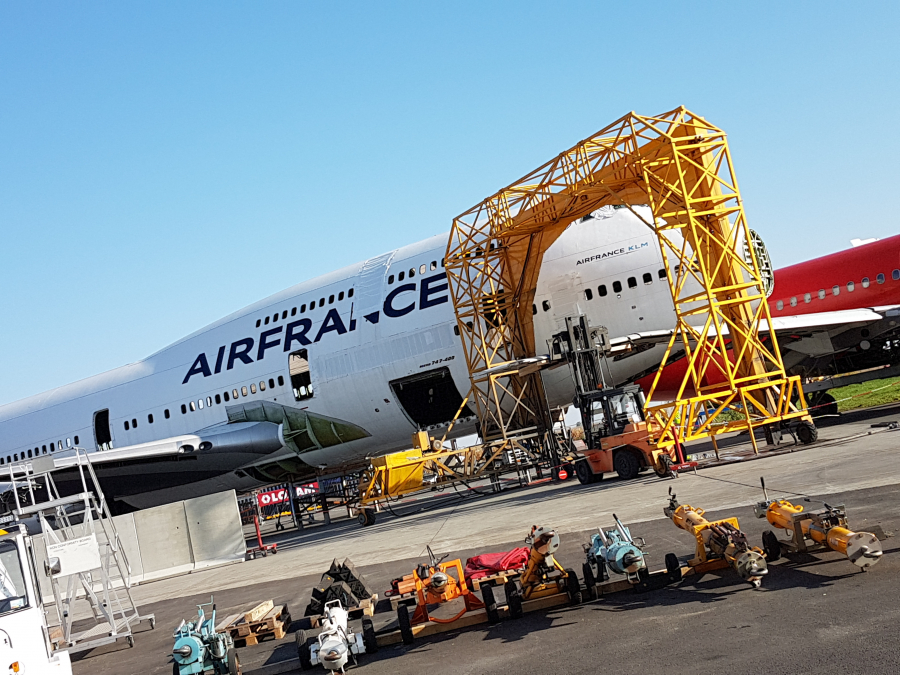
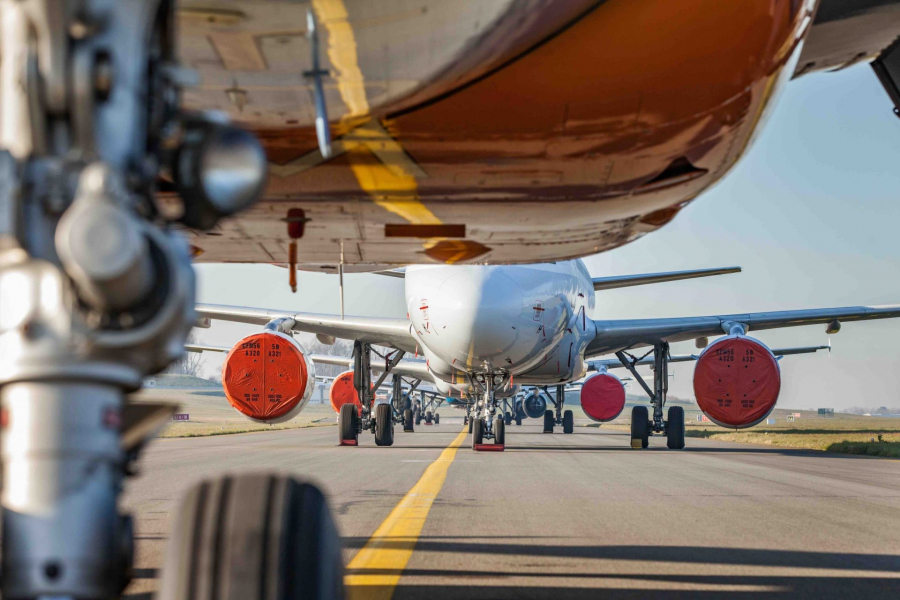
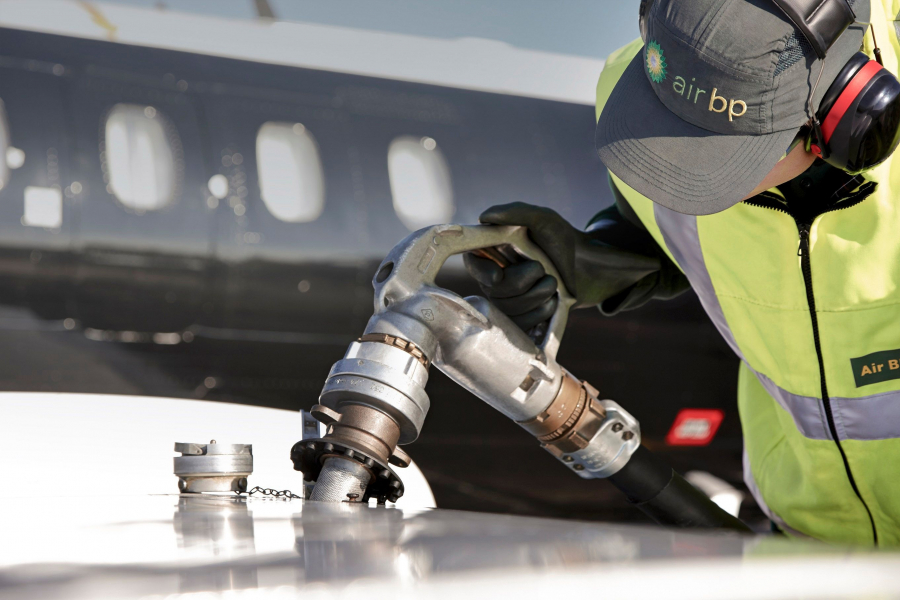
Next comes routine inspection, such as moving the aircraft to reduce tire pressure, restarting the engines, or regularly supplying power to maintain the systems. When the aircraft is required to return to service, it will take two days for the workshop to remove the protective equipment and perform a series of tests before it can be shipped out.
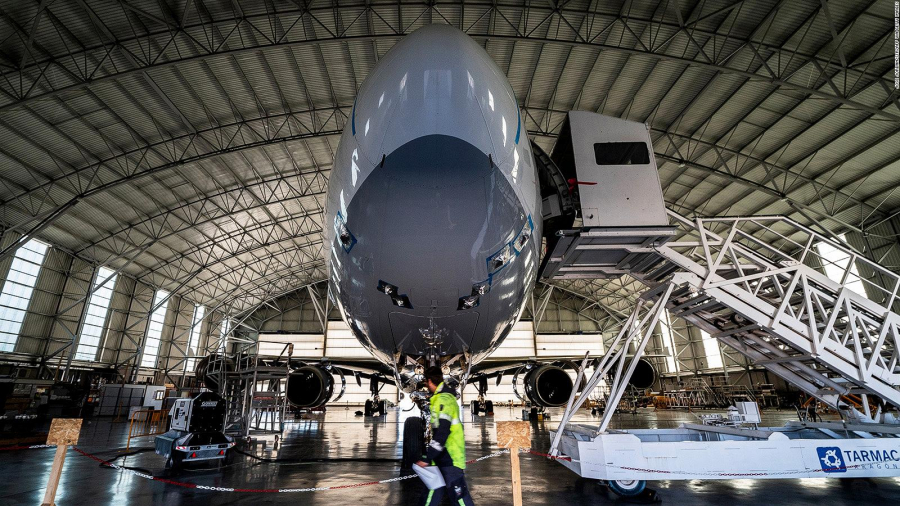
Clearly, aircraft maintenance is no simple task, and with more and more airlines choosing Teruel, the airport is truly becoming a rare case in the aviation industry, thriving thanks to Covid-19.