VI
VI


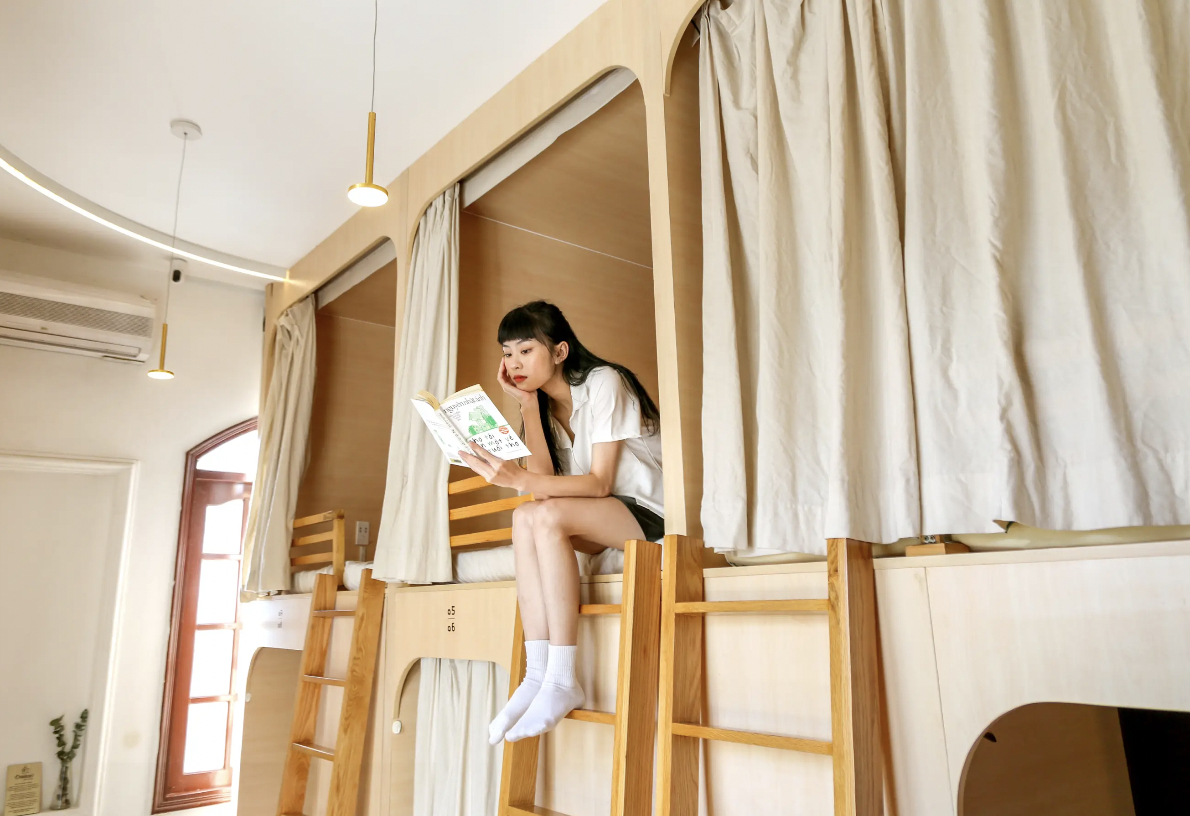
DECODING THE "BED CAFE" PHENOMENON: WHAT IS IT?
Bed cafes, also known as sleeping cafes, are a new Japanese-style cafe concept that has emerged in Vietnam in recent years. This model combines a cafe with a resting space, following the "coffee in bed" concept from Japan.
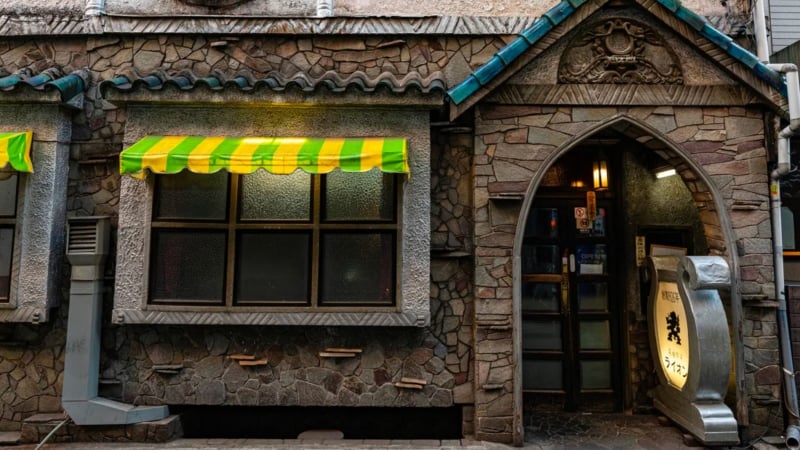
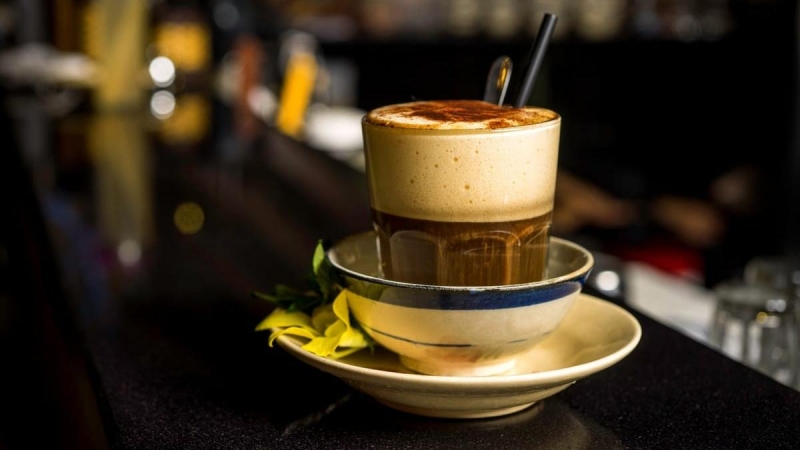
Outside is the ordering area, beverage preparation area, and a place for customers to drink and chat. Inside, the relaxation space is divided into small, private boxes complete with folding tables, table lamps, and blankets so customers can read, lie down, and take a nap.
A UNIQUE MODEL - PAY FOR PRIVACY
It's called coffee.bed"because the bed is placed in a square compartment approximately 4 meters wide."2Each bed is spaced about 1 meter apart, and there's a wooden table and two square cushioned chairs that can be used as beds for studying or resting.
The concept of "bedside cafes" has successfully met customer demand and is increasingly popular in Ho Chi Minh City and recently in Hanoi. The quiet, private space is suitable for meeting friends, working, or simply taking a nap.
The concept of sleep cafes originated in South Korea and Japan.
A price of 100,000 VND or more for two hours of relaxation is quite common for cafes that combine a coffee shop with a private relaxation area. Currently, Ho Chi Minh City has more than a dozen cafes following this model, mainly in central districts with many offices and businesses. This model is expected to be replicated and create a new trend.
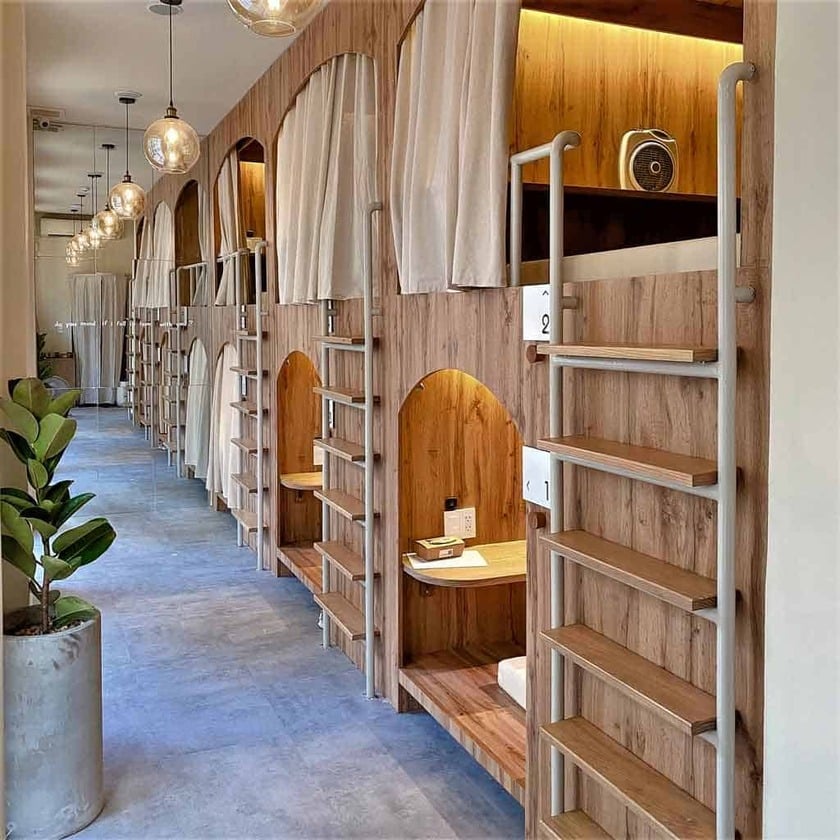
The neatness and sophistication come from the way the space is arranged for guests to enjoy coffee and relax. The sleeping area is spacious and clean, accommodating up to three people, with a soft, monochromatic color scheme. Each dorm (bunk bed) is neatly arranged to optimize space, including a small reading table, a place for a computer, and essential items such as a lamp, fan, blankets, mattresses, and pillows. Notably, each bed is separated by a partition and curtain to ensure comfort and privacy for guests.

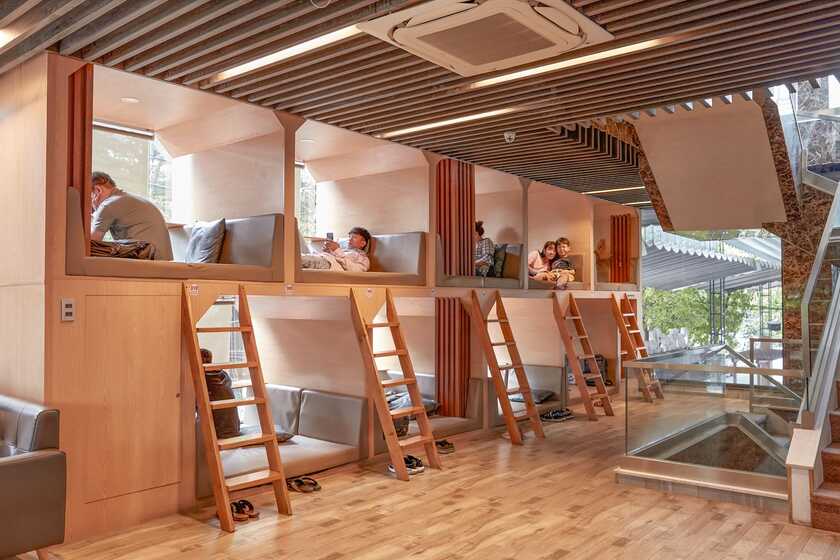
The "bed-style" cafe model has successfully met customer demand and is increasingly popular in Ho Chi Minh City and recently in Hanoi.
Specifically, the cafe has installed cameras in each cubicle, and customers must comply with the rules to ensure civility and safety. Cafes must commit to respecting the privacy and confidentiality of customers in all forms.
The concept of a sleep cafe is inspired by the Japanese model. The resting space in a sleep cafe is divided into small, private boxes, each equipped with amenities such as blankets, pillows, books, lamps, tables, Wi-Fi, air conditioning, drinks, lockers, and power outlets.
Furthermore, cafes offering naps during lunchtime also help alleviate office stress. The sight of office workers sitting on chairs or lying on mats on the floor napping during their lunch break is no longer uncommon in many companies. Besides, the noisy and crowded office environment affects employees' midday naps. With the aim of creating a civilized nap culture and ensuring customers' health so they can return to work in the afternoon, the nap cafe model has been well-received by many.

Prices for the bed-style coffee service range from 100,000 VND to over 500,000 VND, including snacks and drinks.
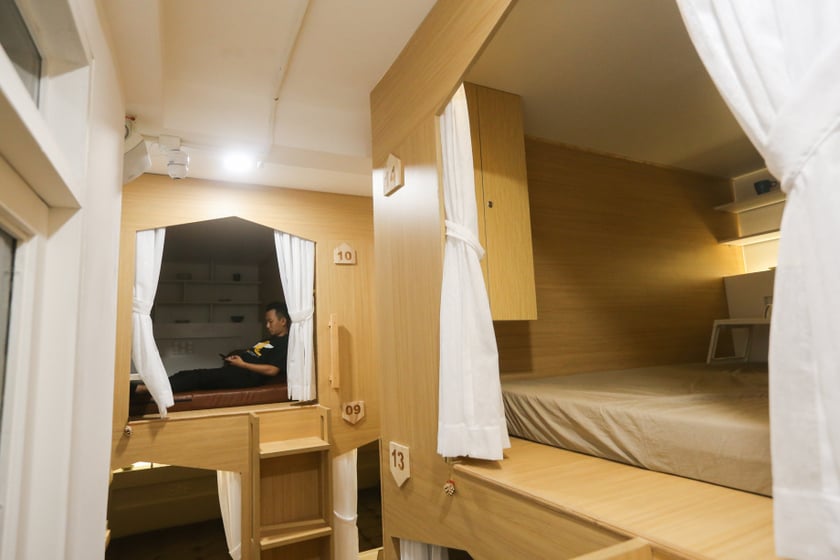
The neatness and sophistication come from the way the space is arranged for guests to enjoy coffee and relax.
Visitors are requested not to bring outside food or drinks, not to smoke, not to use stimulants, not to gamble, and especially to maintain quiet for the sake of others.
Many customers say they choose this type of coffee shop because of the guaranteed privacy, the lack of noise, and the absence of children playing in public spaces. This "coffee in bed" concept allows customers to work or rest freely when they are tired.
Prices for cafe-style lounge chairs range from 100,000 VND to over 400,000 VND, including snacks and drinks. The main clientele are usually students, office workers, freelancers, or young couples looking for a place to work or date.
BE CAREFUL ABOUT THE "BED COFFEE" CRAZE
Alongside the positive reception of bed-style cafes, another wave of concerns has been raised about potential abuses and inappropriate behavior among couples visiting these establishments. The key to bed-style cafes is ensuring privacy and tranquility; therefore, to prevent abuses, these cafes always have strict regulations in place.
Besides clearly visible signage, the cafe is equipped with cameras and staff on duty on each floor. Customers can ring a bell and receive assistance if needed. However, not all cafes with beds have such strict controls. Previously, there were reports about several cafes in Thanh Da, Ho Chi Minh City, that had turned into "motel"-style cafes with beds in dark, dimly lit spaces.
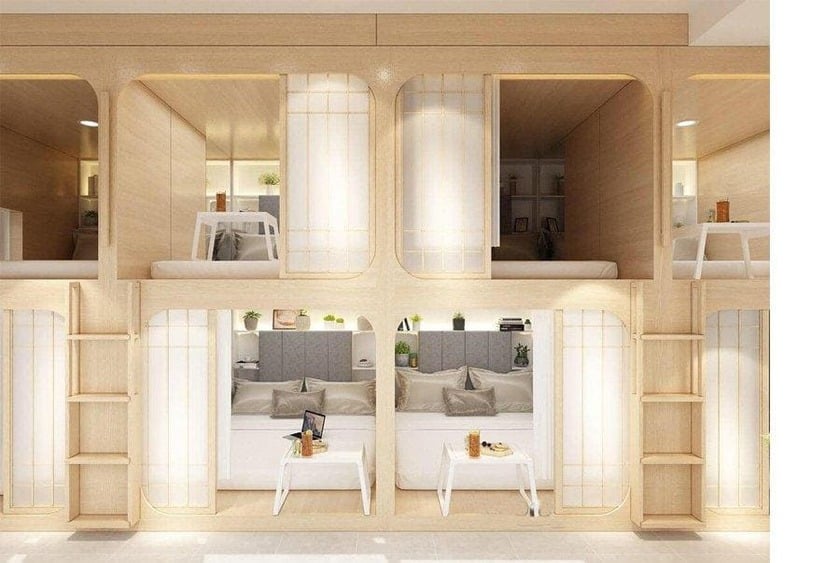
Sharing bedding and curtains that haven't been thoroughly cleaned can increase the risk of spreading infectious diseases.
Furthermore, sharing bedding and curtains that haven't been thoroughly cleaned can lead to the risk of spreading infectious diseases such as fungal infections and scabies. Bedding and curtains that aren't cleaned regularly can accumulate dust and mold, causing allergies in people with sensitive skin.
Therefore, you should also consider the purpose of using the service to choose the appropriate space. If you want to study or work, choose quiet areas with minimal noise. Conversely, if you want to relax and chat with friends, you can choose more lively areas.
Bedside cafes can be an interesting option for relaxation, but you need to be aware of the potential risks to ensure your safety and health. Be a smart consumer and choose your service carefully for the best experience!