
 VI
VI


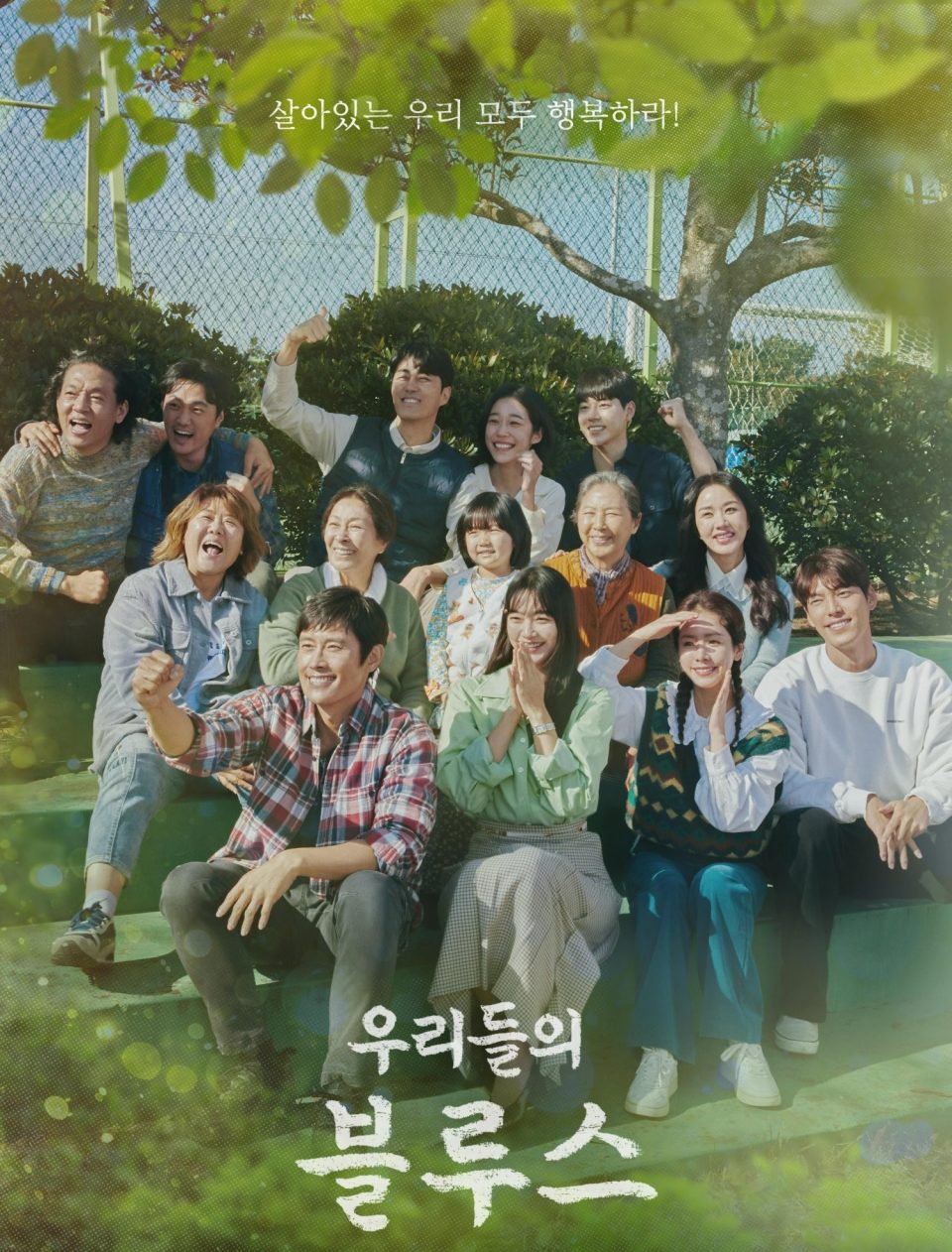
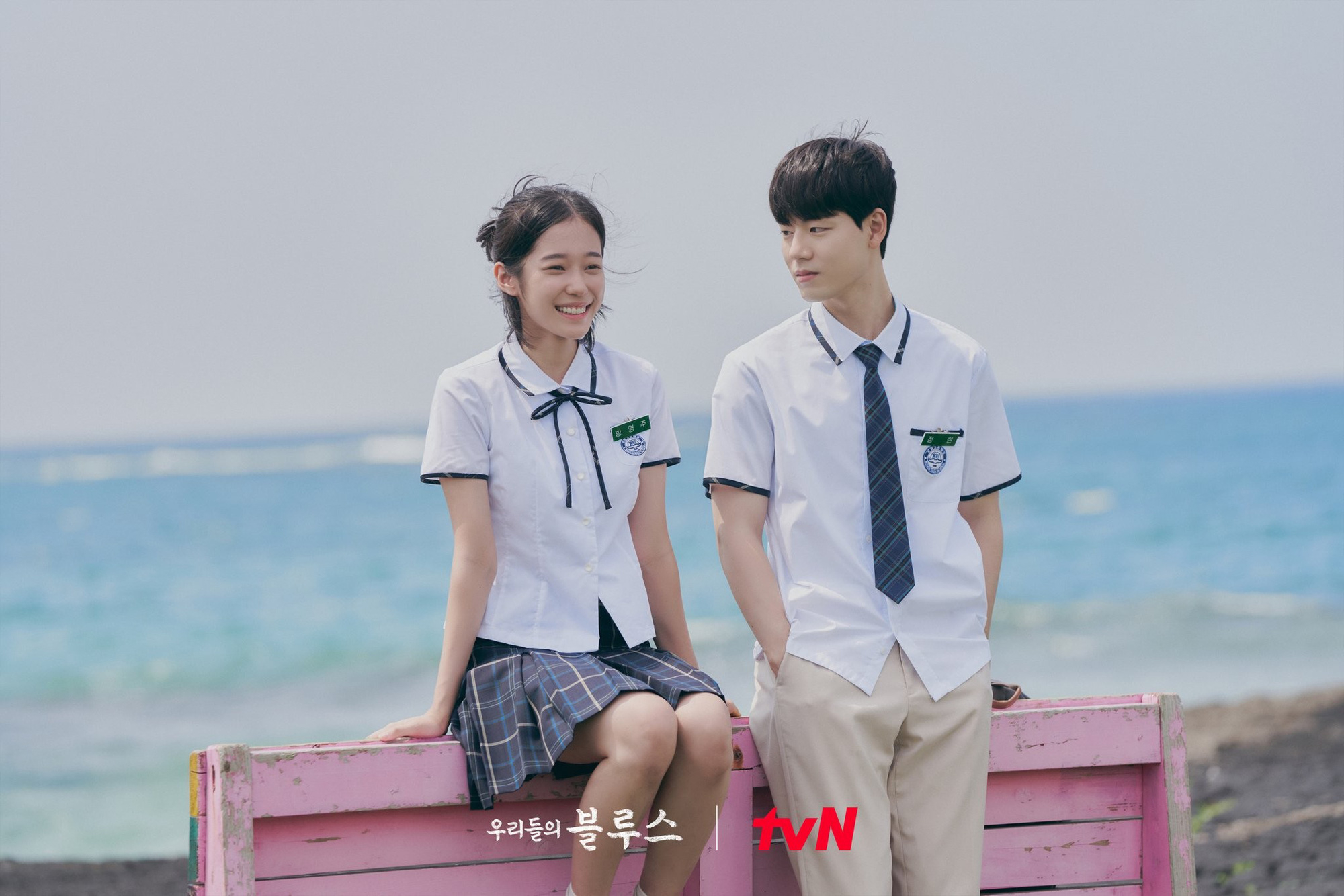
Released in April 2022, Our Blues received an enthusiastic reception from audiences. Besides its gentle, profound content and fresh yet incredibly authentic storytelling style, the film also received rave reviews for its picturesque portrayal of Jeju Island.
There is a very picturesque Jeju.
Our Blues tells the story of 14 lives filled with joys and sorrows, tragedy and happiness, setbacks and hope, but above all, the warmth of human connection. In one way or another, the characters are all connected through a special place – Jeju Island.
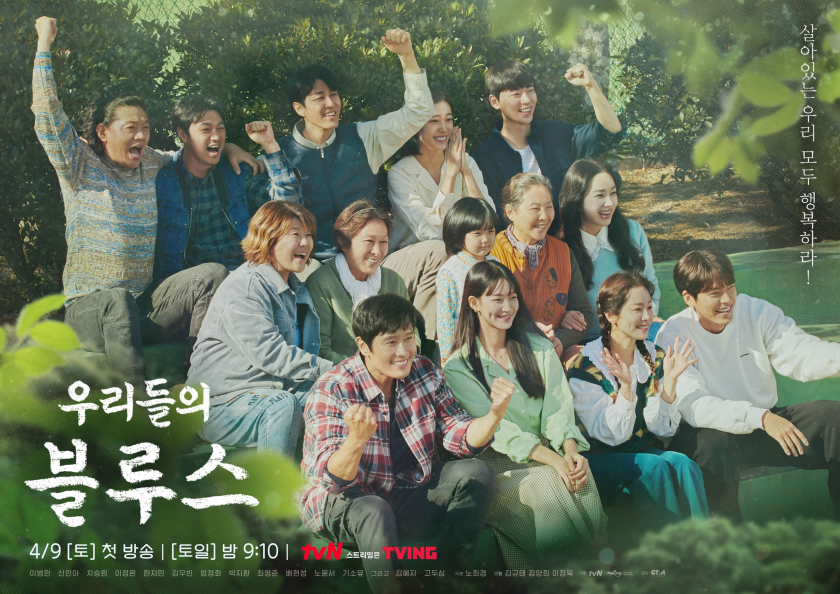
In the minds of many, Jeju is a tourist island with stunning natural landscapes of mountains, forests, and the ocean... Our Blues also recreates such a peaceful Jeju, but then delves into the depths of the lives of the people and communities there through very ordinary stories.
In each frame, viewers encounter windswept coastal roads, fishing boats offshore, bustling morning markets, and the innocent, hardworking local people. There are elderly people who have spent their lives on this remote island, middle-aged people who grew up together, and young teenagers lost in their dreams. There are also those who left to start new lives and those who have come from far away seeking peace on this small island. Whoever they are, for them, Jeju remains home, a place that gently soothes wounds and comforts aching hearts.
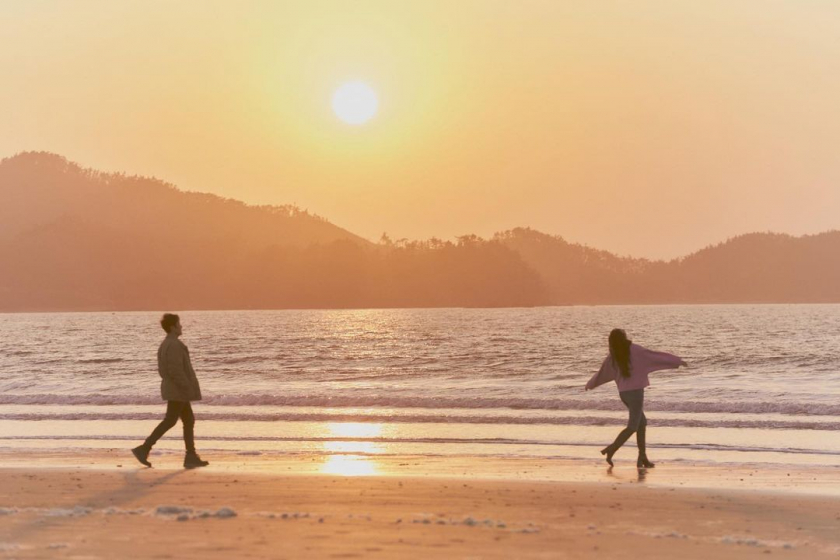
Regarding the choice of this island as the setting for the film, screenwriter Noh Hee Kyung shared: "I believe Jeju is a place that has preserved the authentic local spirit and unique emotional values of Korea. Here, you can find communities where almost everyone is related by blood, or if not, they are as close as family. The strong bonds between people in Jeju are excellent material for us to portray this special culture."
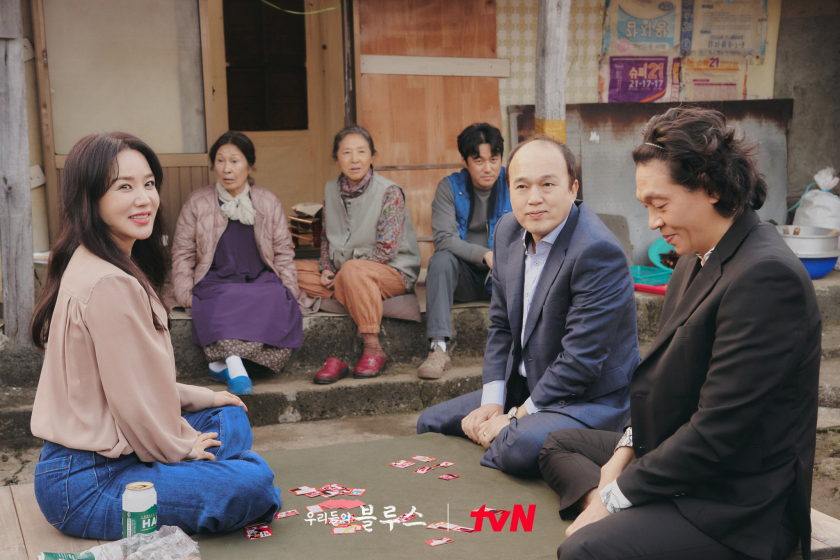
Indeed, unlike the rapidly modernizing life in mainland cities, Jeju Island still retains its traditional charm and indigenous culture, which might otherwise have been swallowed up by urbanization over time. The people here value community living and even use a distinctive dialect. Therefore, to accurately convey the essence of life on the island, the film crew had to invest considerable time in researching and authentically recreating this cultural aspect.

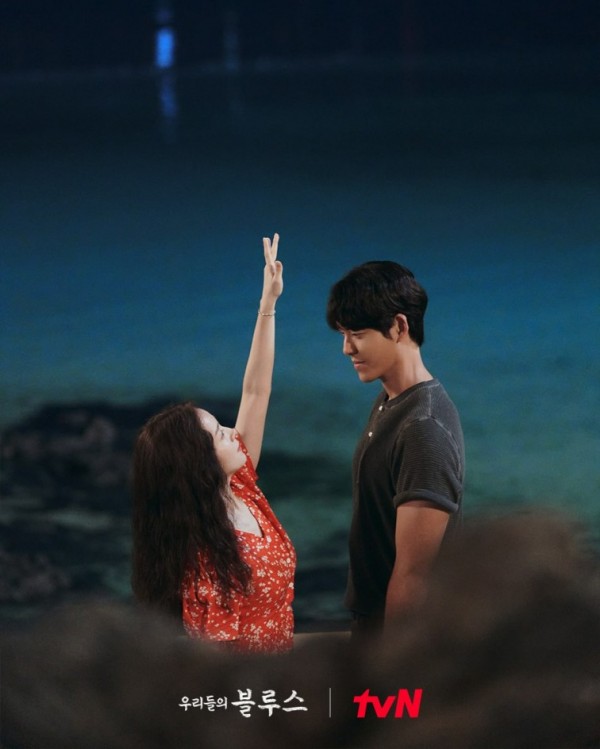
Furthermore, the connection between community members is clearly conveyed through the relationships between the characters. We see memories of youth from the middle-aged generation like Eun-Hee and Han-Soo, the close brotherhood between the fathers of In-Gwon and Ho-Sik, the budding romance between Captain Jung-Joon and the girl from Seoul, Young-Ok, or the complex family relationship between Dong-Seok and his mother... Each episode revolves around the relationship between two of the fourteen characters, while also incorporating small stories of the others. This unique storytelling style gives viewers a deep insight into the close-knit community life here – where each person carries their own burdens but is never left alone.
Where the simple working life flows on
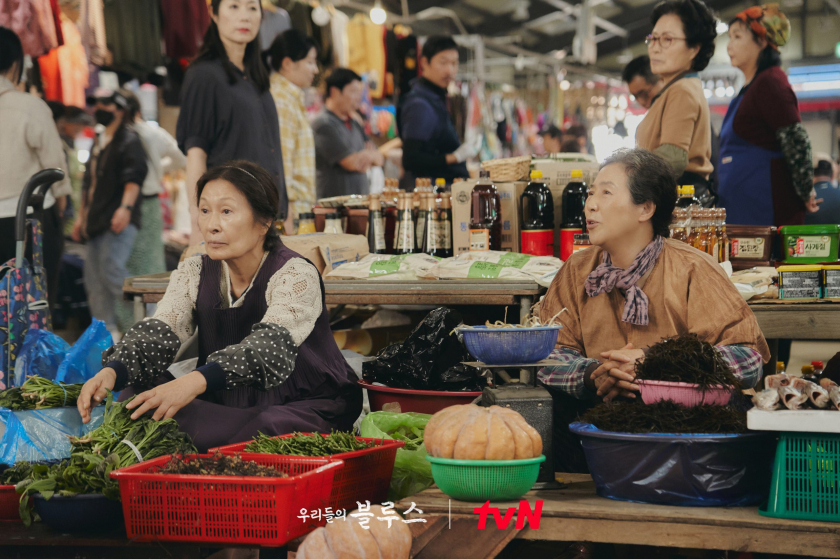
Our Blues is not just an entertaining television series, but also a microcosm of the working lives of people in Jeju. Born and raised on a remote island, facing the sea's calm and turbulent times, and sudden storms, the people of Jeju are known for their resilience and strength. They are hardworking, optimistic, and highly value their reputation.
Embracing that spirit, Our Blues skillfully portrays the character of working people. In it, we see sea nymphs (also known as...).haenyeoThese women go out to sea every day to catch abalone and sea urchins. Most of them are elderly women, some even nearing 80, but their diving skills are no less impressive than those of younger people. They don't even use oxygen tanks. The image of these Jeju sea women has become an icon, a unique beauty recognized by UNESCO as a World Intangible Cultural Heritage in 2016. Therefore, they are highly respected by the community.
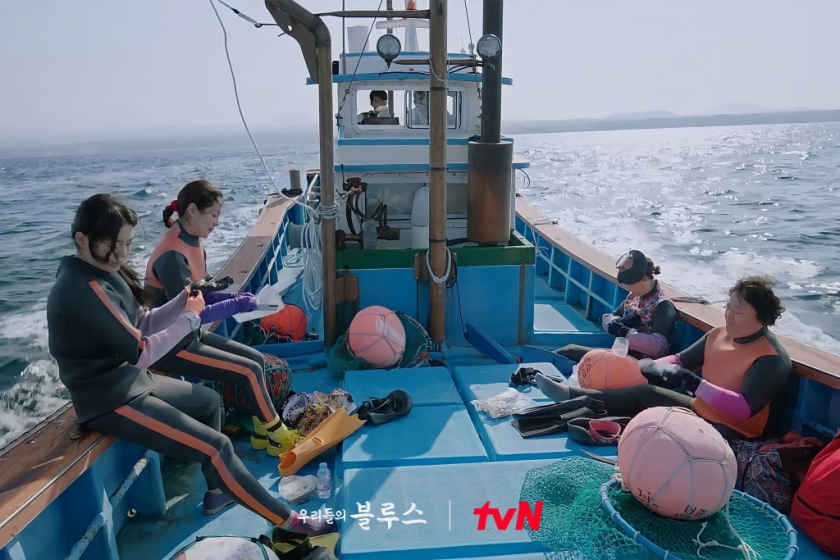
Today, fewer people choose to pursue this profession due to its dangerous nature, prompting local authorities to offer special support benefits to preserve this unique tradition. In Our Blues, besides older sea women like Chun-Hui, we also see younger faces like Hye-Jung and Yeong-Ok. They represent the younger generation gradually inheriting this traditional profession in Jeju.
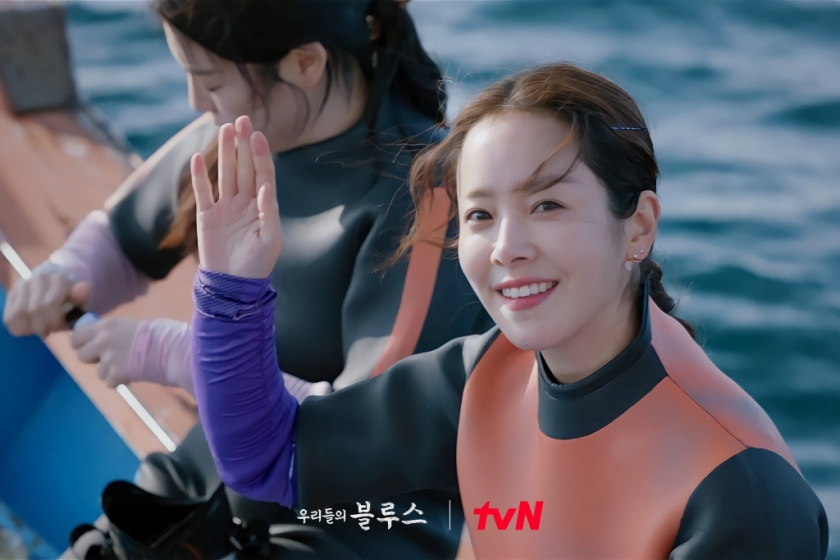
With its abundant marine resources, Jeju's seafood market is incredibly bustling, offering a vast array of fresh ingredients and delicious food. Eun-Hee and Jung-Joon are representative of the small traders there. Their daily lives begin at dawn, bidding at wholesale markets for the freshest seafood from newly arrived fishing boats, and finally transporting it back to the market to resell to individual buyers.
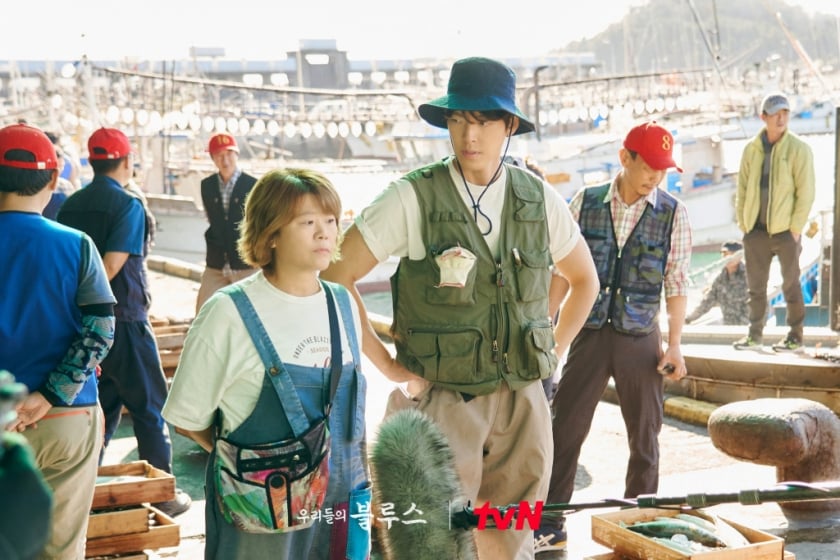
Meanwhile, Dong-Seok runs a grocery business from his truck. Due to its completely isolated location from the mainland, the supply of goods such as clothing and household items in some areas of Jeju is limited. Every day, Dong-Seok imports goods from the mainland and transports them to remote areas to sell to the local people. His life revolves around his old truck, but it brings convenience to the people of Jeju.
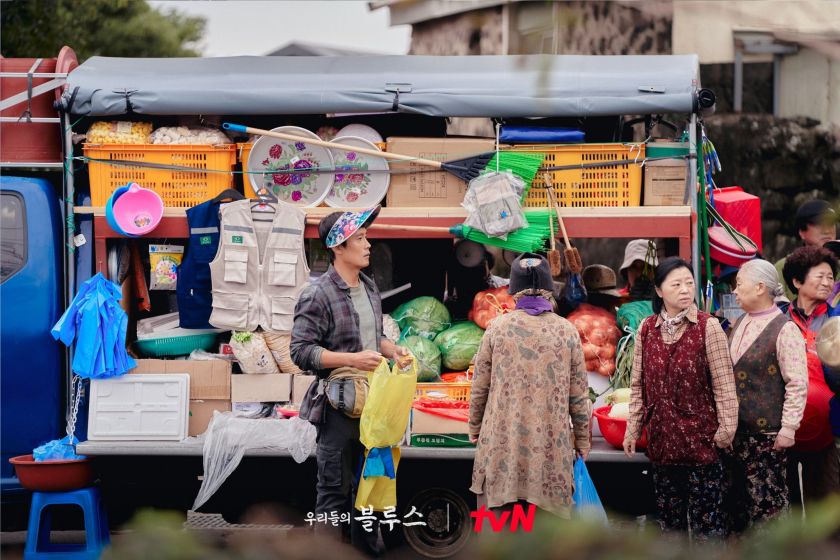
The film also portrays the lives of other working people such as Ho-Sik, who sells ice to seafood vendors; In-Gwon, who runs a sausage shop serving customers at the market; Han-soo, who left Jeju Island to build a new life in the city; and Yeong-Ok, who came to the island from elsewhere seeking healing. They are all pieces that make up the colorful tapestry of people and life on this beautiful island.
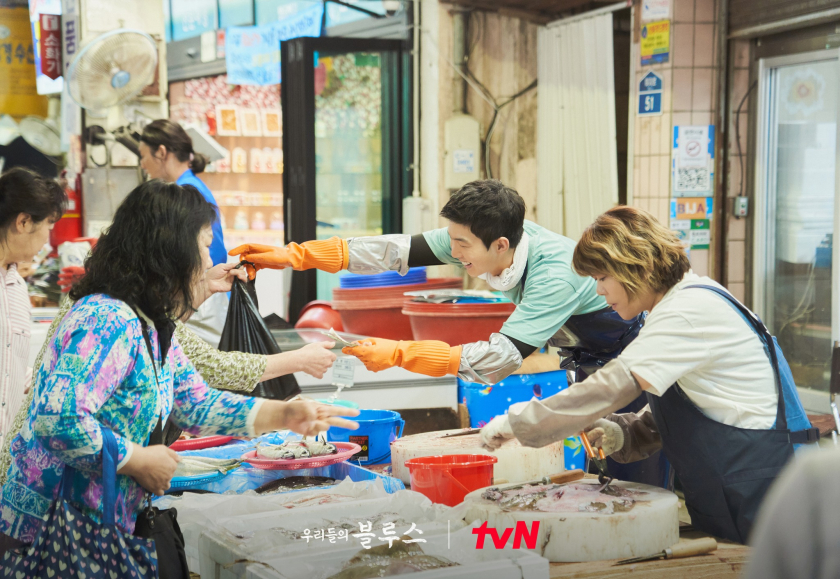
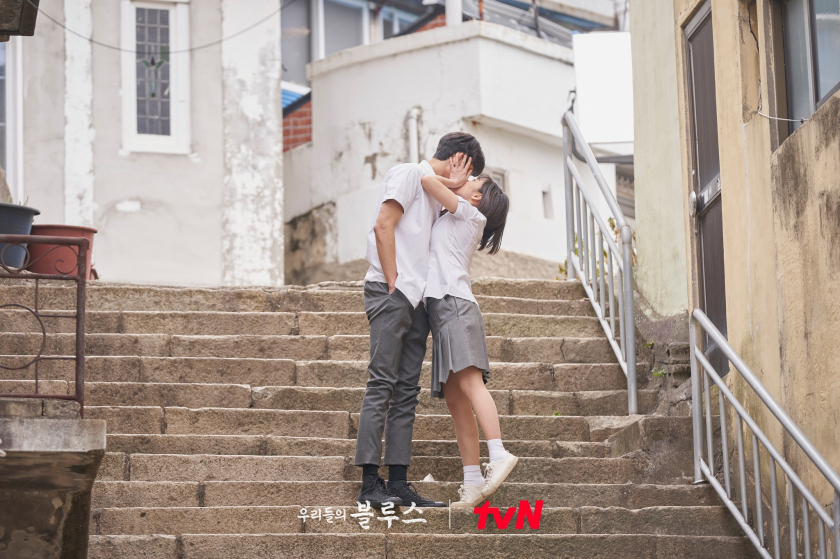
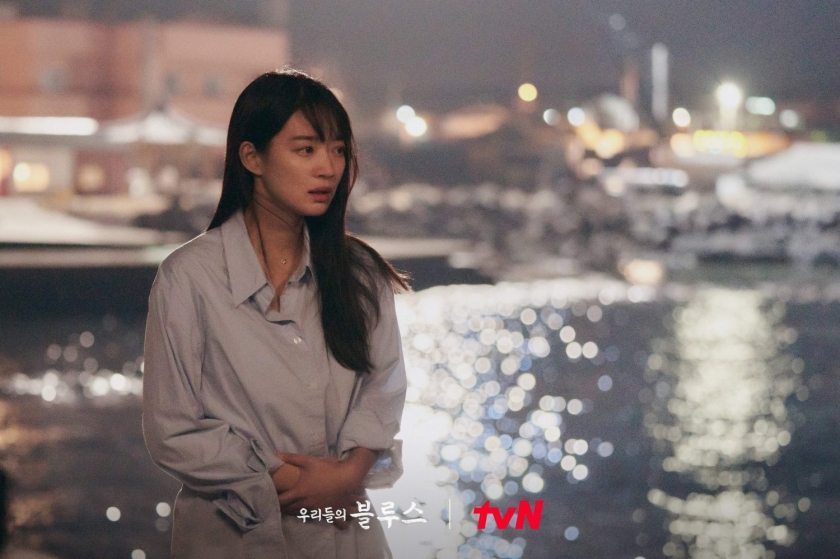
Jeju is neither bustling and noisy nor ostentatious and elaborate; its charm comes from the simplicity, rusticity, and genuineness of life amidst its vast and poetic natural landscape. And it is there that the stories told in Our Blues resonate, creating a warm symphony of human connection.
Our Blues airs every Saturday and Sunday on Netflix starting April 9, 2022. The series consists of 20 episodes, each lasting 70 minutes.












