VI
VI




This program aims to identify key tasks for the development of Vietnamese tourism in the new context, divided into two phases with specific objectives for each phase.
Specifically, the 2022-2023 period aims to recover approximately 8-9 million international tourists to Vietnam (45-50% compared to 2019); 65-70 million domestic tourists (75-80% compared to 2019); and total tourism revenue reaching approximately VND 400-450 trillion (50-55% compared to 2019).
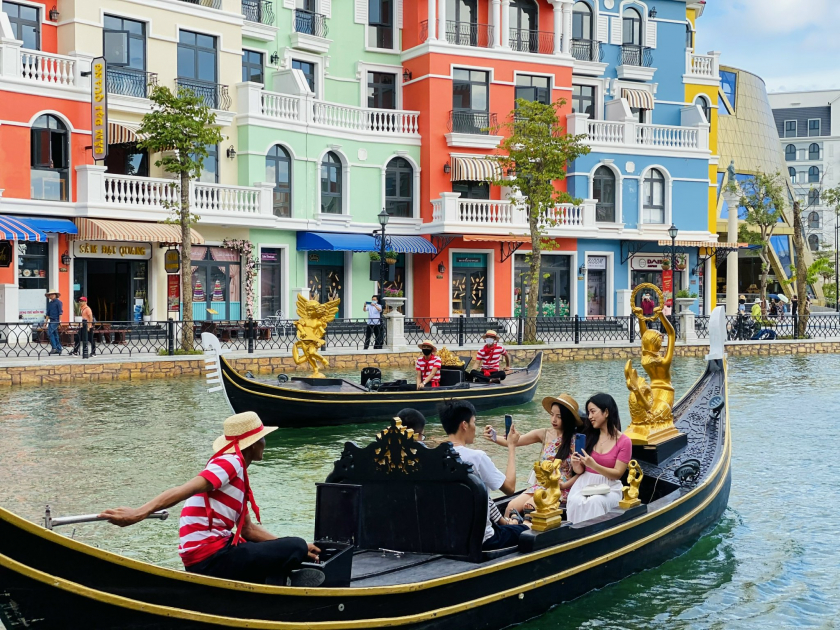
International tourists visiting Phu Quoc - Photo: Ha Mai
During this period, businesses and communities involved in tourism will receive focused support to accelerate business recovery through specific solutions such as continuing to extend policies on reducing value-added tax, electricity prices, land rent, and corporate income tax, and extending the deadline for business tax payments until the end of 2023. Simultaneously, tourism communication and promotion activities will be conducted in key domestic and international markets to quickly restore the number of tourists visiting Vietnam.

Simultaneously, this is also a period of digital transformation in the tourism industry, the implementation of "vaccine passports," and the pilot program for welcoming international tourists in some localities.

Exploring the caves in Phong Nha - Ke Bang - Photo: Internet
The period 2024-2026 aims to reach approximately 15-16 million international tourists and 75-80 million domestic tourists by 2025, with total tourism revenue reaching approximately 680-780 trillion VND.
By 2026, the number of international tourists visiting Vietnam is expected to reach 18 million (the same number as in 2019, before the Covid-19 pandemic), domestic tourists will reach approximately 85 million, and total revenue from tourism will reach around 800-900 trillion VND.
This phase will focus on developing high-quality human resources and a sustainable tourism labor market, along with various other tourism development solutions, to achieve the targets set in the Vietnam Tourism Development Strategy to 2030. In addition, it will involve implementing projects to develop unique tourism products for each locality, tailored to its tourism resource advantages.