VI
VI


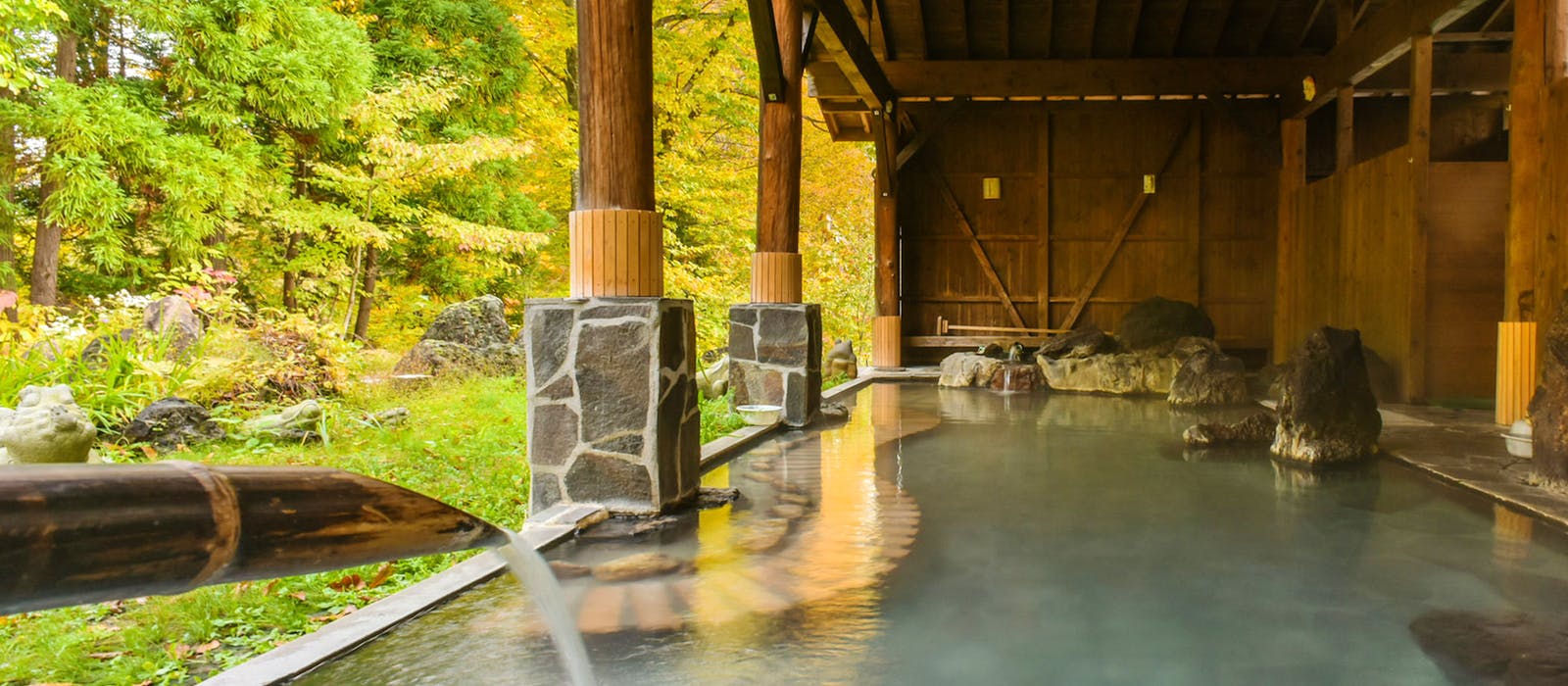
First, it's necessary to distinguish between the two types of Japanese hot spring bathing: sentou and onsen. Sentou uses heated water poured into tubs, while onsen uses completely natural hot springs. The springs used for onsen bathing are pure mineral water, which is very good for health. Onsen bathing not only has a relaxing and nourishing effect on the mind, but soaking in hot springs also has excellent therapeutic effects.
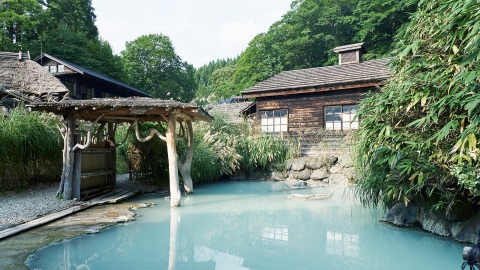
There are two types of onsen bathing: open-air baths (rotenburo or notenburo) and indoor baths (uchiyu). Depending on the destination and personal preference, visitors can choose their preferred type of onsen. Rotenburo costs around 800 yen (approximately 160,000 VND/day), while uchiyu are integrated into hotels, inns (ryokan), or guesthouses (minshuku), costing from about 5,000 to 10,000 yen (approximately 1-2 million VND/day), including meals and accommodation.
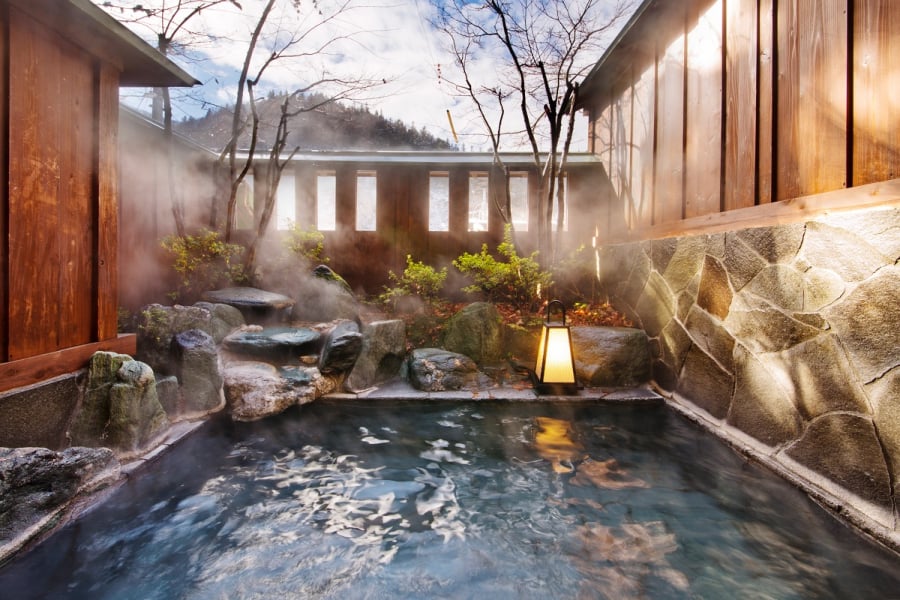
However, regardless of which method they choose, tourists need to understand and follow certain rules:
- Take a shower in the designated area.
Most onsens have two separate areas, one for men and one for women, with entrances separated by blue curtains for men and red curtains for women.
- Keep your belongings in a separate area.
This area also serves as a changing room and a place to store personal belongings; each guest stores their personal items in a locker and keeps the key on their wrist even while soaking in the bath.
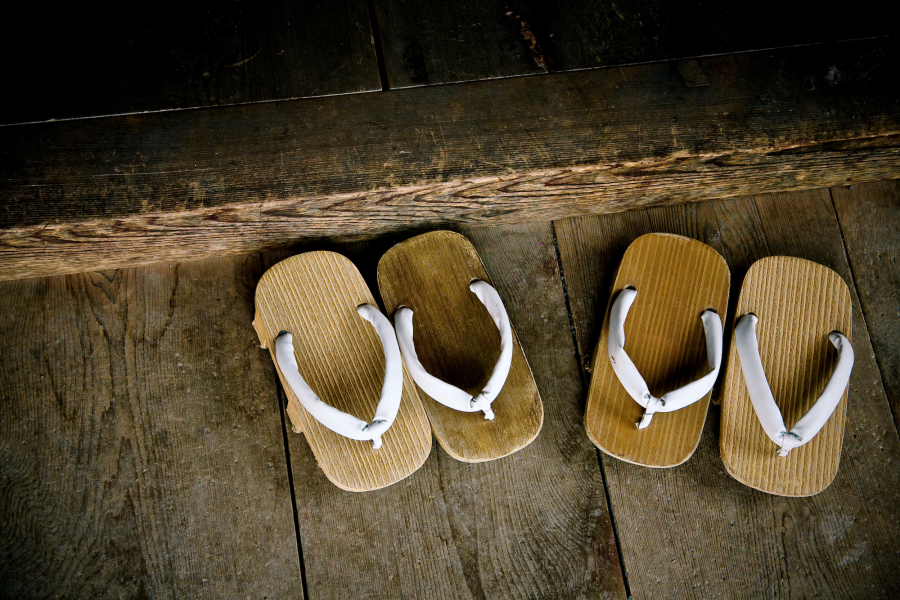
- Completely naked
That's an important rule that tourists need to remember, and no one is exempt. The Japanese believe that when enjoying refined pleasures, all barriers are removed.

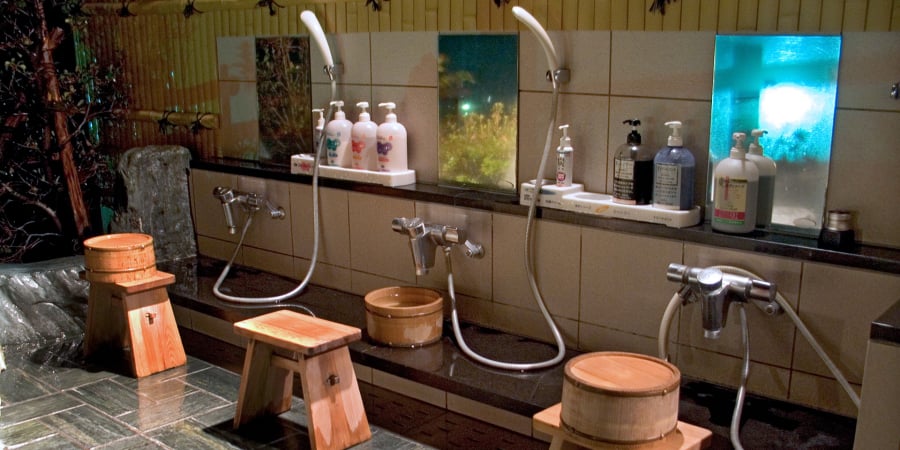
- Cleanse your body before showering.
Before immersing themselves in the warm spring water, visitors must first wash themselves thoroughly. The washing area is located within the onsen itself, but in a separate corner, complete with chairs, basins, and basic toiletries. Visitors may bring their own soap, body wash, and shampoo if they wish. Only after being thoroughly clean can visitors enter the bath.
- Bring your own towel.
While towels are available for rent at most onsens, visitors should bring their own for added comfort. Importantly, visitors are not permitted to bring towels into the hot springs.
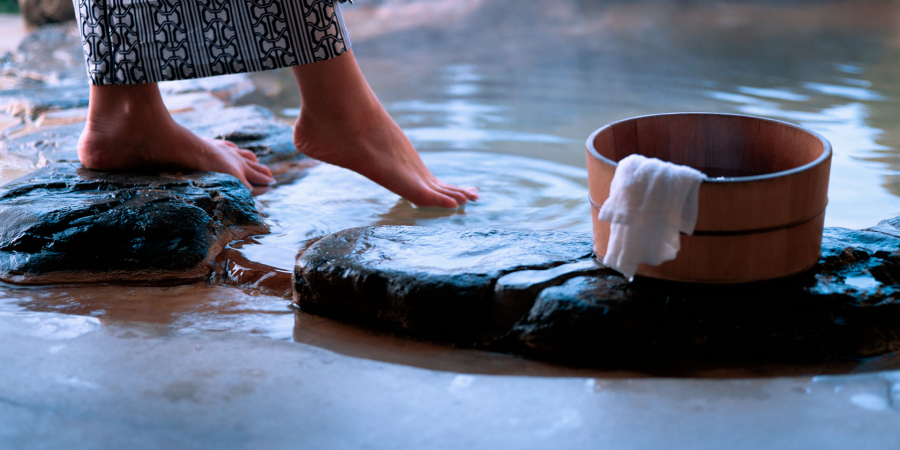
- Test the water temperature.
While showering and cleansing your body, visitors should use the hot water to allow their bodies to acclimate to the temperature. Before getting in, soak your feet for a few minutes to feel the temperature. Once accustomed to the water's warmth, enjoy the relaxing moments with the warm water and the cool winter weather.
- Do not let your hair touch the bathwater.
Hair should be tied up or wrapped in a small towel. Never submerge your head (from the neck up) or let your hair touch the bathwater.
- No photos taken.
Mobile phones and cameras are not permitted in public bathing areas.
- People with tattoos are prohibited.
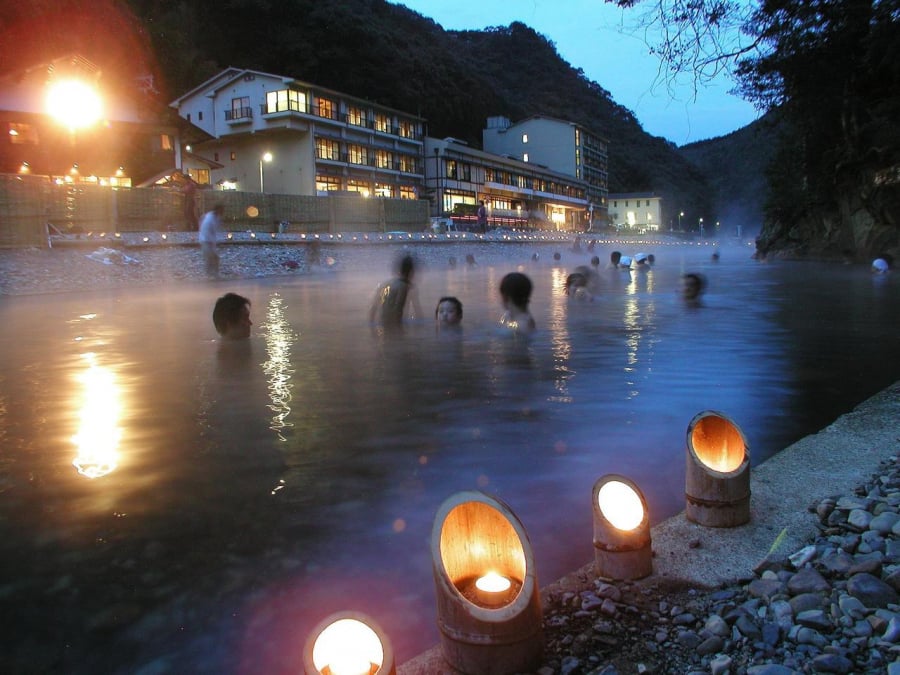
According to Japanese beliefs, tattoos are a sign of the Japanese underworld (yakuza), which can somewhat intimidate other tourists. Therefore, onsens (hot springs) prohibit people with tattoos, and some Japanese people with tattoos are aware of this and rarely enter them. However, foreigners are allowed if their tattoos are within the permitted limits. There are usually signs outside the onsen indicating whether or not people with tattoos are allowed to bathe.
- Eating and smoking are prohibited.
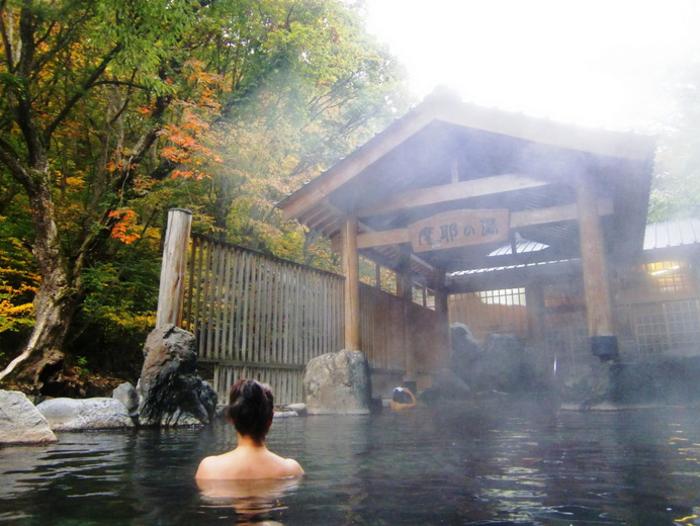
Smoking in public is prohibited in Japan, and eating in onsen (hot spring) areas is also not allowed. In areas where enjoying hot sake is permitted, visitors should inquire at the reception desk. For privacy, consider uchiyu, a traditional Japanese inn.
- Drink plenty of water.
Drink plenty of water, and avoid alcohol in the hours before and after showering, as it will dehydrate you further.
- Ensuring health
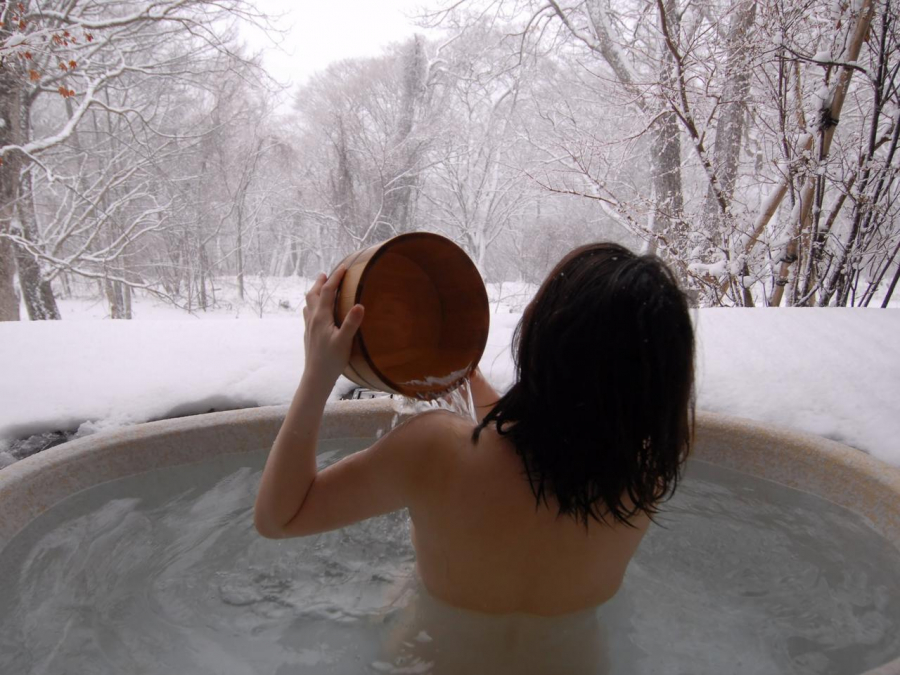
Do not bathe in hot springs if you have health problems such as stomach pain or nausea, are menstruating, or have a history of cardiovascular disease or high blood pressure.
- Cleanse your body after showering.
Natural onsens contain natural minerals with healing and relaxing properties, giving them a distinctive scent. Therefore, visitors do not need to rinse with clean water; they only need to dry their entire body after soaking in the hot springs.