VI
VI


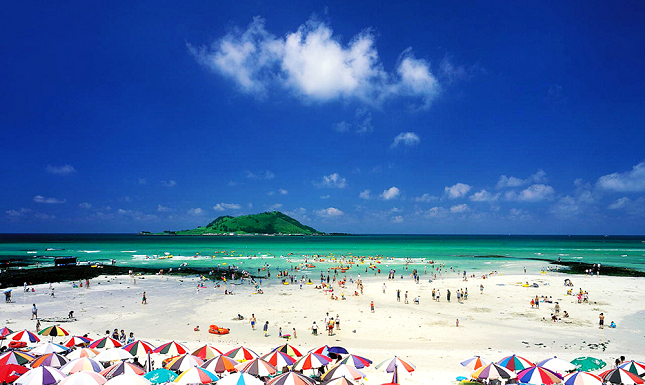
Haeundae Beach
Haeundae is South Korea's largest public beach, stretching nearly 2km with fine sand and shallow water, bordered by a row of high-rise buildings. It is the most popular beach in South Korea, attracting an average of 100,000 tourists daily during the summer months.

In Haeundae, you'll be overwhelmed by the vibrant sight of colorful umbrellas lining the beach. Nearby, there are also cultural spaces such as the Busan Aquarium and art galleries in some high-rise buildings. An ideal spot for a stroll is Dongbaekseom Island, home to the uniquely designed APEC Nurimaru House.
- Take bus 1003 from Busan Station and get off at Haeundae Beach.
Gwangalli Beach
Gwangalli Beach is located in Gwangan 2(i)-dong, Suyeong-gu, west of Haeundae Beach. Gwangalli is the second most famous beach in Busan, stretching 1.4 km in a crescent shape. In front of the beach is the beautiful Gwangalli Bridge, 7.4 km long, connecting Namcheon-dong and Haeundae.
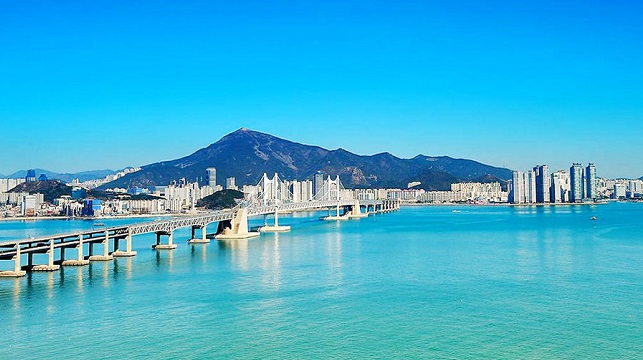
The beach is a popular spot for watching the sunset, especially at night when the illuminated bridge creates an incredibly romantic scene. Gwangalli is also considered a culinary destination thanks to the Millak-dong Live Fish Center and the street lined with restaurants on both sides.

- From Busan Seobu bus terminal to Sasang station, then take the subway to Gwangan station. Exit through gate 5.
Gyeongpo Beach
Gyeongpo Beach is the most famous beach in Gangwon-do, encompassing both Gyeongpoho Lake and the coastline. The 1.4km long beach is surrounded by a 4km long pine forest. Both the beach and the lake have bicycle paths. There are also many bicycle rental shops near the lake.
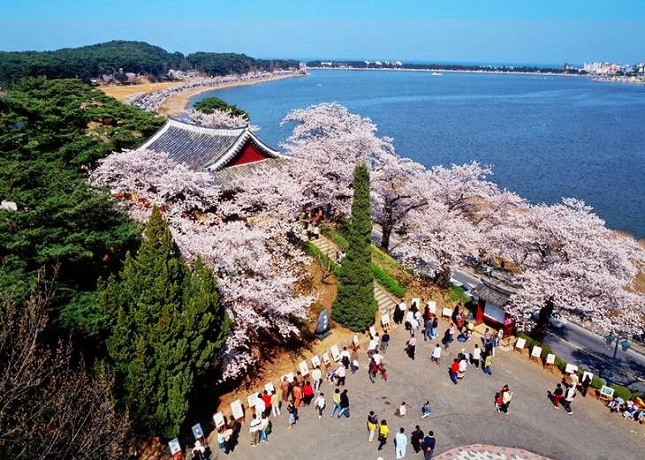
The beach is famous for its picturesque sunrise views. Notably, Gyeongpo is only 1 km from Gyeongpodae (a very popular tourist destination) and very close to other tourist attractions such as pine forests and wild rose gardens. In spring, a cherry blossom festival is held right at the beach entrance, and in summer, many beach festivals are held here, such as the Sea Dance Festival...
- Take bus 202 right in front of Gangneung Express Bus Terminal and get off at Gyeongpo Beach.
Jungmen Beach
Jungmun Beach, a crescent-shaped beach stretching 0.6km, lies beneath the Jungmun Tourist Complex on Jeju-do Island. Locals also call Jungmun by another name, "Jinmosal," referring to the four types of sand found there: black, white, red, and gray. The best part is that the water here is very warm, making it ideal for swimming, especially during the summer.
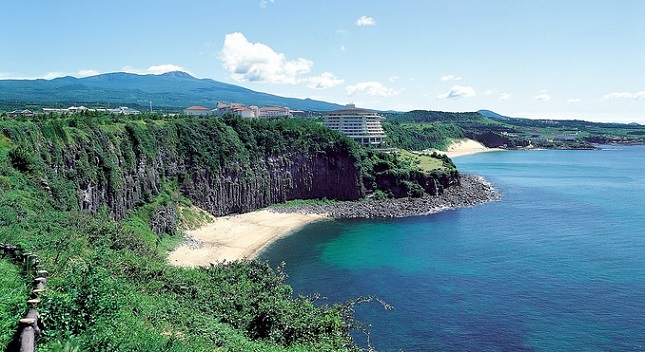
The best place to view the beach is Swiri Hill in the Shilla Hotel gardens at the Jungmun Tourist Complex. It's named Swiri Hill because it was the filming location for the popular 1999 film Swiri.
- Take bus 600 from Jeju International Airport and get off at Korea Condo, then walk to the beach.
Hyeopjae Beach
This is the most famous beach on the west coast of Jeju Island. The beach not only boasts shallow water and a gentle slope, but is also blessed with a vast expanse of sea, making it a renowned destination. On sunny days, the clear skies, white sand, and cool blue sea, along with the distant Biyang-do Island, further enhance the beauty of this scenic spot.
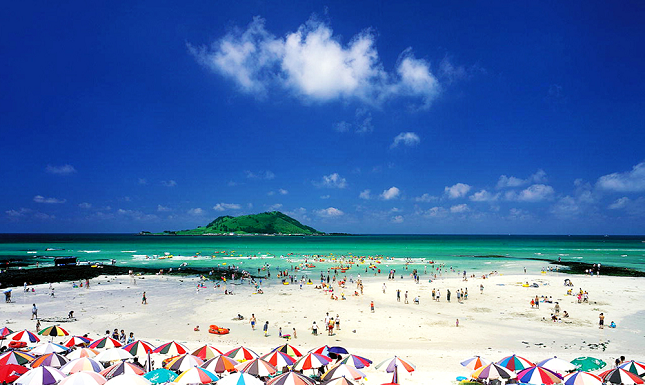
Hyeopjae Beach boasts a stunningly beautiful white sand, a result of a large amount of crushed seashells mixed with the sand, blending seamlessly with the turquoise seawater. Black volcanic rocks jutting out from the white sand, covered in seaweed, and the scattered green of pine forests create a truly beautiful landscape.
This beach is quite shallow, making it a suitable holiday spot for families with young children.
- From Jeju Intercity Bus Terminal, take a loop bus heading west and get off at Hyeopjae Beach.